Toyota Corolla Oil Change DIY: Steps and Capacity
Quick Answer: For a 2020-2025 Toyota Corolla, a full oil change (drain and refill) requires roughly 4.4 qt (4.2 L) for 1.8 L engines and 4.9 qt (4.6 L) for the 2.0 L, using Toyota-specified engine oil (typically 0W-16 or 0W-20) and replacing the oil filter (OEM part number 90915-YZZN1).
Technical Specifications
Engine Variants & Oil Capacity
| Engine (2020-2025) | Oil Capacity (with filter) | Recommended Viscosity / Grade |
|---|---|---|
| 1.8 L 4-cyl (2ZR-FAE) | ~4.4 qt / ~4.2 L | SAE 0W-20 (API SN/RC) |
| 1.8 L 4-cyl Hybrid (2ZR-FXE) | ~4.4 qt / ~4.2 L | SAE 0W-16 |
| 2.0 L 4-cyl (M20A-FKS) | ~4.9 qt / ~4.6 L | SAE 0W-16 (per Toyota spec); some sources allow 0W-20 if 0W-16 unavailable, but recommend switching back on next change. |
Oil Filter, Drain Plug & Washer
- OEM oil filter: 90915-YZZN1 for most 2020-2025 Corollas.
- Drain plug torque:
- 1.8 L engine: ~27 ft-lbs (36 N·m)
- 2.0 L engine: ~30 ft-lbs (41 N·m)
- Recommended drain plug washer (crush washer): Toyota part 90430-12031 or equivalent.
Oil Pressure / Temperature Notes
The Corolla’s engine oil system runs within a standard pressure range; for normal warm operating conditions, there is no special high-pressure flush step. Use the viscosity specified above for optimal cold-start behavior and efficient lubrication during warm-up.
Maintenance Schedule
Toyota’s recommended maintenance interval for oil change is typically every 10,000 km (or 12 months) under normal driving for newer Corollas, but many DIYers (and shops) shorten that to 8,000 km or 6 months for peace of mind, especially if they use ultra-light synthetic oils. Always refer to your owner’s manual.
Tools & Materials List
- Socket wrench set (3/8″ or 1/2″ drive) including 14 mm (or 9/16″) socket for drain plug
- Torque wrench (capable of measuring 20-50 ft-lbs)
- Oil filter wrench or strap wrench
- Oil drain pan (capacity at least 6 L recommended)
- Funnel
- Shop rags / microfiber towels
- Gloves (nitrile or latex)
- Jack and jack stands or ramps (if needed to access oil pan safely)
Replacement parts and consumables:
- Engine oil (~5 L depending on engine) – see options below
- Oil filter (OEM 90915-YZZN1 or equivalent)
- Drain plug washer / gasket (e.g., Toyota 90430-12031, or an OEM torque-washer set)
- Oil-absorbent mat / cardboard (optional but helpful for spills)
Estimated Costs
DIY parts-only is very affordable for this job. A five-liter jug of good-quality 0W-16 or 0W-20 oil costs around $40-$60, a genuine filter around $10-$15, and a washer is a couple of dollars. Total parts cost typically under $80 (depending on your region).
Safety Warnings
- Support the car securely with jack stands or ramps—never rely on a jack alone.
- Oil is hot after driving—let the engine cool for at least 10 minutes before draining.
- Used oil is a health & environmental hazard. Collect in a proper container and recycle at a certified facility.
- Wear gloves and eye protection—oil can splash, and metal edges around the pan or filter housing may be sharp.
- Do not overtighten the drain plug—overtightening can strip threads or damage the oil pan.
Step-by-Step Instructions
- Warm up the engine: Start the Corolla and let it idle for 3-5 minutes to bring the oil to operating temperature. This makes draining more efficient. Then switch it off and wait ~5-10 minutes to allow oil to settle.
- Raise the vehicle safely if needed using ramps or a jack and jack stands. Make sure the car is level so you can accurately check the dipstick later.
- Place your drain pan under the oil pan’s drain plug.
- Using the appropriate socket (14 mm or 9/16″, depending on model), loosen the drain plug. Use a slow, steady motion, letting hot oil flow out. Remove the old washer from the plug.
- Once the oil has mostly drained (you’ll see a slow drip), carefully reinstall the drain plug with a new crush washer (e.g., Toyota 90430-12031). Torque to spec: ~27 ft-lbs for 1.8 L, ~30 ft-lbs for 2.0 L. Use your torque wrench. Do not skip the washer—reusing the old one often causes leaks.
- Move to the oil filter housing. Use a filter wrench to loosen the old filter. Be ready—it’ll likely spill some residual oil.
- Before installing the new filter, lightly coat its rubber gasket with fresh engine oil (just a dab helps seal). Screw the new filter on by hand until its gasket contacts the housing, then turn another 1 full turn. Do not overtighten.
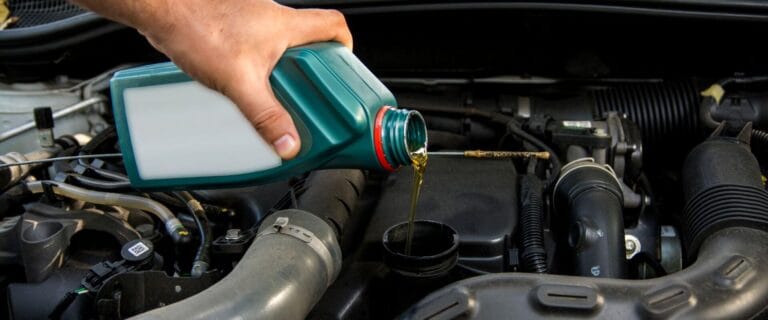
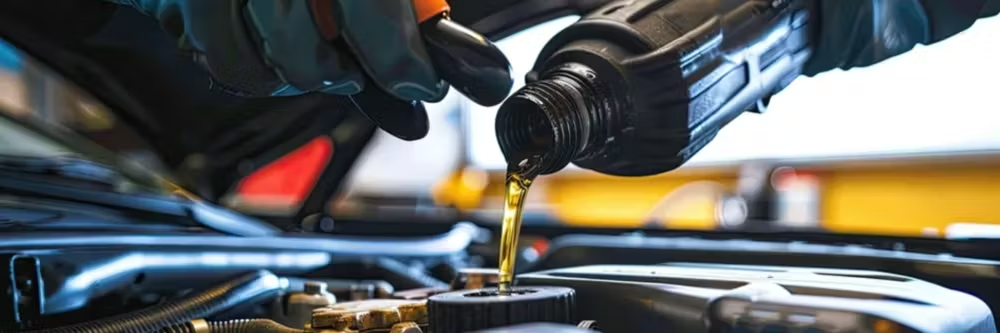
- Lower the car (if raised), and using a funnel, pour in the correct amount of engine oil. For 1.8 L: start with ~4.2 L; for 2.0 L: start with ~4.6 L. Re-check the dipstick.
- Start the engine and let it idle for ~30 seconds, then shut off. Wait another 5 minutes, then re-check the dipstick. Add more oil in small increments (100-200 ml) until the level sits between the two marks on the dipstick.
- Clean up any spilled oil, reinstall underbody shields if removed, and make a note of the change (date, mileage) for future maintenance.
Troubleshooting
Oil Level Too Low or Too High
If after filling and idling you still can’t get the dipstick into the proper range:
- If it’s too low: Carefully add 100-200 ml more, wait, re-check. Overfilling risks foaming/aeration.
- If it’s too high: Drain a little (via the plug) into your catch pan, then re-measure.
Oil Leak from Drain Plug
If X happens: oil drip from the plug
Check Y: likely the washer was reused, or torque was off. Remove the plug, inspect the washer—if flat or deformed, replace it. Re-torque correctly with new gasket.
Oil Leak from Filter Housing
If X happens: dripping oil near filter housing after running
Check Y: the filter may not have been tightened enough, or its gasket not clean. Remove, wipe both sealing surfaces, reapply fresh oil to the gasket, reinstall.
Foamy or Milky Oil on Dipstick
This often means air is in the oil (aeration). It can be caused by overfilling or improper torque on plug or filter. Drain a bit, re-check, and verify both plug and filter are secure.
Cost Comparison: DIY vs Professional
| DIY Cost | Professional Service | |
|---|---|---|
| Engine oil (5 L) | ~ $50 | Included |
| Oil filter | ~ $12 | Included |
| Washer | ~ $2-$5 per change | Included |
| Total | ~ $70 | $120-$180 (depending on labor rate and whether they use OEM oil/filter) |
Long-Term Savings: Doing your own oil changes every 8,000 km instead of paying a shop can save you hundreds over several years. Plus, you control quality.
Pro Tips
I always keep a small stock of crush washers and genuine filters in my own tool cabinet. Saves time and prevents leaks. Also, when pouring in fresh oil, use a funnel with a flexible spout—makes it much easier in tight engine bays.
Related Guides
- The 3,000-Mile Oil Change Myth: What Modern Engineers Won?t Tell You
- Oil Change Interval by Make: 15 Brands, 25 Engines
- Mitsubishi Outlander Oil Change: DIY Steps and Capacity
- Porsche Cayenne Oil Change: DIY Step-by-Step Guide
- Acura MDX Oil Change: Complete DIY Guide
- Chevrolet Malibu Oil Change: A Step-by-Step Guide for Smooth Rides
- How to Change Oil in a Jeep Wrangler: DIY Guide
- Oil Analysis Guide: How to Test Your Oil Like a Pro (2026 Update)
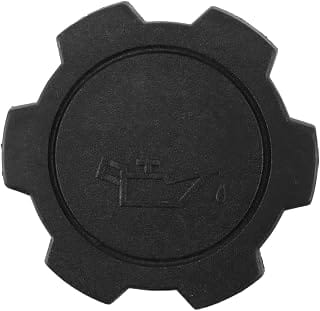
Top Toyota Corolla Oil Change Diy – Our Picks
Frequently Asked Questions
How long does this job take for a beginner?
Plan for two to three times a professional’s book time on your first attempt. Working slowly and verifying each step prevents the rework that actually costs the most time.
What tools do I need?
A basic metric socket set, jack and stands, torque wrench, and drain pan cover most of this job. Confirm any model-specific tools in the procedure before you begin.
What is the most common mistake?
Rushing reassembly and skipping torque values. Most DIY failures and comebacks trace back to under- or over-tightened fasteners, not the repair itself.
When should I let a shop handle it instead?
If the job involves safety-critical systems, pressurized components, or you lack a safe way to lift and support the vehicle, delegate it. The labor savings are not worth an injury or a dangerous failure.