Engine Rough Idle: Causes and Solutions
Quick Answer:A rough idle is often caused by vacuum leaks, a dirty or faultyidle air control valve(IAC),worn spark plugs, or clogged fuel injectors. Start diagnosis with an OBD2 scan for codes, check for vacuum leaks, and inspect plugs and the IAC. Many fixes are DIY-friendly and cost under $200.
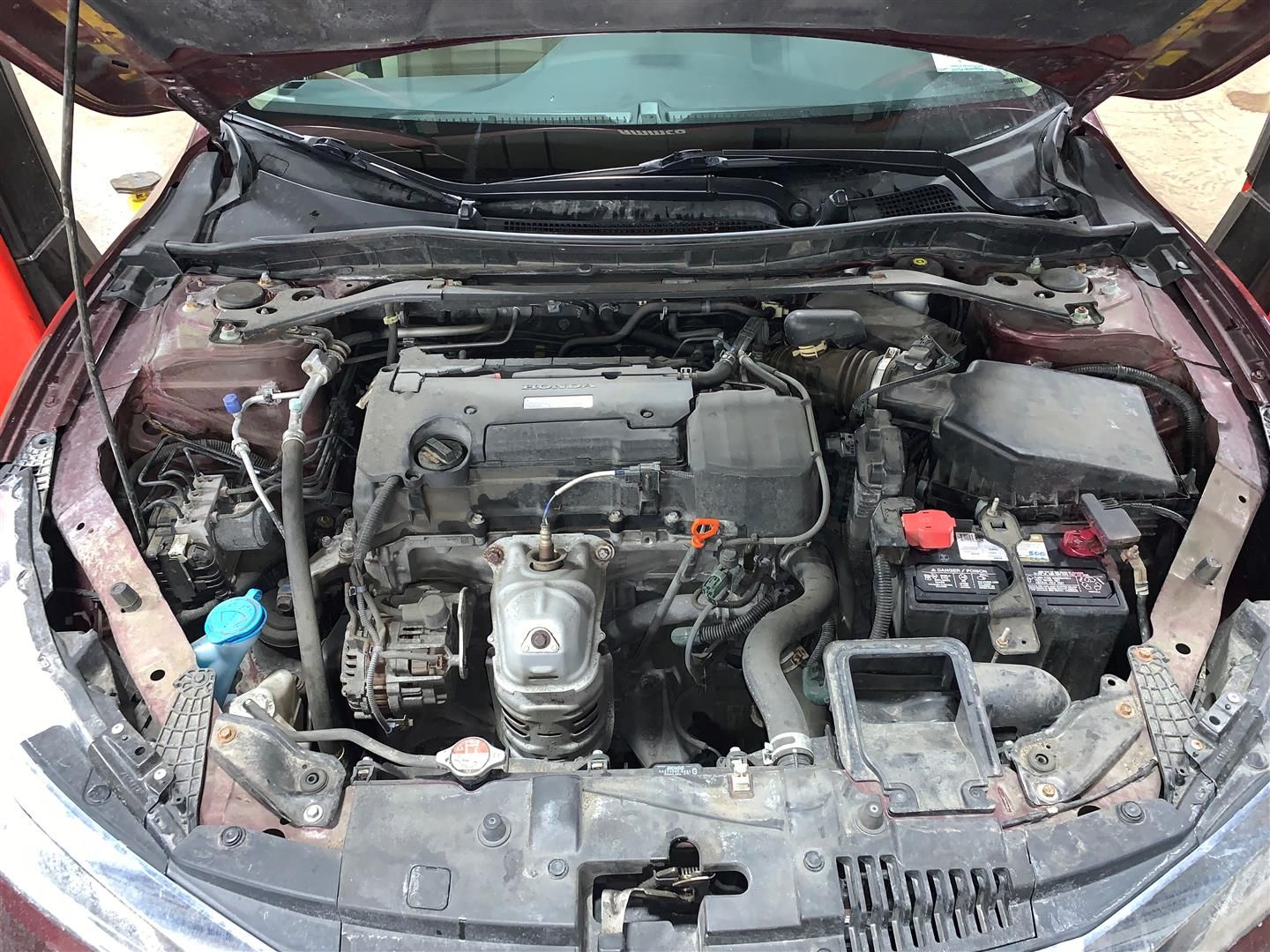
It was a cold December morning last year, frost still on the windshield, when Mrs. Johnson pulled her 2012 Honda Accord into the bay. The car was shaking like it had the chills, RPM bouncing between 600 and 900, and she looked worried. “It only does this at stoplights,” she said. “Drives fine otherwise.” I’d seen this a hundred times before. Turned out to be a cracked vacuum hose and a gummed-up IAC valve. Fixed it in under two hours, and she drove off smiling. That’s the thing about engine rough idle—it’s annoying as hell, but usually not a death sentence for your motor if you catch it early.
I’ve been turning wrenches for over 20 years, and rough idle calls are some of the most common. You feel that shaking at idle, hear the unstable idle, maybe some idle fluctuation or RPM bounce. It can make your whole car vibrate. Good news is, most causes are straightforward. Let’s break it down so you can diagnose and fix it yourself.

What Exactly Is a Rough Engine Idle?
When your engine is idling—in park or at a stop—it should run smooth around 600-1000 RPM, depending on the vehicle. Rough idle means it’s shaking, RPMs are bouncing, or it’s unstable. You might feel vibrations through the steering wheel or seat. It’s worse when cold or with AC on, but smooths out once driving because higher RPM masks it.
Common symptoms: shaking at idle, idle fluctuation, RPM bounce, or even stalling. If ignored, it wastes gas, stresses mounts, and can lead to bigger issues.
Common Causes of Engine Rough Idle
From my experience, 90% of rough idles fall into these categories:
- Vacuum leaks (most common in older cars)
- Dirty or bad idle air control valve
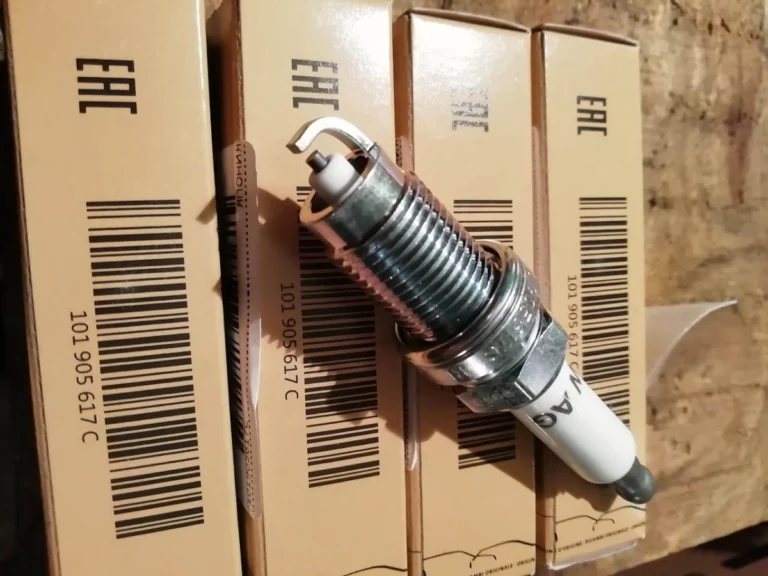
- Worn or fouled spark plugs/coils
- Clogged fuel injectors or bad fuel delivery
- Faulty sensors (MAF, O2, etc.)
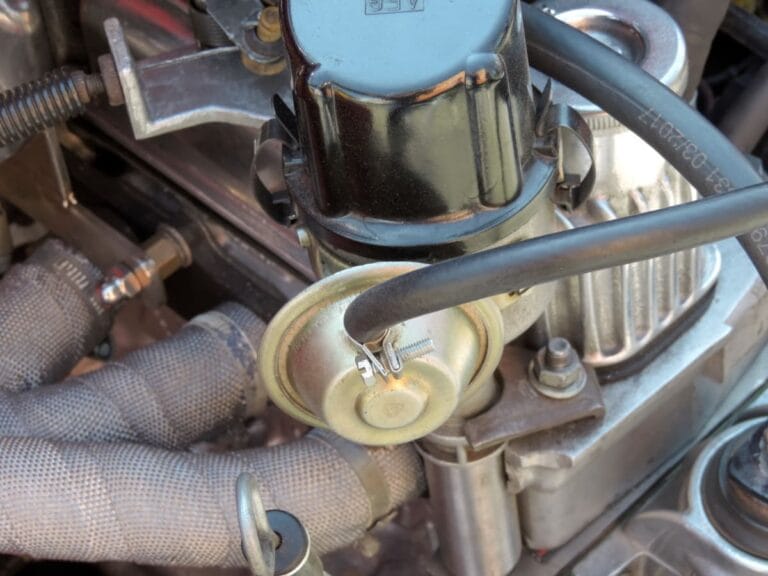
- Stuck EGR valve
Less common: bad motor mounts (feels like rough idle but isn’t engine-related), low compression, or timing issues.
Vacuum Leaks: The Sneaky Culprit
Vacuum leaks let extra air into the engine, leaning out the mixture and causing high or unstable idle, often with a hiss. Common on intakes, hoses, gaskets.
I’ve chased leaks for hours on Toyotas and Fords—cracked PCV hoses or intake boots are killers.

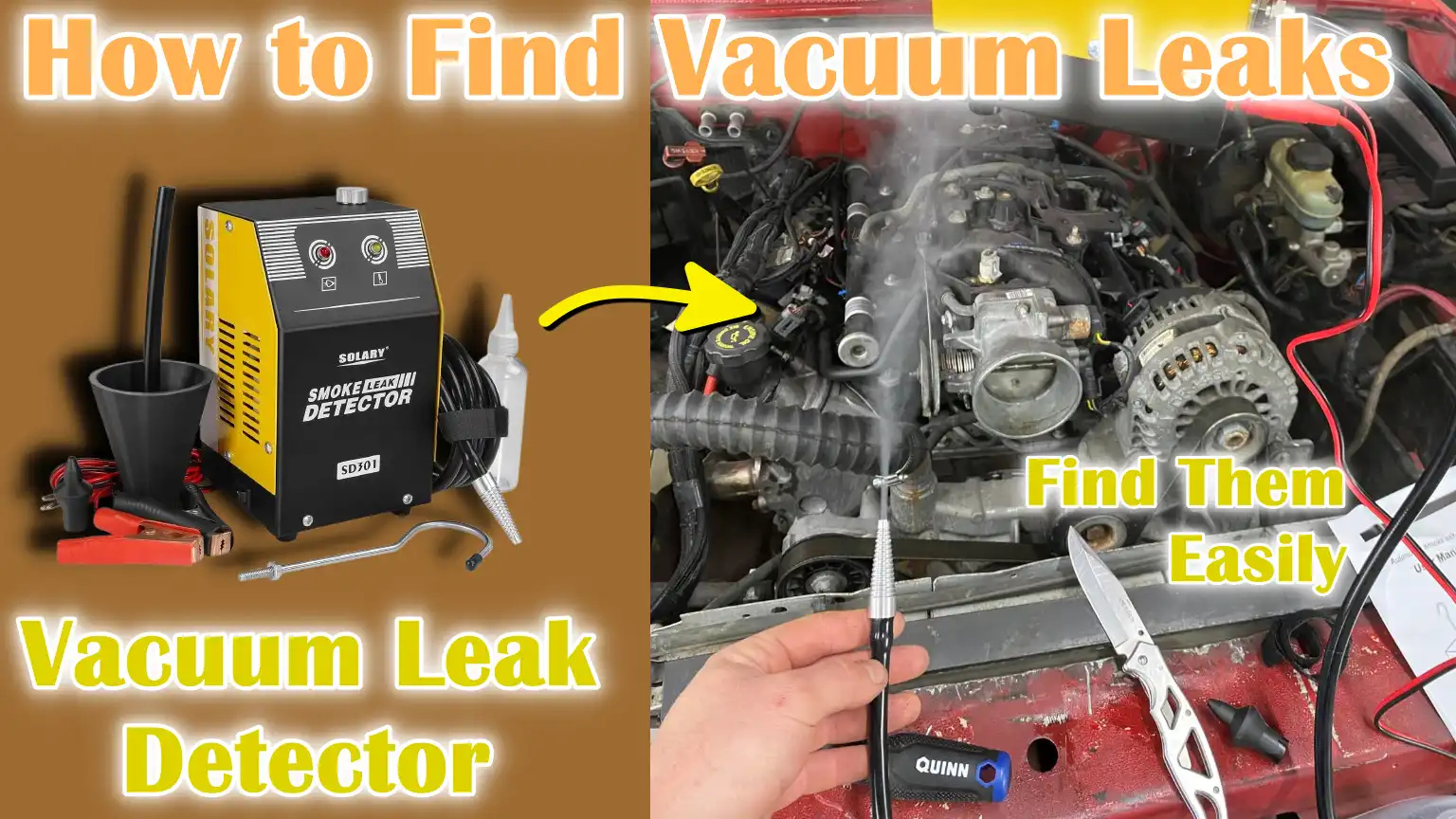

Pro tip: Spray carb cleaner around hoses—if RPM jumps, you’ve found it. Or use a smoke machine for precision.
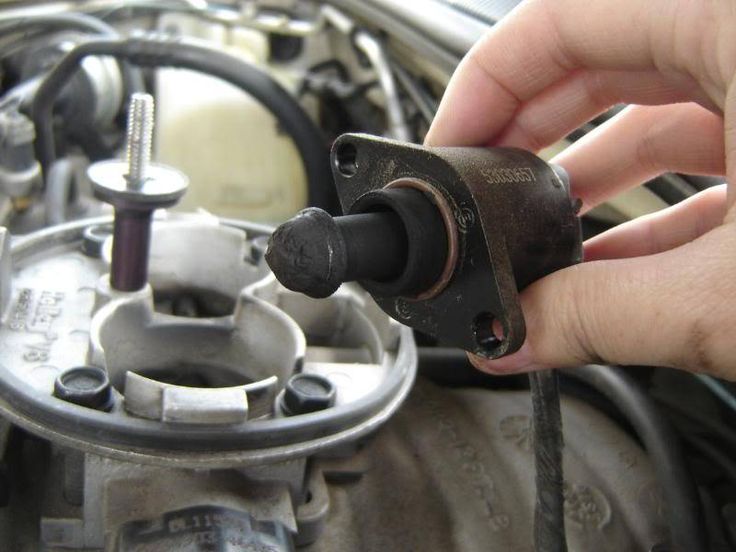
Dirty or Faulty Idle Air Control Valve
The IAC controls bypass air for stable idle. Carbon buildup clogs it, causing low/high idle, surging, or stalling.
Common on 2000s GM and Honda vehicles after 100k miles.


Bad Spark Plugs or Ignition Issues
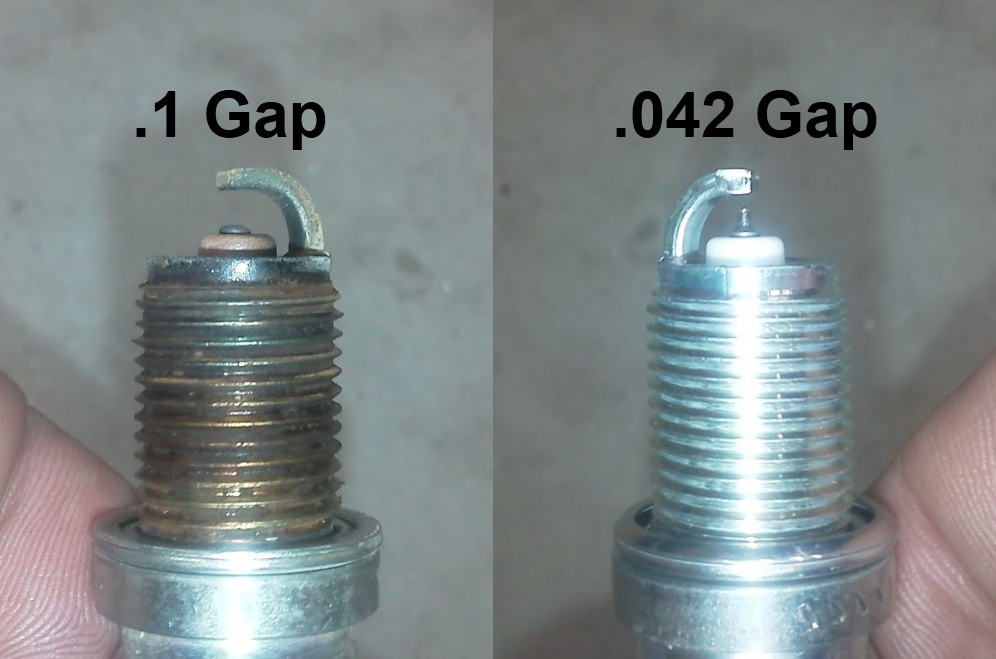
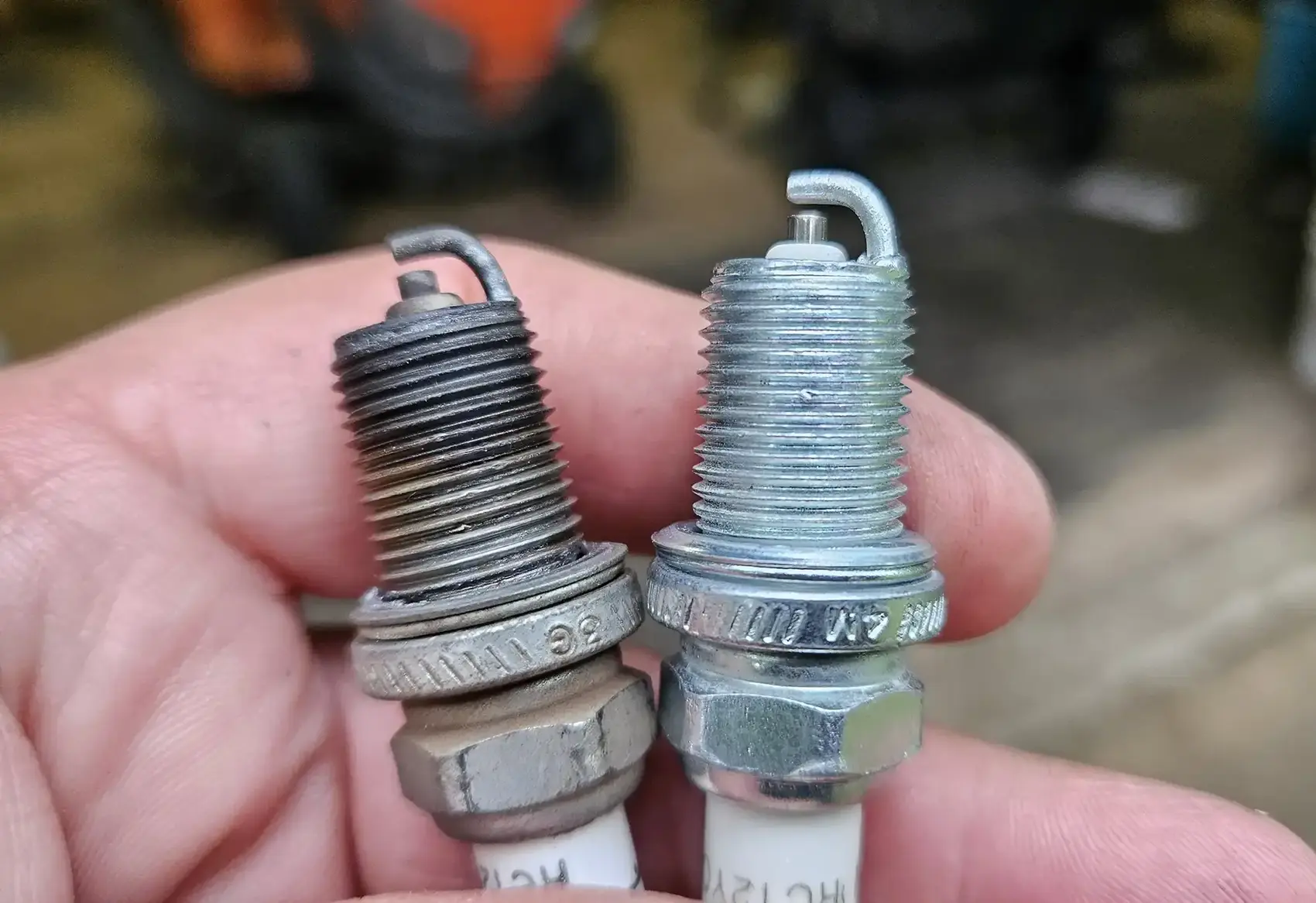
Worn plugs cause misfires, felt most at idle. Gap widens, fouling builds.
Replace every 60-100k miles. I’ve seen “lifetime” iridiums fail early in turbo cars.

Tools & Materials List
- Must-have:
- OBD2 scanner ($20-100 on Amazon, like Innova or BlueDriver) – for codes and live data
- Basic sockets/ratchets (10mm common for IAC)
- Screwdrivers, pliers
- Carb/throttle body cleaner ($8)
- Shop vac or rags
- Nice to have:
- Smoke machine ($50-200) for leaks
- Torque wrench ($30-60) for plugs
- Fuel pressure gauge ($30)
Safety Warnings
Step-by-Step Diagnosis for Rough Idle
-
-
- Scan for codes.Plug in OBD2 scanner, read codes and freeze frame. Look for misfires (P030x), lean (P0171/174), or IAC-related.
-

- Visual inspection.Pop hood, look for cracked hoses, loose connections. Listen for hiss.
- Check live data.Watch short/long term fuel trims—if over +15%, likely lean (vacuum leak).
- Test for vacuum leaks.Spray cleaner or use smoke.
- Pull and inspect plugs.Look for wear, fouling.
- Clean throttle body and IAC.(See below)
How to Clean the Idle Air Control Valve
Time estimate: 45-90 minutes.
- Engine off, cool. Disconnect battery.
- Locate IAC—usually on throttle body.
- Unplug connector, remove 2-3 bolts (often 8-10mm).
- Spray cleaner inside, scrub pintle gently. Let dry.
- Reinstall with new gasket if needed. Torque bolts to spec (check manual, often 8-10 ft-lbs).
- Reconnect, drive to relearn idle.
Pro Tip: Many “bad” IACs are just dirty. Cleaning saves $100+ on a new one. I’ve revived dozens this way.
Rookie mistake: Forgetting to reset ECU—idle might surge until relearn.
Replacing Spark Plugs for Rough Idle
Always use OEM or quality like NGK/Denso. Gap per manual.
Torque: Generally 13-20 ft-lbs for 14mm plugs—check your vehicle!
Cost Analysis
| Fix | DIY Parts Cost | Tools Needed | Shop Cost Estimate |
|---|---|---|---|
| Vacuum hose replacement | $10-30 | Basic | $100-200 |
| IAC cleaning | $8 cleaner | Basic | $150 diag + clean |
| New IAC valve | $50-150 | Sockets | $300-500 |
| Spark plugs (set) | $30-100 | Socket, torque wrench | $200-400 |
| Full diagnosis/fix | $100-300 | Varies | $400-800 |
Money-saving tip: Start with scan and cleaning—fixes 70% of cases cheap. Dealers charge diag fees that cover parts.
Learn more about [rough idle diagnosis, rough engine idle,fix rough idle](vacuum-leak-diagnosis, idle-air-control-valve,bad-spark-plugs).
FAQ
Why does my car shake at idle but smooth out when driving?
Classic rough idle symptom. Low RPM amplifies misfires or imbalances. Common vacuum leak or ignition issue.
How much does it cost to fix a rough idle?
DIY: $20-300. Shop: $150-800 depending on cause. Vacuum fixes cheapest, injectors priciest.
Can bad gas cause rough idle?
Yes, water or old gas clogs injectors. Try fresh premium and additive.
Will cleaning throttle body fix rough idle?
Often yes, especially with IAC. Carbon disrupts air. Common on direct injection engines.
Is rough idle serious?
Not immediately, but wastes fuel, stresses parts, fails emissions. Fix soon.
Can low oil cause rough idle?
Rarely directly, but low oil leads to wear causing issues.
Does rough idle mean bad motor mounts?
Sometimes—worn mounts transmit normal vibrations more. Check by revving in neutral.
Top Engine Rough Idle – Our Picks


Conclusion
Rough idle is frustrating but usually moderate difficulty to fix. Start simple: scan, inspect, clean. Most cases are vacuum, IAC, or plugs—cheap and DIYable.
Total cost often under $200 DIY, versus $500+ at shop. From my bay, catching early saves thousands long-term. Get under hood, diagnose systematically—you’ll smooth it out and feel like a pro.
Drive safe out there.