Dodge Ram Oil Change: Capacity, Oil Type & Steps (2026)
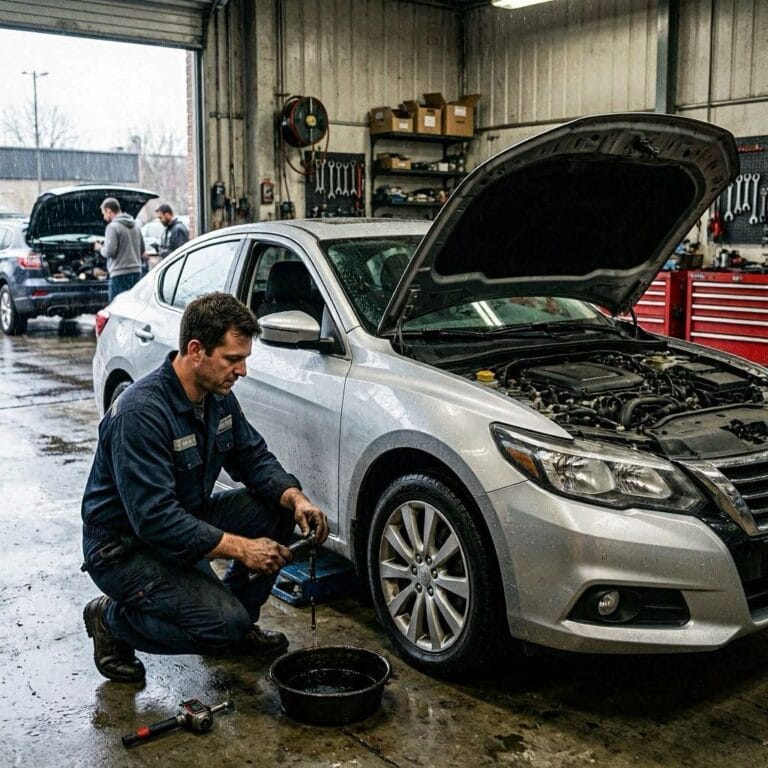
A Dodge Ram oil change is one job every owner should be able to handle in the driveway. I have done this in my own bay on everything from the 3.6L Pentastar to the 5.7L HEMI. That includes the HEMI that came back for the 2026 model year. Skip this service and you are gambling with an engine worth more than most people’s first car.
So here is what you actually need. The correct oil type for your engine. The exact oil capacity. The filter part number that fits. I will also walk you through clearing the Oil Change Required light on both the old and new dash setups.
One more thing. A lot of DIY guides get this truck wrong. The filter part number is the big one, and I will show you exactly where they slip.
VehicleBar is an Amazon Associate. We earn from qualifying purchases at no extra cost to you.
Quick Answer: Dodge Ram Oil Change Specs
The 5.7L HEMI takes 7 quarts with the filter. Use 5W-20 full synthetic for 2013 to 2021 trucks and 0W-20 for 2022 and newer, including the 2026 HEMI. The correct OEM filter is the Mopar MO-339, not the MO-090. Change the oil every 5,000 to 7,500 miles, or up to 10,000 miles on full synthetic under light duty.
What This Guide Covers
Understanding This Guide Covers
- Why regular oil changes keep this truck alive
- Ram 1500 oil change interval by driving style
- Oil type and capacity by engine
- The right oil filter and the MO-090 mistake
- Tools, supplies and DIY cost
- Step-by-step oil change instructions
- How to reset the Oil Change Required light
- Ram 1500 oil change cost: DIY vs shop
- Pro tips and common mistakes
- Frequently asked questions
Why Regular Oil Changes Keep This Truck Alive
Engine oil does four jobs at once. It lubricates moving parts. It carries away heat. It traps dirt and metal before they score your bearings. It also helps the engine run efficient, which shows up at the pump.
Skip the interval and sludge starts building in the oil passages. Wear accelerates on the cam lobes and rockers. Fuel economy drops, usually without you noticing. Worst case, you are looking at a seized engine and a five-figure rebuild.
The HEMI has one extra reason to stay on schedule. The MDS cylinder deactivation system runs oil pressure through small solenoids in the lifters. Dirty oil clogs those passages first. That is why neglected HEMIs tick before they knock.
What Neglect Actually Looks Like
Understanding Neglect Actually Looks Like
A customer brought me a 2019 Ram 1500 last year. It had not seen fresh oil in over 18,000 miles. The MDS lifters were already ticking. That noise means metal-on-metal wear has started, and by then the cheap fix is gone.
Ram 1500 Oil Change Interval: How Often Is Right
Stellantis sets the oil life monitor to stretch toward 10,000 miles. That number assumes easy highway miles. Most Ram owners do not drive that way.
Short trips are harder on oil than long ones. The engine never fully burns off fuel dilution and moisture. So a truck that runs five miles to work twice a day ages oil faster than one that runs 60 miles straight.
Here is how I set intervals in the shop.
| Driving Condition | Interval | Why |
|---|---|---|
| Mostly highway, no towing | 8,000 to 10,000 miles | Stable oil temp, minimal fuel dilution |
| Mixed city and highway | 6,000 to 7,500 miles | Typical duty cycle for most owners |
| Short trips under 10 miles | 5,000 miles | Moisture and fuel never cook out |
| Towing or hauling regularly | 4,000 to 5,000 miles | Sustained high oil temps break down additives |
| Dusty or off-road use | 4,000 miles | Abrasive contamination loads the filter early |
Change the oil at least once a year even if you barely drive. Oil degrades sitting still. Condensation does not care about your odometer.
Ram 1500 Oil Type and Capacity by Engine
This is where most guides fall short. The Ram 1500 has run five different engines since 2013. The oil spec changed more than once along the way. Here is what actually goes in each one.
The 5.7L HEMI took 5W-20 full synthetic from 2013 through 2021. Stellantis moved it to 0W-20 starting in 2022. That carries through the HEMI’s return for 2026. The 3.6L Pentastar followed a similar path, 5W-20 through 2018, then 0W-20 from 2019 on.
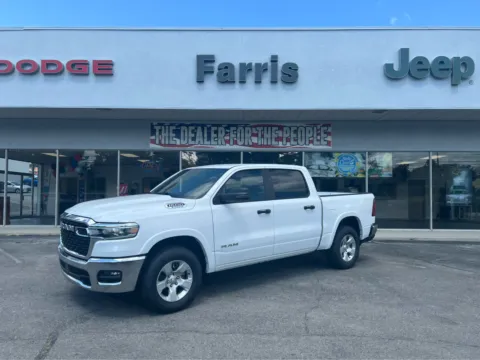
Shopping used? Then know this. Ram dropped the HEMI entirely for 2025 and sold the 1500 with the Hurricane I6 only. Enough customers pushed back that the 5.7L HEMI returned for 2026. So a 2025 truck and a 2026 truck can look identical in the lot. But they take completely different oil.
| Engine | Oil Type | Capacity (with filter) | Model Years |
|---|---|---|---|
| 3.6L Pentastar V6 | 5W-20 (2012 to 2018), 0W-20 (2019 and newer) | 5.9 qt | 2012 to 2024 |
| 5.7L HEMI V8 | 5W-20 (2013 to 2021), 0W-20 (2022 and newer) | 7 qt | 2013 to 2024, 2026 |
| 3.0L EcoDiesel V6 | 5W-40 full synthetic diesel (MS-10902) | 8.5 to 10.5 qt | 2014 to 2023 |
| 3.0L Hurricane I6 Standard Output | 0W-20 full synthetic | 7.5 qt | 2025 to 2026 |
| 3.0L Hurricane I6 High Output | 0W-40 full synthetic | 7.5 qt | 2025 to 2026 |
Check Your Oil Cap First
Viscosity is stamped right on the oil fill cap under the hood. That beats guessing from the model year, especially on a truck that has changed hands a few times. Match the cap, not the calendar.
Running 5W-30 in a 5.7L HEMI is not a factory recommendation. But I get asked constantly, usually by guys towing heavy in July. The MDS system is calibrated for 5W-20 flow rates. Thicker oil can slow the lifter solenoids and trip a cylinder deactivation fault.
Stick with the label on the cap. Our synthetic vs conventional oil guide covers the tradeoffs in more depth if you are still deciding.
Choosing the Right Oil Filter for Your Ram 1500
Here is the correction I most want Ram owners to see. Plenty of older guides point you toward the Mopar MO-090. Do not buy it. That number is a legacy Chrysler filter built for 2000s-era minivans and sedans.
It does not fit a modern 5.7L HEMI. Owners have returned it after it would not seat properly. The correct OEM filter depends on your engine and, for the HEMI, your model year.
| Engine | Mopar Part Number | Model Years | Notes |
|---|---|---|---|
| 5.7L HEMI (short canister) | MO-339 (68191349AC) | 2013 to 2024, 2026 | Sized for clearance at the electric power steering rack |
| 5.7L HEMI (long canister) | MO-899 | 2009 to 2012 | Pre-electric power steering trucks, larger housing |
| 3.6L Pentastar V6 | MO-349 (68191349AA/AC) | 2012 to 2024 | Shared across several Stellantis V6 models |
MO-339 and MO-349 Are One Digit Apart
Mix them up and the parts counter may hand you the wrong one anyway. Read the box before you walk out the door. I have had customers drive back twice over that single digit.
EcoDiesel and Hurricane trucks use a cartridge-style housing instead of a spin-on canister. So pull up your VIN before ordering. Do not guess off engine size alone.
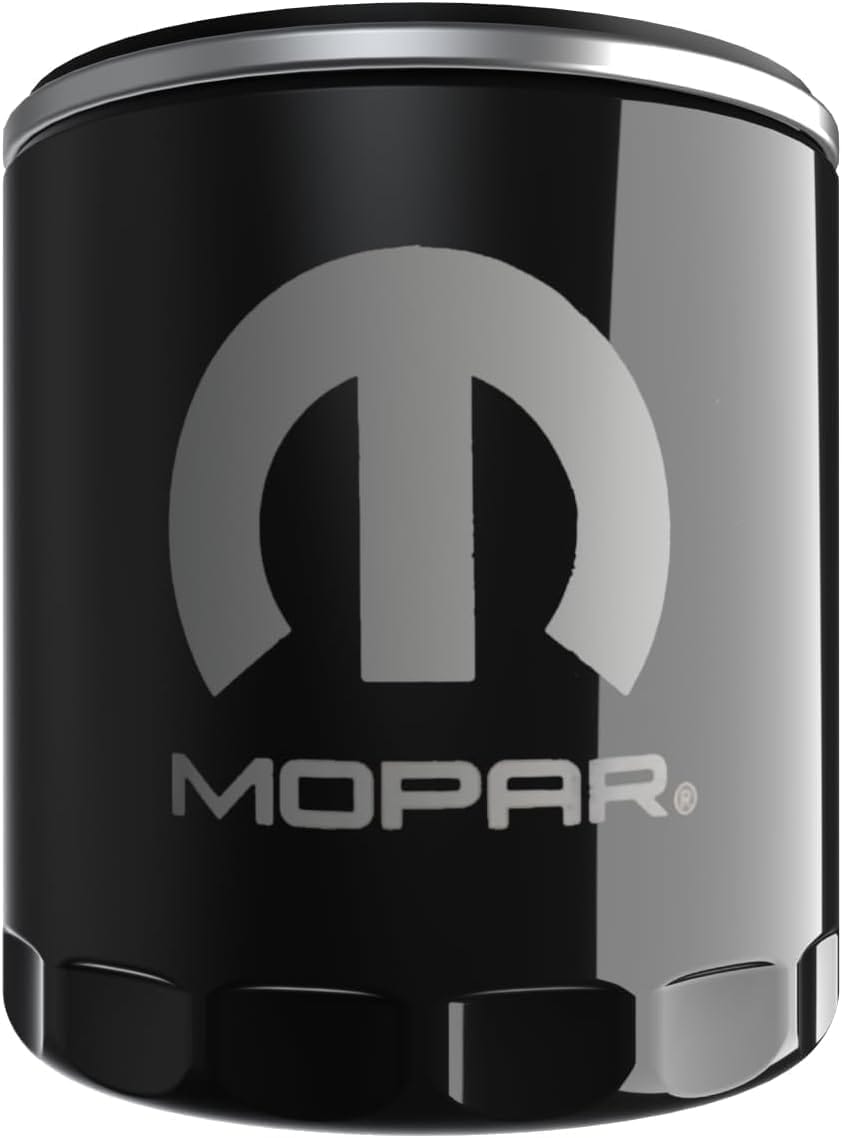
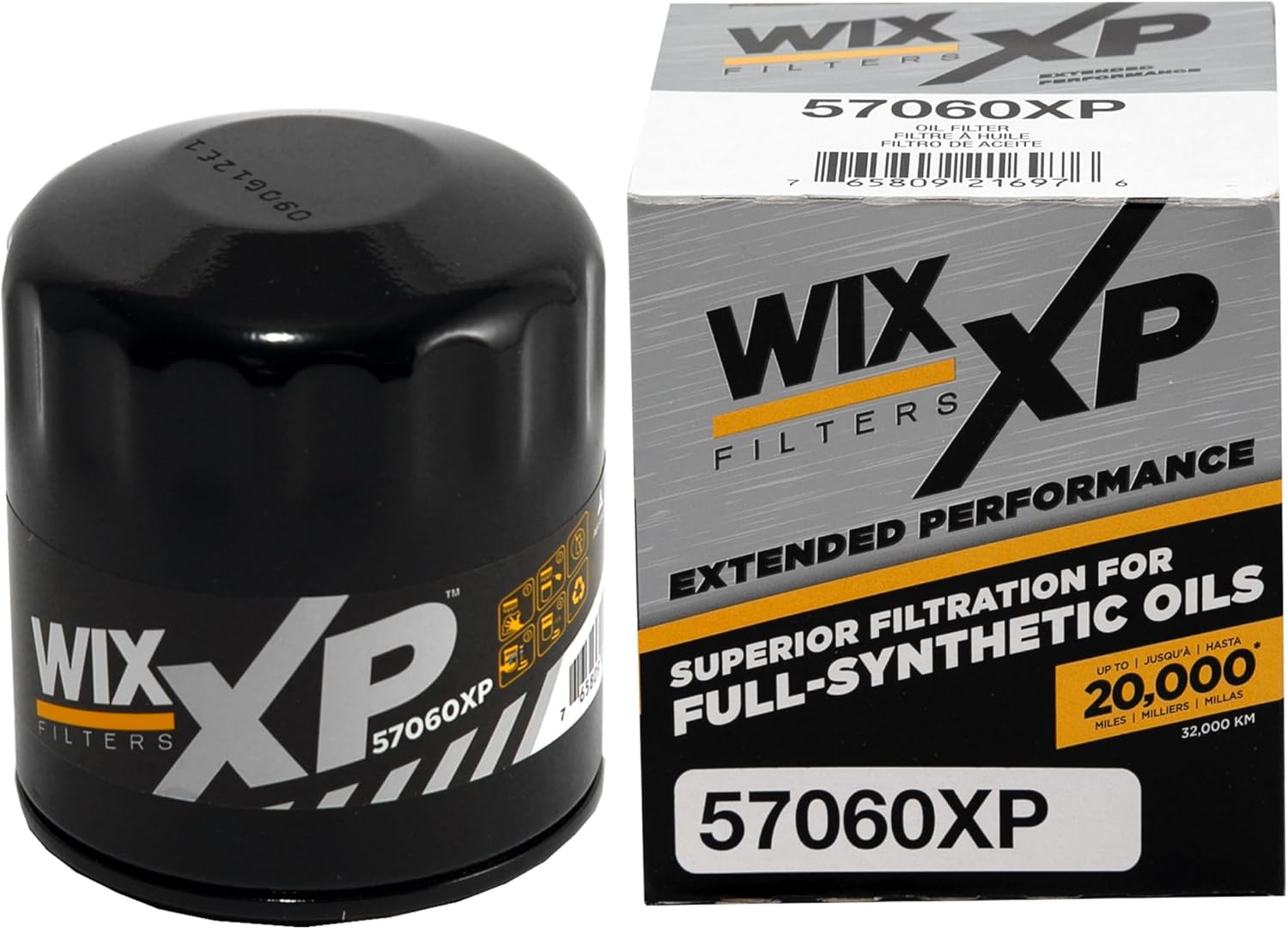
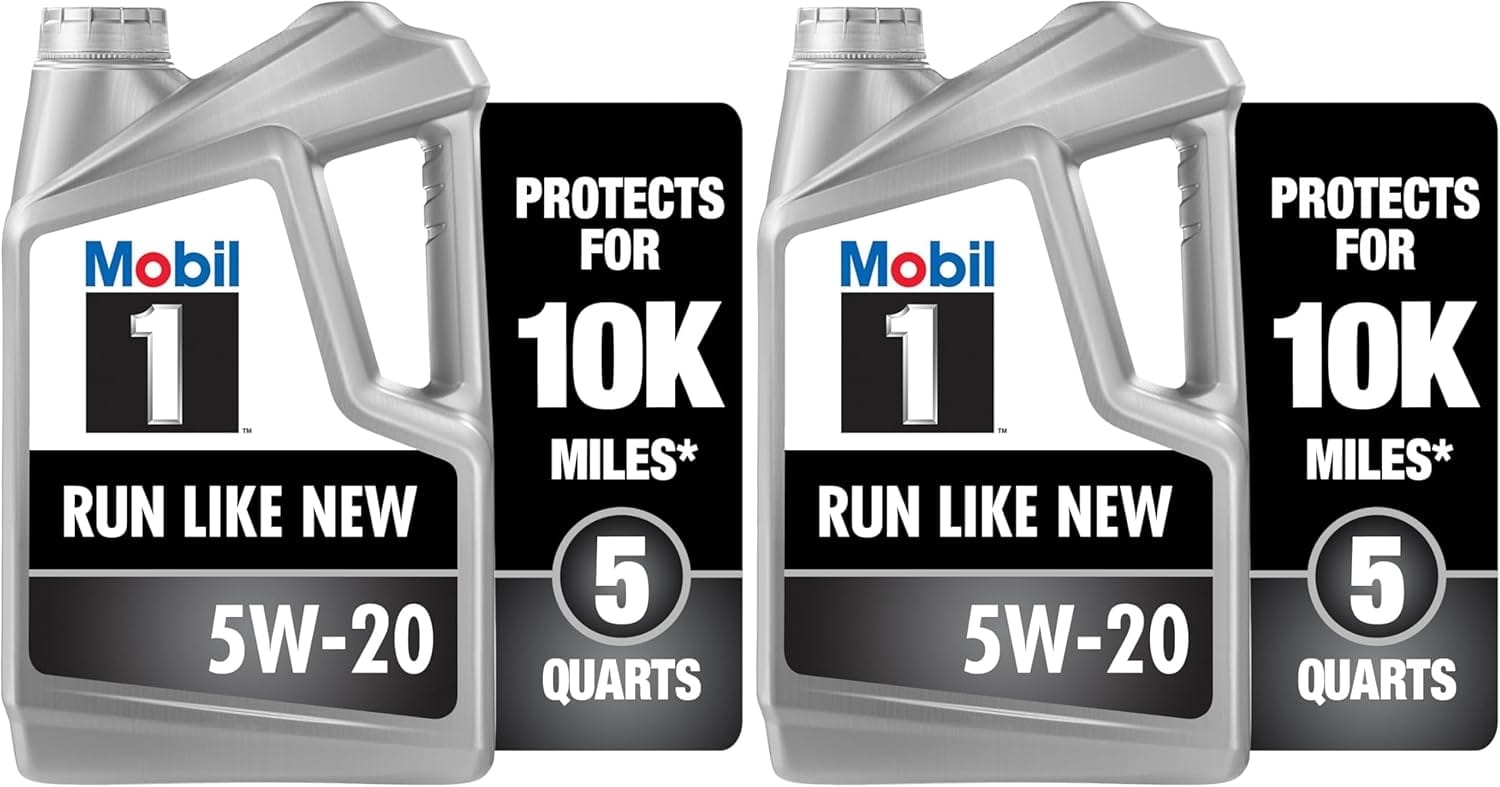
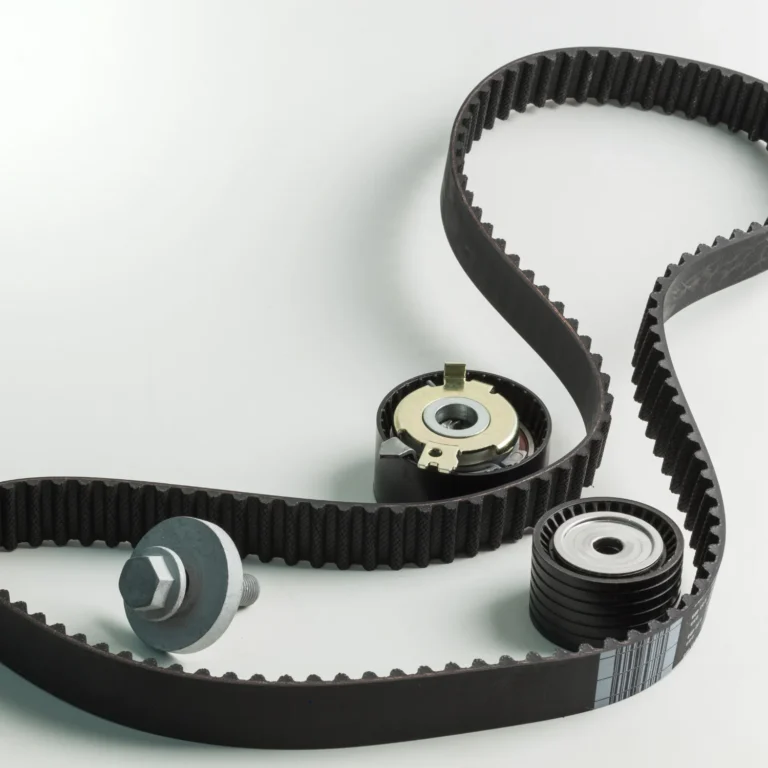
Aftermarket filters from WIX, Mobil 1 and K&N all work fine on this truck. What matters is the bypass valve rating and the anti-drainback membrane. Cheap store-brand filters often use a flimsy drainback flap. The result is a dry start every morning.
Tools and Supplies You Will Need
You do not need a full shop to do this right. Here is what I keep on the cart for a Ram 1500 oil change.
Ram 1500 Oil Change Checklist
Estimated DIY Cost
Step-by-Step: How to Change Your Ram 1500 Oil
Budget about 45 minutes the first time. It drops to 25 once you know where everything sits.
Warm up the engine
Run the truck two to three minutes first. Warm oil drains faster and thinner. It also carries more suspended contaminants out with it than cold oil does. Do not run it long enough to make the pan too hot to touch.
Lift the truck safely
Use a floor jack paired with rated jack stands, or drive onto quality ramps. Never trust a jack alone to hold the weight. A crew cab 1500 runs over 5,000 pounds.
Safety First
A dropped truck can be fatal. Rated jack stands or drive-on ramps only, every single time. No exceptions and no shortcuts.
Drain the old oil
Find the drain plug on the bottom of the pan. Slide the drain pan underneath and give yourself a few inches of offset, because the oil shoots sideways at first. Loosen the plug counterclockwise with a 15mm socket, then finish by hand. Let it drain fully, about five to ten minutes.
Replace the oil filter
Spin off the old filter with a filter wrench. Wipe a thin layer of fresh oil on the new gasket. Thread the new filter on by hand until it seats, then add three quarters of a turn. Do not wrench it tight.
Reinstall the drain plug
Hand-tighten first, then add a quarter turn with the socket. Spec is roughly 25 ft-lbs if you are using a torque wrench. Overtightening strips the aluminum pan threads, and that repair hurts far more than the oil change.
Refill with fresh oil
Pull the fill cap under the hood. Pour through a funnel, starting with six quarts on a HEMI. Wait a minute for it to settle, check the dipstick, then top off slowly until you are in the safe range.
Check for leaks
Start the engine and idle about a minute. Shut it off, then look under the truck near the plug and filter for drips. Recheck the dipstick after the oil settles. Clean up and you are finished.
Watch Out for Overfilling
Overfilled by a quart? Drain the excess right away. Too much oil causes aeration, blue exhaust smoke, and a rough idle from pressurized seals.
How to Reset the Ram 1500 Oil Change Required Light
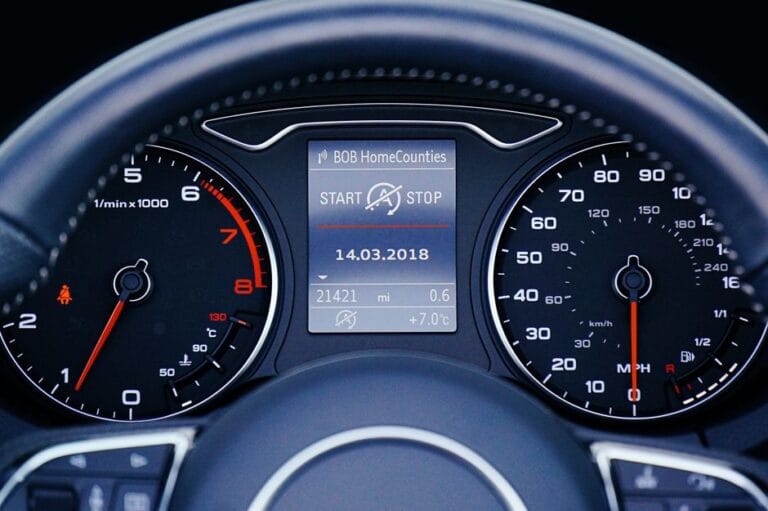
This light runs off a duty-cycle algorithm, not a live oil quality sensor. It estimates wear based on how you drive. Resetting it keeps that estimate accurate, but the method depends on your dash.
Pre-2019 trucks (gas pedal method)
Turn the key to ON without starting the engine. Press the accelerator fully to the floor three times within ten seconds. Press slowly rather than stabbing it. Turn the ignition off, then start normally. The message should clear.
2019 and newer trucks (Uconnect and EVIC method)
Press the start button once without touching the brake, so the truck sits in accessory mode. Use the steering wheel arrows to reach Vehicle Info, then Oil Life. Select Reset and confirm. The pedal trick often will not register on digital clusters, so do not fight it.
Light Will Not Clear After a Proper Reset?
That usually points to something else entirely. Low oil pressure, a failing oil pressure sensor, or a leak you have not spotted yet. Get it diagnosed before adding more miles.
Ram 1500 Oil Change Cost: DIY vs Shop
Parts run $40 to $63 if you do the work yourself. A quick-lube shop or dealership charges more, and the spread is wider than most owners expect.
| Where | Typical Cost | What You Get |
|---|---|---|
| DIY at home | $40 to $63 | Your choice of oil and filter brand |
| Quick-lube chain | $80 to $110 | Fast service, filter brand varies |
| Independent shop | $85 to $120 | Usually a quality filter, quick inspection |
| Ram dealership | $100 to $140 | Mopar filter, multipoint inspection, service records |
The dealer premium buys you documented service history. That matters on a truck you plan to sell or trade. But you get the same protection doing it yourself, as long as you log it.
Pro Tips and Common Mistakes From the Shop
Do not overtighten the drain plug. Hand-tight plus a quarter turn is plenty. I have pulled more stripped pans off overtightening than off leaks.
Always lube the filter gasket before installing. A dry gasket will not seat evenly. That is a slow leak waiting to happen, and it usually shows up on your driveway two weeks later.
Recycle your used oil. AutoZone and O’Reilly both take it free. Never pour it down a drain or into the yard.
Change the filter every time, even when the oil still looks clean. A saturated filter opens its bypass valve and sends dirty oil straight back into the engine. That defeats the whole point of the service.
One more habit worth building. Look at what comes out of the pan. Glitter in the oil means bearing material. Milky oil means coolant intrusion. Both are worth catching early.
Dodge Ram Oil Change: Frequently Asked Questions
How often should I change the oil in a Ram 1500?
Every 5,000 to 7,500 miles for most owners, or up to 10,000 miles with full synthetic on mostly highway driving. Heavy towing or extreme temperatures call for the shorter end of that range. Change it once a year regardless of mileage.
What oil does a Ram 1500 take, 5W-20 or 0W-20?
It depends on the year. The 5.7L HEMI used 5W-20 through 2021, then switched to 0W-20 for 2022 and later, including the 2026 HEMI. Check your oil fill cap to confirm before buying.
How many quarts of oil does a Ram 1500 5.7 HEMI take?
Seven quarts with the filter included. The 3.6L Pentastar takes 5.9 quarts, and the 3.0L Hurricane I6 takes 7.5 quarts. Always verify on the dipstick rather than trusting the jug count alone.
What oil filter does a Ram 1500 5.7 HEMI use?
The Mopar MO-339, also listed as part number 68191349AC, fits 2013 to 2024 and 2026 HEMI trucks. Older 2009 to 2012 trucks use the longer MO-899 canister. Ignore any guide that lists the MO-090, because that filter does not fit these trucks.
Does the 2026 Ram 1500 still use the 5.7 HEMI?
Yes. Ram dropped the HEMI for 2025 in favor of the Hurricane inline-six, then brought it back as an option for 2026 after strong customer pushback. A 2025 and 2026 truck can look identical but take different oil.
Can I switch from conventional to synthetic oil?
Yes. Full synthetic is fully compatible with conventional oil and offers better protection at both temperature extremes. You can switch at any oil change without flushing the system first. High-mileage engines may show a small leak afterward if seals were already marginal.
Why is my oil light still on after I reset it?
A light that will not clear usually means an oil pressure issue or a faulty sensor rather than a failed reset. The red oil pressure light and the yellow Oil Change Required message are two different warnings. Have it checked before driving further.
How much does a Ram 1500 oil change cost?
Doing it yourself runs $40 to $63 in parts. A quick-lube shop charges $80 to $110, and a Ram dealership typically charges $100 to $140 for full synthetic. Prices vary by region and by oil brand.
The Bottom Line on Your Dodge Ram Oil Change
Match the viscosity stamped on your fill cap. Use the MO-339 on a modern HEMI, never the MO-090. Put in seven quarts, verify on the dipstick, and reset the light the way your dash actually supports.
Do that on schedule and a Ram 1500 will run well past 200,000 miles. Forty dollars and forty-five minutes beats a rebuild every time.