How to Change Oil in a Jeep Wrangler: DIY Guide
Changing the oil in a Jeep Wrangler is one of those essential maintenance tasks that every owner should feel confident doing. Whether you use your Wrangler for climbing rocky trails, driving through snow, or simply commuting around town, the engine works hard. Clean oil is what keeps that engine cool, protected, and performing at its best.
The good news? A Wrangler is one of the easiest vehicles to service at home. With a few tools and the right steps, you can complete an oil change in under an hour and save money in the process.
Many Jeep owners start doing their own oil changes because of cost, but they continue because it builds a deeper connection to the vehicle. You’ll better understand how your engine behaves and spot potential problems early.
Why Regular Oil Changes Matter More for Jeep Wranglers
Every Jeep Wrangler — whether a classic TJ, a rugged JK, or a modern JL — faces driving conditions that can stress the engine more than the average car.
Off-roading introduces dust, water crossings, mud, steep inclines, and long idling periods. Even if you never leave the pavement, Wranglers tend to run at higher RPMs because of their gearing and aerodynamics.
Oil protects your engine from:
- Excess heat from towing or long drives
- Dirt and debris buildup
- Internal metal-on-metal wear
- Sludge and thickened oil deposits
Neglecting oil changes can lead to poor fuel economy, sluggish performance, and eventually expensive engine repairs.
Tools & Supplies You’ll Need
Before starting, gather all tools and supplies so the process goes smoothly.
| Tool / Supply | Purpose |
|---|---|
| Engine Oil | Lubricates and protects engine components |
| Oil Filter | Captures dirt and metal particles |
| Oil Filter Wrench | Removes stubborn oil filters |
| Socket Wrench | Removes drain plug |
| Drain Pan | Collects old oil safely |
| Funnel | Prevents spills while refilling |
| Jack & Jack Stands | Provides additional clearance if needed |
Always verify your Wrangler’s correct oil viscosity and capacity in the owner’s manual before beginning.
Recommended Oil & Filter Setup

Recommended
Full Synthetic Oil + Premium Filter
Full synthetic oil offers better temperature resistance, cleaner engine performance, and improved protection during towing or off-road use.
Best For:Daily driving, towing, hot climates, off-roading
Viscosity:Typically 5W-20 or 5W-30
Check Compatible Oil
Step 1: Warm Up the Engine Gently
Warm oil drains faster because it becomes thinner and carries contaminants out more effectively.
Start your Jeep and let it idle for 3–5 minutes. Avoid changing oil immediately after a long drive because extremely hot oil can cause burns.
Warm oil improves drainage efficiency and helps remove more contaminants from the engine.
Step 2: Locate the Drain Plug and Remove It
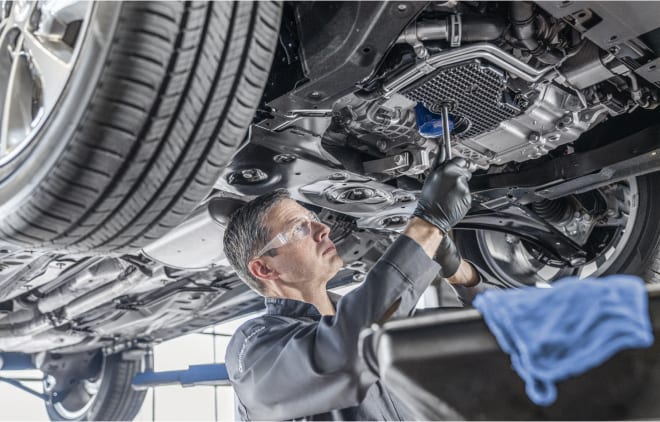
Place your drain pan underneath the oil pan. Using the correct socket wrench, loosen the drain plug counterclockwise.
Once loose, remove it by hand carefully and allow the oil to drain completely. This usually takes 8–12 minutes.
“Don’t rush the draining process. Fully drained oil keeps fresh oil cleaner for longer.”
Step 3: Remove and Replace the Oil Filter
- Locate the oil filter
- Loosen it using an oil filter wrench
- Expect some oil spillage
- Lubricate the new filter gasket with fresh oil
- Install the new filter hand-tight
Over-tightening the oil filter can damage the gasket and make future removal extremely difficult.
Step 4: Reinstall the Drain Plug
Inspect the drain plug washer before reinstalling. Replace damaged crush washers to avoid slow leaks.
Tighten the drain plug firmly but never excessively.
Step 5: Add New Oil
Open the oil cap under the hood and insert a funnel. Slowly pour in fresh oil.
| Engine Type | Approximate Oil Capacity |
|---|---|
| 3.6L V6 | 5–6 Quarts |
| 2.0L Turbo | 5 Quarts |
| Diesel Models | Varies by Model Year |
After filling:
- Start the engine for 20–30 seconds
- Shut it off
- Wait 1–2 minutes
- Check the dipstick
- Add oil gradually if needed
Too much oil can create excessive pressure and damage seals or internal engine components.
Step 6: Check for Leaks
Inspect around the oil filter and drain plug for leaks. Even a small drip can become a bigger problem over time.
Take the Jeep for a short drive and inspect again afterward.
Resetting the Oil Change Indicator
- Turn ignition to ON (without starting engine)
- Press accelerator pedal fully 3 times within 10 seconds
- Turn ignition OFF
- Restart the vehicle
Practical Tips for a Better DIY Experience
1. Use High-Quality Synthetic Oil
Synthetic oil provides better protection under extreme temperatures and off-road conditions.
2. Monitor Oil Between Changes
Check oil condition every 1,000–1,500 miles if you frequently drive on trails or dusty roads.
3. Keep an Oil Change Log
Record mileage, oil type, and service dates to improve resale value and maintenance tracking.
4. Inspect Other Components
- Transfer case
- Differentials
- Belts and hoses
- Air filter condition
Common Mistakes to Avoid
- Over-tightening the oil filter
- Using incorrect oil viscosity
- Ignoring worn drain plug washers
- Skipping final dipstick checks
Top How To Change Oil In A Jeep Wrangler – Our Picks


FAQs
How often should I change the oil in my Jeep Wrangler?
Typically every 5,000–7,500 miles, though off-roading and towing may require more frequent changes.
Do I need synthetic oil?
Synthetic oil is highly recommended for better engine protection and performance.
Can I change the oil without lifting my Wrangler?
Many Wrangler models provide enough ground clearance for DIY oil changes without lifting.
Does off-roading affect oil change frequency?
Yes. Dust, mud, water crossings, and heavy loads can shorten oil life significantly.