
Guide to OEM Vs Aftermarket Rotors in 2026 (Hands-On Review)
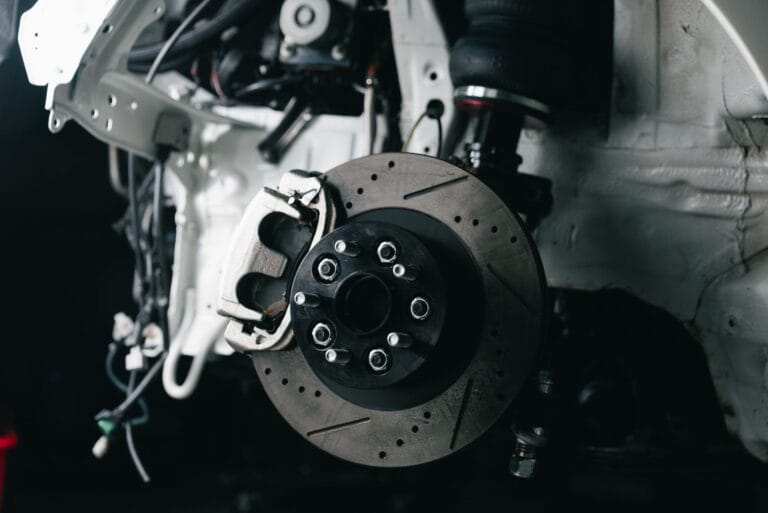
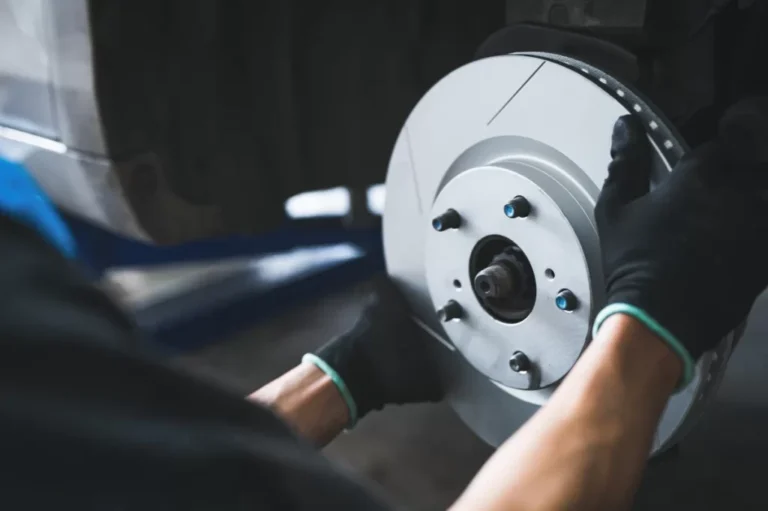
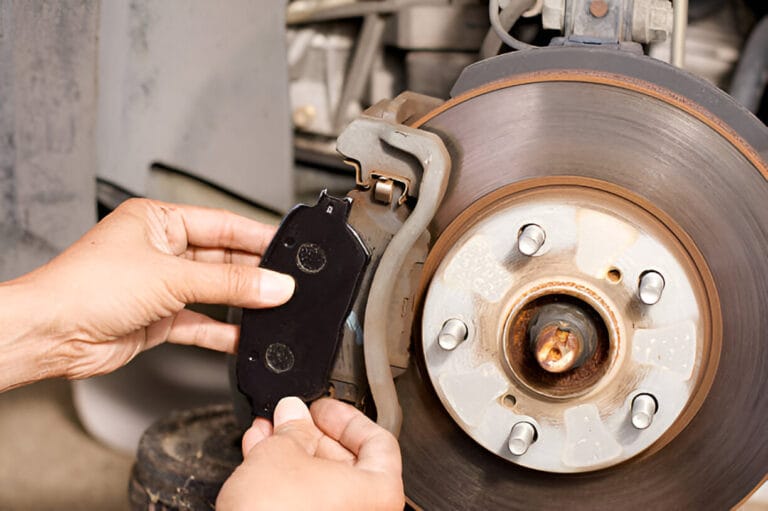
Choosing new brake rotors can feel a bit like sifting through a giant parts catalog, especially when you’re weighing the decision between OEM vs aftermarket…
Transmission shudder is a rhythmic vibration during light acceleration between 30-60 mph. It stems from torque converter clutch slip or degraded ATF. Fix it by checking fluid, scanning codes, and testing under load. Drive gently until diagnosed. Severe shudder needs professional inspection. Feels like driving over rumble strips at highway speeds Occurs during light throttle … Read more
Transmission solenoid failure disrupts gear shifting in automatic transmissions. Solenoids control fluid flow to engage gears. When they fail, your car may shift harshly, delay engagement, or get stuck in one gear. Left unrepaired, solenoid issues can destroy your transmission. Repairs can cost over $1,000 if ignored. This guide helps DIYers and new car owners … Read more
Torque converter problems typically cause symptoms like shuddering between 30-50 mph, transmission slipping, delayed engagement, overheating, and unusual noises. A failing torque converter can lead to complete transmission failure if ignored. Replacement usually costs $800–$1,800. Key Takeaway Early detection saves money. Most issues stem from worn clutch, contaminated fluid, or mechanical failure. What Is a … Read more
Delayed shifting happens when your automatic transmission hesitates before changing gears. Drivers often notice high RPM, slow engagement, or jerking. Low fluid levels cause many cases. Worn internal parts also create problems. Immediate repair becomes necessary when the transmission slips, overheats, or refuses to engage gears. What causes delayed shifting in an automatic transmission? Low … Read more
A slipping clutch occurs when the clutch disc fails to fully engage with the flywheel. Engine revs rise without proportional acceleration. You’ll notice delayed response, a burning smell, and high-RPM lag. Slipping worsens under load—especially in higher gears or when towing. Prompt diagnosis prevents costly transmission damage. 1.1 Early Warning Signs of Clutch Slip Delayed … Read more
A failing clutch gives clear warning signs before total failure. Recognizing these symptoms early saves you from expensive transmission repairs. This guide covers 8 critical warning signs every manual transmission driver must know. What Is a Clutch and How Does It Work? A clutch is a mechanical friction device. It connects and disconnects engine power … Read more
A manual transmission clutch connects and disconnects engine power from the gearbox during shifting. Most clutches last between 50,000 and 100,000 miles. Replace the clutch when you notice slipping, hard shifting, burning smells, or abnormal pedal feel. Aggressive driving, towing, and city traffic shorten clutch lifespan significantly. Clutch Replacement at a Glance Average lifespan: 50,000–100,000 … Read more
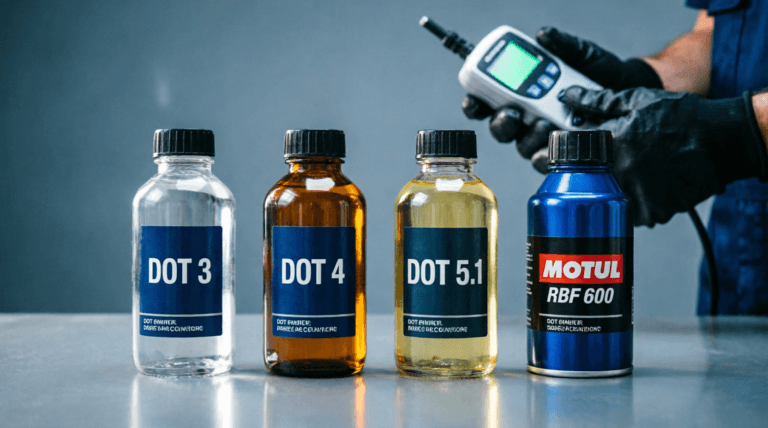
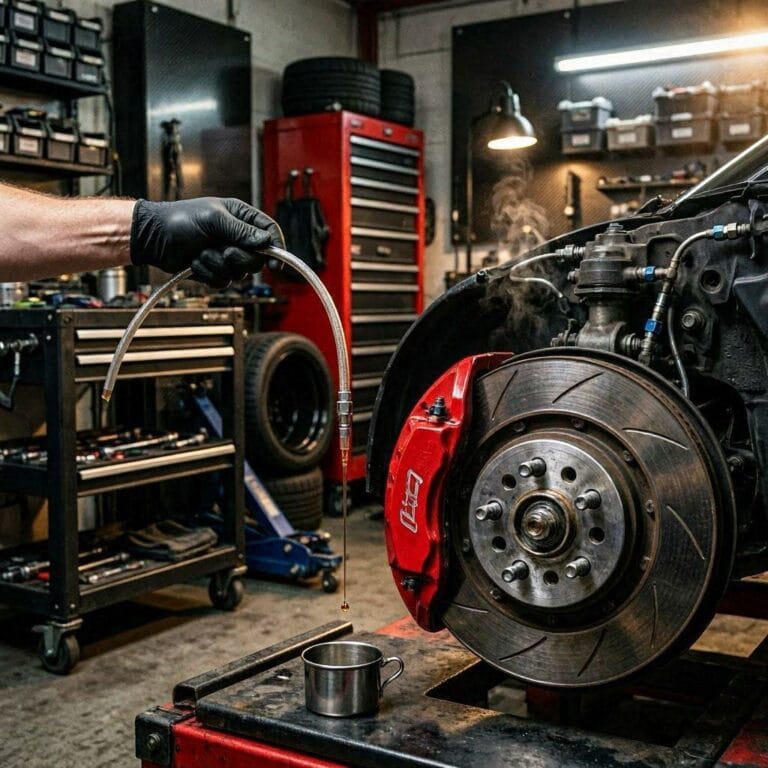
Spongy brake pedal after heavy rain? That is moisture in your hydraulic system lowering boiling points. Your safety depends on fresh, high-performance fluid. Choosing the best brake fluid feels overwhelming with DOT ratings and racing formulas everywhere. This guide cuts through marketing hype. Real specs drive every recommendation. Which brake fluid meets my vehicle’s OEM … Read more
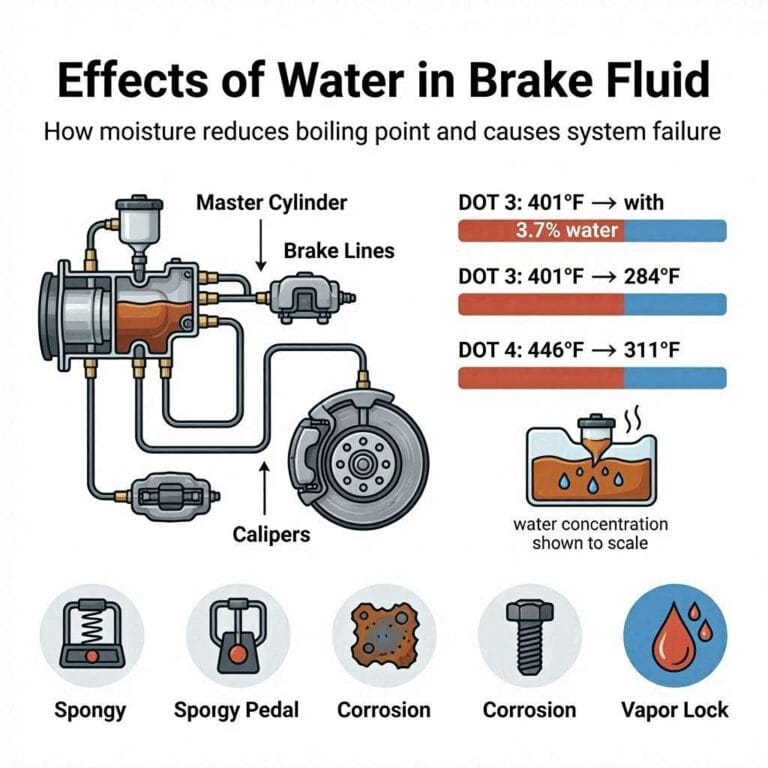
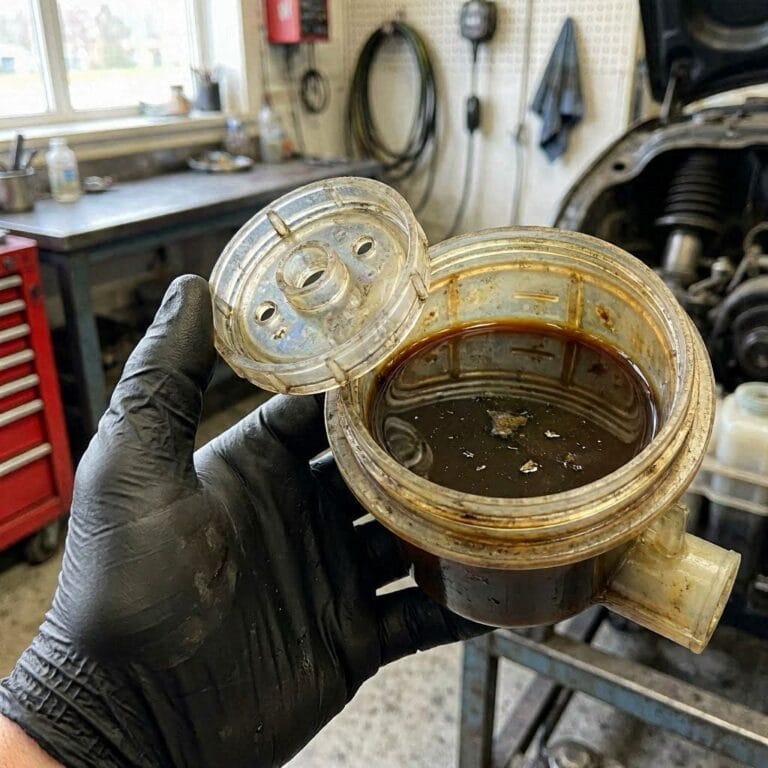
Your brake pedal feels soft. You pump it once, twice—still not firm. What’s going on? Brake fluid moisture contamination is likely the culprit. Even a tiny 2% water content can drop your brake fluid’s boiling point by 50%. That means vapor lock, spongy brakes, and a serious safety risk. Let’s break down the problems, how … Read more