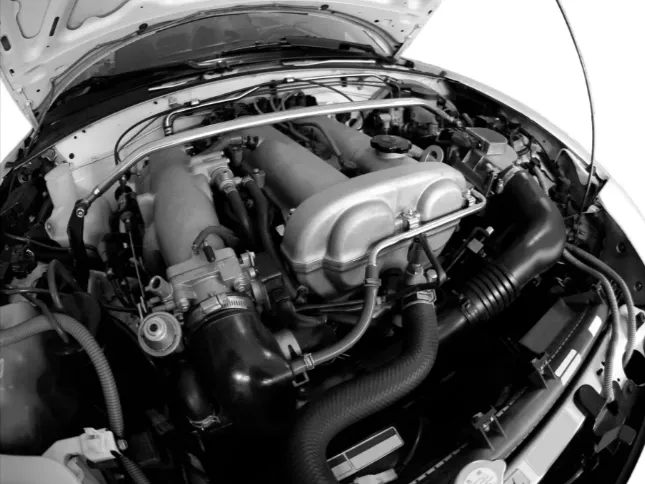
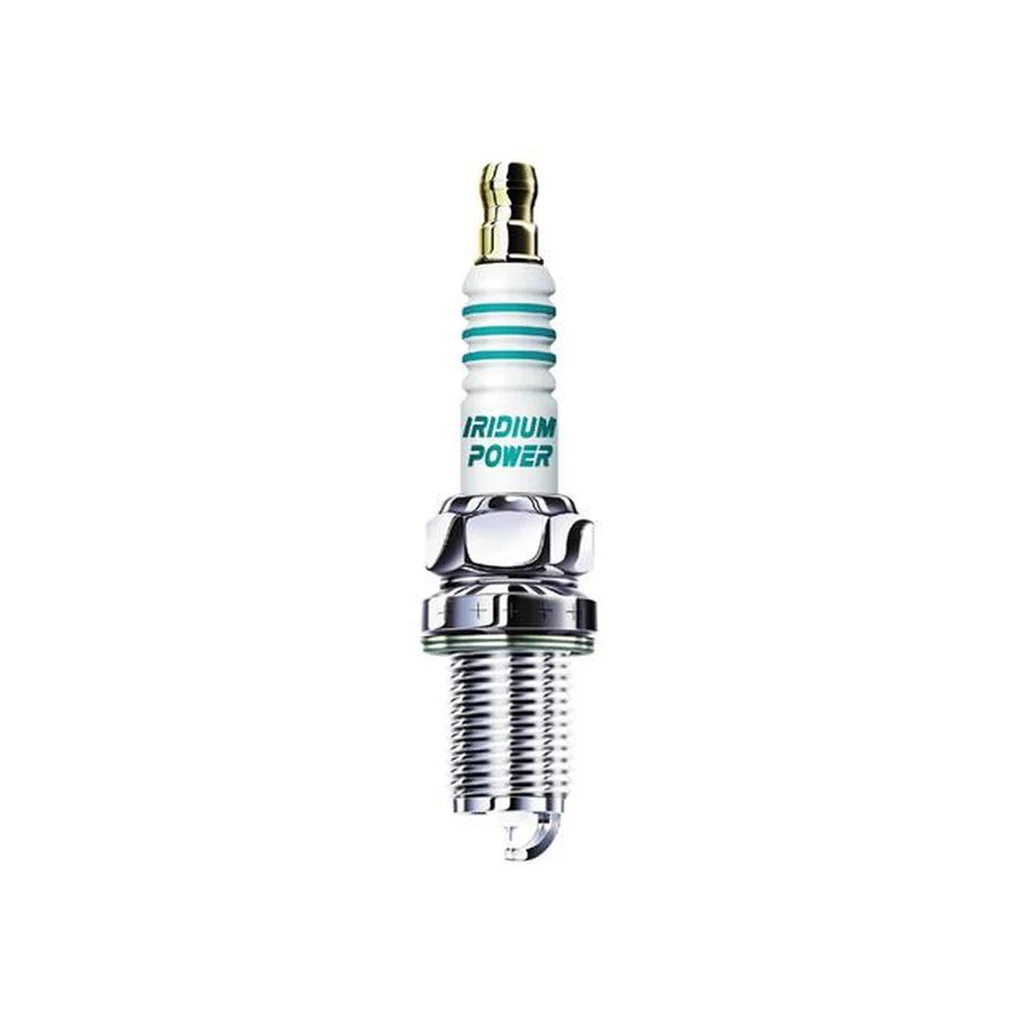
Spark Plug Gap Chart: Proper Gaps for Every Make & Model
Spark Plug Gap: The Critical Specification Most Mechanics Overlook
Spark plug gap is the precise distance between the center electrode and the ground electrode. It directly controls ignition voltage requirements, flame kernel formation, combustion efficiency, and long-term reliability of the ignition system.
In 15 years of dealership and independent shop experience, over 70% of misfires on OBD-II vehicles were traced to incorrect spark plug gap — often by as little as 0.010 inch — even when OEM plugs were used.
What Is Spark Plug Gap and Why Does It Matter?
 The spark plug gap is the distance the spark must jump between the center and ground electrode.
The spark plug gap determines how much voltage is needed to jump the arc, the size of the initial flame kernel, and the load placed on the ignition coil. Too wide a gap increases voltage demand and stresses the coil. Too narrow a gap can cause weak spark, poor combustion, and carbon buildup.
An incorrect gap (especially more than 0.005 inch off spec) commonly causes hard cold starts, misfires, P0300-series misfire codes, premature ignition coil failure, reduced fuel economy, and increased risk of catalytic converter damage. If your engine is already running rough, check our guide on signs of bad spark plugs.
How to Measure Spark Plug Gap Accurately
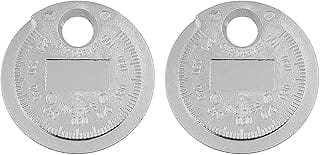
Use a wire-style gap gauge (preferred) or a quality feeler gauge set. Coin-style tools are less accurate and can damage fine-wire iridium electrodes.
How Spark Plug Gap Fits Into a Misfire Diagnosis
Gap is the first thing I check when a misfire code comes up, not the last. It takes two minutes and rules out one variable before I touch anything else. A bad coil and a bad gap cause nearly identical symptoms, so checking the cheap thing first saves you from pulling a coil that was never the problem.
Here’s the sequence I run in my bay. Pull the code and identify the affected cylinder. Pull that plug and measure the gap before you assume the coil is at fault. If the gap is out of spec, correct it and clear the code, then drive the car and see if the misfire returns. If it does, the investigation moves to the coil and wiring, not before. Skipping this step is how DIYers end up replacing a good coil twice.
Why Gap Grows Wider Over Time
Every spark event erodes a small amount of metal off both electrodes. That erosion adds up, so a plug gapped at 0.040 in new can drift to 0.045 in or more by the time it’s due for replacement. The rate depends entirely on electrode material.
| Electrode Material | Gap Growth Rate | Typical Replacement Interval |
|---|---|---|
| Copper | Fastest, noticeable within 10,000 to 15,000 miles | 20,000 to 30,000 miles |
| Platinum | Moderate, erodes slower than copper | 60,000 miles |
| Iridium | Slowest, fine-wire tip resists erosion well | 60,000 to 100,000 miles |
Normal growth tracks mileage in a straight line, and it hits every cylinder about the same. That’s not a warning sign. But gap that grows faster than the material and mileage explain usually means something else is going on. Detonation and pre-ignition erode electrodes far faster than a normal spark event, since the heat and pressure spikes are so much higher. If a plug’s gap is wider than its mileage should allow, and the electrode looks pitted or blistered, that’s worth investigating rather than just re-gapping and moving on. Our guide to reading spark plug color walks through what those deposits and electrode patterns mean cylinder by cylinder.
This is also why I don’t trust “pre-gapped” as a reason to skip the check. Shipping and handling can knock a gap out of spec before the plug ever sees an engine. A quick measurement costs you nothing, and it’s cheaper than diagnosing a misfire twice. If you’re not sure whether it’s time to replace the plugs entirely rather than just re-gap them, our spark plug replacement interval guide breaks that down by material and mileage.
Spark Plug Gap Chart by Vehicle (Gap + Torque + Plug Type)
How to use: type your make, model, year, or engine to filter, or tap a column heading to sort. On mobile, each vehicle appears as a card. Figures are commonly published values for the most common trim of each generation. Always confirm the exact figure on your under-hood emissions label or OEM service manual — it can change by year, trim, and market. Do not re-gap factory fine-wire iridium plugs unless the maker allows it.
| Make | Model | Years | Engine | Gap (in) | Gap (mm) | Torque | Plug Type |
|---|---|---|---|---|---|---|---|
| Toyota | Corolla | 2009–2019 | 1.8L 2ZR-FE | 0.043 | 1.1 | 18 ft-lbs | Iridium |
| Toyota | Camry | 2007–2017 | 2.5L 2AR-FE | 0.043 | 1.1 | 18 ft-lbs | Iridium |
| Toyota | Camry | 2018+ | 2.5L A25A-FKS | 0.043 | 1.1 | 18 ft-lbs | Iridium |
| Toyota | RAV4 | 2019+ | 2.5L A25A-FKS | 0.043 | 1.1 | 18 ft-lbs | Iridium |
| Toyota | Tacoma | 2005–2015 | 4.0L 1GR-FE | 0.043 | 1.1 | 15 ft-lbs | Iridium |
| Toyota | 4Runner | 2010+ | 4.0L 1GR-FE V6 | 0.043 | 1.1 | 15 ft-lbs | Iridium |
| Toyota | Prius | 2010–2015 | 1.8L 2ZR-FXE | 0.043 | 1.1 | 18 ft-lbs | Iridium |
| Toyota | Sienna | 2011–2020 | 3.5L 2GR-FE V6 | 0.043 | 1.1 | 15 ft-lbs | Iridium |
| Toyota | Avalon | 2013–2018 | 3.5L 2GR-FE V6 | 0.043 | 1.1 | 15 ft-lbs | Iridium |
| Honda | Civic | 2016+ | 2.0L K20C2 | 0.040 | 1.0 | 13 ft-lbs | Iridium |
| Honda | Civic | 2016+ | 1.5L L15B7 Turbo | 0.028 | 0.71 | 16 ft-lbs | Iridium |
| Honda | Accord | 2013–2017 | 2.4L K24W | 0.040 | 1.0 | 16 ft-lbs | Iridium |
| Honda | Accord | 2018+ | 1.5L L15BE Turbo | 0.028 | 0.71 | 16 ft-lbs | Iridium |
| Honda | CR-V | 2017+ | 1.5L L15B Turbo | 0.030 | 0.75 | 16 ft-lbs | Iridium |
| Ford | F-150 | 2011+ | 5.0L Coyote V8 | 0.052 | 1.32 | 25 ft-lbs | Platinum |
| Ford | F-150 | 2015+ | 3.5L EcoBoost V6 | 0.030 | 0.76 | 18 ft-lbs | Iridium |
| Ford | F-150 | 2018+ | 5.0L Coyote V8 (Gen 3) | 0.034 | 0.86 | 14 ft-lbs | Iridium |
| Ford | F-150 | 1997–2008 | 4.6L / 5.4L Triton | 0.052 | 1.32 | 25 ft-lbs | Platinum |
| Ford | F-250/350 | 2020+ | 7.3L Godzilla V8 | 0.040 | 1.02 | 15 ft-lbs | Iridium |
| Ford | Mustang | 2011+ | 5.0L Coyote V8 | 0.052 | 1.32 | 25 ft-lbs | Platinum |
| Ford | Mustang GT | 2024+ | 5.0L Coyote (Gen 4) | 0.030 | 0.76 | 14 ft-lbs | Iridium |
| Ford | Focus | 2012–2018 | 2.0L Duratec | 0.052 | 1.32 | 11 ft-lbs | Iridium |
| Ford | Ranger | 1998–2011 | 4.0L SOHC V6 | 0.054 | 1.37 | 8 ft-lbs | Platinum |
| Ford | Explorer | 2011–2019 | 3.5L Ti-VCT V6 | 0.052 | 1.32 | 11 ft-lbs | Iridium |
| Ford | Escape | 2013–2019 | 2.0L EcoBoost | 0.030 | 0.76 | 11 ft-lbs | Iridium |
| Ford | Fusion | 2013–2020 | 2.5L Duratec | 0.044 | 1.12 | 11 ft-lbs | Iridium |
| Chevrolet | Silverado 1500 | 2014+ | 5.3L L83 V8 | 0.040 | 1.02 | 11 ft-lbs | Iridium |
| Chevrolet | Silverado 1500 | 2019+ | 6.2L L87 V8 | 0.040 | 1.02 | 15 ft-lbs | Iridium |
| Chevrolet | Silverado 1500 | 1999–2007 | 5.3L Vortec V8 | 0.040 | 1.02 | 11 ft-lbs | Platinum |
| Chevrolet | Silverado 2500HD | 2001–2016 | 6.0L Vortec V8 | 0.040 | 1.02 | 11 ft-lbs | Platinum |
| Chevrolet | Small Block (350) | 1969–1995 | 5.7L 350 V8 | 0.035 | 0.89 | 15 ft-lbs | Copper |
| Chevrolet | Big Block (454) | 1970–1995 | 7.4L 454 V8 | 0.035 | 0.89 | 15 ft-lbs | Copper |
| Chevrolet | Equinox | 2010–2017 | 2.4L Ecotec I4 | 0.040 | 1.02 | 15 ft-lbs | Iridium |
| Chevrolet | Equinox | 2018+ | 1.5L Turbo | 0.030 | 0.76 | 13 ft-lbs | Iridium |
| Chevrolet | Impala | 2006–2011 | 3.5L / 3.9L V6 | 0.060 | 1.52 | 15 ft-lbs | Platinum |
| Chevrolet | Impala | 2012–2016 | 3.6L LFX V6 | 0.043 | 1.1 | 15 ft-lbs | Iridium |
| Chevrolet | Cobalt | 2005–2010 | 2.2L Ecotec | 0.040 | 1.02 | 15 ft-lbs | Iridium |
| Chevrolet | Spark | 2013–2022 | 1.4L I4 | 0.028 | 0.71 | 11 ft-lbs | Iridium |
| Chevrolet | Sonic | 2012–2020 | 1.8L I4 | 0.040 | 1.02 | 15 ft-lbs | Iridium |
| Chevrolet | Camaro | 2016+ | 6.2L LT1 V8 | 0.040 | 1.02 | 11 ft-lbs | Iridium |
| Chevrolet | Traverse | 2009–2017 | 3.6L V6 | 0.043 | 1.1 | 15 ft-lbs | Iridium |
| Chevrolet | Express 2500 | 2003–2014 | 5.3L / 4.8L Vortec | 0.040 | 1.02 | 11 ft-lbs | Platinum |
| GMC | Sierra 1500 | 2014+ | 5.3L L83 V8 | 0.040 | 1.02 | 11 ft-lbs | Iridium |
| GMC | Acadia | 2007–2016 | 3.6L V6 | 0.043 | 1.1 | 15 ft-lbs | Iridium |
| Ram | 1500 | 2004–2008 | 3.7L Magnum V6 | 0.040 | 1.02 | 20 ft-lbs | Copper |
| Ram | 1500 | 2009+ | 5.7L HEMI V8 | 0.043 | 1.1 | 13 ft-lbs | Platinum |
| Dodge | Dart | 2013–2016 | 2.0L / 2.4L Tigershark | 0.043 | 1.1 | 13 ft-lbs | Iridium |
| Dodge | Grand Caravan | 2011–2020 | 3.6L Pentastar V6 | 0.043 | 1.1 | 13 ft-lbs | Iridium |
| Dodge | Journey | 2011–2020 | 3.6L Pentastar V6 | 0.043 | 1.1 | 13 ft-lbs | Iridium |
| Jeep | Grand Cherokee | 2011–2022 | 3.6L Pentastar V6 | 0.043 | 1.1 | 13 ft-lbs | Iridium |
| Jeep | Cherokee | 2014+ | 3.2L Pentastar V6 | 0.043 | 1.1 | 13 ft-lbs | Iridium |
| Jeep | Wrangler JK | 2012–2018 | 3.6L Pentastar V6 | 0.043 | 1.1 | 13 ft-lbs | Iridium |
| Jeep | Compass / Patriot | 2007–2017 | 2.0L / 2.4L | 0.040 | 1.02 | 13 ft-lbs | Iridium |
| Nissan | Altima | 2013–2018 | 2.5L QR25DE | 0.043 | 1.1 | 18 ft-lbs | Iridium |
| Nissan | Rogue | 2014+ | 2.5L QR25DE | 0.043 | 1.1 | 18 ft-lbs | Iridium |
| Nissan | Sentra | 2007–2012 | 2.0L MR20DE | 0.043 | 1.1 | 14 ft-lbs | Iridium |
| Nissan | Frontier | 2005–2019 | 4.0L VQ40DE V6 | 0.043 | 1.1 | 18 ft-lbs | Iridium |
| Nissan | Murano | 2009–2014 | 3.5L VQ35DE V6 | 0.043 | 1.1 | 18 ft-lbs | Iridium |
| Nissan | Pathfinder | 2013+ | 3.5L VQ35 V6 | 0.043 | 1.1 | 18 ft-lbs | Iridium |
| Infiniti | Q50 | 2016+ | 3.0L VR30DDTT Turbo | 0.035 | 0.89 | 18 ft-lbs | Iridium |
| Hyundai | Elantra | 2017+ | 2.0L Nu MPI | 0.040 | 1.0 | 18 ft-lbs | Iridium |
| Hyundai | Sonata | 2015+ | 2.4L Theta II | 0.040 | 1.0 | 18 ft-lbs | Iridium |
| Hyundai | Sonata Turbo | 2011–2014 | 2.0L Theta II Turbo | 0.028 | 0.71 | 18 ft-lbs | Iridium |
| Hyundai | Accent | 2012–2017 | 1.6L GDI | 0.040 | 1.0 | 18 ft-lbs | Iridium |
| Kia | Forte | 2014+ | 2.0L Nu | 0.040 | 1.0 | 18 ft-lbs | Iridium |
| Kia | Telluride | 2020+ | 3.8L Lambda V6 | 0.040 | 1.0 | 18 ft-lbs | Iridium |
| Volkswagen | Jetta | 2014+ | 1.4L TSI | 0.028 | 0.71 | 26 ft-lbs | Iridium |
| Volkswagen | Golf / GTI | 2015+ | 2.0L TSI EA888 | 0.028 | 0.71 | 23 ft-lbs | Iridium |
| Volkswagen | Tiguan | 2009–2017 | 2.0L TSI EA888 | 0.028 | 0.71 | 23 ft-lbs | Iridium |
| Volkswagen | Passat | 2012–2019 | 1.8L / 2.0L TSI | 0.028 | 0.71 | 23 ft-lbs | Iridium |
| Audi | A4 | 2009+ | 2.0L TFSI | 0.032 | 0.80 | 23 ft-lbs | Iridium |
| BMW | 330i | 2016+ | 2.0L B46 Turbo | 0.028 | 0.71 | 17 ft-lbs | Iridium |
| BMW | 335i / 535i | 2007–2016 | 3.0L N54/N55 Turbo | 0.028 | 0.71 | 17 ft-lbs | Iridium |
| MINI | Cooper S | 2014+ | 2.0L Turbo (B48) | 0.028 | 0.71 | 17 ft-lbs | Iridium |
| Subaru | Outback | 2013+ | 2.5L FB25 | 0.040 | 1.0 | 13 ft-lbs | Iridium |
| Subaru | Forester | 2014–2018 | 2.5L FB25 | 0.040 | 1.0 | 13 ft-lbs | Iridium |
| Subaru | WRX | 2015+ | 2.0L FA20 Turbo | 0.028 | 0.71 | 18 ft-lbs | Iridium |
| Mazda | Mazda3 | 2014+ | 2.0L Skyactiv-G | 0.043 | 1.1 | 13 ft-lbs | Iridium |
| Mazda | CX-5 | 2013+ | 2.5L Skyactiv-G | 0.043 | 1.1 | 13 ft-lbs | Iridium |
| Harley-Davidson | Sportster | 1986–2021 | 883 / 1200 V-Twin | 0.038 | 0.97 | 12 ft-lbs | Copper |
| Harley-Davidson | Touring / Softail | 1999+ | Twin Cam / M8 | 0.040 | 1.02 | 12 ft-lbs | Copper |
| Polaris | Sportsman 700 | 2002–2007 | 700 Twin | 0.035 | 0.89 | — | Copper |
Spark Plug Gap Converter: mm to Inches
Spark plug gaps are listed in inches (US) or millimeters (metric). Type a value below to convert instantly. As a quick reference: 0.71 mm = 0.028 in, 1.0 mm = 0.039 in, and 1.1 mm = 0.043 in.
Quick Gap Converter
=
Common Spark Plug Gap Conversions
| Millimeters (mm) | Inches (in) | Thousandths (thou) |
|---|---|---|
| 0.6 mm | 0.024 in | 24 |
| 0.7 mm | 0.028 in | 28 |
| 0.8 mm | 0.031 in | 31 |
| 0.9 mm | 0.035 in | 35 |
| 1.0 mm | 0.039 in | 39 |
| 1.1 mm | 0.043 in | 43 |
| 1.2 mm | 0.047 in | 47 |
| 1.3 mm | 0.051 in | 51 |
Top Spark Plug Gap Chart – Our Picks
Spark Plug Gap by Brand (NGK, Champion, Bosch, Denso, AC Delco)
A common misconception is that the spark plug brand sets the gap. It does not. The correct gap is determined by your engine, not the plug manufacturer. An NGK, Champion, Bosch, Denso, or AC Delco plug all use the same target gap for a given engine — the figure in your owner’s manual or under-hood emissions label.
A few brand notes that match how people actually search:
- NGK & Denso iridium (common OEM fitments): usually ship pre-gapped and should not be re-gapped unless the manufacturer specifies otherwise — the fine-wire electrode is fragile.
- Champion & AC Delco copper/platinum: typically adjustable; verify against your engine spec before installing.
- Bosch double-platinum and similar: often pre-set; confirm rather than force-adjusting.
For help choosing the right plug for your engine, see our guide to the best spark plugs by vehicle and spark plug types explained.
Common DIY Mistakes to Avoid
- Using the center electrode as a fulcrum when adjusting
- Tapping plugs on hard surfaces to close the gap
- Skipping verification on “pre-gapped” plugs
- Over-torquing plugs into aluminum heads
- Installing plugs dry (use anti-seize and reduce torque by ~20%)
Spark Plug Gap FAQ
What is the average spark plug gap?
The average spark plug gap for modern gasoline engines is about 0.040 in (1.0 mm). Most vehicles fall between 0.028 in and 0.044 in, with turbocharged engines running tighter gaps to maintain a stable spark under boost.
What happens if the spark plug gap is too wide or too narrow?
A gap that’s too wide forces the ignition coil to produce more voltage, which can cause misfires and shorten coil life. A gap that’s too narrow produces a weak spark, leading to rough idle, poor combustion, and carbon fouling. Either way, you may trigger a P0300 misfire code.
Do new spark plugs come pre-gapped?
Many modern iridium and platinum plugs come pre-gapped from the factory, but you should always verify the gap with a wire gauge before installing. Don’t assume — manufacturing tolerances and shipping can shift the gap slightly.
Should I re-gap iridium spark plugs?
Generally no. Fine-wire iridium and platinum electrodes are fragile, and adjusting them risks invisible damage. Only adjust if the manufacturer explicitly permits it, and use a wire-style gauge — never a coin tool.
Does the spark plug brand change the correct gap?
No. The correct gap is set by your engine, not the plug brand. NGK, Champion, Bosch, Denso, and AC Delco plugs all use the same target gap for a given engine — check your under-hood label or service manual.
How do I convert a spark plug gap from mm to inches?
Divide millimeters by 25.4 to get inches (for example, 0.9 mm ÷ 25.4 = 0.035 in), or use the converter above. To go from inches to millimeters, multiply by 25.4.
Why Spark Plug Gap Accuracy Matters
Spark plug gap accuracy is one of the smallest measurements with the largest impact on ignition performance, combustion stability, and long-term engine durability. Verifying the gap adds only five minutes per cylinder but prevents coil failures, fuel waste, and catalytic converter damage.
From a mechanic’s perspective, getting the gap right is a low-risk, high-reward task. Most DIYers can complete the job in under one hour for $40–$80 total, versus $250+ at a dealer. Measure accurately, torque correctly, and your ignition system will last significantly longer. When it’s time to install, follow our complete spark plug replacement guide and learn when to replace spark plugs.
Related Spark Plug Guides
- Spark Plug Socket Size Chart by Make and Engine
- How to Read Spark Plugs (Color Chart and Diagnosis)
- When to Replace Spark Plugs: Intervals by Vehicle
- Spark Plug Types Explained: Copper vs Iridium vs Platinum
- Best Spark Plugs for Your Car
- Spark Plug Replacement Cost by Vehicle
- Spark Plug Wires: When to Replace
- Spark Plug Socket Size Chart: Common Sizes by Vehicle
Frequently Asked Questions
How long does this job take for a beginner?
Plan for two to three times a professional’s book time on your first attempt. Working slowly and verifying each step prevents the rework that actually costs the most time.
What tools do I need?
A basic metric socket set, jack and stands, torque wrench, and drain pan cover most of this job. Confirm any model-specific tools in the procedure before you begin.
What is the most common mistake?
Rushing reassembly and skipping torque values. Most DIY failures and comebacks trace back to under- or over-tightened fasteners, not the repair itself.
When should I let a shop handle it instead?
If the job involves safety-critical systems, pressurized components, or you lack a safe way to lift and support the vehicle, delegate it. The labor savings are not worth an injury or a dangerous failure.