Serpentine Belt Lifespan: How Long Does It Last
It was a scorching July afternoon when Sarah’s 2015 Honda Accord rolled into my bay with the AC blasting — or at least trying to. The compressor was cycling on and off, the battery light flickered occasionally, and she mentioned a weird squealing that started three days ago but went away. I popped the hood, and there it was: a serpentine belt so glazed and cracked it looked like a dried-up creek bed. The worst part? She’d just driven 200 miles from Denver to visit family.
How long are these supposed to last?
she asked, frustrated. “I’m only at 73,000 miles.” That’s the question I hear almost weekly, and the answer isn’t as straightforward as most people hope. I’ve seen serpentine belts fail catastrophically at 40,000 miles and others still going strong at 120,000. After 17 years turning wrenches and diagnosing hundreds of belt failures, I can tell you that serpentine belt lifespan depends on far more than just the odometer reading.
What Exactly Is a Serpentine Belt and Why Does It Matter?
The serpentine belt (also called the drive belt or multi-accessory belt) is a single continuous belt that snakes around multiple pulleys to power your vehicle’s critical accessories. Unlike the old multi-belt systems from the 80s and 90s, modern vehicles use one belt to drive the alternator, power steering pump, water pump (on some models), AC compressor, and sometimes the air injection pump.
The Anatomy of Belt Failure
Serpentine belts are made from EPDM (Ethylene Propylene Diene Monomer) rubber with reinforcing cords (usually polyester or Kevlar). The ribs on the inside engage with grooved pulleys, and this constant flexing, temperature cycling, and tension eventually breaks down the rubber compound.
Here’s what happens over time: The rubber loses elasticity, the ribs develop microcracks, the belt glazes from heat and slippage, chunks start breaking off, and eventually the reinforcing cords separate or the belt shreds completely. The question isn’t if your belt will fail — it’s when.
Manufacturer-Recommended Serpentine Belt Mileage: The Official Numbers
| Manufacturer | Recommended Interval | My Real-World Experience |
|---|---|---|
| Toyota/Lexus | 90,000-100,000 miles | Usually last 80,000-110,000 miles |
| Honda/Acura | 60,000-100,000 miles | Replace around 70,000-90,000 miles |
| Ford | 100,000 miles | Optimistic — check at 60,000, replace by 80,000 |
| GM (Chevrolet, GMC, Buick) | 150,000 miles | Rarely make it past 100,000 in my experience |
| Chrysler/Dodge/Jeep | 60,000-120,000 miles | Wide variation — inspect every 30,000 miles |
| BMW/Mercedes | 80,000-100,000 miles | Usually accurate if using OEM parts |
| Nissan/Infiniti | 60,000 miles | Conservative — often last 70,000-90,000 |
When to Replace Serpentine Belt: Real Warning Signs from the Field
Forget the mileage sticker for a minute. Your belt will tell you when it’s dying if you know what to look for. I teach my apprentices to inspect belts every oil change.
Visual Inspection Indicators
- Cracks in the Ribs: Small surface cracks are normal after 40,000 miles, but when cracks run deeper than 1/32 inch or span multiple ribs, replacement is overdue.
- Glazing on the Belt Surface: A healthy belt has a slightly textured surface. A glazed belt looks shiny and smooth like glass.
- Missing Chunks or Pieces: If you see chunks missing from the ribs or edges fraying, stop driving the vehicle.
- Uneven Wear Patterns: The belt should wear evenly across its width. If one edge is more worn, you’ve got a pulley misalignment issue.
Audible Warning Signs
- Squealing During Startup: High-pitched squeal on cold mornings usually means the belt is slipping.
- Chirping at Idle: Often indicates rib damage or a failing belt tensioner.
- Grinding or Rumbling: Usually a failing bearing in an accessory (not the belt itself).
Performance-Related Symptoms
- Serpentine Belt Noise: Causes and How to Fix It
- Serpentine Belt Replacement: DIY Steps and Cost
- Belt Tensioner Replacement: Signs & DIY Guide
- Can You Disable ABS for Off-Road? Safety, Risks, and How
- How ABS Works: Anti-Lock Braking Explained
- ABS Light On: Causes and Reset Procedure
Factors That Destroy Serpentine Belt Lifespan
Climate and Weather Extremes
Driving Patterns and Conditions
Short trips (under 15 minutes) cause more cold starts and temperature cycles, leading to premature belt wear.
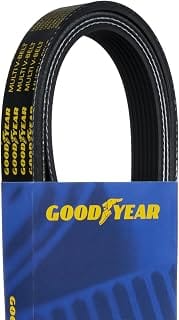
Top Serpentine Belt Lifespan – Our Picks
 s=”vb-product-img”>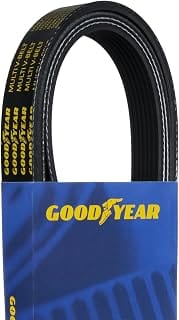
Frequently Asked Questions
How often should this be done?
For most drivers the manufacturer’s severe-service schedule is the realistic interval, since short trips, towing, and extreme temperatures apply to more vehicles than owners admit. Always confirm the exact interval in your owner’s manual.
What are the signs it is due sooner?
Noise, vibration, degraded performance, warning lights, or visible wear are the usual signals. If you notice any of them, inspect the component rather than waiting for the calendar.
Does driving style change the interval?
Yes. Frequent short trips, heavy loads, stop-and-go traffic, and extreme heat or cold all shorten service life. Highway cruising at steady speed is the gentlest scenario.
Is it safe to delay it a little?
A modest delay is usually fine when there are no symptoms, but delaying once noise, slipping, or warning signs appear turns a maintenance job into a repair bill. Inspect first, then decide.