Automatic Transmission No Reverse Gear
If your automatic transmission moves forward but won’t engage reverse, it’s likely due to low fluid, faulty solenoids, or internal clutch failure. While not always an immediate safety hazard, it requires prompt diagnosis to avoid further damage. This guide covers causes, fixes, costs, and when to seek help.
What Causes a Transmission to Lose Reverse Gear?
1.1 Low or Contaminated Transmission Fluid
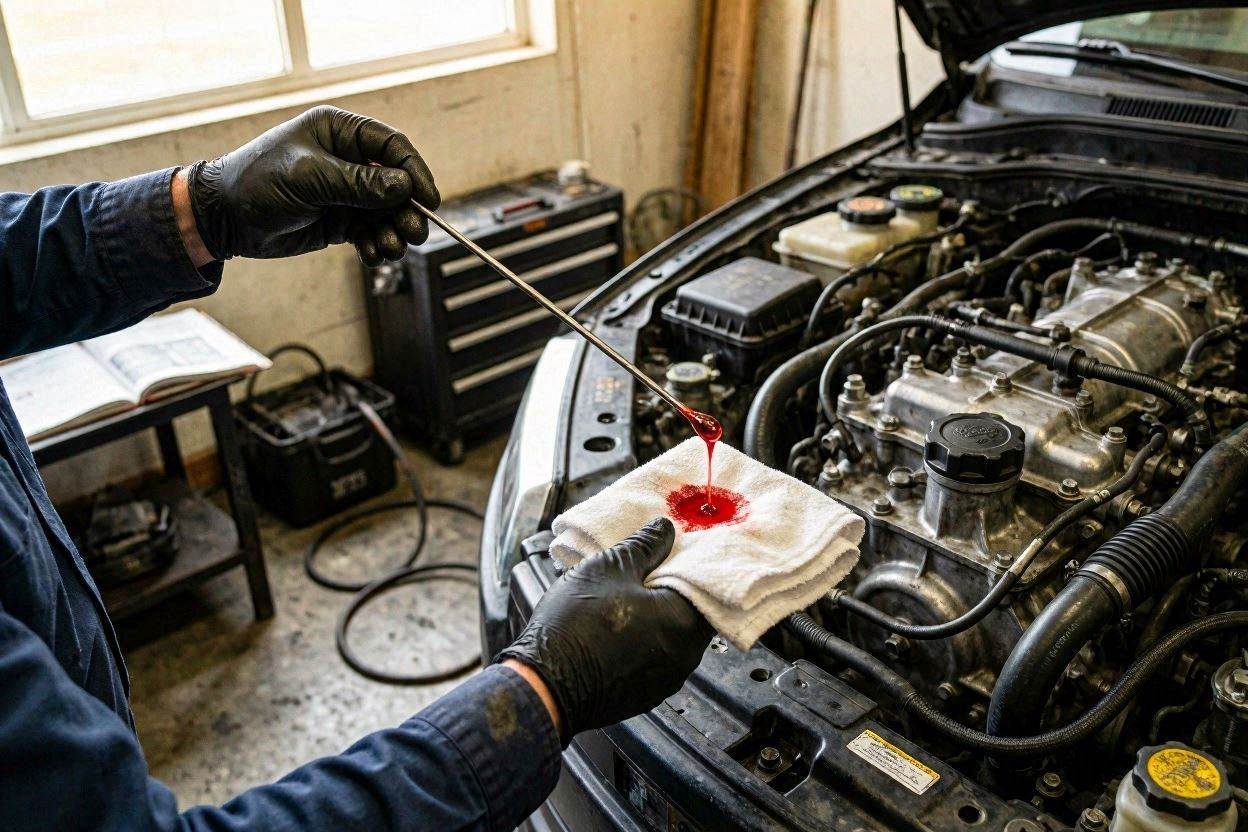
Low fluid reduces hydraulic pressure. Reverse gear needs strong pressure to engage. Contaminated fluid clogs small passages. Burnt fluid signals internal damage. Always check fluid level first. Use the manufacturer’s specified ATF type. For example, Ford Mercon LV or Chrysler ATF+4. Check fluid with engine warm and running. Park on level ground. Pull the dipstick. Wipe it clean. Reinsert fully. Remove and check level. Fluid should be bright red. Brown means contamination. Black with burnt smell means failure.
1.2 Faulty Reverse Solenoid
Solenoids control fluid flow to clutch packs. A failed reverse solenoid blocks reverse engagement. Common OBD2 codes include P0700 and P0751. Use a scan tool to test solenoid resistance. Spec is usually 10-30 ohms. Replace if out of range. Solenoid bolts often require a T-30 Torx bit. Torque new bolts to 5-8 ft-lbs. Learn more about solenoid issues for deeper diagnostics.
1.3 Worn or Broken Reverse Clutch Pack
Reverse clutch packs engage via hydraulic pressure. Worn friction plates cause slipping. Broken springs cause delayed engagement. Symptoms include harsh jerking or no movement. Internal failure requires transmission removal. Use a 3/8″ drive ratchet for pan bolts. Torque pan bolts to 8-12 ft-lbs in a crisscross pattern. Early diagnosis prevents total failure.
1.4 Valve Body Malfunction
The valve body directs fluid to clutch packs. Stuck valves or worn bores disrupt reverse flow. Diagnose with pressure tests. Repair often costs less than rebuild. Diagnose potential valve body repair needs if reverse is missing. Valve body bolts typically torque to 7-10 ft-lbs. Use a torque wrench for accuracy.
1.5 Linkage or Shift Cable Issues
Loose or broken shift linkage prevents gear selection. Test by moving the shifter manually. Have a helper watch the transmission lever. Adjust or replace cable if slack exists. Use a 10mm socket for linkage bolts. Grease pivot points with high-temp grease. This fix costs under $100. Often overlooked but easy to resolve.
How to Diagnose No Reverse Gear?
2.1 Step 1: Check Transmission Fluid Level & Condition
Warm the engine to operating temperature. Park on level ground. Leave engine running. Shift through all gears. Return to Park. Pull dipstick. Wipe clean. Reinsert fully. Check level against hot marks. Note color and smell. Red fluid is good. Brown needs changing. Black with burnt odor means damage.
2.2 Step 2: Scan for Diagnostic Trouble Codes
Use an OBD2 scanner. Read transmission codes. Common codes: P0751 (Shift Solenoid A), P0770 (Shift Solenoid E). Note pending codes too. Scanner rental costs $20–$100. Clear codes after repair. Retest to confirm fix.
2.3 Step 3: Inspect Shift Linkage
Locate shift cable at transmission. Have helper move shifter. Watch cable end movement. Check for binding or disconnection. Adjust cable per service manual. Lubricate pivot points. Replace if frayed or stretched. Use high-temp grease on joints.
2.4 Step 4: Test Reverse Solenoid
Locate solenoid on valve body. Disconnect electrical connector. Measure resistance with multimeter. Spec is typically 10-30 ohms. Test for short to ground. Replace if out of spec. Labor time: 1–2 hours. Parts cost $50–$150. Total repair: $150–$400.
2.5 Step 5: Road Test & Professional Diagnosis
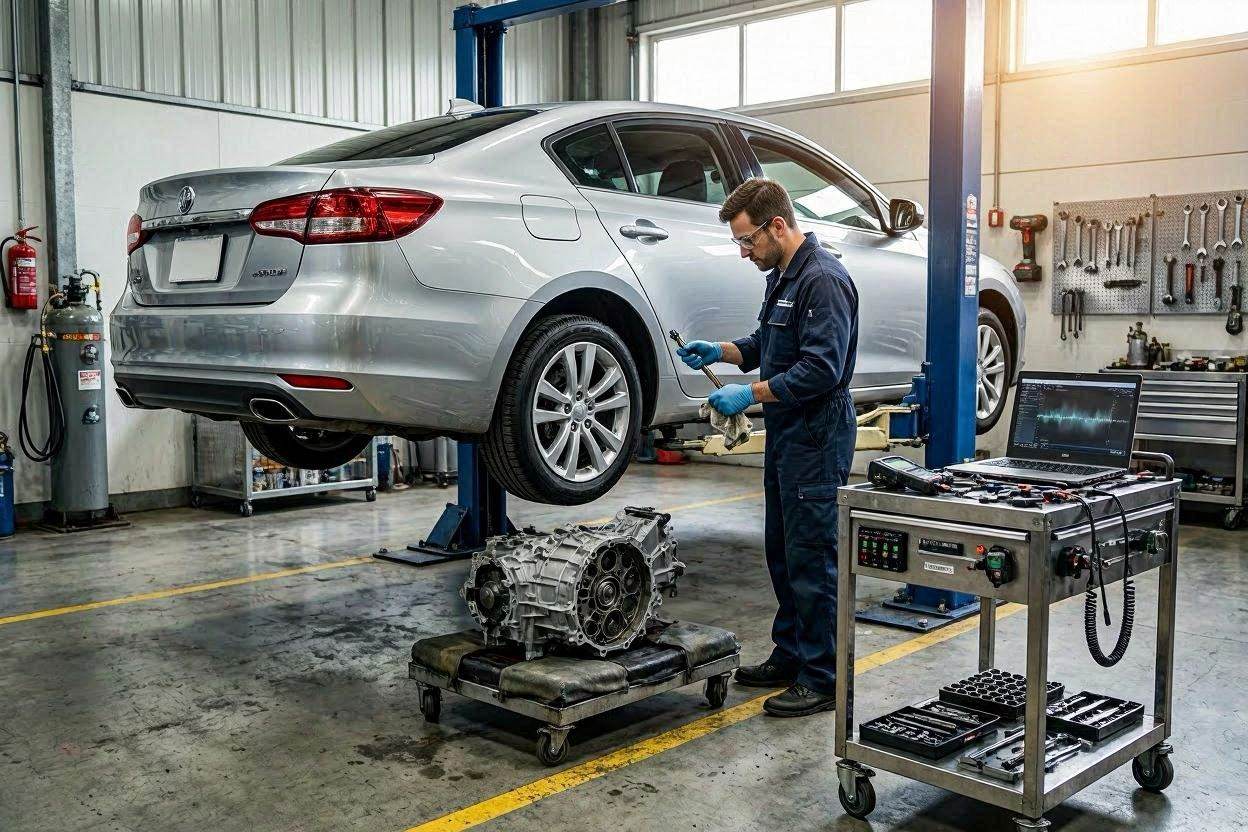
Test drive only if safe. Listen for unusual noises. Note shift quality. If reverse still fails, seek professional help. A certified tech performs pressure tests. They check internal clutch apply. Learn more about shifting problems for related issues.
Repair Solutions for No Reverse Gear:
3.1 Fix Transmission Fluid Issues
Perform a drain-and-fill or flush. Use manufacturer-specified fluid. Capacity ranges 4–12 quarts. Cost: $100–$250. Pros: quick, low cost. Cons: won’t fix mechanical failures. Always replace filter during service. Torque pan bolts to 8-12 ft-lbs.
3.2 Replace Reverse Solenoid
Remove valve body cover. Disconnect faulty solenoid. Install new unit. Torque bolts to 5-8 ft-lbs. Labor: 1–2 hours. Total cost: $200–$500. DIY-friendly for skilled mechanics with proper tools.
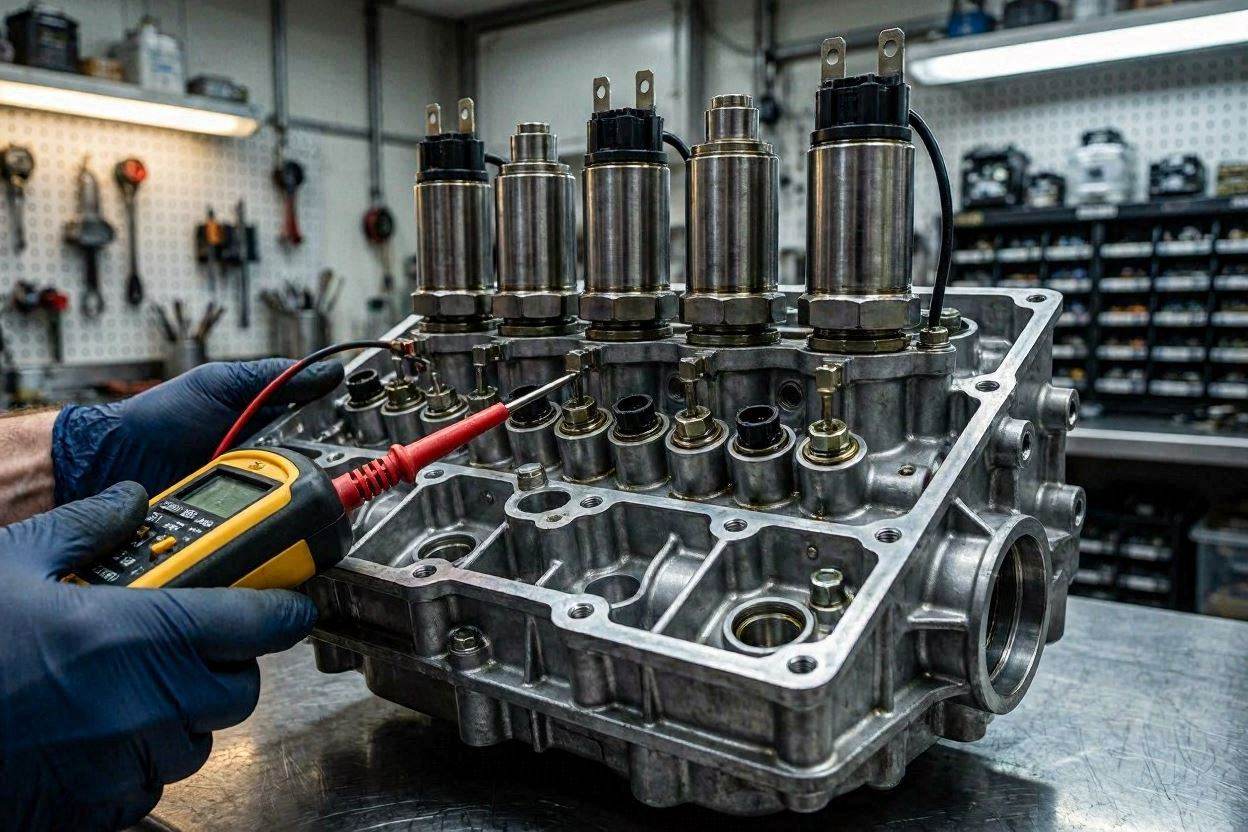
3.3 Valve Body Repair
Disassemble valve body carefully. Clean all passages. Replace worn valves or sleeves. Reassemble with new gaskets. Torque bolts to 7-10 ft-lbs in sequence. Cost: $400–$900. Link to valve body repair for detailed guides.
3.4 Transmission Rebuild
Rebuild when clutch packs are damaged. Replace all friction plates, seals, and worn parts. Cost: $1,500–$3,500. Labor time: 3–5 days. Pros: restores like-new performance. Cons: high cost, downtime.
Repair Options Comparison
| Option | Cost | Time | Longevity | Best For |
|---|---|---|---|---|
| Fluid Flush | $100–$250 | 30 min | Short-term | Low fluid only |
| Solenoid Replace | $200–$500 | 2–3 hrs | Medium | Electrical fault |
| Valve Body Repair | $400–$900 | 4–6 hrs | Long | Internal flow issue |
| Full Rebuild | $1,500–$3,500 | 3–5 days | Long | Severe internal damage |
Decide between a full repair and rebuild vs replace for long-term value.
Can You Drive with No Reverse Gear?
Getting stuck in a driveway causes hassle. Emergency vehicles need clear access. Parking lots become hazardous. Legal issues may arise during inspections. Only drive short distances to a repair shop. Tow the vehicle if reverse is critical for your route.
Cost to Fix Transmission No Reverse.
Honda: Solenoid or fluid fixes cost less. Internal repairs cost more. Ford: Common solenoid issues on 6F35 transmissions. Toyota: Reliable but valve body repairs add up. BMW: Complex electronics increase diagnostic time. Labor rates vary by region. Urban shops charge more.
Top Automatic Transmission No Reverse Gear – Our Picks
Preventive Maintenance to Avoid Reverse Gear Failure:
Regular fluid changes remove contaminants. Fresh fluid maintains proper viscosity. Manufacturer fluids match clutch material specs. Ignoring early symptoms causes cascading damage. Annual inspections catch worn solenoids early. Learn general transmission care tips for longevity.
Frequently Asked Questions (FAQs)
Q: Why does my car go forward but not reverse?
A: Usually due to low fluid, solenoid failure, or worn reverse clutch.
Q: Can I shift to reverse manually if the transmission is stuck?
A: Not recommended — could cause further damage.
Q: How long can I drive with no reverse gear?
A: Not advised — safety risk and potential secondary damage.
Q: Is a transmission rebuild worth it for no reverse only?
A: Depends on age, mileage, and cost of repair vs. vehicle value.
Q: What is the most common cause of no reverse in automatic transmissions?
A: Low fluid and solenoid issues are top causes.
Final Thoughts:
Act fast when reverse fails. Check fluid level and condition today. Scan for codes this weekend. If unsure, book a diagnostic with a trusted shop. Protect your investment with prompt care. If you’re also experiencing rough shifts, read about shifting problems. Considering a full fix? Explore rebuild vs replace for long-term value.
You might also like: Flywheel Resurfacing vs. Replacement: Which Should You Do?, Clutch Adjustment Guide: Cable & Self-Adjusting Clutches, Cable vs Hydraulic Clutch: Which System Is Better for Your Car?