Clutch Adjustment Guide: Cable & Self-Adjusting Clutches
Clutch adjustment is the process of correcting free play in a clutch system. It ensures proper engagement and disengagement for smooth gear changes.
Cable-operated clutches require manual tensioning of the cable. Self-adjusting clutches use an automatic mechanism. Proper adjustment prevents slipping and premature wear.
Adjust cable clutches every 6,000-12,000 miles. Self-adjusting systems need less frequent attention. Always check your vehicle’s service manual.
Clutch adjustment is a vital maintenance procedure. It ensures correct cable tension or pedal travel. This prevents drivetrain damage and improves performance.
1. Signs Your Clutch Needs Adjustment
Your clutch needs adjustment if you notice specific symptoms. Watch for a soft or low pedal feel with loss of resistance. The pedal may sink to the floor unexpectedly.
Slipping occurs during acceleration often. Engine RPM rises without vehicle acceleration. You might smell burning friction material. This indicates serious slipping problems requiring immediate attention.
Difficulty shifting gears is another common sign. Grinding stiffness or missed gears happen frequently. This suggests internal clutch problems that adjustment may resolve.
High pedal engagement point indicates wear. The clutch engages near the floor. This requires remediation for safe operation.
Early Symptoms Checklist:
- Pedal feels loose or soft
- Difficulty finding neutral
- Engine revs excessively during shifts
- Vehicle lurches forward slowly
Top Picks

2. Types of Clutch Systems: Cable vs. Self-Adjusting
Cable clutches work via mechanical cable linkage. They are common in older or performance vehicles. These systems require periodic manual adjustment for optimal function.
Self-adjusting clutches use hydraulic or spring-loaded mechanisms. They maintain consistent pedal feel automatically over time. Modern vehicles benefit from reduced maintenance needs with this design.
Maintenance Frequency varies significantly. Cable clutches need adjustment every 6,000-12,000 miles. Self-adjusting systems self-regulate rarely requiring intervention.
Adjustment Method differs between types. Manual cable tensioning is required for cable systems. Automatic internal mechanisms handle self-adjustments in self-adjusting types.
Common Issues include stretching slack or premature wear. Sensor or internal spring failure affect self-adjusting systems. Enthusiasts prefer cable clutches for budget repairs. Daily drivers choose modern cars for reliability.
Cost to Adjust shows clear differences. DIY cable adjustment costs 0−50.Professionalcableserviceruns50-100. Self-adjusting repairs range from $100-300 if faulty.
3. How to Adjust a Clutch Cable
Gather necessary tools before starting. Use wrenches pliers and jack stands safely. Always work on a level surface with engine off.
Locate the adjusting nut near the transmission or under the hood. The cable ends at the clutch fork assembly. Refer to your vehicle’s manual if unsure.
Measure free play using a ruler or tape measure. Ideal range is 1-1.5 inches but varies by model. Record initial measurements for comparison.
Adjust the cable by loosening the locknut first. Turn the adjuster to tighten or loosen tension accordingly. Re-measure free play after each adjustment.
Test drive the vehicle to check smooth engagement. Repeat the process if necessary until perfect. Never over-tighten the cable excessively.
Do Not Over-Tighten! Excessive tension causes clutch drag overheating and rapid component wear.
4. Understanding Self-Adjusting Clutches
Self-adjusting clutches work via spring-loaded mechanisms. They compensate for wear automatically over time. This design maintains consistent pedal height without intervention.
Self-adjustment fails if the pedal remains low despite the mechanism. Internal spring or sensor malfunctions may occur. Requires diagnostic scan or professional mechanic inspection then.
Identify faulty systems through diagnostic testing. Consult your vehicle’s service manual for specifications. Trust the system but monitor pedal feel monthly.
Most self-adjusting clutches require zero intervention unless symptoms persist. Professional repair becomes necessary when problems arise.
5. Common Beginner Mistakes in Clutch Adjustment
Beginners often measure free play incorrectly. Always use proper measuring tools and techniques. Skipping the test drive after adjustment is another common error.
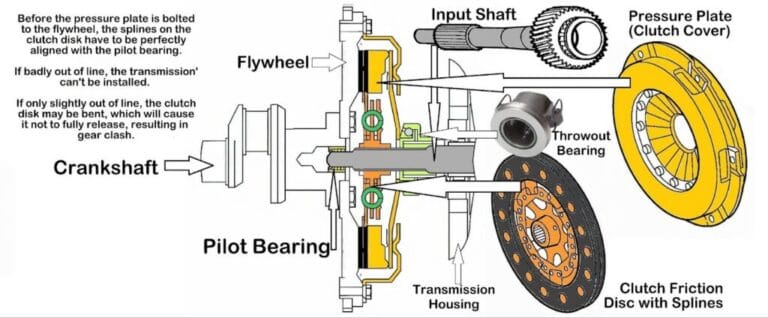
Ignoring wear on the throw-out bearing causes problems. Confusing clutch issues with parking brake symptoms leads to misdiagnosis. Always consult your vehicle’s service manual first.
Avoid rushing through the adjustment process. Double-check all measurements carefully before proceeding. Patience ensures accurate results every time.
6. Cost Breakdown: DIY vs Professional Adjustment
DIY cable adjustment costs $0-20 for basic tools. It saves money and provides educational value. However there is risk of error and significant time investment involved.
Mechanic service for cable adjustment runs $50-100. This offers professional accuracy quickly. But labor costs add up fast for simple repairs.
Self-adjusting clutch repairs range from $150-400. These require system resets or part replacements. Complexity demands professional diagnostic equipment and expertise.
Most clutch cable adjustments take under 20 minutes. Save money with basic hand tools. Always prioritize safety over cost savings.
7. Expert Tips for Maintaining Optimal Clutch Performance
Inspect cable condition every 10k miles regularly. Lubricate linkage points if applicable to your vehicle. Avoid riding the clutch during normal driving conditions.
Replace entire cables if fraying appears anywhere. Check pedal free play monthly for changes. Address minor issues before they become major problems.
Pro Tip: Consider cable replacement if over 50k miles old. Pair adjustment with new cables for best results. This prevents recurrence of adjustment issues.
8. Troubleshooting After Adjustment
Clutch still slips after complete adjustment often. This indicates warped pressure plate or friction disc damage. Oil contamination requires immediate professional attention.
Pedal still feels off despite proper adjustment. Air in hydraulic lines causes spongy feel. Master cylinder failure requires replacement soon.
Check for clutch pedal problems if issues persist. Professional diagnosis becomes necessary when basic adjustment fails. Address underlying mechanical issues promptly.
9. FAQs
Q: How do I know if my clutch needs adjustment?
A: Watch for soft pedal slipping or hard shifting. Check free play should be 1-1.5 inches.
Q: Can I adjust a self-adjusting clutch?
A: Generally no. These systems self-regulate automatically. Have a mechanic inspect internal components.
Q: How often should I check my clutch cable?
A: Every 10k miles or annually. Especially important in older high-mileage vehicles.
Q: What happens if I don’t adjust my clutch?
A: Risk of slipping poor fuel economy difficulty shifting. Eventually leads to complete clutch failure.
Q: Is it hard to adjust a clutch cable?
A: No basic tools and 20-30 minutes needed. Follow step-by-step guide and measure carefully.
Q: Can bad clutch adjustment cause grinding gears?
A: Yes. If clutch doesn’t fully disengage gears collide during shifts.
10. Conclusion: Keep Your Manual Transmission Healthy
Cable and self-adjusting clutches differ significantly. Cable systems need regular manual attention. Self-adjusting types offer automatic convenience.
Preventive maintenance prevents costly repairs. Monitor pedal feel and free play regularly. Address minor issues promptly before escalation.
Check your clutch free play today! Explore our guides on clutch cable replacement and slipping causes for more information.
Want more? Explore guides on clutch cable replacement and slipping causes to stay ahead of transmission problems.
You might also like: Flywheel Resurfacing vs. Replacement: Which Should You Do?, Cable vs Hydraulic Clutch: Which System Is Better for Your Car?, How to Replace a Clutch: Complete DIY Guide
Related: Brake Proportioning Valve
Related: Brake Line Flaring Tool: How to Make Brake Lines
Related: parking brake adjustment