Battery Maintenance Guide: Complete Guide
Battery Maintenance Guide: How to Test, Clean, and Extend Car Battery Life
A car battery is a rechargeable electrochemical storage device that converts chemical energy into electrical energy to start your engine and power your vehicle’s electronics. It’s the silent workhorse of your vehicle’s electrical system, and its health determines whether your morning commute begins with a smooth ignition or a frustrating click-click-click of a dead starter. The average car battery lasts between three and five years, yet most drivers don’t think about battery maintenance until the moment it fails — usually at the worst possible time.
This battery maintenance guide covers the complete lifecycle of automotive battery care: how to test voltage and cold cranking amps, how to clean corrosion from terminals safely, and the specific maintenance practices that extend battery life by 12 to 18 months beyond the typical replacement cycle. You’ll learn the difference between flooded lead-acid, AGM, and gel batteries — because each type requires different maintenance procedures and tolerates different charging voltages. We’ll also cover the tools you need, the safety precautions that prevent injury, and the honest limitations of DIY maintenance versus professional testing.
What sets this guide apart is real data, not generic advice. We’ve consolidated manufacturer specifications, independent test results, and common failure patterns into actionable steps. You’ll see exactly how much voltage a healthy battery should hold at rest, why a battery that reads 12.4 volts may still be failing under load, and when cleaning terminals simply isn’t enough to save a dying cell. By the end, you’ll know precisely when to maintain, when to recharge, and when to replace — saving you both money and the inconvenience of an unexpected breakdown.
What Is Car Battery Maintenance and Why Does It Matter?
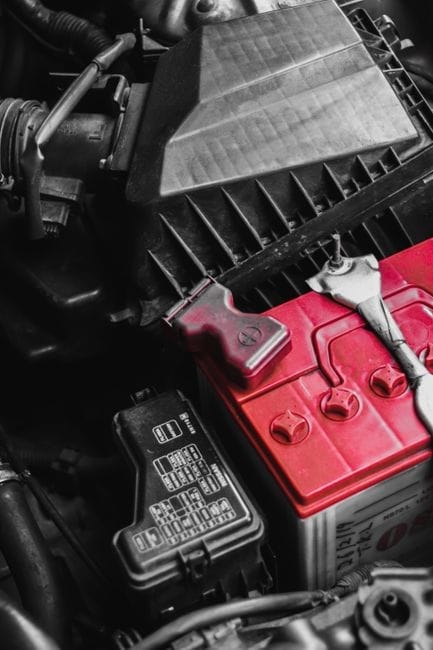
Car battery maintenance is the practice of keeping your battery’s terminals clean, its charge level healthy, and its electrolyte (if serviceable) at the correct level. It is not about replacing parts prematurely. It is about catching small issues before they leave you stranded.
A car battery is the electrical heart of your vehicle. It provides the high burst of current needed to crank the engine and then stabilizes voltage to keep your electronics running smoothly. Neglecting it shortens its lifespan and can damage your alternator or starter motor.
Why Maintenance Matters More Than You Think
The average battery lasts between three and five years, but heat and vibration are the two biggest killers. Under-hood temperatures can exceed 200°F, accelerating internal corrosion and water loss. Vibration shakes loose the active material from the plates, reducing capacity. Regular maintenance catches these issues early, potentially adding 12 to 18 months of useful life.
The Difference Between Maintenance-Free and Serviceable Batteries
Traditional flooded lead-acid batteries have removable caps that allow you to check and top off the electrolyte level with distilled water. These are becoming rarer but still exist in many older vehicles and budget replacements. Maintenance-free batteries, including most modern flooded batteries and all AGM (Absorbent Glass Mat) batteries, are sealed. You cannot — and should not — attempt to add water to them. AGM batteries use a fiberglass mat to hold the electrolyte in place, making them spill-proof and more resistant to vibration. Gel batteries use a thickened electrolyte and require even more careful charging voltage limits. Knowing which type you have determines your entire maintenance approach.
How a Car Battery Works: The Basics of Lead-Acid Chemistry
How a Car Battery Works: Details
Inside a lead-acid battery, six cells each produce approximately 2.1 volts, totaling about 12.6 volts when fully charged. Each cell contains positive plates coated with lead dioxide and negative plates of spongy lead, submerged in an electrolyte of sulfuric acid and water. During discharge, the chemical reaction converts lead and lead dioxide into lead sulfate, releasing electrons as electrical current. During charging, the alternator or a charger reverses this reaction, converting lead sulfate back into active material. If a battery sits discharged for extended periods, lead sulfate hardens into crystals — a process called sulfation — which permanently reduces capacity. This is why keeping a battery charged is the single most important maintenance practice.
The 6 Essential Battery Maintenance Checks You Should Perform Regularly
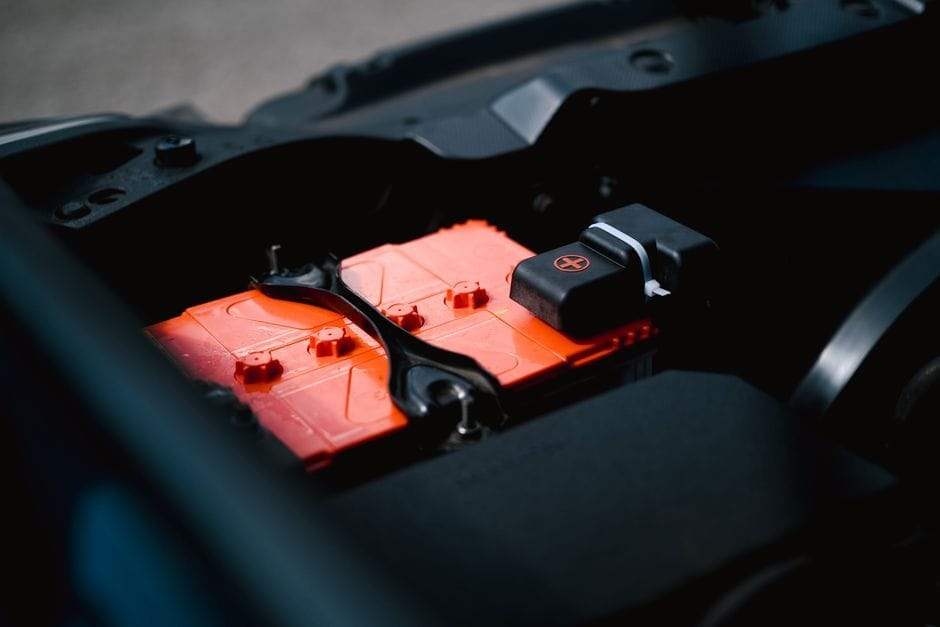
Performing these six checks every three months — or before long trips and seasonal changes — will catch the vast majority of battery problems before they become failures. You don’t need a mechanic’s certification to do any of them, just basic tools and about 20 minutes.
Visual Inspection: Cracks, Bulges, and Loose Mounts
Start with your eyes. Look at the battery case for cracks, bulges, or warping — signs of overheating or internal pressure. Check the mounting bracket and hold-down clamp. A loose battery vibrates while driving, which can damage internal plates and cause premature failure. The battery should not move more than a fraction of an inch when you push on it. Also inspect the battery cables for fraying, cracks, or green/white corrosion creeping up the wire. Finally, check the vent tubes (if present) for blockages.
Terminal Cleaning: Removing Corrosion and Buildup
Corrosion appears as a white, greenish, or bluish powdery substance on and around the terminals. It’s caused by hydrogen gas escaping from the battery and reacting with the metal. Corrosion acts as an insulator, increasing electrical resistance and reducing the current that reaches your starter. To clean it, disconnect the negative terminal first (to avoid shorting tools against the chassis), then the positive. Use a wire brush or a dedicated terminal cleaning tool to scrub both the terminal posts and the inside of the cable clamps until they shine. A mixture of baking soda and water neutralizes acid corrosion — apply it with a brush, let it fizz, then rinse with clean water. Dry thoroughly before reconnecting. After reconnecting (positive first), apply a thin layer of petroleum jelly or dielectric grease to slow future corrosion.
Voltage Testing: Using a Multimeter Correctly
A digital multimeter is the most valuable tool for battery maintenance. Set it to DC volts (20V range). With the engine off and the car having sat for at least an hour (to let surface charge dissipate), connect the red lead to the positive terminal and the black lead to the negative. A healthy, fully charged battery reads between 12.6 and 12.8 volts. At 12.4 volts, the battery is about 75% charged. At 12.2 volts, it’s 50% charged. Below 12.0 volts, the battery is significantly discharged and may have suffered sulfation damage. If you read 12.6V but the battery is old, proceed to a load test — voltage alone doesn’t tell you if the battery can deliver current.
Load Testing: Measuring Real Cranking Power
A load test applies a simulated cranking load to the battery while monitoring voltage. Many auto parts stores offer free load testing, or you can buy a handheld load tester. The basic rule: a battery should maintain at least 9.6 volts during a 15-second load test at half its CCA (cold cranking amps) rating, in a 70°F environment. If voltage drops below that, the battery is weak and likely needs replacement. If you don’t have a load tester, a poor man’s test is to crank the engine for 10 seconds while watching the multimeter — voltage should not drop below 9.5V during cranking. A drop below that indicates high internal resistance or a failing cell.
Electrolyte Level Check (Serviceable Batteries Only)
If you have a traditional battery with removable caps, check the electrolyte level every few months. The fluid should cover the plates, typically up to the bottom of the fill well. Use only distilled water — tap water contains minerals that contaminate the cells and accelerate self-discharge. Do not overfill; the electrolyte expands when charging. If the level is consistently low, it may indicate overcharging from a faulty voltage regulator. If the battery is sealed (maintenance-free or AGM), skip this step entirely — do not attempt to pry open sealed caps.
Charging Practices: When and How to Charge
If your voltage test shows below 12.4 volts, recharge the battery. A smart charger (also called a trickle charger or maintainer) is ideal — it automatically adjusts voltage and current to prevent overcharging. If you use a conventional charger, set it to the lowest amperage (2-10 amps) and monitor it. Never charge a frozen battery — let it thaw first. And never charge a battery with visible cracks or bulges. For AGM batteries, use a charger with an AGM-specific mode, as they require a slightly different charging profile (typically 14.4-14.6V
absorption phase versus 13.8-14.4V for flooded batteries). Overcharging a sealed battery can cause it to vent and lose electrolyte permanently, so precision matters.
Seasonal Battery Care: Protecting Your Battery from Extreme Temperatures

Temperature is the single biggest environmental factor affecting battery life. Heat accelerates chemical reactions, which speeds up internal corrosion and water loss. Cold thickens engine oil, requiring more cranking amps, and simultaneously reduces the battery’s available capacity by up to 60% at 0°F. Seasonal care means adjusting your maintenance routine to compensate.
Summer Heat: The Silent Battery Killer
In summer, check your battery more frequently — monthly if you live in a hot climate. Heat causes water loss in flooded batteries, so check electrolyte levels more often. Ensure the battery heat shield (if your vehicle has one) is in place. Park in shade when possible. A battery that survives two summers in Phoenix is doing well; three is exceptional. Consider having your charging system tested in late spring to ensure the alternator isn’t overcharging, which accelerates heat damage.
Winter Cold: Preparing for Cranking Demands
Winter Cold: Details
Before winter arrives, verify your battery is at least 80% charged. A fully charged battery freezes at around -76°F, but a discharged battery can freeze at 32°F, cracking the case. Test your battery’s CCA capacity in late fall. If it’s below 70% of its rated CCA, replace it before the first cold snap. Keep terminals clean and tight — cold weather amplifies any resistance in the connections. If you don’t drive for weeks at a time in winter, use a battery maintainer to keep it topped off.
Safety, Disposal, and When to Call a Professional

Car batteries contain sulfuric acid and lead — both hazardous materials. Safety is non-negotiable when performing any maintenance.
Essential Safety Precautions
Always wear safety glasses and acid-resistant gloves when working on a battery. The acid can cause permanent eye damage and severe skin burns. Work in a well-ventilated area — batteries emit hydrogen gas, which is explosive. Never smoke or create sparks near a battery. Remove metal jewelry (rings, watches) that could short across the terminals. Use insulated tools. If you spill acid, neutralize it immediately with baking soda and water.
Proper Disposal and Recycling
Never throw a car battery in the trash. Lead-acid batteries are 99% recyclable, and most retailers that sell batteries are legally required to accept your old one for recycling. Auto parts stores, recycling centers, and many municipal waste facilities accept them free of charge. When transporting a battery, place it upright in a plastic container or on a non-conductive surface, and secure it so it cannot tip over. If the case is cracked and leaking, double-bag it in heavy plastic and label it as hazardous.
When to Call a Professional
While DIY maintenance covers most needs, some situations require professional diagnosis. If your battery keeps dying despite good voltage readings, you may have a parasitic drain — a professional can perform a parasitic draw test to find the culprit. If your alternator is failing (dimming lights, warning light on dashboard), the battery will never stay charged regardless of maintenance. If your starter motor is drawing excessive current, it will kill batteries prematurely. These adjacent systems — alternator, starter, and parasitic drains — are beyond the scope of basic battery maintenance and require specialized diagnostic equipment.
Extending Battery Life: Best Practices and Common Mistakes

With consistent maintenance, you can realistically expect 4-6 years from a quality battery, and sometimes longer in mild climates. Here are the habits that make the difference.
Best Practices for Maximum Battery Life
Keep the battery clean and dry — dirt on the case can create a conductive path that slowly drains the battery. Tighten all connections to manufacturer specifications (typically 8-10 ft-lbs for terminal bolts). Drive your car regularly; short trips that don’t fully recharge the battery are a leading cause of premature failure. If you store a vehicle, connect a battery maintainer rather than leaving it to self-discharge. Test your charging system annually to ensure the alternator output is within spec (typically 13.8-14.4V at idle).
Common Mistakes That Shorten Battery Life
Over-tightening terminal bolts can crack the battery case. Using tap water in serviceable batteries introduces minerals that cause internal short circuits. Letting a battery sit discharged for more than a few weeks causes permanent sulfation. Jump-starting a frozen battery can cause it to explode. And repeatedly draining a battery below 50% capacity dramatically reduces its cycle life. Avoid these errors, and your battery will reward you with years of reliable service.
Jump-Starting Procedures Done Right
When jump-starting, always connect the positive cable to the dead battery’s positive terminal first, then the positive to the donor battery. Connect the negative cable to the donor battery’s negative terminal, then attach the final negative clamp to an unpainted metal surface on the dead car’s engine block — never directly to the dead battery’s negative terminal, as this can ignite hydrogen gas. Start the donor car, wait two minutes, then start the dead car. Remove cables in reverse order.
Battery Replacement: Knowing When to Say Goodbye

Even with perfect maintenance, every battery eventually dies. Recognizing the signs of impending failure saves you from being stranded.
Warning Signs of a Failing Battery
Slow cranking (the engine turns over sluggishly), dim headlights at idle, the battery warning light on the dashboard, swelling or bulging case, a rotten egg smell (sulfur gas), and needing jump starts more than once a week are all red flags. If your battery is over four years old and shows any of these symptoms, replacement is the smart choice — the cost of a new battery is far less than the cost of a tow truck and lost time.
Choosing the Right Replacement
Match the battery group size, terminal configuration, and CCA rating to your vehicle’s specifications. Check your owner’s manual or the existing battery’s label. If you live in a cold climate, choose a battery with a higher CCA rating than the minimum. Consider upgrading to an AGM battery if your vehicle originally came with a flooded battery — AGM offers better vibration resistance and longer life, though at a higher price. Always buy from a reputable brand and check the manufacturing date code (usually a letter for month and number for year) to ensure you’re getting fresh stock.
Frequently Asked Questions About Battery Maintenance

How often should I test my car battery?
Test voltage monthly and perform a load test every six months. If you live in extreme temperatures or drive infrequently, increase the frequency. Many auto parts stores offer free testing, making it easy to stay on schedule.
Can I use WD-40 on battery terminals?
WD-40 can help displace moisture and protect against corrosion, but it’s not a substitute for proper cleaning. Apply it only after cleaning the terminals thoroughly. Dielectric grease or petroleum jelly is more effective for long-term corrosion prevention.
Is it safe to clean battery terminals while the battery is connected?
No. Always disconnect the negative terminal first, then the positive, before cleaning. This eliminates the risk of short circuits and accidental sparks near hydrogen gas.
What does a battery hydrometer tell me?
A hydrometer measures the specific gravity of the electrolyte in serviceable batteries, indicating the state of charge of each cell. A reading of 1.265 or higher indicates a fully charged cell. If one cell reads significantly lower than others, that cell is failing. Hydrometers cannot be used on sealed or AGM batteries.
How long can a car battery sit unused?
A fully charged battery can sit for 2-3 months before dropping to a critical level, depending on temperature and parasitic drains. To store a vehicle long-term, connect a battery maintainer or charge the battery every 4
weeks to prevent sulfation. If you don’t have access to power, disconnect the negative terminal to eliminate parasitic drains, which can extend the storage period to 4-6 months.
Can a dead battery be revived?
Sometimes, but not always. If a battery has been deeply discharged but hasn’t suffered physical damage or severe sulfation, a slow, low-amperage charge (2-6 amps) over 12-24 hours can sometimes restore it. However, if the battery has been dead for weeks or months, the internal plates have likely sulfated beyond recovery. Attempting to revive a battery that reads below 10 volts is usually futile. Even if it appears to accept a charge, its capacity will be permanently reduced, and it will fail again quickly. When in doubt, replace it.
Does idling the engine charge the battery?
Yes, but slowly. At idle, the alternator produces enough current to maintain the battery and run the vehicle’s electronics, but it may not fully recharge a deeply discharged battery. To fully recharge a battery, you need to drive at highway speeds for 30-60 minutes or use a dedicated battery charger. Short trips with heavy electrical loads (headlights, heated seats, stereo) can actually drain the battery faster than the alternator can replenish it.
What is the difference between CCA and CA ratings?
Understanding is the difference between CCA and CA ratings?
CCA (Cold Cranking Amps) measures the current a battery can deliver at 0°F for 30 seconds while maintaining at least 7.2 volts. CA (Cranking Amps) measures the same at 32°F. CA ratings are always higher than CCA ratings because warmer temperatures allow more chemical activity. When comparing batteries, always use CCA as the standard reference. A battery rated at 600 CCA will have roughly 750 CA.
Tools and Equipment for Battery Maintenance

You don’t need a professional garage to maintain your battery, but the right tools make the job safer and more effective. Here’s what you should have in your kit.
Essential Tools for DIY Battery Care
A digital multimeter is non-negotiable — it’s the only way to accurately measure voltage and diagnose charging system issues. A wire brush or terminal cleaning tool removes corrosion effectively. Safety glasses and acid-resistant gloves protect you from splashes. A battery terminal puller helps remove stubborn cable clamps without damaging the posts. Baking soda and water in a spray bottle neutralizes acid spills. Petroleum jelly or dielectric grease prevents future corrosion. A battery hydrometer is useful if you own a serviceable battery. And a smart charger or maintainer keeps your battery topped off during storage.
Advanced Tools Worth Considering
If you want to go deeper, a handheld load tester (around $50-100) lets you perform professional-grade load tests at home. A battery conductance tester uses electronic pulses to estimate battery health without a full discharge — faster and safer than traditional load testing. A parasitic drain tester (essentially a multimeter with a clamp ammeter) helps you find electrical draws that drain batteries overnight. These tools pay for themselves if you maintain multiple vehicles or want to avoid unnecessary battery replacements.
Alternator and Starter Motor: The Battery’s Partners in Crime

A battery doesn’t work in isolation. The alternator charges it while the engine runs, and the starter motor draws from it to crank the engine. A fault in either system can destroy a perfectly good battery.
Testing the Alternator
With the engine running, measure voltage across the battery terminals. It should read between 13.8 and 14.4 volts. If it reads below 13.5 volts, the alternator isn’t charging adequately — the battery will slowly drain while driving. If it reads above 14.8 volts, the alternator is overcharging, which boils electrolyte out of flooded batteries and can damage sealed batteries. Both conditions require professional alternator testing and likely replacement. Also check the alternator belt for tension and wear — a slipping belt reduces charging output.
Diagnosing Starter Motor Issues
If the engine cranks slowly but the battery tests healthy, the starter motor may be drawing excessive current. A professional starter draw test measures the amperage during cranking — typically 150-250 amps for a four-cylinder and 200-350 amps for a V8. If the draw is significantly higher, the starter’s internal windings or bushings are worn. A failing starter will eventually kill a good battery by repeatedly draining it during failed cranking attempts. If you hear a single click when turning the key, the starter solenoid may be faulty — this is different from the rapid click-click-click of a dead battery.
Parasitic Drain Testing
If your battery dies overnight or after a few days of sitting, you likely have a parasitic drain. Modern vehicles draw 20-50 milliamps (0.02-0.05 amps) to power clocks, security systems, and memory functions — this is normal. Anything above 50 milliamps indicates a problem. To test, disconnect the negative battery cable and connect a multimeter set to amps in series between the cable and the battery post. Pull fuses one by one until the current drops to normal levels to identify the offending circuit. Common culprits include glove box lights, trunk lights, aftermarket stereos, and faulty relays.
Final Checklist: Your Battery Maintenance Routine

To wrap up this battery maintenance guide, here’s a simple checklist you can follow to keep your battery in peak condition year-round.
Monthly Checks (5 Minutes)
Visually inspect the battery case for cracks, bulges, or leaks. Check that the hold-down clamp is tight. Look for corrosion on terminals and cables. Verify the battery warning light is off when the engine runs. If you have a multimeter, check resting voltage — it should be above 12.4 volts.
Quarterly Checks (20 Minutes)
Clean terminals if any corrosion is visible. Test voltage with a multimeter. Perform a load test if you have the equipment. Check electrolyte levels on serviceable batteries and top off with distilled water if needed. Inspect battery cables for fraying or damage. Test the charging system voltage with the engine running.
Seasonal Checks (Before Extreme Weather)
Before summer: verify the charging system isn’t overcharging, check electrolyte levels more frequently, and ensure the heat shield is in place. Before winter: confirm the battery is at least 80% charged, test CCA capacity, and replace any battery that’s weak or over four years old. Consider installing a battery maintainer if the vehicle will sit unused for extended periods.
Annual Professional Inspection
Once a year, have a professional perform a comprehensive battery and charging system test. Many auto parts stores offer this free. They’ll test the battery under load, check the alternator output, and scan for parasitic drains. This annual checkup catches issues that DIY testing might miss and provides peace of mind before long road trips.
Conclusion: The Payoff of Consistent Battery Maintenance

Car battery maintenance isn’t glamorous, but it’s one of the highest-ROI activities you can perform on your vehicle. Twenty minutes of preventive care every few months can add 12 to 18 months of life to a battery that would otherwise fail prematurely. It prevents the inconvenience of being stranded, the expense of emergency jump-starts and tows, and the frustration of a car that won’t start on a cold morning.
This battery maintenance guide has walked you through everything from understanding lead-acid chemistry to performing voltage and load tests, cleaning corrosion, managing seasonal challenges, and knowing when to replace. You now have the knowledge to test, clean, and extend your car battery’s life with confidence. The tools are inexpensive, the procedures are straightforward, and the benefits are immediate and lasting.
Remember the golden rules: keep it charged, keep it clean, keep it tight, and keep it cool. Check voltage monthly, clean terminals quarterly, and test under load before extreme weather. If you follow these practices, your battery will serve you reliably for years — and you’ll never have to experience that sinking feeling of turning the key to silence.
Start your maintenance routine today. Your future self — standing in a cold parking lot with a dead battery — will thank you.