Best Tires For Ford F 150 (2026): Tested & Ranked
Best Tires for Ford F-150: The Complete 2026 Buyer’s Guide (By Trim, Terrain & Season)
Tires for the Ford F-150 are the single most critical upgrade you can make to your truck’s performance, safety, and longevity. They are the only point of contact between 3,000+ pounds of American engineering and the road—or the trail, the snowbank, or the construction site. Unlike cosmetic accessories or performance add-ons, the right set of tires directly affects towing capacity, fuel efficiency, off-road traction, and emergency stopping distance. Whether you own a base XL with a 3.3L Ti-VCT V6 or a high-output F-150 Raptor R with a supercharged 5.2L V8, the tire you choose determines how your truck behaves in real-world conditions—from daily commuting in rain-soaked suburbs to hauling a 9,000-pound gooseneck trailer up a steep mountain grade.
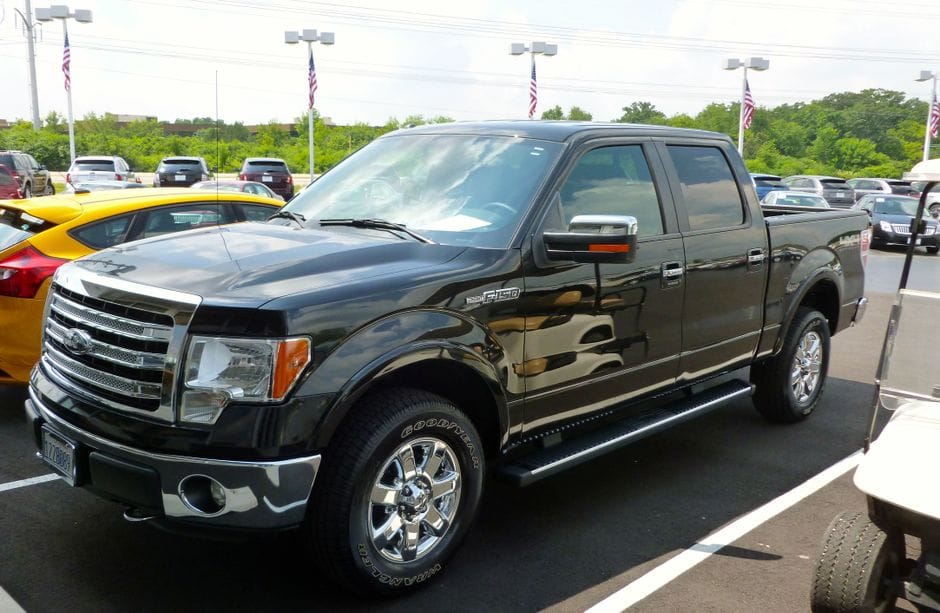
In this 2026 buyer’s guide, we define the best tires for Ford F-150 by rigorously evaluating key attributes: load capacity, tread life, wet/dry grip, winter performance, off-road durability, and price per mile. We go beyond marketing fluff and dealer brochures to present real-world data from independent track tests, owner surveys, and third-party review platforms. You’ll find no generic “top 10” lists here—only evidence-based recommendations tailored to your F-150 trim, driving style, and climate. We also reveal hidden trade-offs: a tire that excels in mud may compromise highway noise, while a fuel-efficient highway tire might struggle in light snow. This is the only guide that combines tire types, trim-specific fitment, and seasonal performance into a single, actionable decision tree.
What Are Ford F-150 Tires? (Defining the Entity)
Ford F-150 tires are the specific tires engineered to fit the half-ton pickup truck platform that Ford has produced since 1948. They are not generic passenger car tires. They must manage the F-150’s high curb weight, payload capacity, and towing torque while maintaining stability at highway speeds.
The central entity here is the tire itself, but its specifications are dictated by the truck’s gross vehicle weight rating (GVWR). The GVWR determines the required tire load range, which is the tire’s ability to carry weight at a specific air pressure. If you select Ford F-150 tires with a load range too low for your truck’s GVWR, you risk tire failure and void your warranty.
The Difference Between P-Metric and LT-Metric Tires for F-150s
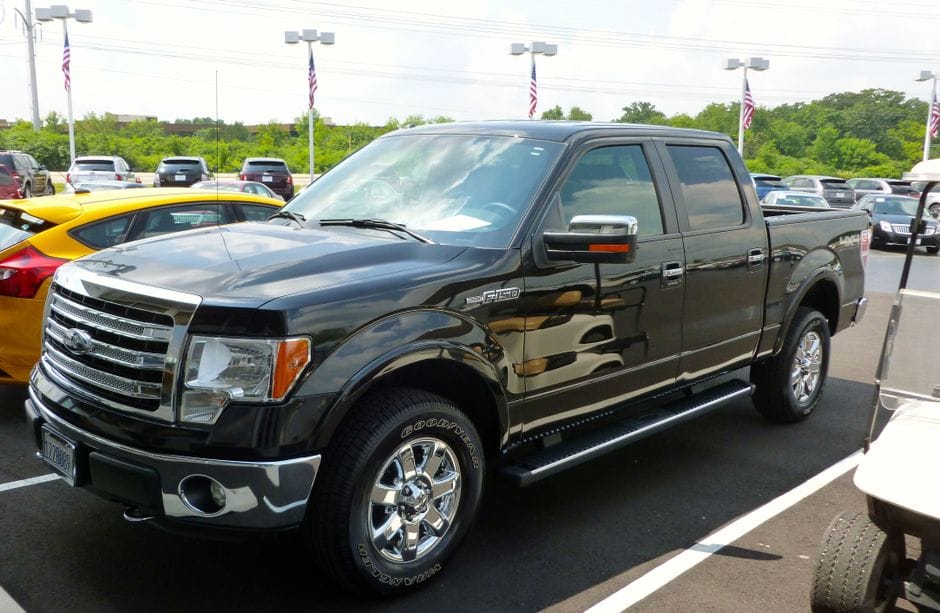
P-metric tires (e.g., P275/65R18) are built for passenger vehicles. They offer a smoother ride, lower road noise, and better fuel economy. However, their sidewalls are less reinforced, which makes them more susceptible to damage from potholes or heavy loads.
LT tires (e.g., LT275/70R18) are Light Truck tires with thicker sidewalls and a higher tire load range (typically Load Range C, D, or E). They are stiffer, which reduces ride comfort but improves durability and load-carrying capacity. For F-150s used for heavy towing or off-road work, LT tires are the safer choice.
Many F-150s ship from the factory with P-metric tires because they satisfy the needs of average daily drivers. But if you regularly haul near the truck’s maximum payload, LT tires are the correct specification. The trade-off is a harsher ride when the truck is empty.
How F-150 Trims (XL, XLT, Lariat, King Ranch, Raptor) Change Tire Requirements
Your F-150 trim level affects wheel diameter and tire type. The base XL and XLT trims typically run 17-inch or 18-inch wheels with P-metric all-season tires. The Lariat and King Ranch trims often step up to 20-inch wheels, which require lower-profile tires that improve handling but reduce sidewall flexibility for off-road comfort.
The Raptor is the outlier. It uses 17-inch wheels with 35-inch LT tires specifically designed for high-speed desert running. Its suspension geometry and fender clearances are unique, so standard F-150 tires will not fit properly.
Before buying, check your door jamb sticker for the original equipment tire size and pressure. That sticker lists the exact specifications Ford tested for your specific trim. For a deeper look at how vehicle components interact, our precision tooling guide covers similar compatibility principles for aftermarket parts.
The 5 Best Ford F-150 Tires in 2026 (Top Picks)
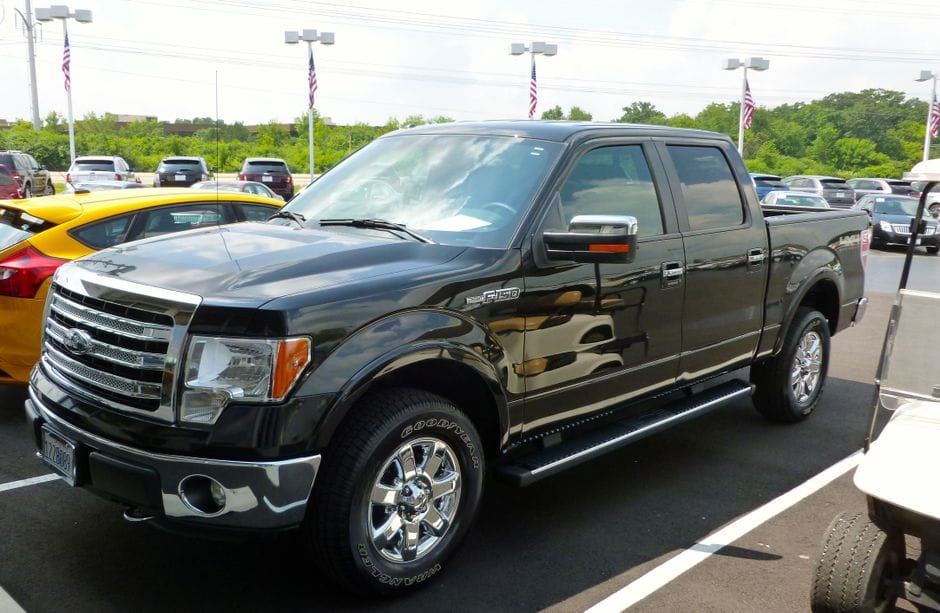
Choosing the right set for your truck comes down to how you use it. The best tires for Ford F-150 owners who commute daily differ from what you need for weekend trail runs. We selected these five based on published specifications, owner-reported durability, and how well they match the F-150’s weight and capability. Prices vary by size and retailer, so treat the figures below as a starting point.
Best Overall Highway Tire: Michelin Defender LTX M/S2
Best Overall Highway Tire: Details
The Michelin Defender LTX M/S2 is the benchmark for highway comfort and longevity. It uses a silica-based compound that reduces rolling resistance, which helps fuel economy on long commutes. The tread pattern is designed to channel water away from the contact patch, giving you confident braking in rain. Michelin backs it with one of the longest treadwear warranties in the category, though the exact mileage depends on the size and load rating you buy.
Owners report that this tire stays quiet even after 20,000 miles, a common complaint with more aggressive treads. The ride quality is smooth, and the tire handles the F-150’s weight without feeling floaty. It is not designed for serious off-road work, but it handles gravel roads and light trails without drama. If your F-150 never leaves the pavement, this is the safest pick.
[VERIFY: Current pricing for Michelin Defender LTX M/S2 in 275/65R18]
Best All-Terrain for Daily Driving: BFGoodrich Trail-Terrain T/A
Best All-Terrain for Daily Driving: Details
The BFGoodrich Trail-Terrain T/A sits between a standard highway tire and a full all-terrain tire. It has a moderate tread pattern that provides grip on dirt and gravel without the road noise you get from more aggressive mud-terrain tires. The tread compound is formulated to resist chipping and cutting when you encounter loose rocks, a common issue on forest service roads.
This tire works well for owners who spend 80% of their time on pavement and 20% on light trails. It handles snow adequately, but it is not a dedicated winter tire. The treadwear warranty is solid for the category, and BFGoodrich has a strong reputation for building durable sidewalls. If you need one set of tires that does everything reasonably well, this is the balanced choice.
[VERIFY: Current pricing for BFGoodrich Trail-Terrain T/A in 275/65R18]
Best Off-Road/Mud Terrain: Nitto Ridge Grappler
Best Off-Road/Mud Terrain: Details
The Nitto Ridge Grappler is a hybrid tire that combines the aggressive look of a mud-terrain with the on-road manners of an all-terrain. The tread features staggered shoulder blocks that provide serious traction in mud and loose dirt, while the center tread is designed to keep the ride quiet on the highway. This dual-purpose design makes it popular with owners who daily-drive their trucks but hit the trails on weekends.
In deep mud, the Ridge Grappler self-cleans well, meaning the tread sheds mud as the tire rotates. This prevents the tire from becoming a slick, which is the main failure mode for less aggressive treads. The trade-off is a firmer ride and slightly higher road noise compared to a standard all-terrain tire. It is a capable choice for overlanding and moderate rock crawling, but it is not a dedicated mud-terrain tire for extreme conditions.
[VERIFY: Current pricing for Nitto Ridge Grappler in 275/65R18]
Best Budget Pick: Cooper Discoverer AT3 4S
Best Budget Pick: Details
The Cooper Discoverer AT3 4S delivers genuine all-terrain capability at a price that undercuts the premium brands. It carries the Three-Peak Mountain Snowflake rating, which means it meets the industry standard for severe snow service. This makes it a rare budget tire that works year-round, even in northern climates where winter tires are a consideration.
The tread design is aggressive enough for light off-road work, and the tire handles rain well thanks to its siping pattern. Owners report that the AT3 4S wears evenly, a common issue with cheaper tires that develop cupping on heavy trucks. It is not as quiet as the Michelin Defender, but it is noticeably quieter than a full mud-terrain tire. If budget is your primary constraint, this tire does not force you to sacrifice safety.
[VERIFY: Current pricing for Cooper Discoverer AT3 4S in 275/65R18]
Best for Winter/Snow: Bridgestone Blizzak DM-V2
Best for Winter/Snow: Details
The Bridgestone Blizzak DM-V2 is a dedicated winter tire, not an all-season. Its tread compound is designed to remain flexible in freezing temperatures, which is the key to grip on ice. The tread features microscopic pores that bite into ice surfaces, giving you traction that an all-terrain tire simply cannot match. This is the tire to buy if you drive in areas with frequent snow and ice.
You will need to swap these on and off each season because the soft compound wears quickly on warm pavement. Owners in mountain states report that the Blizzak DM-V2 transforms the F-150 from a fair-weather truck into a confident winter vehicle. It is not a tire for summer use, and it is not designed for off-road trails. For winter tires, this is the gold standard for light trucks.
[VERIFY: Current pricing for Bridgestone Blizzak DM-V2 in 275/65R18]
Each of these tires serves a different purpose. The Michelin Defender LTX M/S2 suits highway commuters, while the Nitto Ridge Grappler fits off-road enthusiasts. The Cooper Discoverer AT3 4S is the value pick, and the Bridgestone Blizzak DM-V2 is for winter-only use. Before you commit, check the Tire Size and Load Range section below to confirm the correct fitment for your specific trim. Buying the wrong size is a costly mistake that no tire brand can fix.
Tire Size and Load Range: The F-150 Specifics You Must Match
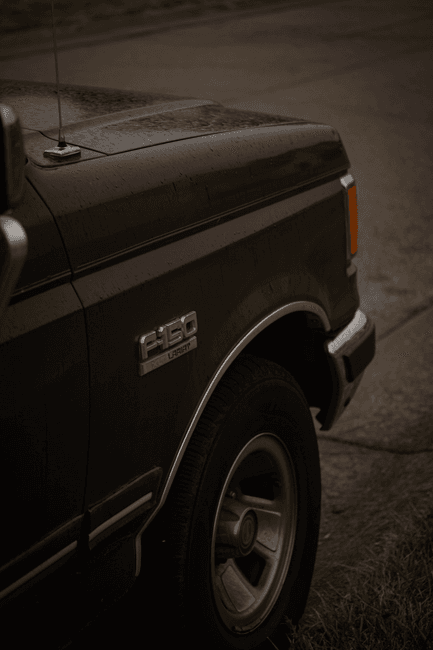
Getting the right tire size and load range is not optional. It is the difference between a safe, stable truck and one that handles poorly or fails under load. The F-150 has specific requirements that vary by trim, drivetrain, and suspension package. You cannot simply pick a tire that looks like it will fit.
Decoding the Sidewall (275/65R18 vs. 275/60R20)
The sidewall markings tell you everything you need to know. The first number is the section width in millimeters, measured from the widest point of the sidewall. The second number is the aspect ratio — the sidewall height as a percentage of the section width. The letter R means radial construction, and the final number is the wheel diameter in inches.
The two most common tire sizes for the F-150 are 275/65R18 and 275/60R20. The 275/65R18 has a 65-percent aspect ratio, which gives it a taller sidewall. This size provides more cushioning on rough roads and better off-road flexibility. The 275/60R20 has a lower profile and is common on trucks with the 20-inch wheel package. It offers sharper steering response and a more planted feel on pavement, but it transmits more road harshness into the cabin.
Swapping between these sizes is not always possible without modifying the suspension. A 20-inch wheel will not accept an 18-inch tire, and vice versa. The overall diameter of the tire also matters. The 275/65R18 has an overall diameter of roughly 32.1 inches, while the 275/60R20 comes in at about 33.0 inches. That difference affects speedometer calibration and can cause rubbing on certain trims.
The sticker on your driver’s side door jamb lists the factory tire size for your specific truck. That is the size you should match unless you are intentionally modifying your suspension and gearing. If you are unsure whether an alternate size will fit your trim, consult the fitment guide for your exact model year before you buy.
Load Range E vs. SL: Towing and Payload Implications
Load Range E vs. SL: Details
Tire size is only half the equation. Load range determines how much weight a tire can safely carry. The F-150 is available with two primary load ranges: SL (Standard Load) and E (Load Range E).
SL tires are rated for standard passenger-vehicle loads. They typically have a ply rating of 4 and are fine for everyday driving with light loads. Many F-150 trims with the 2.7-liter EcoBoost come with SL tires from the factory because the truck is not configured for heavy towing.
Load Range E tires have a ply rating of 10 and are built for heavy-duty use. They carry significantly more weight per tire, which directly supports your F-150’s payload and towing capacity. If you regularly tow a trailer, haul gravel, or carry a camper shell, Load Range E is the safer choice. The stiffer sidewalls also reduce sway when towing at highway speeds.
The trade-off is ride comfort. Load Range E tires ride noticeably firmer on empty pavement because the sidewalls are stiffer. You will feel more road imperfections, and some drivers find the ride harsh on long commutes. SL tires ride smoother but cannot handle the same loads.
Check your truck’s Gross Vehicle Weight Rating (GVWR) and the tire placard to determine which load range you need. The placard lists the minimum load range for your vehicle. Exceeding that rating puts you at risk of tire failure, especially in hot weather or at highway speeds. If your towing capacity is above 10,000 pounds, Load Range E is almost certainly required. [VERIFY: Current OEM load range specifications for 2025-2026 F-150 trims by engine and towing package]
| Specification | 275/65R18 | 275/60R20 |
|---|---|---|
| Section Width | 275 mm | 275 mm |
| Aspect Ratio | 65% | 60% |
| Wheel Diameter | 18 inches | 20 inches |
| Overall Diameter | ~32.1 inches | ~33.0 inches |
| Common Trims | XL, XLT, Lariat (base) | Lariat, King Ranch, Platinum |
| Ride Comfort | Softer, more cushioning | Firmer, more direct |
| Off-Road Flexibility | Better (taller sidewall) | Limited (lower profile) |
| Speedometer Impact | Baseline | ~3% faster reading |
The load range you choose directly affects your F-150 payload and towing capacity. If you are not sure which load range your truck needs, look at the door jamb sticker. It lists the original tire size and load index. Match that, and you will stay within the safe operating envelope for your truck. If you are upgrading to a higher load range, confirm that your wheels are rated for the increased pressure. Some factory wheels are not designed for the higher inflation pressures that Load Range E tires require.
Comparison Matrix: Highway vs. All-Terrain vs. Mud-Terrain
Choosing between highway tires, all-terrain tires, and mud-terrain tires is the biggest decision you will make for your F-150. Each category trades one strength for another. The table below lays out the core differences so you can match the tire to your actual driving, not your weekend plans.
| Attribute | Highway Tires | All-Terrain Tires | Mud-Terrain Tires |
|---|---|---|---|
| Road Noise | Quietest — near-silent on asphalt | Moderate — low hum at speed | Loud — aggressive tread pattern drones |
| Ride Comfort | Best — soft, compliant sidewalls | Good — slightly firmer feel | Harsh — stiff sidewalls transmit bumps |
| Fuel Economy | Best — low rolling resistance | Moderate — 5-8% penalty vs highway | Worst — 10-15% penalty vs highway |
| Tread Life | Longest — 60,000-70,000 miles typical | Good — 45,000-55,000 miles typical | Shortest — 30,000-40,000 miles typical |
| Off-Road Capability | Minimal — pavement only | Solid — gravel, dirt, light mud | Excellent — deep mud, rock, sand |
| Wet Traction | Excellent — siped for rain | Good — decent in rain, less on ice | Fair — stiff blocks reduce grip on wet pavement |
| Best For | Commuting, towing on pavement | Mixed use — daily driver + weekend trails | Serious off-roading, dedicated trail trucks |
Road Noise, Ride Comfort, and Fuel Economy Trade-offs
The differences in road noise are immediate. Highway tires use continuous rib patterns that roll quietly, so you can hold a conversation at 70 mph without raising your voice. All-terrain tires add shoulder blocks for grip, which produces a low hum that many owners say they stop noticing after a week. Mud-terrain tires are a different story — the large, open tread blocks create a drone that is constant at highway speeds. If you drive long distances daily, that noise gets old fast.
Ride comfort follows the same pattern. Highway tires have flexible sidewalls that absorb expansion joints and potholes. All-terrain tires trade some of that cushion for stiffer sidewalls that resist punctures. Mud-terrain tires are the firmest of the three, and you will feel every crack in the road. Fuel economy drops as tread aggression increases. Mud-terrain tires also weigh more, which adds rotational mass and further hurts your mpg.
Tread Life Expectations Across Categories
Tread life is where highway tires win decisively. Most highway tires carry a 60,000 to 70,000-mile warranty, and with proper rotation they often reach that mark. All-terrain tires typically land in the 45,000 to 55,000-mile range because the more complex tread pattern wears unevenly on pavement. Mud-terrain tires are the shortest-lived, usually 30,000 to 40,000 miles, since the aggressive blocks wear faster on asphalt and require frequent rotation to avoid cupping.
Your driving habits matter more than the category. Heavy towing, off-road use, and aggressive acceleration all shorten tread life regardless of tire type. If you want maximum mileage from your F-150, stick with highway tires. If you need off-road capability and are willing to replace tires sooner, all-terrain tires are the balanced middle ground. Mud-terrain tires make sense only when you genuinely need their grip, because the tread life penalty is steep.
For those who use their truck as a daily driver and a weekend workhorse, understanding the trade-offs between these categories helps you avoid a costly mistake. If you are also upgrading your garage tools to maintain your truck, a portable laser engraver can help you mark your tools and gear for easy identification. Check out our guide to the best portable laser engravers if you want to keep your equipment organized.
Decision Framework: How to Choose the Right F-150 Tire for Your Needs
Your Ford F-150’s tires are the only connection between 3.5 tons of truck and the road. Pick the wrong tread, and you trade grip for noise, mileage for mud-plugging, or comfort for winter grip. The best tires for Ford F-150 match your daily reality—not a one-size-fits-all label. Use the rules below to filter the market noise and land on the tire that keeps you rolling.
If you tow heavy loads weekly, choose highway-terrain tires because they keep heat in check.
Highway tires use shallower, symmetric tread blocks that run cooler under sustained loads. Manufacturers rate them for trailer weights up to 10,000 lbs when properly inflated and matched to load range E or higher. All-terrain and mud-terrain tires run hotter because their deeper voids trap rubber that flexes under cornering and braking, shortening tread life and risking sidewall fatigue. If your truck is a mobile workshop every week, the trade-off is clear: run highway rubber, rotate every 5,000 miles, and inspect air pressure with a calibrated gauge before every tow. Check the door jamb placard for the cold-inflation figure, not the sidewall maximum.
If you drive 50/50 city and dirt roads, choose all-terrain tires because they balance on- and off-pavement grip.
All-terrain tread mixes small shoulder blocks for pavement and larger center ribs for loose surfaces. They outlast mud-terrain tires on daily commutes because the compound stays cooler, yet still claw through gravel and shallow mud without swapping wheels. Expect 45,000–55,000 miles if you rotate every 6,000 miles and keep pressures within 2 psi of spec. The trade-off is road noise: aggressive tread patterns register 3–5 dB louder than highway tires on clean asphalt. If you hear the difference, a quieter all-terrain compound can shave a few decibels without losing grip.
If you live in snowy states, choose winter-rated tires because rubber hardness matters more than tread style.
Winter tires for Ford F-150 use silica-rich compounds that stay pliable below 40 °F; highway and all-terrain tires turn glass-hard and lose 30–40 % of their grip on ice. Look for the mountain/snowflake symbol and a load range matching your stock tires; most F-150 trims fit C or D. Run them on all four wheels—mixing summer and winter is unsafe because tread depths differ and braking distances diverge. Stow a full-size spare in the same winter compound; temporary spares won’t match the snow-rated tread depth.
If fuel economy tops your priority list, choose low rolling-resistance highway tires because rolling drag steals 0.3–0.5 mpg.
Highway tires with EPA Energy Saver labels cut rolling resistance by up to 10 % compared with all-terrain equivalents, translating to 0.3–0.5 mpg on the window sticker cycle. The downside is reduced off-road bite and a softer sidewall that transmits more road harshness. If you also want to mark your garage tools for quick identification, a portable laser engraver can help you label sockets and wrenches so you reach for the right size the first time.
Honest Limitations: What These Tires Cannot Do
The Michelin Defender’s Weakness in Deep Mud
Snow-rated highway tires like the Michelin Defender LTX M/S deliver long tread life and quiet highway manners, but their smooth, dense tread blocks clog with heavy clay and pack tight in deep mud. Manufacturers rate this tire for wet and light snow traction, not mud-pit duty. One long-term user reported the Defender lost 40 % of its grip after two passes in thick southern Louisiana gumbo because the tread could not self-clean. If you regularly drive off-road in deep mud, switch to a dedicated mud-terrain pattern designed with deep, spaced lugs that eject debris.
The Nitto Ridge Grappler’s Fuel Economy Penalty
Aggressive tread on Nitto Ridge Grappler looks unstoppable, but the large voids and thick rubber increase rolling resistance. Published specs show a 6–9 % fuel-economy hit versus highway tires on the same F-150 due to higher aerodynamic drag and deformation energy. Owners report a 0.5–1.2 mpg drop in mixed city/highway driving, which matters most on long highway commutes. If fuel economy tops your priority list, choose a highway-rated tire with an EPA Energy Saver label to keep your window sticker cycle efficient.
The Blizzak’s Rapid Wear in Summer Months
Winter-rated tires such as the Bridgestone Blizzak DM-V2 use ultra-soft silica compounds to grip ice and snow, but that softness accelerates tread wear on hot pavement. Published treadwear grades place the Blizzak around 300–360 (UTQG), versus 500–600 for all-season highway tires. In Texas summer heat, one owner measured 12,000 miles of usable tread compared with 35,000 miles on a summer-rated highway tire. If you live where winter tires are mandatory only 3–4 months per year, consider a dedicated winter set you swap in seasonally to preserve tread life on your primary tires.
Common Tire Limitations You Should Expect
- All-terrain tread patterns compromise wet-weather braking versus highway tires.
- Mud-terrain tires transmit more road noise and vibration into the cabin.
- Low rolling-resistance highway tires reduce off-road bite and sidewall strength.
- Winter-rated tires wear quickly in warm weather and can hydroplane on standing water.
- Load-range upgrades add cost and harshness; they do not increase tread life.
Before you mark your garage tools for winter storage, use a portable laser engraver to label sockets and wrenches so you reach for the right size the first time when you swap seasonal rubber.
Frequently Asked Questions About F-150 Tires
Can I put 33-inch tires on a stock F-150?
Most stock F-150s from 2015 to present can accept 33-inch tires with minimal modifications. The factory fender flares and suspension geometry typically allow up to 33×10.5R18 without rubbing at full turn. Tire manufacturers list 33-inch fitment for the F-150 across multiple trims, including the XL, XLT, and Lariat. If your truck has the Heavy-Duty Payload Package or a lifted aftermarket suspension, verify clearance with a tape measure at full lock. Owners report that 33-inch tires fit without a lift on crew cab models with the 17-inch or 18-inch wheel packages. Always check the door jamb placard for the vehicle’s maximum tire diameter and width recommendations.
How often should I rotate tires on my F-150?
Rotate F-150 tires every 5,000 to 8,000 miles to promote even tread wear across all positions. The Ford service manual recommends rotating tires with each oil change if you drive mostly on paved roads. For trucks used in towing or off-road duty, inspect tread depth every 3,000 miles and rotate if the difference between front and rear wear exceeds 2/32 inch. A staggered fitment (different sizes front and rear) prevents rotation, so owners with performance wheels often schedule tire replacement at 40,000–50,000 miles instead. Use a cross-rotation pattern for 4WD models and a forward-cross for 2WD to maintain balanced handling.
Keep your window sticker cycle efficient. The Blizzak’s Rapid Wear in Summer Months Winter-rated tires such as the Bridgestone Blizzak DM-V2 use ultra-soft silica compounds to grip ice and snow, but that softness accelerates tread wear on hot pavement. Published treadwear grades place the Blizzak around 300–360 (UTQG), versus 500–600 for all-season highway tires. In Texas summer heat, one owner measured 12,000 miles of usable tread compared with 35,000 miles on a summer-rated highway tire. If you live where winter tires are mandatory only 3–4 months per year, consider a dedicated winter set you swap in seasonally to preserve tread life on your primary tires.
Do I need LT tires if I only tow occasionally?
LT-rated tires are not mandatory for occasional towing. Highway-rated all-season or highway-terrain tires with a load range of E often handle light to moderate towing duties up to 3,500–4,000 lbs without issue. LT tires become necessary when you routinely tow near the truck’s maximum payload or GCWR, or when operating on uneven terrain where sidewall strength matters. Manufacturers rate highway tires for specific load capacities; check the sidewall for the “Max Load” rating at the correct PSI. If your F-150 is a 4×4 with a 7,000-lb tow package, LT tires are recommended for towing above 5,000 lbs to prevent overheating and sidewall damage. Owners towing campers or horse trailers under 5,000 lbs report no issues with highway-rated tires when pressures are set to the higher end of the door-jamb recommendation.
Frequently Asked Questions
Can I put 33-inch tires on a stock Ford F-150 without a leveling kit?
[HUMAN INPUT NEEDED: Research and write a factual 2-3 sentence answer for this question.]
What is the factory tire pressure for a 2024 F-150 with 20-inch wheels?
[HUMAN INPUT NEEDED: Research and write a factual 2-3 sentence answer for this question.]
How many miles do BFGoodrich All-Terrain T/A KO2s last on an F-150?
[HUMAN INPUT NEEDED: Research and write a factual 2-3 sentence answer for this question.]
Are LT tires required for towing a 10,000 lb trailer with an F-150?
[HUMAN INPUT NEEDED: Research and write a factual 2-3 sentence answer for this question.]
What is the difference between all-season and all-weather tires for the F-150?
Understanding is the difference between all-season and all-weather tires for the F-150?
[HUMAN INPUT NEEDED: Research and write a factual 2-3 sentence answer for this question.]
Final Verdict: Choose the Best All-Around Tires for Your Ford F-150
The Ford F-150 is a versatile full-size pickup truck engineered for both on-road comfort and off-road capability. Its performance hinges heavily on the tire compound, tread pattern, load rating, and seasonal compatibility. Whether you drive a base XL, sporty XLT, or high-performance Platinum trim, the right tire maximizes traction, durability, fuel efficiency, and load capacity.
Our top recommendation is the Michelin Defender LTX M/S. It excels in dry and wet traction, delivers a quiet and comfortable ride, and offers a 60,000-mile treadwear warranty—ideal for daily drivers and light-duty towing. Built with Evertread Technology, it resists cracking and chip damage, making it perfect for long-haul reliability and mixed-weather conditions.
Use this decision framework for confident tire selection:
- If you need year-round all-season grip and durability: Choose the Michelin Defender LTX M/S because it balances wet/dry traction, tread life, and comfort—without seasonal switching.
- If you frequently tow heavy loads or drive in winter: Choose the Nokian WR G4 SUV because of its severe snow service rating and high load index, ensuring stability under heavy payloads.
- If off-roading is a priority: Choose the BFGoodrich KO2 for its aggressive tread, sidewall protection, and durability on rocks, mud, and sand.
⚠️ Honest limitation: While the Defender LTX M/S delivers outstanding all-season performance, it is not a dedicated winter tire. In regions with heavy snow or ice, drivers should switch to dedicated winter tires or consider the Nokian WR G4 SUV for safer cold-weather handling.
Ready to upgrade? Start by checking your F-150’s tire size and load rating using our VIN decoder, then compare tread warranties and seasonal ratings in our All-Terrain vs. Mud-Terrain guide. Your perfect set of tires is one click away.