
Honda Accord Timing Belt Replacement: Cost and Interval
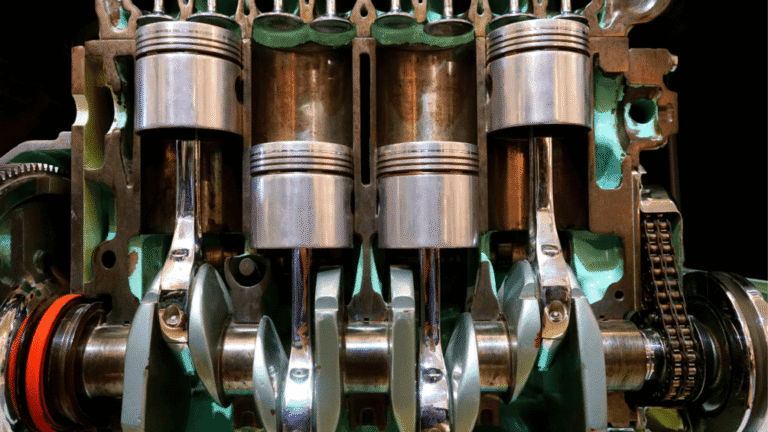
It was a sweltering July afternoon in my shop when a tow truck rolled in with a 2005 Honda Accord V6 on the hook. The owner, a college student named Jake, had been driving home when his engine suddenly cut out. No warning lights, no strange noises—just silence. I popped the hood, and the truth was obvious: the timing belt had snapped, and the interference engine had paid the price. Valves met pistons, and Jake was now looking at a $3,500 repair bill instead of a $700 timing belt job.
Honda Accord Timing Belt Intervals: When to Replace
Don’t gamble with your engine. The timing belt is the heart of your Accord’s valvetrain, and if it fails, you’re looking at catastrophic engine damage—especially on interference engines (which most Accords are).
Official Intervals by Model Year
| Model Year | Engine Type | Replacement Interval (Miles) | Replacement Interval (Years) | Notes |
|---|---|---|---|---|
| 1998-2002 | 4-Cylinder (F23) | 105,000 | 7 | Severe conditions: 60,000 miles |
| 1998-2002 | V6 (J30) | 105,000 | 7 | – |
| 2003-2007 | 4-Cylinder | 105,000 | 7 | – |
| 2003-2007 | V6 (J30/J35) | 105,000 | 7 | – |
| 2008-2012 | 4-Cylinder | Timing chain (no replacement) | N/A | – |
| 2008-2012 | V6 (J35) | 105,000 | 7 | – |
| 2013-2017 | 4-Cylinder | Timing chain (no replacement) | N/A | – |
| 2013-2017 | V6 (J35) | 105,000 | 7 | – |
| 2018-2023 | All Engines | Timing chain (no replacement) | N/A | – |
Pro Tip: If you live in extreme climates (Arizona heat, Minnesota cold) or do a lot of stop-and-go driving, cut the interval in half. I’ve seen belts fail at 60,000 miles in Phoenix due to rubber degradation from heat. Don’t risk it—replace it early if you’re in harsh conditions.
Tools & Materials: What You’ll Need
Must-Have Tools
- 19mm socket and breaker bar (for crankshaft pulley bolt—this is the hardest part!)
- Torque wrench (critical for crank bolt, tensioner, and water pump)
- Timing belt kit (includes belt, tensioner, idler pulleys, water pump, seals)
- Harmonic balancer puller (for V6 models)
- Camshaft holding tool (to lock cams in place)
- Crankshaft pulley holder (to prevent rotation)
- Gasket scraper and brake cleaner (for cleaning surfaces)
- New coolant (Honda Type 2 for most models)
Recommended Parts (OEM vs. Aftermarket)
| Part | OEM Part Number | Recommended Aftermarket Brand |
|---|---|---|
| Timing Belt | 14400-RCA-A01 | Gates, Aisin, ContiTech |
| Water Pump | 19200-RDV-J01 | Aisin, GMB |
| Tensioner | 14520-RCA-A01 | Aisin, Koyo |
| Idler Pulley | 14550-RCA-A01 | NTN, Koyo |
| Camshaft Seal | 91213-R70-A02 | Fel-Pro, Victor Reinz |
| Crankshaft Seal | 91212-R70-A02 | Fel-Pro, Victor Reinz |

Complete Timing Belt Kit + Water Pump
Editor’s Choice
9.5/10
Professional-grade timing belt kit with water pump, tensioner, idler pulleys, and seals included. OEM-spec quality for reliable long-term performance.
✓ Includes: Belt, Pump, Tensioner, Seals
Check Price on Amazon
Pro Tip: Always replace the water pump, tensioner, and idler pulleys with the timing belt. The labor is the same, and a failed water pump will require redoing the entire job. I’ve seen too many DIYers skip this and regret it later.
Step-by-Step Replacement Guide
⚠️ Safety First
- Disconnect the battery (prevents accidental engine start).
- Drain the coolant (if replacing the water pump).
- Use jack stands (never work under a car supported only by a jack).
- Wear safety glasses and gloves when working with coolant and engine components.
Step 1: Remove the Crankshaft Pulley Bolt
This is the hardest part. The bolt is torqued to 180 ft-lbs on V6 models and 185 ft-lbs on some 4-cylinders. Use an impact wrench or a breaker bar with the car in gear and the brakes applied. If it won’t budge, soak it in penetrating oil overnight and try again.
Step 2: Remove the Timing Cover and Inspect
- Remove the upper and lower timing covers.
- Inspect the old belt for cracks, fraying, or oil contamination.
- Check the tensioner and idler pulleys for smooth rotation.
Step 3: Align the Timing Marks
- Rotate the engine to Top Dead Center (TDC).
- Ensure the camshaft and crankshaft marks align (use a white paint pen to mark them if needed).
- Do not rotate the engine once the belt is removed.
Step 4: Install the New Belt and Components
- Install the new water pump (torque bolts to 8.7 ft-lbs).
- Install the new tensioner and idler pulleys (torque to 33 ft-lbs).
- Route the new belt according to the diagram in your service manual.
- Tension the belt using the tensioner (follow the manual’s procedure).
Step 5: Reassemble and Test
Step 5: Details
- Reinstall the timing covers and crankshaft pulley.
- Torque the crankshaft pulley bolt to 180 ft-lbs (V6) or 185 ft-lbs (4-cylinder).
- Refill coolant and start the engine. Listen for unusual noises and check for leaks.
Pro Tip: After reassembly, rotate the engine by hand (using a wrench on the crank bolt) to ensure everything moves freely before starting the engine. This simple check can prevent catastrophic damage from misaligned timing.
Common Problems & Troubleshooting
❗ Symptom: Engine Won’t Start After Replacement
Cause: Timing marks misaligned, belt installed incorrectly, or a tooth skipped.
Fix: Recheck the timing marks and belt routing. If the engine turns over but won’t start, the valves may be bent (common if the belt jumped).
❗ Symptom: Squealing or Grinding Noise
Cause: Tensioner not set correctly, idler pulley failing, or water pump bearing worn.
Fix: Re-tension the belt and inspect all pulleys. Replace any that don’t spin smoothly.
❗ Symptom: Coolant Leak After Replacement
Cause: Water pump installed incorrectly or gasket not seated.
Fix: Drain coolant, remove the pump, and reinstall with a new gasket and proper torque.
Cost Analysis: DIY vs. Professional
| Cost Factor | DIY Cost (Est.) | Professional Cost (Est.) |
|---|---|---|
| Timing Belt Kit | $200-$400 | Included in labor |
| Water Pump | $80-$150 | Included in labor |
| Tools (if you don’t own) | $100-$300 | N/A |
| Labor | N/A | $500-$900 |
| Total | $300-$700 | $700-$1,200 |
Pro Tip: If you’re paying a shop, ask for an Aisin or OEM kit—cheap aftermarket belts and tensioners fail prematurely. I’ve seen shops use no-name brands to cut costs, and the customer ends up back in the shop within 20,000 miles.
FAQ: Your Timing Belt Questions Answered
1. Can I drive with a bad timing belt?
No. If the belt snaps, your engine will stop running immediately, and you’ll likely need a new engine. Replace it at the recommended interval.
2. Should I replace the water pump with the timing belt?
Yes. The water pump is driven by the timing belt on most Accords. If it fails later, you’ll have to redo the entire job. Always replace it together.
3. How long does a timing belt replacement take?
DIY: 6-12 hours (depending on experience).
Professional: 4-6 hours.
4. What’s the hardest part of the job?
Breaking the crankshaft pulley bolt loose. If you can’t get it off, don’t force it—take it to a shop.
5. Can I use aftermarket parts?
Yes, but choose wisely. Stick with Aisin, Gates, or OEM for belts and tensioners. Avoid no-name brands.
Timing Belt Diagrams and Routing Guides
AutoZone Repair Guides
Honda Accord 1996-2000 Timing Belt and Sprockets Repair Guide includes step-by-step instructions and detailed diagrams for timing belt routing, balancer belt routing, and camshaft/crankshaft alignment marks for 2.2L and 2.3L engines.
2CarPros Timing Belt Diagrams
These pages provide clear, labeled diagrams for timing belt and balancer belt routing, as well as camshaft and crankshaft timing marks.
Visual Aids and Videos
- TikTok POV Videos: 9th Gen Accord Timing Belt Replacement—short videos showing the process in real time, including tool use and component access.
- Forum Attachments: DriveAccord.net Timing Belt Images—real user photos of timing belt replacement, timing marks, and common issues.
Pro Tips for Using Diagrams
- Print the diagrams and keep them handy during the job.
- Use a white paint pen to mark timing marks on your engine for extra clarity.
- Double-check belt routing before installing the new belt—one wrong tooth can cause catastrophic engine damage.
Top Honda Accord Timing Belt Replacement – Our Picks
Need more help? If you’re stuck, snap a photo of your engine’s timing marks and compare them to the diagrams. If something doesn’t match, stop and ask for help before turning the engine.
Conclusion: Don’t Gamble with Your Engine
Replacing a Honda Accord timing belt isn’t a walk in the park, but it’s a critical job that can save you thousands in engine repairs. If you’re comfortable with wrenches and have a weekend to spare, the DIY route is absolutely achievable. Just remember: follow the specs, use quality parts, and never skip the water pump. Your engine will thank you for years to come.