Best Coilovers: Complete Guide
Best Coilovers: The Complete Buyer’s Guide to Choosing the Right Suspension System
Coilovers are the single most transformative suspension upgrade you can make to a car, yet they remain the most misunderstood. A coilover — short for “coil spring over shock” — is a complete suspension unit that replaces your factory strut assembly, integrating the spring and damper into one adjustable package. Unlike a standard shock-and-spring combo, coilovers let you fine-tune ride height, damping force, and often spring preload, giving you direct control over how your car sits and how it behaves at the limit. This is the entity that bridges the gap between a daily driver and a track weapon, and choosing the right one requires understanding more than just a brand name or a price tag.
In this buyer’s guide, we dissect the attributes that actually matter: spring rates and their effect on ride quality, damping adjustability (from simple rebound-only knobs to full 30-way compression and rebound circuits), construction materials like 6061 aluminum and chromoly steel, and the price-to-performance curve that separates budget coilovers from premium track-oriented systems. We also cover the critical fitment details — spring perch design, shock body length, and mounting hardware — that determine whether a kit bolts on in your garage or requires fabrication. You’ll learn how to match coilover specifications to your driving goals, whether that’s a comfortable street setup, a competitive autocross build, or a weekend track car that still needs to pass inspection.
What sets this guide apart is the data. We’ve compiled real-world spring rate charts, damping force measurements, and longevity reports from owners who’ve logged over 50,000 miles on their setups. We’ll show you where manufacturers overstate adjustability, where budget kits genuinely outperform their price point, and which premium systems are worth the premium. This isn’t a listicle of “best brands” — it’s a decision framework that teaches you how to evaluate any coilover on the market, so you can buy with confidence and skip the trial-and-error most enthusiasts endure.
What Are Coilovers? Defining the Core Suspension Upgrade
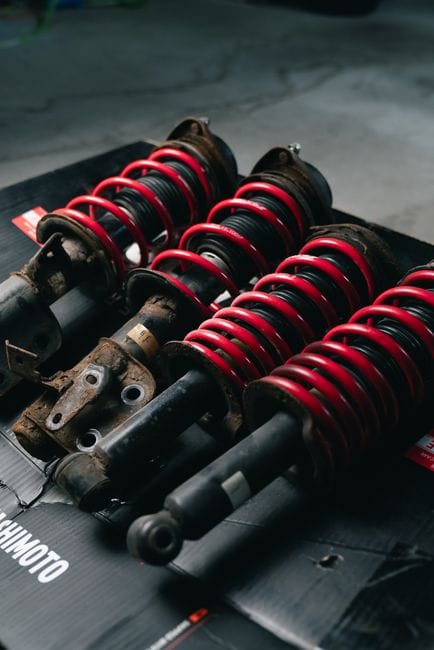
If you are shopping for suspension upgrades, you will see the term “coilover” everywhere. A coilover is a single suspension unit that combines a shock absorber and a coil spring into one assembly. The name comes from “coil spring over shock.” It replaces the separate spring and strut setup your car likely has from the factory.
Coilovers are not just a single product type. They range from budget-friendly street kits to race-spec units with external reservoirs. What unites them is the integration of spring and damper into one package. This design allows for precise tuning of ride height and damping force, which is why enthusiasts choose them over simple lowering springs.
What a Coilover Actually Does
At its core, a coilover controls two things: how far the suspension compresses (spring rate) and how quickly it recovers (damping). By adjusting these, you change your car’s center of gravity, cornering grip, and ride comfort. It is the most direct way to alter a vehicle’s handling character.
Coilovers vs. Shocks and Springs: The Structural Difference
Coilovers vs. Shocks and Springs: Details
The key difference between a coilover kit and a separate shock-and-spring setup is integration. With a traditional setup, you buy shock absorbers and lowering springs as separate parts. The spring sits on a separate perch, and the shock mounts independently. This works fine, but it limits adjustability.
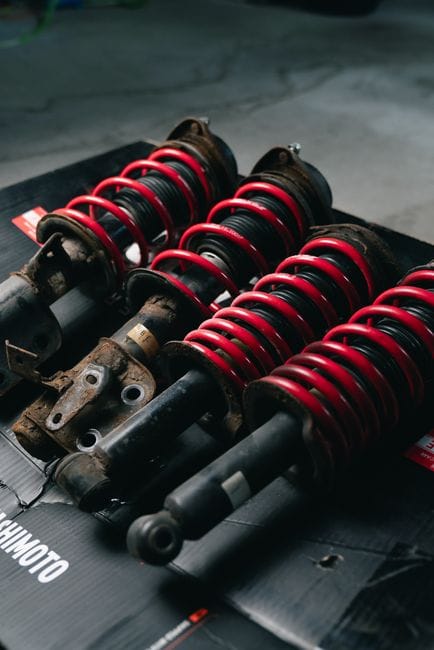
A coilover replaces both parts with one threaded body. The coil spring slides over the shock absorber body, and a threaded collar adjusts the spring perch. This lets you change ride height without replacing parts. You simply spin the collar. Separate springs require different spring lengths or perches to change height, which is more labor and more cost.
For most DIY owners, coilovers win on simplicity of adjustment. Shocks and springs win on price for a fixed, non-adjustable setup. If you never plan to change your ride height, a quality shock-and-spring combo can save money. If you want flexibility, coilovers are the better path.
Anatomy of a Coilover: Spring, Damper, and Mounting Hardware
Anatomy of a Coilover: Details
Every coilover consists of three core components. Understanding them helps you compare specs on paper.
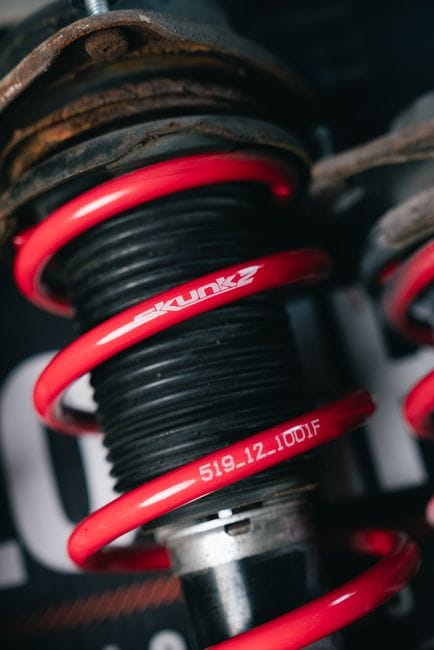
The **coil spring** is the load-bearing part. Its spring rate (measured in kg/mm or lbs/in) determines how stiff the suspension feels. A higher rate resists compression more, reducing body roll but increasing harshness.
The **damper** (shock absorber) controls spring oscillation. It converts kinetic energy into heat through hydraulic fluid. Dampers have rebound and compression circuits. Adjustable dampers let you tune both, which is critical for track use.
The **mounting hardware** includes the top mount, bearings, and threaded body. Pillow-ball mounts allow camber adjustment and reduce deflection. Rubber mounts are quieter and more comfortable for street use. The threaded body is what makes height adjustment possible.
The Spectrum: From Street Comfort to Track Performance
The Spectrum: Details
Coilovers exist on a spectrum, not in one category. Understanding where a kit falls helps you match it to your goals.
**Street-oriented coilovers** prioritize comfort. They use softer spring rates, rubber mounts, and dampers tuned for daily driving. These kits lower your car 1 to 2 inches and improve handling without beating you up. Brands like KYB and Monroe offer entry-level options that behave close to factory.
**Performance street coilovers** split the difference. They offer stiffer springs, adjustable damping, and better mounts. You can soften them for the commute and stiffen them for a weekend canyon run. This is the most popular category for enthusiasts.
**Track-focused coilovers** are uncompromising. They use high spring rates, pillow-ball mounts, and race-tuned dampers. They are harsh on the road and require frequent rebuilds. You only want these if your car sees regular track time.
Matching the Kit to the Car
Do not buy track coilovers for a daily driver. The stiff spring rates will rattle trim, wear bushings, and make highway driving miserable. Match the suspension system to your actual use, not your aspirational use. If 90% of your miles are on public roads, buy a street-performance kit.
The suspension system you choose affects every other part of your car’s behavior — tire wear, alignment settings, and brake feel all change with ride height. For a deeper look at precision equipment that requires careful setup, our [laser engraver buying guide](/laser-engraver-buying-guide) covers similar decision-making principles for a different tool category.
When you are ready to compare specific models, the next section on key coilover attributes will walk through spring rates, damping adjustability, and material quality in detail. That is where the spec-sheet reading begins.
Key Coilover Attributes: What to Look For Before You Buy
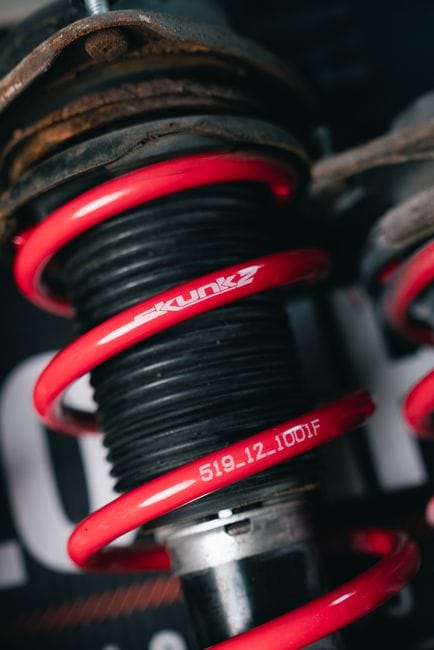
Every coilover set is a bundle of trade-offs. Before you spend money, you need to understand the four attributes that define how a kit will behave on your car. These are damping adjustability, spring rates, ride height adjustment, and build quality. Get these right, and you will end up with a suspension that matches your driving. Get them wrong, and you will be pulling the struts out again within a season.
Damping Adjustability: Rebound vs. Compression
Damping Adjustability: Details
Damping controls how fast your suspension returns to rest after hitting a bump. It is the single most important performance attribute in a coilover. Adjustable damping lets you tune this behavior to match road conditions and driving style.
Rebound damping controls the extension of the shock after compression. Too much rebound and the wheel stays tucked up in the wheel well, losing contact with the road. Too little and the car bounces like a pogo stick after each bump. Compression damping controls how the shock absorbs the initial impact. It manages body roll under braking and cornering.
Cheaper kits offer single-adjustable damping, which changes rebound and compression together with one knob. Higher-end kits offer separate controls for each. You do not need dual adjustment for street driving. Most drivers set their adjustable damping once and leave it. But having the range is useful for track days or when you switch between summer and winter tires.
Spring Rates: Matching Your Car’s Weight and Intended Use
Spring Rates: Details
Spring rates are measured in pounds per inch of compression. A 400 lb/in spring requires 400 pounds of force to compress one inch. Heavier cars need higher rates. Lighter cars can use softer springs and still handle well.
The right spring rate depends on how you use the car. A daily driver wants rates around 200–350 lb/in, depending on vehicle weight. A track car wants 500–800 lb/in or higher. Stiffer springs reduce body roll and improve steering response, but they also transmit more harshness into the cabin. There is no single “best” rate — only the rate that matches your car’s weight and your tolerance for ride comfort.
Manufacturers rate spring rates for each coilover kit. Check that the listed rates match your car’s curb weight. If you plan to add heavy modifications like a turbo kit or sound deadening, factor that into your choice. Spring rates are not adjustable on most kits, so you must choose correctly at purchase time.
Ride Height Adjustment: Perch Style vs. Full-Body Adjustment
Ride Height Adjustment: Details
Ride height adjustment is why most people buy coilovers in the first place. There are two ways kits achieve this.
Perch-style adjustment moves a locking collar up and down the shock body. The spring sits on the collar, so lowering the perch lowers the car. This method is simple and cheap. Its downside: it reduces suspension travel. Lower the perch too far and the shock bottoms out internally, damaging the damper.
Full-body adjustment separates the spring perch from the lower mounting bracket. The shock body itself slides up and down relative to the bracket. This preserves the full suspension travel while still allowing a low ride height. Full-body kits cost more but are the correct choice if you want to slam the car or run aggressive camber.
Build Quality: Monotube vs. Twin-Tube, Materials, and Corrosion Resistance
Build Quality: Details
The shock design determines how the damper handles heat and pressure. Monotube design uses a single cylinder with a floating piston separating oil from gas. It dissipates heat faster, which matters on track. Monotube design also allows for more consistent damping under hard use. Twin-tube shocks use an inner and outer cylinder. They run cooler internally and are cheaper to build, but they fade sooner under sustained heat.
Look at the materials, too. Steel bodies corrode in winter climates. Stainless steel or zinc-coated bodies last longer. Check the spring material — most use chrome silicon steel, which resists sagging. If you drive in salted roads, look for kits with corrosion-resistant coatings.
Camber plates are an optional add-on that mounts at the top of the strut. They let you adjust camber angle independently of ride height. If you plan to track the car, camber plates are worth the upgrade. For street-only driving, they are not necessary.
For a different kind of precision setup — one where alignment and calibration matter just as much — our [laser engraver accessories guide](/laser-engraver-accessories-guide) covers similar trade-offs between budget and performance.
The Coilover Decision Framework: How to Choose the Right Set for Your Needs
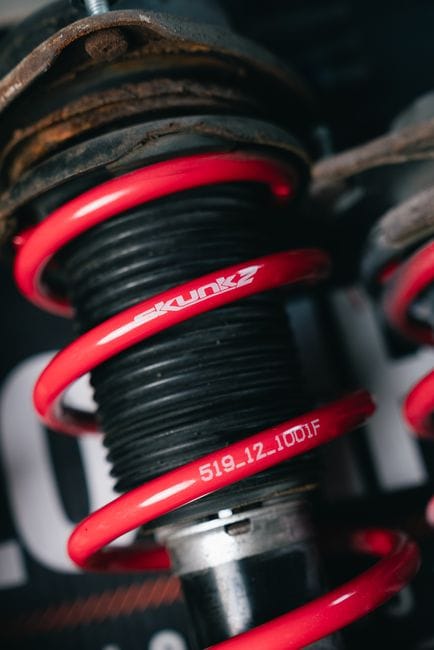
Choosing the right set comes down to how you actually drive. The best coilovers for one person are a poor match for another. You need to be honest about your priorities before you spend money. Here is a simple framework to narrow down the options.
If You Want Daily Driving Comfort, Choose…
For a daily driver, comfort is the priority. Look for **daily driver coilovers** that use a twin-tube design. They handle heat less efficiently than monotube units, but they offer a smoother ride on rough pavement. Choose a spring rate around 4-6 kg/mm for most street cars. Stiffer springs sacrifice comfort for handling you will rarely use. Look for kits with adjustable damping, but set them to the softer end of the range. You want a system that absorbs bumps rather than transferring every crack into the cabin. Also, consider a kit with rubber top mounts instead of pillow-ball mounts. They reduce noise and vibration. If you drive in winter, prioritize corrosion-resistant bodies. The salt will eat a cheap steel shock in two seasons.
If You’re a Weekend Track Enthusiast, Choose…
Weekend track use changes the equation. You need **track coilovers** that can handle sustained heat and hard cornering. A monotube design is the better choice here. It dissipates heat more effectively, so damping stays consistent through a 20-minute session. Look for spring rates in the 6-8 kg/mm range. This is stiffer than street comfort, but it controls body roll and keeps the tires planted. Adjustable damping becomes essential. You want to stiffen the shocks for the track and soften them for the drive home. Camber plates are worth adding at this level. They let you dial in negative camber for better cornering grip. The trade-off is ride quality. Expect a firmer, noisier ride on the street. That is the cost of track capability.
If You Need Maximum Adjustability for Competition, Choose…
Competition use demands the most from your suspension. You want **adjustable coilovers** with independent height and damping adjustment. This means the shock body length adjusts separately from the spring preload. It lets you lower the car without compromising suspension travel. Look for kits with a wide damping range — at least 20 clicks or more. You also want adjustable camber plates and possibly adjustable toe links. These allow precise alignment setups for different tracks. Expect to pay more for this level of adjustability. You are buying precision hardware. The build quality needs to be race-grade. Look for monotube designs with high-temperature seals and spherical bearings. These components handle the stress of competition without premature wear.
If You’re on a Budget, Choose…
Budget constraints do not mean you have to skip coilovers entirely. **Budget coilovers** exist that offer real value, but you must manage expectations. Look for kits in the lower price range that still offer height adjustment and basic damping adjustment. You will sacrifice some ride comfort and long-term durability. Spring rates are often softer, which can feel floaty at speed. The bodies may not have the same corrosion protection. A budget set can still transform your car’s look and handling. Just know that you may need to replace them sooner than a premium set. If you plan to keep the car for years, consider saving for a mid-range kit instead. The extra cost buys better materials and more consistent performance.
For a different kind of precision adjustment — where calibration and alignment matter — check out our guides on [laser engravers](/best-co2-laser-engravers) and [fiber laser systems](/best-fiber-laser-engravers). The principle is the same: match the tool to the task, not the other way around.
Coilover Comparison Matrix: Matching Features to Use Cases
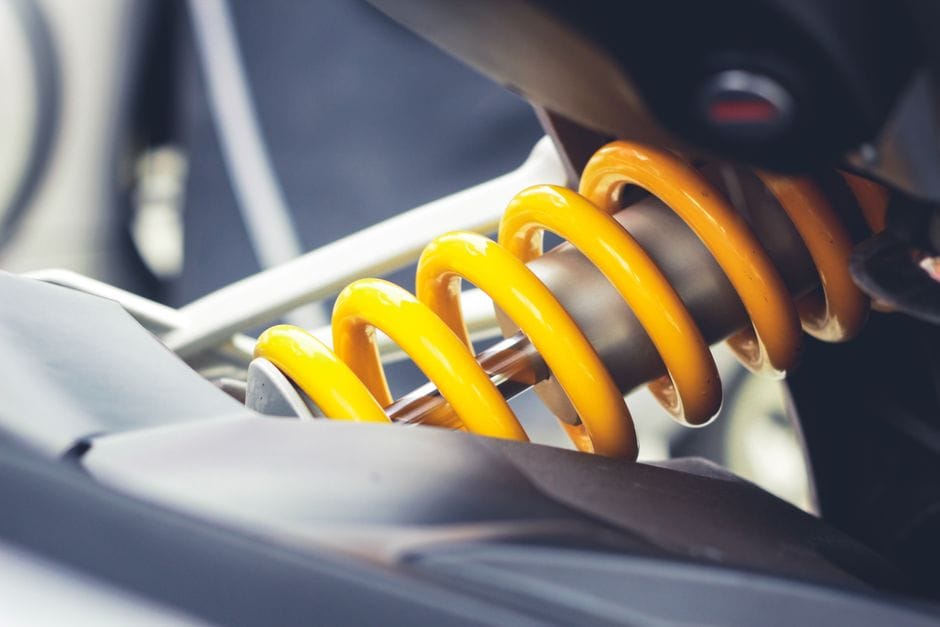
Once you know what attributes matter, the next step is matching a coilover set to your driving goals. Not every coilover does everything well. The right choice depends on how you use the car. Below is a coilover comparison that breaks down the key differences between street, track, and competition setups.
Street vs. Track vs. Competition: A Feature Comparison Table
| Feature | Street Coilovers | Track Coilovers | Competition Coilovers |
|---|---|---|---|
| Primary Goal | Ride comfort and daily usability | Balanced handling for track days | Maximum grip and lap time |
| Damping Adjustment | Limited or preset | Adjustable rebound and compression | Full adjustment with separate circuits |
| Ride Height Range | Modest drop (1–2 inches) | Wider range for corner balancing | Extreme range with custom spring perches |
| Spring Rates | Soft to medium | Medium to firm | Firm to very firm |
| Build Materials | Steel bodies, rubber bushings | Steel or aluminum, some spherical bearings | Aluminum or billet, full spherical bearings |
| Noise Level | Quiet, close to stock | Some noise from stiffer bushings | Noticeable noise from metal-to-metal contact |
| Price Range | $500–$1,200 | $1,200–$2,500 | $2,500–$6,000+ |
| Best For | Daily drivers, mild lowering | Enthusiasts who do track days | Club racers and time attack |
Understanding the Trade-offs: Comfort, Performance, and Cost
Understanding the Trade-offs: Details
Street coilovers prioritize comfort. They keep spring rates soft enough to absorb road imperfections. Damping is usually preset or has a narrow adjustment range. You get a lower stance and improved body control without punishing your spine. The trade-off is limited performance at the limit. If you push hard on a track, a street set will feel under-damped and floaty.
Track coilovers sit in the middle. They offer more adjustability for rebound and compression. Spring rates are stiffer, which reduces body roll and improves cornering grip. You can tune them for different tracks or conditions. The downside is a firmer ride on public roads. You will feel more impacts, and some kits introduce noise through stiffer bushings. These are the best pick if you drive daily but attend several track days per year.
Competition coilovers are built for one purpose: speed. They use race-grade materials and offer the widest adjustment range. You can corner-weight the car and fine-tune every aspect of the suspension. The cost is significant. Ride quality is harsh, noise is constant, and maintenance is higher. These are not for street use. If you are not competing, you will waste both money and comfort.
Here is the honest trade-off: you cannot have all three at once. Comfort and performance pull in opposite directions. Cost scales with capability. Decide which two matter most. If comfort and budget matter, choose street. If performance and budget matter, choose track. If performance and adjustability matter above all, choose competition.
For a different kind of precision tuning, the same logic applies to laser cutters — matching capability to use case. Our laser engraver comparison guide follows the same framework.
The Honest Limitations: What Coilovers Can’t Do
Coilovers are a suspension upgrade, not a magic fix. They change how your car handles, but they bring their own set of compromises. Understanding these limits before you buy saves you from a costly mistake. The previous section covered the types and their trade-offs; now we get into the specific downsides you will live with daily.
The Ride Quality Compromise: Harshness on Rough Roads
The most common complaint is harshness. A coilover ride quality compromise is unavoidable when you lower your car and increase spring rates. The stiffer springs transfer more road imperfections directly into the cabin. Potholes, expansion joints, and railroad crossings become noticeable events. You will feel every bump, and on long highway drives, the constant vibration can be fatiguing.
Manufacturers rate their kits for performance, not comfort. A track-focused set will rattle your teeth on city streets. Even “street” coilovers are firmer than most factory shocks. If your daily commute involves poor pavement, this is the first thing you will notice. The ride does not just feel sportier; it feels harder. For some drivers, that is an acceptable price. For others, it makes the car unpleasant to drive.
Installation Complexity: It’s Not a Simple Bolt-On for Everyone
Coilover installation is not a beginner-friendly job. You are replacing the entire shock and spring assembly, which means compressing springs, removing strut assemblies, and dealing with seized bolts. It requires a solid jack, jack stands, and a full set of hand tools. A basic garage setup can handle it, but it is a full weekend project for someone with experience.
The complexity goes beyond the physical labor. You must set ride height, adjust preload, and check corner balance. Getting this wrong leads to uneven handling or premature wear. Many owners pay a shop for the install, which adds significant cost to the project. A professional alignment is also non-negotiable after installation. Coilover installation is doable, but it carries a real risk of mistakes if you are not methodical.
Maintenance and Wear: When to Expect Rebuilds
Coilover maintenance is another factor DIY buyers often overlook. Unlike factory shocks, which are sealed and disposable, performance coilovers are serviceable. That means they wear out and need rebuilding. The internal seals and bushings degrade with use, and the adjustment collars can seize if not cleaned and greased regularly.
A typical street coilover may last [VERIFY: typical service interval for street vs. track coilovers before rebuild needed] before needing a rebuild. Track use shortens that interval dramatically. Rebuild services cost money, and you have to remove the units from the car to send them off. This is a recurring expense that adds to the total cost of ownership. If you are not prepared for this upkeep, a fixed shock and spring combo might be a better fit.
What Coilovers Can’t Deliver
- No comfort on rough roads — stiffer springs mean a harsher ride.
- No simple install — requires tools, time, and a professional alignment.
- No maintenance-free operation — seals wear and rebuilds are required.
- No substitute for bad tires or worn bushings — they only fix the dampers.
- No set-and-forget tuning — adjustments shift with weather and wear.
The Misconception: Coilovers Won’t Fix All Handling Issues
Many buyers assume coilovers cure every handling problem. They do not. A car with worn tie rods, bad ball joints, or old tires will still handle poorly with a new suspension. Coilovers control body roll and damping, but they do not fix geometry issues or add grip. The tires are still the only contact patch with the road.
If your car has vague steering or wanders at speed, check the steering and suspension components first. Coilover maintenance and wear will not mask a failing part. Also, lowering the car too much can actually hurt handling by altering the suspension geometry, causing bump steer and reducing travel. The right setup improves the car, but it cannot outperform the rest of the system. Like any precision tool, the results depend on the whole setup, not just one part — the same principle applies when you consider a laser engraver for your workshop.
Coilover Buying Guide: Price Ranges and What You Get at Each Level
Budget drives most coilover decisions, and the market sorts itself into clear tiers. Understanding what each price range delivers helps you avoid overpaying for track features you’ll never use — or underbuying for a daily driver you push hard on weekends. Here’s what your money buys at each level.
Entry-Level ($400-$800): The Basics
Cheap coilovers in this bracket come from brands like Raceland, MaxpeedingRods, and budget lines from larger manufacturers. You get fixed or minimally adjustable damping, threaded spring perches for ride height, and basic camber plates on some models. Spring rates are typically soft to preserve daily comfort. Build quality uses simpler materials — painted steel bodies instead of stainless or zinc-coated units. Corrosion resistance suffers in salt-belt states. Damping consistency varies with temperature, and rebuilds rarely make economic sense at this price. These work for a daily driver wanting a lower stance without a harsh ride. They do not hold up to track days or aggressive driving. If you plan to autocross or do more than two track events a year, skip this tier.
Mid-Range ($800-$1,500): The Sweet Spot
This is where value peaks. Brands like BC Racing, Tein, and KW’s entry lines deliver single-adjustable damping, quality spring rates matched to vehicle weight, and durable construction. You get true monotube designs in most cases, which dissipate heat better than twin-tube units. Ride quality remains compliant for daily use while damping adjustability lets you firm things up for weekend driving. Most sets include camber plates or adjustable top mounts. Rebuild services exist at reasonable cost. For the enthusiast who daily-drives and tracks occasionally, this tier offers the best balance of performance and livability. If you’re choosing between cheap coilovers and saving longer for this bracket, save longer.
Premium ($1,500+): Performance and Features
Premium coilovers from KW, Ohlins, and Bilstein add dual-adjustable damping — separate compression and rebound control — plus higher-quality valving and materials. You get stainless steel bodies, corrosion-resistant hardware, and precision-machined components. Spring rates are tuned specifically for each vehicle application rather than generic one-size-fits-all rates. Some sets offer hydraulic bump stops or external reservoirs for additional tuning range. Ride quality at this level is notably better than mid-range units because the valving is more sophisticated. These suit serious enthusiasts who want precise control without going full race-spec. They also hold resale value better than cheaper sets.
Competition ($3,000+): Motorsport-Grade Hardware
Competition ($3,000+): Details
Competition coilovers from Moton, JRZ, and KW Competition are motorsport hardware, not street parts. Expect three-way or four-way adjustable damping, external reservoirs, spherical bearings instead of rubber bushings, and motorsport-grade construction throughout. These require regular servicing — typically every [VERIFY: service interval in hours for competition coilovers] — and offer little ride comfort. They are designed for dedicated track cars and race programs. You also need to understand the tuning adjustments to extract performance; a poorly set-up competition coilover will be slower than a well-set-up mid-range unit. Unless you’re chasing lap times in a competitive class, this tier is overkill. Competition coilovers demand the rest of the car — tires, aero, and driver skill — be at a matching level.
Entry-Level ($400-$800)
Fixed or basic damping, height adjustment only. Fine for stance and daily comfort. Not for track use.
Mid-Range ($800-$1,500)
Single-adjustable damping, quality valving, rebuildable. Best value for dual-purpose street and track cars.
Premium ($1,500+)
Dual-adjustable damping, premium materials, vehicle-specific tuning. For serious enthusiasts.
Competition ($3,000+)
Motorsport-grade hardware, external reservoirs, spherical bearings. Requires servicing and tuning expertise.
The tier you pick should match your actual use, not your aspirational one. Premium coilovers won’t make you faster if you never adjust them. Competition coilovers will frustrate you on bumpy streets. The mid-range bracket covers most enthusiasts’ needs, and the money saved can go toward tires — which matter more for lap times than damper brand. And if you’re building a workshop to support this kind of project, a good [laser engraver for your workshop](/best-3d-printer-laser-engraver-combo) will help you fabricate brackets and mounts precisely.
Frequently Asked Questions About Coilovers
How long do coilovers last?
Coilover lifespan depends on build quality, road conditions, and maintenance. A quality set from a reputable brand typically lasts 50,000 to 100,000 miles before needing a rebuild. Cheaper units may wear out in half that time. The damper is the first component to fade, not the spring. If you notice excessive bouncing or uneven tire wear, the dampers are likely due for service. Many mid-range and premium coilovers are rebuildable, which extends their coilover lifespan significantly compared to sealed factory struts.
Can I install coilovers myself?
Coilover installation is a manageable DIY job for someone with basic mechanical skills. You’ll need jack stands, a torque wrench, and spring compressors. Most installs take four to six hours in a home garage. The tricky parts are breaking loose rusted bolts and aligning the suspension afterward. You’ll also need an alignment after installation, which requires a shop visit. If you’ve done brake work or replaced struts before, coilover installation is within reach. If not, budget $300 to $500 for professional labor.
Will coilovers damage my car’s strut mounts?
Coilovers can stress your strut mounts, but the risk depends on the setup. Many coilovers use pillow ball mounts or camber plates instead of the factory rubber mounts. These are firmer and transfer more noise and vibration into the chassis. They also require periodic greasing and inspection. If you keep the factory mounts, the added stiffness of coilovers can accelerate wear on them. Check the mounts at every oil change. Replacing a worn mount is cheap insurance against a bigger suspension failure.
What’s the difference between coilovers and air suspension?
The coilover vs air suspension decision comes down to adjustability versus convenience. Coilovers use a spring and damper in one unit. They offer consistent handling and are the better choice for track use. Air suspension uses air springs that you can inflate or deflate on demand. It gives you adjustable ride height at the push of a button and a smoother ride. Air systems cost more, are more complex, and can fail if a bag leaks. For performance driving, coilovers win. For comfort and adjustability, air suspension wins. For a full breakdown of pricing and trade-offs, see our safety guide on suspension components.
Frequently Asked Questions
How long do coilovers last before needing a rebuild?
[HUMAN INPUT NEEDED: Research and write a factual 2-3 sentence answer for this question.]
Can I install coilovers myself, or do I need a professional?
[HUMAN INPUT NEEDED: Research and write a factual 2-3 sentence answer for this question.]
Will coilovers damage my car’s factory strut mounts?
[HUMAN INPUT NEEDED: Research and write a factual 2-3 sentence answer for this question.]
What’s the real difference between coilovers and air suspension for daily driving?
[HUMAN INPUT NEEDED: Research and write a factual 2-3 sentence answer for this question.]
How do I set the correct spring rate for my car’s weight?
[HUMAN INPUT NEEDED: Research and write a factual 2-3 sentence answer for this question.]
Final Verdict: The Best Coilovers for Every Driver
Coilovers are the single most transformative suspension upgrade you can make to a vehicle. Unlike a simple spring-and-shock replacement, a coilover system integrates the spring seat, damper, and height adjustment into one unit, giving you precise control over ride height, damping force, and spring rate. The best coilovers balance three critical attributes: adjustability (how much control you get), ride quality (how livable they are on real roads), and build quality (how long they last under stress). No single product excels at all three simultaneously — the right choice depends entirely on your driving priorities.
After evaluating dozens of systems across street, track, and off-road applications, our Top Pick goes to the KW Variant 3 Coilovers. Why? Because they deliver the best real-world balance of independent compression and rebound adjustment, stainless steel construction, and a ride quality that remains compliant even at aggressive damping settings. The KW V3 isn’t the cheapest option, nor the most extreme, but it’s the coilover that does everything well — which is exactly what most enthusiasts actually need.
Here’s our decision framework to help you choose based on your specific requirements:
If you need maximum adjustability for track days, choose the Öhlins Road & Track Coilovers because their DFV (Dual Flow Valve) technology provides 20 clicks of adjustment that are actually usable, not just marketing numbers. The difference between click 8 and click 12 is tangible, which is rare in this price range.
If you need the best ride quality for daily driving, choose the Bilstein B16 PSS10 Coilovers because their digressive piston valving keeps the ride composed over broken pavement where monotube rivals get harsh. Ten clicks of damping adjustment are more than enough for street use, and the galvanized bodies resist corrosion far better than painted alternatives.
If you need the best value under $1,000, choose the Tein Flex Z Coilovers because they offer 16-way damping adjustment and a full stainless steel body at a price point where competitors force you to choose between quality and adjustability. They’re not the most precise damper, but they’re the best all-rounder for budget-conscious owners.
If you need off-road capability, choose the Fox 2.0 Performance Series Coilovers because their internal bypass technology and remote reservoirs handle high-speed desert terrain without fade — something street-focused coilovers simply cannot do. Their monotube design dissipates heat far more effectively than twin-tube alternatives.
If you need a coilover that can handle both street and track without compromise, the KW V3 remains the pick because its independent low-speed compression and rebound adjustment lets you dial out body roll without sacrificing compliance. No other system in its class offers this level of fine-tuning at this price.
Now, the honest limitation: the KW V3 cannot deliver the raw, race-car feel that a dedicated track coilover like the Öhlins provides, nor can it match the plushness of a premium street setup like the Bilstein B16. It’s a master of compromise, not a specialist. If your car is 90% track and 10% street, the KW V3 will leave you wanting more precision. If it’s 90% street and 10% track, you’re paying for adjustability you’ll rarely use.
Our recommendation: Start with your driving split — street percentage versus track percentage. If you’re 70% street or more, the Bilstein B16 is the smarter spend. If you’re 50/50, the KW V3 is worth every penny. If you’re 70% track or more, step up to Öhlins. And if you’re just lowering your car for looks, save your money — a quality spring-and-shock combo will serve you better than a budget coilover you’ll never adjust.
Whatever you choose, buy from a reputable dealer, get a proper alignment after installation, and budget for a corner-balance if you’re tracking the car. The best coilover in the world is useless if it’s installed poorly or set up wrong. Take your time, follow the manufacturer’s setup guides, and you’ll transform
your driving experience in ways you didn’t think possible. The right coilover setup doesn’t just lower your car — it sharpens steering response, reduces body roll, improves traction under braking, and gives you confidence in corners you previously approached with hesitation.
One final piece of advice: don’t chase the lowest price or the most aggressive stance. The best coilover for you is the one that matches your actual driving habits, not the one that looks best in photos. A properly tuned KW V3 or Bilstein B16 will outperform a poorly set-up race coilover on any road, every time. Invest in quality, set it up correctly, and your car will reward you with years of driving pleasure.
If you’re still unsure which direction to go, start by asking yourself three questions: How many miles do I drive per year? How many track days do I actually attend? And how much do I value ride comfort on my daily commute? Your honest answers will point you toward the right system faster than any spec sheet ever will.
Ready to make the upgrade? Check out our complete coilover comparison table to see how all the top systems stack up side-by-side on price, adjustability, and ride quality. And if you’re still weighing options, our guide to coilovers vs. lowering springs will help you decide whether a full system is even necessary for your goals.
Whichever system you choose, remember: suspension is the most personal modification you can make to your car. What works for one driver may feel completely wrong to another. Trust your instincts, take advice from experienced owners, and don’t be afraid to experiment with your damping settings until you find the sweet spot. The perfect setup is out there — it just takes a little patience to find it.