Sticky Brake Caliper Symptoms: Diagnosis Guide
You’re driving down the highway when you notice your car pulling to one side. The steering wheel vibrates under braking. Your brake pedal feels spongy. A burnt smell hits your nose every time you stop. These aren’t random glitches — they’re classic signs of a sticky brake caliper.
I’m Fahim Hasan, ASE-Certified Master Technician with over 15 years diagnosing brake systems at VehicleBar.com. A sticky brake caliper doesn’t just hurt performance — it can compromise your safety and destroy rotors, pads, and tires. This guide shows you exactly how to spot the symptoms, diagnose the root cause, and fix it before minor wear turns into major damage.
Let’s get under the hood — or rather, behind the wheel — and decode what a seized caliper really sounds, feels, and smells like.
What Causes a Brake Caliper to Stick?
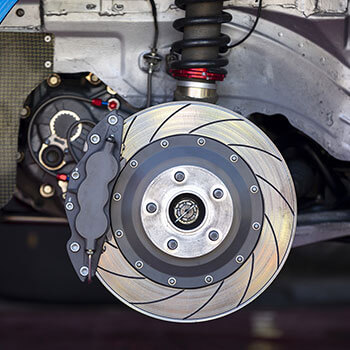
A brake caliper sticks when internal components — typically the piston or slide pins — fail to retract after you release the brake pedal. This keeps constant pressure on the brake pad, dragging it against the rotor. Common causes include corroded slide pins, contaminated brake fluid, damaged seals, or rust buildup inside the caliper bore.
Moisture ingress degrades brake fluid over time, causing internal corrosion. Slide pins lose lubrication, especially in regions with road salt or high humidity. Dust boots tear, allowing debris into the caliper mechanism. Once corrosion takes hold, smooth retraction becomes impossible.
What Are the Most Common Sticky Brake Caliper Symptoms?
The most common sticky brake caliper symptoms include car pulling to one side during braking, uneven brake pad wear, a burning smell near the wheels, and brake pedal pulsation. You may also feel reduced engine power, increased fuel consumption, or see discolored rotors from overheating.
A dragging caliper creates constant friction. That heat builds fast — we’re talking 500°F+ on the rotor surface. This warps metal, hardens rubber, and vaporizes brake fluid in extreme cases. Left unchecked, it leads to total brake failure.
Look for these red flags:
- Pulling to one side — The affected wheel slows unevenly.
- Burning smell — Hot metal and baked pad material create sharp odors.
- Spongy pedal — Air enters the system due to fluid overheating.
- Reduced efficiency — Engine works harder to overcome drag.
How Can I Tell If My Caliper Is Seized While Driving?
You can detect a seized caliper while driving by noticing persistent wheel drag, uneven braking force, and abnormal heat radiating from one wheel. Listen for rhythmic scraping or grinding that intensifies with speed. A stuck caliper often causes the vehicle to veer abruptly when braking, even on straight roads.
Turn off the radio. Coast gently. Listen for a subtle metallic rub from one corner. Touch the hub after a short drive (safely!). It should be warm — not scorching. Compare temps across wheels using an infrared thermometer. A difference of 100°F or more points to a sticking caliper.
Check tire wear patterns too. Inner edge wear on one front tire? That’s a dead giveaway of ongoing caliper drag.
Pro tip: After highway driving, park on level ground. Feel each wheel by hand (carefully!). One significantly hotter than others? Time for inspection.
How Does a Sticking Caliper Affect My Rotors and Pads?
A sticking caliper grinds your brake pads unevenly and warps rotors due to excessive, localized heat. Instead of even contact, the pad remains clamped, creating deep grooves on the rotor surface. Pad material overheats, glazing over into a hard, shiny layer that loses friction.
This mismatch causes pulsation under braking — your ABS kicks in unnecessarily. Rotor thickness varies beyond manufacturer specs (typically within 0.001 inches tolerance). Once rotors warp, resurfacing isn’t always possible — replacement becomes necessary.
Worse, uneven pad wear means replacing only one side invites imbalance. Always replace pads in axle pairs. And never reuse a caliper if the piston shows scoring or corrosion deeper than 0.005 inches.
Can a Frozen Brake Caliper Damage Other Parts?
Yes. A frozen brake caliper stresses the entire drivetrain. Constant drag increases fuel consumption by 10–15%, wears CV joints faster, and overheats wheel bearings. In severe cases, melted boots expose bearing grease, leading to premature failure.
The ABS module detects wheel speed mismatches and triggers false warnings. Traction control intervenes unnecessarily. Even your transmission feels the strain — automatic torque converters work harder to maintain speed against brake drag.
Over time, thermal expansion warps nearby rubber hoses. Cracks form around stiff brake lines. That’s how small issues cascade into full brake overhauls.
In my shop, I’ve seen caliper neglect cost customers 1,200+∗∗inavoidablerepairs—whena∗∗30 slide pin kit would’ve solved it.
How Do Mechanics Diagnose a Sticky Brake Caliper?
Mechanics diagnose a sticky brake caliper using visual inspection, infrared temperature checks, slide pin movement tests, and brake fluid analysis. They remove the wheel, inspect pad thickness variation, and manually check caliper slide resistance.
Using a 14mm or 17mm wrench, they detach the caliper mounting bolts. The slide pins should glide smoothly with fingertip pressure. Stiffness means corrosion or dried grease. A piston retraction test checks whether the caliper releases fully — a true sign of internal seal failure.
They also bleed the system to check for dark, gritty brake fluid. Contaminated fluid indicates moisture absorption — a root cause of internal corrosion.
Insider move: Tap the caliper body with a rubber mallet while an assistant presses the brake pedal. A sticking piston often frees temporarily — confirming the diagnosis.
What Tools Do I Need to Fix a Sticking Brake Caliper?
To fix a sticking brake caliper, you need basic hand tools, brake cleaner, silicone grease, a C-clamp, and a torque wrench. Essential items include 8mm, 10mm, 12mm, 14mm, and 17mm wrenches, a brake bleeder kit, and a digital multimeter for ABS diagnostics.
Start with safety: Jack stands, wheel chocks, and gloves are non-negotiable. Never rely on a floor jack alone.
Use PTFE-lined brake grease on slide pins — never regular chassis lube. It withstands heat up to 500°F without melting.
A C-clamp with a flat adapter compresses the piston smoothly. For integrated parking brakes, you’ll need a caliper piston tool with rotational action.
Torque all bolts to spec — typically 75–90 ft-lbs for caliper brackets. Over-tightening cracks cast iron housings.
Step-by-Step Guide: How to Free a Stuck Caliper
Follow these steps to free a stuck caliper safely:
- Safety first — Lift the car on jack stands. Chock rear wheels.
- Remove the wheel — Use a 19mm or 21mm lug wrench.
- Inspect slide pins — Pull them out. Clean with brake cleaner.
- Lubricate — Apply silicone brake grease generously.
- Check piston movement — Press it back with a C-clamp.
- Reassemble — Torque to manufacturer specs.
- Test drive — Listen for drag, feel for pull.
If the piston won’t budge, it’s seized internally. Replace the caliper — don’t force it.
Insider trick: Soak slide pins in PB Blaster overnight if severely rusted. Tap gently with a brass hammer to loosen.
When Should I Replace vs. Repair a Brake Caliper?
Replace the caliper if the piston is scored, bore is corroded beyond 0.005 inches, or slide pins won’t move after cleaning. Repair is viable only if components are clean, lubricated, and moving freely.
Rebuilt kits cost 25–60, but risk future leaks. New OEM calipers run 80–200 per unit. For daily drivers, OEM offers reliability. For older vehicles, quality remanufactured units suffice.
Never rebuild a caliper on high-performance or heavy-duty trucks. The stress demands factory-integrity seals.
I’ve seen rebuilt calipers fail within 3,000 miles due to poor honing or subpar seals. When in doubt, replace.
How Much Does It Cost to Fix a Sticky Brake Caliper?
Fixing a sticky brake caliper costs 150–400 per axle, depending on region and vehicle type. Labor typically runs 75–125/hour, with most jobs taking 1.5–2 hours.
Caliper replacement adds 80–200 per unit. OEM parts cost more but last longer. Economy calipers save money upfront but may fail within 20,000 miles.
Don’t forget rotor and pad replacement if worn. Budget 200–500 for both if neglected too long.
Dealerships charge 30–50% more than independent shops. But only use ASE-certified technicians for brake work.
Can I Drive With a Sticky Brake Caliper?
No. Driving with a sticky brake caliper causes rotor warping, overheating, fluid failure, and potential brake loss. Even short trips increase fire risk and component damage.
Emergency driving? Limit speed under 30 mph, avoid hills, and pull over every 10 minutes to cool wheels.
But here’s the truth: this isn’t a “drive it to the shop” delay. It’s a tow call.
I once saw a customer melt a wheel bearing seal because he drove 15 miles “just to get home.” The repair bill? 2,300∗∗.Atowwould’vecost∗∗150.
FAQ
What does a sticky brake caliper feel like?
You’ll feel your car pull to one side during braking. The brake pedal may vibrate or feel spongy. A dragging sensation or reduced acceleration is common. Heat builds quickly — you might smell something burning.
Can a sticky caliper cause vibration?
Yes. Constant contact creates hot spots on the rotor, leading to warping. This causes pulsation in the brake pedal and steering wheel — especially at highway speeds.
How long can I drive with a stuck caliper?
Not far. Even 5–10 miles can warp rotors. Continued driving risks brake fluid boil, bearing failure, or caliper seizure. Get it fixed immediately.
How do I prevent my caliper from sticking?
Service brakes every 15,000 miles. Clean and lube slide pins. Replace brake fluid every 2–3 years. Inspect boots for tears. Avoid harsh stops to reduce heat stress.
Final Thoughts: Don’t Ignore the Warning Signs
A sticky brake caliper starts as a minor annoyance — a slight pull, a faint smell. But left alone, it becomes a safety hazard. Warped rotors, destroyed pads, even brake failure don’t happen overnight. They’re the result of ignored symptoms.
At VehicleBar.com, we’ve helped thousands avoid costly repairs with early diagnosis. Pay attention to your car’s feedback. If one wheel runs hot, if the pedal feels off — act fast.
Check your slide pins. Replace old fluid. Inspect pad wear. These small steps prevent big bills.
Your brakes stop more than your car — they save lives. Treat them with the respect they deserve.
Stay safe. Stay informed. And never turn a warning sign into a waiting disaster.
— Fahim Hasan
ASE-Certified Master Technician
VehicleBar.com
You might also like: emergency brake problems, best drilled and slotted rotors, brake rotor buying guide