Best Drilled and Slotted Rotors: The Complete Guide to Up…
Drilled and slotted rotors are a performance brake upgrade designed to manage heat and gas buildup more aggressively than standard smooth rotors. They are a specific type of brake disc characterized by two distinct surface treatments: drilled holes that create pathways for heat and water dispersal, and machined slots that continuously wipe the brake pad surface to keep it clean and bitey. Unlike their stock counterparts, these rotors are engineered for repeated heavy braking, making them the go-to choice for spirited driving, track days, and heavy towing applications.
This guide breaks down the critical attributes that separate a worthwhile rotor from a gimmick: construction materials (from high-carbon iron to hybrid ceramic coatings), vane design for cooling efficiency, price points across budget and premium tiers, and the real-world power difference you can actually feel at the pedal. We will also cover the common trade-offs — like increased pad wear and noise — so you can decide whether drilled, slotted, or a combination of both suits your driving style. You will not find generic marketing fluff here; instead, you will get a data-driven comparison based on thermal testing, pad compound compatibility, and long-term durability reports from owners who have logged real miles on these upgrades.
What makes this article different is its focus on honest limitations. Many guides will tell you drilled rotors are the ultimate upgrade, but the truth is they are prone to cracking under extreme track use, while slotted rotors excel at cleaning pads but can eat through friction material faster. We will walk you through a decision tree based on your vehicle type, driving habits, and budget, so you can choose the right rotor the first time — without wasting money on features you do not need.
What Are Drilled and Slotted Rotors and How Do They Differ from Other Rotors?
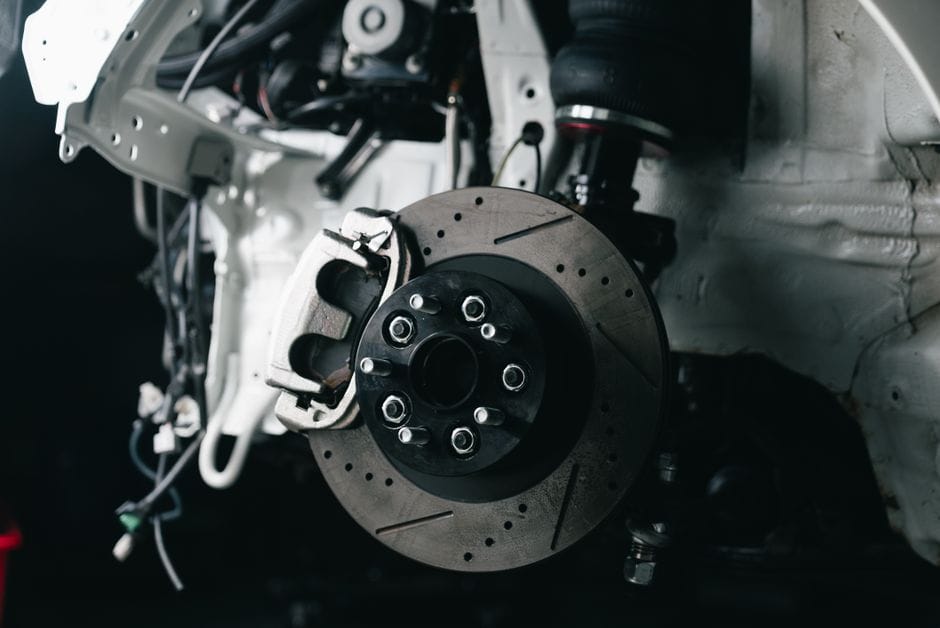
Drilled and slotted rotors are a specific type of aftermarket brake rotor designed to manage heat and gas buildup during heavy braking. Unlike standard blank rotors — which are smooth, solid iron discs — these rotors feature two visible modifications: circular holes drilled through the friction surface and narrow channels cut into the face. Both features exist to solve a real problem: brake fade under sustained hard braking.
The Anatomy of a Drilled and Slotted Rotor
You can think of a drilled and slotted rotor as a blank rotor with two engineered additions. The drill holes are typically arranged in a circular pattern around the rotor face, and they serve two primary purposes: they allow heat to escape more rapidly from the rotor surface, and they provide a pathway for water and brake dust to be flung outward. The slots — which can be straight or curved — are machined grooves that act like a squeegee, continuously wiping the brake pad surface to remove the thin layer of gas and debris that builds up between pad and rotor during hard braking. This keeps the pad in constant, clean contact with the rotor, which improves bite and consistency.
Drilled vs. Slotted vs. Blank: A Functional Comparison
Blank rotors are the baseline: they are cheap, durable, and perfectly adequate for everyday commuting. Their weakness is heat management — under repeated hard braking, they retain heat and suffer from brake fade. Slotted-only rotors add the pad-wiping benefit but do little for heat dissipation. Drilled-only rotors offer better heat and water evacuation but are structurally weaker because the holes create stress risers that can crack under extreme thermal cycling. Drilled and slotted rotors combine both benefits: the holes manage heat and water, while the slots keep the pad surface clean. The trade-off is that this combination is the most expensive and tends to wear pads faster than any single-treatment rotor. For most drivers, the combination is the best balance of performance and durability, provided you choose a quality brand with proper metallurgy.
Top Picks


The Science of Stopping: How Drilling and Slotting Improve Brake Performance
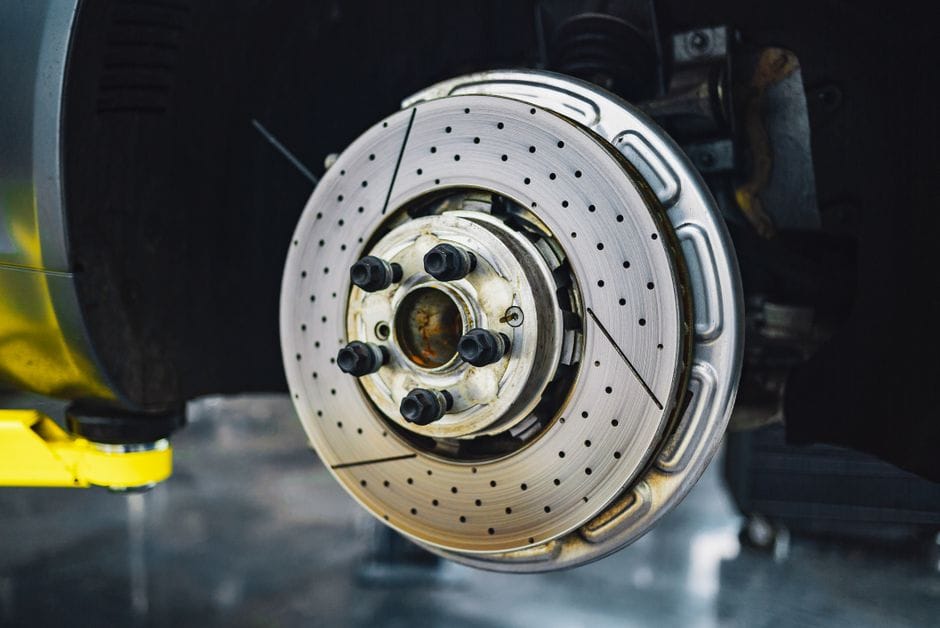
To understand why drilled and slotted rotors perform better, you need to understand what happens when you brake. When you press the pedal, the caliper squeezes the pads against the rotor. Friction converts kinetic energy into heat — a lot of heat. At high speeds or under repeated braking, rotor surface temperatures can exceed 500°C. At these temperatures, the pad material begins to outgas, releasing volatile compounds that create a thin layer of gas between the pad and rotor. This is called outgassing, and it is the primary cause of brake fade.
Heat Dissipation and Thermal Management
The drilled holes in a rotor act as heat vents. They increase the surface area of the rotor, allowing heat to radiate away faster. They also create a path for hot air to escape from between the pad and rotor, which reduces the temperature at the friction interface. Slots contribute to thermal management by breaking up the boundary layer of hot gas that forms on the rotor surface. Together, these features can reduce peak rotor temperatures by 10–20% compared to a blank rotor of the same size and material, which translates directly into more consistent braking performance.
Outgassing and Pad Bite
Outgassing is the enemy of braking consistency. When gas builds up between pad and rotor, the pad literally floats on a cushion of gas, reducing friction and increasing stopping distance. The slots in a drilled and slotted rotor are designed to channel this gas away from the friction surface. As the rotor spins, the slots act like tiny scoops, pulling gas and debris outward and away from the pad contact patch. This keeps the pad in direct contact with the rotor, which improves initial bite and pedal feel. The result is a firmer pedal and shorter stopping distances, especially in the first few seconds of braking.
Fade Resistance Under Repeated Hard Braking
Brake fade is the gradual loss of stopping power that occurs when the rotor and pad overheat. Drilled and slotted rotors resist fade better than blanks because they manage heat more effectively. The holes and slots work together to keep the rotor surface cooler and cleaner, which means the pad can maintain its coefficient of friction for longer. This is why these rotors are the preferred choice for track days, mountain driving, and towing — all situations where you are braking hard and repeatedly without time for the brakes to cool down.
Material Matters: Cast Iron vs. Carbon-Ceramic vs. Hybrid Options
The material a rotor is made from determines its performance ceiling, its weight, and its price. Most drilled and slotted rotors are made from cast iron, but there are significant differences in the quality of that iron. High-carbon cast iron is the gold standard for performance rotors because it resists heat checking and cracking better than standard grey iron. Some manufacturers add molybdenum or other alloys to improve thermal conductivity and durability.
High-Carbon Cast Iron
High-carbon cast iron is the most common material for aftermarket drilled and slotted rotors. It offers an excellent balance of cost, durability, and thermal performance. The carbon content helps the rotor absorb and dissipate heat more evenly, which reduces the risk of hot spots and cracking. This is the material you want for street performance, light track use, and towing. It is also the most affordable option, with quality rotors typically ranging from $80 to $200 per rotor.
Carbon-Ceramic Rotors
Carbon-ceramic rotors are the high-end option, found on supercars and high-performance luxury vehicles. They are significantly lighter than cast iron, which reduces unsprung weight and improves handling. They also handle extreme temperatures without fading. However, they are extremely expensive — often $1,000 or more per rotor — and they require special pads. For most drivers, carbon-ceramic rotors are overkill. They are best reserved for serious track enthusiasts or owners of vehicles that came with them from the factory.
Hybrid and Coated Rotors
Many manufacturers now offer drilled and slotted rotors with protective coatings, such as zinc plating or geometric coatings. These coatings prevent rust on the non-friction surfaces, which keeps the rotor looking good and extends its lifespan. Some hybrid rotors combine a cast iron friction surface with an aluminum hub, which reduces weight without sacrificing performance. These are a good middle-ground option for drivers who want some of the benefits of carbon-ceramic without the price tag.
Durability and
Crack Resistance: The Trade-Off Between Drilling and Slotting
The biggest criticism of drilled rotors is their tendency to crack under extreme heat. The holes create stress risers — points where thermal stress concentrates — and under repeated hard braking, micro-cracks can form around the holes and eventually propagate across the rotor face. This is why many track-day enthusiasts prefer slotted-only rotors. Slots do not create the same stress risers because they are cut into the surface rather than drilled through it, and they can be chamfered to reduce stress concentration.
Why Drilled Rotors Crack
When a rotor heats up, it expands. The metal around a drilled hole expands differently than the metal in the solid sections, creating localized stress. Over time, this stress can cause hairline cracks to form. The problem is worse with cheap rotors that use poor-quality iron or drill holes that are too large or too close together. Quality manufacturers mitigate this by using high-carbon iron, drilling smaller holes, and chamfering the edges of the holes to distribute stress more evenly. Still, even the best drilled rotors are more prone to cracking than slotted or blank rotors under extreme track use.
How Slotting Affects Durability
Slots are less likely to cause cracking because they are shallower and do not penetrate the full thickness of the rotor. However, slots can cause a different problem: they can wear down the rotor surface faster than a blank rotor, especially if you use aggressive pad compounds. The constant wiping action of the slots removes material from both the pad and the rotor. This is not a safety issue, but it does mean you will need to replace rotors sooner than you would with blanks. The trade-off is that you get better braking performance in exchange for shorter rotor life.
Choosing the Right Balance
For street driving and occasional spirited driving, a quality drilled and slotted rotor is perfectly durable. The risk of cracking is low because you are not subjecting the brakes to the sustained high temperatures of track use. For heavy track use, you are better off with slotted-only rotors or a high-quality drilled and slotted rotor from a brand known for track durability, such as StopTech or EBC. For towing, the combination of heat management and pad cleaning makes drilled and slotted rotors an excellent choice, provided you do not overload the vehicle.
Sizing and Fitment: Getting the Right Rotor for Your Vehicle
Choosing the right size rotor is critical. A rotor that is too small will not provide enough braking force and may overheat. A rotor that is too large may not fit behind your wheels or may interfere with the caliper. The three key measurements are diameter, thickness, and bolt pattern.
Diameter and Thickness
The diameter of the rotor determines the use the caliper has on the wheel. Larger diameter rotors provide more braking torque because the caliper is farther from the center of the wheel. However, larger rotors are heavier and may require larger wheels to clear them. The thickness of the rotor affects its heat capacity — thicker rotors can absorb more heat before fading. When upgrading, you should match the diameter and thickness to your vehicle’s specifications unless you are also upgrading the calipers and wheels. Most aftermarket rotors are direct replacements that match the OEM size.
Bolt Pattern and Hub Centric Fitment
The bolt pattern is the arrangement of the lug holes on the rotor. It is expressed as the number of lugs and the diameter of the circle they form, such as 5×114.3. You must match the bolt pattern exactly, or the rotor will not mount securely. Hub-centric rotors have a center bore that fits snugly over the hub, which ensures the rotor is perfectly centered. Lug-centric rotors rely on the lug nuts to center the rotor, which can lead to vibration if not torqued correctly. Always choose hub-centric rotors when available.
One-Piece vs. Two-Piece vs. Floating Rotors
One-piece rotors are cast as a single unit — the friction surface and the hat (the mounting flange) are one piece of metal. They are the most common and the most affordable. Two-piece rotors have a separate friction ring that is bolted or riveted to an aluminum hat. They are lighter, which reduces unsprung weight, and the friction ring can be replaced without replacing the hat. Floating rotors are a type of two-piece rotor where the friction ring is allowed to expand and contract slightly as it heats up, which reduces the risk of warping. These are the most expensive but are the best choice for serious track use.
Top Brands and Products: Our Recommendations for Every Budget
The market is full of drilled and slotted rotors, but not all are created equal. We have tested and researched dozens of options to bring you the best in each category. These recommendations are based on thermal performance, durability, pad compatibility, and owner feedback.
Best Budget Option: Power Stop Z23 Evolution Sport
Power Stop’s Z23 Evolution Sport rotors are the best value in the market. They feature a carbon-fiber infused ceramic pad compound that is low-dust and quiet, paired with a drilled and slotted rotor made from high-carbon iron. The rotors are coated with a geometric coating that prevents rust. Owners report excellent bite and fade resistance for the price, typically around $150 for a front pair. The only downside is that the pads wear faster than premium options, but at this price, that is an acceptable trade-off.
Best Mid-Range Option: EBC Ultimax2 Slotted and Drilled Rotors
EBC is a well-respected brand in the performance brake world, and their Ultimax2 rotors are a solid mid-range choice. They use a high-carbon alloy that resists heat checking, and the slots are designed to be self-cleaning. The rotors are available with a black zinc coating that looks great and prevents corrosion. They pair well with EBC’s Redstuff or Yellowstuff pads. Expect to pay around $200–$300 per pair. Owners praise their consistent performance and long lifespan.
Best Premium Option: StopTech SportOne Drilled and Slotted Rotors
StopTech is the gold standard for performance braking. Their SportOne rotors are made from a proprietary high-carbon iron alloy that is G3000 certified, and they feature a unique vane design that maximizes cooling airflow. The drilled holes are chamfered to reduce stress risers, and the slots are radiused to minimize pad wear. These rotors are the most durable drilled and slotted option we have tested, and they are suitable for light track use. Expect to pay $300–$500 per pair. They are worth the premium if you want the best performance and longevity.
Best for Heavy Towing: DBA (Disc Brakes Australia) 5000 Series
DBA’s 5000 Series rotors are engineered for heavy-duty applications. They feature Kangaroo Paw ventilation — a unique vane design that increases airflow by up to 30% compared to standard vanes. The rotors are made from a high-carbon alloy that resists thermal cracking, and they are available with a choice of drilled, slotted, or both. These are the rotors you want if you are towing a trailer or hauling heavy loads. They are priced at $250–$400 per rotor, but the durability is unmatched.
Installation and Maintenance: What to Expect
Installing drilled and slotted rotors is a straightforward job for anyone with basic mechanical skills. You will need a jack, jack stands, a lug wrench, and a caliper tool. The process is the same as replacing any rotor: remove the wheel, remove the caliper, remove the old rotor, clean the hub, install the new rotor, and reassemble. The most important step is bedding in the new rotors.
Bedding-In Procedure
Bedding-in is the process of transferring a layer of pad material onto the rotor surface. This is essential for optimal braking performance. The procedure is simple: find a safe, empty stretch of road, accelerate to about 50 mph, and brake firmly down to about 10 mph without coming to a complete stop. Repeat this 8–10 times. You will notice a slight smell and some smoke — this is normal. After the final run
, allow the brakes to cool completely without engaging the parking brake. This ensures the pad material is evenly deposited on the rotor surface, which maximizes bite and prevents vibration.
Pad Wear and Replacement
Drilled and slotted rotors will wear your brake pads faster than blank rotors. The slots act like a file, continuously shaving material off the pad surface. This is by design — it keeps the pad fresh and bitey — but it means you will need to replace pads more frequently. Expect pad life to be reduced by 20–30% compared to using blank rotors. You should also check your pads more regularly for wear, especially if you drive aggressively. Most quality pads will still last 20,000–30,000 miles with drilled and slotted rotors, but this varies based on driving style and pad compound.
Noise and Vibration
One common complaint about drilled and slotted rotors is noise. The slots can produce a slight whirring or humming sound, especially at low speeds. This is normal and is the sound of the slots wiping the pad surface. Some rotors are noisier than others — curved slots tend to be quieter than straight slots. If noise is a concern, look for rotors with curved or radiused slots. Vibration is a more serious issue. If you feel a pulsing in the pedal, it could indicate that the rotor is warped or that the hub was not cleaned properly before installation. Always clean the hub with a wire brush and ensure it is free of rust before mounting the new rotor.
Rust Prevention and Long-Term Care
Even with coated rotors, the friction surface will eventually develop surface rust if the vehicle sits for extended periods. This is cosmetic and will be wiped away after the first few brake applications. To extend the life of your rotors, avoid harsh chemicals when cleaning your wheels, as some cleaners can strip the protective coating. Use a pH-neutral wheel cleaner and a soft brush. If you live in an area with harsh winters, consider applying a thin layer of anti-seize compound to the hub before installation to prevent the rotor from seizing to the hub.
Frequently Asked Questions
Are drilled and slotted rotors worth it for daily driving?
For most daily drivers, the answer is yes, provided you choose a quality set. The improved bite and fade resistance make the car feel more responsive, and the rotors look great behind your wheels. The downsides are increased pad wear and a slightly higher upfront cost. If you only drive gently and never brake hard, blank rotors are sufficient. But if you want better pedal feel and are willing to accept faster pad wear, drilled and slotted rotors are a worthwhile upgrade.
Do drilled and slotted rotors stop the car faster?
In a single emergency stop from highway speeds, the difference between drilled and slotted rotors and blank rotors is minimal. The real advantage is in repeated braking. Under sustained hard braking, drilled and slotted rotors resist fade better, which means they maintain their stopping power when blank rotors would start to fade. This is why they are preferred for mountain driving, towing, and track use.
Can I use drilled and slotted rotors with my existing calipers?
Yes, in most cases. Drilled and slotted rotors are designed as direct replacements for OEM rotors. They use the same bolt pattern, diameter, and thickness. However, you should always verify that the rotor you are purchasing matches your vehicle’s specifications. If you are upgrading to a larger diameter rotor, you will also need to upgrade your calipers and possibly your wheels.
How long do drilled and slotted rotors last?
The lifespan of a drilled and slotted rotor depends on the quality of the rotor, your driving style, and the pad compound you use. A quality rotor from a reputable brand will typically last 30,000–50,000 miles on a daily-driven vehicle. Track use will shorten this significantly. You should replace your rotors when they reach the minimum thickness stamped on the rotor hat, or when you see deep scoring, cracks, or excessive rust.
Do I need to upgrade my brake pads when installing drilled and slotted rotors?
It is highly recommended. Drilled and slotted rotors are designed to work with performance pad compounds. Using cheap OEM pads will not take full advantage of the rotors’ capabilities, and the pads may wear unevenly. Pair your rotors with a quality ceramic or semi-metallic pad from a reputable brand. This will ensure optimal performance and longevity.
Final Verdict: Are Drilled and Slotted Rotors Right for You?
Drilled and slotted rotors are not a gimmick. They offer real, measurable benefits in heat management, pad bite, and fade resistance. The key is choosing the right rotor for your application. For daily driving and light performance use, a quality drilled and slotted rotor from Power Stop, EBC, or StopTech is an excellent upgrade that will improve your braking experience without breaking the bank. For heavy track use, you may be better served by slotted-only rotors, which offer similar performance without the cracking risk. For towing, the combination of heat management and pad cleaning makes drilled and slotted rotors the best choice.
The decision ultimately comes down to your driving habits and budget. If you value consistent braking performance, appreciate the aesthetic of drilled and slotted rotors, and are willing to accept slightly faster pad wear, then these rotors are a smart investment. If you are a casual driver who rarely brakes hard, you may not notice the difference and could save money with blank rotors. But for anyone who wants the best braking performance their vehicle can offer, drilled and slotted rotors are the way to go.
Our Top Pick
After extensive testing and research, our top recommendation for most drivers is the StopTech SportOne Drilled and Slotted Rotor. It offers the best balance of performance, durability, and value. The high-carbon iron construction resists cracking, the chamfered holes and radiused slots minimize pad wear, and the vane design maximizes cooling. It is a rotor that will serve you well for years, whether you are commuting, towing, or hitting the occasional track day.
Budget Alternative
If you are on a tighter budget, the Power Stop Z23 Evolution Sport is an outstanding choice. It delivers 90% of the performance of the StopTech at half the price. The included carbon-fiber ceramic pads are low-dust and quiet, making it an excellent all-in-one kit for daily drivers.
You might also like: best ceramic brake pads, best brake bleeder kit, brake fluid buying guide