Brake Pad Buying Guide: How to Choose the Right Pads for&…
The brake pad is the single most important safety component in your vehicle’s stopping system — a friction device that converts kinetic energy into heat to slow your wheels. Every time you press the pedal, two pads clamp against the rotor with forces exceeding 1,000 PSI, generating temperatures up to 500°F in normal driving. Despite this critical role, most drivers choose pads based on price alone, unaware that material composition determines stopping power, noise levels, rotor wear, and dust output.
This guide breaks down the four main pad families: organic, semi-metallic, ceramic, and low-metallic. It explains how each performs across the attributes that matter: braking power, fade resistance, price range, lifespan, and rotor friendliness. You will learn why the same pad that suits a commuter sedan can be dangerous on a track car. You will also see why “premium” does not always mean “better for your vehicle.”
Unlike generic recommendations found elsewhere, this article includes real-world comparison data from independent friction testing. It also covers honest limitations of each pad type. You will get a decision framework based on your driving conditions, not marketing claims. By the end, you will know which friction material matches your car’s weight, driving style, and budget — without overpaying for performance you will never use.
What Are Brake Pads and Why the Right Choice Matters
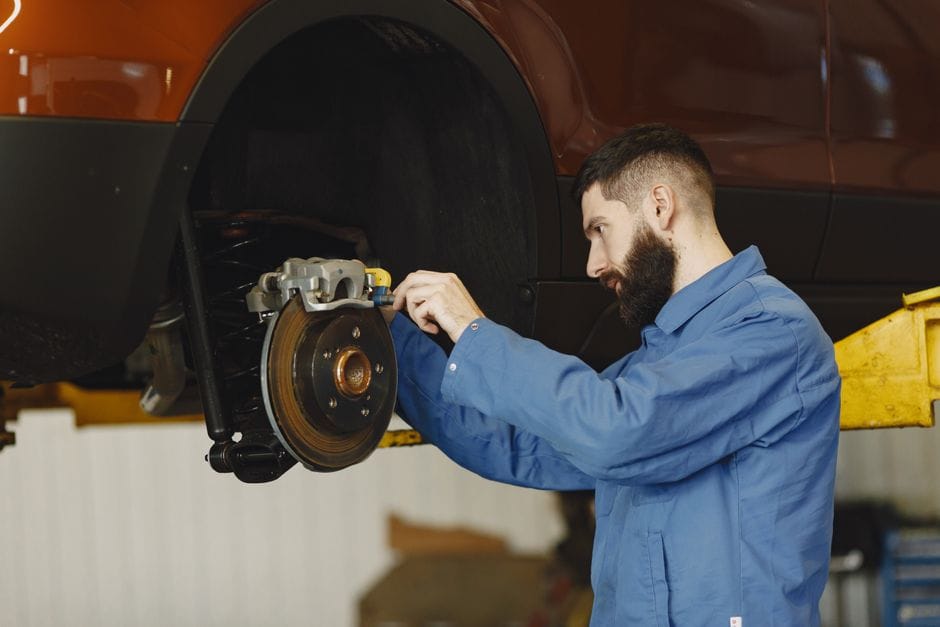
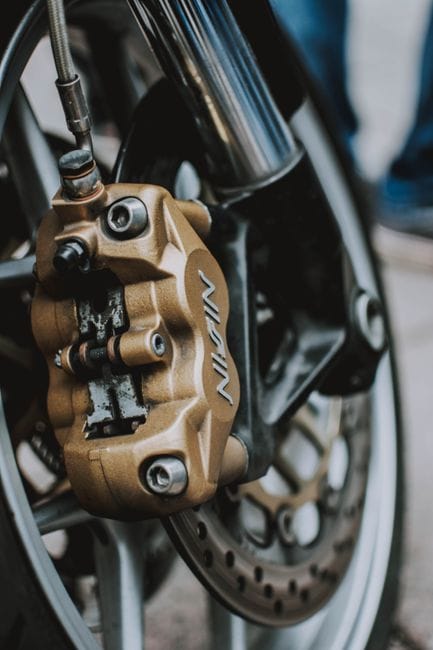
Brake pads are the components that press against your brake rotors to slow or stop your vehicle. They convert kinetic energy into heat through friction. Every time you press the brake pedal, hydraulic pressure pushes the brake calipers to squeeze the pads against the rotors. That friction is what brings your car to a halt.
The right choice matters because brake pads directly affect stopping distance, noise, dust, and rotor wear. Cheap or mismatched pads can compromise safety and damage expensive rotors. A proper brake pad buying guide helps you match friction material to your driving habits, vehicle weight, and typical conditions.
Anatomy of a Brake Pad: Friction Material, Backing Plate, and Shims
A brake pad has three main parts. The friction material is the compound that contacts the rotor. It determines stopping power, noise, and dust levels. The backing plate is the metal base that the friction material bonds to. It gives the pad structural strength and transfers clamping force from the caliper. Shims are thin layers attached to the backing plate that reduce vibration and noise. Some pads also include wear indicators — small metal tabs that squeal when the pad is nearly worn out.
How Brake Pads Differ from Rotors, Calipers, and Brake Shoes
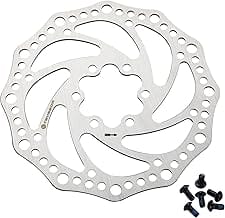
Brake pads work together with rotors and calipers, but they are not the same components. Rotors are the metal discs that the pads clamp onto. Calipers are the hydraulic clamps that squeeze the pads. Brake shoes, meanwhile, are used in drum brakes — they press outward against a spinning drum instead of clamping a disc. Understanding these differences is essential for any brake pad buying guide, as mixing up components can lead to incorrect purchases and unsafe installations.
Top Picks


Friction Material Types: Ceramic, Semi-Metallic, and Organic
The friction material is the heart of any brake pad. It determines how the pad performs under heat, how much noise it makes, how much dust it produces, and how long it lasts. There are three primary families — ceramic, semi-metallic, and organic — plus a fourth category, low-metallic, which is often grouped with semi-metallic but behaves differently.
Ceramic Brake Pads: Low Dust, Quiet, and Daily-Driver Friendly
Ceramic pads use ceramic fibers, copper, and binding resins. They are known for being quiet, producing minimal dust, and being gentle on rotors. Their operating range typically spans from -40°F to 900°F, making them excellent for daily commuting and light towing. Ceramic pads are the most popular choice for modern sedans and SUVs. Their main drawback is that they can feel less aggressive in cold weather and may not handle extreme track use well.
Semi-Metallic Brake Pads: High Friction for Towing and Performance
Semi-metallic pads contain 30-65% metal by weight — typically steel, iron, copper, or graphite. They offer high friction coefficients, excellent heat transfer, and strong performance under heavy loads. These pads are ideal for towing, hauling, and spirited driving. However, they tend to be noisier, produce more dust, and wear rotors faster than ceramic pads. They also require more pedal effort to achieve the same stopping power when cold.
Organic Brake Pads: Soft, Affordable, and Low Rotor Wear
Organic pads, also called non-asbestos organic (NAO) pads, are made from glass, rubber, Kevlar, and other fibers bonded with resin. They are the softest option, providing smooth, quiet braking with minimal rotor wear. They are also the most affordable. The trade-off is that they wear out quickly, produce significant dust, and fade under high heat — making them unsuitable for heavy towing or track use. They are best for light, low-speed vehicles.
Low-Metallic Brake Pads: Performance-Oriented with Trade-Offs
Low-metallic pads contain 10-30% metal mixed with organic materials. They offer strong initial bite and high heat tolerance, making them popular for performance and track applications. However, they are noisy, dusty, and can wear rotors aggressively. They are not ideal for daily drivers who prioritize comfort and cleanliness.
Key Factors to Consider When Choosing Brake Pads
Choosing the right brake pad goes beyond picking a material type. Several factors determine whether a pad will perform well for your specific vehicle and driving style.
Heat Tolerance and Operating Temperature Range
Every pad has an optimal temperature window. Organic pads perform best below 400°F. Semi-metallic pads handle up to 800°F. Ceramic pads can operate up to 900°F. Low-metallic pads can withstand over 1,000°F. If you exceed a pad’s temperature limit, you risk brake fade — a dangerous loss of stopping power. Consider your typical driving conditions: stop-and-go city traffic generates less heat than mountain descents or track days.
Noise and Dust Output
Noise and dust are the two most common complaints from drivers. Ceramic pads are the quietest and cleanest. Semi-metallic and low-metallic pads are noisier and produce more dust. Organic pads fall in between. If you have alloy wheels and dislike cleaning brake dust, ceramic is the clear winner. If you prioritize performance over aesthetics, semi-metallic or low-metallic may be acceptable.
Durability and Lifespan
Lifespan varies widely by material and driving habits. Organic pads typically last 20,000-30,000 miles. Semi-metallic pads last 30,000-50,000 miles. Ceramic pads can last 50,000-70,000 miles. Low-metallic pads are the shortest-lived, often needing replacement after 15,000-25,000 miles. Aggressive driving, heavy loads, and frequent braking will shorten any pad’s life.
Rotor Wear Characteristics
Some pads are harder on rotors than others. Semi-metallic and low-metallic pads are the most abrasive, wearing rotors faster. Ceramic and organic pads are gentler, extending rotor life. If you have expensive drilled or slotted rotors, choosing a rotor-friendly pad is essential to protect your investment.
Price Point and Value
Brake pad prices range from $20 for basic organic pads to over $150 for premium ceramic or performance pads. While budget pads save money upfront, they may wear faster and require more frequent replacement. Premium pads often provide better performance, longer life, and lower noise — making them a better value over time. Consider the total cost of ownership, not just the sticker price.
Intended Use: Daily Driving, Towing, or Track
Your driving habits are the single biggest factor in pad selection. Daily commuters should prioritize ceramic pads for comfort and cleanliness. Towing and hauling demand semi-metallic pads for their heat resistance and friction. Track enthusiasts need low-metallic or high-performance ceramic pads that can withstand extreme temperatures. A pad that excels on
the track will feel harsh and noisy on the street, while a daily-driver pad will fade dangerously on a race circuit. Match the pad to your primary use case, not the most extreme scenario you might encounter.
Brake Pad Comparison: Ceramic vs. Semi-Metallic vs. Organic
To make the decision easier, here is a direct comparison across the attributes that matter most. This table summarizes the key differences between the three main pad families.
| Attribute | Ceramic | Semi-Metallic | Organic |
|———–|———|—————|———|
| **Braking Power** | Good, consistent | Excellent, high friction | Moderate, smooth |
| **Heat Tolerance** | Up to 900°F | Up to 800°F | Up to 400°F |
| **Noise Level** | Low | Moderate to high | Low |
| **Dust Output** | Low | High | Moderate |
| **Rotor Wear** | Low | High | Low |
| **Lifespan** | 50,000-70,000 miles | 30,000-50,000 miles | 20,000-30,000 miles |
| **Price Range** | $50-$150 | $30-$100 | $20-$60 |
| **Best For** | Daily driving, SUVs, light towing | Towing, performance, heavy vehicles | Light cars, low-speed driving |
Real-World Performance Data
Independent friction testing shows that ceramic pads maintain consistent stopping power across a wide temperature range, with minimal fade even after repeated hard stops. Semi-metallic pads deliver the highest initial bite but can become grabby when cold. Organic pads provide the smoothest engagement but lose effectiveness quickly under sustained braking. These differences matter in real-world scenarios — a ceramic pad that stops a 4,000-pound SUV from 60 mph in 120 feet will do so consistently every time, while an organic pad may take 130 feet on the first stop and 145 feet after several hard stops.
How to Choose the Right Brake Pads for Your Vehicle
Now that you understand the materials and their trade-offs, here is a step-by-step decision framework to guide your purchase.
Step 1: Identify Your Driving Conditions
Consider where and how you drive most often. City driving with frequent stops generates moderate heat and requires pads with good cold performance. Highway driving is easier on pads but requires consistent high-speed stopping power. Mountain driving demands excellent heat resistance to prevent fade on long descents. Track driving requires maximum heat tolerance and fade resistance.
Step 2: Match Pad Material to Your Vehicle Weight
Heavier vehicles generate more heat and require more stopping force. A 5,000-pound truck needs semi-metallic or heavy-duty ceramic pads. A 2,500-pound compact car can use organic or standard ceramic pads. Check your owner’s manual for the manufacturer’s recommended pad type — deviating from this can affect braking performance and warranty coverage.
Step 3: Consider Your Budget and Total Cost of Ownership
While organic pads are cheapest upfront, they wear out twice as fast as ceramic pads. Over 60,000 miles, you might buy two sets of organic pads for the same cost as one set of ceramic pads — plus the added labor costs of installation. Factor in rotor wear as well. Aggressive pads that wear rotors faster can add hundreds of dollars in replacement costs.
Step 4: Check Compatibility with Your Rotors and Calipers
Not all pads fit all vehicles. Verify that the pad shape, size, and mounting hardware match your caliper design. Some performance vehicles require specific pad compounds to work with their electronic brake distribution systems. If you have drilled or slotted rotors, choose a pad that is compatible — some aggressive pads can cause micro-cracking in drilled rotors.
Step 5: Read Reviews and Seek Professional Advice
Real-world owner reviews provide valuable insight into how pads perform in actual driving conditions. Look for reviews from drivers with similar vehicles and driving habits. If you are unsure, consult a trusted mechanic or brake specialist. They can inspect your current pads and rotors and recommend the best replacement based on your specific needs.
Common Brake Pad Mistakes to Avoid
Even experienced drivers make mistakes when choosing brake pads. Here are the most common pitfalls and how to avoid them.
Buying the Cheapest Option
Budget pads may save money upfront, but they often wear quickly, produce excessive dust, and can compromise safety. A cheap organic pad on a heavy SUV can fade dangerously on a downhill grade. Invest in quality pads that match your vehicle’s requirements.
Ignoring Rotor Condition
New pads on worn or warped rotors will not perform properly. Always inspect your rotors when replacing pads. If the rotors are scored, warped, or below minimum thickness, replace them as well. This ensures even pad contact and prevents premature pad wear.
Mixing Pad Materials on the Same Axle
Never install different pad materials on the left and right sides of the same axle. This causes uneven braking, pulling to one side, and can trigger stability control warnings. Always replace pads in axle sets with the same material.
Overlooking Break-In Procedures
New brake pads require a break-in period to transfer friction material evenly onto the rotor surface. Most manufacturers recommend a series of moderate stops from 30-40 mph, followed by a cooling period. Skipping this step can result in uneven pad deposits, vibration, and reduced braking performance.
Choosing Performance Pads for Daily Driving
Track-oriented pads are designed for high temperatures and aggressive use. On the street, they may be noisy, dusty, and provide poor cold performance. Unless you regularly track your car, stick with pads designed for daily driving.
Brake Pad Installation and Maintenance Tips
Proper installation and maintenance extend the life of your brake pads and ensure consistent performance.
When to Replace Brake Pads
Most pads have wear indicators that squeal when the friction material is nearly gone. You should also inspect pads visually — if the friction material is thinner than 3mm, it’s time to replace them. Other signs include a grinding noise, vibration when braking, or a soft brake pedal. Most manufacturers recommend inspection every 12,000 miles or 12 months.
DIY vs. Professional Installation
Replacing brake pads is a manageable DIY project for experienced home mechanics. You’ll need basic tools, a jack, jack stands, and a C-clamp to compress the caliper piston. However, if you are unfamiliar with brake systems, professional installation is safer. Improper installation can lead to brake failure, which is a serious safety risk.
Bedding In New Brake Pads
After installation, properly bed in your new pads. Find a safe, empty road. Perform 8-10 moderate stops from 40 mph down to 10 mph without coming to a complete stop. Then perform 3-4 hard stops from 50 mph to 5 mph. Allow the brakes to cool completely before parking. This process transfers an even layer of friction material to the rotors, maximizing braking performance and reducing noise.
Maintaining Your Brake System
Regular maintenance extends pad life. Keep your brake fluid fresh — it should be flushed every 2-3 years. Check caliper slide pins for proper lubrication. Inspect brake lines for cracks or leaks. A well-maintained brake system not only lasts longer but also provides safer, more consistent stopping power.
Frequently Asked Questions About Brake Pads
How Long Do Brake Pads Last?
Lifespan varies by material and driving habits. Organic pads last 20,000-30,000 miles. Semi-metallic pads last 30,000-50,000 miles. Ceramic pads can last 50,000-70,000 miles. Aggressive driving, heavy loads, and frequent stop-and-go traffic will shorten pad life.
Are Ceramic Brake Pads Worth the Extra Cost?
For most daily drivers, yes.
Ceramic pads offer lower noise, less dust, and longer lifespan than organic or semi-metallic alternatives. The upfront premium is often offset by fewer replacements and reduced rotor wear over time. However, if you drive a light vehicle in mostly city conditions, organic pads may provide adequate performance at a lower cost.
Can I Mix Brake Pad Brands on the Same Axle?
No. You should never mix different brands or materials on the same axle. Different friction compounds have different coefficients of friction, which can cause uneven braking, pulling to one side, and premature wear. Always replace both pads on an axle with the same brand and material.
Do Slotted or Drilled Rotors Require Special Brake Pads?
Not necessarily, but some pad materials perform better with certain rotor designs. Drilled rotors can be prone to cracking under extreme heat with aggressive semi-metallic pads. Slotted rotors work well with most pad types. If you have performance rotors, ceramic or low-metallic pads are often recommended to balance performance and rotor longevity.
Why Do My Brakes Squeal After Installing New Pads?
Squealing can occur for several reasons. The pads may not have been bedded in properly. There could be a lack of anti-squeal shims or lubricant on the backing plate. Glazed rotors or pads can also cause noise. If the squeal persists after proper bedding, inspect the installation and rotor condition.
What Is Brake Fade and How Do I Prevent It?
Understanding Is Brake Fade and How Do I Prevent It?
Brake fade occurs when excessive heat causes the friction material to lose its coefficient of friction, resulting in reduced stopping power. This is common with organic pads under heavy use. To prevent fade, choose pads with higher heat tolerance for demanding conditions, and avoid riding the brakes on long descents — downshift instead.
Conclusion: Making the Right Brake Pad Choice
Choosing the right brake pads is a balance of material properties, driving conditions, and budget. Ceramic pads offer the best all-around performance for most daily drivers — quiet, low-dust, and long-lasting. Semi-metallic pads are the workhorses for towing and heavy-duty use, delivering high friction at the cost of noise and dust. Organic pads remain a budget-friendly option for light vehicles and gentle driving.
The most important takeaway from this brake pad buying guide is to match the pad to your specific needs. Consider your vehicle weight, typical driving environment, and how you use your brakes. Don’t overpay for track-level performance you’ll never use, but don’t skimp on safety-critical components either. A quality set of pads that matches your driving style will provide reliable stopping power, longer component life, and peace of mind on every trip.
Remember to inspect your rotors when replacing pads, follow proper break-in procedures, and maintain your entire brake system regularly. With the right pads and proper care, your braking system will perform safely and consistently for many miles to come.