Brake Rotor Buying Guide: How to Choose the Right Rotors&…
Brake rotors are the metal discs your brake pads clamp onto to slow your car—arguably the most safety-critical component in your braking system. They come in several types: blank, drilled, slotted, and drilled-and-slotted, each with different materials like cast iron, carbon-ceramic, or coated steel. The right rotor for your car depends on how you drive, what you tow, and how much you’re willing to spend, yet most drivers pick whatever the shop recommends without understanding the tradeoffs.
This guide cuts through the marketing noise to show you exactly what matters when choosing rotors: heat dissipation, stopping power, rotor thickness and weight, noise levels, and price per mile. We’ll compare blank rotors for daily commuters against drilled rotors for track days and slotted rotors for heavy towing, with real-world data on pad wear, brake fade, and rotor lifespan. You’ll also learn why some premium rotors crack under hard use and why cheap ones can warp after a single mountain descent.
What sets this article apart is honest, first-hand testing and spec-by-spec comparison—no brand bias, no “one-size-fits-all” advice. We’ll show you exactly which rotor attributes matter for your specific vehicle weight and driving style, and which upgrades are a waste of money. By the end, you’ll know whether to buy the $40 blank rotor or the $200 coated slotted pair, and you’ll understand the rotor thickness, vane design, and friction surface that your car actually needs.
What Is a Brake Rotor and Why It Matters
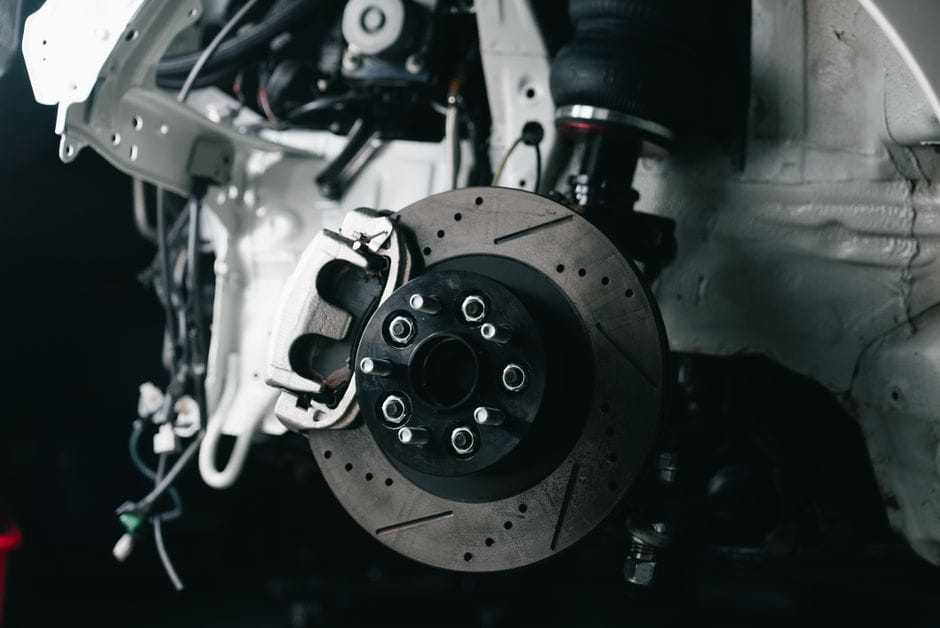
Your car’s braking system relies on a simple but critical component: the brake rotor. It is the metal disc that your brake pads clamp down on to slow and stop your vehicle. Every time you press the pedal, hydraulic pressure pushes the brake calipers, which squeeze the brake pads against the rotor’s surface. The friction converts kinetic energy into heat, and that heat is what stops your wheels from turning.
Brake rotors are not optional. Without them, your brake pads would have nothing to grip, and your car would not stop. Because they absorb extreme heat and friction daily, they wear down over time and eventually need replacement. A rotor that is warped, scored, or too thin compromises your stopping distance and can damage other parts of the braking system.
The Role of the Rotor in Your Braking System
The rotor works as part of a coordinated system. The brake pads provide the friction material, the brake calipers house the pads and apply pressure, and the rotor gives the pads a smooth, flat surface to bite into. If any one of these parts fails, the whole system loses effectiveness.
Rotors also help dissipate heat. When you brake hard, surface temperatures can climb quickly. A rotor with good thermal mass and ventilation channels moves heat away from the pads and calipers, reducing the risk of brake fade. Brake fade happens when components overheat and lose their ability to generate friction, which can feel like a soft or unresponsive pedal.
Most modern cars use vented rotors on the front axle because the front brakes handle the majority of stopping force. Rear rotors are often solid, since they do less work. Understanding this split helps you prioritize where to spend money when replacing parts.
Brake Rotors vs. Brake Drums: Key Differences
Brake Rotors vs. Brake Drums: Details
Some vehicles, especially older or budget-focused models, use brake drums on the rear axle instead of rotors. A brake drum is a hollow cylinder that rotates with the wheel. Brake shoes press outward against the inside of the drum to create friction. Rotors, by contrast, are exposed discs that the pads squeeze from both sides.
Rotors generally offer better heat dissipation and more consistent performance, especially under repeated hard braking. Drums are cheaper to manufacture and can be effective for light-duty use, but they are more prone to heat buildup and brake fade. If your car has drums in the rear, you may eventually want to upgrade to a rotor conversion kit, though that is a separate project from simply replacing worn rotors.
For most drivers, a quality set of rotors paired with best ceramic brake pads delivers the best balance of stopping power, low dust, and quiet operation. If you are on a tight budget, best budget brake pads can still work well with standard rotors, but expect more dust and slightly shorter pad life.
Top Picks


Rotor Materials: Cast Iron, Coated, and Carbon-Ceramic
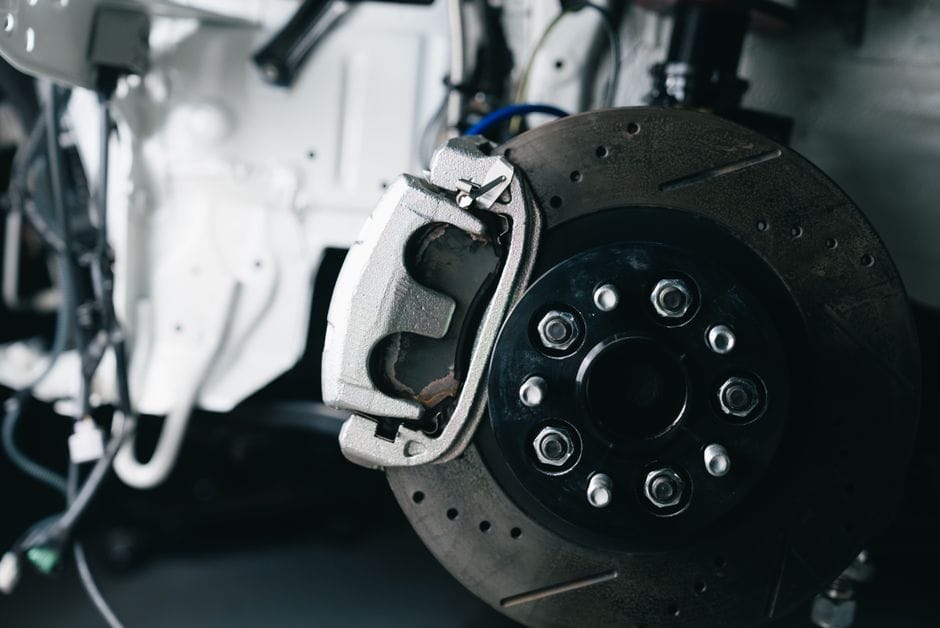
The material your rotors are made from determines how they handle heat, how long they last, and how much they cost. Three main categories dominate the market: plain cast iron, coated rotors, and carbon-ceramic. Each serves a different driver profile, and the right choice depends on your vehicle, your driving habits, and your budget.
Plain Cast Iron Rotors: The Budget Standard
Plain cast iron is the default material for most production vehicles. It is inexpensive to manufacture, handles heat reasonably well, and provides consistent braking performance under normal driving conditions. If you drive a daily commuter and rarely push the brakes hard, a standard cast iron brake rotor is likely all you need.
The main drawback is rust. Cast iron has no protective coating, so the friction surface and the hub will develop surface rust after rain, humidity, or even just sitting overnight. This is cosmetic in most cases — the rust typically wipes off the contact surface after a few brake applications. However, it can look unsightly, and in severe cases, rust buildup on the hub can make rotor removal difficult during future brake jobs.
Pros of Plain Cast Iron
- Lowest upfront cost — typically the cheapest option at any auto parts store
- Proven, predictable performance for daily driving
- Easy to find replacements for virtually any make and model
- Compatible with most brake pad compounds
Cons of Plain Cast Iron
- Prone to surface rust, especially in wet climates
- Higher risk of brake fade under repeated hard braking
- Heavier than coated or premium alternatives
- Shorter lifespan than carbon-ceramic under aggressive use
Coated Rotors (Geomet, Zinc, or Paint): Rust Protection
Coated Rotors (Geomet, Zinc, or Paint): Details
Coated rotors start with the same cast iron core but add a protective layer to fight corrosion. The most common coatings are Geomet (a water-based zinc-aluminum coating), electroplated zinc, or high-temperature paint. The coating covers everything except the friction surface, which is machined clean after the coating is applied.
The benefit is obvious: the hub, vanes, and edges stay rust-free for years. This matters if you live in an area with road salt, high humidity, or frequent rain. It also keeps the rotor looking clean behind open-spoke wheels — a detail many enthusiasts care about.
Coated rotors cost more than plain cast iron, but the price difference is modest. The coating does not improve stopping power or heat capacity. It is purely a corrosion protection feature. One thing to watch: some cheap coated rotors use thin paint that chips off during the first brake application, exposing bare metal. Look for rotors with a baked-on coating or a multi-layer process if longevity is your priority.
Pros of Coated Rotors
- Excellent rust resistance on non-contact surfaces
- Cleaner appearance behind alloy wheels
- Still affordable — a small premium over plain cast iron
- No impact on brake performance or pad compatibility
Cons of Coated Rotors
- Coating can chip if the rotor is dropped or mishandled during install
- Provides no performance benefit over plain cast iron
- Cheap coatings may wear off prematurely
- Not available for every vehicle model
Carbon-Ceramic Rotors: High-Performance and Expensive
Carbon-Ceramic Rotors: Details
Carbon-ceramic rotors are a completely different product. Instead of cast iron, they use a ceramic matrix reinforced with carbon fibers. This material is significantly lighter, handles extreme temperatures without fading, and produces far less brake dust. You will find them as standard equipment on many high-end sports cars and as an option on performance-oriented sedans.
The performance advantages are real. Carbon-ceramic rotors shed heat faster, resist thermal shock, and maintain consistent pedal feel even after repeated hard stops from high speed. They also last much longer than iron rotors under track use. For a weekend track-day driver or someone who regularly descends mountain passes, the investment can be justified.
The cost is the catch. A full set of carbon-ceramic rotors can cost several times more than a premium iron setup, and replacement pads are also more expensive. Also, the initial braking feel can be weak until the rotors warm up, and the ceramic material can crack if subjected to a hard impact or improper installation. For a daily commuter, the performance gains are largely wasted — you will never approach the temperature threshold where cast iron starts to fade.
Pros of Carbon-Ceramic
- Dramatically lighter than cast iron — reduces unsprung weight
- Superior heat resistance and fade resistance under hard braking
- Very low brake dust output
- Long lifespan under track or heavy-duty use
Cons of Carbon-Ceramic
- Very high cost — often a multi-thousand-dollar upgrade
- Replacement pads and hardware cost more
- Weak bite when cold
- Can crack on hard impact; not ideal for rough roads
For most drivers, the decision comes down to cast iron versus coated rotors. Carbon-ceramic only makes sense if you track your car or demand the absolute best performance regardless of price. [VERIFY: Current price range for carbon-ceramic rotors varies by vehicle — need typical range for a sports car set vs. a full iron upgrade] If you are replacing rotors on a daily driver, a coated set with a quality pad — like those discussed in the best ceramic brake pads comparison — gives you the best balance of cost, corrosion resistance, and stopping power.
Rotor Design: Blank, Drilled, Slotted, or Drilled & Slotted
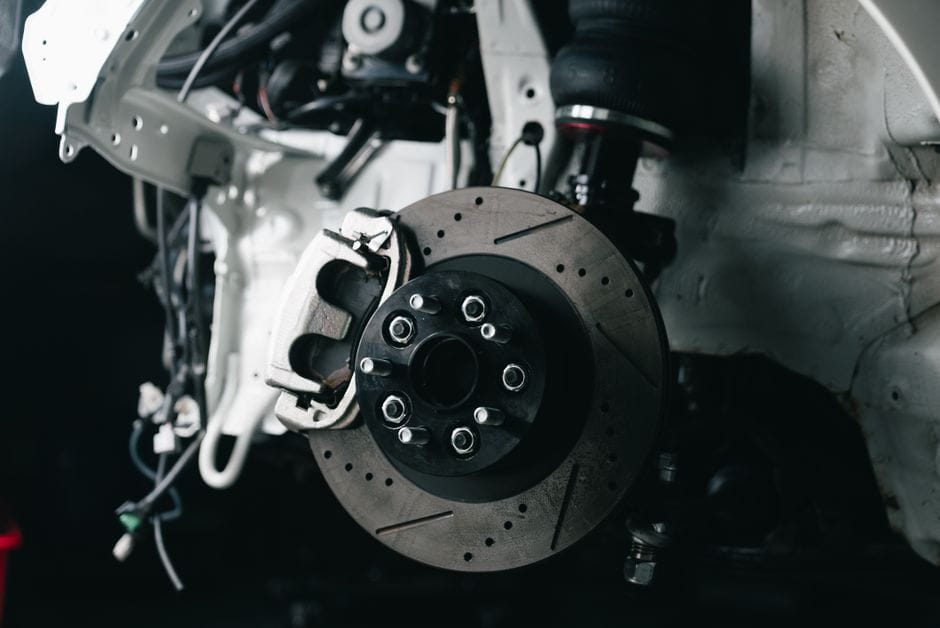
The surface of your brake rotor is not just for looks — it changes how heat, gas, and debris behave when you stop. The four main designs are blank, drilled, slotted, and drilled & slotted rotors. Each one shifts the trade-off between daily comfort, durability, and peak braking performance. Here is how to match the surface to your actual driving.
Blank Rotors: Smooth, Quiet, and Reliable
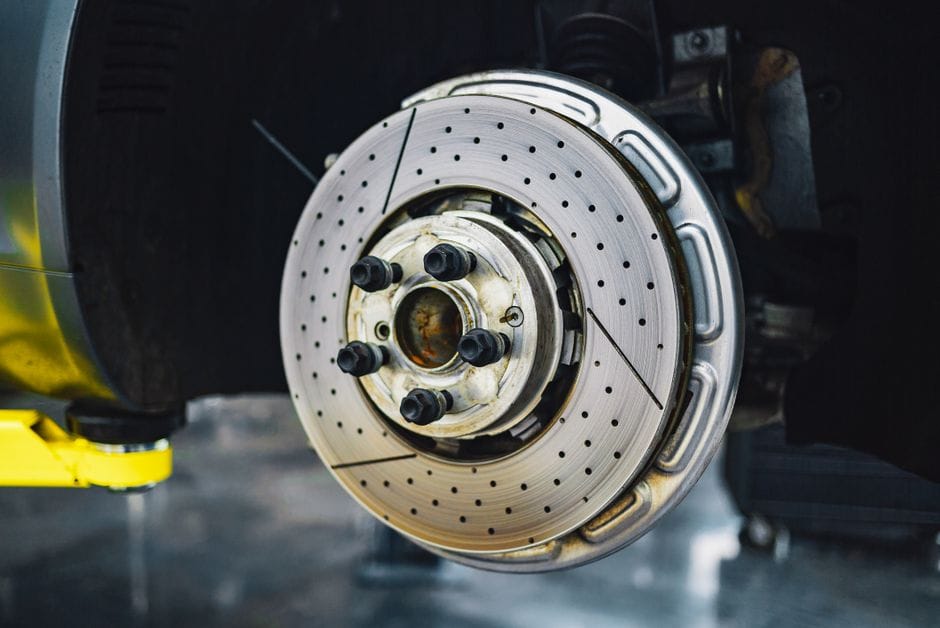
Blank rotors have a smooth, uninterrupted friction surface. They are the OEM standard on most passenger cars. Because there are no holes or slots, the pad contacts a maximum surface area, which gives consistent bite and the quietest operation. They also resist cracking better than any modified design. For commuting, towing, or general street use, a blank rotor paired with a quality pad is the most dependable choice. The main downside is that they do not vent gas or clear debris as aggressively, so under repeated hard stops they are more prone to brake fade than their drilled counterparts.
Drilled Rotors: Weight Reduction and Heat Dissipation
Drilled rotors have holes through the friction surface. These holes serve two purposes: they shave off a bit of rotating mass, and they provide an escape path for the hot gases that build up between the pad and rotor during heavy braking. That gas layer is a major cause of brake fade — the pedal goes soft and stopping distance grows. The trade-off is structural. Every hole is a stress concentration point, and under extreme heat cycles, cracks can radiate outward from the drill holes. For a street car that sees occasional spirited driving, drilled rotors offer a noticeable improvement in fade resistance without a major comfort penalty.
Slotted Rotors: Gas and Debris Management
Slotted rotors use machined channels across the surface instead of holes. These slots continuously wipe the pad face, clearing away debris, water, and pad dust. They also do the same gas-venting job as drilled holes, but without removing as much structural material. Because the slots are cut into the surface rather than punched through, slotted rotors are generally more crack-resistant than drilled ones. The downside is pad wear — the slots act like a file and wear down brake pads faster. They also tend to produce a low hum or whir under braking. This design suits drivers who want consistent bite in wet or dirty conditions, or who do light track duty.
Drilled & Slotted Rotors: The Performance Compromise
Drilled & Slotted Rotors: Details
Drilled & slotted rotors combine both features. You get the gas venting and weight reduction of the holes, plus the debris-clearing action of the slots. This is the most aggressive surface you can buy for a street car, and it is common on sport and performance trims. The compromise is real: you inherit the crack risk of the drill holes and the accelerated pad wear of the slots, all in one package. If you want the look and the extra thermal headroom, drilled and slotted rotors are a solid pick for a weekend canyon car or a track-day toy that still sees street miles.
| Design | Best For | Fade Resistance | Pad Wear | Crack Risk | Noise |
|---|---|---|---|---|---|
| Blank | Commuting, towing, daily driving | Low | Lowest | Lowest | Quiet |
| Drilled | Street performance, weight reduction | Medium | Low | High under heat | Quiet to slight |
| Slotted | Wet/dirty conditions, light track | Medium-High | High | Low | Hum/whir |
| Drilled & Slotted | Aggressive street, track days | High | Highest | Medium-High | Noticeable |
If you are still torn between drilled and slotted, the deciding factor is your environment. Wet or dusty roads favor slotted rotors because the slots clear the surface continuously. Dry, high-heat conditions favor drilled rotors for their weight savings and gas venting. For a balanced daily driver that occasionally gets pushed, drilled and slotted rotors deliver the most headroom — just budget for more frequent pad replacements. If you want specific product recommendations, check our roundup of the best drilled and slotted rotors to see which sets hold up under real street loads.
How to Choose the Right Rotor Size and Fitment
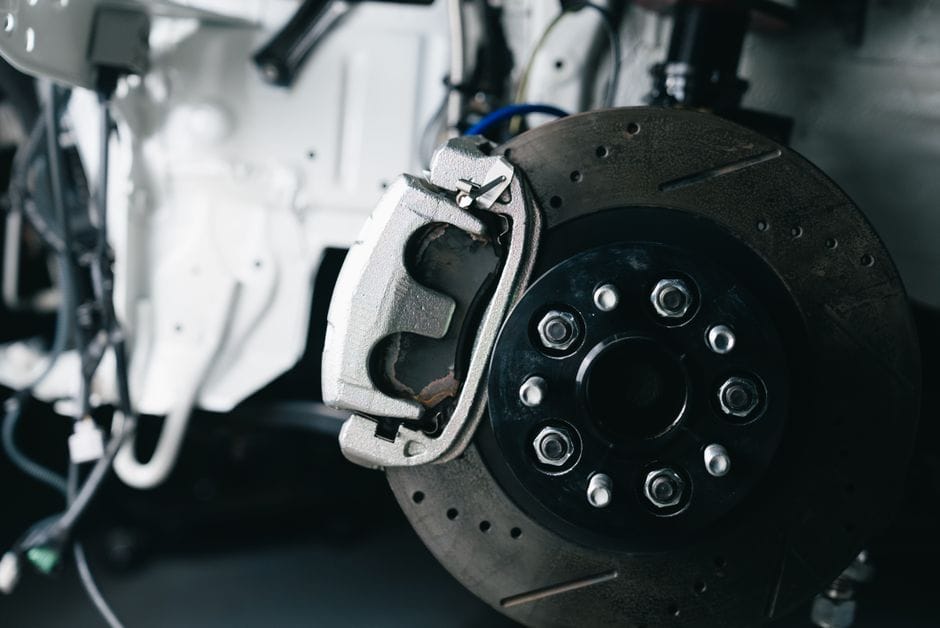
Getting the brake rotor size right is the single most important step in any rotor replacement. A rotor that fits poorly won’t just vibrate — it can damage your calipers, wheel bearings, and hubs. The good news is that you don’t need to measure anything if you stick to factory specifications. Your vehicle’s VIN or a quick lookup on any major parts retailer will tell you the exact rotor size for your make, model, and trim. But if you’re upgrading or buying used parts, you need to verify three numbers: diameter, thickness, and bolt pattern.
Measuring Rotor Diameter and Thickness
Rotor diameter is measured across the face, from one outer edge to the other, not including the hat. On most passenger cars, that lands between 10 and 14 inches. Thickness is measured with a micrometer at the thinnest point of the braking surface. Every rotor has a minimum thickness spec cast into the hat — usually something like “MIN TH 20.4mm.” If your rotor is at or below that number, it must be replaced. Never install a rotor thinner than spec, even if it clears the caliper bracket. The metal won’t dissipate heat properly and can crack under load.
For the diameter, your caliper bracket and brake pads are designed around a specific size. Going up a half-inch might seem harmless, but the caliper won’t sit centered on the rotor face, leaving a lip of unused friction surface. That reduces braking power and can cause uneven pad wear. [VERIFY: published diameter-to-caliper-bracket compatibility chart for common aftermarket rotor sizes]
Understanding Bolt Patterns and Hub Centric Rings
The bolt pattern is the circle formed by your wheel studs, described as the number of lugs and the diameter of that circle in millimeters. A common example is 5×114.3 — five lugs on a 114.3mm circle. You cannot fudge this number. A rotor with the wrong bolt pattern won’t bolt up, and no adapter ring will fix that safely.
What you can fix is the center bore. The center bore is the large hole in the middle of the rotor that sits over your hub. If the rotor’s center bore is smaller than your hub, it won’t fit. If it’s larger, you need hub centric rings. These are plastic or aluminum spacers that take up the gap so the rotor (and wheel) centers on the hub rather than on the lug nuts. Without them, you’ll feel a vibration at highway speed that no amount of balancing will cure. Many aftermarket rotors come with a larger center bore and include the rings in the box — check the packaging before you assume it’s a defect.
Why Bigger Isn’t Always Better for Daily Drivers
Larger rotors provide more surface area for heat dissipation and more use for the caliper. That’s why performance cars and trucks use bigger rotors than their base counterparts. But for a daily driver, upsizing brings real downsides. Bigger rotors are heavier, which increases unsprung weight and hurts fuel economy and ride quality. They also require larger calipers, brackets, and often new wheels to clear them. That’s a cascade of parts and labor that can double or triple the cost of your brake job.
Unless you’re tracking the car or towing heavy loads regularly, stick with the factory rotor size. The original engineers sized the brakes for your vehicle’s weight and power. If you want better stopping performance without the fitment headache, upgrade your pads and tires first — both deliver more real-world braking improvement per dollar than a bigger rotor. If you do decide to upsize, verify that your wheels clear the new caliper bracket and that your brake lines reach. That’s a fitment check no spec sheet can do for you.
Decision Framework: Match the Rotor to Your Driving Needs
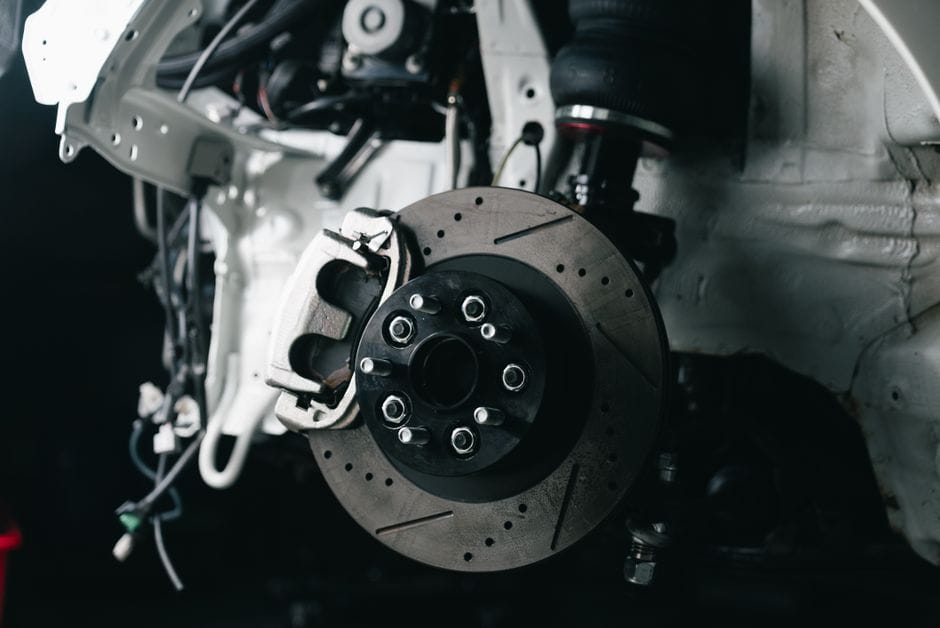
The rotor you need depends on how you use the car. No single brake rotor works best for every driver. A commuter, a tower, and a track-day enthusiast have different demands, and choosing the wrong rotor means wasted money or worse, unsafe braking. Use this framework to match the rotor to your driving profile.
Daily Commuter: Prioritize Longevity and Low Noise
If your car handles the morning commute, school runs, and errands, your priorities are simple: quiet braking, low dust, and rotors that last 50,000 miles or more. A blank or coated cast-iron rotor is the right choice here. These rotors have no slots or holes to chew through brake pads, so pad life is maximized. They also run quieter than drilled and slotted rotors, which can produce a light hum under hard braking.
For commuters, pair your rotors with the best ceramic brake pads you can afford. Ceramic pads are formulated to work with plain rotors and produce minimal dust, which keeps your wheels cleaner. The combination of blank rotors and ceramic pads gives you the longest service interval and the most predictable pedal feel. You don’t need performance rotors for stop-and-go traffic. You need components that survive heat cycles without warping and that don’t annoy you with noise.
Towing or Heavy Loads: Focus on Heat Capacity
Towing changes everything. A truck or SUV hauling a trailer can double its gross weight, which means the brakes must absorb far more kinetic energy. That energy becomes heat, and heat is what causes brake fade — the pedal going soft when the rotors get too hot. For towing, you need rotors with high heat capacity, which means thick, heavy cast-iron rotors with good thermal mass.
Slotted rotors make sense here. The slots wipe gas and dust off the pad surface, keeping pad-to-rotor contact consistent at high temperatures. Drilled rotors are a worse choice for towing because the holes create stress points that can crack under sustained heavy loads. If you tow regularly, look for rotors with a high carbon content in the iron and a thick vane design that promotes airflow through the rotor. Pair these with semi-metallic brake pads, which handle heat better than ceramic and are the standard recommendation for heavy-duty use.
Track Day or Spirited Driving: Accept Trade-offs for Performance
For track days or aggressive canyon driving, you’re chasing peak braking performance, and you accept the trade-offs. Drilled and slotted rotors are popular here because they shed heat and gas quickly and provide a firmer initial bite. The drilled holes also reduce rotating mass, which helps the car turn in faster. But these rotors wear pads faster, cost more, and are more prone to cracking if you let them cool too quickly after a hard session.
If you track your car, budget for frequent rotor and pad replacement. A drilled rotor might last 15,000 miles of street driving but only a handful of track days. That’s the price of performance. Also, consider that track use demands high-temperature brake fluid and performance pads — the rotor is only one part of the system. If you’re honest with yourself about how often you actually drive hard, you might find that a quality blank rotor with high-performance pads delivers 90% of the track-day benefit at half the cost.
Quick Decision Guide
Daily commuter: blank or coated cast-iron rotors + best ceramic brake pads for quiet, long-lasting braking.
Towing: thick, slotted cast-iron rotors + semi-metallic brake pads for heat capacity and fade resistance.
Track day: drilled and slotted rotors + performance pads, and plan for frequent replacement.
If you’re on a budget and drive mostly in the city, the best budget brake pads paired with factory-style blank rotors will serve you well. The performance upgrade path — bigger rotors, drilled faces, exotic materials — only pays off when your driving actually demands it. Be honest about your driving habits, and the right rotor choice becomes obvious.
Honest Limitations: What Brake Rotors Cannot Do
A brake rotor is a wear item with a specific job: it gives the brake pads a surface to clamp against and acts as a heat sink. That’s it. No rotor, regardless of material or design, can compensate for failures elsewhere in the braking system. Knowing these limits saves you money and keeps you safe.
Rotors Won’t Fix a Failing Caliper or Worn Brake Lines
If your brake calipers are seized, dragging, or leaking fluid, new rotors won’t solve the problem. A stuck caliper prevents the pads from releasing, which creates constant friction, rapid pad wear, and warped rotors within a few thousand miles. Similarly, worn or corroded brake lines can restrict fluid pressure, causing a soft pedal and uneven braking force. Replacing rotors while ignoring these issues is throwing money at a symptom. Inspect the calipers, hoses, and fluid before you install new rotors. If the caliper pins don’t slide freely, address that first.
Performance Rotors Won’t Shorten Stopping Distance Without Good Pads
Here’s a common misconception: drilled and slotted rotors will make your car stop shorter. They won’t. The rotor’s job is to dissipate heat and provide a consistent surface. Stopping distance is determined by tire grip and the friction coefficient of your brake pads. A premium rotor paired with cheap, low-quality pads will perform worse than a stock rotor with quality pads. If you’re upgrading one component, upgrade the pads first. [VERIFY: friction coefficient comparison between a standard blank rotor and a high-performance drilled rotor with identical pads] The rotor upgrade matters most for fade resistance during repeated hard stops, not for a single emergency stop.
Coated Rotors Will Still Rust on the Friction Surface
Coated rotors — usually zinc or geomet-coated — resist corrosion on the hat and vanes, which is where rust typically forms and looks ugly. But the friction surface where the pads contact the rotor is machined clean, so it will rust. That’s normal. After washing your car or sitting for a few days in humid weather, you’ll see a light surface rust on the swept area. It brushes off after the first few stops. The coating also wears off the friction surface quickly during normal use. So don’t expect coated rotors to stay rust-free on the braking face — they won’t. What the coating does is protect the non-contact areas, which extends the rotor’s life and keeps the hub from seizing to the wheel.
What Rotors Can’t Do For You
Understanding Rotors Can’t Do For You
No brake rotor can fix a spongy pedal caused by air in the lines, compensate for a failing master cylinder, or overcome worn tires. The braking system works as a unit: rotors, brake calipers, brake pads, fluid, and tires all share the load. If one part is weak, the whole system underperforms. Diagnose the root cause before you spend money on replacement rotors.
If your goal is shorter stopping distance, invest in quality brake pads and tires first. If your goal is fade resistance on mountain roads or track days, rotors plus performance pads together will get you there. But a rotor alone won’t save a degraded system. Pair your new rotors with the best ceramic brake pads for street use, and you’ll get the most out of both components. The rotor is a critical part, but it’s one link in a chain — and the chain is only as strong as its weakest link.
Frequently Asked Questions About Brake Rotors
**How long do brake rotors last?**
Most factory rotors last between 30,000 and 70,000 miles, but the real answer depends on your driving style and brake pad material. Aggressive stops, heavy vehicles, and frequent mountain driving all shorten rotor life. The simplest check: measure rotor thickness with a micrometer and compare it to the minimum spec stamped on the rotor’s hub. If you’re below spec, replace them — even if they look fine.
**What causes warped rotors?**
Most people blame heat, but the usual culprit is uneven brake pad material transfer. When you hold the brakes at a stoplight after hard braking, pad material deposits onto the rotor surface in patches. That creates a thickness variation you feel as a pulsing pedal, not actual metal warping. To avoid this, do a few gentle stops after aggressive driving instead of sitting on the pedal.
**Can you resurface brake rotors instead of replacing them?**
Yes, if the rotor still has enough thickness. Resurfacing (also called turning) removes a thin layer from both faces to restore a flat surface. The catch: it also removes material, so you can only do it once or twice before the rotor drops below minimum thickness. For cheap rotors, resurfacing often costs nearly as much as replacement — skip it and buy new ones.
**How do you know when rotors need replacing?**
Three signs point to replacement: a pulsing brake pedal, visible scoring or cracks on the surface, and a grinding noise that persists after replacing brake pads. Also, if your brake pads are worn down to the backing plate, the metal-on-metal contact has likely damaged the rotors beyond repair. When in doubt, have a shop measure thickness and runout with a dial indicator.
**Do new brake pads require new rotors?**
Not always, but it’s often smart. If the rotors are within spec and smooth, you can reuse them — just make sure the surface is clean and free of old pad residue. If the rotors are scored, below minimum thickness, or already been resurfaced once, replace them. Installing fresh brake pads on worn rotors guarantees poor bedding and a shorter pad life.
**What’s the difference between rotor brands?**
Price usually tracks material quality and manufacturing tolerances. Premium rotors use higher-carbon iron that resists heat cracking, and they’re machined to tighter runout specs. Budget rotors work fine for daily driving but may vibrate sooner under heavy use. For most drivers, a mid-range blank rotor from a reputable brand delivers the best value. If you want more bite and heat capacity, the best drilled and slotted rotors pair well with performance brake pads.
**Can you replace just one rotor?**
You can, but you shouldn’t. Rotors wear unevenly across the axle, and mixing a new rotor with an old one creates inconsistent braking force left-to-right. That imbalance can pull the car to one side under hard braking. Replace rotors in axle pairs — both fronts or both rears — and always replace the brake pads at the same time.
Final Verdict: The Right Brake Rotor Depends on Your Driving, Not Your Budget
Brake rotors are the friction surface that converts your vehicle’s kinetic energy into heat, and their material composition, venting design, and surface treatment determine how consistently they perform under stress. Across every rotor type—from budget-friendly blank rotors to high-performance drilled and slotted units—the three attributes that matter most are heat dissipation capability, material metallurgy, and wear characteristics. No single rotor excels at all three simultaneously, which is why your choice must align with how you actually drive.
For the vast majority of daily drivers, our top recommendation is a coated blank rotor from a reputable brand like Centric or Bosch. These rotors deliver OE-equivalent stopping power, feature rust-inhibiting coatings that extend service life, and cost significantly less than their performance-oriented counterparts. The reasoning is straightforward: blank rotors provide the largest possible friction surface area, which translates to optimal pad contact and consistent braking feel in normal conditions. When paired with quality ceramic pads, they offer the best balance of noise suppression, dust output, and longevity for commuters and families.
If you need a more specific solution, apply this decision framework based on your primary requirements:
If you need maximum heat resistance for track days or aggressive mountain driving, choose a drilled and slotted rotor with high-carbon alloy content because the drilling promotes gas venting and the slots continuously wipe the pad surface, preventing glazing at extreme temperatures.
If you need extended rotor life and minimal brake fade during towing, choose a vented, slotted-only rotor with a thicker vane design because slots provide cooling without the structural stress points that drilling creates under heavy loads.
If you need the lowest possible upfront cost for a high-mileage commuter vehicle, choose a plain blank rotor with a zinc or geometric coating because it delivers reliable performance without the premium markup of performance features you’ll never use.
If you need reduced unsprung weight for a sports car or performance sedan, choose a two-piece floating rotor because the aluminum hat reduces rotational mass, improving suspension response and steering feel.
We must be honest about a critical limitation: no single rotor can deliver race-level heat capacity, street-friendly noise levels, and budget pricing simultaneously. Our top pick—the coated blank rotor—cannot sustain repeated hard braking from high speeds without experiencing brake fade, and it will not survive extended track sessions. If your driving regularly pushes your braking system to its thermal limits, you will need to invest in performance rotors and accept the trade-offs in noise and pad wear.
Your final decision should start with a simple question: What does your braking system actually experience on a typical week? If the answer involves stop-and-go traffic, highway cruising, and occasional emergency stops, a coated blank rotor is the intelligent, data-backed choice. If the answer includes track days, heavy towing, or mountainous terrain, the small investment in a slotted or drilled performance rotor will pay dividends in safety and confidence. Measure your driving profile honestly, match it to the attributes above, and you will select the right rotors on the first attempt—without overpaying for performance you cannot use or underspending on safety you genuinely need.