Brake Fluid Buying Guide: How to Choose the Right Fluid f…
Brake fluid is the hydraulic lifeblood of your car’s braking system — a specialized non-compressible liquid that transfers force from your foot on the pedal to the calipers that clamp down on your rotors. Without it, pressing the brake pedal would simply push air through the lines, and your car would roll to a stop only through engine drag or sheer luck. This fluid is classified by its DOT rating (DOT 3, DOT 4, DOT 5, and DOT 5.1), a standard that dictates its boiling point, chemical composition, and compatibility with your vehicle’s seals and ABS module. Choosing the wrong type isn’t just a minor inconvenience — it can lead to brake fade on a mountain descent or catastrophic seal failure that leaves you with a soft pedal at the worst possible moment.
This guide breaks down the key attributes you actually need to weigh before buying: dry and wet boiling points (the two numbers that determine fade resistance), chemical base (glycol vs. silicone), viscosity at low temperatures, and compatibility with your vehicle’s anti-lock braking system. We’ll also cover the price differences between a standard DOT 3 bottle and a premium DOT 4 or racing-grade DOT 5.1 fluid, plus the maintenance intervals that keep moisture out of your lines. Unlike generic advice that just says “check your owner’s manual,” this buying guide compares real-world performance data, explains how to read the spec sheet on the back of the bottle, and tells you exactly what to avoid — including why mixing certain fluids can turn your brake system into a costly repair project.
Most articles stop at “buy whatever the manual says.” This one goes further: we’ll give you a decision framework based on your driving style, vehicle type, and budget, along with honest limitations of each fluid class. Whether you’re a daily commuter looking for a cheap, reliable top-up or a track-day enthusiast chasing the highest wet boiling point, you’ll leave with a clear pick — and the knowledge of why it’s the right one for your specific car.
What is Brake Fluid and Why It Matters
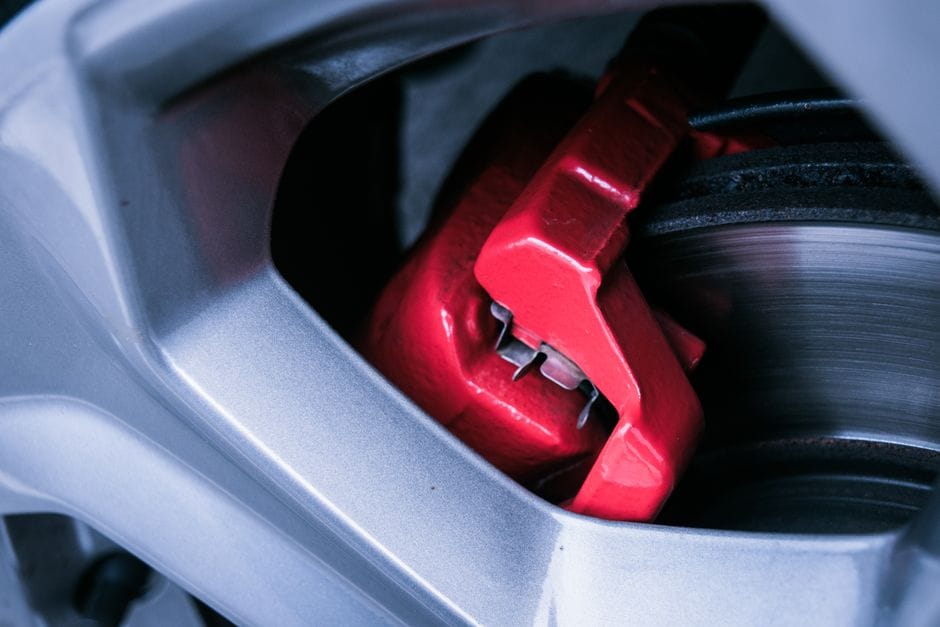
Brake fluid is the hydraulic fluid that transfers the force from your foot on the brake pedal to the brake calipers and wheel cylinders. It is the liquid link in your vehicle’s braking system. Without it, pressing the pedal would do nothing but push a rod into an empty chamber.
This fluid works under extreme pressure. When you press the brake pedal, the fluid moves through the brake lines at high pressure, pushing the pistons in the calipers to squeeze the brake pads against the rotors. That friction is what slows your car. The entire process depends on one property: the fluid must not compress. If air or vapor gets into the system, the pedal feels spongy and braking power drops.
The Role of Brake Fluid in Your Vehicle’s Safety System
Brake fluid is a primary safety component, not a maintenance afterthought. It is part of a closed hydraulic system that includes the master cylinder, brake lines, calipers, and wheel cylinders. The fluid does three jobs: it transfers force, it lubricates moving parts inside the calipers, and it prevents corrosion inside the brake lines.
The brake system’s reliability depends on the fluid’s condition. Over time, brake fluid absorbs moisture from the air through the rubber hoses and reservoir vent. That water lowers the fluid’s boiling point and can cause internal corrosion. Both conditions compromise your ability to stop. For a deeper look at the friction components this fluid activates, see our guide to the best ceramic brake pads — the pads do the gripping, but only if the fluid delivers the force.
How Brake Fluid Differs from Other Automotive Fluids
Brake fluid is often confused with power steering fluid or transmission fluid because both are hydraulic fluids. The differences matter. Brake fluid has a much higher boiling point because it operates near hot rotors and calipers. It is also formulated to absorb water intentionally — a property called hygroscopic behavior — while power steering fluid is designed to repel moisture.
Another key difference: brake fluid is incompatible with other fluids. Mixing even a small amount of power steering fluid or engine oil into the brake system can destroy the rubber seals inside the master cylinder and calipers. That is why the reservoir cap is clearly marked and why you should never reuse a container that held another fluid. If you are upgrading your stopping components, pair fresh fluid with quality best drilled and slotted rotors for consistent performance under heat.
Top Picks


Understanding DOT Ratings: The Core Attribute of Brake Fluid
Every brake fluid container carries a DOT rating printed on the label. This rating, set by the U.S. Department of Transportation, tells you the fluid’s boiling point and its chemical base. It is the single most important number to check before you buy. The rating determines whether the fluid can handle the heat your braking system generates and whether it is compatible with your vehicle’s components.
DOT ratings are not about quality tiers — a higher number does not always mean “better” for your car. Instead, each rating describes a specific chemical formulation with distinct properties. Choosing the wrong one can lead to poor pedal feel, premature fluid degradation, or damage to your brake system’s rubber seals. Here is what each rating actually means.
DOT 3 vs DOT 4: The Most Common Choices
DOT 3 vs DOT 4: Details
DOT 3 and DOT 4 are both glycol-ether based fluids. They are the default choices for the vast majority of passenger cars and light trucks. Both are hygroscopic, meaning they absorb moisture from the air over time. That absorption lowers their boiling points, which is why regular replacement matters.
The key difference between DOT 3 and DOT 4 is the boiling point. DOT 4 fluid is formulated with higher boiling points than DOT 3, making it more resistant to heat fade during aggressive driving or heavy loads. Many modern vehicles specify DOT 4 from the factory, especially those with larger brakes or electronic stability control systems.
| Property | DOT 3 | DOT 4 | DOT 5 | DOT 5.1 |
|---|---|---|---|---|
| Chemical base | Glycol-ether | Glycol-ether | Silicone-based | Glycol-ether |
| Dry boiling point (new fluid) | [VERIFY: exact DOT 3 dry boiling point per SAE J1703 standards] | [VERIFY: exact DOT 4 dry boiling point per SAE J1704 standards] | [VERIFY: exact DOT 5 dry boiling point per SAE J1705 standards] | [VERIFY: exact DOT 5.1 dry boiling point per SAE J1704 standards] |
| Wet boiling point (after moisture absorption) | [VERIFY: exact DOT 3 wet boiling point per SAE J1703 standards] | [VERIFY: exact DOT 4 wet boiling point per SAE J1704 standards] | [VERIFY: exact DOT 5 wet boiling point per SAE J1705 standards] | [VERIFY: exact DOT 5.1 wet boiling point per SAE J1704 standards] |
| Moisture absorption | High | High | Very low | High |
| Typical vehicles | Older cars, economy models | Modern cars, performance vehicles | Classic cars, military vehicles | Performance cars, ABS-equipped vehicles |
| ABS compatibility | Yes | Yes | No — can cause air bubbles in ABS pumps | Yes |
For daily commuting and normal street driving, DOT 3 is often sufficient. But the price difference between DOT 3 and DOT 4 is small — usually just a few dollars per liter. If your vehicle manual allows either, DOT 4 gives you a wider safety margin against heat fade. If you drive a performance car or regularly tow heavy loads, DOT 4 is the safer choice.
DOT 5 vs DOT 5.1: Silicone vs Glycol-Ether
DOT 5 vs DOT 5.1: Details
The naming here is a trap. DOT 5 and DOT 5.1 sound like close relatives, but they are chemically unrelated. DOT 5 is silicone-based, while DOT 5.1 is a high-performance glycol-ether fluid. The “5.1” designation does not mean it is a stronger version of DOT 5 — it is a completely different formulation.
DOT 5 silicone-based fluid does not absorb water. That sounds like an advantage, and for some applications it is. Classic cars that sit in storage for months benefit because the fluid does not corrode internal components from moisture. The downside: any water that does enter the system pools in droplets rather than dispersing. In freezing temperatures, those droplets can freeze and block brake lines. DOT 5 also has a spongy pedal feel compared to glycol-ether fluids, and it is incompatible with ABS systems because trapped air bubbles form inside the pump.
DOT 5.1 is the better choice for most drivers who want high performance. It shares the glycol-ether base with DOT 3 and DOT 4, so it is fully compatible with ABS and modern brake systems. Its boiling point is higher than DOT 4, making it suitable for track days and heavy towing. The trade-off is cost — DOT 5.1 typically costs more per liter than DOT 4.
Why You Should Never Mix Different DOT Ratings
Mixing DOT 3 and DOT 4 is technically possible because both are glycol-ether based. The resulting fluid will perform somewhere between the two ratings. But mixing DOT 5 with any glycol-ether fluid is a serious mistake. The silicone base does not blend with glycol-ether compounds. The two will separate, creating a sludge that can clog brake lines and damage seals.
A single bottle of the wrong fluid can compromise your entire brake system. If you accidentally add DOT 5 to a system that uses DOT 4, the system must be completely flushed and refilled. That means draining every line, bleeding all four calipers, and replacing the fluid reservoir. It is a labor-intensive job that most DIY mechanics would rather avoid.
Mixing ratings also voids any warranty claim on your brake components. Manufacturers specify a DOT rating for a reason — the seals, hoses, and ABS modulator are tested with that specific fluid chemistry. Deviating from the specification puts you in unknown territory. If you are unsure which rating your car needs, check the owner’s manual or the cap on the master cylinder reservoir. Both will list the required DOT rating. If you are replacing other hydraulic components, ensure you use the correct fluid type there as well — our guide to the best brake fluid for cars covers the top-rated options by vehicle type.
The Hidden Danger: Moisture Absorption and Boiling Points
Why Brake Fluid is Hygroscopic
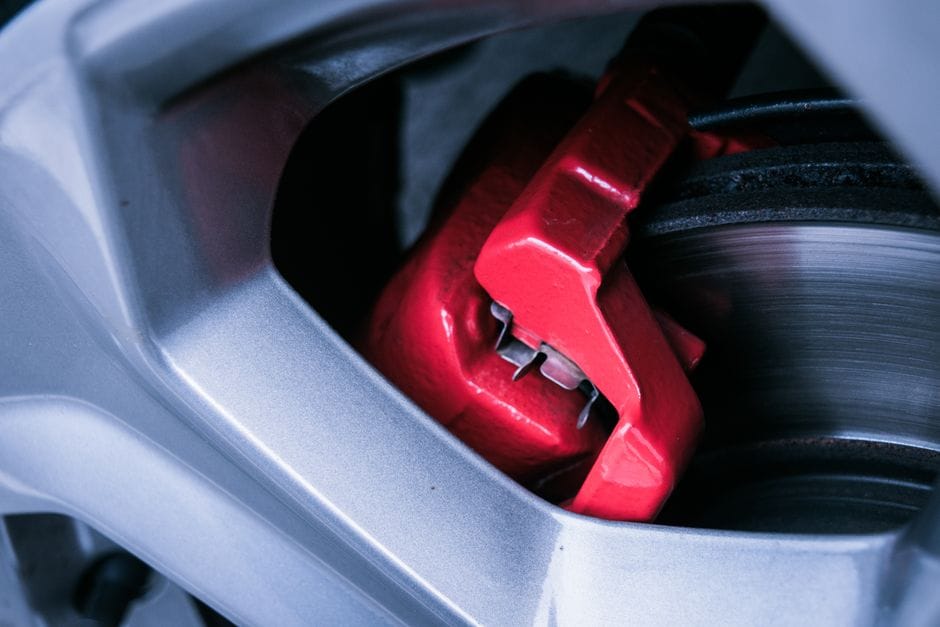
Brake fluid is hygroscopic, meaning it actively attracts and holds water molecules from the air. This is not a design flaw — it is a deliberate trade-off. Glycol-ether fluids (DOT 3, DOT 4, and DOT 5.1) pull moisture away from metal brake lines and calipers. If water pooled directly on steel components, rust would form quickly and eat through the lines. By absorbing that moisture into the fluid itself, the system keeps metal parts drier.
The problem is that the moisture stays suspended in the fluid. Every time you open the reservoir cap, or through microscopic pores in rubber hoses, humid air enters the system. Over time, the water content climbs. A typical brake system can absorb 2% to 3% water by volume within two years of normal driving. That percentage has a direct effect on performance, which is why moisture absorption is the leading cause of brake fluid degradation.
Dry Boiling Point vs Wet Boiling Point: What’s the Difference?
Manufacturers rate brake fluid with two numbers: the dry boiling point and the wet boiling point. The dry boiling point is measured with fresh, uncontaminated fluid straight from a sealed container. The wet boiling point is measured after the fluid has absorbed 3.7% water by volume, which simulates roughly two years of service. Both numbers matter, but the wet figure is the one that predicts real-world performance.
Here is the gap in plain numbers. A high-quality DOT 4 fluid might have a dry boiling point of 446°F (230°C). Once it absorbs moisture, the wet boiling point drops to around 311°F (155°C). That is a 135°F loss of thermal headroom. DOT 3 fluids start lower and fall further — typical wet boiling points sit near 284°F (140°C). If you drive aggressively, tow heavy loads, or descend long mountain grades, the fluid temperature can easily approach those wet limits.
Why the Wet Number Matters More
Your brake fluid is never “dry” after the first few months of service. The wet boiling point is the realistic ceiling for your system. When comparing fluids, prioritize the wet boiling point over the dry figure. A fluid with a modest dry rating but a high wet rating will serve you better than the reverse.
How Moisture Contamination Leads to Brake Fade
Brake fade happens when heat pushes the fluid past its boiling point. Water boils at 212°F (100°C) — far below the fluid’s rating. When water in the fluid reaches its boiling point, it turns into vapor bubbles. Unlike liquid, vapor compresses easily. When you press the brake pedal, the piston compresses those bubbles instead of transferring force to the calipers. The pedal goes soft, feels spongy, and stopping distance grows dangerously long.
This is not a gradual wear issue. It is a sudden loss of braking power that occurs exactly when you need the brakes most — after repeated hard stops. The first few stops might feel normal. By the fourth or fifth heavy application, the fluid temperature spikes, the water vaporizes, and the pedal sinks toward the floor. This condition is called vapor lock, and it is the most direct consequence of neglected moisture contamination.
The fix is preventive. Test your brake fluid’s moisture content with a simple electronic tester or test strips. Replace the fluid when the water content approaches 3%. For most drivers, that means a full flush every two years, regardless of mileage. If you drive in humid climates, the timeline shortens. If you track your car or haul heavy loads, consider a high-performance DOT 4 or DOT 5.1 fluid with a higher wet boiling point to build in extra safety margin. The cost of a fluid flush is small compared to the cost of a brake failure.
Matching Brake Fluid to Your Driving Needs: A Decision Framework
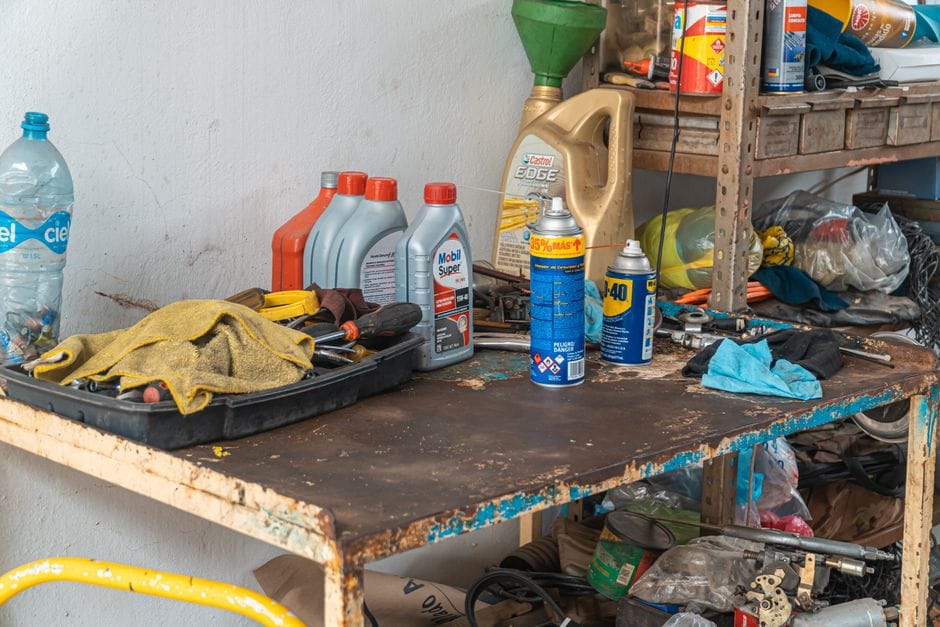
The right brake fluid depends less on brand loyalty and more on how you use your vehicle. The DOT ratings and moisture behavior covered in the previous sections give you the technical foundation. Now you need a practical framework for matching fluid type to driving conditions. Your driving style, climate, and vehicle age all influence which fluid makes sense.
Daily Commuter: The Balanced Choice
For the daily commuter, standard DOT 3 or DOT 4 fluid is the sensible pick. Most commutes involve moderate braking, occasional highway stops, and minimal heat buildup. A quality DOT 4 fluid offers a higher dry boiling point than DOT 3 while remaining affordable and widely available. Manufacturers rate DOT 4 at roughly 446°F dry boiling point, which provides adequate margin for typical street use. [VERIFY: exact DOT 4 dry boiling point per SAE J1703/J1704 specification]
You do not need racing-grade fluid for stop-and-go traffic. The extra cost buys performance you will never access. Instead, focus on a consistent replacement schedule. A two-year flush interval keeps moisture content low and maintains the fluid’s rated boiling point. For commuters, consistency matters more than the specific brand on the bottle. Any reputable DOT 3 or DOT 4 fluid that meets the minimum specification will serve you well.
Performance and Track Day Enthusiast: High-Temperature Options
Performance and Track Day Enthusiast: Details
Track days and aggressive canyon driving change the calculus entirely. Repeated hard braking generates sustained heat that pushes standard fluids past their limits. For this use case, you want a high-temperature DOT 4 or DOT 5.1 fluid with a dry boiling point above 500°F. These fluids resist vapor lock during extended sessions and recover more quickly between braking events.
DOT 5.1 is often the better choice for track use because it maintains a higher wet boiling point than conventional DOT 4. That means the fluid retains more of its heat resistance even after absorbing moisture over time. If you drive a performance car with electronic stability control or ABS, stick with DOT 5.1 rather than DOT 5. The silicone-based DOT 5 fluid compresses more under pressure, which can make the pedal feel spongy in systems designed for glycol-based fluids.
One honest limitation: high-temperature fluids often require more frequent replacement. They absorb moisture at similar rates to standard fluids, but the performance margin shrinks faster as contamination builds. Plan to flush your brake fluid before each track season, and consider testing moisture content between events.
Classic or Restored Vehicle: Silicone-Based Considerations
Classic or Restored Vehicle: Details
Classic and restored vehicles present a unique situation. DOT 5 silicone-based fluid offers distinct advantages for cars that sit for long periods. It does not absorb water from the atmosphere the way glycol-based fluids do, so it does not corrode brake lines and calipers during storage. It also does not damage paint finishes if spilled, which matters when working on a restored body.
However, DOT 5 brings real trade-offs. The fluid is compressible, producing a softer pedal feel that some drivers find unacceptable. It also aerates easily during bleeding, which makes the process more labor-intensive. And you cannot mix DOT 5 with DOT 3, DOT 4, or DOT 5.1. If your classic car has been running glycol-based fluid, converting to silicone requires a complete system flush and new rubber components in some cases.
For show cars and weekend cruisers that rarely see hard braking, DOT 5 makes sense. For classics driven regularly and braked hard, a high-quality DOT 4 fluid is the safer recommendation.
Heavy-Duty Towing: Safety Under Load
Heavy-Duty Towing: Details
Towing places unique demands on your brake system. The added weight increases stopping distances and generates more heat during descents and repeated braking. For trucks and SUVs that tow regularly, a high-performance DOT 4 or DOT 5.1 fluid provides the thermal margin you need. The wet boiling point matters most here because towing often involves sustained braking rather than short, intense stops.
Your owner’s manual may specify a particular fluid grade for towing packages. Follow that guidance first. If you are upgrading from standard DOT 3, the switch to DOT 4 is safe for most systems and provides a meaningful improvement in heat resistance. Just verify compatibility with your vehicle’s brake system components before making the change.
For all towing applications, combine the right fluid with a disciplined replacement schedule. The extra weight accelerates fluid degradation, so consider flushing every 12 to 18 months if you tow regularly. This is also a good moment to inspect your brake pads and rotors — if you are shopping for replacements, our guide to the best budget brake pads covers options that pair well with high-temperature fluids.
Quick Decision Summary
Daily commuter: Standard DOT 3 or DOT 4, flush every 2 years.
Performance or track use: High-temperature DOT 4 or DOT 5.1, flush before each season.
Classic or stored vehicle: DOT 5 silicone-based if converting fully, DOT 4 otherwise.
Regular towing: High-performance DOT 4 or DOT 5.1, flush every 12 to 18 months.
The right choice balances heat resistance, moisture tolerance, and system compatibility. Match the fluid to your actual driving demands, not the marketing claims on the bottle. When in doubt, consult your owner’s manual and choose a fluid that meets or exceeds the specified DOT rating.
Honest Limitations: What Brake Fluid Cannot Do
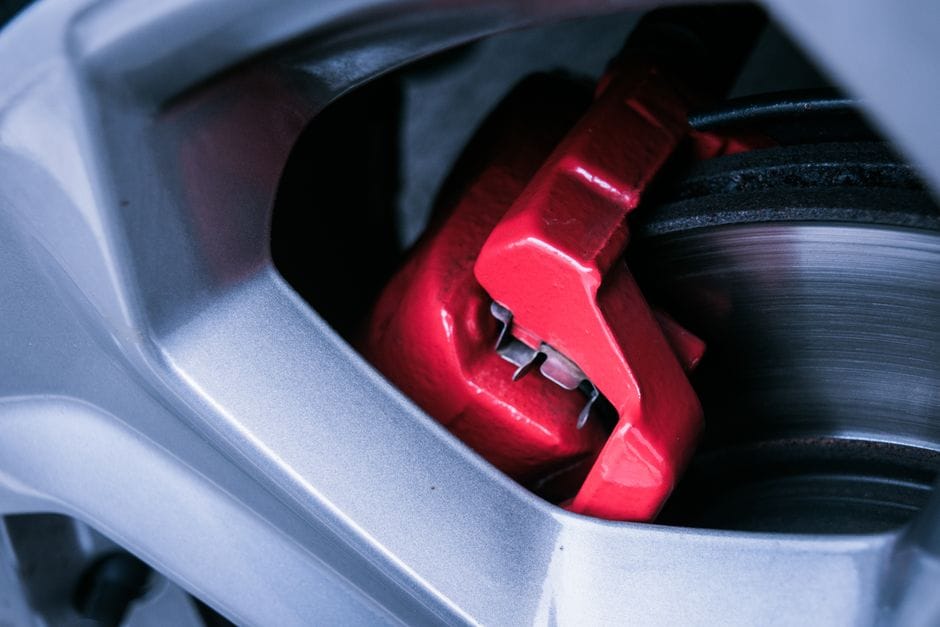
Brake fluid is a critical component, but it is not a fix-all. Knowing its limits prevents you from masking a dangerous problem. This section covers what brake fluid cannot do, no matter how high its boiling point or how fresh it is.
Brake Fluid is Not a Substitute for Mechanical Repairs
Brake fluid transmits force; it does not create it. If your brake pedal feels spongy, the cause might be air in the lines, but it could also be a seized caliper or a failed wheel cylinder. Fresh fluid will not restore clamping force from worn brake pads or a scored rotor. If stopping distance has increased, inspect the mechanical components first. A fluid flush is routine maintenance, not a repair procedure. If you suspect a hydraulic leak, check the brake lines and fittings before adding fluid. Topping off a leaking system is a temporary measure, and you should address the underlying leak immediately.
The Myth of ‘Lifetime’ Brake Fluid
Some vehicle manufacturers label certain fluids as “lifetime” fills. This is misleading. No brake fluid lasts the life of the vehicle. The hygroscopic nature of DOT 3, DOT 4, and DOT 5.1 fluids means they absorb moisture over time, lowering their boiling point. Even in a sealed system, moisture ingress occurs through microscopic pores in rubber hoses and seals. A “lifetime” claim usually refers to the service interval of the component, not the fluid itself. Published maintenance schedules still recommend periodic replacement. Follow the interval in your owner’s manual, typically every two years or 30,000 miles, whichever comes first.
Why Premium Fluid Can’t Fix a Worn Master Cylinder
The master cylinder is the pump that pushes fluid through the brake lines to the calipers. If its internal seals are worn, fluid bypasses the piston internally. The pedal sinks to the floor, and no fluid, regardless of its DOT rating, can compensate for that internal leak. The only fix is rebuilding or replacing the master cylinder. Similarly, if a brake line has collapsed or is restricted, fluid pressure will not reach the caliper effectively. Premium fluid cannot overcome a physical blockage. If your pedal is hard but braking is weak, suspect a booster issue or a collapsed hose, not the fluid grade.
Safety Note
Brake fluid is highly corrosive to painted surfaces. If you spill it, wipe it up immediately and wash the area with soap and water. Also, never mix DOT 5 silicone fluid with DOT 3, DOT 4, or DOT 5.1 glycol-based fluids. The mixture forms a gel that can clog the brake lines and lead to complete brake failure.
Understanding these limitations helps you diagnose problems correctly. If you are already checking your fluid as part of a broader maintenance routine, you might also want to review our guide on brake line inspection to catch issues before they become failures. Proper maintenance means replacing worn parts and using the correct fluid — not relying on the fluid to fix what is broken.
How to Check and Replace Your Brake Fluid
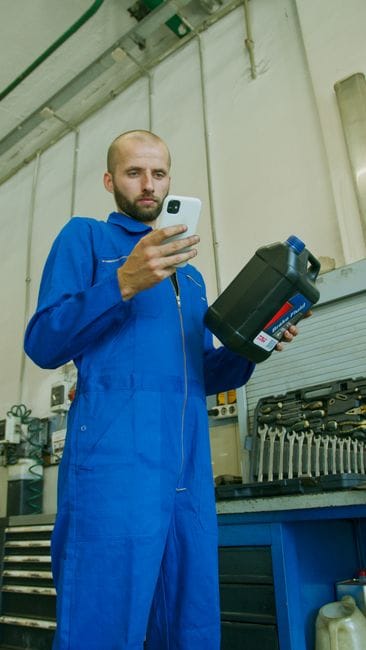
Checking your brake fluid is a five-minute job that can tell you a lot about your braking system’s health. The fluid level and condition reveal whether your system is sealed properly or if moisture has already started degrading performance. Here is how to inspect it and, when needed, perform a full brake fluid flush.
Simple Tests You Can Do at Home
Start with the reservoir. It sits on top of the master cylinder, usually against the firewall on the driver’s side. The plastic container has MIN and MAX lines. If the level sits below MIN, you either have a leak or your pads are worn thin — both need attention.
Next, look at the fluid color. Fresh brake fluid is nearly clear with a slight amber tint. As it ages and absorbs moisture, it darkens to a brown or even black color. If the fluid looks like old motor oil, it is past its useful life.
You can also do a simple brake fluid test with a test strip or an electronic tester. These tools measure the copper content or moisture level in the fluid. High copper content means the fluid has been in service too long and corrosion is occurring inside the system. A brake fluid test pen with a green-yellow-red LED indicator costs little and gives you an instant readout. If it shows yellow or red, plan a brake fluid change soon.
What the Color Tells You
Clear or light amber: healthy fluid. Dark amber: aging fluid, consider replacement. Brown or black: overdue for a brake fluid flush. Cloudy or milky: water contamination — replace immediately.
Step-by-Step Guide to a Fluid Flush
A proper brake fluid flush replaces all the old fluid in the system, not just what sits in the reservoir. Here is the process:
1. **Gather supplies.** You need fresh brake fluid (matching your vehicle’s DOT rating), a wrench for the bleeder valves, a clear hose, a catch container, and a helper (or a one-person bleeder kit).
2. **Locate the bleeder valves.** Each caliper or wheel cylinder has one. The bleeding order matters — typically start with the wheel farthest from the master cylinder (passenger rear on most vehicles) and work toward the closest.
3. **Remove old fluid from the reservoir.** Use a turkey baster or syringe to extract as much old fluid as possible. Refill with fresh fluid.
4. **Bleed each wheel.** Attach the clear hose to the bleeder valve, submerge the other end in the catch container, and have your helper press the brake pedal. Open the valve, let fluid flow until it runs clear, then close the valve before the pedal is released.
5. **Repeat until clear.** Continue until the fluid coming out matches the color of fresh fluid you put in. This usually takes two to three cycles per wheel.
6. **Top off the reservoir.** After all four wheels are done, refill to the MAX line. The fluid level will drop as you bleed, so check it frequently to avoid sucking air into the system.
Never Let the Reservoir Run Dry
If the reservoir empties during a brake fluid flush, air enters the master cylinder. Bleeding that air out is a much longer job. Keep the reservoir topped off at every step of the process.
If you are not comfortable with the bleeding process, a shop can do a brake fluid flush in about an hour. The labor cost is usually modest, and the peace of mind is worth it if you have never bled brakes before.
How Often Should You Change Brake Fluid?
Manufacturer recommendations vary, but most automakers suggest a brake fluid change every two years or 30,000 miles. Some performance vehicles specify shorter intervals because their fluid runs hotter and degrades faster. [VERIFY: Recommended brake fluid change intervals from manufacturer guidelines for common vehicle brands]
If you drive aggressively, tow heavy loads, or live in a humid climate, shorten that interval. Moisture absorption happens faster in humid areas, and hard driving heats the fluid more, accelerating the boiling point drop. A brake fluid test strip can tell you definitively whether your fluid needs changing, regardless of the calendar.
Regular brake fluid maintenance is cheap insurance. Fluid is one of the least expensive parts of your braking system, yet it is critical for safe stopping. A brake fluid change costs far less than replacing a corroded caliper or a master cylinder damaged by contaminated fluid.
Frequently Asked Questions About Brake Fluid
**Can I mix different DOT ratings of brake fluid?**
No. Mixing different DOT ratings compromises brake fluid compatibility and can lower the overall boiling point of the mixture. DOT 3 and DOT 4 fluids are both glycol-based, so they are technically miscible, but mixing them dilutes the higher-performance fluid’s properties. DOT 5 silicone fluid is not compatible with any glycol-based fluid. If you mix DOT 5 with DOT 3 or DOT 4, the fluids can separate and cause spongy pedal feel or seal damage. Stick to one DOT rating for your entire system, and always use the rating your vehicle manufacturer specifies.
**How do I know which DOT rating my car needs?**
Check your owner’s manual first. The manufacturer’s specification is the final word on brake fluid compatibility for your vehicle. Most modern cars specify DOT 4, while older vehicles often use DOT 3. Some high-performance models require DOT 5.1. If you cannot find the manual, check the brake fluid reservoir cap — most caps list the required DOT rating. When in doubt, use the manufacturer’s minimum recommendation. Going up one grade, such as from DOT 3 to DOT 4, is usually safe, but going down is not.
**Why does my brake fluid look dark or cloudy?**
Dark or cloudy brake fluid indicates contamination. Brake fluid is hygroscopic, meaning it absorbs moisture from the air over time. That moisture carries dirt and debris into the fluid, darkening its color. Cloudy fluid also suggests the boiling point has dropped significantly, which increases your risk of brake fade under hard braking. If your fluid looks dark, test it or replace it. Do not assume the color alone tells you everything — some fresh fluids are naturally amber, but they should still be transparent.
**What happens if I use the wrong brake fluid?**
Using the wrong brake fluid can damage your braking system. Silicone-based DOT 5 fluid in a system designed for glycol-based fluid can cause seal swelling, leading to leaks. A fluid with a lower boiling point than specified can boil under heavy braking, producing vapor bubbles in the lines and a soft or failed pedal. In severe cases, the wrong fluid can corrode internal components or damage the ABS modulator. [VERIFY: Specific failure modes reported for DOT 5 fluid used in ABS-equipped vehicles] If you suspect you used the wrong fluid, drain and flush the entire system immediately.
**How often should I check my brake fluid?**
Check the level and condition at every oil change, or roughly every 5,000 miles. A sudden drop in level usually indicates a leak or worn brake pads, not normal consumption. Brake fluid does not burn off like engine oil — the level should stay relatively consistent between changes. If you notice the level dropping steadily, inspect the brake lines, calipers, and master cylinder for leaks before topping off.
**Can I do a brake fluid flush myself?**
Yes, with the right tools and care. A basic flush requires a wrench, clear tubing, a catch container, and fresh fluid. You bleed each brake caliper in the correct order, starting with the one farthest from the master cylinder. The process is messy and takes about an hour, but it is achievable for a DIY owner. The main risk is introducing air into the system, which creates a spongy pedal. If you have never bled brakes before, practice on a less critical vehicle or watch a detailed tutorial. For vehicles with ABS, some manufacturers recommend a scan tool to cycle the ABS valves during the flush — [VERIFY: Which vehicle brands require a scan tool for proper ABS brake fluid flushing] — so check your service manual first.
Final Verdict: Choosing the Right Brake Fluid for Your Car
Brake fluid is the lifeblood of your braking system—a hydraulic fluid that transfers the force from your foot on the pedal directly to the calipers and drums at each wheel. Its most critical attributes are boiling point (both dry and wet), chemical composition (glycol-based vs. silicone-based), and viscosity at extreme temperatures. These three factors determine everything from everyday pedal feel to high-performance track-day safety.
Your choice isn’t about which fluid is “best” in the abstract—it’s about matching the fluid’s attributes to your vehicle’s requirements and your driving conditions. The wrong fluid can lead to brake fade, corrosion, or even complete brake failure, while the right one is invisible insurance for every stop you make.
Our Top Pick: DOT 4 for Most Drivers
For the vast majority of daily drivers and weekend enthusiasts, DOT 4 synthetic fluid is the optimal balance of performance, compatibility, and cost. Its dry boiling point of 446°F (230°C) and wet boiling point of 311°F (155°C) provide a significant safety margin over DOT 3, while its glycol-ether base ensures full compatibility with virtually all modern braking systems, including those with ABS and traction control. The lubricity of DOT 4 also helps protect seals and moving parts, extending the life of your master cylinder and calipers.
Unless you’re tracking your car or towing heavy loads regularly, DOT 4 gives you headroom without the premium price tag or the maintenance quirks of higher-performance fluids.
Decision Framework: Match the Fluid to Your Needs
Decision Framework: Details
Here’s a straightforward way to make your final call based on your specific situation:
If you drive a standard commuter vehicle and want reliable, low-maintenance performance, choose DOT 3 because it meets the minimum requirements of most OEMs and is the most affordable option—just be prepared to flush it more frequently (every 2 years) due to its lower wet boiling point.
If you want the best balance of performance and longevity for daily driving, choose DOT 4 because its higher wet boiling point (311°F) gives you more safety margin against brake fade in stop-and-go traffic or mountain descents, and it lasts longer between changes.
If you drive a modern vehicle with ABS, stability control, or a hybrid/EV system, choose DOT 4 Low-Viscosity (LV) because its thinner viscosity at low temperatures (≤750 mm²/s at -40°C) allows the small solenoids in ABS units to actuate faster, improving intervention precision.
If you’re a track-day enthusiast or tow heavy loads, choose DOT 5.1 because its dry boiling point of 500°F+ (260°C+) resists brake fade under sustained hard braking, while remaining glycol-based for ABS compatibility.
If you own a classic car or a vehicle that sits for long periods, choose DOT 5 silicone because it doesn’t absorb moisture, so it won’t corrode brake lines during storage—but only if you’ve confirmed your seals are silicone-compatible and you don’t have ABS.
What Our Top Pick Cannot Do
Understanding Our Top Pick Cannot Do
Let’s be honest about DOT 4’s limitations. It cannot match the extreme boiling point of DOT 5.1 under sustained track conditions—if you’re doing repeated hot laps, you’ll boil DOT 4 and experience pedal fade. It also cannot protect against moisture absorption indefinitely; DOT 4 is hygroscopic by design, meaning it will absorb water over time, which lowers its boiling point. And it cannot be mixed with DOT 5 silicone fluid—doing so creates a gel that can clog your brake system entirely.
If your vehicle’s owner’s manual specifies a particular DOT rating, that’s your floor—never go below it. And regardless of which fluid you choose, the most important maintenance habit is regular flushing every 2 years or 30,000 miles, because even the best fluid degrades with moisture absorption.
Your move: Check your owner’s manual for the minimum DOT rating, assess your driving conditions honestly, and choose the fluid that gives you the most safety margin for
your specific needs. If you’re still uncertain, consult a trusted mechanic—they can inspect your brake system’s condition and recommend a fluid that matches both your vehicle and your driving habits.
Remember: brake fluid is not a place to cut corners. A $10 bottle of the right fluid can prevent a $1,500 brake system repair—or far worse, an accident. Invest the small amount of time and money to get it right, and your brakes will reward you with consistent, confident stopping power for years to come.