Brake Fluid Types: DOT 3, DOT 4, DOT 5.1 Explained
Your brakes feel spongy after a long highway drive, or the pedal drops a bit too far when you really need them. Many drivers ignore these signs until a scary moment in traffic. The culprit often hides in your brake fluid.
Brake fluid transfers force from your foot to the calipers. Wrong choice or old fluid leads to soft pedals and longer stopping distances.
As a master technician with over 15 years under the hood, I have seen every mistake. This guide breaks down the real differences so you pick the right fluid and keep your stops sharp.
What Are the Main Brake Fluid Types Drivers Use Today?
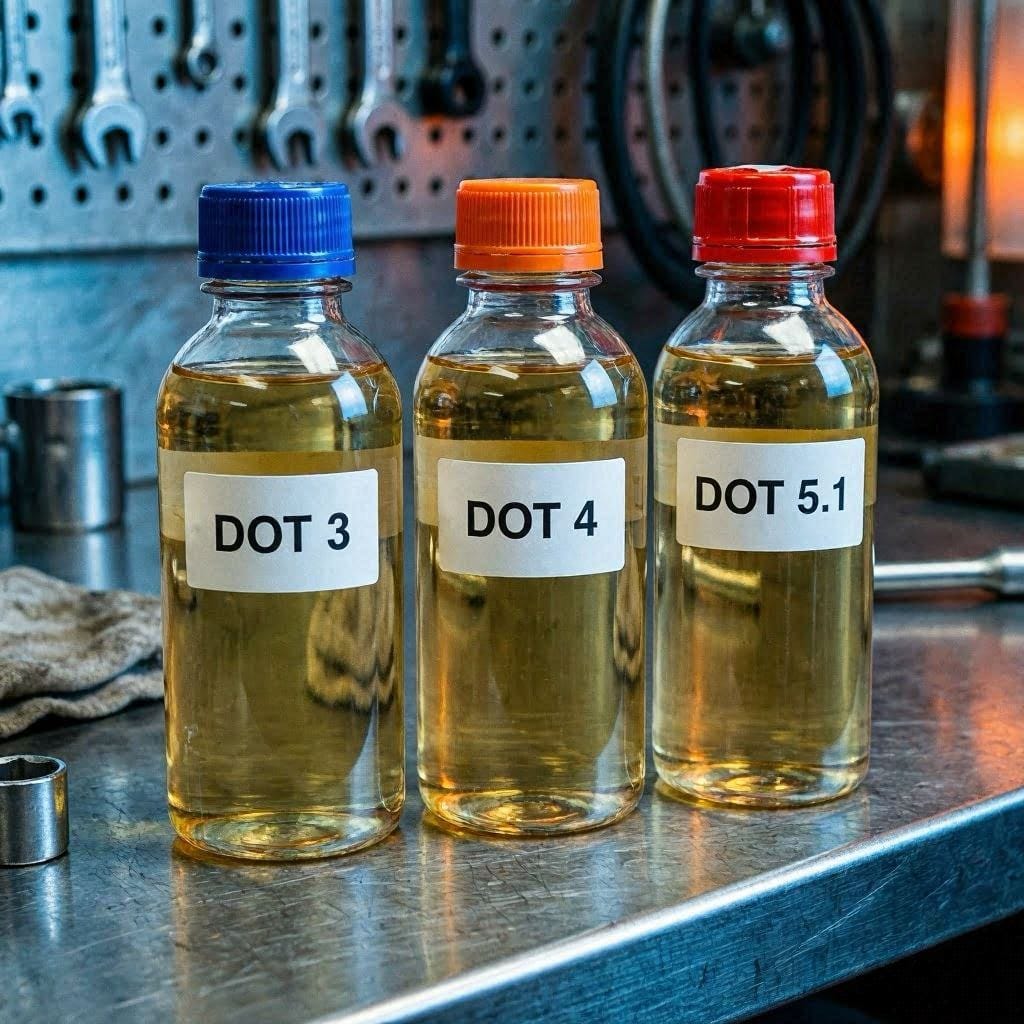
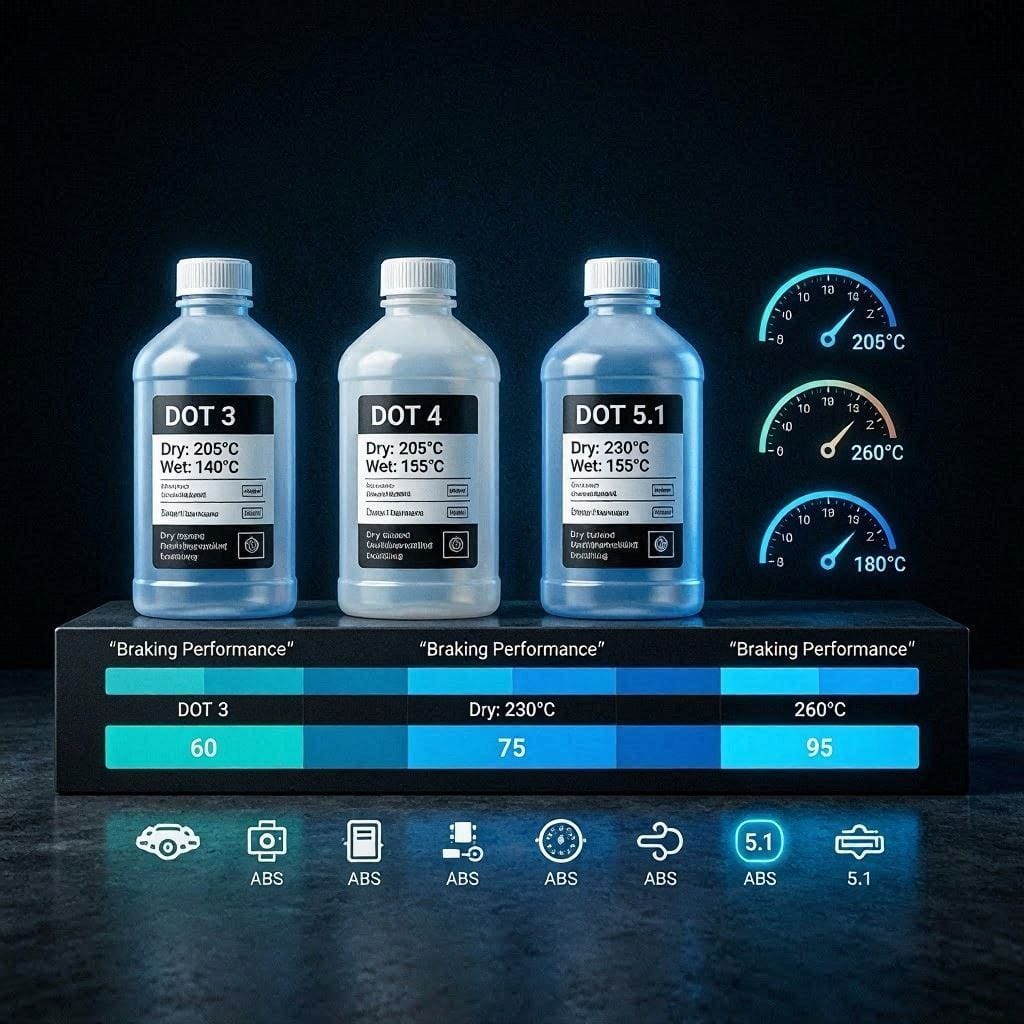
DOT 3, DOT 4, and DOT 5.1 make up the common glycol-based options for most vehicles. DOT 3 serves everyday cars with a minimum dry boiling point of 205°C (401°F) and wet boiling point of 140°C (284°F). DOT 4 raises those numbers to 230°C (446°F) dry and 155°C (311°F) wet. DOT 5.1 pushes further with 260°C (500°F) dry and 180°C (356°F) wet.
These fluids all absorb moisture over time. Higher DOT ratings handle heat better before they boil and create vapor that makes the pedal soft.
Insider tip: Check your owner’s manual first. Many modern cars specify DOT 4 or higher. Using lower-rated fluid in a high-demand system drops performance fast.
How Do DOT 3, DOT 4, and DOT 5.1 Brake Fluids Differ in Real Use?
DOT 3 works fine for city driving and light commuting. It costs less but absorbs water quicker, so you change it more often. DOT 4 adds borate esters that improve stability and raise the boiling point. Most European cars and trucks call for it.
DOT 5.1 offers the highest performance among glycol fluids while staying fully compatible with DOT 3 and DOT 4 systems. It flows better in cold weather and handles aggressive braking or towing without fading as quickly.
Real specs matter here. A quality DOT 5.1 often exceeds minimums with dry points near 270°C+ and wet points around 183°C.
DOT 3: 205°C dry / 140°C wet – Best for basic use
DOT 4: 230°C dry / 155°C wet – Most popular upgrade
DOT 5.1: 260°C dry / 180°C wet – High performance & ABS-friendly
Can You Mix Different Brake Fluid Types Safely?
You can mix DOT 3, DOT 4, and DOT 5.1 because they share glycol chemistry. The mixture performs at the level of the lowest-rated fluid present. Always top up with the same or higher spec for best results.
Never mix any glycol fluid with DOT 5 silicone-based fluid. They react badly and create sludge that ruins seals and clogs lines.
Insider tip: Flush the entire system when switching specs instead of just topping off. Fresh fluid restores full braking power.
Which Brake Fluid Works Best for Performance Driving?
 Brake Fluid Types: DOT 3, DOT 4, DOT 5.1 Explained” width=”1024″ height=”1024″ srcset=”https://vehiclebar.com/wp-content/uploads/2026/05/4ac26593-23a8-4c29-9ac3-56ad84b499c7.jpg 1024w, https://vehiclebar.com/wp-content/uploads/2026/05/4ac26593-23a8-4c29-9ac3-56ad84b499c7-300×300.jpg 300w, https://vehiclebar.com/wp-content/uploads/2026/05/4ac26593-23a8-4c29-9ac3-56ad84b499c7-150×150.jpg 150w, https://vehiclebar.com/wp-content/uploads/2026/05/4ac26593-23a8-4c29-9ac3-56ad84b499c7-768×768.jpg 768w” sizes=”auto, (max-width: 1024px) 100vw, 1024px” />
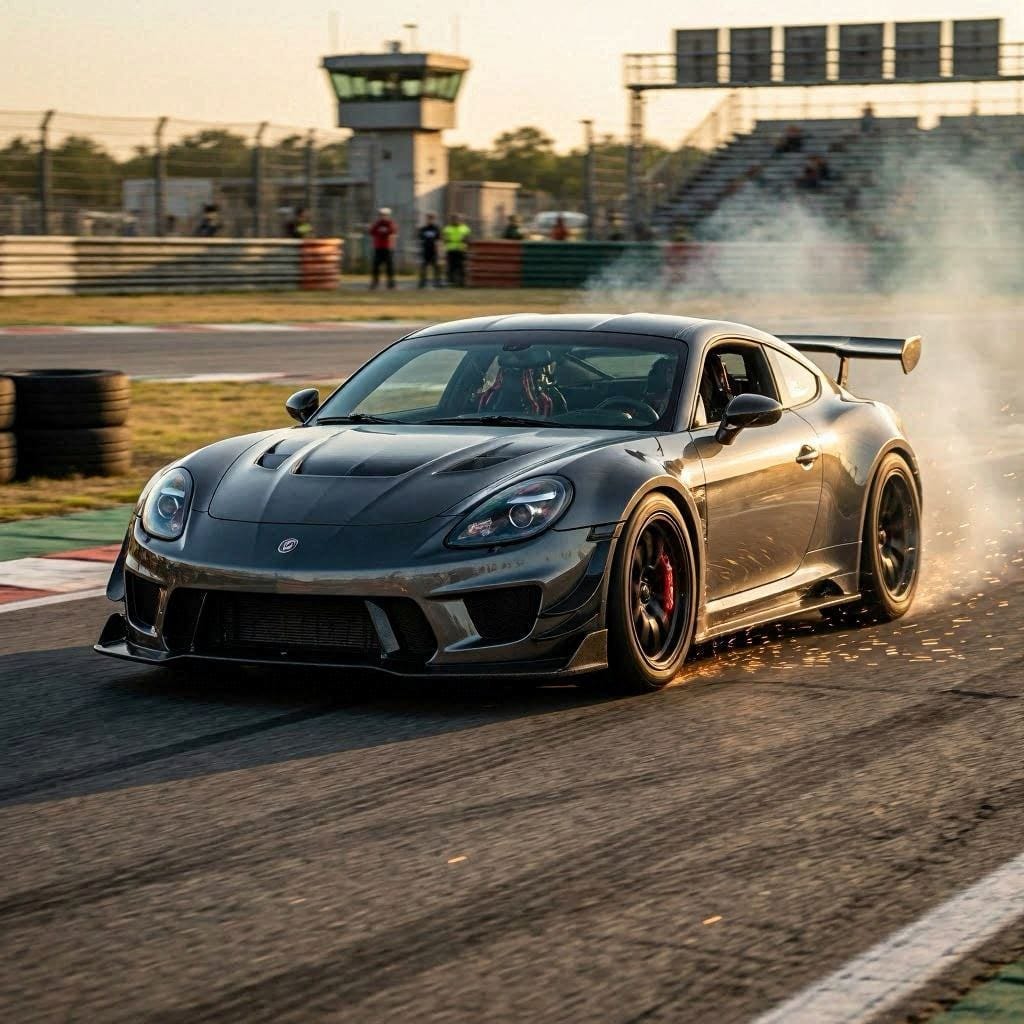
Performance drivers need higher boiling points to fight brake fade on tracks or mountain roads. Many choose high-end DOT 4 racing fluids or DOT 5.1 for street and spirited driving.
Brands like Motul RBF 600 (DOT 4), ATE TYP 200, and premium DOT 5.1 options deliver dry boiling points over 300°C in racing formulas.
Best fluid brands include Valvoline SynPower, Bosch ESI6, and Motul for reliable street use. Match the label to your vehicle’s demands.
How Often Should You Change Brake Fluid?
Change brake fluid every 2 years or 30,000 miles, whichever comes first. Moisture absorption drops the wet boiling point and causes internal corrosion.
Heavy towing, mountain driving, or track use shortens this interval to 1 year or less.
Insider tip: Test moisture content with a simple brake fluid tester tool. Readings above 3% mean immediate service.
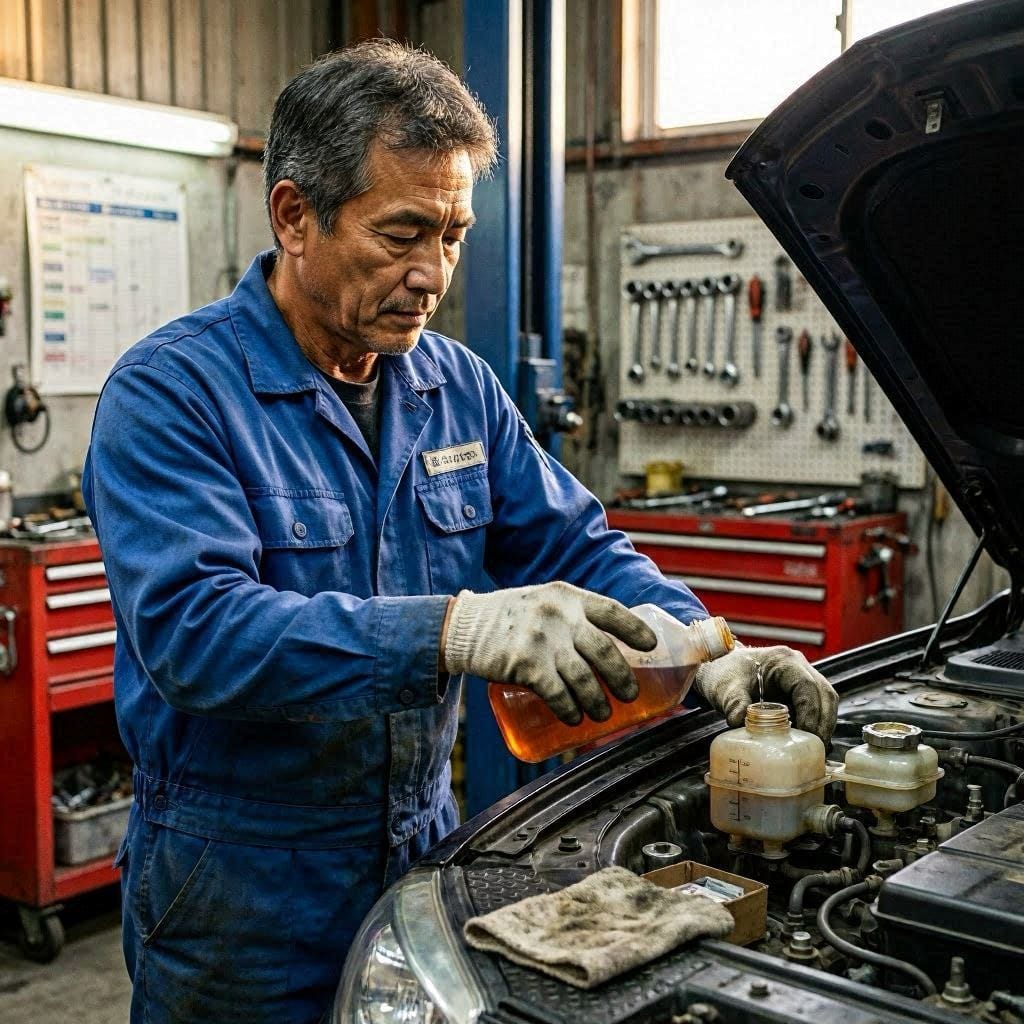
Step-by-Step Guide to Flush and Bleed Brake Fluid
 Brake Fluid Types: DOT 3, DOT 4, DOT 5.1 Explained” width=”1024″ height=”1024″ srcset=”https://vehiclebar.com/wp-content/uploads/2026/05/23c50205-5390-481d-be1d-726b68c3a2f5.jpg 1024w, https://vehiclebar.com/wp-content/uploads/2026/05/23c50205-5390-481d-be1d-726b68c3a2f5-300×300.jpg 300w, https://vehiclebar.com/wp-content/uploads/2026/05/23c50205-5390-481d-be1d-726b68c3a2f5-150×150.jpg 150w, https://vehiclebar.com/wp-content/uploads/2026/05/23c50205-5390-481d-be1d-726b68c3a2f5-768×768.jpg 768w” sizes=”auto, (max-width: 1024px) 100vw, 1024px” />
You need these tools: brake fluid catch bottle, 10-11mm wrench (check your bleeder size), clear tubing, brake fluid syringe or turkey baster, and fresh DOT 4 or 5.1 fluid.
- Park on level ground and remove the master cylinder cap.
- Suck out old fluid from the reservoir with the syringe.
- Fill with new fluid to the MAX line.
- Start at the wheel farthest from the master cylinder (usually passenger rear).
- Attach tubing to the bleeder screw and route it into the catch bottle.
- Have a helper pump the pedal 3-4 times and hold it down.
- Open the bleeder ¼ turn until fluid flows clear with no bubbles.
- Close the bleeder, then repeat for each wheel in order.
Safety note: Wear gloves and eye protection. Brake fluid damages paint instantly—wipe spills immediately with water.
Does Brake Fluid Type Affect ABS and Modern Safety Systems?
Yes. DOT 5.1 flows better at low temperatures and works well with ABS and stability control. Standard DOT 4 also performs reliably in most systems.
Silicone DOT 5 often causes issues in ABS because it aerates more easily. Stick with glycol fluids for vehicles built after the mid-1990s.
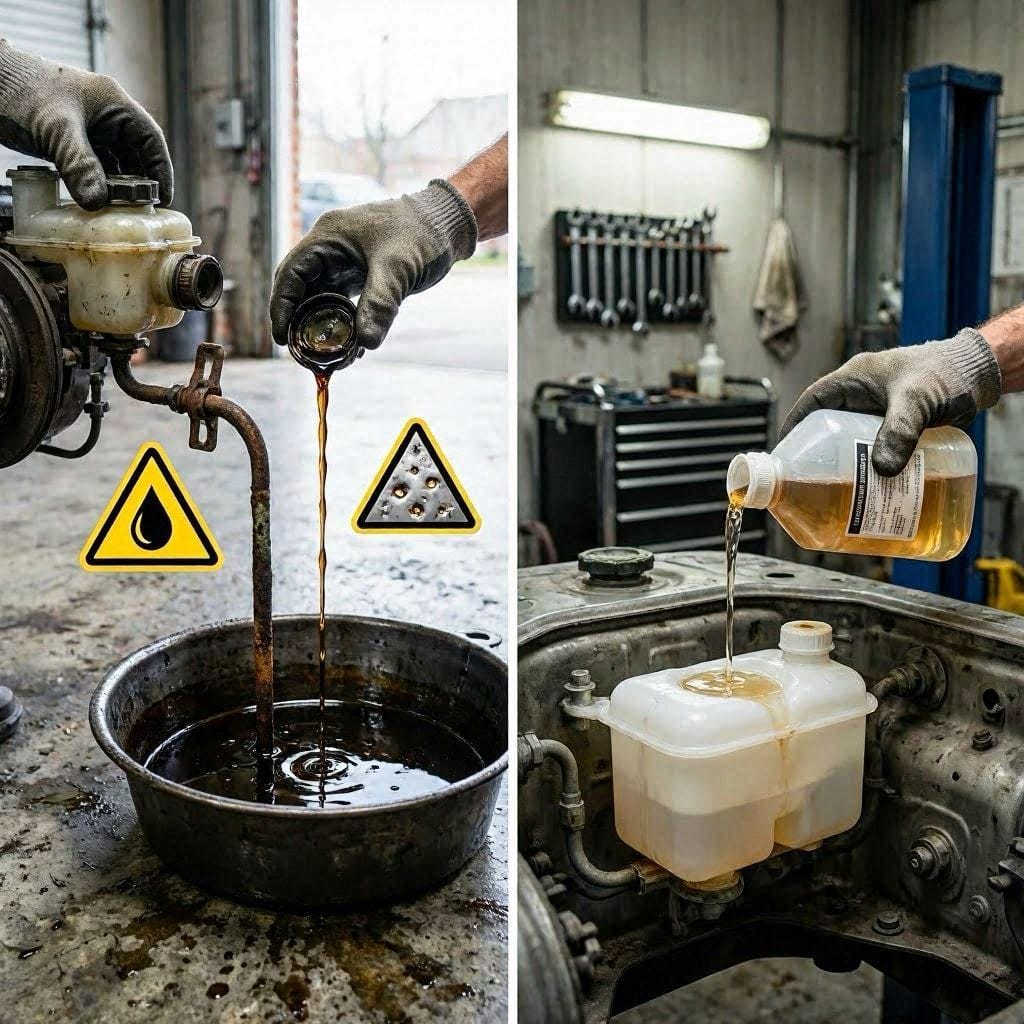
What Damages Brake Fluid and Shortens Its Life?
 Brake Fluid Types: DOT 3, DOT 4, DOT 5.1 Explained” width=”1024″ height=”1024″ srcset=”https://vehiclebar.com/wp-content/uploads/2026/05/df88675e-e8a2-4665-a302-9f01b4406e5b.jpg 1024w, https://vehiclebar.com/wp-content/uploads/2026/05/df88675e-e8a2-4665-a302-9f01b4406e5b-300×300.jpg 300w, https://vehiclebar.com/wp-content/uploads/2026/05/df88675e-e8a2-4665-a302-9f01b4406e5b-150×150.jpg 150w, https://vehiclebar.com/wp-content/uploads/2026/05/df88675e-e8a2-4665-a302-9f01b4406e5b-768×768.jpg 768w” sizes=”auto, (max-width: 1024px) 100vw, 1024px” />
Heat from repeated hard braking boils the fluid. Moisture from the air lowers performance. Contaminated fluid from dirty reservoirs causes corrosion in calipers and lines.
Store bottles tightly sealed. Opened fluid absorbs water quickly—use it within a month.
Insider tip: Replace the cap gasket on your master cylinder if it looks cracked. This small part keeps moisture out.
Cost Comparison: Which Option Saves Money Long Term?
Basic DOT 3 runs $5-8 per quart. Quality DOT 4 costs $8-12. Premium DOT 5.1 lands around $12-18. Racing fluids go higher but last longer under stress.
A full flush uses 1-1.5 liters on most cars. Spending a few extra dollars on better fluid prevents expensive caliper repairs later.
DOT 3: $6
DOT 4: $10
DOT 5.1: $15
Racing DOT 4: $25+
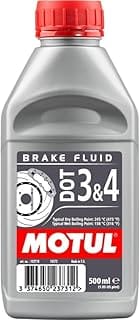
Top Brake Fluid Types – Our Picks
Common Brake Fluid Myths Mechanics Hear Every Week
“Any fluid works fine.” Wrong—match the spec. “Synthetic lasts forever.” No fluid does; all need regular replacement. “Dark color means it’s bad.” Color varies by brand, but moisture level matters more.
FAQ
Can I switch from DOT 3 to DOT 4 without flushing? You can top up, but a full flush gives better results and the full boiling point benefit.
Is DOT 5.1 brake fluid worth the extra cost? Yes for vehicles with ABS, ESP, or those used for towing and spirited driving. The improved cold flow and higher heat resistance pay off.
What happens if I use the wrong brake fluid type? Using lower-rated fluid reduces safety margin. Mixing glycol with silicone can destroy seals and cause total brake failure.
How do I know which brake fluid my car needs? Check the master cylinder cap or owner’s manual. Most modern cars specify DOT 4 or DOT 5.1.
Conclusion
Your brakes work hard every single day. Choosing the right brake fluid type protects you and your passengers when stopping power counts most. DOT 3 handles basic needs, DOT 4 covers most daily drivers well, and DOT 5.1 delivers extra confidence for demanding conditions.
Stay ahead of moisture and heat by changing fluid on schedule. Use quality products from trusted best fluid brands, and never guess on compatibility. A proper flush takes an afternoon but delivers years of firm, reliable pedal feel.
Drive safe out there. Your brakes deserve the best care possible.
You might also like: Sticky Brake Caliper Symptoms: Diagnosis Guide, Electronic Brake Force Distribution (EBD): Explained, ABS Sensor Cleaning: Remove Metal Shavings