Guide to OEM Vs Aftermarket Rotors in 2026 (Hands-On Review)
Choosing new brake rotors can feel a bit like sifting through a giant parts catalog, especially when you’re weighing the decision between OEM vs aftermarket rotors. You’re trying to figure out if spending more for an original part is truly worth it, or if an aftermarket option can give you better performance or savings without compromising safety. It’s a common dilemma, and the right choice really depends on your vehicle, your driving style, and what you expect from your brakes.
The fact is, all brake rotors have to meet certain safety standards, like those outlined by the National Highway Traffic Safety Administration (NHTSA) for vehicle braking systems, but how they achieve that and what they offer beyond the minimum can vary wildly. Let’s break down what each option brings to the table so you can make a confident decision for your next brake service.
Quick Answer: Making the Right Brake Rotor Choice
The “right” brake rotor comes down to a balance of performance, cost, and intended use. Original Equipment Manufacturer (OEM) rotors generally offer guaranteed fitment, consistent quality, and reliability, replicating your car’s factory braking performance. Aftermarket rotors, on the other hand, provide a wider range of options, from budget-friendly replacements to high-performance upgrades, sometimes at a lower price point or with specialized features like enhanced heat dissipation. For most daily drivers, an OEM or a quality “OEM-equivalent” aftermarket rotor is a solid choice.
If you’re into track driving or heavy towing, premium aftermarket options often make more sense.
What Are Brake Rotors, Anyway? A Quick Explainer
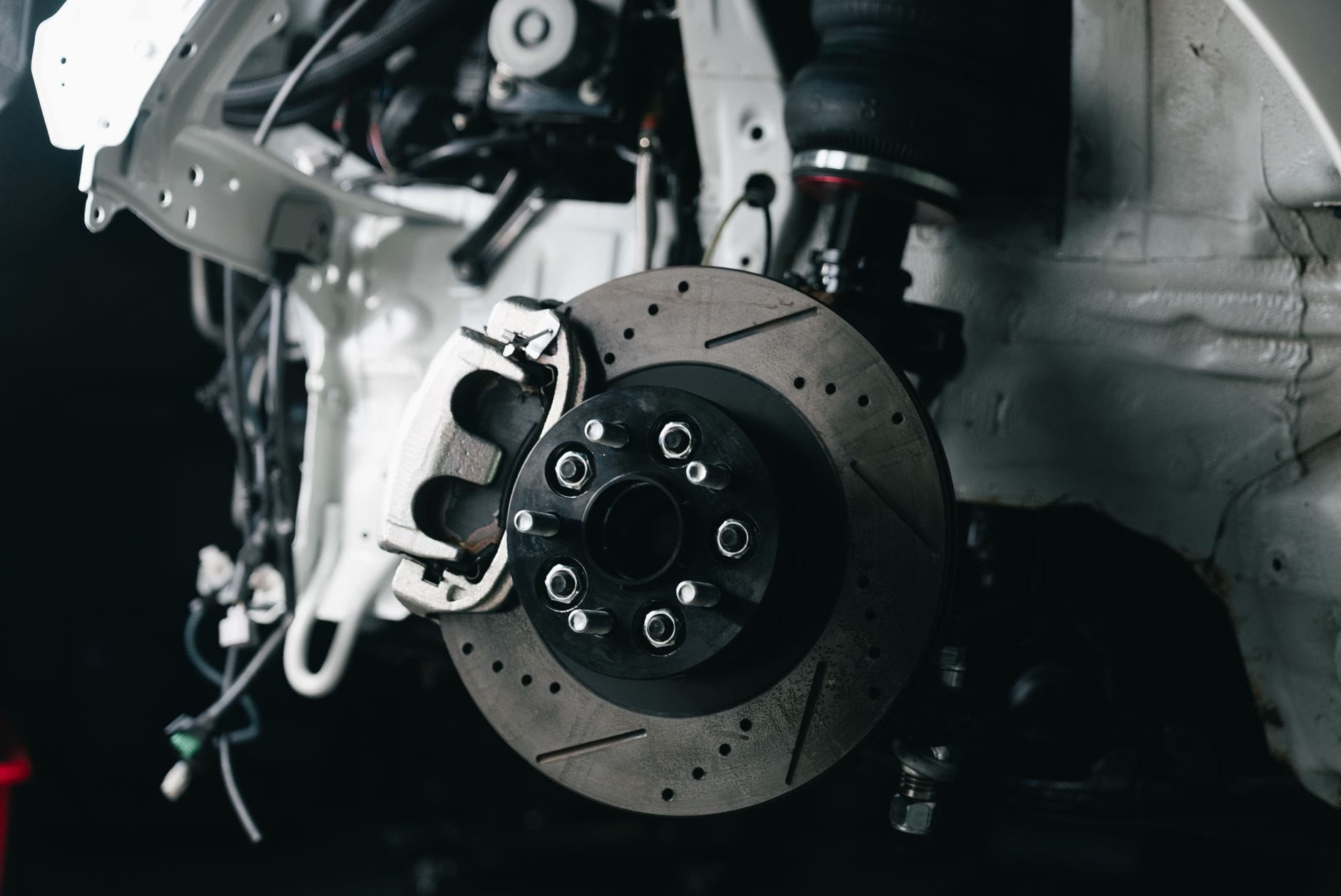
Brake rotors, often called brake discs, are crucial components of your vehicle’s braking system. They’re metal discs attached to your car’s wheels that work with the brake pads to slow or stop your vehicle. When you press the brake pedal, the brake calipers squeeze the pads against the rotor, creating friction. This friction converts the kinetic energy of your moving car into heat, which then dissipates, bringing your vehicle to a halt.
Without well-functioning rotors, your brakes simply can’t do their job effectively, leading to longer stopping distances and potential safety hazards. They’re a wear item, meaning they gradually thin and sometimes develop surface imperfections like grooves or warping over time, necessitating replacement to maintain optimal braking performance.
Diving Deep: The Anatomy of a Brake Rotor
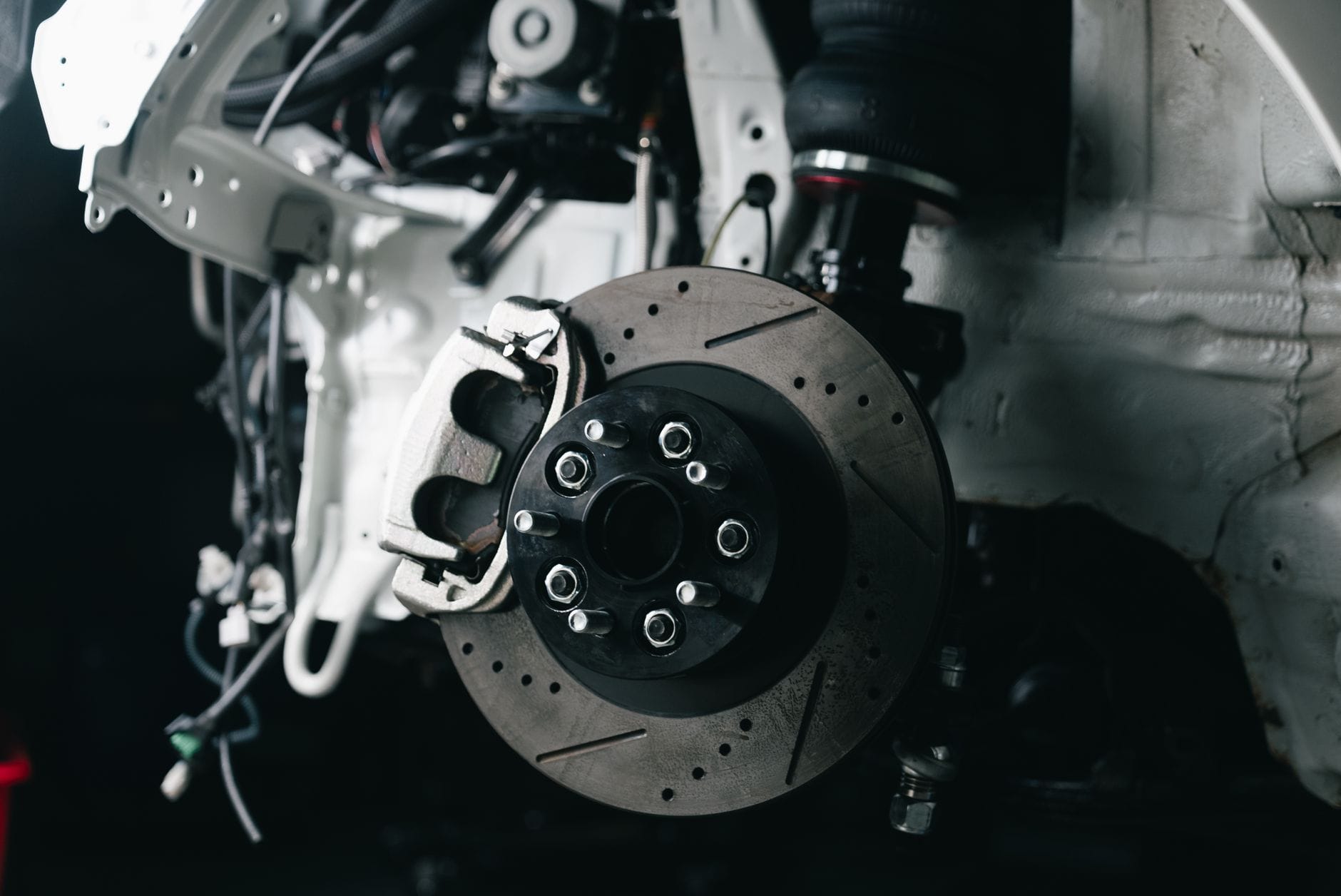
Image source: Pexels / Erik Mclean (Pexels License)
While a brake rotor might look like a simple metal disc, there’s quite a bit of engineering that goes into its design and materials. Understanding these features helps you appreciate the differences between various options on the market. Manufacturers constantly refine rotor characteristics to improve things like heat management, durability, and noise suppression.
Rotor Material Matters: Cast Iron, High-Carbon, and Beyond
Most brake rotors are made from cast iron, specifically grey cast iron, known for its good thermal conductivity and wear resistance. However, within the cast iron family, you’ll find variations:
- Standard Cast Iron: This is the most common and cost-effective material. It’s perfectly adequate for daily driving conditions and standard vehicle applications.
- High-Carbon Cast Iron: This material has a higher carbon content, which improves its ability to absorb and dissipate heat more effectively. This reduces the likelihood of brake fade and pulsation, making it a popular choice for performance-oriented aftermarket rotors and heavier vehicles.
- Ceramic-Composite: You’ll typically find these on high-performance sports cars or luxury vehicles. They’re incredibly lightweight and offer exceptional fade resistance and longevity, but they come with a significantly higher price tag, as of 2026.
Design Differences: Solid, Vented, Drilled, and Slotted Rotors
Design Differences: Details
The physical design of a rotor plays a huge role in its performance, especially regarding heat management. Different designs cater to specific needs:
- Solid Rotors: These are single, solid discs, typically found on the rear wheels of many smaller or older vehicles, or as an economical option where less braking force is required. They’re simple and inexpensive but don’t dissipate heat as efficiently as vented designs.
- Vented Rotors: The most common type for front wheels, these consist of two disc plates separated by cooling fins or vanes. This design creates airflow through the rotor, significantly improving heat dissipation and reducing brake fade.
- Drilled Rotors (Cross-Drilled): These rotors feature holes drilled through the disc surface. The primary benefit is improved heat dissipation and better performance in wet conditions, as the holes help clear water and gasses. However, they can be prone to cracking under extreme stress if not manufactured correctly.
- Slotted Rotors: These have grooves or slots cut into the rotor surface. Like drilled rotors, slots help sweep away gasses, dust, and water, maintaining consistent pad contact and improving initial bite. They’re generally more durable than drilled rotors for performance applications, as they don’t introduce stress risers that can lead to cracking.
OEM Rotors: Built for Consistency and Trust
Original Equipment Manufacturer (OEM) rotors are quite simply the exact same parts that came on your vehicle when it rolled off the assembly line. They’re designed by your car’s manufacturer to meet specific performance, safety, and durability standards for your particular model. When you buy an OEM rotor, you’re getting a part that is guaranteed to fit perfectly and perform precisely as the vehicle was originally engineered. This means you can expect the same braking feel and stopping power as when your car was new.
For many drivers, especially those who prioritize reliability and want to maintain their vehicle’s original characteristics, OEM rotors are the go-t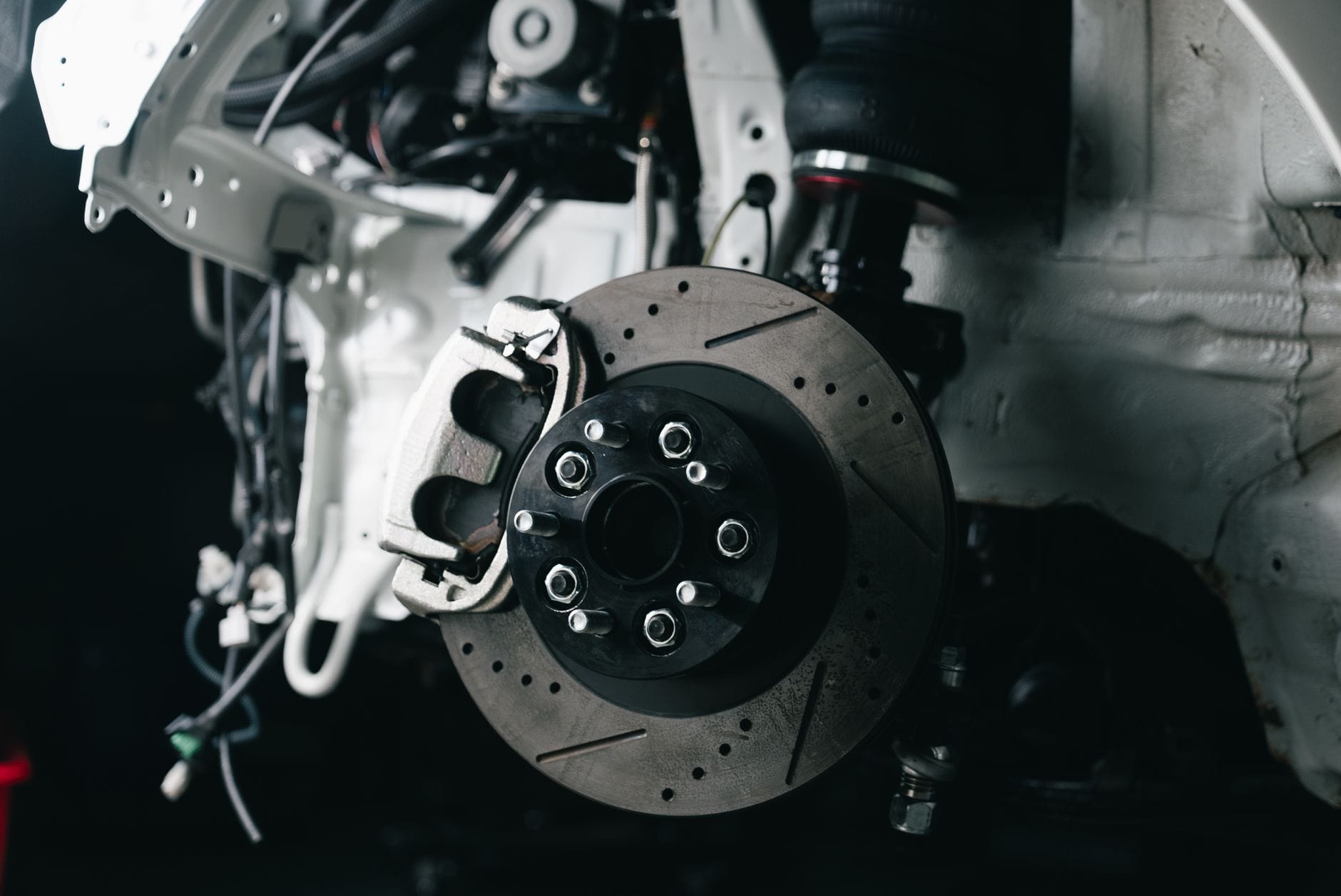 6/06/oem-brake-rotor-close-up-mqny4emy.jpg” alt=”OEM brake rotor close up”>
The Benefits of Sticking with OEM Rotors
Choosing OEM brake rotors offers several compelling advantages:
- Guaranteed Fitment and Compatibility: You know these rotors will fit your vehicle perfectly without any modifications. This is a huge plus for DIYers and professional mechanics alike, preventing installation headaches.
- Consistent Quality and Performance: OEM parts are manufactured to strict specifications and undergo rigorous testing. You can trust that they’ll deliver the same braking performance, noise levels, and lifespan as your original rotors.
- Maintained Vehicle Warranty: Using OEM parts often helps ensure your vehicle’s warranty remains intact, especially for specific brake components. Always check your car’s warranty fine print, of course.
- Predictable Driving Experience: If you appreciate the feel of your car’s brakes exactly as they were designed, OEM rotors deliver that consistency. There won’t be any surprises in pedal feel or stopping distances.
The Drawbacks of OEM Rotors
While OEM rotors offer great reliability, they do come with a couple of downsides:
- Higher Cost: Generally, OEM rotors are more expensive than most aftermarket alternatives. This can be a significant factor if you’re on a tight budget or need to replace all four rotors.
- Limited Options: You’re limited to the manufacturer’s standard design and material. If you want specialized features like cross-drilling, slotting, or unique materials for enhanced performance or aesthetics, OEM often won’t offer those.
Aftermarket Rotors: Options Galore for Every Driver
Aftermarket brake rotors are parts manufactured by companies other than your vehicle’s original maker. These can range from “OEM-equivalent” replacements that aim to match the factory part’s performance and fit, to high-performance upgrades designed for specific driving conditions. The aftermarket is a vast landscape, offering a wide array of choices in terms of materials, designs, and price points. This variety is often what draws people to explore aftermarket options.
Aftermarket manufacturers specialize in brake components, so they often innovate with new materials or designs that aren’t available from OEM suppliers. You might find rotors with special coatings to prevent rust or advanced vane designs for better cooling.
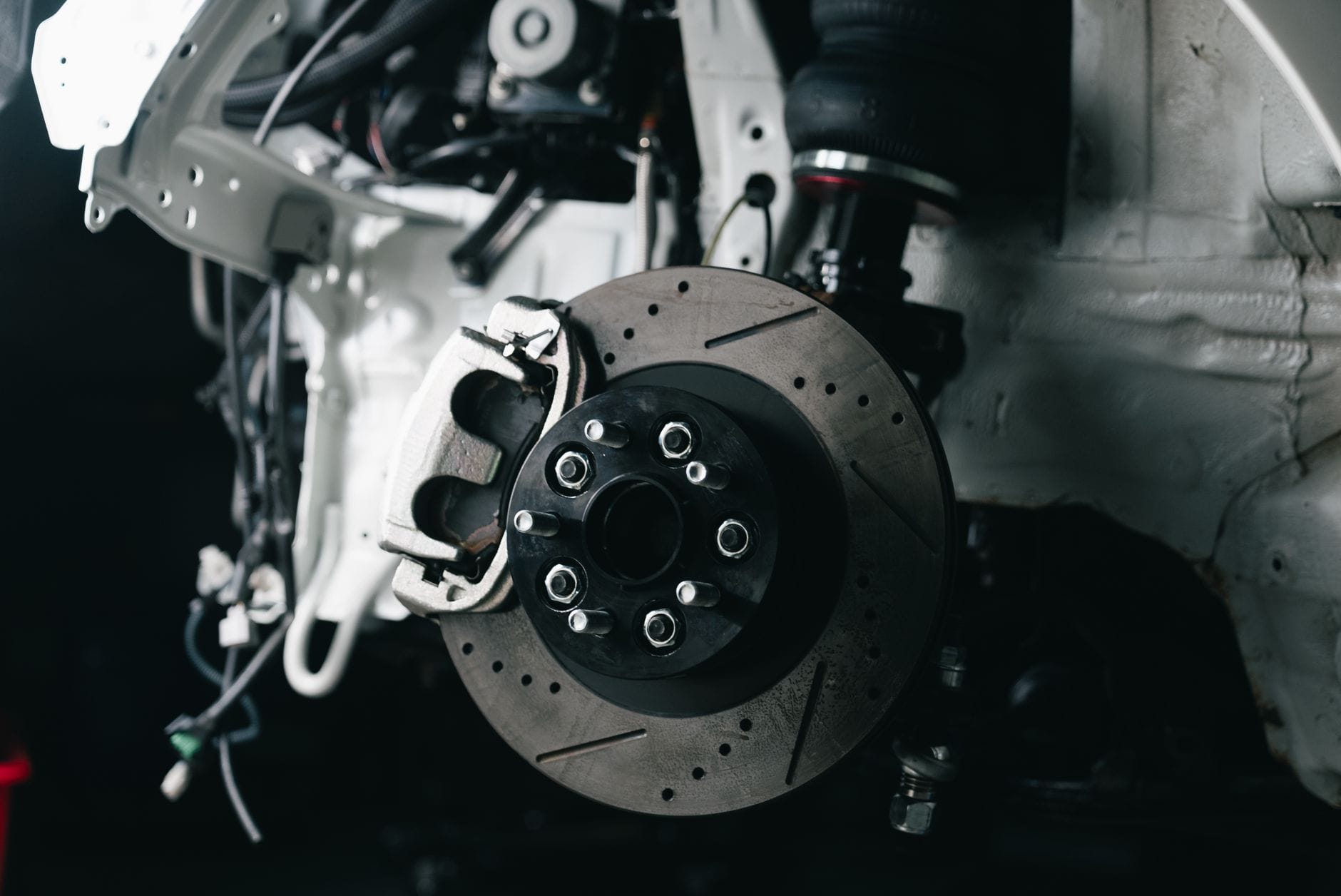
Premium Aftermarket Rotors: Upgrades and Enhancements
Premium aftermarket rotors are where you often see significant performance improvements over stock parts. These are designed for drivers who demand more from their braking system, whether for spirited driving, track days, or heavy-duty use.
- High-Carbon and Alloy Blends: Many premium rotors use high-carbon cast iron or special alloy blends that handle heat better and resist warping.
- Advanced Designs: You’ll find a lot of drilled, slotted, or even two-piece rotors here. These designs are engineered to improve heat dissipation, reduce brake fade, and maintain consistent performance under extreme conditions.
- Corrosion Protection: Often, these rotors come with specialized coatings, like zinc plating, which offer better protection against rust and corrosion, extending their lifespan, especially in harsh climates.
Budget Aftermarket Rotors: Cost Savings, But At What Cost?
On the other end of the spectrum are budget aftermarket rotors. These are typically designed to be the most affordable replacement option available. They aim to meet basic safety standards but might cut corners on materials, manufacturing tolerances, or protective coatings to keep costs down.
- Standard Materials: Usually made from basic cast iron, sometimes with lower carbon content.
- Simpler Designs: Expect solid or basic vented designs, without the performance-enhancing features like drilling or slotting.
- Less Corrosion Resistance: Often lack advanced anti-corrosion coatings, meaning they might rust more quickly, especially if the vehicle sits for periods or operates in wet, salty environments.
While they save money upfront, budget rotors might not last as long, could be more prone to noise or pulsation, and might not offer the same consistent braking performance as OEM or premium aftermarket alternatives.
The Pros of Choosing Aftermarket Rotors
Aftermarket rotors offer a compelling list of advantages for many vehicle owners:
- Wider Selection and Customization: You get a huge range of choices in terms of material, design, and features. This allows you to tailor your brake system to your specific driving needs, whether that’s daily commuting, towing, or track performance.
- Potential Performance Upgrades: Many aftermarket options offer improved heat management, better bite, or enhanced durability compared to standard OEM parts, especially in the premium segments.
- Cost Savings: Often, you can find aftermarket rotors that are significantly cheaper than their OEM counterparts, which can save you a good chunk of money, particularly if you’re replacing all four rotors.
- Innovation: Aftermarket companies frequently introduce new technologies and improvements faster than vehicle manufacturers, pushing the envelope in brake performance and longevity.
The Cons of Aftermarket Rotors
It’s not all sunshine and roses with aftermarket parts; there are a few drawbacks to consider:
- Varying Quality: The biggest challenge is the inconsistency in quality. Some aftermarket brands produce excellent products, while others might sell parts with poor materials or manufacturing tolerances that can lead to premature wear, noise, or even safety issues. You really need to do your homework.
- Fitment Issues: While most reputable aftermarket brands strive for perfect fitment, there’s always a slight chance of encountering minor compatibility problems, especially with lesser-known brands.
- Warranty Concerns: Using certain aftermarket parts could potentially void parts of your vehicle’s warranty, though this is less common for “OEM-equivalent” brake components. It’s always a good idea to check your vehicle’s specific warranty terms.
- Noise and Vibration: Some performance-oriented aftermarket designs, like heavily drilled or slotted rotors, can sometimes introduce more brake noise (like a whooshing sound) or minor vibrations, which might not be ideal for everyday driving comfort.
OEM vs. Aftermarket Rotors: A Side-by-Side Comparison
To truly understand the choice, it helps to see the key differences laid out clearly. We’re looking at various factors, from initial cost to long-term performance and the level of engineering you can expect. This comparison should give you a clearer picture of where each option stands.
| Feature / Attribute | OEM Rotors | Aftermarket Rotors (General) |
|---|---|---|
| Initial Cost | Typically higher | Varies widely from significantly lower to much higher (for premium) |
| Quality Control | Stringent, factory-matched | Varies greatly by brand, some excellent, some poor |
| Fitment | Guaranteed perfect | Usually good, but can vary; check reviews for specific brands |
| Performance | Matches original factory specifications | Can match, exceed (premium), or fall short (budget) |
| Material Options | Limited to factory standard | Wide range, including high-carbon, ceramic, specialized alloys |
| Design Options | Limited to factory solid or vented | Many options: drilled, slotted, two-piece, custom vane designs |
| Corrosion Resist. | Standard factory protection | Varies; some offer advanced coatings, others none |
| Warranty | Usually comprehensive via vehicle mfr. | Varies by aftermarket brand, typically for the part itself |
| Availability | Dealer-specific, sometimes limited | Broadly available from many retailers |
Who Should Pick What? Best Rotors for Your Driving Style
Your driving habits and expectations are the biggest factors in deciding which type of rotor is best for you. There’s no one-size-fits-all answer, but we can definitely steer you in the right direction based on typical scenarios.
Best for the Daily Driver
If your vehicle primarily handles commuting, school runs, and occasional road trips, you likely don’t need exotic braking performance. For the average daily driver, reliability, quiet operation, and reasonable cost are usually top priorities.
- Recommendation: OEM rotors or quality OEM-equivalent aftermarket rotors. These options provide consistent, reliable stopping power without excessive noise or pulsation. They’re built to last for typical driving conditions and will give you the peace of mind that comes with proven performance. You’ll maintain the original feel of your brake pedal, which is great for predictability in traffic.
Best for Performance Enthusiasts
For those who enjoy spirited driving, track days, or frequently push their vehicle’s limits, standard rotors just won’t cut it. You need a brake system that can withstand high temperatures and deliver consistent stopping power lap after lap or through aggressive maneuvers.
- Recommendation: Premium aftermarket performance rotors. Look for high-carbon, drilled, slotted, or two-piece designs from reputable performance brands. These rotors are engineered for superior heat dissipation and fade resistance, crucial for preventing brake fade during intense use. Partnering them with compatible ceramic vs metallic brake pads can further enhance performance.
Best for Heavy-Duty Haulers
If you frequently tow trailers, carry heavy loads, or drive a large SUV or truck, your braking system experiences much greater stress than a passenger car. You need rotors that can handle the increased thermal load and provide solid stopping power consistently.
- Recommendation: Heavy-duty aftermarket rotors, often high-carbon or specially formulated for trucks and SUVs. These are designed to cope with the extra weight and heat generated during heavy braking. Vented and sometimes slotted designs are beneficial here to help manage the additional heat, ensuring your brakes don’t fade when you need them most.
Best for the Budget-Conscious
Everyone likes to save a buck, and sometimes, cost is the absolute priority when it comes to vehicle maintenance. If you’re looking for the most economical option to get your car safely back on the road, there are choices for you.
- Recommendation: Budget-friendly aftermarket rotors from a reputable brand. It’s crucial here to not just go for the absolute cheapest option but to read reviews and ensure the brand has a decent track record for basic safety and fitment. While they might not last as long or offer the same performance as OEM, they can be a viable short-term solution for vehicles with limited remaining lifespan or for drivers who perform their own maintenance like how to change brake pads on a Honda Civic 2020.
Rotor Installation and Bedding-In: Don’t Skip These Steps!
Replacing brake rotors isn’t just about bolting on a new part; proper installation and the critical “bedding-in” process are essential for performance and longevity. Skipping these steps can lead to premature wear, noise, and even dangerous braking conditions. Incorrect installation is a comm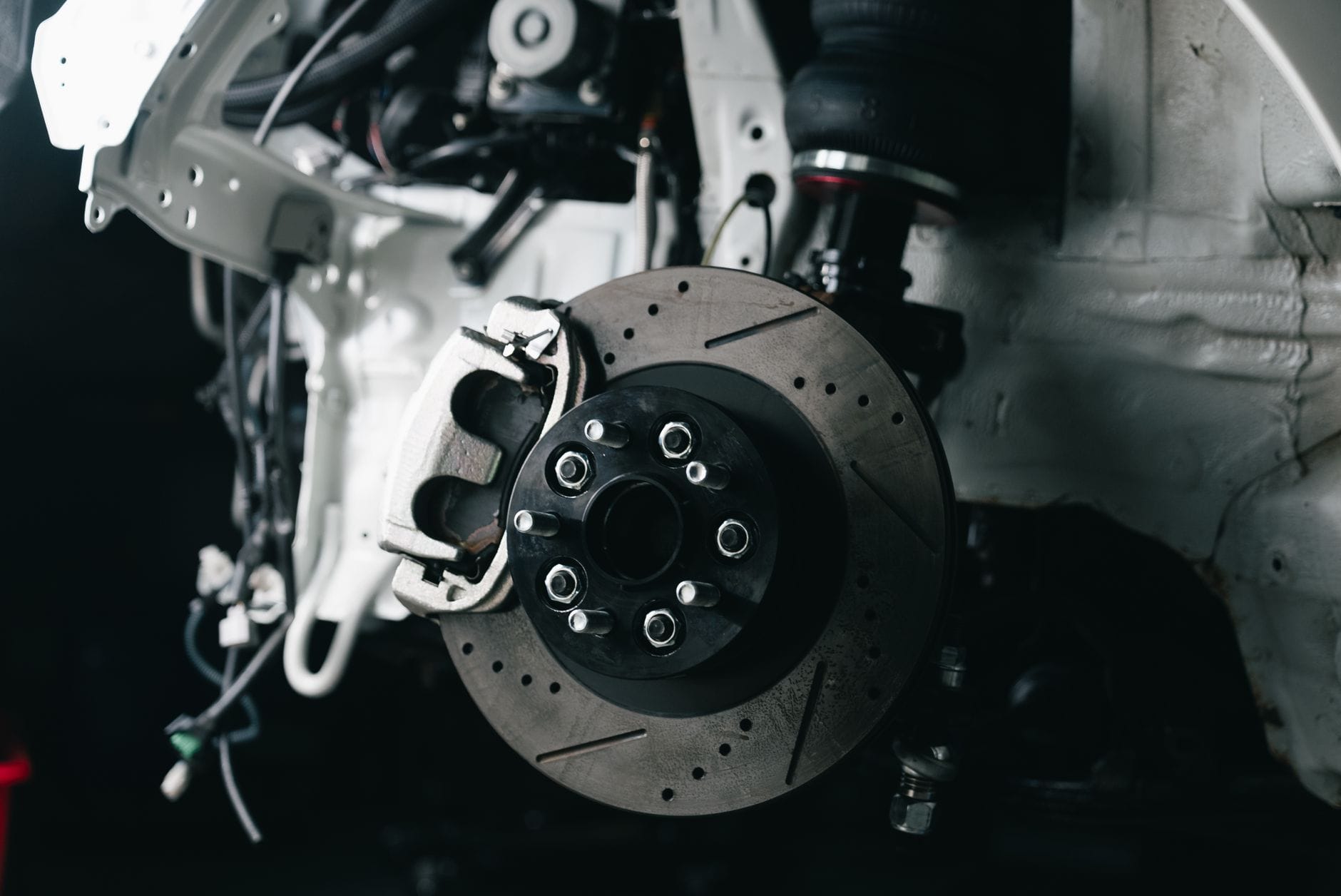
What’s Involved in a Proper Brake Rotor Replacement?
The actual replacement of brake rotors involves several key steps that ensure everything functions as it should. Always refer to your vehicle’s service manual for specific torque specifications and procedures. Our general guide on how to replace brake rotors can give you a more detailed walkthrough.
- Preparation: Secure the vehicle, remove the wheel, and disassemble the caliper and old pads.
- Cleaning: Thoroughly clean the wheel hub mounting surface. Rust or debris here can cause runout (wobble) in the new rotor.
- Installation: Mount the new rotor, ensuring it sits flush against the hub. Reinstall the caliper with new brake pads, lubricating any sliding pins as necessary.
- Torque: Always tighten wheel lugs and caliper bolts to the manufacturer’s specified torque settings.
Why is Rotor Bedding-In So Important?
Bedding-in, or break-in, is the process of gently wearing new brake pads and rotors together to ensure optimal contact and transfer an even layer of pad material onto the rotor surface. This creates a uniform friction layer, which is crucial for maximizing braking performance, preventing noise, and reducing the likelihood of future brake pulsation.
- The Process: Typically, it involves a series of moderate stops from increasing speeds, allowing the brakes to cool between cycles.
- What it Achieves: It gradually heats the components, releasing gases and resins from the new pads, and ensures the entire surface of the pad makes contact with the rotor. This proper material transfer layer is key to efficient braking and rotor longevity. Don’t skip it.
Common Mistakes to Avoid When Buying Rotors
Buying brake rotors is straightforward, but there are some pitfalls that can lead to wasted money or even safety issues. Avoiding these common errors will help you get the best value and performance from your purchase.
Buying the Wrong Size or Fit
One of the most common mistakes is purchasing rotors that don’t match your vehicle’s specifications. This can happen when you’re not careful about checking the part number or when buying from a retailer that doesn’t specialize in your make and model.
- How to avoid: Always verify the part number matches your vehicle’s exact model year and trim level. Cross-check with your owner’s manual or a trusted parts catalog like Oil Change Interval By Make. Never assume size compatibility based on appearance alone.
Ignoring Material and Design Differences
Not all rotors are created equal, and choosing the wrong material or design for your needs can lead to poor performance. For example, using a solid rotor on a front wheel or a budget rotor for performance driving can result in excessive heat buildup and brake fade.
- How to avoid: Match the rotor type to your vehicle’s requirements. Front wheels typically need vented rotors, while rear wheels can often use solid rotors. For performance applications, look for high-carbon or ceramic-composite options.
Skipping Quality Control Checks
Even when you’ve selected the right part, not all aftermarket rotors are created equally. Some brands cut corners on quality control, leading to premature wear or even safety hazards.
- How to avoid: Research brands with good reputations for brake components. Look for independent reviews and check for certifications or warranties. Avoid the absolute cheapest options unless you’re replacing a vehicle that’s already at the end of its lifespan.
Overlooking Installation Requirements
Proper installation is critical for rotor performance and longevity. Skipping steps like bedding-in or using incorrect torque specifications can lead to issues like brake pulsation or uneven wear.
- How to avoid: Follow your vehicle’s service manual for specific installation procedures. Pay special attention to torque specifications for wheel lugs and caliper bolts. Don’t skip the bedding-in process, as it’s essential for creating a proper transfer layer between pads and rotor.
FAQs About Brake Rotors
How often should I replace my brake rotors?
Brake rotors typically last between 50,000 to 70,000 miles, depending on driving conditions and maintenance. Heavy braking, towing, or aggressive driving can shorten this lifespan. Check for signs of wear like excessive noise, vibration, or longer stopping distances.
Can I mix OEM and aftermarket rotors?
Technically, you can mix them, but it’s generally not recommended. Using aftermarket rotors on one axle and OEM on the other can create uneven wear patterns. For best results, stick with the same type throughout.
What causes brake pulsation?
Brake pulsation is usually caused by uneven pad wear or a warped rotor. The most common cause is improper bedding-in, which creates uneven pad deposits on the rotor surface. It can also be caused by worn calipers or improper pad installation.
How do I know if my rotors are warped?
A warped rotor will have uneven thickness when measured with a feeler gauge. You can also check for runout using a dial indicator or by spinning the rotor by hand. If it wobbles, it’s likely warped. Severe warping can cause brake pulsation or uneven pad wear.
Should I replace all four rotors at once?
Yes, it’s generally best to replace all four rotors at the same time. This ensures even wear and prevents one axle from wearing faster than the other, which can lead to uneven braking performance. It’s also more cost-effective than replacing them individually over time.
The Verdict: My Final Recommendation on OEM vs. Aftermarket Rotors
After carefully considering all the factors, here’s my final advice for making the right choice:
- For most drivers: OEM rotors or high-quality OEM-equivalent aftermarket rotors provide the best balance of reliability, performance, and safety. They’re a solid choice for daily driving and maintain your vehicle’s original braking characteristics.
- For performance enthusiasts: Invest in premium aftermarket rotors designed for your specific driving needs. These offer superior heat management and fade resistance, crucial for track days or spirited driving.
- For heavy-duty applications: Look for heavy-duty aftermarket rotors with advanced materials and designs. They’re built to handle the extra stress of towing or carrying heavy loads.
- For budget-conscious buyers: Consider reputable budget aftermarket rotors, but be prepared for potentially shorter lifespan and less consistent performance. They’re a viable option for older vehicles or when replacing all four rotors at once.
Ultimately, the best choice depends on your specific needs and driving habits. Do your research, consider your options carefully, and don’t be afraid to ask for professional advice if you’re unsure. Your safety and the longevity of your vehicle depend on making the right decision.