Serpentine Belt Noise: Causes and How to Fix It
Most serpentine belt noise comes from one of three things. Belt slip. Weak tension. A pulley that is misaligned or dying. The belt is usually the messenger. It is rarely the real culprit. Fixing the noise means finding why the belt is slipping. Not just swapping in a new belt and hoping.
I have been an ASE Master Tech for over 15 years. I have chased hundreds of belt noises. The pattern is always the same. A car rolls in with a squeal on cold start. The owner has already replaced the belt twice. The noise keeps coming back. Ten minutes with a stethoscope and a spray bottle tells the real story. A weak tensioner. A dry idler bearing. A pulley sitting half a millimeter out of plane. Swap the belt again and you will be back in six weeks.
This guide breaks down serpentine belt noise the way it actually shows up in the shop. No guesses. No shortcuts. Just the real causes, the real tests, and the real fixes that keep the noise gone for good.
That Morning Squeal I Will Never Forget
It was 7:15 a.m. Rain was coming sideways. I had not finished my first coffee when a soaked Honda Accord rolled into my bay. The owner leaned out and said, “It screams every morning like it hates me.” I fired it up. The sound hit immediately. A sharp, piercing squeal that made the guy in the waiting room look up from his phone.
That Accord had been through two belts in one year. Same noise. Same cold, damp mornings. I popped the hood and watched the tensioner arm flutter at idle. The spring was fatigued. It was oscillating just enough to let the belt slip when moisture hit the pulleys. I replaced the tensioner and the belt together. The noise vanished instantly. That car never came back for belt noise again.
That is the lesson most people miss. The belt noise you hear is rarely the belt’s fault alone. Diagnose before replacing. The belt is just the symptom.
What Causes Serpentine Belt Noise?
A modern serpentine belt drives everything from the alternator to the A/C compressor. When it makes noise, friction is not happening the way it should. Think of a sneaker on a gym floor. Quiet when it grips. Loud when it slips.
Common Types of Belt Noise
High-pitched, usually on cold start or when accessories load up. See our guide on engine squealing noise.
Often tied to alternator load or weak belt tension. Especially noticeable when the engine revs up.
Short, rhythmic squeaks. Usually caused by pulley alignment issues or failing bearings.
Serpentine Belt System Components (And How They Fail)
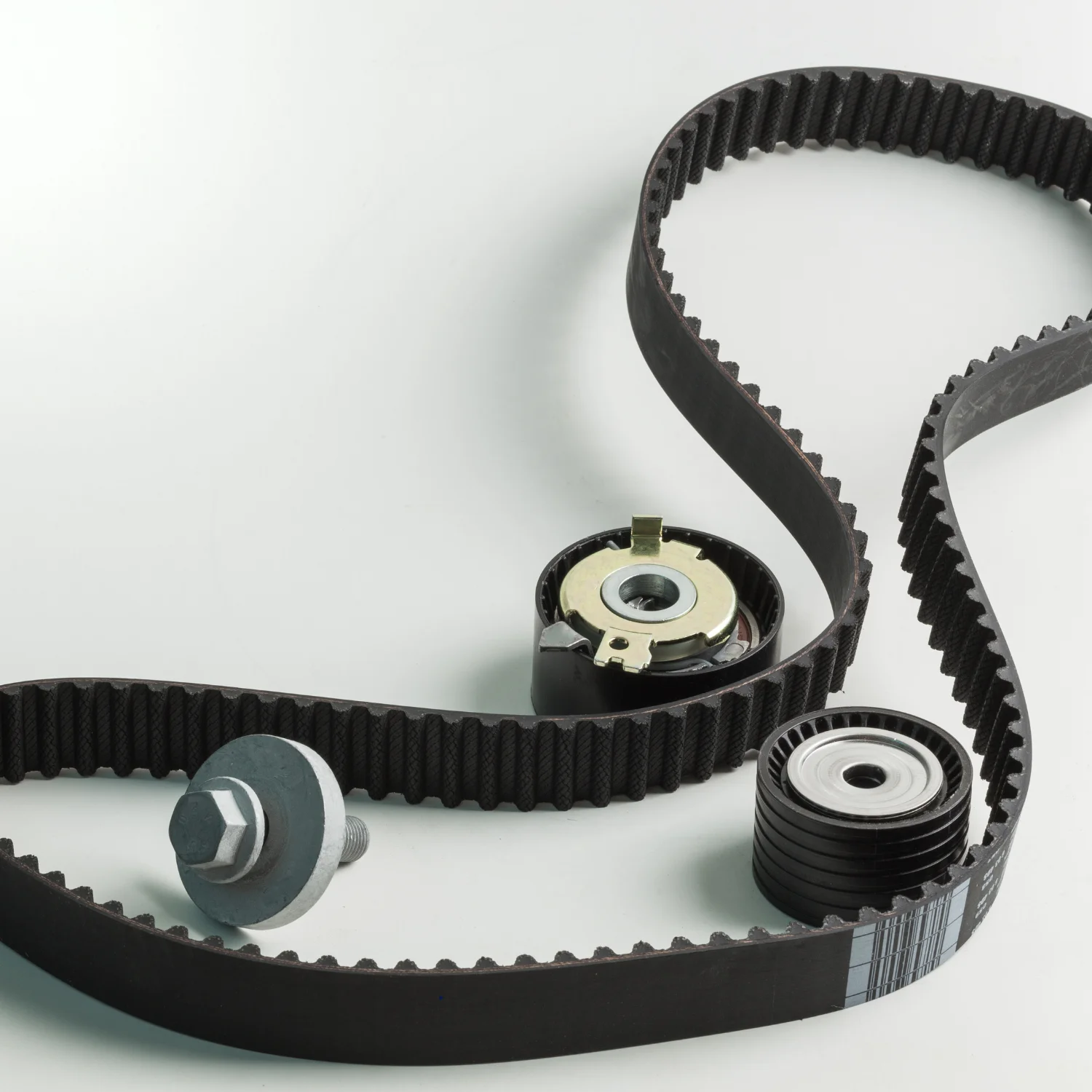
The Belt Itself
Most OEM serpentine belts are EPDM rubber. They typically last 60,000 to 100,000 miles. Cracks are not the best indicator anymore. Glazing and hardening are. Run your finger across the ribs. If the belt feels slick instead of rubbery, it is done. EPDM belts wear by material loss. They do not crack like old neoprene belts. A belt can look fine and still be slipping.
Belt Tensioner
A weak tensioner is the number-one cause of repeat belt squeal. I have seen factory tensioners lose tension as early as 50,000 miles on some vehicles. Watch the arm while the engine idles. If it vibrates or flutters, the spring is fatigued. Learn more about belt tensioner issues before throwing another belt at it.
Idler & Accessory Pulleys
A dry or failing bearing will chirp like a bird at idle. Spin every pulley by hand with the belt off. Any roughness, grinding, or noise means replacement. Alternator clutches on many European cars are another common culprit. See our guide on alternator belt problems for deeper diagnostics.
How I Diagnose Serpentine Belt Noise in the Shop
- Cold start test:
Listen before touching anything. Cold, damp starts exaggerate belt slip. The root cause is easier to hear when the rubber is stiff and the pulleys are wet. - Visual inspection:
Check for glazing, frayed ribs, and pulley misalignment. A belt that looks shiny is already dying. - Water spray test:
A light mist on the belt while the engine runs. If the noise changes, the issue is friction-related. Glazing or slip is the cause. - Stethoscope on pulleys:
Chirps show up clearly through the probe. Work from one pulley to the next. Isolate the source before you start buying parts.
Never spray belt dressing as a fix. I have cleaned off enough sticky pulleys to tell you it masks the problem and accelerates belt failure. It is a band-aid that creates a bigger wound.
Technical Specifications
Always verify torque values and belt routing for your specific engine, model year, and trim. Use the factory service manual or the under-hood diagram.
| Item | Typical Specification |
|---|---|
| Serpentine belt life | 60,000–100,000 miles (varies by OEM) |
| Tensioner mounting bolts | Check vehicle service manual |
| Belt rib count | 5–8 ribs (most common) |
| Operating temp range | -40°F to 248°F (EPDM rubber) |
| Manual tension spec | 35 lbs per rib at install, 30 lbs after run-in |
Torque values and belt routing vary by engine, model year, and trim. Always verify in the factory service manual or under-hood diagram before beginning any repair.
Fixing the Noise: Step-by-Step (Belt & Tensioner)
Keep hands, clothing, and tools clear of rotating components at all times. Never work near a running belt. Wear safety glasses and gloves throughout this procedure.
Tools Required
- 3/8″ or 1/2″ breaker bar
- Serpentine belt tool
- Flashlight
- Safety glasses
- Work gloves
Procedure Overview
- Document routing:
Locate the belt routing diagram under the hood. Take a photo before removing anything. Misrouting a serpentine belt can destroy accessories. - Relieve tension:
Use the correct tool size. Move the tensioner arm carefully. Remove the belt from all pulleys. - Inspect pulleys:
Spin all pulleys by hand. Any roughness, wobble, or audible noise means that pulley needs replacement. - Install new components:
Install the new belt or tensioner as needed. Verify full rib engagement across every pulley.
For full step-by-step instructions with photos, see our detailed guide on serpentine belt replacement.
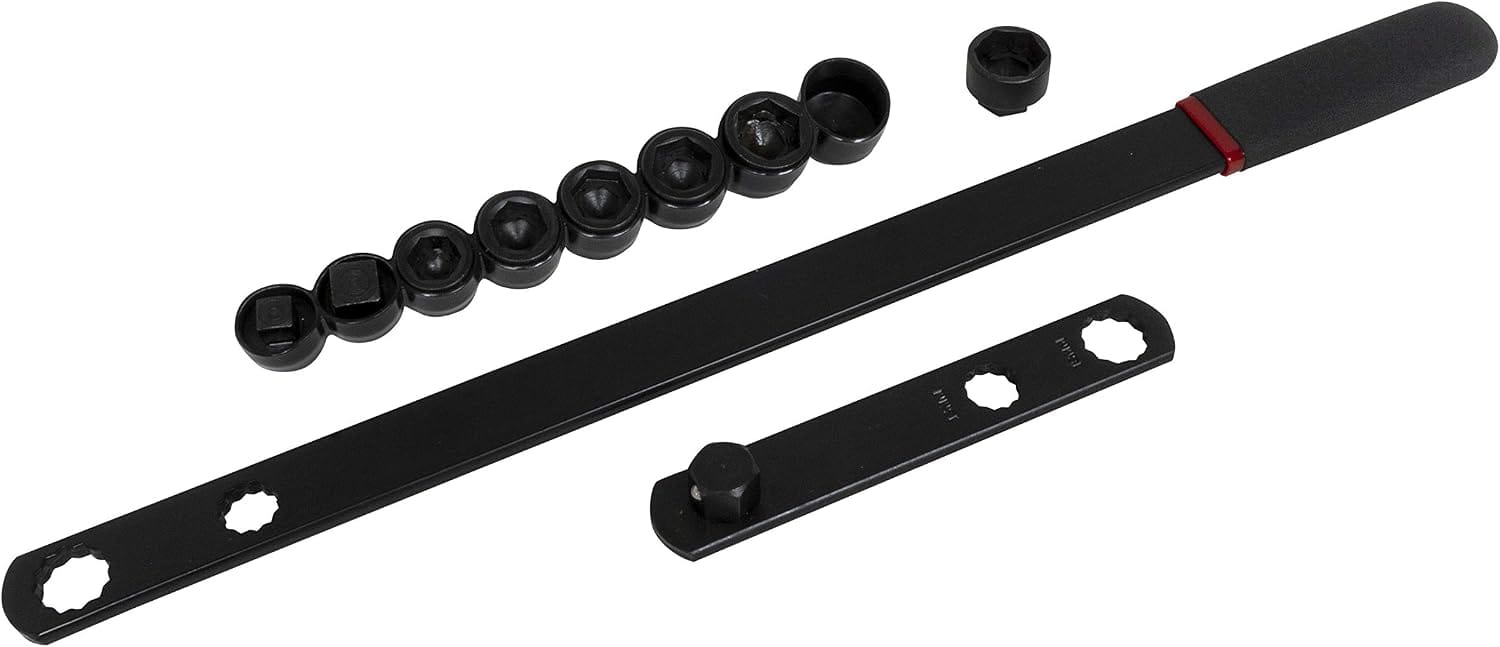
Lisle 59800 Serpentine Belt Tool
Covers most domestic and import applications. The long-reach design makes tensioner access easy in tight engine bays. This is the tool I reach for first in the shop.
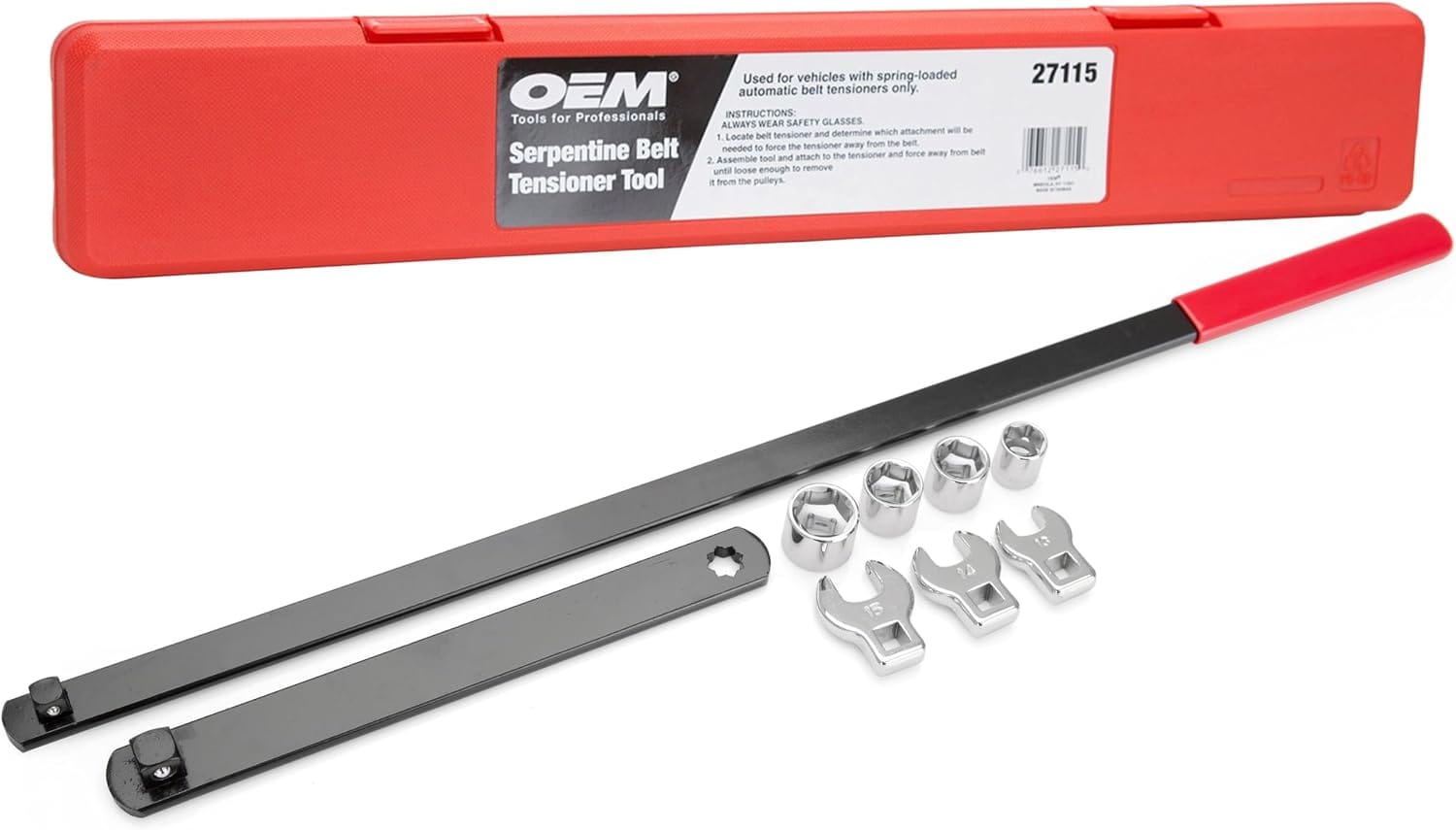
OEMTOOLS 24687 Serpentine Belt Tool Set
Includes 3/8-inch drive handle, 1/2-inch adapter, and four shallow sockets (13, 15, 16, 18 mm). Great for Ford, GM, Honda, Toyota, and BMW applications.
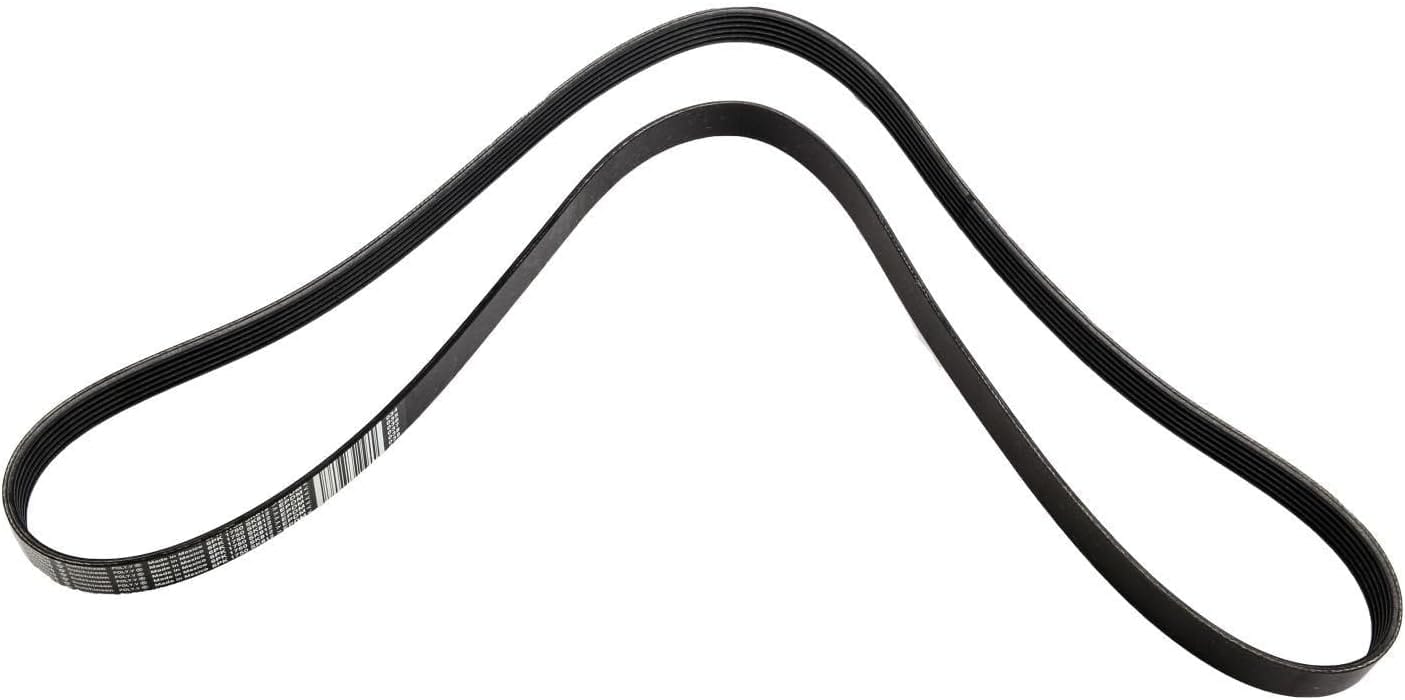
ACDelco Professional Serpentine Belt Drive Kit
Complete kit with serpentine belt, tensioner, and idler pulleys. Replaces everything at once. Reduces comebacks and saves labor on repeat visits.
Cost Analysis: DIY vs. Professional Repair in 2026
Estimated Cost Breakdown
🔧 DIY Costs
- Serpentine belt$25–$60
- Tensioner (if needed)$60–$180
- Idler pulley (if needed)$25–$80
- Tools (if needed)$35–$55
🏪 Professional Repair
- Labor$88–$129
- Parts (belt only)$52–$67
- Parts (belt + tensioner)$120–$250
- Total typical bill$152–$350
From experience: replacing just the belt when the tensioner is weak almost always means you will pay twice. If the car has over 70,000 miles and the tensioner is original, replace both together.
Common Troubleshooting Scenarios
- Noise disappears when wet
→
Belt glazing or hardening. The belt itself needs replacement. - Chirping at idle only
→
Pulley bearing failure or misalignment. Inspect all idlers and accessory pulleys. - Squealing under load
→
Weak tensioner or alternator drag. Test tensioner arm movement and alternator draw. - Squeal after new belt install
→
Underlying tensioner, pulley, or alignment issue was never fixed. The new belt reveals the same problem. - Noise only on cold start
→
Rubber stiffens in low temps. Check tensioner spring fatigue and belt glazing. Common in winter months.
FAQ: Real Questions I Hear Every Week
-
How much does it cost to fix serpentine belt noise?
Anywhere from $30 for a DIY belt to $350+ if a tensioner or pulley is involved. The range is wide because the root cause varies significantly from one vehicle to the next. A simple belt swap runs $120 to $210 at a shop. Add a tensioner and the bill climbs to $250 to $350. -
Can I drive with a squealing serpentine belt?
Short-term, maybe. Long-term, no. If the belt slips enough, you will lose charging, power steering, or cooling. All of those can cause serious damage or leave you stranded. A squealing belt is your engine telling you something is wrong. Listen to it. -
Why did my new belt start squealing?
Almost always because the underlying issue was never addressed. The tensioner was weak. A pulley bearing was dry. The alignment was off. The new belt is just revealing the same unresolved problem. That is why I always inspect the full system before installing a new belt. -
Is belt dressing ever okay to use?
No. It contaminates pulleys and shortens belt life. I never use it in the shop, and I do not recommend it for DIY work either. Belt dressing is a temporary mask that creates a bigger problem. Fix the root cause instead. -
Does cold weather make belt noise worse?
Yes. Rubber stiffens in low temperatures. Slip becomes more likely. That is why so many of these noises are loudest on a cold morning start and fade as the engine warms up. A weak tensioner makes the problem worse in winter. -
How do I know if my tensioner is bad?
Watch the tensioner arm while the engine idles. If it bounces, flutters, or vibrates excessively, the spring is weak. Spin the tensioner pulley by hand with the belt off. Roughness or noise means the bearing is failing. Most tensioners should be replaced by 80,000 miles as preventive maintenance. -
What is the water spray test for belt noise?
Spray a light mist of water on the belt while the engine runs. If the noise changes or goes away temporarily, the issue is friction-related. Glazing or slip is the cause. If the noise stays the same, the problem is mechanical. Look at bearings, tensioners, or pulley alignment. -
How long does a serpentine belt last?
Most EPDM serpentine belts last 60,000 to 100,000 miles. But do not rely on mileage alone. Inspect for glazing, hardening, and material loss. A belt can look fine and still be slipping. Check your owner’s manual for the specific interval for your make and model.
A Mechanic’s Take
Serpentine belt noise is one of those problems that sounds simple but punishes shortcuts. I have seen people replace the same belt three times because no one checked the tensioner or a dry idler bearing.
The good news? This is a moderate-difficulty DIY job for most vehicles. With basic tools and patience, you can fix it once and fix it right. Expect to spend $50 to $150 if you are doing it yourself and replacing what actually failed.
From my side of the toolbox, the rule is simple: diagnose before replacing. The belt is just the symptom. Solve the cause, and that annoying squeal or chirp is gone for good.