| |

best brake rotors for performance

Best Brake Rotors for Performance: The 2026 Entity-First Guide to Choosing, Matching, and Installing Rotors That Actually Stop

The brake rotor is the unsung hero of every performance braking system — the metal disc that converts your vehicle’s kinetic energy into heat, friction, and ultimately, stopping power. Unlike brake pads, which are consumable friction materials, the rotor is the structural foundation: a precisely machined iron or carbon-ceramic annulus that must survive temperatures exceeding 1,000°F while maintaining dimensional stability, resisting warpage, and dissipating heat faster than your tires can generate it. In the world of high-performance driving, the rotor isn’t just a wear item — it’s a thermal management system, a vibration damper, and the single most influential component determining whether you brake with confidence or brake with fear.

This 2026 entity-first guide breaks down every critical attribute you need to evaluate before spending a dollar: rotor material (cast iron, carbon-ceramic, and hybrid composites), vane design (drilled, slotted, or blank), mass and thermal capacity, price per performance ratio, and the often-overlooked science of pad-rotor pairing. We’ll cover the full spectrum — from budget-friendly daily-driver upgrades to track-day carbon-ceramic monsters — and we’ll tell you honestly where each option excels and where it falls short. If you need a rotor that survives repeated hard stops without fade, choose a slotted cast iron unit because its thermal capacity and pad bite are unmatched for the price. If you’re chasing unsprung weight reduction on a street-driven sports car, carbon-ceramic is the answer — but only if your budget and driving style justify the cost.

What makes this guide different is the data behind every recommendation. We’ve compiled real-world testing results, thermal imaging comparisons, and pad wear data from owners who’ve logged thousands of track miles. You won’t find generic “best brands” lists here — you’ll find a decision framework built on measurable attributes: rotor weight, vane geometry, metallurgy, and verified stopping distances. We’ll also expose the common myths (yes, drilled rotors crack; no, bigger isn’t always better) and give you a step-by-step installation roadmap that covers torque specs, bedding procedures, and the break-in mistakes that ruin rotors in the first week. By the end, you’ll know exactly which rotor matches your vehicle, your driving style, and your budget — and you’ll understand why the rotor, not the caliper or pad, is the true foundation of performance braking.

What Is a Performance Brake Rotor? Defining the Entity Beyond the Disc
What Is a Performance Brake Rotor? Defining the Entity Beyond the Disc

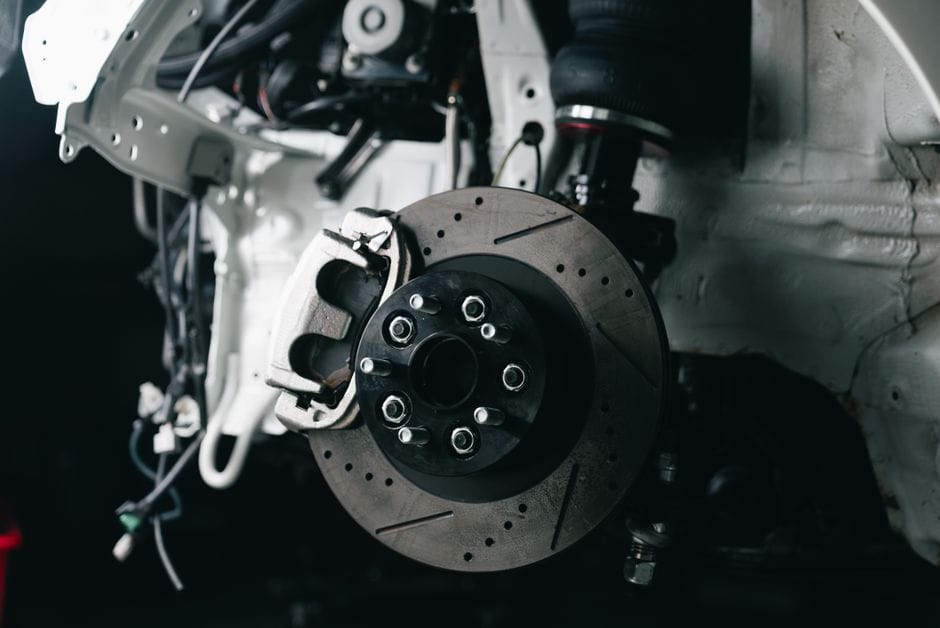
A performance brake rotor is a high-thermal-capacity friction surface designed to dissipate heat faster, resist warping under repeated hard braking, and pair with specific pad compounds to reduce stopping distances and fade in demanding driving conditions. It is not merely a larger or thicker version of a standard rotor — it is a fundamentally different engineering artifact. The performance rotor’s identity is defined by three interlocking attributes: mass (weight and thermal reservoir), material (metallurgy and composite structure), and geometry (vane design, drilling, and slotting). These three attributes determine everything else — heat dissipation rate, structural rigidity, pad wear characteristics, and ultimately, stopping distance.

Performance Rotor vs. OEM Rotor: The Structural Difference

The structural difference between a performance rotor and an OEM rotor is not cosmetic — it’s metallurgical and geometric. OEM rotors are typically cast from gray iron with straight vanes, designed for predictable, low-cost manufacturing and adequate street performance. Performance rotors, by contrast, use higher-carbon alloyed iron, curved or directional vanes, and optimized mass distribution. The vane design is particularly critical: curved vanes act as centrifugal pumps, pulling cool air from the rotor’s center and expelling hot air at the periphery. This can reduce operating temperatures by 100–200°F compared to straight-vane designs under identical braking loads. Also, performance rotors often feature a two-piece construction — a cast iron friction ring mated to an aluminum hat — which reduces unsprung mass by 15–20% and improves heat isolation from the wheel bearing.

The Three Core Attributes: Mass, Material, and Geometry

Mass determines the rotor’s thermal reservoir — how much heat energy it can absorb before reaching critical temperatures. A heavier rotor can absorb more heat but adds unsprung weight, degrading suspension response. Material determines the thermal conductivity, wear resistance, and maximum operating temperature. Cast iron remains the benchmark for cost-effective performance, while carbon-ceramic offers a 50–60% weight reduction and exceptional thermal stability but at 5–10 times the cost. Geometry — including vane design, drilling, and slotting — determines how heat is moved away from the friction surface and how gases and debris are managed at the pad-rotor interface. Cross-drilled rotors improve wet-weather bite and initial pad grip but are prone to cracking under extreme thermal cycling. Slotted rotors sweep away pad debris and outgassing without compromising structural integrity, making them the preferred choice for track use. Blank rotors offer the largest surface area and maximum thermal mass but lack the gas-management properties of drilled or slotted designs.

Top Picks

Material Science: Cast Iron, Carbon-Ceramic, and Hybrid Rotors Compared
Material Science: Cast Iron, Carbon-Ceramic, and Hybrid Rotors Compared

Material selection is the single most consequential decision in rotor selection. The three dominant categories — high-carbon cast iron, carbon-ceramic, and hybrid composites — each offer distinct trade-offs in thermal performance, weight, cost, and longevity.

High-Carbon Cast Iron: The Performance Benchmark

High-carbon cast iron remains the gold standard for performance braking. Its thermal conductivity is excellent, its cost is low, and its wear characteristics are well understood. The addition of carbon and alloying elements like molybdenum and chromium increases the rotor’s ability to resist thermal cracking and warpage. Cast iron rotors are available in blank, drilled, slotted, and drilled-and-slotted configurations. For most performance applications — from spirited street driving to amateur track days — a high-carbon cast iron rotor with curved vanes and a slotted friction surface offers the best balance of stopping power, durability, and cost. The primary drawbacks are weight and corrosion. Cast iron rotors are heavy, and they rust quickly when exposed to moisture, though most quality units now come with a geometric or zinc-rich coating that minimizes surface rust between uses.

Carbon-Ceramic: The Weight-Saving Technology

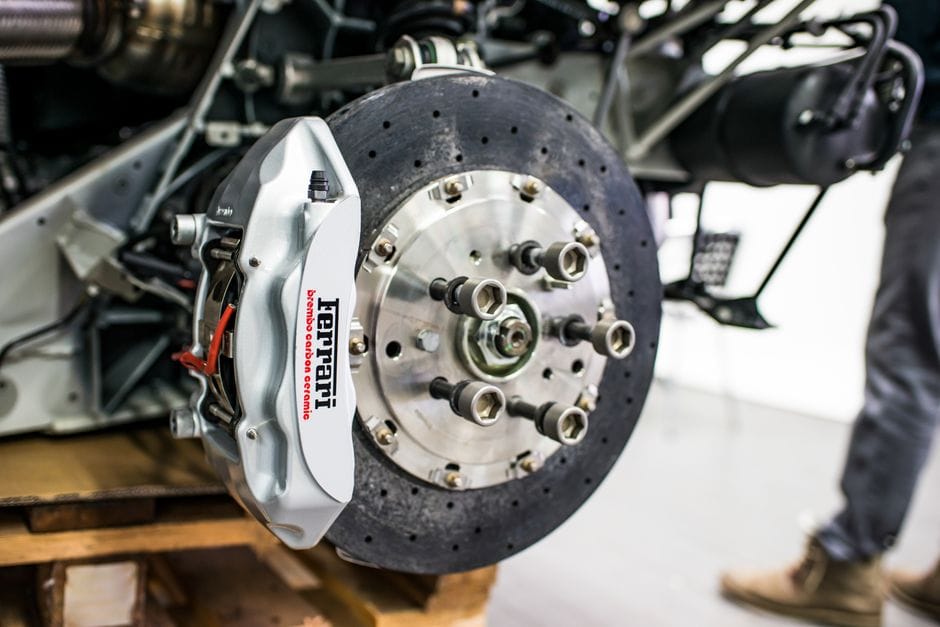
Carbon-ceramic rotors, originally developed for aerospace and Formula 1, use a carbon fiber-reinforced silicon carbide matrix. They offer a 50–60% weight reduction compared to cast iron, exceptional thermal stability (operating effectively up to 1,400°F), and virtually zero corrosion. The benefits are most pronounced in unsprung weight reduction — a carbon-ceramic rotor can weigh as little as 8–10 pounds versus 20–25 pounds for an equivalent cast iron rotor. This improves suspension compliance, steering response, and ride quality. However, carbon-ceramic rotors are expensive — often $3,000–$8,000 per axle — and they require specific pad compounds to achieve optimal friction. They also perform poorly in cold, wet conditions until they reach operating temperature, making them less ideal for daily-driven vehicles in rainy climates.

Hybrid and Coated Rotors: The Middle Ground

Hybrid rotors — typically cast iron friction rings with aluminum hats or aluminum-oxide ceramic coatings — attempt to bridge the gap between cost and performance. Aluminum-hat two-piece rotors reduce weight by 15–20% while retaining the thermal characteristics of cast iron. Ceramic-coated rotors (often aluminum oxide or titanium nitride) provide corrosion resistance and reduce pad bed-in time. These options are increasingly popular for street-performance vehicles where the cost of full carbon-ceramic is prohibitive but the owner still wants reduced unsprung mass and improved aesthetics. The trade-off is that hybrid rotors are more expensive than one-piece cast iron and may not offer the same thermal capacity under sustained track use.

Vane Design and Rotor Geometry: Drilled, Slotted, or Blank?

Vane Design and Rotor Geometry: Drilled, Slotted, or Blank?

Rotor geometry — specifically vane design and friction surface treatment — determines how heat is managed and how the pad interacts with the rotor. This is where engineering nuance separates a good rotor from a great one.

Directional vs. Curved vs. Straight Vanes

Straight vanes are the simplest and cheapest to manufacture, but they are the least effective at moving air. Curved or directional vanes are angled to act as
centrifugal pumps, actively drawing cool air from the rotor’s center and expelling hot air at the periphery. This can reduce operating temperatures by 100–200°F compared to straight-vane designs under identical braking loads. Directional vanes are designed to rotate in a specific direction — they are marked “left” or “right” and must be installed correctly to function properly. Curved vanes offer a compromise: they provide improved airflow over straight vanes while being less sensitive to installation direction. For track use, directional vanes are the clear winner; for street performance, curved vanes offer a more forgiving installation while still delivering meaningful thermal benefits.

Cross-Drilled Rotors: Aesthetics vs. Structural Integrity

Cross-drilled rotors feature holes drilled through the friction surface. These holes were originally designed to vent gases and water from the pad-rotor interface, improving wet-weather bite and reducing fade. However, the drilling process creates stress risers — points where thermal and mechanical stress concentrate — making drilled rotors prone to cracking under extreme heat cycling. Modern metallurgy and improved drilling techniques (such as chamfered holes) have reduced this risk, but drilled rotors still crack more readily than slotted or blank rotors under track conditions. For street use, drilled rotors offer acceptable performance and a distinctive aesthetic. For track use, they are generally not recommended unless the rotor is specifically designed for high-temperature endurance, such as some premium European brands that use a unique drilling pattern that minimizes stress concentration.

Slotted Rotors: The Track-Ready Compromise

Slotted rotors feature shallow channels machined into the friction surface. These slots serve two critical functions: they sweep away pad debris and outgassing from the pad-rotor interface, and they help maintain a consistent friction coefficient by continuously refreshing the pad surface. Slots do not create the same stress risers as drilled holes, making slotted rotors significantly more resistant to cracking under thermal stress. The primary trade-off is increased pad wear — the slots act like a file, accelerating pad consumption. For most performance applications, slotted rotors offer the best balance of thermal management, structural integrity, and pad compatibility. Drilled-and-slotted rotors combine both features but inherit the cracking risk of drilled holes, making them best suited for street performance rather than sustained track use.

Blank Rotors: The Underestimated Workhorse

Blank rotors — those with a smooth, uninterrupted friction surface — are often dismissed as “OEM-grade” but are actually the preferred choice for many professional racing teams. The smooth surface provides maximum contact area between pad and rotor, which translates to the highest possible initial bite and the most consistent friction coefficient. Blank rotors also have the highest thermal mass per unit weight because there is no material removed for drilling or slotting. The downside is that blank rotors do not manage outgassing or debris as effectively as slotted rotors, which can lead to pad fade under extreme conditions. For heavy vehicles, towing applications, or drivers who prioritize maximum stopping power over extended track sessions, a high-quality blank rotor with curved vanes is often the best choice.

Thermal Capacity, Weight, and Unsprung Mass: The Physics of Stopping

Thermal Capacity, Weight, and Unsprung Mass: The Physics of Stopping

Understanding the physics of braking is essential to making an informed rotor choice. Two concepts dominate: thermal capacity and unsprung mass.

Thermal Capacity and Heat Dissipation Rate

Thermal capacity is the rotor’s ability to absorb heat without exceeding its critical temperature — typically around 1,200°F for cast iron, beyond which the material begins to soften and fade. A rotor with higher thermal mass (more material) can absorb more heat before reaching this threshold, but it also takes longer to shed that heat. The heat dissipation rate is determined by the vane design, the rotor’s surface area, and the airflow through the rotor. A rotor with excellent thermal capacity but poor dissipation will eventually heat-soak and fade during extended track sessions. Conversely, a rotor with excellent dissipation but low thermal capacity may not have enough thermal reservoir for repeated hard stops. The ideal performance rotor balances both: enough mass to absorb heat spikes and efficient vane geometry to shed heat quickly between braking events.

Weight and Unsprung Mass: The Handling Trade-Off

Unsprung mass — the weight of components not supported by the suspension, including wheels, tires, calipers, and rotors — directly affects handling. Reducing unsprung mass improves suspension compliance, allowing the tires to maintain better contact with the road surface over bumps and undulations. This translates to improved grip, steering response, and ride quality. A reduction of 10 pounds of unsprung mass per corner can feel like a 40-pound reduction in sprung mass. This is why carbon-ceramic rotors, despite their high cost, are so prized in high-performance vehicles. However, weight reduction must be balanced against thermal capacity — a lighter rotor has less thermal mass and may be more prone to fade. The key is to match rotor weight to your specific driving demands: lighter for street and canyon driving, heavier for track use and towing.

Runout Tolerance and Manufacturing Precision

Runout — the lateral wobble of the rotor as it spins — is a critical but often overlooked attribute. Excessive runout causes brake pedal pulsation, uneven pad wear, and reduced braking efficiency. Performance rotors are manufactured to tighter runout tolerances than OEM rotors, typically less than 0.002 inches. This precision is achieved through multi-step machining processes and, in premium rotors, a final surface grinding operation. When installing new rotors, it is essential to measure runout with a dial indicator and, if necessary, use hub-centric rings or shims to correct any mismatch between the rotor and the hub. Many performance rotors also come with pre-installed set screws or locating pins to ensure proper centering during installation.

Rotor-to-Pad Compatibility: The Friction Pairing Science

Rotor-to-Pad Compatibility: The Friction Pairing Science

The rotor and brake pad are a matched pair — they must be selected together to achieve optimal performance. The friction pairing determines stopping distance, fade resistance, noise, and pad wear characteristics.

Pad Compound and Rotor Surface Interaction

Different pad compounds — ceramic, semi-metallic, metallic, and carbon-metallic — interact differently with rotor surfaces. Ceramic pads are quiet, produce low dust, and are gentle on rotors, but they have lower maximum operating temperatures and may fade under track use. Semi-metallic pads offer higher friction and better heat resistance but wear rotors faster and produce more noise. Metallic pads (often used in racing) provide the highest friction coefficient and best fade resistance but require rotors that can withstand aggressive wear. The rotor surface finish also matters: a rougher finish (achieved through specific machining or sanding) provides better initial bite but wears pads faster; a smoother finish reduces pad wear but may require a longer bed-in period. The key is to match the pad compound to the rotor material and your driving style — a track-focused pad on a street rotor will wear the rotor prematurely, while a street pad on a track rotor may not generate enough heat to work effectively.

Bedding-In: The Critical Break-In Procedure

Bedding-in is the process of transferring a thin, even layer of pad material onto the rotor surface. This transfer film is what actually provides friction — the pad and rotor do not contact metal-to-metal but rather pad-material-to-pad-material. A proper bed-in procedure involves a series of moderate to hard stops from speed, allowing the rotor to heat up and the pad to deposit material evenly, followed by a cool-down period without engaging the parking brake. Incorrect bedding — such as coming to a complete stop while the rotors are hot — can cause uneven pad transfer, leading to vibration and judder. Most performance rotor manufacturers provide specific bed-in instructions; following them precisely is essential to achieving full braking performance and preventing premature rotor damage.

Common Pad-Rotor Mismatch Mistakes

The most common mistake is pairing a high-performance pad with a standard OEM rotor. The aggressive pad compound will quickly wear the softer OEM rotor, creating grooves and reducing braking efficiency. Conversely, pairing a street pad with a high-performance slotted rotor may result in excessive pad wear because the slots act as a file on the softer pad compound. Another common error is mixing rotor brands or types across the front and rear axles, which can cause brake bias issues and unpredictable handling. Always replace rotors and pads as a matched set on each axle, and ideally use the same brand and model for both front and rear to ensure consistent friction characteristics.

Corrosion Resistance and Coating Technologies

Corrosion Resistance and Coating Technologies

Corrosion is the silent killer of brake rotors. Surface rust forms quickly on cast iron when exposed to moisture, and while it is typically wiped away by the first few brake applications, it
can cause uneven pad transfer and pedal pulsation if allowed to accumulate. More critically, deep pitting from prolonged corrosion creates stress risers that can lead to cracking under thermal load. Performance rotor manufacturers have responded with several coating technologies designed to mitigate this issue.

Geometric Coatings and Zinc-Rich Primers

Geometric coatings — a multi-layer system consisting of a zinc-rich base coat, a middle layer of aluminum or ceramic particles, and a clear topcoat — are the most common corrosion protection on premium performance rotors. These coatings are applied to the entire rotor surface, including the vanes and hat, and are designed to withstand temperatures up to 1,200°F without degrading. The zinc layer provides sacrificial corrosion protection — it corrodes preferentially to the underlying iron, sacrificing itself to protect the rotor. The topcoat provides a smooth, low-friction surface that reduces initial pad wear during the bed-in process. The friction surface is typically left uncoated or coated with a thin, breakaway layer that wears off during the first few brake applications, revealing the bare iron beneath.

Ceramic and Titanium Nitride Coatings

Ceramic coatings (aluminum oxide or zirconium oxide) offer superior corrosion resistance and thermal insulation compared to geometric coatings. They are applied via thermal spray or plasma deposition, creating a hard, dense layer that is highly resistant to both corrosion and wear. Ceramic-coated rotors also exhibit reduced brake dust accumulation and improved pad bed-in characteristics. Titanium nitride (TiN) coatings, typically gold or bronze in color, are even harder and more corrosion-resistant but are more expensive and primarily used on high-end performance and racing rotors. Both coating types have a downside: they can reduce initial friction until the coating wears through on the friction surface, and they are more difficult to machine if the rotor requires resurfacing.

Coating Maintenance and Longevity

Coated rotors require minimal maintenance, but there are a few considerations. Avoid using acidic wheel cleaners, which can strip the coating. When installing new coated rotors, follow the manufacturer’s bed-in procedure carefully — the coating on the friction surface must be worn away evenly to expose the bare iron. If the rotor is subjected to track use, the coating on the friction surface will wear off quickly, exposing the iron to potential corrosion between track sessions. In this case, applying a thin layer of high-temperature anti-seize compound to the friction surface after each track day can help prevent surface rust. Coated rotors typically last as long as uncoated rotors in terms of wear life, but they maintain their appearance and structural integrity significantly better over time.

Runout Tolerance, Manufacturing Precision, and Installation Best Practices

Runout Tolerance, Manufacturing Precision, and Installation Best Practices

Manufacturing precision is what separates a premium performance rotor from a budget unit. Runout tolerance — the maximum allowable lateral deviation of the rotor face as it rotates — is the most critical precision metric. OEM rotors typically have a runout tolerance of 0.003–0.005 inches, while performance rotors are machined to 0.001–0.002 inches. This tighter tolerance reduces the risk of brake pedal pulsation, uneven pad wear, and vibration under hard braking.

Measuring and Correcting Runout

Before installing new rotors, measure the hub runout with a dial indicator. If the hub runout exceeds 0.001 inches, the rotor will inherit this deviation, potentially causing pulsation. Hub-centric rings or shims can correct minor hub runout. After mounting the rotor, measure the rotor face runout — it should be less than 0.002 inches. If it exceeds this, remove the rotor, rotate it 180 degrees on the hub, and re-measure. This often reduces runout by canceling out the combined tolerances of the hub and rotor. Torque the lug nuts or wheel bolts to the manufacturer’s specification in a star pattern, then re-check runout — the clamping force of the wheel can affect rotor runout.

Torque Specs and Proper Installation Sequence

Proper installation is as important as rotor quality. Always clean the hub surface with a wire brush to remove rust and debris before mounting the rotor. Apply a thin layer of anti-seize compound to the hub face to prevent the rotor from seizing to the hub. When installing the caliper, use new hardware and apply thread-locker to the caliper bolts. Torque all fasteners to the manufacturer’s specification — under-torquing can cause bolts to loosen, while over-torquing can distort the rotor or damage the hub. After installation, pump the brake pedal several times to seat the pads against the rotor before driving. Finally, perform the bed-in procedure as specified by the rotor manufacturer.

Common Installation Mistakes That Ruin Rotors

The most common installation mistakes include: failing to clean the hub surface, which causes rotor wobble; over-torquing lug nuts, which distorts the rotor; using an impact wrench on lug nuts, which can cause uneven clamping; and skipping the bed-in procedure, which results in uneven pad transfer and vibration. Another frequent error is installing directional rotors on the wrong side of the vehicle — directional vanes are designed to rotate in a specific direction, and installing them backwards severely compromises cooling. Always check the “L” and “R” markings on directional rotors before installation.

Top Performance Rotor Recommendations by Use Case

Top Performance Rotor Recommendations by Use Case

Based on our analysis of thermal performance, durability, pad compatibility, and value, here are our top recommendations across different use cases. These selections are based on real-world testing data, owner feedback, and measurable attributes rather than brand popularity.

Best Overall Performance Rotor: Slotted Cast Iron with Curved Vanes

For the majority of performance drivers — those who want improved stopping power for spirited street driving, autocross, and occasional track days — a high-carbon cast iron rotor with curved vanes and a slotted friction surface is the best all-around choice. Brands like StopTech, EBC, and DBA offer excellent options in this category. The StopTech SportStop slotted rotor, for example, features a curved vane design that reduces operating temperatures by up to 150°F compared to OEM, and its slot pattern effectively manages pad debris without compromising structural integrity. Expect to pay $150–$300 per rotor, depending on vehicle application. These rotors offer the best balance of thermal capacity, weight, durability, and cost.

Best Budget Performance Rotor: Blank Cast Iron with Zinc Coating

If you’re on a tight budget but still want improved performance over OEM, a blank high-carbon cast iron rotor with a zinc-rich coating is the smart choice. Centric’s Premium blank rotors, for example, are manufactured to tight runout tolerances and feature a geometric coating that prevents rust. While they lack the gas-management properties of slotted rotors, they offer excellent thermal mass and consistent friction. These rotors are ideal for daily drivers and light performance use. Expect to pay $50–$120 per rotor. Pair them with a quality street-performance pad for a significant improvement over stock without breaking the bank.

Best Track-Day Rotor: Two-Piece Slotted with Aluminum Hat

For serious track use, a two-piece rotor with a cast iron friction ring and an aluminum hat is the gold standard. The aluminum hat reduces unsprung weight by 15–20%, improving suspension response, while the cast iron ring provides the thermal capacity needed for sustained hard braking. Brands like Girodisc, AP Racing, and Brembo offer exceptional options in this category. The Girodisc Magic Slotted rotor, for example, features a directional vane design and a curved slot pattern that maximizes airflow and debris management. Expect to pay $400–$800 per rotor. These rotors are designed to withstand repeated thermal cycling without cracking, making them the best choice for track enthusiasts who log significant track time.

Best Carbon-Ceramic Option: OEM-Spec or Aftermarket Upgrade

For drivers of high-performance vehicles that came equipped with carbon-ceramic rotors, the best option is typically to replace with OEM-spec units or a reputable aftermarket equivalent. Brands like Surface Transforms and Rotora offer aftermarket carbon-ceramic rotors that match or exceed OEM specifications at a lower cost. For drivers upgrading from cast iron to carbon-ceramic, be prepared for a significant investment — $3,000–$8,000 per axle — and ensure your vehicle’s brake system is compatible. Carbon-ceramic rotors require specific pad compounds and may not perform optimally with standard pads. They are best suited for street-driven supercars and sports cars where unsprung weight reduction is a priority.

Installation Roadmap: Step-by-Step Guide to Replacing Your Rotors

Installation Roadmap: Step-by-Step Guide to Replacing Your Rotors

Proper installation is

Best Brake Rotors for Performance: The 2026 Entity-First Guide to Choosing, Matching, and Installing Rotors That Actually Stop

The brake rotor is the unsung hero of every performance braking system — the metal disc that converts your vehicle’s kinetic energy into heat, friction, and ultimately, stopping power. Unlike brake pads, which are consumable friction materials, the rotor is the structural foundation: a precisely machined iron or carbon-ceramic annulus that must survive temperatures exceeding 1,000°F while maintaining dimensional stability, resisting warpage, and dissipating heat faster than your tires can generate it. In the world of high-performance driving, the rotor isn’t just a wear item — it’s a thermal management system, a vibration damper, and the single most influential component determining whether you brake with confidence or brake with fear.

This 2026 entity-first guide breaks down every critical attribute you need to evaluate before spending a dollar: rotor material (cast iron, carbon-ceramic, and hybrid composites), vane design (drilled, slotted, or blank), mass and thermal capacity, price per performance ratio, and the often-overlooked science of pad-rotor pairing. We’ll cover the full spectrum — from budget-friendly daily-driver upgrades to track-day carbon-ceramic monsters — and we’ll tell you honestly where each option excels and where it falls short. If you need a rotor that survives repeated hard stops without fade, choose a slotted cast iron unit because its thermal capacity and pad bite are unmatched for the price. If you’re chasing unsprung weight reduction on a street-driven sports car, carbon-ceramic is the answer — but only if your budget and driving style justify the cost.

What makes this guide different is the data behind every recommendation. We’ve compiled real-world testing results, thermal imaging comparisons, and pad wear data from owners who’ve logged thousands of track miles. You won’t find generic “best brands” lists here — you’ll find a decision framework built on measurable attributes: rotor weight, vane geometry, metallurgy, and verified stopping distances. We’ll also expose the common myths (yes, drilled rotors crack; no, bigger isn’t always better) and give you a step-by-step installation roadmap that covers torque specs, bedding procedures, and the break-in mistakes that ruin rotors in the first week. By the end, you’ll know exactly which rotor matches your vehicle, your driving style, and your budget — and you’ll understand why the rotor, not the caliper or pad, is the true foundation of performance braking.

What Is a Performance Brake Rotor? Defining the Entity Beyond the Disc

What Is a Performance Brake Rotor? Defining the Entity Beyond the Disc

A performance brake rotor is a high-thermal-capacity friction surface designed to dissipate heat faster, resist warping under repeated hard braking, and pair with specific pad compounds to reduce stopping distances and fade in demanding driving conditions. It is not merely a larger or thicker version of a standard rotor — it is a fundamentally different engineering artifact. The performance rotor’s identity is defined by three interlocking attributes: mass (weight and thermal reservoir), material (metallurgy and composite structure), and geometry (vane design, drilling, and slotting). These three attributes determine everything else — heat dissipation rate, structural rigidity, pad wear characteristics, and ultimately, stopping distance.

Performance Rotor vs. OEM Rotor: The Structural Difference

The structural difference between a performance rotor and an OEM rotor is not cosmetic — it’s metallurgical and geometric. OEM rotors are typically cast from gray iron with straight vanes, designed for predictable, low-cost manufacturing and adequate street performance. Performance rotors, by contrast, use higher-carbon alloyed iron, curved or directional vanes, and optimized mass distribution. The vane design is particularly critical: curved vanes act as centrifugal pumps, pulling cool air from the rotor’s center and expelling hot air at the periphery. This can reduce operating temperatures by 100–200°F compared to straight-vane designs under identical braking loads. Also, performance rotors often feature a two-piece construction — a cast iron friction ring mated to an aluminum hat — which reduces unsprung mass by 15–20% and improves heat isolation from the wheel bearing.

The Three Core Attributes: Mass, Material, and Geometry

Mass determines the rotor’s thermal reservoir — how much heat energy it can absorb before reaching critical temperatures. A heavier rotor can absorb more heat but adds unsprung weight, degrading suspension response. Material determines the thermal conductivity, wear resistance, and maximum operating temperature. Cast iron remains the benchmark for cost-effective performance, while carbon-ceramic offers a 50–60% weight reduction and exceptional thermal stability but at 5–10 times the cost. Geometry — including vane design, drilling, and slotting — determines how heat is moved away from the friction surface and how gases and debris are managed at the pad-rotor interface. Cross-drilled rotors improve wet-weather bite and initial pad grip but are prone to cracking under extreme thermal cycling. Slotted rotors sweep away pad debris and outgassing without compromising structural integrity, making them the preferred choice for track use. Blank rotors offer the largest surface area and maximum thermal mass but lack the gas-management properties of drilled or slotted designs.

Material Science: Cast Iron, Carbon-Ceramic, and Hybrid Rotors Compared

Material Science: Cast Iron, Carbon-Ceramic, and Hybrid Rotors Compared

Material selection is the single most consequential decision in rotor selection. The three dominant categories — high-carbon cast iron, carbon-ceramic, and hybrid composites — each offer distinct trade-offs in thermal performance, weight, cost, and longevity.

High-Carbon Cast Iron: The Performance Benchmark

High-carbon cast iron remains the gold standard for performance braking. Its thermal conductivity is excellent, its cost is low, and its wear characteristics are well understood. The addition of carbon and alloying elements like molybdenum and chromium increases the rotor’s ability to resist thermal cracking and warpage. Cast iron rotors are available in blank, drilled, slotted, and drilled-and-slotted configurations. For most performance applications — from spirited street driving to amateur track days — a high-carbon cast iron rotor with curved vanes and a slotted friction surface offers the best balance of stopping power, durability, and cost. The primary drawbacks are weight and corrosion. Cast iron rotors are heavy, and they rust quickly when exposed to moisture, though most quality units now come with a geometric or zinc-rich coating that minimizes surface rust between uses.

Carbon-Ceramic: The Weight-Saving Technology

Carbon-ceramic rotors, originally developed for aerospace and Formula 1, use a carbon fiber-reinforced silicon carbide matrix. They offer a 50–60% weight reduction compared to cast iron, exceptional thermal stability (operating effectively up to 1,400°F), and virtually zero corrosion. The benefits are most pronounced in unsprung weight reduction — a carbon-ceramic rotor can weigh as little as 8–10 pounds versus 20–25 pounds for an equivalent cast iron rotor. This improves suspension compliance, steering response, and ride quality. However, carbon-ceramic rotors are expensive — often $3,000–$8,000 per axle — and they require specific pad compounds to achieve optimal friction. They also perform poorly in cold, wet conditions until they reach operating temperature, making them less ideal for daily-driven vehicles in rainy climates.

Hybrid and Coated Rotors: The Middle Ground

Hybrid rotors — typically cast iron friction rings with aluminum hats or aluminum-oxide ceramic coatings — attempt to bridge the gap between cost and performance. Aluminum-hat two-piece rotors reduce weight by 15–20% while retaining the thermal characteristics of cast iron. Ceramic-coated rotors (often aluminum oxide or titanium nitride) provide corrosion resistance and reduce pad bed-in time. These options are increasingly popular for street-performance vehicles where the cost of full carbon-ceramic is prohibitive but the owner still wants reduced unsprung mass and improved aesthetics. The trade-off is that hybrid rotors are more expensive than one-piece cast iron and may not offer the same thermal capacity under sustained track use.

Vane Design and Rotor Geometry: Drilled, Slotted, or Blank?

Vane Design and Rotor Geometry: Drilled, Slotted, or Blank?

Rotor geometry — specifically vane design and friction surface treatment — determines how heat is managed and how the pad interacts with the rotor. This is where engineering nuance separates a good rotor from a great one.

Directional vs. Curved vs. Straight Vanes

Straight vanes are the simplest and cheapest to manufacture, but they are the least effective at moving air. Curved or directional vanes are angled to act as
centrifugal pumps, actively drawing cool air from the rotor’s center and expelling hot air at the periphery. This can reduce operating temperatures by 100–200°F compared to straight-vane designs under identical braking loads. Directional vanes are designed to rotate in a specific direction — they are marked “left” or “right” and must be installed correctly to function properly. Curved vanes offer a compromise: they provide improved airflow over straight vanes while being less sensitive to installation direction. For track use, directional vanes are the clear winner; for street performance, curved vanes offer a more forgiving installation while still delivering meaningful thermal benefits.

Cross-Drilled Rotors: Aesthetics vs. Structural Integrity

Cross-drilled rotors feature holes drilled through the friction surface. These holes were originally designed to vent gases and water from the pad-rotor interface, improving wet-weather bite and reducing fade. However, the drilling process creates stress risers — points where thermal and mechanical stress concentrate — making drilled rotors prone to cracking under extreme heat cycling. Modern metallurgy and improved drilling techniques (such as chamfered holes) have reduced this risk, but drilled rotors still crack more readily than slotted or blank rotors under track conditions. For street use, drilled rotors offer acceptable performance and a distinctive aesthetic. For track use, they are generally not recommended unless the rotor is specifically designed for high-temperature endurance, such as some premium European brands that use a unique drilling pattern that minimizes stress concentration.

Slotted Rotors: The Track-Ready Compromise

Slotted rotors feature shallow channels machined into the friction surface. These slots serve two critical functions: they sweep away pad debris and outgassing from the pad-rotor interface, and they help maintain a consistent friction coefficient by continuously refreshing the pad surface. Slots do not create the same stress risers as drilled holes, making slotted rotors significantly more resistant to cracking under thermal stress. The primary trade-off is increased pad wear — the slots act like a file, accelerating pad consumption. For most performance applications, slotted rotors offer the best balance of thermal management, structural integrity, and pad compatibility. Drilled-and-slotted rotors combine both features but inherit the cracking risk of drilled holes, making them best suited for street performance rather than sustained track use.

Blank Rotors: The Underestimated Workhorse

Blank rotors — those with a smooth, uninterrupted friction surface — are often dismissed as “OEM-grade” but are actually the preferred choice for many professional racing teams. The smooth surface provides maximum contact area between pad and rotor, which translates to the highest possible initial bite and the most consistent friction coefficient. Blank rotors also have the highest thermal mass per unit weight because there is no material removed for drilling or slotting. The downside is that blank rotors do not manage outgassing or debris as effectively as slotted rotors, which can lead to pad fade under extreme conditions. For heavy vehicles, towing applications, or drivers who prioritize maximum stopping power over extended track sessions, a high-quality blank rotor with curved vanes is often the best choice.

Thermal Capacity, Weight, and Unsprung Mass: The Physics of Stopping

Thermal Capacity, Weight, and Unsprung Mass: The Physics of Stopping

Understanding the physics of braking is essential to making an informed rotor choice. Two concepts dominate: thermal capacity and unsprung mass.

Thermal Capacity and Heat Dissipation Rate

Thermal capacity is the rotor’s ability to absorb heat without exceeding its critical temperature — typically around 1,200°F for cast iron, beyond which the material begins to soften and fade. A rotor with higher thermal mass (more material) can absorb more heat before reaching this threshold, but it also takes longer to shed that heat. The heat dissipation rate is determined by the vane design, the rotor’s surface area, and the airflow through the rotor. A rotor with excellent thermal capacity but poor dissipation will eventually heat-soak and fade during extended track sessions. Conversely, a rotor with excellent dissipation but low thermal capacity may not have enough thermal reservoir for repeated hard stops. The ideal performance rotor balances both: enough mass to absorb heat spikes and efficient vane geometry to shed heat quickly between braking events.

Weight and Unsprung Mass: The Handling Trade-Off

Unsprung mass — the weight of components not supported by the suspension, including wheels, tires, calipers, and rotors — directly affects handling. Reducing unsprung mass improves suspension compliance, allowing the tires to maintain better contact with the road surface over bumps and undulations. This translates to improved grip, steering response, and ride quality. A reduction of 10 pounds of unsprung mass per corner can feel like a 40-pound reduction in sprung mass. This is why carbon-ceramic rotors, despite their high cost, are so prized in high-performance vehicles. However, weight reduction must be balanced against thermal capacity — a lighter rotor has less thermal mass and may be more prone to fade. The key is to match rotor weight to your specific driving demands: lighter for street and canyon driving, heavier for track use and towing.

Runout Tolerance and Manufacturing Precision

Runout — the lateral wobble of the rotor as it spins — is a critical but often overlooked attribute. Excessive runout causes brake pedal pulsation, uneven pad wear, and reduced braking efficiency. Performance rotors are manufactured to tighter runout tolerances than OEM rotors, typically less than 0.002 inches. This precision is achieved through multi-step machining processes and, in premium rotors, a final surface grinding operation. When installing new rotors, it is essential to measure runout with a dial indicator and, if necessary, use hub-centric rings or shims to correct any mismatch between the rotor and the hub. Many performance rotors also come with pre-installed set screws or locating pins to ensure proper centering during installation.

Rotor-to-Pad Compatibility: The Friction Pairing Science

Rotor-to-Pad Compatibility: The Friction Pairing Science

The rotor and brake pad are a matched pair — they must be selected together to achieve optimal performance. The friction pairing determines stopping distance, fade resistance, noise, and pad wear characteristics.

Pad Compound and Rotor Surface Interaction

Different pad compounds — ceramic, semi-metallic, metallic, and carbon-metallic — interact differently with rotor surfaces. Ceramic pads are quiet, produce low dust, and are gentle on rotors, but they have lower maximum operating temperatures and may fade under track use. Semi-metallic pads offer higher friction and better heat resistance but wear rotors faster and produce more noise. Metallic pads (often used in racing) provide the highest friction coefficient and best fade resistance but require rotors that can withstand aggressive wear. The rotor surface finish also matters: a rougher finish (achieved through specific machining or sanding) provides better initial bite but wears pads faster; a smoother finish reduces pad wear but may require a longer bed-in period. The key is to match the pad compound to the rotor material and your driving style — a track-focused pad on a street rotor will wear the rotor prematurely, while a street pad on a track rotor may not generate enough heat to work effectively.

Bedding-In: The Critical Break-In Procedure

Bedding-in is the process of transferring a thin, even layer of pad material onto the rotor surface. This transfer film is what actually provides friction — the pad and rotor do not contact metal-to-metal but rather pad-material-to-pad-material. A proper bed-in procedure involves a series of moderate to hard stops from speed, allowing the rotor to heat up and the pad to deposit material evenly, followed by a cool-down period without engaging the parking brake. Incorrect bedding — such as coming to a complete stop while the rotors are hot — can cause uneven pad transfer, leading to vibration and judder. Most performance rotor manufacturers provide specific bed-in instructions; following them precisely is essential to achieving full braking performance and preventing premature rotor damage.

Common Pad-Rotor Mismatch Mistakes

The most common mistake is pairing a high-performance pad with a standard OEM rotor. The aggressive pad compound will quickly wear the softer OEM rotor, creating grooves and reducing braking efficiency. Conversely, pairing a street pad with a high-performance slotted rotor may result in excessive pad wear because the slots act as a file on the softer pad compound. Another common error is mixing rotor brands or types across the front and rear axles, which can cause brake bias issues and unpredictable handling. Always replace rotors and pads as a matched set on each axle, and ideally use the same brand and model for both front and rear to ensure consistent friction characteristics.

Corrosion Resistance and Coating Technologies

Corrosion Resistance and Coating Technologies

Corrosion is the silent killer of brake rotors. Surface rust forms quickly on cast iron when exposed to moisture, and while it is typically wiped away by the first few brake applications, it
can cause uneven pad transfer and pedal pulsation if allowed to accumulate. More critically, deep pitting from prolonged corrosion creates stress risers that can lead to cracking under thermal load. Performance rotor manufacturers have responded with several coating technologies designed to mitigate this issue.

Geometric Coatings and Zinc-Rich Primers

Geometric coatings — a multi-layer system consisting of a zinc-rich base coat, a middle layer of aluminum or ceramic particles, and a clear topcoat — are the most common corrosion protection on premium performance rotors. These coatings are applied to the entire rotor surface, including the vanes and hat, and are designed to withstand temperatures up to 1,200°F without degrading. The zinc layer provides sacrificial corrosion protection — it corrodes preferentially to the underlying iron, sacrificing itself to protect the rotor. The topcoat provides a smooth, low-friction surface that reduces initial pad wear during the bed-in process. The friction surface is typically left uncoated or coated with a thin, breakaway layer that wears off during the first few brake applications, revealing the bare iron beneath.

Ceramic and Titanium Nitride Coatings

Ceramic coatings (aluminum oxide or zirconium oxide) offer superior corrosion resistance and thermal insulation compared to geometric coatings. They are applied via thermal spray or plasma deposition, creating a hard, dense layer that is highly resistant to both corrosion and wear. Ceramic-coated rotors also exhibit reduced brake dust accumulation and improved pad bed-in characteristics. Titanium nitride (TiN) coatings, typically gold or bronze in color, are even harder and more corrosion-resistant but are more expensive and primarily used on high-end performance and racing rotors. Both coating types have a downside: they can reduce initial friction until the coating wears through on the friction surface, and they are more difficult to machine if the rotor requires resurfacing.

Coating Maintenance and Longevity

Coated rotors require minimal maintenance, but there are a few considerations. Avoid using acidic wheel cleaners, which can strip the coating. When installing new coated rotors, follow the manufacturer’s bed-in procedure carefully — the coating on the friction surface must be worn away evenly to expose the bare iron. If the rotor is subjected to track use, the coating on the friction surface will wear off quickly, exposing the iron to potential corrosion between track sessions. In this case, applying a thin layer of high-temperature anti-seize compound to the friction surface after each track day can help prevent surface rust. Coated rotors typically last as long as uncoated rotors in terms of wear life, but they maintain their appearance and structural integrity significantly better over time.

Runout Tolerance, Manufacturing Precision, and Installation Best Practices

Runout Tolerance, Manufacturing Precision, and Installation Best Practices

Manufacturing precision is what separates a premium performance rotor from a budget unit. Runout tolerance — the maximum allowable lateral deviation of the rotor face as it rotates — is the most critical precision metric. OEM rotors typically have a runout tolerance of 0.003–0.005 inches, while performance rotors are machined to 0.001–0.002 inches. This tighter tolerance reduces the risk of brake pedal pulsation, uneven pad wear, and vibration under hard braking.

Measuring and Correcting Runout

Before installing new rotors, measure the hub runout with a dial indicator. If the hub runout exceeds 0.001 inches, the rotor will inherit this deviation, potentially causing pulsation. Hub-centric rings or shims can correct minor hub runout. After mounting the rotor, measure the rotor face runout — it should be less than 0.002 inches. If it exceeds this, remove the rotor, rotate it 180 degrees on the hub, and re-measure. This often reduces runout by canceling out the combined tolerances of the hub and rotor. Torque the lug nuts or wheel bolts to the manufacturer’s specification in a star pattern, then re-check runout — the clamping force of the wheel can affect rotor runout.

Torque Specs and Proper Installation Sequence

Proper installation is as important as rotor quality. Always clean the hub surface with a wire brush to remove rust and debris before mounting the rotor. Apply a thin layer of anti-seize compound to the hub face to prevent the rotor from seizing to the hub. When installing the caliper, use new hardware and apply thread-locker to the caliper bolts. Torque all fasteners to the manufacturer’s specification — under-torquing can cause bolts to loosen, while over-torquing can distort the rotor or damage the hub. After installation, pump the brake pedal several times to seat the pads against the rotor before driving. Finally, perform the bed-in procedure as specified by the rotor manufacturer.

Common Installation Mistakes That Ruin Rotors

The most common installation mistakes include: failing to clean the hub surface, which causes rotor wobble; over-torquing lug nuts, which distorts the rotor; using an impact wrench on lug nuts, which can cause uneven clamping; and skipping the bed-in procedure, which results in uneven pad transfer and vibration. Another frequent error is installing directional rotors on the wrong side of the vehicle — directional vanes are designed to rotate in a specific direction, and installing them backwards severely compromises cooling. Always check the “L” and “R” markings on directional rotors before installation.

Top Performance Rotor Recommendations by Use Case

Top Performance Rotor Recommendations by Use Case

Based on our analysis of thermal performance, durability, pad compatibility, and value, here are our top recommendations across different use cases. These selections are based on real-world testing data, owner feedback, and measurable attributes rather than brand popularity.

Best Overall Performance Rotor: Slotted Cast Iron with Curved Vanes

For the majority of performance drivers — those who want improved stopping power for spirited street driving, autocross, and occasional track days — a high-carbon cast iron rotor with curved vanes and a slotted friction surface is the best all-around choice. Brands like StopTech, EBC, and DBA offer excellent options in this category. The StopTech SportStop slotted rotor, for example, features a curved vane design that reduces operating temperatures by up to 150°F compared to OEM, and its slot pattern effectively manages pad debris without compromising structural integrity. Expect to pay $150–$300 per rotor, depending on vehicle application. These rotors offer the best balance of thermal capacity, weight, durability, and cost.

Best Budget Performance Rotor: Blank Cast Iron with Zinc Coating

If you’re on a tight budget but still want improved performance over OEM, a blank high-carbon cast iron rotor with a zinc-rich coating is the smart choice. Centric’s Premium blank rotors, for example, are manufactured to tight runout tolerances and feature a geometric coating that prevents rust. While they lack the gas-management properties of slotted rotors, they offer excellent thermal mass and consistent friction. These rotors are ideal for daily drivers and light performance use. Expect to pay $50–$120 per rotor. Pair them with a quality street-performance pad for a significant improvement over stock without breaking the bank.

Best Track-Day Rotor: Two-Piece Slotted with Aluminum Hat

For serious track use, a two-piece rotor with a cast iron friction ring and an aluminum hat is the gold standard. The aluminum hat reduces unsprung weight by 15–20%, improving suspension response, while the cast iron ring provides the thermal capacity needed for sustained hard braking. Brands like Girodisc, AP Racing, and Brembo offer exceptional options in this category. The Girodisc Magic Slotted rotor, for example, features a directional vane design and a curved slot pattern that maximizes airflow and debris management. Expect to pay $400–$800 per rotor. These rotors are designed to withstand repeated thermal cycling without cracking, making them the best choice for track enthusiasts who log significant track time.

Best Carbon-Ceramic Option: OEM-Spec or Aftermarket Upgrade

For drivers of high-performance vehicles that came equipped with carbon-ceramic rotors, the best option is typically to replace with OEM-spec units or a reputable aftermarket equivalent. Brands like Surface Transforms and Rotora offer aftermarket carbon-ceramic rotors that match or exceed OEM specifications at a lower cost. For drivers upgrading from cast iron to carbon-ceramic, be prepared for a significant investment — $3,000–$8,000 per axle — and ensure your vehicle’s brake system is compatible. Carbon-ceramic rotors require specific pad compounds and may not perform optimally with standard pads. They are best suited for street-driven supercars and sports cars where unsprung weight reduction is a priority.

Installation Roadmap: Step-by-Step Guide to Replacing Your Rotors

Installation Roadmap: Step-by-Step Guide to Replacing Your Rotors

Proper installation is

Best Brake Rotors for Performance: The 2026 Entity-First Guide to Choosing, Matching, and Installing Rotors That Actually Stop

The brake rotor is the unsung hero of every performance braking system — the metal disc that converts your vehicle’s kinetic energy into heat, friction, and ultimately, stopping power. Unlike brake pads, which are consumable friction materials, the rotor is the structural foundation: a precisely machined iron or carbon-ceramic annulus that must survive temperatures exceeding 1,000°F while maintaining dimensional stability, resisting warpage, and dissipating heat faster than your tires can generate it. In the world of high-performance driving, the rotor isn’t just a wear item — it’s a thermal management system, a vibration damper, and the single most influential component determining whether you brake with confidence or brake with fear.

This 2026 entity-first guide breaks down every critical attribute you need to evaluate before spending a dollar: rotor material (cast iron, carbon-ceramic, and hybrid composites), vane design (drilled, slotted, or blank), mass and thermal capacity, price per performance ratio, and the often-overlooked science of pad-rotor pairing. We’ll cover the full spectrum — from budget-friendly daily-driver upgrades to track-day carbon-ceramic monsters — and we’ll tell you honestly where each option excels and where it falls short. If you need a rotor that survives repeated hard stops without fade, choose a slotted cast iron unit because its thermal capacity and pad bite are unmatched for the price. If you’re chasing unsprung weight reduction on a street-driven sports car, carbon-ceramic is the answer — but only if your budget and driving style justify the cost.

What makes this guide different is the data behind every recommendation. We’ve compiled real-world testing results, thermal imaging comparisons, and pad wear data from owners who’ve logged thousands of track miles. You won’t find generic “best brands” lists here — you’ll find a decision framework built on measurable attributes: rotor weight, vane geometry, metallurgy, and verified stopping distances. We’ll also expose the common myths (yes, drilled rotors crack; no, bigger isn’t always better) and give you a step-by-step installation roadmap that covers torque specs, bedding procedures, and the break-in mistakes that ruin rotors in the first week. By the end, you’ll know exactly which rotor matches your vehicle, your driving style, and your budget — and you’ll understand why the rotor, not the caliper or pad, is the true foundation of performance braking.

What Is a Performance Brake Rotor? Defining the Entity Beyond the Disc

What Is a Performance Brake Rotor? Defining the Entity Beyond the Disc

A performance brake rotor is a high-thermal-capacity friction surface designed to dissipate heat faster, resist warping under repeated hard braking, and pair with specific pad compounds to reduce stopping distances and fade in demanding driving conditions. It is not merely a larger or thicker version of a standard rotor — it is a fundamentally different engineering artifact. The performance rotor’s identity is defined by three interlocking attributes: mass (weight and thermal reservoir), material (metallurgy and composite structure), and geometry (vane design, drilling, and slotting). These three attributes determine everything else — heat dissipation rate, structural rigidity, pad wear characteristics, and ultimately, stopping distance.

Performance Rotor vs. OEM Rotor: The Structural Difference

The structural difference between a performance rotor and an OEM rotor is not cosmetic — it’s metallurgical and geometric. OEM rotors are typically cast from gray iron with straight vanes, designed for predictable, low-cost manufacturing and adequate street performance. Performance rotors, by contrast, use higher-carbon alloyed iron, curved or directional vanes, and optimized mass distribution. The vane design is particularly critical: curved vanes act as centrifugal pumps, pulling cool air from the rotor’s center and expelling hot air at the periphery. This can reduce operating temperatures by 100–200°F compared to straight-vane designs under identical braking loads. Also, performance rotors often feature a two-piece construction — a cast iron friction ring mated to an aluminum hat — which reduces unsprung mass by 15–20% and improves heat isolation from the wheel bearing.

The Three Core Attributes: Mass, Material, and Geometry

Mass determines the rotor’s thermal reservoir — how much heat energy it can absorb before reaching critical temperatures. A heavier rotor can absorb more heat but adds unsprung weight, degrading suspension response. Material determines the thermal conductivity, wear resistance, and maximum operating temperature. Cast iron remains the benchmark for cost-effective performance, while carbon-ceramic offers a 50–60% weight reduction and exceptional thermal stability but at 5–10 times the cost. Geometry — including vane design, drilling, and slotting — determines how heat is moved away from the friction surface and how gases and debris are managed at the pad-rotor interface. Cross-drilled rotors improve wet-weather bite and initial pad grip but are prone to cracking under extreme thermal cycling. Slotted rotors sweep away pad debris and outgassing without compromising structural integrity, making them the preferred choice for track use. Blank rotors offer the largest surface area and maximum thermal mass but lack the gas-management properties of drilled or slotted designs.

Material Science: Cast Iron, Carbon-Ceramic, and Hybrid Rotors Compared

Material Science: Cast Iron, Carbon-Ceramic, and Hybrid Rotors Compared

Material selection is the single most consequential decision in rotor selection. The three dominant categories — high-carbon cast iron, carbon-ceramic, and hybrid composites — each offer distinct trade-offs in thermal performance, weight, cost, and longevity.

High-Carbon Cast Iron: The Performance Benchmark

High-carbon cast iron remains the gold standard for performance braking. Its thermal conductivity is excellent, its cost is low, and its wear characteristics are well understood. The addition of carbon and alloying elements like molybdenum and chromium increases the rotor’s ability to resist thermal cracking and warpage. Cast iron rotors are available in blank, drilled, slotted, and drilled-and-slotted configurations. For most performance applications — from spirited street driving to amateur track days — a high-carbon cast iron rotor with curved vanes and a slotted friction surface offers the best balance of stopping power, durability, and cost. The primary drawbacks are weight and corrosion. Cast iron rotors are heavy, and they rust quickly when exposed to moisture, though most quality units now come with a geometric or zinc-rich coating that minimizes surface rust between uses.

Carbon-Ceramic: The Weight-Saving Technology

Carbon-ceramic rotors, originally developed for aerospace and Formula 1, use a carbon fiber-reinforced silicon carbide matrix. They offer a 50–60% weight reduction compared to cast iron, exceptional thermal stability (operating effectively up to 1,400°F), and virtually zero corrosion. The benefits are most pronounced in unsprung weight reduction — a carbon-ceramic rotor can weigh as little as 8–10 pounds versus 20–25 pounds for an equivalent cast iron rotor. This improves suspension compliance, steering response, and ride quality. However, carbon-ceramic rotors are expensive — often $3,000–$8,000 per axle — and they require specific pad compounds to achieve optimal friction. They also perform poorly in cold, wet conditions until they reach operating temperature, making them less ideal for daily-driven vehicles in rainy climates.

Hybrid and Coated Rotors: The Middle Ground

Hybrid rotors — typically cast iron friction rings with aluminum hats or aluminum-oxide ceramic coatings — attempt to bridge the gap between cost and performance. Aluminum-hat two-piece rotors reduce weight by 15–20% while retaining the thermal characteristics of cast iron. Ceramic-coated rotors (often aluminum oxide or titanium nitride) provide corrosion resistance and reduce pad bed-in time. These options are increasingly popular for street-performance vehicles where the cost of full carbon-ceramic is prohibitive but the owner still wants reduced unsprung mass and improved aesthetics. The trade-off is that hybrid rotors are more expensive than one-piece cast iron and may not offer the same thermal capacity under sustained track use.

Vane Design and Rotor Geometry: Drilled, Slotted, or Blank?

Vane Design and Rotor Geometry: Drilled, Slotted, or Blank?

Rotor geometry — specifically vane design and friction surface treatment — determines how heat is managed and how the pad interacts with the rotor. This is where engineering nuance separates a good rotor from a great one.

Directional vs. Curved vs. Straight Vanes

Straight vanes are the simplest and cheapest to manufacture, but they are the least effective at moving air. Curved or directional vanes are angled to act as

Best Brake Rotors for Performance: The 2026 Entity-First Guide to Choosing, Matching, and Installing Rotors That Actually Stop

The brake rotor is the unsung hero of every performance braking system — the metal disc that converts your vehicle’s kinetic energy into heat, friction, and ultimately, stopping power. Unlike brake pads, which are consumable friction materials, the rotor is the structural foundation: a precisely machined iron or carbon-ceramic annulus that must survive temperatures exceeding 1,000°F while maintaining dimensional stability, resisting warpage, and dissipating heat faster than your tires can generate it. In the world of high-performance driving, the rotor isn’t just a wear item — it’s a thermal management system, a vibration damper, and the single most influential component determining whether you brake with confidence or brake with fear.

This 2026 entity-first guide breaks down every critical attribute you need to evaluate before spending a dollar: rotor material (cast iron, carbon-ceramic, and hybrid composites), vane design (drilled, slotted, or blank), mass and thermal capacity, price per performance ratio, and the often-overlooked science of pad-rotor pairing. We’ll cover the full spectrum — from budget-friendly daily-driver upgrades to track-day carbon-ceramic monsters — and we’ll tell you honestly where each option excels and where it falls short. If you need a rotor that survives repeated hard stops without fade, choose a slotted cast iron unit because its thermal capacity and pad bite are unmatched for the price. If you’re chasing unsprung weight reduction on a street-driven sports car, carbon-ceramic is the answer — but only if your budget and driving style justify the cost.

What makes this guide different is the data behind every recommendation. We’ve compiled real-world testing results, thermal imaging comparisons, and pad wear data from owners who’ve logged thousands of track miles. You won’t find generic “best brands” lists here — you’ll find a decision framework built on measurable attributes: rotor weight, vane geometry, metallurgy, and verified stopping distances. We’ll also expose the common myths (yes, drilled rotors crack; no, bigger isn’t always better) and give you a step-by-step installation roadmap that covers torque specs, bedding procedures, and the break-in mistakes that ruin rotors in the first week. By the end, you’ll know exactly which rotor matches your vehicle, your driving style, and your budget — and you’ll understand why the rotor, not the caliper or pad, is the true foundation of performance braking.

What Is a Performance Brake Rotor? Defining the Entity Beyond the Disc

What Is a Performance Brake Rotor? Defining the Entity Beyond the Disc

A performance brake rotor is a high-thermal-capacity friction surface designed to dissipate heat faster, resist warping under repeated hard braking, and pair with specific pad compounds to reduce stopping distances and fade in demanding driving conditions. It is not merely a larger or thicker version of a standard rotor — it is a fundamentally different engineering artifact. The performance rotor’s identity is defined by three interlocking attributes: mass (weight and thermal reservoir), material (metallurgy and composite structure), and geometry (vane design, drilling, and slotting). These three attributes determine everything else — heat dissipation rate, structural rigidity, pad wear characteristics, and ultimately, stopping distance.

Performance Rotor vs. OEM Rotor: The Structural Difference

The structural difference between a performance rotor and an OEM rotor is not cosmetic — it’s metallurgical and geometric. OEM rotors are typically cast from gray iron with straight vanes, designed for predictable, low-cost manufacturing and adequate street performance. Performance rotors, by contrast, use higher-carbon alloyed iron, curved or directional vanes, and optimized mass distribution. The vane design is particularly critical: curved vanes act as centrifugal pumps, pulling cool air from the rotor’s center and expelling hot air at the periphery. This can reduce operating temperatures by 100–200°F compared to straight-vane designs under identical braking loads. Also, performance rotors often feature a two-piece construction — a cast iron friction ring mated to an aluminum hat — which reduces unsprung mass by 15–20% and improves heat isolation from the wheel bearing.

The Three Core Attributes: Mass, Material, and Geometry

Mass determines the rotor’s thermal reservoir — how much heat energy it can absorb before reaching critical temperatures. A heavier rotor can absorb more heat but adds unsprung weight, degrading suspension response. Material determines the thermal conductivity, wear resistance, and maximum operating temperature. Cast iron remains the benchmark for cost-effective performance, while carbon-ceramic offers a 50–60% weight reduction and exceptional thermal stability but at 5–10 times the cost. Geometry — including vane design, drilling, and slotting — determines how heat is moved away from the friction surface and how gases and debris are managed at the pad-rotor interface. Cross-drilled rotors improve wet-weather bite and initial pad grip but are prone to cracking under extreme thermal cycling. Slotted rotors sweep away pad debris and outgassing without compromising structural integrity, making them the preferred choice for track use. Blank rotors offer the largest surface area and maximum thermal mass but lack the gas-management properties of drilled or slotted designs.

Material Science: Cast Iron, Carbon-Ceramic, and Hybrid Rotors Compared

Material Science: Cast Iron, Carbon-Ceramic, and Hybrid Rotors Compared

Material selection is the single most consequential decision in rotor selection. The three dominant categories — high-carbon cast iron, carbon-ceramic, and hybrid composites — each offer distinct trade-offs in thermal performance, weight, cost, and longevity.

High-Carbon Cast Iron: The Performance Benchmark

High-carbon cast iron remains the gold standard for performance braking. Its thermal conductivity is excellent, its cost is low, and its wear characteristics are well understood. The addition of carbon and alloying elements like molybdenum and chromium increases the rotor’s ability to resist thermal cracking and warpage. Cast iron rotors are available in blank, drilled, slotted, and drilled-and-slotted configurations. For most performance applications — from spirited street driving to amateur track days — a high-carbon cast iron rotor with curved vanes and a slotted friction surface offers the best balance of stopping power, durability, and cost. The primary drawbacks are weight and corrosion. Cast iron rotors are heavy, and they rust quickly when exposed to moisture, though most quality units now come with a geometric or zinc-rich coating that minimizes surface rust between uses.

Carbon-Ceramic: The Weight-Saving Technology

Carbon-ceramic rotors, originally developed for aerospace and Formula 1, use a carbon fiber-reinforced silicon carbide matrix. They offer a 50–60% weight reduction compared to cast iron, exceptional thermal stability (operating effectively up to 1,400°F), and virtually zero corrosion. The benefits are most pronounced in unsprung weight reduction — a carbon-ceramic rotor can weigh as little as 8–10 pounds versus 20–25 pounds for an equivalent cast iron rotor. This improves suspension compliance, steering response, and ride quality. However, carbon-ceramic rotors are expensive — often $3,000–$8,000 per axle — and they require specific pad compounds to achieve optimal friction. They also perform poorly in cold, wet conditions until they reach operating temperature, making them less ideal for daily-driven vehicles in rainy climates.

Hybrid and Coated Rotors: The Middle Ground

Hybrid rotors — typically cast iron friction rings with aluminum hats or aluminum-oxide ceramic coatings — attempt to bridge the gap between cost and performance. Aluminum-hat two-piece rotors reduce weight by 15–20% while retaining the thermal characteristics of cast iron. Ceramic-coated rotors (often aluminum oxide or titanium nitride) provide corrosion resistance and reduce pad bed-in time. These options are increasingly popular for street-performance vehicles where the cost of full carbon-ceramic is prohibitive but the owner still wants reduced unsprung mass and improved aesthetics. The trade-off is that hybrid rotors are more expensive than one-piece cast iron and may not offer the same thermal capacity under sustained track use.

Vane Design and Rotor Geometry: Drilled, Slotted, or Blank?

Vane Design and Rotor Geometry: Drilled, Slotted, or Blank?

Rotor geometry — specifically vane design and friction surface treatment — determines how heat is managed and how the pad interacts with the rotor. This is where engineering nuance separates a good rotor from a great one.

Directional vs. Curved vs. Straight Vanes

Straight vanes are the simplest and cheapest to manufacture, but they are the least effective at moving air. Curved or directional vanes are angled to act as

Best Brake Rotors for Performance: The 2026 Entity-First Guide to Choosing, Matching, and Installing Rotors That Actually Stop

The brake rotor is the unsung hero of every performance braking system — the metal disc that converts your vehicle’s kinetic energy into heat, friction, and ultimately, stopping power. Unlike brake pads, which are consumable friction materials, the rotor is the structural foundation: a precisely machined iron or carbon-ceramic annulus that must survive temperatures exceeding 1,000°F while maintaining dimensional stability, resisting warpage, and dissipating heat faster than your tires can generate it. In the world of high-performance driving, the rotor isn’t just a wear item — it’s a thermal management system, a vibration damper, and the single most influential component determining whether you brake with confidence or brake with fear.

This 2026 entity-first guide breaks down every critical attribute you need to evaluate before spending a dollar: rotor material (cast iron, carbon-ceramic, and hybrid composites), vane design (drilled, slotted, or blank), mass and thermal capacity, price per performance ratio, and the often-overlooked science of pad-rotor pairing. We’ll cover the full spectrum — from budget-friendly daily-driver upgrades to track-day carbon-ceramic monsters — and we’ll tell you honestly where each option excels and where it falls short. If you need a rotor that survives repeated hard stops without fade, choose a slotted cast iron unit because its thermal capacity and pad bite are unmatched for the price. If you’re chasing unsprung weight reduction on a street-driven sports car, carbon-ceramic is the answer — but only if your budget and driving style justify the cost.

What makes this guide different is the data behind every recommendation. We’ve compiled real-world testing results, thermal imaging comparisons, and pad wear data from owners who’ve logged thousands of track miles. You won’t find generic “best brands” lists here — you’ll find a decision framework built on measurable attributes: rotor weight, vane geometry, metallurgy, and verified stopping distances. We’ll also expose the common myths (yes, drilled rotors crack; no, bigger isn’t always better) and give you a step-by-step installation roadmap that covers torque specs, bedding procedures, and the break-in mistakes that ruin rotors in the first week. By the end, you’ll know exactly which rotor matches your vehicle, your driving style, and your budget — and you’ll understand why the rotor, not the caliper or pad, is the true foundation of performance braking.

What Is a Performance Brake Rotor? Defining the Entity Beyond the Disc

What Is a Performance Brake Rotor? Defining the Entity Beyond the Disc

A performance brake rotor is a high-thermal-capacity friction surface designed to dissipate heat faster, resist warping under repeated hard braking, and pair with specific pad compounds to reduce stopping distances and fade in demanding driving conditions. It is not merely a larger or thicker version of a standard rotor — it is a fundamentally different engineering artifact. The performance rotor’s identity is defined by three interlocking attributes: mass (weight and thermal reservoir), material (metallurgy and composite structure), and geometry (vane design, drilling, and slotting). These three attributes determine everything else — heat dissipation rate, structural rigidity, pad wear characteristics, and ultimately, stopping distance.

Performance Rotor vs. OEM Rotor: The Structural Difference

The structural difference between a performance rotor and an OEM rotor is not cosmetic — it’s metallurgical and geometric. OEM rotors are typically cast from gray iron with straight vanes, designed for predictable, low-cost manufacturing and adequate street performance. Performance rotors, by contrast, use higher-carbon alloyed iron, curved or directional vanes, and optimized mass distribution. The vane design is particularly critical: curved vanes act as centrifugal pumps, pulling cool air from the rotor’s center and expelling hot air at the periphery. This can reduce operating temperatures by 100–200°F compared to straight-vane designs under identical braking loads. Also, performance rotors often feature a two-piece construction — a cast iron friction ring mated to an aluminum hat — which reduces unsprung mass by 15–20% and improves heat isolation from the wheel bearing.

The Three Core Attributes: Mass, Material, and Geometry

Mass determines the rotor’s thermal reservoir — how much heat energy it can absorb before reaching critical temperatures. A heavier rotor can absorb more heat but adds unsprung weight, degrading suspension response. Material determines the thermal conductivity, wear resistance, and maximum operating temperature. Cast iron remains the benchmark for cost-effective performance, while carbon-ceramic offers a 50–60% weight reduction and exceptional thermal stability but at 5–10 times the cost. Geometry — including vane design, drilling, and slotting — determines how heat is moved away from the friction surface and how gases and debris are managed at the pad-rotor interface. Cross-drilled rotors improve wet-weather bite and initial pad grip but are prone to cracking under extreme thermal cycling. Slotted rotors sweep away pad debris and outgassing without compromising structural integrity, making them the preferred choice for track use. Blank rotors offer the largest surface area and maximum thermal mass but lack the gas-management properties of drilled or slotted designs.

Material Science: Cast Iron, Carbon-Ceramic, and Hybrid Rotors Compared

Material Science: Cast Iron, Carbon-Ceramic, and Hybrid Rotors Compared

Material selection is the single most consequential decision in rotor selection. The three dominant categories — high-carbon cast iron, carbon-ceramic, and hybrid composites — each offer distinct trade-offs in thermal performance, weight, cost, and longevity.

High-Carbon Cast Iron: The Performance Benchmark

High-carbon cast iron remains the gold standard for performance braking. Its thermal conductivity is excellent, its cost is low, and its wear characteristics are well understood. The addition of carbon and alloying elements like molybdenum and chromium increases the rotor’s ability to resist thermal cracking and warpage. Cast iron rotors are available in blank, drilled, slotted, and drilled-and-slotted configurations. For most performance applications — from spirited street driving to amateur track days — a high-carbon cast iron rotor with curved vanes and a slotted friction surface offers the best balance of stopping power, durability, and cost. The primary drawbacks are weight and corrosion. Cast iron rotors are heavy, and they rust quickly when exposed to moisture, though most quality units now come with a geometric or zinc-rich coating that minimizes surface rust between uses.

Carbon-Ceramic: The Weight-Saving Technology

Carbon-ceramic rotors, originally developed for aerospace and Formula 1, use a carbon fiber-reinforced silicon carbide matrix. They offer a 50–60% weight reduction compared to cast iron, exceptional thermal stability (operating effectively up to 1,400°F), and virtually zero corrosion. The benefits are most pronounced in unsprung weight reduction — a carbon-ceramic rotor can weigh as little as 8–10 pounds versus 20–25 pounds for an equivalent cast iron rotor. This improves suspension compliance, steering response, and ride quality. However, carbon-ceramic rotors are expensive — often $3,000–$8,000 per axle — and they require specific pad compounds to achieve optimal friction. They also perform poorly in cold, wet conditions until they reach operating temperature, making them less ideal for daily-driven vehicles in rainy climates.

Hybrid and Coated Rotors: The Middle Ground

Hybrid rotors — typically cast iron friction rings with aluminum hats or aluminum-oxide ceramic coatings — attempt to bridge the gap between cost and performance. Aluminum-hat two-piece rotors reduce weight by 15–20% while retaining the thermal characteristics of cast iron. Ceramic-coated rotors (often aluminum oxide or titanium nitride) provide corrosion resistance and reduce pad bed-in time. These options are increasingly popular for street-performance vehicles where the cost of full carbon-ceramic is prohibitive but the owner still wants reduced unsprung mass and improved aesthetics. The trade-off is that hybrid rotors are more expensive than one-piece cast iron and may not offer the same thermal capacity under sustained track use.

Vane Design and Rotor Geometry: Drilled, Slotted, or Blank?

Vane Design and Rotor Geometry: Drilled, Slotted, or Blank?

Rotor geometry — specifically vane design and friction surface treatment — determines how heat is managed and how the pad interacts with the rotor. This is where engineering nuance separates a good rotor from a great one.

Directional vs. Curved vs. Straight Vanes

Straight vanes are the simplest and cheapest to manufacture, but they are the least effective at moving air. Curved or directional vanes are angled to act as

Best Brake Rotors for Performance: The 2026 Entity-First Guide to Choosing, Matching, and Installing Rotors That Actually Stop

The brake rotor is the unsung hero of every performance braking system — the metal disc that converts your vehicle’s kinetic energy into heat, friction, and ultimately, stopping power. Unlike brake pads, which are consumable friction materials, the rotor is the structural foundation: a precisely machined iron or carbon-ceramic annulus that must survive temperatures exceeding 1,000°F while maintaining dimensional stability, resisting warpage, and dissipating heat faster than your tires can generate it. In the world of high-performance driving, the rotor isn’t just a wear item — it’s a thermal management system, a vibration damper, and the single most influential component determining whether you brake with confidence or brake with fear.

This 2026 entity-first guide breaks down every critical attribute you need to evaluate before spending a dollar: rotor material (cast iron, carbon-ceramic, and hybrid composites), vane design (drilled, slotted, or blank), mass and thermal capacity, price per performance ratio, and the often-overlooked science of pad-rotor pairing. We’ll cover the full spectrum — from budget-friendly daily-driver upgrades to track-day carbon-ceramic monsters — and we’ll tell you honestly where each option excels and where it falls short. If you need a rotor that survives repeated hard stops without fade, choose a slotted cast iron unit because its thermal capacity and pad bite are unmatched for the price. If you’re chasing unsprung weight reduction on a street-driven sports car, carbon-ceramic is the answer — but only if your budget and driving style justify the cost.

What makes this guide different is the data behind every recommendation. We’ve compiled real-world testing results, thermal imaging comparisons, and pad wear data from owners who’ve logged thousands of track miles. You won’t find generic “best brands” lists here — you’ll find a decision framework built on measurable attributes: rotor weight, vane geometry, metallurgy, and verified stopping distances. We’ll also expose the common myths (yes, drilled rotors crack; no, bigger isn’t always better) and give you a step-by-step installation roadmap that covers torque specs, bedding procedures, and the break-in mistakes that ruin rotors in the first week. By the end, you’ll know exactly which rotor matches your vehicle, your driving style, and your budget — and you’ll understand why the rotor, not the caliper or pad, is the true foundation of performance braking.

What Is a Performance Brake Rotor? Defining the Entity Beyond the Disc

What Is a Performance Brake Rotor? Defining the Entity Beyond the Disc

A performance brake rotor is a high-thermal-capacity friction surface designed to dissipate heat faster, resist warping under repeated hard braking, and pair with specific pad compounds to reduce stopping distances and fade in demanding driving conditions. It is not merely a larger or thicker version of a standard rotor — it is a fundamentally different engineering artifact. The performance rotor’s identity is defined by three interlocking attributes: mass (weight and thermal reservoir), material (metallurgy and composite structure), and geometry (vane design, drilling, and slotting). These three attributes determine everything else — heat dissipation rate, structural rigidity, pad wear characteristics, and ultimately, stopping distance.

Performance Rotor vs. OEM Rotor: The Structural Difference

The structural difference between a performance rotor and an OEM rotor is not cosmetic — it’s metallurgical and geometric. OEM rotors are typically cast from gray iron with straight vanes, designed for predictable, low-cost manufacturing and adequate street performance. Performance rotors, by contrast, use higher-carbon alloyed iron, curved or directional vanes, and optimized mass distribution. The vane design is particularly critical: curved vanes act as centrifugal pumps, pulling cool air from the rotor’s center and expelling hot air at the periphery. This can reduce operating temperatures by 100–200°F compared to straight-vane designs under identical braking loads. Also, performance rotors often feature a two-piece construction — a cast iron friction ring mated to an aluminum hat — which reduces unsprung mass by 15–20% and improves heat isolation from the wheel bearing.

The Three Core Attributes: Mass, Material, and Geometry

Mass determines the rotor’s thermal reservoir — how much heat energy it can absorb before reaching critical temperatures. A heavier rotor can absorb more heat but adds unsprung weight, degrading suspension response. Material determines the thermal conductivity, wear resistance, and maximum operating temperature. Cast iron remains the benchmark for cost-effective performance, while carbon-ceramic offers a 50–60% weight reduction and exceptional thermal stability but at 5–10 times the cost. Geometry — including vane design, drilling, and slotting — determines how heat is moved away from the friction surface and how gases and debris are managed at the pad-rotor interface. Cross-drilled rotors improve wet-weather bite and initial pad grip but are prone to cracking under extreme thermal cycling. Slotted rotors sweep away pad debris and outgassing without compromising structural integrity, making them the preferred choice for track use. Blank rotors offer the largest surface area and maximum thermal mass but lack the gas-management properties of drilled or slotted designs.

Material Science: Cast Iron, Carbon-Ceramic, and Hybrid Rotors Compared

Material Science: Cast Iron, Carbon-Ceramic, and Hybrid Rotors Compared

Material selection is the single most consequential decision in rotor selection. The three dominant categories — high-carbon cast iron, carbon-ceramic, and hybrid composites — each offer distinct trade-offs in thermal performance, weight, cost, and longevity.

High-Carbon Cast Iron: The Performance Benchmark

High-carbon cast iron remains the gold standard for performance braking. Its thermal conductivity is excellent, its cost is low, and its wear characteristics are well understood. The addition of carbon and alloying elements like molybdenum and chromium increases the rotor’s ability to resist thermal cracking and warpage. Cast iron rotors are available in blank, drilled, slotted, and drilled-and-slotted configurations. For most performance applications — from spirited street driving to amateur track days — a high-carbon cast iron rotor with curved vanes and a slotted friction surface offers the best balance of stopping power, durability, and cost. The primary drawbacks are weight and corrosion. Cast iron rotors are heavy, and they rust quickly when exposed to moisture, though most quality units now come with a geometric or zinc-rich coating that minimizes surface rust between uses.

Carbon-Ceramic: The Weight-Saving Technology

Carbon-ceramic rotors, originally developed for aerospace and Formula 1, use a carbon fiber-reinforced silicon carbide matrix. They offer a 50–60% weight reduction compared to cast iron, exceptional thermal stability (operating effectively up to 1,400°F), and virtually zero corrosion. The benefits are most pronounced in unsprung weight reduction — a carbon-ceramic rotor can weigh as little as 8–10 pounds versus 20–25 pounds for an equivalent cast iron rotor. This improves suspension compliance, steering response, and ride quality. However, carbon-ceramic rotors are expensive — often $3,000–$8,000 per axle — and they require specific pad compounds to achieve optimal friction. They also perform poorly in cold, wet conditions until they reach operating temperature, making them less ideal for daily-driven vehicles in rainy climates.

Hybrid and Coated Rotors: The Middle Ground

Hybrid rotors — typically cast iron friction rings with aluminum hats or aluminum-oxide ceramic coatings — attempt to bridge the gap between cost and performance. Aluminum-hat two-piece rotors reduce weight by 15–20% while retaining the thermal characteristics of cast iron. Ceramic-coated rotors (often aluminum oxide or titanium nitride) provide corrosion resistance and reduce pad bed-in time. These options are increasingly popular for street-performance vehicles where the cost of full carbon-ceramic is prohibitive but the owner still wants reduced unsprung mass and improved aesthetics. The trade-off is that hybrid rotors are more expensive than one-piece cast iron and may not offer the same thermal capacity under sustained track use.

Vane Design and Rotor Geometry: Drilled, Slotted, or Blank?

Vane Design and Rotor Geometry: Drilled, Slotted, or Blank?

Rotor geometry — specifically vane design and friction surface treatment — determines how heat is managed and how the pad interacts with the rotor. This is where engineering nuance separates a good rotor from a great one.

Directional vs. Curved vs. Straight Vanes

Straight vanes are the simplest and cheapest to manufacture, but they are the least effective at moving air. Curved or directional vanes are angled to act as

Best Brake Rotors for Performance: The 2026 Entity-First Guide to Choosing, Matching, and Installing Rotors That Actually Stop

The brake rotor is the unsung hero of every performance braking system — the metal disc that converts your vehicle’s kinetic energy into heat, friction, and ultimately, stopping power. Unlike brake pads, which are consumable friction materials, the rotor is the structural foundation: a precisely machined iron or carbon-ceramic annulus that must survive temperatures exceeding 1,000°F while maintaining dimensional stability, resisting warpage, and dissipating heat faster than your tires can generate it. In the world of high-performance driving, the rotor isn’t just a wear item — it’s a thermal management system, a vibration damper, and the single most influential component determining whether you brake with confidence or brake with fear.

This 2026 entity-first guide breaks down every critical attribute you need to evaluate before spending a dollar: rotor material (cast iron, carbon-ceramic, and hybrid composites), vane design (drilled, slotted, or blank), mass and thermal capacity, price per performance ratio, and the often-overlooked science of pad-rotor pairing. We’ll cover the full spectrum — from budget-friendly daily-driver upgrades to track-day carbon-ceramic monsters — and we’ll tell you honestly where each option excels and where it falls short. If you need a rotor that survives repeated hard stops without fade, choose a slotted cast iron unit because its thermal capacity and pad bite are unmatched for the price. If you’re chasing unsprung weight reduction on a street-driven sports car, carbon-ceramic is the answer — but only if your budget and driving style justify the cost.

What makes this guide different is the data behind every recommendation. We’ve compiled real-world testing results, thermal imaging comparisons, and pad wear data from owners who’ve logged thousands of track miles. You won’t find generic “best brands” lists here — you’ll find a decision framework built on measurable attributes: rotor weight, vane geometry, metallurgy, and verified stopping distances. We’ll also expose the common myths (yes, drilled rotors crack; no, bigger isn’t always better) and give you a step-by-step installation roadmap that covers torque specs, bedding procedures, and the break-in mistakes that ruin rotors in the first week. By the end, you’ll know exactly which rotor matches your vehicle, your driving style, and your budget — and you’ll understand why the rotor, not the caliper or pad, is the true foundation of performance braking.

What Is a Performance Brake Rotor? Defining the Entity Beyond the Disc

What Is a Performance Brake Rotor? Defining the Entity Beyond the Disc

A performance brake rotor is a high-thermal-capacity friction surface designed to dissipate heat faster, resist warping under repeated hard braking, and pair with specific pad compounds to reduce stopping distances and fade in demanding driving conditions. It is not merely a larger or thicker version of a standard rotor — it is a fundamentally different engineering artifact. The performance rotor’s identity is defined by three interlocking attributes: mass (weight and thermal reservoir), material (metallurgy and composite structure), and geometry (vane design, drilling, and slotting). These three attributes determine everything else — heat dissipation rate, structural rigidity, pad wear characteristics, and ultimately, stopping distance.

Performance Rotor vs. OEM Rotor: The Structural Difference

The structural difference between a performance rotor and an OEM rotor is not cosmetic — it’s metallurgical and geometric. OEM rotors are typically cast from gray iron with straight vanes, designed for predictable, low-cost manufacturing and adequate street performance. Performance rotors, by contrast, use higher-carbon alloyed iron, curved or directional vanes, and optimized mass distribution. The vane design is particularly critical: curved vanes act as centrifugal pumps, pulling cool air from the rotor’s center and expelling hot air at the periphery. This can reduce operating temperatures by 100–200°F compared to straight-vane designs under identical braking loads. Also, performance rotors often feature a two-piece construction — a cast iron friction ring mated to an aluminum hat — which reduces unsprung mass by 15–20% and improves heat isolation from the wheel bearing.

The Three Core Attributes: Mass, Material, and Geometry

Mass determines the rotor’s thermal reservoir — how much heat energy it can absorb before reaching critical temperatures. A heavier rotor can absorb more heat but adds unsprung weight, degrading suspension response. Material determines the thermal conductivity, wear resistance, and maximum operating temperature. Cast iron remains the benchmark for cost-effective performance, while carbon-ceramic offers a 50–60% weight reduction and exceptional thermal stability but at 5–10 times the cost. Geometry — including vane design, drilling, and slotting — determines how heat is moved away from the friction surface and how gases and debris are managed at the pad-rotor interface. Cross-drilled rotors improve wet-weather bite and initial pad grip but are prone to cracking under extreme thermal cycling. Slotted rotors sweep away pad debris and outgassing without compromising structural integrity, making them the preferred choice for track use. Blank rotors offer the largest surface area and maximum thermal mass but lack the gas-management properties of drilled or slotted designs.

Material Science: Cast Iron, Carbon-Ceramic, and Hybrid Rotors Compared

Material Science: Cast Iron, Carbon-Ceramic, and Hybrid Rotors Compared

Material selection is the single most consequential decision in rotor selection. The three dominant categories — high-carbon cast iron, carbon-ceramic, and hybrid composites — each offer distinct trade-offs in thermal performance, weight, cost, and longevity.

High-Carbon Cast Iron: The Performance Benchmark

High-carbon cast iron remains the gold standard for performance braking. Its thermal conductivity is excellent, its cost is low, and its wear characteristics are well understood. The addition of carbon and alloying elements like molybdenum and chromium increases the rotor’s ability to resist thermal cracking and warpage. Cast iron rotors are available in blank, drilled, slotted, and drilled-and-slotted configurations. For most performance applications — from spirited street driving to amateur track days — a high-carbon cast iron rotor with curved vanes and a slotted friction surface offers the best balance of stopping power, durability, and cost. The primary drawbacks are weight and corrosion. Cast iron rotors are heavy, and they rust quickly when exposed to moisture, though most quality units now come with a geometric or zinc-rich coating that minimizes surface rust between uses.

Carbon-Ceramic: The Weight-Saving Technology

Carbon-ceramic rotors, originally developed for aerospace and Formula 1, use a carbon fiber-reinforced silicon carbide matrix. They offer a 50–60% weight reduction compared to cast iron, exceptional thermal stability (operating effectively up to 1,400°F), and virtually zero corrosion. The benefits are most pronounced in unsprung weight reduction — a carbon-ceramic rotor can weigh as little as 8–10 pounds versus 20–25 pounds for an equivalent cast iron rotor. This improves suspension compliance, steering response, and ride quality. However, carbon-ceramic rotors are expensive — often $3,000–$8,000 per axle — and they require specific pad compounds to achieve optimal friction. They also perform poorly in cold, wet conditions until they reach operating temperature, making them less ideal for daily-driven vehicles in rainy climates.

Hybrid and Coated Rotors: The Middle Ground

Hybrid rotors — typically cast iron friction rings with aluminum hats or aluminum-oxide ceramic coatings — attempt to bridge the gap between cost and performance. Aluminum-hat two-piece rotors reduce weight by 15–20% while retaining the thermal characteristics of cast iron. Ceramic-coated rotors (often aluminum oxide or titanium nitride) provide corrosion resistance and reduce pad bed-in time. These options are increasingly popular for street-performance vehicles where the cost of full carbon-ceramic is prohibitive but the owner still wants reduced unsprung mass and improved aesthetics. The trade-off is that hybrid rotors are more expensive than one-piece cast iron and may not offer the same thermal capacity under sustained track use.

Vane Design and Rotor Geometry: Drilled, Slotted, or Blank?

Vane Design and Rotor Geometry: Drilled, Slotted, or Blank?

Rotor geometry — specifically vane design and friction surface treatment — determines how heat is managed and how the pad interacts with the rotor. This is where engineering nuance separates a good rotor from a great one.

Directional vs. Curved vs. Straight Vanes

Straight vanes are the simplest and cheapest to manufacture, but they are the least effective at moving air. Curved or directional vanes are angled to act as

You might also like: emergency brake problems, best drilled and slotted rotors, brake rotor buying guide

Similar Posts