Best Brake Caliper Grease: High-Temp Lubricant Guide
Brake jobs fail fast without the right grease. Squeaks return, slide pins stick, and pads wear unevenly within months.
Cheap lubricant causes more brake problems than worn hardware. The wrong product can swell rubber boots, seize caliper pins, and overheat during hard braking.
This guide covers the best brake caliper grease options, where to apply them, and common mistakes that destroy brake components.
What Is the Best Brake Caliper Grease for Daily Driving?
The best brake caliper grease for daily driving uses silicone or synthetic formulas rated above 500°F. Quality grease must resist water, road salt, and brake heat without damaging rubber slide pin boots.
Most professional shops use silicone-based brake lubricants on slide pins. Synthetic ceramic grease works better on pad backing plates and hardware clips.
Here are the top choices for most vehicles:
| Product | Temperature Rating | Best Use | Safe for Rubber Boots | Water Resistance |
|---|---|---|---|---|
| Permatex Ceramic Extreme | Up to 3000°F | Pads and hardware | Yes | Excellent |
| Sil-Glyde Brake Lubricant | Up to 425°F | Slide pins | Yes | Excellent |
| CRC Synthetic Brake Grease | Up to 1600°F | General brake service | Yes | Very Good |
| AGS Sil-Glyde | Up to 425°F | Rubber-safe lubrication | Yes | Excellent |
| 3M Silicone Paste | Up to 400°F | Caliper pins | Yes | Excellent |
Insider tip: Ceramic grease handles heat better on performance brakes. Silicone grease protects rubber parts longer in wet climates.
<div class=’success-box’> <strong>Pro Tip:</strong> Use separate grease types for slide pins and pad contact points. Mixing products often creates noise problems later. </div>
Top Picks


Why Does Brake Caliper Grease Matter So Much?
Brake caliper grease prevents metal friction, corrosion, and sticking parts inside the braking system. Proper lubrication keeps slide pins moving freely and helps pads release evenly after braking.
Modern brake systems reach 400°F to 600°F during normal driving. Heavy towing or mountain driving can push rotor temperatures above 1000°F.
Regular chassis grease melts under those temperatures. Petroleum grease also damages rubber boots and seals.
Signs of poor lubrication include:
- Uneven brake pad wear
- Pulling during braking
- Clicking or squealing sounds
- Sticking caliper pins
- Reduced fuel economy
- Overheated rotors
Most caliper pins require service every 25,000 to 35,000 miles in harsh climates.
Insider tip: Salt exposure destroys dry slide pins quickly. Northern drivers should inspect caliper grease yearly.
Which Brake Grease Works Best for Slide Pins?
Silicone brake grease works best for slide pins because silicone formulas protect rubber boots and stay stable under heat. Most manufacturers recommend silicone-based lubricants for floating caliper systems.
Slide pins move every time the brakes apply. Pins must stay smooth and corrosion-free for proper pad pressure.
Use grease with these specs:
- Silicone-based formula
- Minimum 400°F rating
- Water-resistant protection
- Rubber-safe chemistry
- Non-melting consistency
Avoid copper anti-seize on slide pins. Metal-based lubricants damage rubber seals over time.
Best Slide Pin Grease Choices
- Sil-Glyde
- Permatex Ultra Disc Brake Caliper Lube
- 3M Silicone Paste
- CRC Synthetic Brake & Caliper Grease
Apply a thin layer only. Excess grease traps dirt and creates hydraulic pressure inside the boot.
<div class=’warning-box’> <strong>Common Mistake:</strong> Overpacking slide pin boots can lock the pin during installation. Use a thin coating instead. </div>
What Is the Difference Between Silicone and Ceramic Brake Grease?
Silicone brake grease protects rubber components better, while ceramic brake grease handles extreme heat more effectively. Each type works best in different brake locations.
Silicone grease stays flexible in cold weather. Ceramic grease survives track driving and heavy towing heat.
Here is the quick comparison:
| Feature | Silicone Brake Grease | Ceramic Brake Grease |
|---|---|---|
| Heat Resistance | 400°F-600°F | 1600°F-3000°F |
| Rubber Compatibility | Excellent | Very Good |
| Noise Reduction | Good | Excellent |
| Water Resistance | Excellent | Very Good |
| Best Use | Slide pins | Pad backing plates |
| Corrosion Protection | Excellent | Good |
Many mechanics use both during one brake service.
Silicone grease goes on:
- Slide pins
- Rubber boots
- Caliper seals
Ceramic grease goes on:
- Pad ears
- Hardware clips
- Pad backing plates
Insider tip: Ceramic grease reduces brake squeal better on heavy SUVs and trucks.
Where Should Brake Caliper Grease Be Applied?
Brake caliper grease belongs only on moving contact points and metal friction areas. Proper placement prevents noise, uneven wear, and sticking brakes.
Apply grease in these locations:
Slide Pins
Use a thin coating around the full pin surface.
Pad Ears
Lubricate areas touching hardware clips.
Caliper Hardware Clips
Apply light grease where pads slide.
Pad Backing Plate
Grease contact points against the caliper piston or bracket.
Anti-Rattle Clips
Use a very small amount to reduce vibration noise.
Never apply grease on:
- Brake rotor surfaces
- Pad friction material
- Wheel studs
- Lug nuts
Even a small amount of contamination reduces braking power.
<div class=’safety-box’> <strong>Critical Hazard:</strong> Brake grease on rotor surfaces can increase stopping distance and cause brake fade. </div>
How Do You Lubricate Brake Caliper Pins Properly?
Proper slide pin lubrication requires cleaning old grease, inspecting boots, and applying fresh high-temp brake grease evenly. Clean installation prevents sticking and uneven pad wear.
Tools Needed
- 14mm or 17mm socket
- Torque wrench
- Brake cleaner spray
- Wire brush
- Nitrile gloves
- Silicone brake grease
- Shop towels
Step 1: Remove the Caliper
Loosen caliper bolts carefully. Support the caliper using a hanger or hook.
Never let the brake hose hold the caliper weight.
Step 2: Pull Out Slide Pins
Remove each slide pin slowly. Inspect for rust, scoring, or dry spots.
Replace damaged pins immediately.
Step 3: Clean Old Grease
Spray brake cleaner inside the pin bore. Remove old grease using towels and brushes.
Pins must feel smooth after cleaning.
Step 4: Inspect Rubber Boots
Check for tears, hardening, or water intrusion.
Replace damaged boots before reassembly.
Step 5: Apply Fresh Grease
Spread a thin coat across the entire pin.
Avoid thick grease blobs near the boot end.
Step 6: Reinstall and Test
Step 6: Details
Insert pins carefully without twisting boots.
Pins should slide smoothly by hand.
Most caliper bracket bolts tighten between 65 and 90 ft-lbs. Always verify vehicle-specific torque specs.
Insider tip: One sticky pin can destroy a full set of brake pads within 5,000 miles.
Can Wrong Brake Grease Damage Calipers?
Wrong brake grease damages calipers by swelling rubber seals, trapping heat, and causing slide pin seizure. Petroleum-based grease creates the most common brake lubrication failures.
Multi-purpose grease breaks down under brake temperatures. Rubber boots absorb petroleum oils and expand.
Symptoms of grease damage include:
- Torn boots
- Frozen slide pins
- Uneven braking
- Brake drag
- Overheated wheels
- Rapid pad wear
Many seized calipers start with incorrect lubrication.
Brake caliper replacement often costs $250 to $700 per axle depending on the vehicle.
Using the correct grease costs far less than replacing damaged calipers.
<div class=’cost-breakdown’> <strong>Average Repair Costs:</strong><br> Brake grease service: <strong>$10-$30</strong><br> Slide pin replacement: <strong>$40-$120</strong><br> Caliper replacement: <strong>$250-$700</strong><br> Rotor replacement from heat damage: <strong>$200-$500</strong> </div>
How Often Should Brake Caliper Grease Be Replaced?
Brake caliper grease should be inspected during every brake service and replaced every 25,000 to 40,000 miles. Harsh climates require more frequent lubrication intervals.
Wet roads and winter salt wash away grease quickly. Off-road driving also increases contamination.
Inspect lubrication sooner if:
- Brakes squeal often
- Steering pulls during braking
- Pads wear unevenly
- Fuel economy drops
- Wheels feel excessively hot
Most technicians relubricate pins during every brake pad replacement.
That service adds only a few extra minutes but prevents expensive repairs later.
Insider tip: Rear calipers seize more often because many drivers rarely service rear brakes.
What Are the Signs of Bad Caliper Pin Grease?
Bad caliper pin grease causes sticking movement, uneven pad wear, and excessive heat buildup. Early symptoms usually appear as pulling or squealing during braking.
Watch for these warning signs:
Uneven Pad Wear
One pad wears faster than the opposite side.
Steering Pull
Vehicle drifts during braking.
Burning Smell
Overheated pads create sharp chemical odors.
Brake Drag
Vehicle feels slow after releasing the brake pedal.
Clunking Noise
Dry hardware shifts during braking.
Hot Wheels
One wheel becomes much hotter than others.
Use an infrared thermometer if possible. Brake temperatures should stay relatively even side-to-side.
A difference above 100°F usually indicates a sticking brake component.
Should You Use Anti-Seize Instead of Brake Grease?
Anti-seize should not replace brake caliper grease on slide pins because anti-seize lacks rubber compatibility and proper lubrication stability. Brake-specific grease performs better under repeated movement.
Anti-seize works best on:
- Exhaust bolts
- Spark plug threads
- Rust-prone fasteners
Brake grease works best on:
- Slide pins
- Hardware clips
- Caliper contact points
Some mechanics use tiny amounts of anti-seize behind pad backing plates. Most manufacturers still recommend ceramic brake lubricant instead.
Copper anti-seize conducts heat aggressively. Excess heat transfer can increase brake noise.
Insider tip: Nickel anti-seize survives higher heat than copper formulas but still should not touch rubber boots.
Which Brake Grease Works Best for Performance Cars and Trucks?
Performance vehicles and heavy trucks need ceramic brake grease with extreme heat resistance above 1600°F. High-load braking systems generate much more heat than commuter cars.
Recommended products include:
- Permatex Ceramic Extreme
- CRC Synthetic Brake Grease
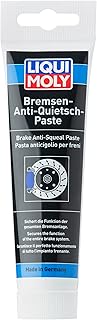
- Liqui Moly Brake Anti-Squeal Paste
Performance driving creates rapid temperature spikes. Cheap grease burns away quickly under those conditions.
Heavy-duty brake systems also benefit from:
- Stainless hardware clips
- Regular slide pin cleaning
- High-temp synthetic grease
- Frequent brake inspections
Towing drivers should inspect brake lubrication every 15,000 to 20,000 miles.
FAQ
What is the best brake caliper grease for slide pins?
Silicone-based brake grease works best for slide pins because silicone protects rubber boots and resists water contamination.
Can regular grease work on brake calipers?
Regular grease fails under brake heat and often damages rubber components. Always use brake-specific high-temp lubricant.
How much brake grease should be applied?
Apply a thin, even coating only. Excess grease attracts dirt and can trap pressure inside rubber boots.
Does brake caliper grease stop squeaking?
Proper lubrication reduces squeaks caused by dry hardware and vibration points. Contaminated pads still require replacement.
Conclusion
Choosing the best brake caliper grease prevents expensive brake repairs and keeps braking smooth under heat. Quality lubricant protects slide pins, hardware clips, and pad contact points from corrosion and sticking.
Silicone brake grease works best for slide pins and rubber components. Ceramic brake grease handles extreme heat better on pads and hardware. Many professional technicians use both during a complete brake service.
Correct application matters as much as product choice. Thin grease layers work better than heavy coatings. Clean every component carefully before applying fresh lubricant.
Drivers who ignore caliper lubrication often face uneven pad wear, brake drag, and seized calipers. Those problems increase repair costs quickly.
Routine brake lubrication takes little time during regular brake pad replacement. That small maintenance step can extend brake life by thousands of miles and improve braking consistency in every season.
Use high-temp brake grease rated above 400°F, inspect slide pins regularly, and replace damaged rubber boots immediately. Proper brake lubrication keeps the entire braking system safer, quieter, and more reliable over the long term.
You might also like: Sticky Brake Caliper Symptoms: Diagnosis Guide, Electronic Brake Force Distribution (EBD): Explained, ABS Sensor Cleaning: Remove Metal Shavings