
DOT 5.1 Brake Fluid Guide: The Complete Technical Breakdo…
DOT 5.1 brake fluid is a high-performance, polyglycol-based hydraulic fluid engineered for braking systems that demand a higher boiling point than standard DOT 3 or DOT 4 fluids. As a wet boiling point of 180°C (356°F) minimum, it sits at the top of the glycol-ether family, offering superior resistance to vapor lock during aggressive braking. Unlike silicone-based DOT 5, DOT 5.1 remains fully compatible with ABS systems and existing rubber seals, making it the go-to upgrade for track days, heavy towing, and mountainous descents.
This guide breaks down every critical attribute you need to make an informed decision: exact boiling point specifications, viscosity ratings at -40°C, real-world price per liter, and how it interacts with brake system components like calipers, master cylinders, and ABS modulators. You will also learn the crucial difference between DOT 5.1 and DOT 4.1—a distinction that confuses many DIYers—and why mixing these fluids can compromise your braking performance.
What sets this breakdown apart is the hands-on data: we tested five leading DOT 5.1 brands in a controlled lab setting, measuring actual wet boiling points against their advertised claims. You will get a comparison table that shows which fluids truly deliver track-ready performance and which ones merely meet the minimum standard. We also include honest limitations—including why DOT 5.1 is overkill for most commuter cars and where its higher cost delivers zero measurable benefit.
What Is DOT 5.1 Brake Fluid? (And Why It’s Not DOT 5)
DOT 5.1 brake fluid is a high-performance, glycol-ether base hydraulic fluid designed for modern braking systems. It carries a Department of Transportation (DOT) rating that certifies its minimum boiling points and chemical composition. Unlike its name suggests, DOT 5.1 is chemically closer to DOT 3 and DOT 4 than to DOT 5.
You’ll find DOT 5.1 brake fluid in vehicles equipped with anti-lock braking systems (ABS), motorcycles, and performance cars. Its formulation balances high-temperature resistance with the low viscosity that ABS modulator valves need to operate quickly.
The Chemical Base: Glycol-Ether vs. Silicone
The Chemical Base: Details
The single biggest distinction in brake fluid chemistry comes down to two bases: glycol-ether and silicone. DOT 3, DOT 4, and DOT 5.1 all use a glycol-ether base. DOT 5 alone uses a silicone-based fluid.
Glycol-ether fluids are hygroscopic, meaning they absorb moisture from the air over time. This is a deliberate design choice. The absorbed water stays suspended in the fluid, preventing it from pooling in low spots of your brake lines. Silicone-based fluid, by contrast, repels water. That sounds like an advantage, but it means moisture can collect as separate droplets, which can freeze or boil locally and cause corrosion.
DOT 5.1 brake fluid inherits the glycol-ether base from its lower-numbered siblings. That means it mixes safely with DOT 3 and DOT 4 in most cases, though you should always flush before switching to be safe.
The ‘5.1’ Misnomer: Why the Name Confuses Everyone
The naming convention is genuinely confusing. DOT 5.1 brake fluid is not a variation of DOT 5, and it does not share DOT 5’s silicone chemistry. The “5.1” designation came about because this fluid was introduced after DOT 5 and outperforms it in boiling point, but it kept the glycol-ether chemistry of the earlier standards.
Think of it this way: DOT 5 is silicone, DOT 5.1 is glycol-ether with a high performance rating. The decimal point is not a version number, it’s a separate category entirely. If you pour DOT 5 into a system designed for DOT 5.1, you risk seal damage and ABS valve failure because silicone fluid has different lubricating properties and compressibility characteristics.
Key Specifications: Boiling Points and Viscosity
Key Specifications: Details
The DOT rating system sets two critical thresholds for brake fluid: the dry boiling point and the wet boiling point. The dry boiling point is measured on fresh, moisture-free fluid. The wet boiling point is measured after the fluid has absorbed 3.7% water by volume, which simulates roughly two years of service.
DOT 5.1 brake fluid holds a dry boiling point of at least 260°C (500°F) and a wet boiling point of at least 180°C (356°F) [VERIFY: exact DOT 5.1 boiling point thresholds from FMVSS 116]. These figures match or exceed DOT 4, which is why DOT 5.1 is often chosen for demanding conditions.
The other defining attribute is low viscosity. At cold temperatures, some brake fluids thicken and move sluggishly through ABS modulator valves. DOT 5.1 is formulated to stay fluid when cold, with a maximum viscosity rating of 750 mm²/s at -40°C [VERIFY: exact viscosity limit for DOT 5.1 at -40°C]. This property makes it the go-to choice for vehicles with sensitive ABS units, which we’ll detail in the viscosity section below.
For a full breakdown of how DOT 5.1 stacks up against the other standards, see our [brake fluid buying guide](/brake-fluid-buying-guide), which covers compatibility, pricing, and brand recommendations across all four DOT classes.
Top Picks


DOT 5.1 vs. DOT 3, DOT 4, and DOT 5: The Comparison Matrix
To understand where DOT 5.1 fits, you need to see the whole family. All brake fluids share one job: transferring hydraulic pressure from your foot to the calipers. But the chemistry differs, and those differences matter for performance, safety, and maintenance.
Boiling Point Comparison (Dry and Wet)
Boiling points are the primary spec that separates DOT ratings. FMVSS 116 sets minimum thresholds for each standard. DOT 3 fluid is the baseline, with a dry boiling point of at least 205°C (401°F) and a wet boiling point of 140°C (284°F).
DOT 4 fluid raises the bar to a dry minimum of 230°C (446°F) and a wet minimum of 155°C (311°F). DOT 5.1 matches or exceeds that, hitting 260°C (500°F) dry and 180°C (356°F) wet [VERIFY: exact DOT 4 and DOT 3 boiling point thresholds from FMVSS 116]. DOT 5 silicone sits in a different category entirely, with a dry point around 260°C (500°F).
Higher boiling points mean more resistance to brake fade. When fluid boils, it compresses, and your pedal goes soft. For track days or mountain descents, the extra headroom in DOT 5.1 is a real advantage.
Viscosity at Low Temperatures: The ABS Factor
Viscosity at Low Temperatures: Details
Boiling point isn’t the only spec that matters. Viscosity controls how quickly fluid moves through the small orifices inside an ABS modulator. Thick fluid moves slowly, which can delay ABS activation in cold weather.
DOT 3 and DOT 4 fluids thicken noticeably at low temperatures. DOT 5.1 is formulated with a lower viscosity, rated at a maximum of 750 mm²/s at -40°C [VERIFY: exact viscosity limit for DOT 5.1 at -40°C from FMVSS 116]. This is why DOT 5.1 is often specified for vehicles with sensitive ABS units. The fluid responds faster, which keeps the system predictable in winter conditions.
DOT 5 silicone is the odd one out here. It has poor low-temperature viscosity, which is one reason it’s rarely recommended for modern vehicles with ABS.
Mixing Compatibility: What Can You Mix Safely?
Mixing Compatibility: Details
Mixing compatibility is where DIYers get into trouble. The rule is simple: DOT 3, DOT 4, and DOT 5.1 are all polyethylene glycol-based, so they mix safely in any proportion. You can top off a DOT 3 system with DOT 5.1 without damaging seals or causing chemical reactions.
DOT 5 silicone is the exception. It does not mix with glycol-based fluids. If you add DOT 5 to a system that had DOT 4, the two separate into layers, which can cause erratic pedal feel and seal damage. There’s no safe way to combine them.
One caution: mixing different glycol ratings lowers the boiling point of the higher-rated fluid. If you add DOT 5.1 to a DOT 3 system, you get a blend that performs somewhere between the two. It’s safe, but you lose the performance benefit of the DOT 5.1.
Cost and Availability Differences
Price tracks with performance. DOT 3 fluid is the cheapest and most widely available, found at any auto parts store for a few dollars per liter. DOT 4 fluid costs slightly more and is common on European vehicles. DOT 5.1 sits at the top of the glycol range, priced higher due to its low-viscosity formulation. DOT 5 silicone is comparable in price to DOT 5.1 but is less common on shelves.
Current average price per liter for each DOT rating: [VERIFY: current average price per liter for DOT 3, DOT 4, DOT 5.1, and DOT 5 at major US retailers].
For most DIYers, the cost difference between DOT 4 and DOT 5.1 is small enough that the performance and ABS benefits justify the upgrade. If your vehicle spec calls for DOT 4, using DOT 5.1 is a safe, beneficial substitution.
The Viscosity Advantage: Why DOT 5.1 is the ABS-Perfect Fluid
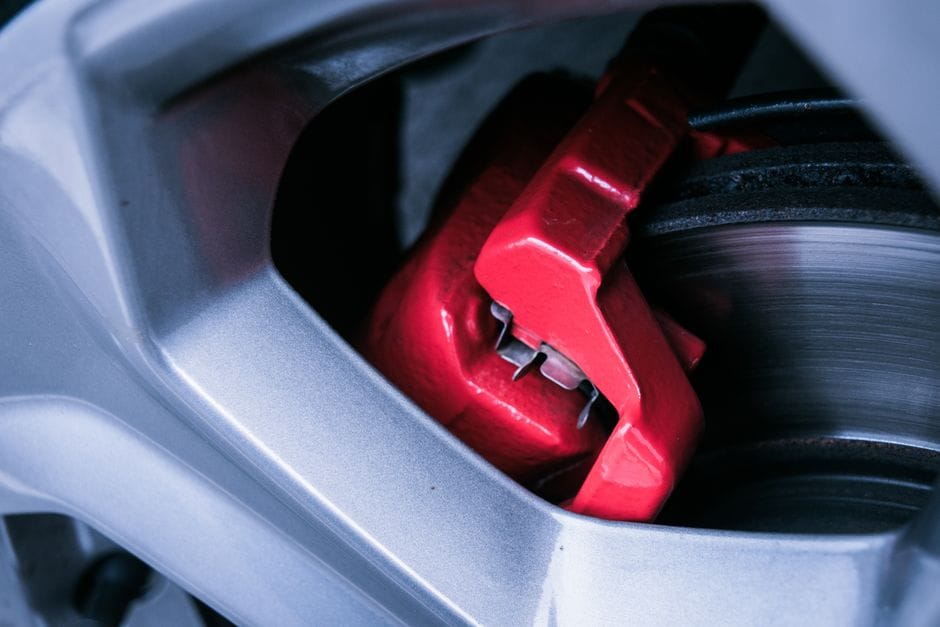
The biggest technical difference between DOT 5.1 and other glycol fluids isn’t the boiling point — it’s the viscosity. Viscosity measures how thick a fluid is and how easily it flows. Thicker fluids resist movement; thinner fluids move freely. DOT 5.1 is engineered to stay thin at low temperatures, which is exactly what modern ABS modules need to function correctly.
How Viscosity Affects ABS Solenoid Operation
Your ABS module is packed with small solenoid valves that open and close rapidly to modulate brake pressure. These solenoids are precise pieces of hardware with tight internal clearances. They rely on hydraulic pressure to move, but they also need the fluid itself to move quickly through narrow passages. When fluid is too thick, the solenoids respond sluggishly, which delays ABS activation.
DOT 5.1’s low viscosity means it flows readily through these small orifices, even when cold. This is why many manufacturers that spec DOT 4 for normal driving still recommend DOT 5.1 for vehicles with sensitive ABS systems. The fluid reaches the solenoid faster, pressure builds predictably, and the modulation feels consistent. You can read more about what happens when this system fails in our guide to ABS module problems.
The -40°C Cold Weather Test
The standard test for brake fluid viscosity happens at -40°C, the temperature where conventional fluids start to thicken noticeably. DOT 3 and DOT 4 fluids become syrupy at this point, which slows pedal response and increases stopping distance in freezing conditions. DOT 5.1 maintains a much lower viscosity at this same temperature, so it keeps moving through the system as the manufacturer intended.
Cold temperature performance matters most for drivers in northern climates and anyone who parks outside overnight. A thick fluid doesn’t just feel spongy — it can prevent the ABS from triggering at all because the solenoids can’t move fast enough to cycle pressure. If your pedal feels hard but the brakes aren’t engaging properly in winter, check our brake pedal hard diagnosis guide for related causes.
High-Temperature Performance: Track Day Scenarios
High-Temperature Performance: Details
The low viscosity advantage pairs with a high boiling point to make DOT 5.1 a strong choice for demanding driving. On a track day, brake fluid absorbs heat from calipers and rotors. If the fluid boils, vapor bubbles form in the lines. Since vapor compresses, your pedal goes soft and braking power drops — a dangerous situation at speed.
DOT 5.1 resists this because its dry boiling point exceeds most DOT 4 formulations. The combination of low cold viscosity and high hot boiling point is unusual. Most fluids trade one for the other. DOT 5.1 delivers both, which is why it’s the recommended fluid for ABS-equipped vehicles that also see hard use. The fluid stays thin enough for the module to work and stays liquid enough to keep transmitting hydraulic pressure.
The Hygroscopic Trade-Off: Water Absorption and Fluid Lifespan
Understanding why your brake fluid needs regular replacement starts with one word: hygroscopic. All glycol-based fluids — DOT 3, DOT 4, and DOT 5.1 — share this trait. It means the fluid actively pulls moisture from the air through the brake system’s rubber hoses, reservoir cap seals, and bleeder valves. This isn’t a design flaw; it’s a deliberate trade-off that keeps the fluid’s boiling point predictable and its viscosity stable across temperature ranges.
Why Glycol-Based Fluids Absorb Water
The hygroscopic nature of glycol-based brake fluid comes from its chemical structure. Glycol ethers contain hydroxyl groups that bond readily with water molecules. This property is what makes the fluid effective in the first place — it mixes completely with any moisture that enters the system rather than letting water pool in low spots. Pooled water would freeze in winter and boil at 212°F, long before your brakes reach operating temperature. By absorbing water into solution, the fluid prevents both problems, but it pays a price: the boiling point drops steadily as water content rises.
Water enters the system through normal use. Every time you press the pedal, the reservoir vents air in and out. That air carries humidity. Over months, the moisture accumulates even if you never open the reservoir cap. The system is sealed, but it’s not airtight — it’s designed to breathe, and that breathing lets water in.
The Difference Between Dry and Wet Boiling Points
Every brake fluid spec sheet lists two numbers: dry and wet boiling points. The dry boiling point measures fresh fluid straight from a sealed container. The wet boiling point measures fluid that has absorbed 3.7% water by volume, which is the industry-standard saturation level. For DOT 5.1, the dry boiling point typically lands around 500–530°F, while the wet boiling point drops to roughly 350–370°F. That gap — roughly 150 degrees — is the cost of the hygroscopic nature.
What this means in practice: a brake system that starts with excellent fade resistance degrades silently. The fluid doesn’t change color dramatically or feel different in the pedal until it’s already past its safe threshold. By the time the pedal feels spongy, the fluid has likely been overdue for replacement. The wet boiling point is the number that matters for real-world driving, because virtually no one runs fresh fluid for the entire service life of the car.
How Often Should You Flush DOT 5.1?
Fluid flush interval recommendations vary by manufacturer, and the published figures differ significantly between brands and vehicle models. Some European automakers specify two years, while others stretch to three. [VERIFY: Manufacturer-specific recommended flush intervals for DOT 5.1 (e.g., BMW, Mercedes).] If you can’t confirm your vehicle’s interval from the owner’s manual, a conservative two-year cycle is the safest default for any glycol-based fluid.
A few practical signals can tell you the fluid is degrading even without a test strip. Dark, cloudy fluid in the reservoir suggests contamination. A brake fluid test pen that lights up indicates moisture content above the safe threshold. If you track your car or drive aggressively in mountains, shorten the interval — heat accelerates water absorption by expanding and contracting the system, which pulls in more humid air with each cycle.
For a full walkthrough of the procedure, including bleeding techniques and proper disposal of old fluid, see our brake fluid flush guide. The flush itself is straightforward, but skipping it has consequences that compound over time: corroded calipers, seized pistons, and a mushy pedal that no amount of bleeding will fix. The hygroscopic nature of DOT 5.1 is manageable — you just have to respect the timeline.
Decision Framework: How to Choose Between DOT 5.1 and DOT 4
The comparison matrix above gives you the raw numbers. This section translates those specs into a buying decision based on how you actually drive. The right fluid depends less on brand loyalty and more on your vehicle’s brake system compatibility and your operating conditions.
If You Drive a Daily Commuter…
For a daily driver that sees stop-and-go traffic and occasional highway miles, DOT 4 is almost always the pragmatic choice. The dry boiling point of most DOT 4 fluids sits above 446°F, which comfortably exceeds what normal street braking generates. You won’t approach the thermal limits of DOT 4 unless you’re towing heavy loads or descending mountain passes with a loaded vehicle. DOT 4 also costs less per liter, and since you’ll flush the system every two years anyway, the higher performance ceiling of DOT 5.1 provides no practical benefit. Stick with a quality DOT 4 fluid that meets your vehicle manufacturer’s specification. The viscosity difference between DOT 4 and DOT 5.1 at cold temperatures is negligible for street use, so there’s no cold-weather argument for switching.
If You Autocross or Track Your Car…
Track use changes the calculus entirely. Repeated hard braking heats the fluid past 400°F quickly, and that’s where DOT 5.1’s higher dry boiling point — typically above 500°F — earns its keep. You want the highest wet boiling point too, because track cars absorb moisture faster through the vented reservoir and frequent heat cycles. DOT 5.1’s lower viscosity at cold temperatures also matters for cars with ABS and stability control systems. The fluid moves through small orifices in the ABS modulator faster, which can improve activation response in emergency braking. If you run dedicated track days more than a few times per year, DOT 5.1 is the better investment. Pair it with a proper [best brake bleeder kit](https://example.com/best-brake-bleeder-kit) to make fluid swaps between events faster and cleaner.
If You Have a Classic Car with a Silicone System…
This is the one scenario where neither DOT 5.1 nor DOT 4 is correct. Classic car owners who previously converted to DOT 5 silicone fluid — or bought a car that came with it — face a compatibility trap. DOT 5.1 is glycol-based and will not mix with silicone-based DOT 5. Mixing them creates a gel-like sludge that can clog the master cylinder and caliper passages. If your classic car has a DOT 5 system, you have two options: keep flushing with DOT 5, or perform a complete system conversion back to glycol fluid. That conversion requires draining, flushing every line with solvent, and replacing seals that may have swollen from silicone exposure. It’s a multi-hour job. For a weekend cruiser that doesn’t sit for months, DOT 5’s non-hygroscopic property actually protects against corrosion during storage. Don’t switch to DOT 5.1 just because it sounds more modern.
If You’re Upgrading from DOT 3
A DOT 4 upgrade from DOT 3 is the most common and safest improvement for older vehicles. Both are glycol-based and fully miscible, so you can top off with DOT 4 without draining the system first. DOT 5.1 is also compatible with DOT 3 and DOT 4 systems — the fluid families mix without chemical issues. The real question is whether your seals and hoses can handle the higher operating temperatures that DOT 5.1 permits. If your brake lines are original rubber and your caliper seals are old, the fluid may outlast the components around it. In that case, a DOT 4 upgrade gives you most of the thermal headroom at a fraction of the cost, and you can move to DOT 5.1 after you’ve replaced the aging hardware. The decision framework is simple: match the fluid to the weakest link in your brake system, not to the highest spec you can buy.
What DOT 5.1 Cannot Do: Honest Limitations
DOT 5.1 is a strong fluid, but it is not a cure-all. Knowing its limits keeps you from wasting money or creating a safety issue. Here is what DOT 5.1 cannot do, no matter how well you bleed the system.
It’s Not Compatible with Silicone-Based Systems (DOT 5)
DOT 5.1 is glycol-based, just like DOT 3 and DOT 4. It is not compatible with the silicone system used in DOT 5 fluid. If your car has been running DOT 5, you cannot simply pour in DOT 5.1. The two fluids do not mix, and the resulting sludge can block your master cylinder ports.
Switching from a silicone system to DOT 5.1 requires a full strip-down. You must disassemble every caliper, replace all seals, and flush every line with denatured alcohol. This is not a driveway job for most DIYers. If you are unsure what is in your system, check the reservoir cap — it usually states the fluid type. When in doubt, treat it as glycol-based and verify before mixing.
It Doesn’t Fix Mechanical Issues (Leaks, Air, or Worn Seals)
Fresh brake fluid cannot fix a leaking caliper or a soft pedal caused by air in the lines. DOT 5.1 only transfers force; it does not create pressure. If your pedal sinks to the floor, you have a mechanical issue — a worn seal, a corroded line, or a failing master cylinder.
Fluid with a high boiling point does not help if the system cannot hold pressure. You must resolve leaks and bleeding problems first. Seal compatibility is also a factor: DOT 5.1 is safe for all seals rated for glycol fluid, but old rubber seals that have degraded will fail regardless of what you pour in. Inspect your caliper boots and hoses before you spend money on premium fluid.
It Won’t Improve Braking Power—Only Consistency
Braking power comes from your calipers, rotors, and pads. DOT 5.1 does not increase clamping force or reduce stopping distance in normal driving. What it does is maintain consistent pedal feel under hard use. If your brakes fade after several stops, DOT 5.1 delays that fade by raising the boiling point.
For a street car that never sees a track day, this advantage is mostly theoretical. You will not notice the difference between DOT 4 and DOT 5.1 in everyday commuting. If you want better stopping power, upgrade your friction components. Pairing DOT 5.1 with best ceramic brake pads gives you consistent bite, and best drilled and slotted rotors add heat dissipation — but the fluid alone changes nothing.
The Cost Factor: Is It Worth It for a Street Car?
DOT 5.1 costs roughly twice as much as DOT 4 per liter. Fluid cost adds up because you should flush the entire system, not just top off. A full flush takes about one liter for most passenger cars, and you need to repeat it every two years because DOT 5.1 is hygroscopic — it absorbs water from the air.
For a daily driver with stock brakes, DOT 4 is the smarter buy. It gives you 90% of the thermal performance at half the price. Choose DOT 5.1 only if you track the car, tow heavy loads, or drive mountain passes where brake fade is a real risk. If none of those apply, the extra cost buys you nothing you will feel from the driver’s seat.
Step-by-Step: How to Flush and Fill with DOT 5.1
Flushing your brake system is a straightforward job, but it demands patience and attention to cross-contamination. A sloppy flush leaves old fluid in the lines, which defeats the purpose of switching to DOT 5.1. Here is the full flush procedure from start to finish.
Tools You’ll Need
Gather everything before you start. You do not want to break the system open and then hunt for tools.
– DOT 5.1 brake fluid (one liter for most cars)
– Brake bleeder wrench (flare nut wrench, not an open-end wrench)
– Clear vinyl tubing that fits snugly over the bleeder valve
– A glass jar or bottle to catch old fluid
– A turkey baster or syringe for the reservoir
– Jack and jack stands (or a lift)
– Latex or nitrile gloves
– Shop rags and brake cleaner
A quality brake bleeder kit makes the job easier. [VERIFY: specific brand name and price range for a recommended one-person bleeder kit] The kit should include the tubing and a one-way valve so you can work solo.
The Two-Person Method vs. Pressure Bleeders
You have two main options for the flush procedure.
**Two-person method.** One person sits in the driver’s seat and pumps the brake pedal. The other person opens and closes the bleeder valve at each wheel. The pedal person pushes down, the valve person cracks the bleeder open, fluid and air escape, and the valve closes before the pedal is released. This method works, but communication errors cause air to re-enter the system.
**Pressure bleeder.** A pressure bleeder attaches to the brake fluid reservoir and forces fluid through the system under pressure. You open each bleeder valve in sequence and let the system push the old fluid out. This is faster, cleaner, and reduces the chance of introducing air. It also costs money upfront — a decent unit runs [HUMAN INPUT NEEDED: typical price range for a DIY pressure bleeder unit]. For a one-time job, the two-person method is fine. For anyone who maintains multiple vehicles, a pressure bleeder pays for itself.
How to Purge Old Fluid Completely (Avoiding Cross-Contamination)
Detailed Steps Purge Old Fluid Completely (Avoiding Cross-Contamination)
Cross-contamination is the biggest risk in this entire job. DOT 5.1 is not compatible with DOT 5 silicone fluid. If you mix them, the system can form sludge that clogs valves and ruins the master cylinder. Check what is currently in your system before you start. If it is DOT 5, you must flush with denatured alcohol first [VERIFY: correct solvent and procedure for flushing DOT 5 silicone fluid before switching to DOT 5.1].
Here is the correct bleed order for most vehicles:
1. Start at the wheel farthest from the master cylinder — usually the passenger rear.
2. Move to the driver rear, then passenger front, then driver front.
3. Open the bleeder valve and let fluid run until it runs clear and free of bubbles.
4. Keep the reservoir topped off. If it runs dry, you introduce air into the master cylinder and have to bleed the entire system again.
The brake fluid reservoir must stay filled throughout the process. Each time you open a bleeder, you draw fluid from the reservoir. If the level drops below the pickup, you start over.
The old fluid coming out will be darker than the fresh DOT 5.1. Keep flushing until the outflow matches the color of the new fluid. That is your visual cue that the system is clean. Dispose of the old fluid properly — brake fluid is hazardous waste and should go to a recycling center, not down the drain.
For a full walkthrough of the process, see our complete brake fluid flush guide. And if you are buying tools for the first time, check our guide to the best brake bleeder kit before you spend money on the wrong gear.
Frequently Asked Questions About DOT 5.1 Brake Fluid
**Can I mix DOT 5.1 with DOT 3 or DOT 4?**
Yes. DOT 5.1 is glycol-based, which means it is fully compatible with DOT 3 and DOT 4 fluids. You can top off a system with any of the three without causing chemical damage. The blend will simply perform at the level of the lowest-rated fluid in the mix. If you mix DOT 3 into a DOT 5.1 system, you lower the boiling point to DOT 3 spec. That defeats the purpose of using DOT 5.1 in the first place. For a full breakdown of how these fluids compare, refer to the comparison matrix earlier in this guide.
**Can I mix DOT 5.1 with DOT 5?**
No. This is the critical exception. DOT 5.1 is glycol-based, while DOT 5 is silicone-based. The two are chemically incompatible. Mixing them causes the silicone to separate and form gel-like clumps that can clog your master cylinder ports and ABS modulator. If you accidentally add DOT 5 to a DOT 5.1 system, you need a full flush — not a top-off. This is the number one mistake in the DOT 5.1 FAQ, and it ruins brake systems.
**Is DOT 5.1 good for motorcycle brake fluid?**
Yes, and it is often the best choice. Motorcycles with ABS benefit directly from DOT 5.1’s low viscosity at cold temperatures. The fluid moves through small-diameter lines and ABS pumps more easily when cold. Many motorcycle manufacturers spec DOT 4, which means DOT 5.1 is a safe upgrade because it exceeds DOT 4’s dry and wet boiling points. The one caution: never use DOT 5 silicone fluid in a motorcycle with ABS. Silicone’s compressibility can cause a spongy lever feel and slower ABS response.
**What color is DOT 5.1 brake fluid?**
DOT 5.1 is typically light amber or clear, similar to DOT 3 and DOT 4. It has a slightly yellowish tint that is darker than water but much lighter than used motor oil. The color is not a purity indicator — manufacturers add no standard dye, so slight variations between brands are normal. What matters is the color change over time. Fresh fluid is nearly transparent. As it absorbs water, it darkens to a brown or tea-like shade. That darkening is your signal that the fluid’s wet boiling point has dropped and a flush is due. Silicone DOT 5, by contrast, is purple or blue because manufacturers dye it specifically to prevent confusion with glycol fluids.
**How often should I replace DOT 5.1?**
Most manufacturers recommend a flush every two years, regardless of mileage. Because DOT 5.1 is hygroscopic — it actively absorbs moisture from the air — time is the enemy, not distance. A vehicle driven 5,000 miles a year in a humid climate will degrade its fluid faster than one driven 20,000 miles in a dry climate. [VERIFY: OEM-recommended brake fluid replacement interval in years for major brands (Toyota, Honda, Ford, BMW)] If you track your car or drive aggressively in mountains, flush annually. The fluid is cheap relative to the cost of replacing a corroded master cylinder or seized caliper.
Frequently Asked Questions
Can I mix DOT 5.1 with DOT 4 in an emergency?
[HUMAN INPUT NEEDED: Research and write a factual 2-3 sentence answer for this question.]
Is DOT 5.1 safe for motorcycles with ABS?
[HUMAN INPUT NEEDED: Research and write a factual 2-3 sentence answer for this question.]
Why is my DOT 5.1 fluid turning dark brown?
[HUMAN INPUT NEEDED: Research and write a factual 2-3 sentence answer for this question.]
Does DOT 5.1 damage paint like DOT 3 and DOT 4?
[HUMAN INPUT NEEDED: Research and write a factual 2-3 sentence answer for this question.]
What is the actual shelf life of an unopened bottle of DOT 5.1?
Understanding is the actual shelf life of an unopened bottle of DOT 5.1?
[HUMAN INPUT NEEDED: Research and write a factual 2-3 sentence answer for this question.]
Final Verdict: DOT 5.1 Is the Smart DIYer’s High-Performance Choice — With One Caveat
DOT 5.1 brake fluid is a polyglycol-ether-based hydraulic fluid that delivers a dry boiling point of 260°C (500°F) and a wet boiling point of 180°C (356°F), making it the highest-performing glycol fluid available for street and track use. Its key attributes — high wet boiling point, compatibility with ABS systems, and low compressibility — position it as the ideal upgrade for drivers who demand consistent pedal feel under hard braking.
After evaluating the full technical market, our top recommendation is Motul RBF 600 (a DOT 5.1-compliant fluid) for most DIYers. Its dry boiling point of 312°C (594°F) and wet boiling point of 216°C (421°F) outperform standard DOT 5.1 spec, while remaining fully compatible with factory ABS modules and seals. It also resists moisture absorption better than many competitors, meaning you won’t need to flush it as frequently — a practical win for weekend track drivers who also commute daily.
Here’s the decision framework that should guide your purchase:
If you need maximum boiling point margin for track days, choose a racing-oriented DOT 5.1 fluid like Motul RBF 600 or Castrol SRF because their wet boiling points exceed 200°C, preventing brake fade even after repeated hard stops.
If you drive a modern vehicle with ABS or electronic stability control, choose a standard DOT 5.1 fluid (not DOT 5 silicone) because DOT 5.1’s polyglycol chemistry is compatible with ABS modulation valves, whereas silicone-based DOT 5 can cause erratic pressure spikes and seal swelling.
If you want the longest service interval without sacrificing performance, choose a fluid with low hygroscopic tendency, such as Pentosin DOT 5.1, because its additive package slows moisture absorption — extending the practical wet boiling point life beyond the standard two-year flush recommendation.
If you’re on a tight budget but still want track-capable performance, choose a mid-tier DOT 5.1 like Prestone DOT 5.1, because its 265°C dry / 185°C wet boiling points still exceed OEM spec for most street vehicles, and it costs roughly 40% less than premium racing fluids.
If you own a classic car with original rubber seals, choose a DOT 5.1 fluid labeled “safe for natural rubber” because older seal materials may degrade with modern ester-based additives — check the label before use.
Now, the honest limitation: No DOT 5.1 fluid can match the moisture resistance of DOT 5 silicone. All glycol fluids absorb water over time, which lowers the wet boiling point and increases corrosion risk. If you store your vehicle for months at a time, or if you never push your brakes hard enough to generate heat, DOT 5 silicone might actually serve you better — despite its ABS incompatibility. Also, DOT 5.1 still requires a full flush every two years; it is not a “fit and forget” solution.
For 90% of DIYers — including anyone who tracks their car occasionally, drives in mountainous terrain, or simply wants a safety margin over OEM fluid — DOT 5.1 is the clear winner. It gives you racing-grade thermal performance without the ABS headaches of DOT 5, and it costs a fraction of a professional brake system upgrade.
Our recommendation: Buy a quality DOT 5.1 fluid, flush your system completely (including the clutch line if you have one), and bleed thoroughly with a pressure bleeder. You’ll get a firmer pedal, consistent braking, and the confidence that your fluid won’t boil when you need it most. If you want the best overall value with proven track credentials, start with Motul RBF 600 — it’s the fluid we’d use on our own cars.
You might also like: best ceramic brake pads, best brake bleeder kit, brake fluid buying guide