Clutch Kit Buying Guide: OEM vs Aftermarket vs Performance
A clutch kit transfers engine power to the transmission in manual vehicles. Drivers must choose between OEM, aftermarket, or performance kits based on driving style, vehicle use, and budget. This guide compares each type, examines materials like organic, ceramic, and Kevlar, and helps you avoid expensive mistakes in clutch kit selection.
💡 Pro Tip: Driving style matters: daily commuters need durability; track drivers need heat resistance.
What Is a Clutch Kit and How Does It Work?
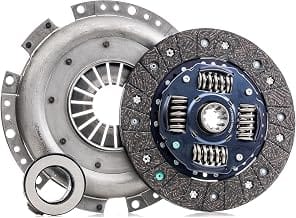
A clutch kit engages and disengages engine power to the wheels. It lets you shift gears smoothly in manual transmission cars. The kit includes several key parts that work together under high friction and heat. Proper selection prevents slippage and extends transmission life.
Core Components of a Clutch Kit
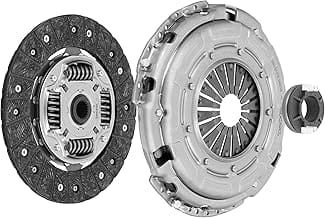
- Clutch disc
- Pressure plate
- Throw-out bearing
- Pilot bearing/bushing
- Alignment tool
When Do You Need a Clutch Kit Replacement?
Watch for slipping under acceleration. Note difficulty shifting gears. Detect burning smell from the bellhousing. Observe high RPMs without speed gain. Listen for grinding noise when engaging the clutch.
🔧 Linked Opportunity: See our replacement procedures for step-by-step diagnosis and installation.
OEM vs Aftermarket vs Performance Clutch Kits: Key Differences
OEM kits deliver factory reliability and perfect fitment for stock vehicles. Aftermarket kits provide affordable alternatives with decent quality. Performance kits handle higher torque from modified engines but demand driving adjustments. Choose based on your power goals and daily needs.
What Is an OEM Clutch Kit?
OEM means Original Equipment Manufacturer. These kits offer perfect fit and reliable daily operation. They carry full factory warranty support. They cost more but last longer in stock applications.
What Is an Aftermarket Clutch Kit?
Aftermarket kits come from third-party makers. They cost less and stay widely available. Quality varies by brand. Some fit perfectly while others need minor adjustments.
What Is a Performance Clutch Kit?
Performance kits handle extra power and heat. They suit modified or track vehicles. They manage higher torque loads effectively. They often create firmer pedal feel.
Comparison Table: OEM vs Aftermarket vs Performance Clutch Kits
| Feature | OEM Clutch Kit | Aftermarket Kit | Performance Kit |
|---|---|---|---|
| Best For | Daily driving | Budget repairs | Track/towing/modifications |
| Lifespan | 60k–100k miles | 30k–70k miles | 30k–60k miles |
| Torque Capacity | Stock | Slightly above stock | 100+ lb-ft over stock |
| Price Range | $300–$700 | $150–$500 | $400–$1,500+ |
| Mount Quality | High | Variable | High (premium brands) |
| Pedal Feel | Light & smooth | Moderate | Firm & aggressive |
📊 Expert Insight: OEM is safest; aftermarket offers risk/reward; performance demands driving expertise.
Performance Clutch Kits Explained: Stage 1, 2, and 3
Clutch stages indicate power and torque handling levels. Higher stages manage more horsepower but change drivability. Match the stage to your engine modifications and usage.
What Does Clutch Stage Mean?
Stages define how much extra torque the clutch can hold. They help buyers compare upgrade levels quickly.
Stage 1 Clutch Kit – Mild Upgrades for Daily Drivers
Stage 1 kits use organic or hybrid disc material. They deliver +20–40% torque increase. They work great for mildly modified engines and daily driving.
Stage 2 Clutch Kit – Track-Ready Street Performance
Stage 2 kits feature semi-metallic or Kevlar discs. They provide +40–70% torque capacity. They need proper break-in and create stronger pedal effort.
Stage 3 Clutch Kit – Race-Level Power Handling
Stage 3 kits use full ceramic or puck-style discs. They handle 80–120%+ torque increases. They suit track use but feel aggressive on streets.
Stage 4+ (Optional Specialist Kits)
Stage 4+ kits use multi-plate systems. They target drag racing or heavy forced induction. They require custom installation and professional setup.
⚠️ Warning: Never install a Stage 3+ clutch on a stock daily driver—expect drivability issues.
Clutch Material Types: Organic, Ceramic, Kevlar, and Metallic
Clutch materials affect engagement feel, heat resistance, and lifespan. Choose the right friction material for your driving conditions and power level.
Organic Disc Clutch Kits
Organic discs give smooth engagement and quiet operation. They feel OEM-like on the road. They offer low heat resistance and wear faster under heavy load.
Ceramic Disc Clutch Kits
Ceramic discs provide high heat tolerance and strong grip. They deliver aggressive engagement. They work poorly for city stop-and-go traffic.
Kevlar Disc Clutch Kits
Kevlar discs balance durability and daily drivability. They suit spirited street driving. They handle heat better than organic materials.
Metallic / Sintered Iron Disc Clutch Kits
Metallic discs offer extreme durability for competition. They feel loud and grabby at low speeds. They suit racing applications only.
Quick Material Comparison Table
| Material | Street Use | Heat Resistance | Lifespan | Engagement Feel |
|---|---|---|---|---|
| Organic | ✅✅✅ | ❌ | ✅✅ | Smooth |
| Ceramic | ❌ | ✅✅✅ | ✅✅✅ | Aggressive |
| Kevlar | ✅✅ | ✅✅ | ✅✅✅ | Moderate |
| Metallic | ❌ | ✅✅✅ | ✅✅✅ | Harsh |
🔗 Deep Dive: See our guide on clutch material types for real-world user reports.
How to Choose the Best Clutch Kit (Buyer’s Decision Matrix)
Match your clutch kit to your exact driving style and vehicle modifications. Consider power output, budget, and long-term costs before buying.
Match Clutch Kit to Your Driving Style
Daily commuters should pick OEM or Stage 1 organic kits. Weekend track cars need Stage 2 ceramic or Kevlar. Towing vehicles require Stage 2+ metallic options.
Consider Engine Modifications
Check naturally aspirated versus turbocharged setups. Measure horsepower and torque after tuning. Higher power needs stronger clutch capacity.
Evaluate Vehicle Age and Mileage
High-mileage cars often need OEM refinement. Rebuilt engines benefit from performance clutch kits.
Budget and Long-Term Cost Analysis
Compare upfront cost against replacement frequency. Factor in professional labor costs.
Brand Reputation and Warranty
Choose trusted brands like Exedy, Sachs, ACT, Southbend, and LuK. Look for 12–24 month warranties on quality kits.
✅ Success Tip: Pair your clutch upgrade with a lightweight flywheel for better throttle response.
Common Mistakes When Buying a Clutch Kit
Many buyers choose the wrong kit and face early failure. Avoid these errors to save money and frustration.
Choosing Based on Price Alone
Cheap kits often fail prematurely. Always check reviews and torque ratings.
Ignoring Torque Specs
Mismatched torque capacity causes slippage under load. Verify your engine output first.
Skipping the Flywheel Inspection
Warped flywheels damage new clutches quickly. Resurface or replace as needed.
DIY Without Proper Tools
Alignment errors cause premature wear. Use a clutch alignment tool.
Over-Kitting the Clutch
Stage 3 on a stock Civic ruins daily driving comfort.
❌ Avoid This: Never reuse a worn throw-out bearing with a new clutch disc.
Clutch Kit Installation and Maintenance Tips
Proper installation and care extend clutch life dramatically. Follow these steps for best results.
Recommended Tools and Setup
Use jack stands, a torque wrench, and a clutch alignment tool. A transmission jack makes the job safer.
Break-In Period for New Clutch Kits
Drive gently for 500–1,000 miles. Avoid hard launches during break-in.
Signs of Improper Installation
Check for high or low engagement point. Watch for vibration at highway speeds.
When to Replace Other Components
Resurface or replace the flywheel. Inspect the rear main seal for leaks.
🔗 Related: Follow our replacement procedures for a smooth DIY install.
Frequently Asked Questions (FAQ) – Voice Search Optimized
Q: What is the best clutch kit for daily driving? A: OEM or Stage 1 organic clutch kits offer smooth engagement and longevity for daily use.
Q: Is it worth upgrading to a performance clutch kit? A: Only if you have engine modifications (turbo, increased HP) or take your car to the track.
Q: How long should a clutch kit last? A: Typical lifespan is 60,000–100,000 miles for OEM, less for aggressive driving or performance setups.
Q: Can I install a clutch kit myself? A: Yes, with proper tools, mechanical knowledge, and a transmission jack—but professional help is recommended.
Q: What’s the difference between Stage 1, 2, and 3 clutches? A: Stage 1 is mild upgrades; Stage 2 handles moderate power; Stage 3 is for high-torque, track-focused applications.
Q: Are aftermarket clutch kits reliable? A: Reputable brands (e.g., Exedy, Sachs) offer reliable kits, but avoid unknown brands with no reviews.
🗣️ Voice Search Tip: “Hey Google, what clutch kit should I buy for a modified WRX?” → Answer: Stage 2 performance clutch with ceramic disc.
Final Verdict: Which Clutch Kit Is Right for You?
Daily drivers need OEM or Stage 1 kits for comfort and reliability. Enthusiasts with mild mods should choose Stage 2 performance clutches. Track and race cars demand Stage 3+ with ceramic or multi-plate setups. Budget buyers can trust reputable aftermarket kits with good warranties.
✅ Take Action: Tell us your car model and driving needs in the comments—we’ll recommend a clutch kit!
Related Guides & Resources
- 🔗 How to Replace a Clutch – Step-by-Step Guide (replacement procedures)
- 🔗 Clutch Replacement Cost: What to Expect (cost considerations)
- 🔗 Performance Clutch Guide: Tuning Your Manual (performance options)
- 🔗 Organic vs Ceramic Clutch: Pros and Cons (clutch material types)
- Clutch Chatter: Causes, Symptoms & How to Fix Vibration When Engaging
- Transmission Whining Noise: Diagnosis & Repair for All Speeds
- Transmission Stuck in Gear
- Transmission Slipping in Overdrive
Expert Tips for Maximizing Clutch Life
Avoid riding the clutch pedal. Do not hold the car on hills with clutch friction. Double-clutch during downshifts. Use engine braking when descending. Install a clutch stop to prevent over-travel.
🛠️ Pro Tip: A $15 clutch stop can add 10,000+ miles to your clutch life.
Clutch Kit Cost Breakdown by Type and Vehicle
| Vehicle Type | OEM Kit Cost | Aftermarket Kit | Performance Kit | Labor Estimate |
|---|---|---|---|---|
| Sedan (e.g., Civic) | $400 | $200 | $600+ | $300–$600 |
| Sports Car (e.g., Mustang) | $600 | $350 | $900+ | $500–$800 |
| Truck/SUV | $500 | $300 | $800+ | $400–$700 |
| Import Tuner (e.g., WRX) | $500 | $250 | $700+ | $600–$1,000 |
Top Clutch Kit Buying Guide – Our Picks
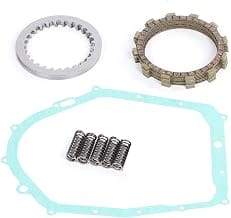
 /images/I/81tya2e-QmL._AC_UY218_.jpg” alt=”RIDEX” loading=”lazy”>
 “>
“>
💬 Note: Total cost = parts + labor + fluid + flywheel service.
Troubleshooting After Clutch Kit Installation
Address problems quickly after installation to protect your investment.
Clutch Slipping After Installation
Air in the hydraulic system or incorrect adjustment often causes this. Bleed the system properly.
Hard Pedal Feel
Check linkage or hydraulic system for stiffness. Replace fluid if needed.
Noise When Engaging Clutch
Misaligned transmission or worn release bearing creates noise. Realign during install.
Burning Smell
Light smell is normal during break-in. Stop driving if the smell persists.
🔍 Diagnostic Tip: If the problem persists, consult a specialist—don’t keep driving.
Sustainability and Future Trends in Clutch Technology
New carbon-carbon composites improve performance and reduce weight. Electro-hydraulic clutches appear in modern hybrids. Predictive wear sensors help smart vehicles. Manufacturers develop eco-friendly friction materials.
🌱 Did You Know? Some manufacturers are developing biodegradable clutch discs.