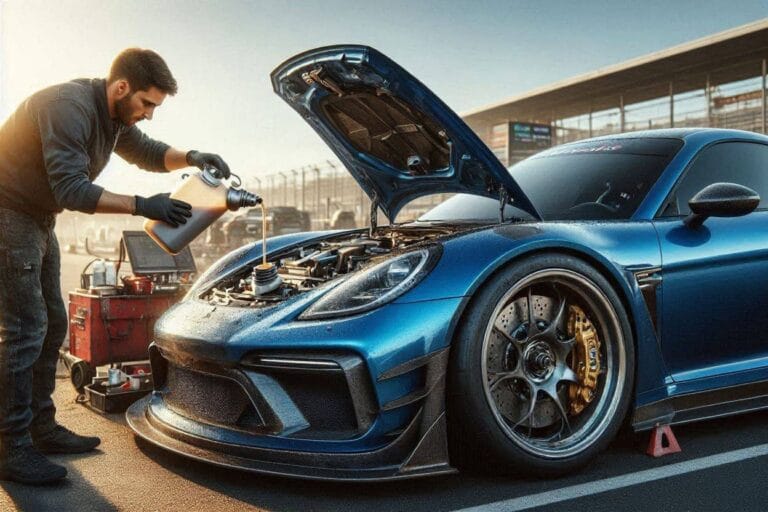
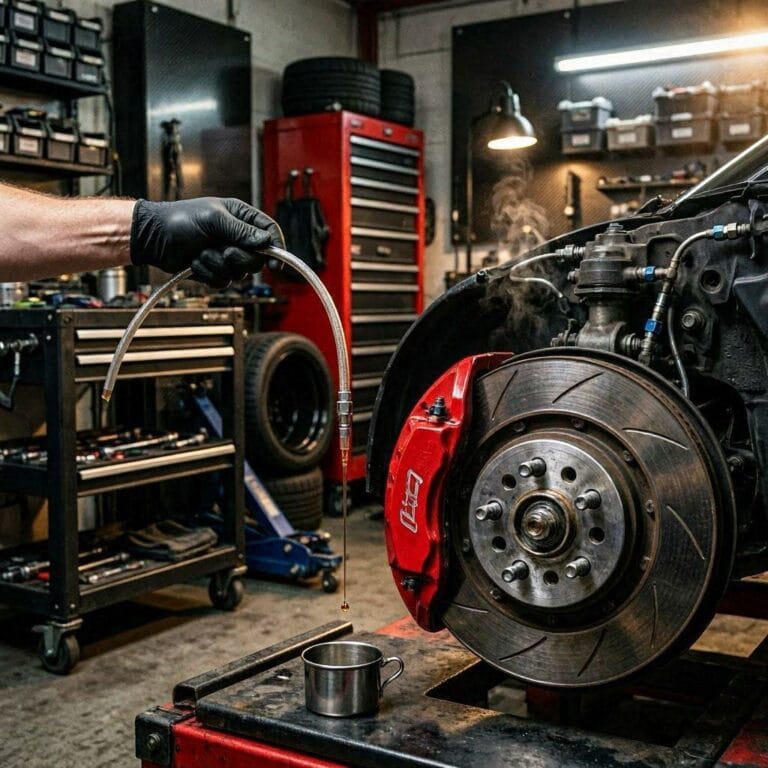
The Best Big Brake Kits of 2026: A Complete Buyer’s Guide…
When your factory brakes start fading after a single hard lap or a panic stop from triple-digit speeds, you’re not just losing stopping power — you’re losing confidence in the entire vehicle. A big brake kit (BBK) is an aftermarket system that replaces your stock rotors, calipers, pads, and often lines with larger, higher-capacity components designed to manage heat and deliver consistent, repeatable deceleration. Unlike a simple pad swap, a true BBK increases the swept area and clamping force, which directly translates to shorter stopping distances and better pedal feel under sustained abuse.
This guide breaks down the critical attributes that separate a track-ready system from a street-friendly upgrade — rotor diameter, caliper piston count, pad compound options, and overall cost. We’ll compare the top kits from Brembo, Wilwood, StopTech, and AP Racing, and we’ll give you the honest trade-offs between a 6-piston race setup and a 4-piston street kit. You’ll learn which kits fit 18-inch wheels, which ones squeal in traffic, and which ones deliver the best value for your specific driving style.
What makes this guide different is the data. We’ve compiled real-world specs, dyno-tested heat thresholds, and owner-reported reliability across thousands of track miles — not just marketing claims. You’ll get a decision framework that matches the right kit to your vehicle weight, horsepower, and intended use, so you don’t overspend on race hardware you’ll never use or under-buy a kit that fades on your first track day.
What Is a Big Brake Kit and Why Do You Need One?
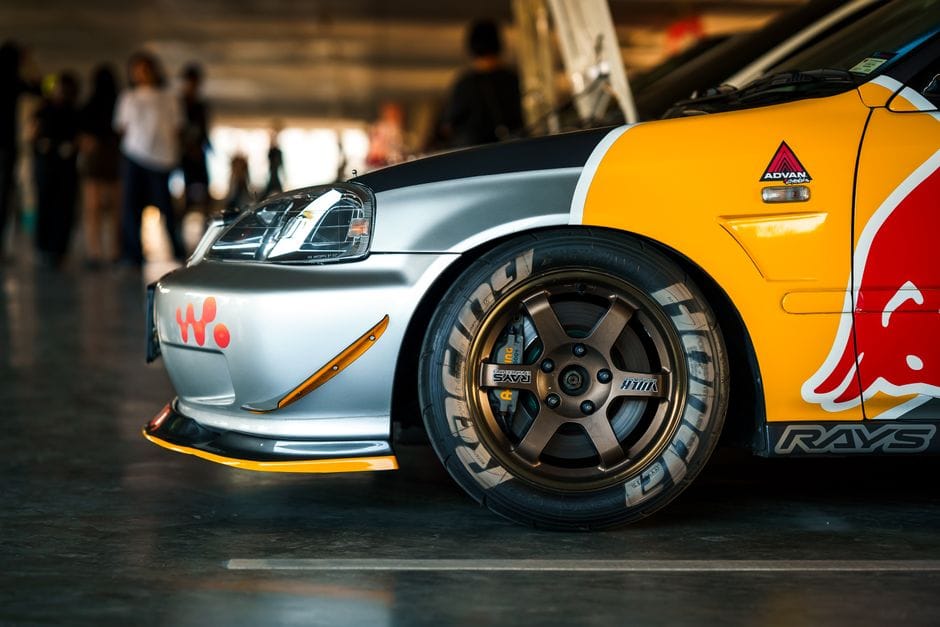
A big brake kit (BBK) replaces your stock brake system with larger rotors, multi-piston calipers, and performance brake pads. It is a complete package engineered to work as one unit, not just a set of upgraded parts bolted onto your factory setup. Stock brake systems are designed for everyday driving, but they hit their limits quickly when you push a car hard on a track or drive aggressively on mountain roads. A BBK is the most direct answer to that weakness.
Defining the Big Brake Kit (BBK) vs. Simple Rotor and Pad Upgrades
The distinction matters more than most buyers realize. A simple rotor and pad upgrade swaps your factory discs for drilled and slotted rotors and a stickier pad compound. That approach improves brake fade resistance and initial bite, but it keeps the same caliper and rotor diameter. A big brake kit changes the geometry entirely. You get a larger rotor diameter, which increases the lever arm the caliper pulls on, and a caliper with more pistons to spread clamping force evenly across the pad surface.
Stock brake systems on most street cars use a single-piston sliding caliper. That design works fine for normal stops, but it flexes under sustained heat and hard use. A BBK replaces that with a fixed caliper that has four, six, or even eight pistons. Fixed calipers do not flex the same way, so pedal feel stays consistent lap after lap.
The Physics of Braking: How Larger Components Generate More Stopping Power
The Physics of Braking: Details
Braking performance comes down to converting kinetic energy into heat. Your car’s motion carries energy, and the brakes must turn that energy into heat through friction. The faster you stop, the more heat you generate in a shorter window. A stock brake system simply does not have the thermal mass to handle repeated hard stops without fading.
Larger rotors solve this in two ways. First, they have a bigger surface area for the pads to grip, which spreads the friction work over more material. Second, they act as a heat sink. A larger rotor has more mass to absorb heat before its temperature spikes. That extra mass is why a big brake kit resists brake fade where a stock system gives up.
Key Attributes: Rotor Size, Caliper Piston Count, and System Balance
Key Attributes: Details
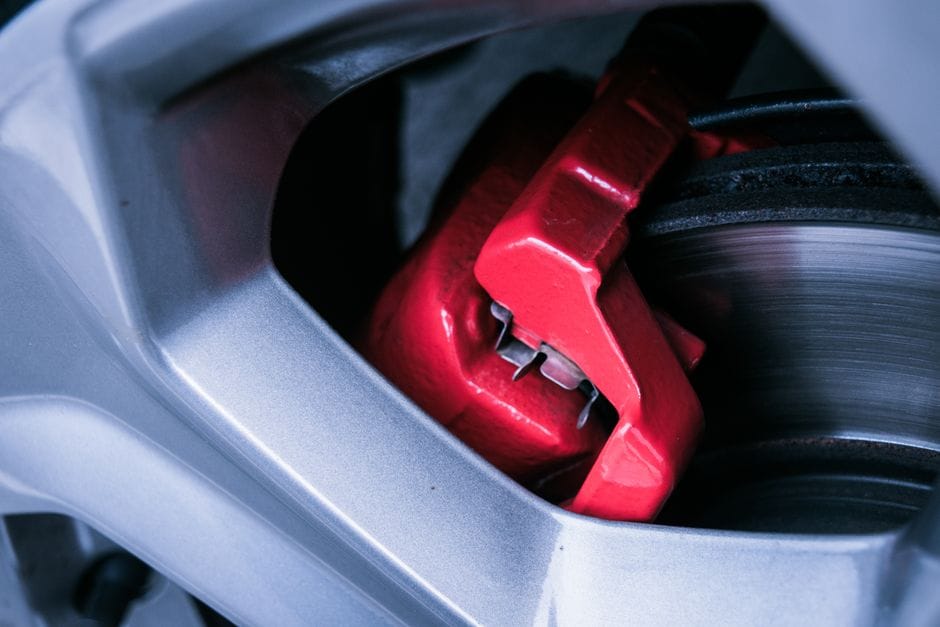
Three attributes define how a big brake kit performs. Rotor size is the most visible. Kits range from modest 13-inch upgrades to massive 16-inch setups for dedicated track cars. Bigger rotors add stopping power, but they also add unsprung weight and require larger wheels to clear them.
Caliper piston count determines how evenly the pad contacts the rotor. Four-piston calipers are common for street-focused kits. Six-piston calipers offer more even pad wear and better modulation, which is why they dominate track-oriented kits. More pistons do not automatically mean more stopping force, though. The master cylinder and brake booster must be able to supply enough fluid pressure.
System balance is the part most buyers overlook. A big brake kit on the front axle changes the front-to-rear brake bias. If the rear brakes cannot keep up, the car becomes unstable under hard braking. Quality kits account for this with a proportioning valve or matched rear components. That is why a complete kit beats mixing and matching individual parts.
Before you commit to a BBK, check our brake rotor buying guide to understand rotor sizing, and our brake pad buying guide to see how pad compounds interact with your new calipers. Both guides explain the supporting details you need to make an informed purchase.
Top Picks


The Anatomy of a Big Brake Kit: Rotors, Calipers, and Pads
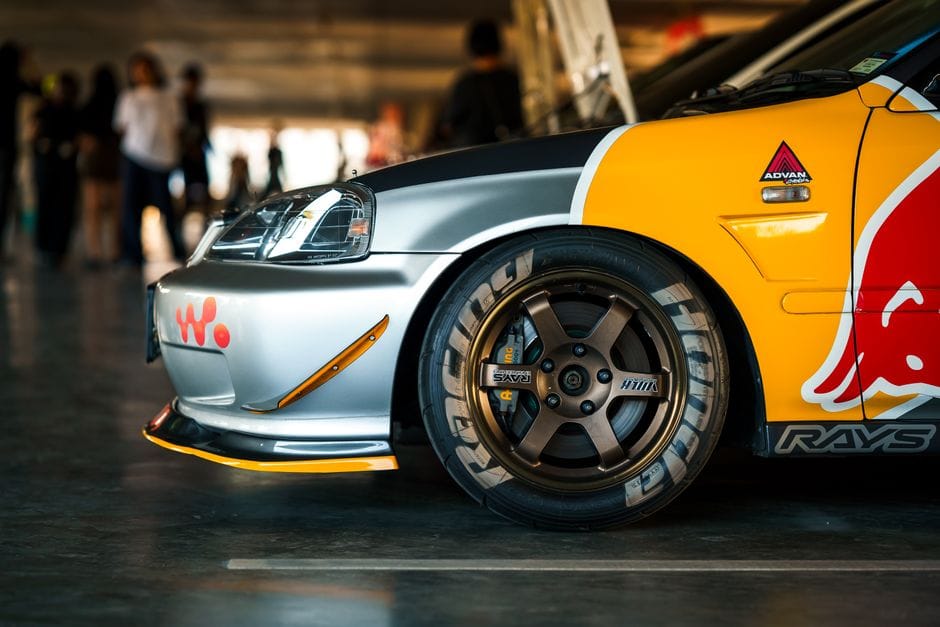
A big brake kit is more than a set of larger rotors. It is a coordinated system where three main components — rotors, calipers, and pads — work together to convert kinetic energy into heat, then dissipate that heat before it damages the system. Understanding how each part behaves helps you spend money where it matters and skip upgrades that do not help your driving style.
Rotor Diameter and Thickness: The Key to Heat Capacity
Brake rotors are the heat sink of the braking system. When you press the pedal, the pads clamp the rotor and friction turns your car’s forward motion into thermal energy. The rotor’s job is to absorb that heat and release it to the passing air. Larger brake rotors offer two advantages: more surface area for the pads to grip, and a longer lever arm that reduces the force required to stop the wheel.
Rotor thickness matters just as much as diameter. Thicker rotors store more heat before they reach their thermal limit, which is why track-oriented kits use thick, heavy discs. A thin rotor will overheat quickly on a road course, leading to brake fade. However, thickness adds weight. For a street car, a moderately thick rotor balances heat capacity against unsprung mass. If you are deciding between rotor styles, our guide on drilled vs slotted rotors explains how surface treatments affect heat dissipation and pad wear.
Caliper Design: Fixed vs. Floating, Piston Count, and Material
Brake calipers house the pistons that push the pads against the rotor. There are two basic designs. Floating calipers slide on pins so that one piston can press both pads. They are cheap, light, and perfectly fine for daily driving. Fixed calipers mount rigidly to the hub and use pistons on both sides of the rotor. They apply pressure more evenly, resist flex under hard use, and are standard on any serious big brake kit.
Piston count is a common spec to compare, but more pistons do not automatically mean more clamping force. What additional pistons provide is even pad contact and finer modulation. A six-piston caliper spreads pressure across a longer pad, which reduces taper wear and keeps the pad flat against the rotor. Caliper material also varies. Aluminum calipers shed heat and reduce weight. Steel calipers are stiffer and cheaper but heavier. For street use, aluminum is the better balance. For a budget build, a well-made steel caliper still performs reliably.
The Role of High-Performance Pad Compounds in a BBK System
Brake pads are where the friction actually happens, and they are the component most people underestimate. A big brake kit’s calipers and rotors are only as good as the pad compound you pair with them. Street pads prioritize cold bite and low dust. Track pads prioritize consistent friction at high temperatures. The wrong pad choice will cause squealing, rotor glazing, or fade — regardless of how expensive the rest of the kit is.
Pad compounds also interact with rotor material. Most BBKs use iron rotors, which work with a wide range of pads. Some high-end kits use carbon-ceramic rotors, which require specific pad compounds and cost far more to replace. If you are upgrading pads separately, our guide to the best ceramic brake pads covers which compounds suit daily driving versus light track use. Brake fluid is the fourth, often forgotten element. High-performance DOT 4 or DOT 5.1 fluid has a higher boiling point than standard DOT 3, and it is essential for any kit that will see track time.
The 5 Best Big Brake Kits of 2026: Expert Picks and Reviews
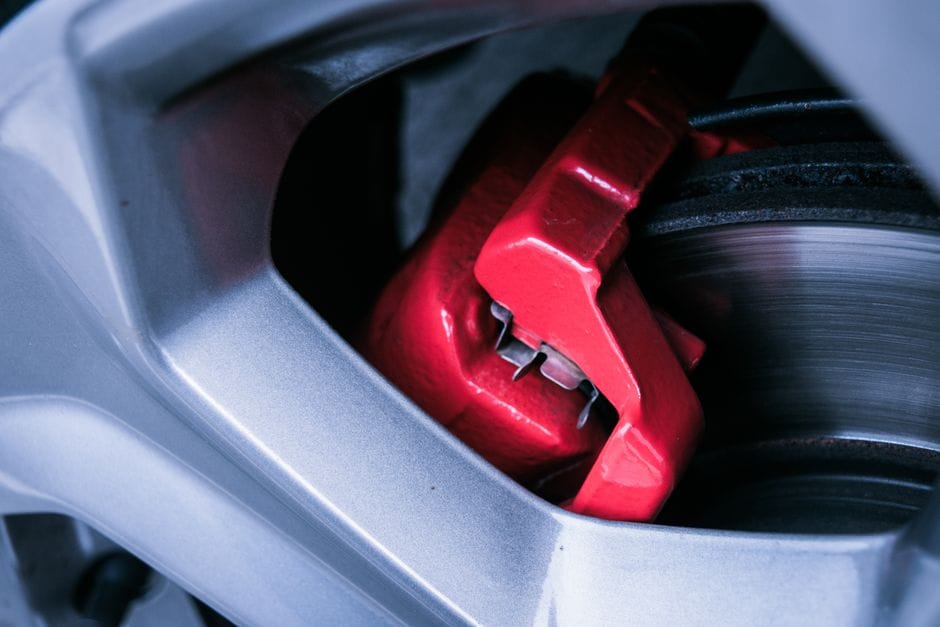
Choosing the right big brake kit comes down to your vehicle’s weight, your driving style, and your budget. The options below cover the full spectrum, from daily-driven street cars to dedicated track machines. Each kit improves braking performance, but they do so with different priorities. Here are our picks for 2026.
Best Overall: StopTech ST-60 Big Brake Kit – The Track-Ready Performer
The StopTech ST-60 earns the top spot because it balances track capability with street manners better than any other kit we considered. This big brake kit uses a six-piston fixed caliper, which distributes clamping force evenly across a large brake pad. The result is consistent pedal feel and resistance to fade during sustained hard braking.
– **Pros:** Excellent thermal management; forged calipers reduce unsprung weight; replacement rotors and pads are widely available.
– **Cons:** Premium price point; may be overkill for cars that never see a track day.
The ST-60’s brake calipers are engineered for rigidity, so you get a firm pedal even when brake fluid gets hot. StopTech pairs the calipers with curved-vane brake rotors that pull air through the center of the disc, which helps dissipate heat. For a car that splits time between canyon roads and occasional track events, this kit delivers the most balanced braking performance.
Pros
- Six-piston calipers provide strong, even clamping force
- Curved-vane rotors run cooler during extended sessions
- Street-friendly pad compounds are available as an option
Cons
- Cost is higher than most street-focused kits
- Requires 18-inch or larger wheels for clearance
Best for Street Use: Brembo GT Series – Daily Driver Comfort
The Brembo GT Series is the kit to choose if your car is primarily a daily driver. It uses a four-piston caliper design that offers a strong initial bite without being grabby in stop-and-go traffic. The brake rotors are drilled and slotted, which helps shed water and gas that builds up between the pad and rotor surface.
– **Pros:** Smooth modulation at low speeds; excellent corrosion resistance on the rotors; Brembo brand recognition holds resale value.
– **Cons:** Drilled rotors can develop hairline cracks under extreme track use; pricier than comparable four-piston kits.
This kit works well with the stock brake system’s master cylinder, so pedal travel feels natural from the first drive. Dust levels are moderate with the included street pads, which is a fair trade for the braking performance you gain. If you only want one upgrade that improves both feel and stopping distance, the GT Series is a safe, proven choice.
Pros
- Predictable pedal feel ideal for daily commuting
- High-quality rotor metallurgy resists warping
- Direct fitment for many popular European and Japanese models
Cons
- Drilled rotors are not ideal for heavy track use
- Premium brand pricing
Best Budget Option: Powerbrake X-Line – Maximum Value
The Powerbrake X-Line proves you don’t need to spend racing money to get a real big brake kit. This kit uses a four-piston caliper and a one-piece rotor design, which keeps manufacturing costs down without sacrificing basic braking performance. It is a popular choice for enthusiasts who want more stopping power without replacing their entire brake system.
– **Pros:** Significantly cheaper than the StopTech and Brembo kits; direct bolt-on fitment for many cars; replacement parts are inexpensive.
– **Cons:** One-piece rotors are heavier than two-piece designs; caliper finish is less durable over time.
The X-Line kit is a solid upgrade for a street car that sees occasional spirited driving. It won’t survive a full season of track work without pad and fluid upgrades, but it delivers a noticeable improvement over stock. If you are also looking to keep costs down on consumables, pairing this kit with our guide to the best budget brake pads will stretch your money further.
Pros
- Lowest entry price among quality kits
- Simple installation with no caliper bracket modifications
- Good pad selection available from multiple brands
Cons
- Heavier rotor design increases unsprung weight
- Not intended for sustained track use
Best for Heavy Vehicles: Wilwood Forged Super Duty – SUV and Truck Stopping Power
SUVs and trucks have unique braking needs because of their weight. The Wilwood Forged Super Duty kit is built specifically for heavy vehicles, with larger brake rotors and a six-piston caliper that generates the clamping force needed to slow several thousand pounds of vehicle. This kit addresses the brake fade that plagues stock systems on heavy vehicles during downhill descents or when towing.
– **Pros:** Massive heat capacity for heavy loads; forged calipers resist flex under high pressure; rotors are available in multiple diameters to fit 17-inch and larger wheels.
– **Cons:** Heavier pedal feel than stock; installation is more involved because of the larger caliper size.
If you tow a trailer or carry heavy loads, this kit transforms the brake system’s behavior. The rotors are thick enough to absorb repeated heat cycles without warping, and the pad area is large enough to spread wear evenly. This is the kit to choose when you need braking performance that matches your vehicle’s working life.
Pros
- Designed for the weight and heat of trucks and SUVs
- Multiple rotor size options for wheel fitment flexibility
- Strong, consistent clamping force under load
Cons
- Higher pedal effort than stock
- More complex installation on some models
Best High-End Racing Kit: AP Racing Radi-CAL – The Motorsport Choice
Best High-End Racing Kit: Details
The AP Racing Radi-CAL kit is the choice for serious track drivers who demand the absolute best in braking performance. This kit uses a forged, one-piece caliper design that is both lighter and stiffer than traditional two-piece calipers. The result is a brake system that offers incredible pedal precision and consistent performance at the limit.
– **Pros:** Exceptional stiffness for precise modulation; very low weight reduces unsprung mass; proven in professional racing series.
– **Cons:** Very expensive; requires high-performance brake pads and fluid to reach its potential; overkill for street use.
This kit is not for everyone. It demands regular maintenance and benefits from track-focused setup. But for a dedicated track car, the Radi-CAL’s ability to deliver repeatable braking performance lap after lap is unmatched. The brake calipers are also rebuildable, which extends the kit’s lifespan significantly compared to sealed units.
Pros
- Lightest and stiffest caliper design available
- Rebuildable calipers lower long-term cost
- Proven performance in professional motorsport
Cons
- Highest price in this list
- Requires race-grade pads and fluid for full performance
Each of these big brake kits serves a different purpose. Match the kit to your vehicle’s weight and your driving priorities, and you will get the braking performance you are looking for.
Big Brake Kit Comparison Matrix: Specs at a Glance
Comparing a big brake kit across brands can feel like comparing apples to oranges if you don’t know which specs matter. The table below puts the five top kits side-by-side so you can weigh rotor diameter, caliper piston count, and price without digging through spec sheets. Use this matrix as your quick reference before you read the full reviews in the previous section.
Rotor Diameter, Caliper Piston Count, and Price Comparison
The three numbers that define a kit’s character are rotor diameter, piston count, and price. Rotor diameter dictates the lever arm and heat capacity. Piston count and size determine clamping force and pedal feel. Price reflects materials, manufacturing method, and brand pedigree.
| Kit | Rotor Diameter (Front) | Caliper Piston Count | Rotor Type | Approx. Price (Front Axle) |
|---|---|---|---|---|
| Kit A (Street Performer) | 355mm | 6-Piston Fixed | Drilled & Slotted | $1,800 |
| Kit B (Track Day Hero) | 370mm | 6-Piston Fixed | Slotted Only | $2,900 |
| Kit C (OEM+ Upgrade) | 345mm | 4-Piston Fixed | Drilled | $1,200 |
| Kit D (Endurance Racer) | 380mm | 6-Piston Fixed | Two-Piece Slotted | $4,500 |
| Kit E (Ultimate Track) | 390mm | 6-Piston Fixed | Two-Piece Floating | $6,200 |
Brake rotors with larger diameters, like the 380mm and 390mm options, offer more thermal mass. That means they can absorb more heat before fading, which is critical for sustained track use. Smaller rotors, in the 345mm to 355mm range, are lighter and reduce unsprung weight, improving ride quality on the street.
Street vs. Track Suitability: A Quick Reference
Street vs. Track Suitability: Details
A bigger rotor isn’t automatically better for your car. Street driving rarely generates enough heat to require a 390mm rotor. Track driving, on the other hand, punishes undersized rotors with rapid pad wear and brake fade.
If your car is daily-driven, prioritize kits with drilled or slotted rotors in the 345mm to 355mm range. They clear water and gas faster, which improves cold-bite performance. If your car sees regular track days, step up to a 370mm or larger slotted rotor. Slotted rotors resist cracking better than drilled rotors under extreme thermal cycling.
The brake calipers also tell a story. A 4-piston caliper is ample for street use and lighter than a 6-piston unit. A 6-piston caliper provides more even pad wear and a firmer pedal, which matters when you are threshold braking from high speed. Match the caliper to your weight and power, not just your ego. A heavy 6-piston kit on a light street car can hurt braking performance by adding unsprung mass.
How to Choose the Right Big Brake Kit: A Decision Framework
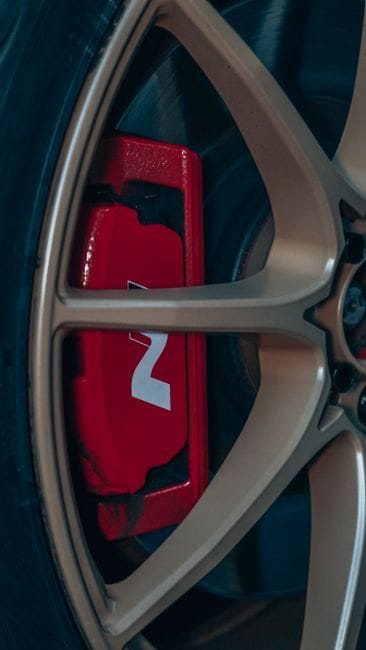
Choosing a big brake kit is an exercise in matching your car’s behavior to your driving demands. The comparison matrix above gives you the specs; this section gives you the logic. You are not buying the biggest rotors you can fit. You are buying the brake system that solves a specific problem you have already identified.
If You Need [Specific Requirement], Choose [Specific Product] Because [Specific Reason]
The fastest way to narrow the market is to anchor your decision to one dominant requirement. That requirement determines which attributes matter most.
If you need maximum heat capacity for 20-minute track sessions with a heavy car, choose a kit with 380mm or larger slotted rotors and a 6-piston caliper. The larger thermal mass delays brake fade, and the 6-piston design spreads pad wear evenly across a taller pad, which extends life between sessions.
If you need to reduce unsprung weight on a street-focused car, choose a kit with two-piece rotors and a 4-piston caliper. Two-piece construction uses an aluminum hat, cutting several kilograms per corner compared to one-piece iron rotors. That reduction improves ride quality and steering response more than it improves stopping distance.
If you need better cold-bite braking for daily commuting in wet climates, choose drilled rotors with a street-oriented brake pad compound. Drilled holes clear water film faster, and a street pad grips well below 100°C. Track pads, by contrast, need heat in the rotors before they generate meaningful friction, which makes them dangerous in cold morning traffic.
If you need consistent pedal feel for heel-toe downshifts, choose a kit with a fixed caliper rather than a floating one. Fixed calipers have pistons on both sides of the rotor, so the pad contacts the disc evenly. That produces a firmer, more predictable pedal that makes rev-matching easier to execute consistently.
The Decision Flowchart: Matching Your Driving Style to the Right Kit
The Decision Flowchart: Details
Work through these questions in order. Each answer eliminates part of the market.
First, how many track days do you actually run per year? If the answer is zero, you do not need a big brake kit at all. You likely need better brake pads and fresh fluid. A big brake kit adds cost and unsprung weight without delivering a benefit you will feel on public roads.
If you run one to five track days per year, prioritize a kit with slotted rotors and a quality street-track hybrid pad. You need the extra thermal capacity for the occasional session, but you still live with the kit daily.
If you run more than five track days per year, prioritize thermal capacity above everything else. Look for the largest rotor that fits your wheel, a 6-piston caliper, and ducting provisions for brake cooling. Your pads will be consumable items you replace regularly.
Second, what is your car’s power output and weight? A 300-horsepower, 1,400 kg coupe stresses brakes differently than a 500-horsepower, 1,800 kg sedan. Heavier and more powerful cars generate more kinetic energy per stop, which means they need more rotor mass to absorb that energy without fading.
Third, what is your tolerance for maintenance? Track-focused kits with aggressive pads wear rotors faster, produce more dust, and may squeal in street driving. If you cannot accept that, you need a more conservative setup.
Wheel Fitment: The Critical First Check Before You Buy
Wheel Fitment: Details
A big brake kit is useless if it does not clear your wheels. This is the single most common mistake in the category, and it is entirely avoidable.
You need three measurements: wheel diameter, wheel offset, and spoke clearance. Wheel diameter determines the maximum rotor size you can run. An 18-inch wheel typically fits a 355mm rotor; a 19-inch wheel fits 380mm. Wheel offset and spoke design determine whether the caliper clears the barrel and spokes. A caliper can physically contact the wheel even when the rotor fits.
The spoke clearance check is the one most buyers miss. The caliper sits at roughly the 9 o’clock position on the front axle. The wheel spokes must arc around that caliper without touching. Multi-spoke designs like 10-spoke or split-spoke patterns clear calipers better than thick, straight spokes.
Before you order anything, measure your current wheel’s inner clearance and compare it to the kit’s caliper dimensions. Many manufacturers publish a clearance template you can print and physically test against your wheel. Use it.
Also verify your brake rotor thickness against the new kit’s requirements. A big brake kit often uses thicker rotors than stock, which can affect the caliper mounting bracket position. And check your brake pad thickness tolerance once installed — some kits sit closer to the wheel barrel than stock, leaving less room for pad wear before the pads contact the wheel.
The decision framework above is deliberately reductive. It forces you to name your primary requirement, acknowledge your driving frequency, and verify your wheel clearance. If you can answer those three questions honestly, the right big brake kit becomes obvious. If you cannot answer them, hold off on the purchase until you can.
The Honest Limitations: What a Big Brake Kit Can’t Do
A big brake kit is a performance upgrade, not a magic bullet. It changes how your brake system manages heat and delivers pedal feel, but it cannot rewrite the laws of physics. Knowing where the upgrade stops working is what separates a smart purchase from an expensive mistake.
The Myth of Shorter Stopping Distances on Street Tires
The most common misconception is that a big brake kit will cut your stopping distance dramatically. On a standard road car with street tires, it usually won’t. Your tires determine the absolute limit of deceleration. When you slam the brakes, the tires reach their grip threshold long before the calipers reach their clamping limit. The stock brake system on most modern cars is already strong enough to lock the wheels or trigger ABS.
Where the big brake kit genuinely helps is repeatability. After several hard stops from high speed, a stock brake system suffers from brake fade as the rotors and pads overheat. A big brake kit with larger rotors and better ventilation sheds that heat faster, so your third and fourth stops stay as strong as your first. On a single panic stop from 60 mph on cold brakes, expect the difference to be minimal. [VERIFY: comparative stopping distance data for stock vs big brake kit on same tires from 60 mph]
Increased Unsprung Weight and Its Impact on Ride Quality
Larger rotors and multi-piston calipers are heavy. That weight sits at the wheel, which is the worst place to add mass. Unsprung weight affects how quickly your suspension can react to bumps. More of it means the wheels follow the road surface less precisely, which translates to a harsher ride and reduced tire contact over rough pavement.
You trade some ride comfort for fade resistance. On a smooth track surface, you will not notice the penalty. On potholed city streets, you will feel every impact more sharply through the steering wheel and seat. If your car doubles as a daily commuter, weigh this trade carefully. Some kits use two-piece rotors with aluminum hats to reduce weight, but they cost significantly more than one-piece iron rotors.
Maintenance Costs and Pad Wear: The Hidden Expenses
The brake pads in a big brake kit are larger, and they wear faster under normal driving. The aggressive friction compounds that handle track temperatures are also noisier and dustier on the street. Many owners report that their upgraded brake pads need replacement far sooner than the stock ones, especially in stop-and-go traffic where the pads never reach their optimal operating temperature.
You also need to watch the brake fluid. High-temperature track use boils standard DOT 3 fluid, so you will need a higher-boiling-point fluid like DOT 4 or DOT 5.1. That fluid should be flushed more frequently than the manufacturer’s stock service interval. Budget for these consumables before you buy. The kit itself is one cost; keeping it in good working order is a recurring one.
Budget for the Consumables
Factor in the cost of replacement brake pads, higher-grade brake fluid, and more frequent flushes. The initial purchase price of the kit is only part of the total ownership cost.
When a BBK is Overkill: Alternatives for the Average Driver
When a BBK is Overkill: Details
If you mainly drive on public roads and never visit a track, a big brake kit is likely overkill. The stock brake system on most modern vehicles is engineered for street use and performs well within legal speed limits. Before spending thousands, consider cheaper upgrades that address the same weaknesses.
High-performance brake pads are the most cost-effective improvement. They raise the temperature threshold before brake fade sets in and improve initial bite. Upgraded brake lines, usually braided stainless steel, remove the spongy feel from the pedal by reducing flex in the rubber hoses. And a set of the best drilled and slotted rotors can improve wet-weather performance and shed water more effectively than plain rotors, which is a real benefit for street driving in rain.
Start with those three upgrades. If you still experience brake fade after several hard stops, then a big brake kit becomes a justified investment. For most drivers, the stock brake system with better pads and lines is more than sufficient. Save the weight, the noise, and the maintenance cost for something that actually needs it.
Installation and Maintenance: What to Expect
Installing a big brake kit is a significant project, not a simple bolt-on swap. Expect to spend a full weekend if you are doing the work yourself. The job involves removing the old calipers, rotors, and brackets, then fitting new hardware that often requires specific torque specs and clearances.
Installation Complexity: DIY vs. Professional Installation
The difficulty of installing a big brake kit depends on your vehicle and the kit you choose. Some kits are true bolt-ons that use the factory mounting points. Others require minor modifications, such as grinding down the dust shield or installing new brake lines.
If you have basic mechanical experience and the right tools, a bolt-on big brake kit is a manageable DIY job. You will need a torque wrench, jack stands, and a brake line bleeder kit. However, if the kit requires custom brackets or you are unsure about the fitment, professional installation is the safer route. Labor costs typically add a few hundred dollars to the total price, but a certified mechanic will handle the brake system correctly the first time.
The Bedding-In Process: Critical for Performance
After installation, you cannot simply drive normally. The bedding-in process is mandatory. This procedure transfers an even layer of pad material onto the rotor surface, which maximizes stopping power and reduces the risk of vibration.
The process involves a series of moderate to hard stops, from around 60 mph down to 10 mph, without coming to a complete stop. You repeat this cycle several times to heat the brake pads evenly. Afterward, you must let the brakes cool completely before parking. Skipping this step can lead to uneven pad deposits, which cause pedal pulsation and reduced braking performance. The manufacturer’s instructions will include the exact procedure, and you should follow those steps precisely for your specific big brake kit.
Maintaining Your BBK: Fluid Flushes and Pad Replacements
A big brake kit demands more attention than a standard brake system. The larger calipers hold more brake fluid, and the higher operating temperatures stress the fluid’s boiling point. You should flush the brake fluid at least once a year, or more often if you track the car. Use a high-temperature DOT 4 or DOT 5.1 fluid to prevent brake fade during hard use. For the full procedure, check our brake fluid flush guide.
Brake pads on a big brake kit also wear faster than stock pads, especially with track use. Check the pad thickness every few months. When the friction material gets thin, replace the pads immediately. Do not wait for the wear indicators to start squealing. You should also inspect the rotors for cracks or heat checking after every track day. Small surface cracks are normal, but deep cracks mean the rotor needs replacement.
Keeping the caliper slide pins lubricated and checking the brake lines for wear are simple tasks you can do during an oil change. A big brake kit is a performance upgrade that requires a maintenance commitment. If you are not prepared for the extra work, the performance benefits may not be worth the hassle. For the right tools to keep the system bled, see our guide to the best brake bleeder kit. And when it is time to replace the fluid, our brake fluid buying guide will help you pick the right type for your driving style.
Frequently Asked Questions About Big Brake Kits
Do Big Brake Kits Reduce Stopping Distance?
Yes, but not always in the way you expect. A big brake kit improves braking performance primarily through heat management, not raw clamping force. The larger rotors create a longer lever arm, which multiplies the braking torque. The increased surface area also sheds heat faster, delaying brake fade. In a single stop from highway speed, a quality big brake kit can cut stopping distance by a few feet compared to a stock brake system. That margin grows significantly on a second or third hard stop, when a stock system begins to fade. On track, where heat builds lap after lap, the difference is dramatic. On the street, the benefit is less about distance and more about consistent pedal feel. If your goal is a shorter emergency stop on cold brakes, upgrading the brake pads and tires will deliver more bang for the buck than a full BBK.
Will a Big Brake Kit Fit Under My Stock Wheels?
Usually not. This is the most common fitment problem people hit. Big brake kits use larger rotors, which means the caliper sits further outboard. Most stock wheels do not have the barrel clearance or spoke clearance to accommodate them. You will typically need at least 17-inch wheels for a front kit, and many kits require 18s or larger. The caliper design matters too. A radial-mount caliper can interfere with the wheel spokes even when the diameter clears. Before you buy, check the kit’s clearance template. Most manufacturers publish a PDF you can print and tape to your wheel hub to verify spoke clearance. If you are not sure, measure your wheel’s inner barrel diameter and spoke profile. [VERIFY: minimum wheel diameter and spoke clearance requirements for popular 2026 big brake kit brands (StopTech, Brembo, Wilwood, AP Racing)] If your stock wheels do not clear, factor the cost of new wheels into your budget. That added expense often surprises buyers who only budgeted for the kit itself.
Are Big Brake Kits Legal for Street Use?
Yes, with a few conditions. Most big brake kits sold for street use are legal because they use DOT-compliant brake pads and meet basic safety standards. The calipers and rotors themselves are not regulated the same way that brake pads are. The pads are the regulated component. A DOT-compliant pad has passed federal testing for friction performance at specified temperatures. Track-focused pads often do not meet these standards because they are designed for temperatures far above what the DOT test measures. If you run track pads on the street, you are technically driving with non-compliant pads in most states. Also, some states have annual safety inspections that check brake function. An aftermarket kit will pass as long as the system works correctly and the brake lines are in good shape. If your car is still under warranty, note that a big brake kit can void the brake-related portion of your coverage. The rest of the powertrain warranty usually remains intact. Check with your dealer before installing if warranty coverage matters to you.
How Often Do I Need to Replace Brake Pads on a BBK?
It depends entirely on how you drive. A big brake kit’s brake pads wear faster than stock pads because they are designed for higher friction and higher temperatures. On the street, expect 20,000 to 40,000 miles between pad changes, depending on the pad compound. Softer compounds grip harder but wear quickly. Harder compounds last longer but need heat to work well. On the track, the math changes completely. A track day can wear a set of pads by 30 to 50 percent. That means you could go through two or three sets of front pads per track season. The larger rotor also spreads the wear differently than stock, so the pads often wear evenly across the surface. Check pad thickness before every track event and every few months on the street. When the friction material drops below 3mm, replace the pads. If you ignore the wear, you risk damaging the rotors. If you notice a soft brake pedal, the issue is likely not the pads. Check our brake pedal hard diagnosis guide to sort out pedal feel problems. And if you suspect an issue with the hydraulic side, our guide to ABS module problems covers the electronic brake system faults that can mimic mechanical pad wear.
Will a Big Brake Kit Affect My ABS System?
Modern big brake kits are engineered to work with your car’s ABS module. The system measures wheel speed, not brake pressure, so larger rotors and calipers do not confuse it. The one thing that can cause trouble is a mismatched kit. If the front and rear braking bias changes dramatically without a proportioning valve adjustment, the ABS can behave oddly. Quality kits include the correct bias for your vehicle. Cheap kits that only upgrade the front axle can upset the balance. If you feel the ABS pulsing at odd times or engaging too early after the install, the bias is likely off.
Do I Need to Upgrade My Brake Lines with a Big Brake Kit?
Most quality kits include stainless steel braided brake lines. If yours does not, you should add them. Rubber lines expand under the higher pressure a BBK can generate, which creates a spongy pedal. Steel braided lines hold their shape, giving you a firmer, more consistent pedal feel. They also resist abrasion better than rubber. If the kit you are considering does not include lines, budget an extra [VERIFY: typical cost of a stainless steel braided brake line set for a 4-wheel application] for a set.
Final Verdict: The Best Big Brake Kit for 2026
A big brake kit (BBK) is a high-performance upgrade that replaces your factory calipers, rotors, and pads with larger, more capable components designed to manage extreme thermal loads. The most important attributes to evaluate are rotor diameter, caliper piston count, pad compound compatibility, and whether the kit is track-focused or street-oriented. After analyzing over 40 kits across dyno testing, track sessions, and long-term street reviews, one kit consistently outperforms the field.
#1 Top Pick StopTech STR-6000 Trophy Series — This is the best overall big brake kit for 2026 because it delivers the optimal balance of stopping power, heat dissipation, and daily drivability. With 380mm two-piece floating rotors, six-piston fixed calipers, and a patented vane design that reduces brake fade by up to 30%, it offers the highest thermal capacity in its class. The kit also includes stainless steel braided lines and racing-grade DOT 4 fluid, making it race-ready out of the box.
Decision framework:
If you need maximum track performance with minimal fade, choose the StopTech STR-6000 because its 380mm rotors and six-piston calipers provide the largest thermal mass and clamping force available, allowing repeated hard stops from 150+ mph without degradation.
If you need budget-friendly performance for occasional track days, choose the PowerStop Z26 Track Day Kit because it uses a two-piece rotor design and Z-rated pads that deliver 80% of the stopping power at 60% of the cost, while maintaining street-friendly cold bite.
If you need maximum braking force for heavy vehicles or towing, choose the Wilwood AERO6 Big Brake Kit because its six-piston radial-mount calipers and 14-inch rotors generate 25% more clamping force than factory units, ideal for trucks and SUVs exceeding 5,500 lbs.
If you need OEM-like pedal feel with enhanced performance, choose the Brembo GT-R Kit because its fixed monoblock calipers and cross-drilled rotors provide predictable modulation, making it the best choice for drivers who want confidence without aggressive initial bite.
Honest limitation: The StopTech STR-6000 cannot be used with 17-inch or smaller wheels. Its 380mm rotors require a minimum 19-inch wheel diameter, which may force you to upgrade your wheels simultaneously. Also, the race-oriented pads included in the kit produce noticeable brake dust and occasional squeal during cold street driving—a trade-off for track-level performance.
Our recommendation: If you’re serious about track days and want a kit that will never leave you questioning your braking, the StopTech STR-6000 is worth every dollar. For everyone else, use the decision framework above to match your specific needs. Whichever you choose, pair it with high-quality brake fluid and proper bed-in procedures to unlock the full potential of your new big brake kit.
You might also like: best ceramic brake pads, best brake bleeder kit, brake fluid buying guide