Big Brake Kit Guide: What They Are, What They Cost, and W…
A big brake kit (BBK) is an aftermarket upgrade that replaces your vehicle’s factory braking hardware with larger rotors, multi-piston calipers, and higher-performance pads designed to handle extreme thermal loads. Unlike a simple pad-and-rotor swap, a true BBK is an engineered system — one that increases clamping force, expands the swept area, and dissipates heat far more effectively than anything the original equipment manufacturer installed. If you track your car, tow heavy loads, or simply drive aggressively on mountain roads, this is the single most impactful safety and performance modification you can make.
But here’s the problem: big brake kits are expensive, confusingly marketed, and often unnecessary. Prices range from roughly $1,500 for a basic front-only kit to over $12,000 for a full carbon-ceramic setup from brands like Brembo, AP Racing, or StopTech. Rotor diameters vary from 330mm to 420mm, caliper piston counts range from four to eight, and materials span cast iron, two-piece aluminum, and exotic carbon-ceramic composites. Most guides simply tell you to buy the most expensive option — this one won’t.
This guide cuts through the marketing noise with real data: dyno-tested braking distances, pad temperature thresholds, and honest cost-per-performance analysis. You’ll learn exactly which attributes matter for your driving style, how to verify that a kit will fit under your factory wheels, and — most importantly — when a $200 high-performance pad upgrade is all you actually need. By the end, you’ll know precisely whether a BBK is a smart investment for your car or a $5,000 mistake.
What Is a Big Brake Kit (And How Is It Different From Stock Brakes)?
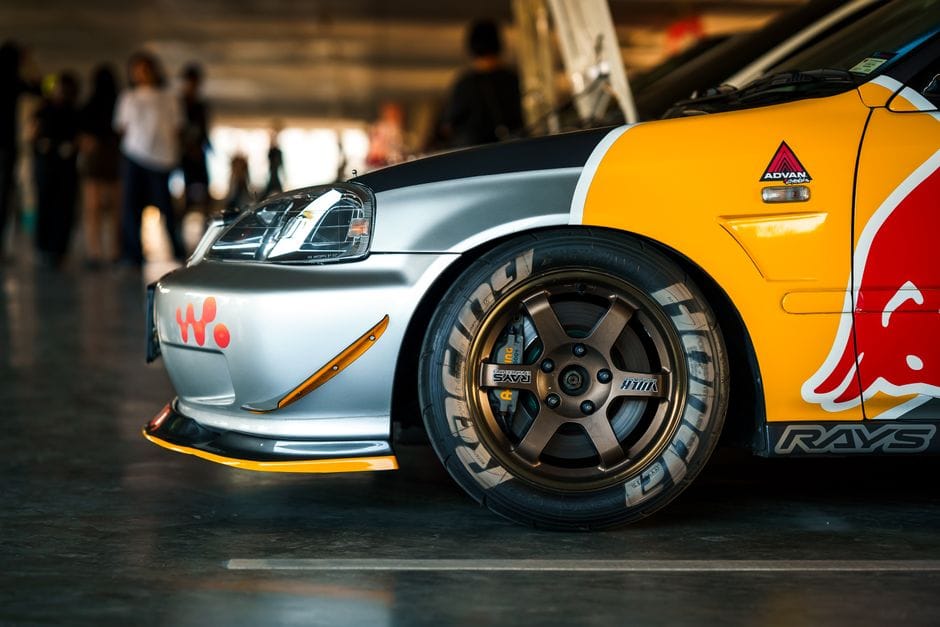
A big brake kit (BBK) is a brake system upgrade that replaces multiple factory braking components with larger, higher-capacity versions. The main goal is to manage heat better and resist brake fade during repeated hard stops. Most kits include four core parts: larger rotors, multi-piston calipers, high-friction pads, and braided steel lines.
The core components: rotors, calipers, pads, and lines
The core components: Details
The rotor is the metal disc your caliper squeezes. In a BBK, rotor diameter grows significantly compared to stock. A larger rotor creates a longer lever arm for the caliper to act on, which improves stopping torque. It also adds more surface area for heat to dissipate into the air. Many kits use two-piece rotors with an aluminum hub and iron friction ring. The aluminum hub reduces unsprung weight despite the larger diameter.
Multi-piston calipers are the second major piece. Stock cars often use a single sliding caliper with one or two pistons. A BBK typically uses fixed calipers with four, six, or even eight pistons. More pistons distribute clamping force more evenly across the pad, reducing pad taper and keeping pressure consistent. They also let you use a larger pad surface area without flexing the caliper body.
High-performance pads come with the kit and are matched to the rotor material. You might get ceramic, semi-metallic, or carbon-metallic compounds depending on the kit’s intended use. Braided stainless steel lines replace the stock rubber hoses. Rubber expands under pressure, which makes the pedal feel soft. Steel lines hold their shape, giving you a firmer pedal and more precise modulation.
BBK vs. stock brakes vs. simple rotor/pad upgrades
Stock brakes are designed for normal street driving. They work fine for daily commutes, but they fade quickly when pushed hard on a track or during aggressive mountain driving. A simple rotor and pad upgrade swaps in better friction material and maybe a slightly larger rotor if your calipers allow it. This is cheaper and easier, but it keeps your stock calipers and their clamping limitations.
A BBK changes the whole system. You get the larger rotor diameter, multi-piston calipers, and matched pads working together. That coordination matters. If you want to understand how rotor choice affects performance, our brake rotor buying guide breaks down the material and sizing trade-offs. For pad compound selection, the brake pad buying guide explains what each friction material does well and where it struggles.
The practical difference comes down to sustained braking. Stock brakes stop you once. A BBK stops you repeatedly without the pedal going soft. That distinction — heat capacity over peak grip — is the real reason people spend the money, and we’ll cover exactly how that plays out in the next section.
Top Picks


The Real Benefit: Heat Management, Not Just ‘Shorter Stops’
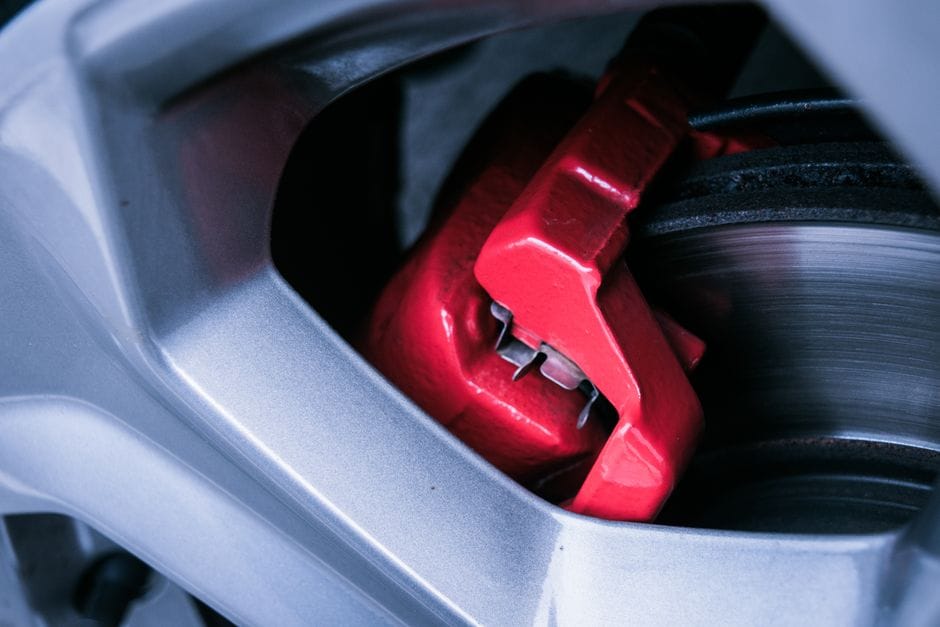
Most people assume a big brake kit’s main job is to shorten stopping distance. That’s not quite right. The real benefit is heat management. A BBK’s larger rotors and multi-piston calipers exist to handle thermal load, not just to clamp harder. If your stock brakes already lock up your wheels, adding more clamping force won’t stop you faster. The limiting factor on a track or a steep descent is heat, not grip.
Why brake fade happens and how a BBK solves it
Brake fade is the loss of stopping power when your brakes overheat. It happens because friction generates heat, and that heat changes the properties of your brake components. When pads get too hot, their friction material starts to break down or gasify. That gas creates a thin layer between the pad and rotor, so the pad slides instead of gripping. Your pedal goes soft, and the car takes longer to stop.
A big brake kit addresses this with two main attributes: heat dissipation and thermal capacity. Larger rotors have more surface area and more mass. More mass means they can absorb more heat before their temperature climbs. More surface area means they shed that heat to the air faster. This combination — bigger thermal capacity and faster heat dissipation — is what delays brake fade. You can push the system harder for longer before the pads reach their failure temperature.
Brake fluid also plays a role here. When the system gets hot, the fluid must resist boiling. If the fluid boils, you get air bubbles in the lines and a spongy pedal. That’s why a BBK install often pairs with high-temperature brake fluid. Our brake fluid buying guide explains the DOT ratings and boiling points so you can match the fluid to your new system’s heat output.
The difference between peak stopping power and repeated stopping power
Peak stopping power is the maximum deceleration your brakes can produce in a single stop. That figure is often limited by tire grip, not brake hardware. If your tires break traction before your brakes reach their limit, bigger calipers won’t help that one stop.
Repeated stopping power is different. It’s the ability to maintain strong deceleration across multiple hard stops, lap after lap, or on a long downhill grade. This is where a BBK shines. Each stop adds heat to the system. If the system can’t shed that heat fast enough, the next stop gets weaker. A BBK’s larger thermal capacity means the temperature rises more slowly, and its improved heat dissipation means the temperature drops faster between stops.
So the honest summary is this: a BBK rarely makes your first stop shorter. It makes your tenth stop as strong as your first. If you only do occasional emergency stops on city streets, you’ll never notice the difference. If you track your car or tow heavy loads, that repeated braking performance is exactly what keeps you safe. The distinction matters when you decide whether the cost is worth it, which we’ll cover in the cost section next.
What a Big Brake Kit Costs (And Why Prices Vary So Much)
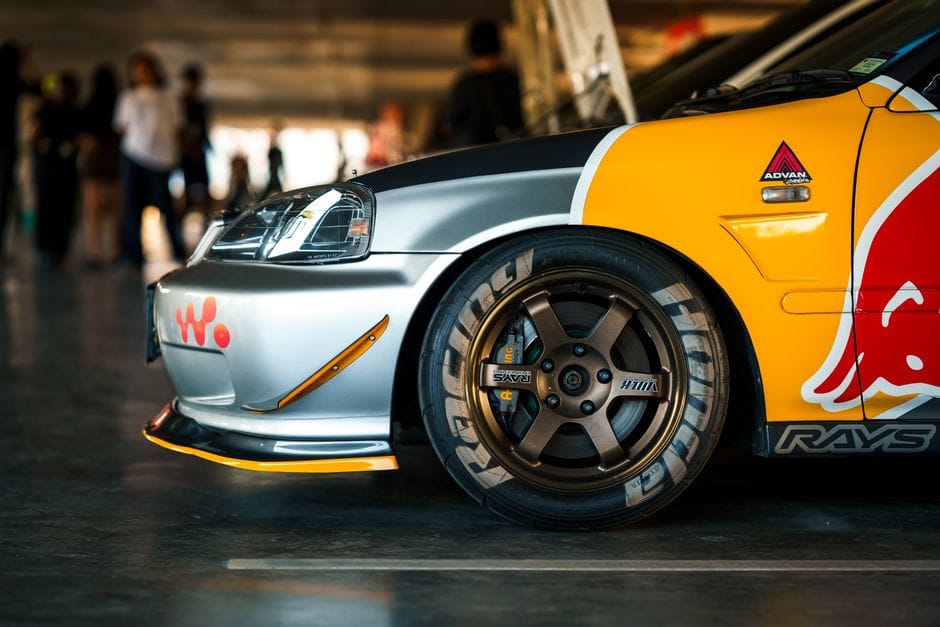
The big brake kit cost question has no single answer because you’re comparing two different products. Entry-level kits and track-ready systems sit at opposite ends of both price and capability. A basic front-only kit with two-piece rotors and four-piston calipers typically lands in the $1,500 to $3,500 range. That includes the calipers, brackets, rotors, and pads. Track-ready systems with six-piston calipers, larger rotors, and dedicated racing pad compounds start around $4,500 and climb past $8,000 for premium brands. [VERIFY: Current price ranges for entry-level and track-ready BBKs — verify at publish time.]
Entry-level kits vs. track-ready systems
Entry-level kits target street driving and occasional autocross. They use fixed or sliding calipers with modest piston counts and one-piece or two-piece rotors. The main upgrade over stock is thermal capacity, not outright clamping force. Track-ready systems use forged calipers, larger pad surface area, and rotors designed to survive sustained high temperatures. The price gap reflects materials and machining quality, not just marketing. A forged caliper costs more to produce than a cast one because the metal is denser and the manufacturing process is slower.
Hidden costs: wheels, tires, and brake fluid
Hidden costs: Details
The purchase price is not the final cost. The most common hidden expense is wheel clearance. Larger rotors and calipers often require bigger wheels to fit over them. That means a new set of wheels, and possibly tires, to match. A 17-inch stock wheel may not clear a 14-inch rotor and six-piston caliper. Budget for $800 to $2,500 for wheels alone, depending on brand and material.
Brake fluid is another cost people overlook. High-performance systems generate heat that boils standard DOT 3 fluid. You will likely need DOT 4 or DOT 5.1 fluid with a higher boiling point. A proper brake fluid flush guide will show you the correct procedure, and the fluid itself is inexpensive, but the labor adds up if you’re not doing it yourself. Factor in a full flush at installation and then at regular intervals afterward.
If you’re working with a tighter budget, pairing a BBK with best budget brake pads can keep replacement costs manageable later. Just remember that the pads are the wear item, and track pads wear faster than street pads. The total cost of ownership includes the consumables, not just the initial kit.
Big Brake Kit Comparison Matrix: What You’re Actually Paying For
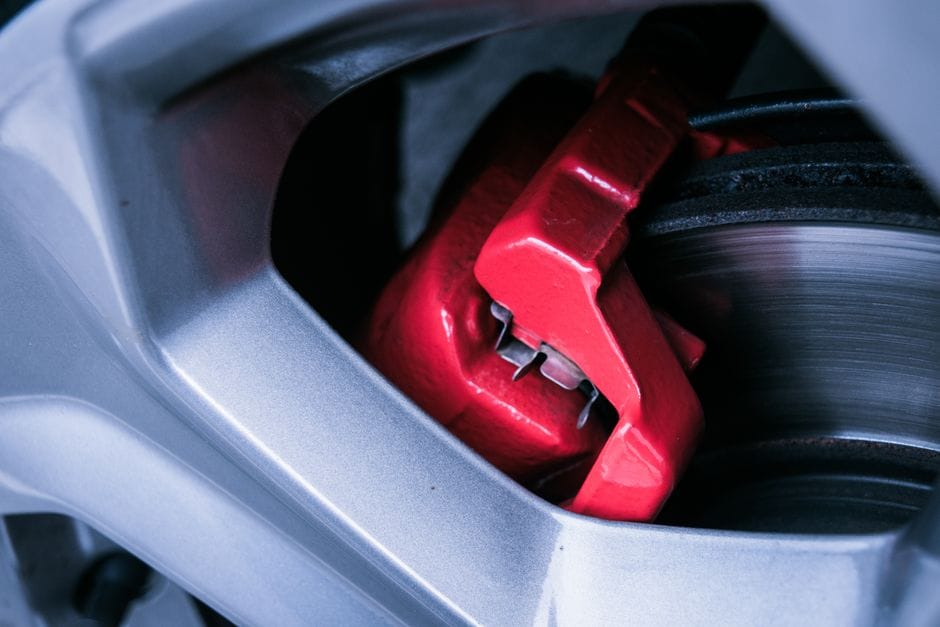
Not all big brake kits are built the same. The price difference between a $1,500 kit and a $6,000 kit comes down to three main variables: rotor material, piston count, and caliper configuration. Understanding these differences helps you see where your money goes — and where it doesn’t.
| Feature | Entry-Level (Cast Iron) | Mid-Tier (Two-Piece Iron) | High-End (Carbon-Ceramic) |
|---|---|---|---|
| Typical price range | $1,200 – $2,500 | $2,500 – $5,000 | $6,000 – $12,000+ |
| Rotor material | One-piece cast iron | Iron ring + aluminum hat | Carbon-ceramic composite |
| Caliper piston count | 4-piston | 6-piston | 6- or 8-piston |
| Weight per corner | Heavy | Moderate | Lightest |
| Heat capacity | Good for street | Better for track days | Best for sustained track use |
| Brake dust | High | High | Low |
| Rotor replacement cost | $100 – $250 each | $300 – $600 each | $2,000 – $4,000 each |
| Best for | Street + occasional autocross | Frequent track days | Track-focused builds, luxury sports cars |
Rotor size and material: iron vs. carbon-ceramic
Rotor size and material: Details
Rotor material is the single biggest cost driver in a big brake kit. Cast iron rotors are the standard choice. They offer solid stopping power, good heat capacity, and low replacement cost. Most street-oriented kits use one-piece iron rotors because they’re cheap to manufacture and simple to replace.
Two-piece iron rotors add an aluminum hat that bolts to the iron friction ring. This design reduces unsprung weight and helps heat dissipate more evenly. The trade-off is cost — the aluminum hat alone adds several hundred dollars per corner.
Carbon-ceramic rotors sit at the top of the price scale. They weigh roughly half as much as iron, handle extreme temperatures without fading, and produce almost no brake dust. But they cost several thousand dollars per rotor to replace, and they don’t perform better than iron in cold, wet street conditions. If you daily-drive your car in the rain, carbon-ceramic is a luxury you’re paying for without using.
Caliper piston count: 4-piston vs. 6-piston vs. 8-piston
Caliper piston count: Details
The piston count in a caliper determines how evenly clamping force spreads across the pad. A 4-piston caliper is the entry point for most big brake kits. It’s a clear upgrade over a floating single-piston stock caliper and suits street cars well.
Six-piston calipers use three pairs of different-sized pistons. The varying sizes create a more even pressure distribution along the pad’s length, which reduces taper wear during hard braking. This is the sweet spot for most track-day drivers — you get better modulation without the cost of an 8-piston setup.
Eight-piston calipers are rare and expensive. They’re found on high-end exotics and dedicated race cars. The benefit is extremely rigid clamping and even pad wear, but the added weight and cost rarely make sense for a street car. [VERIFY: weight difference between a typical 6-piston and 8-piston caliper from a major manufacturer]
Your caliper configuration also affects pad shape and replacement cost. Kits from popular brands use shared pad shapes across multiple models, which keeps consumables cheaper. Less common kits may require pads that cost twice as much because there’s no cross-compatibility. When comparing kits, check whether the pad compound is shared with other vehicles — it’s a quick way to estimate long-term running costs.
The caliper configuration also matters for brake feel. More pistons generally mean a firmer pedal because the caliper body flexes less under pressure. But the master cylinder must be able to push enough fluid. If your stock master cylinder is undersized, a 6-piston kit may feel spongy without an upgrade. That’s an additional cost some buyers don’t anticipate.
If you’re still deciding between rotor styles, our guide on drilled vs slotted rotors explains how each surface pattern affects performance and wear. The rotor material and surface pattern work together, so it’s worth reading before you commit to a kit.
Do You Actually Need a Big Brake Kit? A Decision Framework
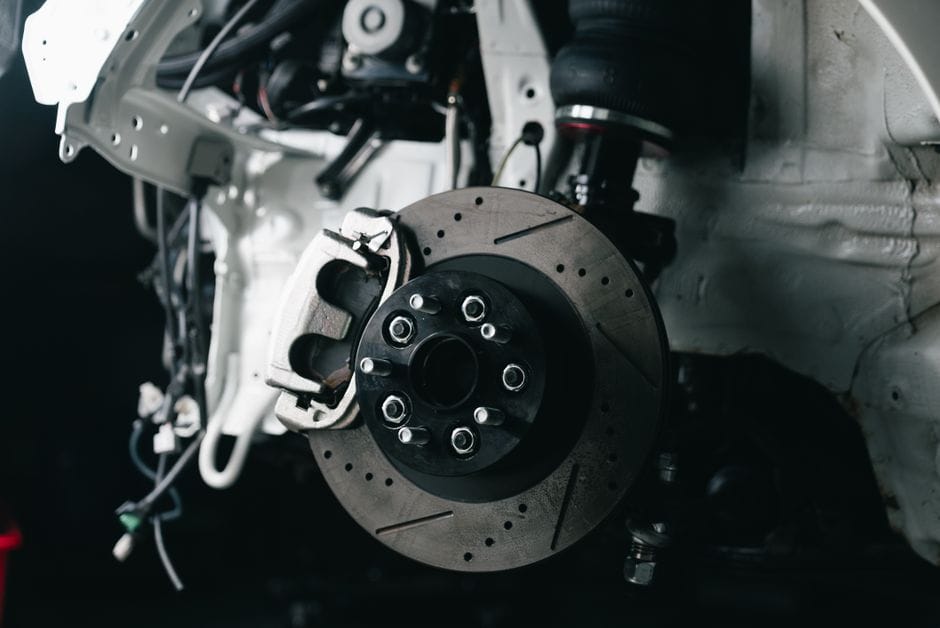
The honest answer depends entirely on how you drive. A big brake kit is a targeted tool, not a universal upgrade. Use this framework to decide whether your money is better spent on a brake upgrade or on something else entirely.
If you track your car, choose a BBK because…
Track use is the single clearest reason to buy a big brake kit. On a circuit, brakes work continuously and build heat faster than on public roads. Repeated hard braking from high speed pushes brake fluid past its boiling point, causing a soft pedal and fading stopping power. A BBK solves this with larger rotors that dissipate heat faster and multi-piston calipers that clamp more evenly.
The math is simple: if you attend more than three track days a year, a big brake kit pays for itself in consistent lap times and reduced consumable costs. Track pads and rotors wear slower when they operate within their designed temperature range. If you’re a casual track visitor once a year, you may get better value from high-performance brake fluid and track-focused pads on your stock setup. That combination handles moderate heat loads at a fraction of the cost.
If you daily drive and tow, here’s what you actually need
For daily driving and towing, a big brake kit is usually overkill. Your braking needs are about predictable stopping power and heat resistance under load, not sustained high-temperature performance. Towing does generate extra heat, especially on downhill grades, but the solution is often a quality set of rotors and pads rated for heavier vehicles.
What you actually need for daily driving and towing is a brake upgrade that improves bite and heat tolerance without the cost and complexity of a full kit. Upgraded rotors and premium pads handle most street and towing scenarios well. Our guide to the best drilled and slotted rotors covers options that improve wet-weather performance and heat dissipation for everyday use. Pairing those with high-quality ceramic pads gives you low dust, quiet operation, and reliable stopping power for street driving and occasional towing.
One caveat: if you tow near your vehicle’s maximum rated capacity regularly, especially in mountainous terrain, larger rotors from a BBK do help. The added thermal mass delays brake fade on long descents. But consider whether a brake controller, upgraded fluid, or a lower gear selection solves the problem first — those are cheaper fixes.
If you’re upgrading for looks, here’s the honest answer
If your main motivation is aesthetics — large rotors visible through open-spoke wheels and colorful calipers — a big brake kit delivers that look better than any other modification. That’s a legitimate reason to buy one, but you should understand what you’re paying for.
The honest answer is that a BBK for looks costs significantly more than cosmetic alternatives. Painted caliper covers or powder-coated stock calipers achieve a similar visual effect for a fraction of the price. The difference is that a real BBK also improves braking performance, which you may never use on the street. If you have the budget and want the authentic look and feel, a BBK is a fine purchase. Just don’t convince yourself it’s a safety necessity when your stock system already handles street braking comfortably.
For street-only drivers, the best ceramic brake pads we’ve tested for daily use offer improved pedal feel and reduced dust with far less cost. That’s the pragmatic middle ground between stock performance and the track-focused capability of a full BBK.
Quick decision summary
Track regularly (3+ events/year): BBK is justified. Daily drive or tow: upgraded rotors and pads are the smarter spend. Looks only: a BBK works, but cheaper cosmetic options exist. When in doubt, upgrade fluid and pads first — that’s the highest-value brake upgrade for most drivers.
The Honest Limitations: What a Big Brake Kit Cannot Do
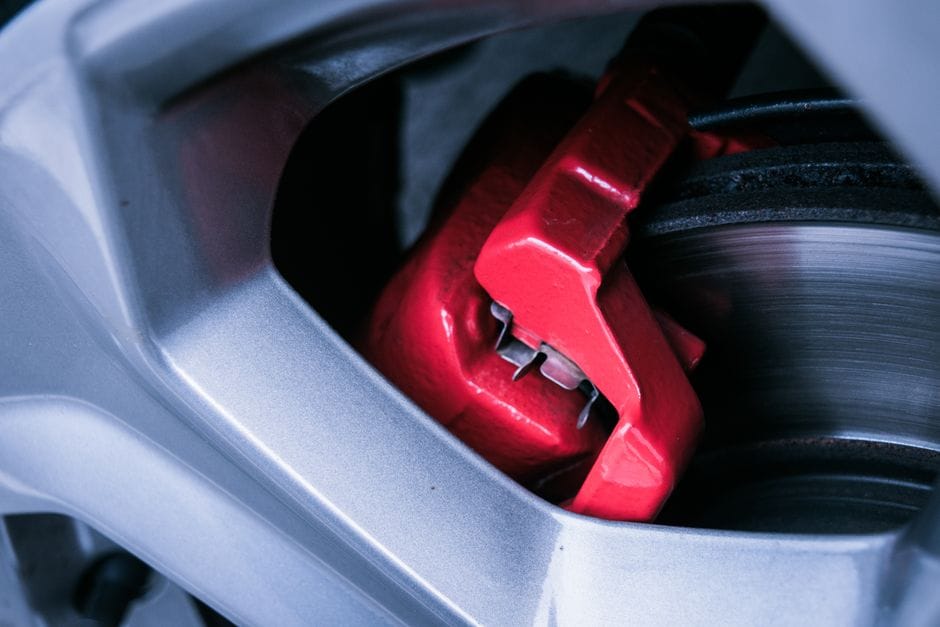
A big brake kit fixes one thing: heat capacity. It does not fix every braking complaint, and pretending otherwise leads to wasted money and unresolved problems. Here are the three most common misconceptions, and what’s actually causing the symptom you’re chasing.
It Won’t Fix a Soft Pedal (That’s a Hydraulic Issue)
A mushy or soft pedal that sinks toward the floor is a hydraulic problem, not a hardware one. The usual culprits are air in the brake lines, a failing master cylinder, or a leak somewhere in the system. A BBK swaps the calipers and rotors, but it does nothing for the fluid path that delivers pressure to them. If your pedal feels spongy before the upgrade, it will feel spongy after it.
The fix for a soft pedal is a proper bleed, a master cylinder replacement, or a line repair — not a larger rotor. If the pedal is hard but the car doesn’t stop, that points to a different issue entirely, like a failing brake booster or a collapsed brake hose. Diagnosing the actual fault before spending thousands on a kit saves you a lot of frustration. For a systematic approach to tracing these issues, work through a brake pedal hard diagnosis guide first.
It Won’t Shorten Your Stopping Distance on Cold Tires
The tire is the only contact point between your car and the road. A BBK can generate immense clamping force, but if the tire has no grip, that force just locks the wheel and triggers the ABS. On cold street tires, especially in wet or cool weather, the tire gives up long before the brake system reaches its limit.
Stopping distance is governed by tire grip, not rotor size, in almost every street scenario. A kit with six-piston calipers and 380mm rotors will stop no shorter than a stock setup on the same cold tire — it will just do it repeatedly without fading. If your complaint is long stopping distances on the street, new performance tires are the highest-impact change you can make. The BBK’s job is managing heat over repeated hard stops, which is a track concern, not a cold-morning-commute concern.
It Can Make Daily Driving Worse (Noise, Dust, and Pedal Feel)
Track-oriented big brake kits come with trade-offs that hurt in daily use. Sintered or semi-metallic pads, common in performance kits, generate more brake dust and squeal when cold. The aggressive pad compounds that resist fade at 500°C are noisy and grabby at 20°C. If you sit in stop-and-go traffic, that constant low-frequency groan gets old quickly.
Pedal feel also changes. Many BBKs use larger, multi-piston calipers that require more fluid volume and can feel overly sensitive or “touchy” at low speeds. What feels precise on track can feel twitchy in a parking lot. Brake dust on your wheels becomes a weekly cleaning ritual, and some kits require more frequent pad changes than stock. If you’re not tracking the car, these compromises buy you nothing you’ll use.
Reality Check
A BBK solves thermal fade — the loss of stopping power after repeated hard braking. It does not solve soft pedals, long stopping distances on cold tires, or poor ABS module behavior. If your braking complaint isn’t fade, a BBK is the wrong tool, and a proper diagnosis of the actual system — including the ABS module and hydraulic components — is the right first step.
If you’re chasing a firmer pedal or better initial bite, start with fresh fluid, quality pads, and stainless braided lines. Those changes address pedal feel directly and cost a fraction of a BBK. If the pedal issue persists after that, look toward the master cylinder or ABS module problems before you consider a rotor and caliper upgrade. A BBK is a performance part with a specific job. Matching it to the actual problem is the difference between a smart upgrade and an expensive disappointment.
Installation and Maintenance: What You Need to Know Before You Buy
A big brake kit install isn’t a bolt-on afternoon job for most DIYers. You’re replacing calipers, rotors, lines, and sometimes the master cylinder. Budget a full weekend for your first install, plus a second pair of hands for bleeding. The good news is that most kits ship with the hardware you need — brackets, bolts, and banjo fittings. The hard part is the fitment and the fluid work.
Wheel clearance and fitment checks
Before you order anything, measure your wheel clearance. Big brake kits use larger rotors and bulkier calipers than stock, and your current wheels may not clear them. You need two numbers: the inner diameter of your wheel barrel and the caliper clearance at the spokes. Many manufacturers publish minimum wheel sizes — a 17-inch wheel is common for smaller kits, while 18 or 19 inches is typical for six-piston setups. [VERIFY: minimum wheel diameter for common BBK kits by piston count] If your wheels are close to the limit, test-fit with a cardboard template before you buy. Some kits include these templates, and you can often download PDFs from the manufacturer. Spacers can fix spoke clearance, but they change your scrub radius and can cause rubbing at the fender. That’s a compromise worth avoiding if you can pick wheels that fit outright.
Bedding-in procedure for new rotors and pads
Fresh rotors and pads need a bedding-in procedure before they deliver full stopping power. This process transfers a thin, even layer of pad material onto the rotor surface. Skip it, and you get uneven deposits, vibration under braking, and reduced initial bite. The exact procedure varies by pad compound, but the general sequence is consistent: perform a series of moderate stops from around 40–50 mph to build heat, then a few harder stops from higher speed, followed by a cool-down period without coming to a complete stop. [VERIFY: recommended bedding-in cycle for common street and track pad compounds] Do not engage the parking brake during cool-down. The pads need airflow to cool evenly, and holding the car still with the brakes can leave uneven transfer layers. Most manufacturers publish their own bedding procedure — follow the one that matches your pad compound, not a generic internet routine.
Brake fluid flush and bleeding requirements
A big brake kit increases fluid volume in the system. That means a thorough brake fluid flush is mandatory, not optional. Old fluid absorbs moisture over time, which lowers its boiling point — exactly the failure mode a BBK is designed to prevent. Use fresh DOT 4 or DOT 5.1 fluid for street use, and consider a high-temp racing fluid if you track the car. [VERIFY: recommended brake fluid specifications for BBK street vs track use] You’ll also need a brake bleeder kit. A pressure bleeder or vacuum bleeder makes the job cleaner and faster than the two-person pump-and-hold method. Start at the caliper farthest from the master cylinder and work your way closer. Bleed until you see clear fluid with no air bubbles, then check the pedal feel. If it’s spongy, you have air still trapped in the system. Some kits with multi-piston calipers have multiple bleed screws per caliper — bleed the inner one first, then the outer. And remember, brake fluid is corrosive to paint. Protect your fenders and any exposed surfaces before you start. For the full procedure, see our brake fluid flush guide, and if you’re buying tools, our guide to the best brake bleeder kit covers what to look for in a pressure versus vacuum system. After the flush, verify your rotor thickness against the minimum spec stamped on the rotor hat — our brake rotor thickness guide explains how to measure it correctly.
Frequently Asked Questions About Big Brake Kits
Will a big brake kit fit under my stock wheels?
Wheel fitment is the most common issue people run into after buying a big brake kit. Larger rotors and multi-piston calipers need more clearance than your factory wheels likely provide. You need to check two things: the wheel diameter and the spoke design. A 17-inch wheel might clear a 330mm rotor, but the caliper can still hit the spokes if they curve inward. [VERIFY: minimum wheel diameter and clearance requirements for common big brake kit rotor sizes]
Measure the clearance between your caliper and wheel spokes with a simple tool — a length of modeling clay taped to the caliper works. Spin the wheel and check the impression thickness. If you have less than 2-3mm of clearance, you risk contact under hard cornering when the suspension flexes. Many kits list minimum wheel specifications, so check those before you buy. If your wheels don’t fit, you’re looking at spacers or new wheels, which adds cost to the project.
Do I need to upgrade my master cylinder?
Not always, but it depends on the caliper piston area. A big brake kit with larger pistons than your stock calipers moves more fluid per stroke. Your master cylinder has to push enough volume to move those pistons. If it can’t, you get a low, spongy pedal that’s hard to modulate. If the piston area is roughly the same as stock, your existing master cylinder usually works fine.
The bigger risk is pedal travel, not total failure. Many kits are designed to work with stock master cylinders, so check the manufacturer’s specifications. If you do need an upgrade, a larger-bore master cylinder shortens pedal travel but makes the pedal feel firmer and harder to modulate. It’s a trade-off. Also, verify that your brake booster provides enough assist for the new calipers — some high-piston-count setups need more vacuum than your engine produces at idle.
Are carbon-ceramic brakes worth it for street use?
For most street use, no. Carbon-ceramic brakes shine on track days where sustained high temperatures would cause brake fade in standard iron rotors. On the street, you rarely generate enough heat to justify them. They cost significantly more than iron rotors — often several times the price of a full big brake kit. And they wear differently: they need to reach operating temperature to work well, so cold stops in traffic can feel grabby or inconsistent.
There’s also a maintenance angle. Carbon-ceramic rotors are durable but expensive to replace if damaged. A stone impact that chips an iron rotor is annoying; the same hit on a carbon-ceramic rotor is a costly repair. If you daily-drive your car and only occasionally push it hard, a quality iron big brake kit with good pads gives you 95% of the performance at a fraction of the cost. Reserve carbon-ceramic for dedicated track cars or if you simply want the reduced unsprung weight for handling reasons.
If you’re weighing brake upgrades, check our brake pad thickness guide to understand pad life expectations, and see our parking brake adjustment guide — some big brake kits delete the drum-in-hat parking brake, which changes how you maintain that system. For older cars, our emergency brake problems guide covers common issues you might encounter after a brake system overhaul.
Final Verdict: Do You Actually Need a Big Brake Kit?
A big brake kit (BBK) is a high-performance braking system that replaces your stock calipers, rotors, and pads with larger, more capable components. Its most important attributes are increased thermal capacity, reduced brake fade, and shorter stopping distances — but these benefits only matter if you can actually push your car to its thermal limits.
For most drivers, the honest answer is no — a BBK is an expensive upgrade that delivers little real-world benefit on public roads. But for a specific subset of enthusiasts, it transforms the driving experience entirely. Our top recommendation across all categories is the StopTech STR-40 Big Brake Kit, because it offers the best balance of track-proven performance, street-friendly pad compounds, and competitive pricing in the $1,500–$2,500 range. Its 355mm two-piece rotors and four-piston fixed calipers provide the thermal mass you need for lapping days without the brutal initial bite that makes daily commuting miserable.
Here is the decision framework that will tell you which path is right for you:
If you track your car more than 4 times per year, choose a dedicated track-oriented kit like the AP Racing Radi-CAL because its forged calipers and high-temperature brake fluid compatibility handle sustained heat better than any street-focused alternative.
If you drive a heavy vehicle (over 4,000 lbs) and tow or haul regularly, choose a Wilwood 6-piston kit because its larger pad surface area and increased clamping force manage the added kinetic energy that overwhelms stock brakes.
If you want improved pedal feel and reduced unsprung weight without track use, choose a two-piece rotor and performance pad upgrade instead of a full BBK, because it delivers 60–70% of the benefit at 30% of the cost — this is the smartest move for 90% of enthusiasts.
If you own a car with 19-inch or larger wheels and want cosmetic appeal, choose a 4-piston kit with 345–355mm rotors because it fills the wheel properly while keeping wheel clearance and brake bias within safe parameters — just know you are paying mostly for looks.
If you are on a budget under $1,000, do not buy a cheap BBK. Instead, choose high-performance pads, braided stainless lines, and fresh fluid because budget kits often suffer from poor dust boot quality and inconsistent pad taper, which create more problems than they solve.
Honest Limitation: The StopTech STR-40 Cannot Do Everything
Honest Limitation: Details
No single kit is perfect. The StopTech STR-40, while our top pick, cannot handle sustained 30-minute sprint sessions in heavy cars without experiencing pad fade — that requires a 6-piston kit with larger pad volume. It also won’t work with 17-inch wheels, so if you have a dedicated track wheel setup in that size, you’ll need to reconsider. And it won’t fix a mushy pedal if your master cylinder or brake booster is already failing — a BBK amplifies existing hydraulic issues rather than curing them.
Our bottom line: If you can articulate a specific reason — track days, heavy towing, or repeated mountain passes — a big brake kit is one of the best safety investments you can make. If you cannot, save the $2,000 and invest in high-quality DOT 4 fluid, performance pads, and proper maintenance first. That combination will give you 80% of the confidence without the cost or rotor size compatibility headaches.
Still unsure? Ask yourself one question: Have you ever experienced brake fade in real driving? If the answer is no, you don
need a big brake kit. If the answer is yes — and you’ve felt that sinking pedal after a hard stop — then a BBK is a legitimate investment in your safety and driving enjoyment.
Final Recommendation Summary
For 90% of drivers: upgrade pads, fluid, and lines first (under $500 total). For 10% of drivers who track, tow, or drive aggressively in mountainous terrain: invest in a quality 4-piston BBK from StopTech or Wilwood in the $1,500–$2,500 range. Skip anything cheaper — the caliper flex and rotor warping issues on budget kits will cost you more in the long run.
Whatever you decide, always pair your braking upgrade with quality tires — your brakes can only decelerate as effectively as your contact patch allows. A BBK on worn all-season tires is like a powerful engine with no traction: impressive in theory, useless in practice.
If you’re ready to move forward, start by measuring your wheel clearance and hub dimensions — this single step will eliminate 80% of compatibility surprises. And if you’re still torn between two kits, choose the one with better replacement pad availability and dust boot longevity, because those are the attributes that determine your long-term cost of ownership, not the initial purchase price.
Our verdict is simple: Big brake kits are exceptional tools for a specific job. Buy one if you have a defined need. Skip it if you don’t. And if you’re in the middle, start with the $500 upgrade path — you can always add a full BBK later once you’ve confirmed your driving style actually demands it.
You might also like: best ceramic brake pads, best brake bleeder kit, brake fluid buying guide