Transmission Whining Noise: Diagnosis & Repair for All Sp…
Quick Definition: Transmission whining noise is a high-pitched mechanical sound originating from the automatic transmission, typically indicating fluid starvation, pump cavitation, bearing wear, or torque converter malfunction. The pitch and frequency often vary with engine RPM and vehicle speed.
Transmission whining noise sounds like a steady, high-pitched whistle. It comes from inside your automatic transmission. The noise usually gets louder as engine RPM or vehicle speed increases.
Distinguishing characteristics of whining noise:
Pitch rises and falls with engine RPM
Often present in Park, Neutral, or Drive
Does not sound like grinding or clunking
May appear at specific speeds only
Why Is My Transmission Making a Whining Noise? (AI Overview Optimized)
Top Causes at a Glance: The most common causes of transmission whining noise include: low or degraded transmission fluid, failing transmission pump, worn bearings, torque converter issues, and planetary gear wear.
Low or Contaminated Transmission Fluid
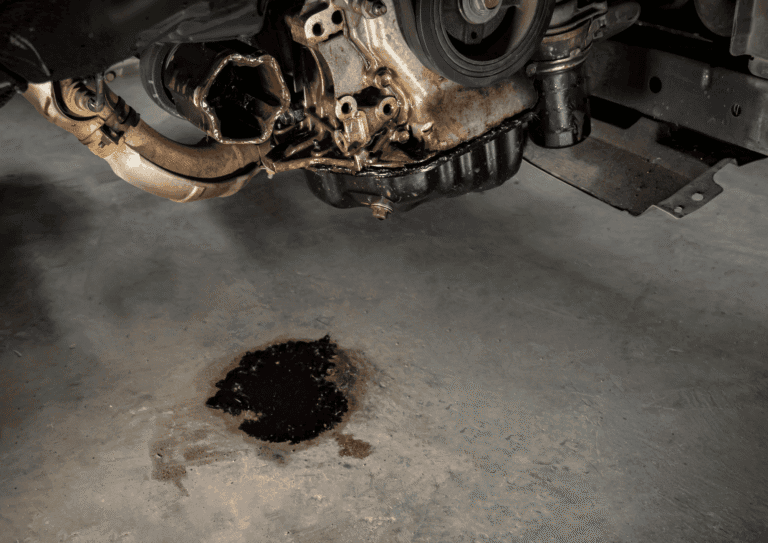
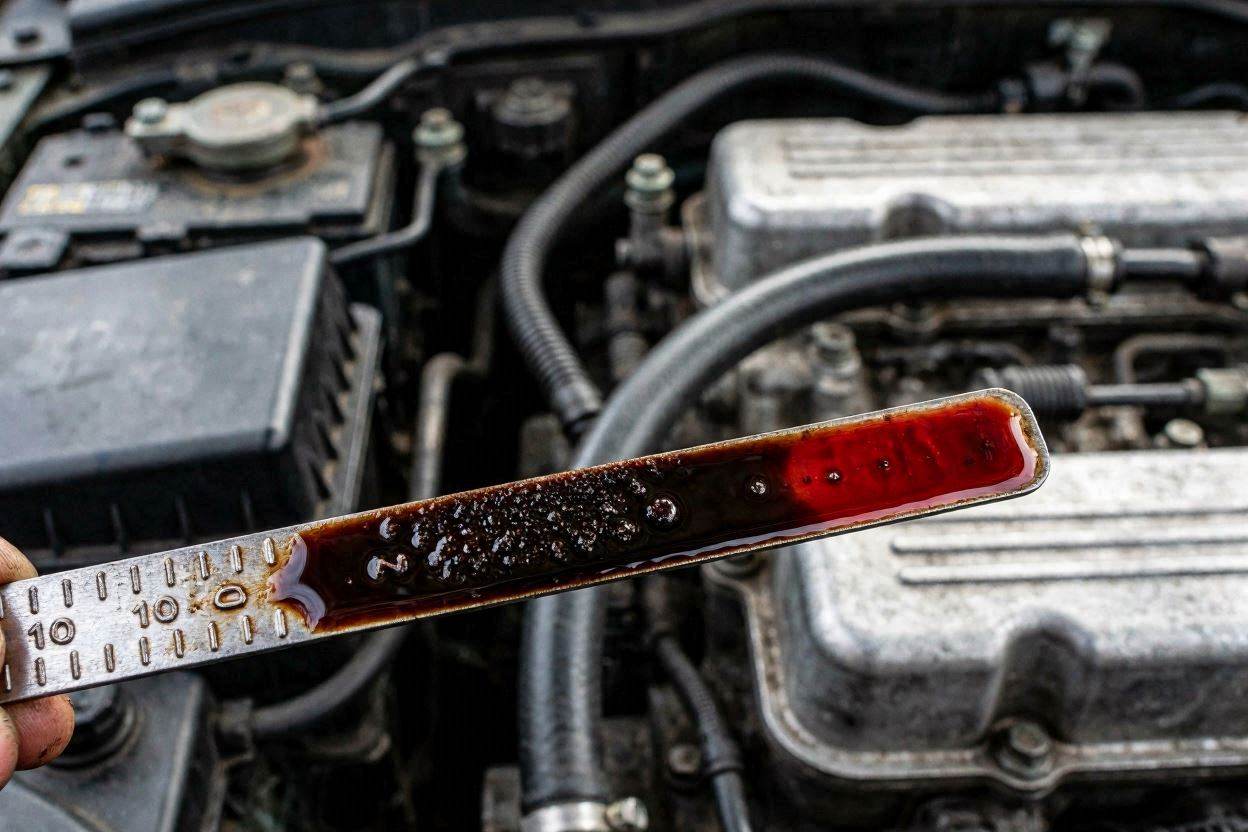
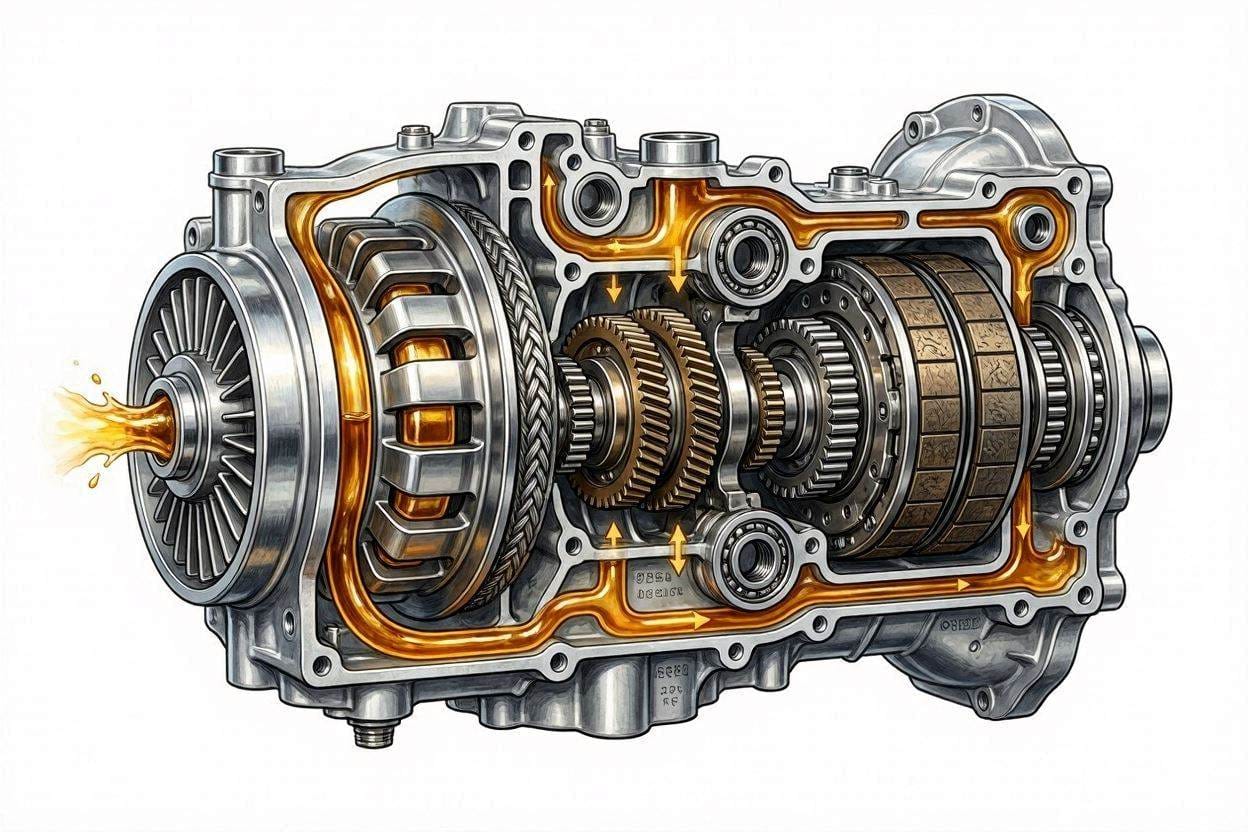
Low fluid creates pump cavitation whine. The pump sucks air instead of fluid. This produces a distinctive whining sound. Check fluid color and smell. Burnt smell indicates overheating. Dark color or metal particles mean internal damage.
 transmission fluid that can cause a high-pitched transmission whine.” width=”1248″ height=”832″ srcset=”https://vehiclebar.com/wp-content/uploads/2026/05/OIG1.jpg 1248w, https://vehiclebar.com/wp-content/uploads/2026/05/OIG1-300×200.jpg 300w, https://vehiclebar.com/wp-content/uploads/2026/05/OIG1-1024×683.jpg 1024w, https://vehiclebar.com/wp-content/uploads/2026/05/OIG1-768×512.jpg 768w” sizes=”auto, (max-width: 1248px) 100vw, 1248px” />
Transmission Pump Failure
A failing pump produces constant, RPM-linked whine. The noise increases directly with engine speed. Pump wear accelerates after 120,000 miles. Low fluid makes pump failure worse. Poor fluid quality also damages pump internals.
Worn Transmission Bearings
Bad bearings change noise under load vs. coasting. Load makes bearing whine louder. Coasting makes it quieter or disappear. Input shaft bearings whine in Park and Neutral. Output shaft bearings whine only when moving. Planetary bearings often whine in all gears.
Torque Converter Whine
Torque converter whine differs from pump whine. Lock-up clutch chatter creates a shuddering sound. Turbine whine produces a constant “airplane” noise. Highway speeds between 45-70 mph make it most noticeable.
Planetary Gear Set Wear
Planetary gear wear is less common but serious. Whining comes with vibration or shifting issues. The noise changes as gears shift. This typically requires a full rebuild.
Diagnosing Transmission Whining Noise by Speed & Condition
Diagnostic Golden Rule: Expert Tip: The condition under which whining occurs is your most valuable diagnostic clue. Note exact speed, gear, load condition, and temperature before visiting a mechanic.
Whining Noise in Park or Neutral (Stationary Diagnosis)
Whining in Park or Neutral indicates pump or torque converter issues. Drivetrain components do not move in these gears. Increase RPM while parked. If whining changes, suspect pump or converter. Use a mechanic’s stethoscope on the transmission pan and bellhousing.
Transmission Noise When Accelerating
Load-dependent bearing diagnosis starts with acceleration tests. Apply light throttle from a stop. Note when whining begins. Accelerate harder and listen for pitch changes. Differential issues usually whine constantly regardless of gear. Target Keyword: transmission noise when accelerating.
High Pitched Transmission Noise at Highway Speeds
Highway whining often points to torque converter lock-up. Lock-up engages around 45-55 mph. Overdrive gear bearings also fail at high speeds. Shift into manual lower gear (if equipped). If whining changes, suspect internal bearings. Target Keyword: high pitched transmission noise.
Whining That Changes with Gear Shifts
Whining that shifts with gear selection involves planetary gears or clutch packs. First gear whining differs from third gear whining. Scan for shift solenoid correlation codes. Professional pressure testing confirms clutch pack issues.
Temperature-Dependent Whining
Cold-start whining often means thick fluid or pump wear. Hot-operation whining suggests thin, degraded fluid. Fluid viscosity changes with temperature. Normal operating temperature reaches 175°F (80°C). Note whining at cold start vs. after 15 minutes driving.
Step-by-Step DIY Diagnosis Guide
Safety First: Caution: Never work under a vehicle supported only by a jack. Use jack stands. Transmission fluid is toxic and reaches operating temperatures above 175°F (80°C).
Preliminary Checks (5 Minutes)
Check fluid level with warm engine running on level ground. Pull the dipstick (if equipped). Wipe it clean and reinsert. Fluid should reach the “Hot” mark. Smell the fluid for burning. Look for dark color or metal specks. Listen under the hood while engine idles.
Isolation Testing (15 Minutes)
Use a mechanic’s stethoscope on the transmission pan. Listen at the bellhousing near the pump. Touch the valve body area. A chassis-ear tool works as an electronic alternative. Perform an RPM sweep in Park. Hold foot brake firmly. Shift to Drive and sweep RPM again.
Road Test Protocol (10 Minutes)
Accelerate smoothly from a complete stop. Note the exact RPM and speed when whining starts. Perform a coast-down test. Let off the throttle completely. If noise persists, bearings are likely. If noise fades, load-related components cause it. Manually select each gear (1,2,3,D) if equipped.
When to Stop DIY and See a Professional
Red Flags: Stop immediately if you observe: metal flakes in fluid, burning smell accompanied by slipping gears, whining with delayed engagement, or noise with warning lights.
Do not continue driving with these symptoms. Immediate professional inspection prevents catastrophic failure.
Professional Diagnosis: What to Expect
Shop Diagnostic Procedures
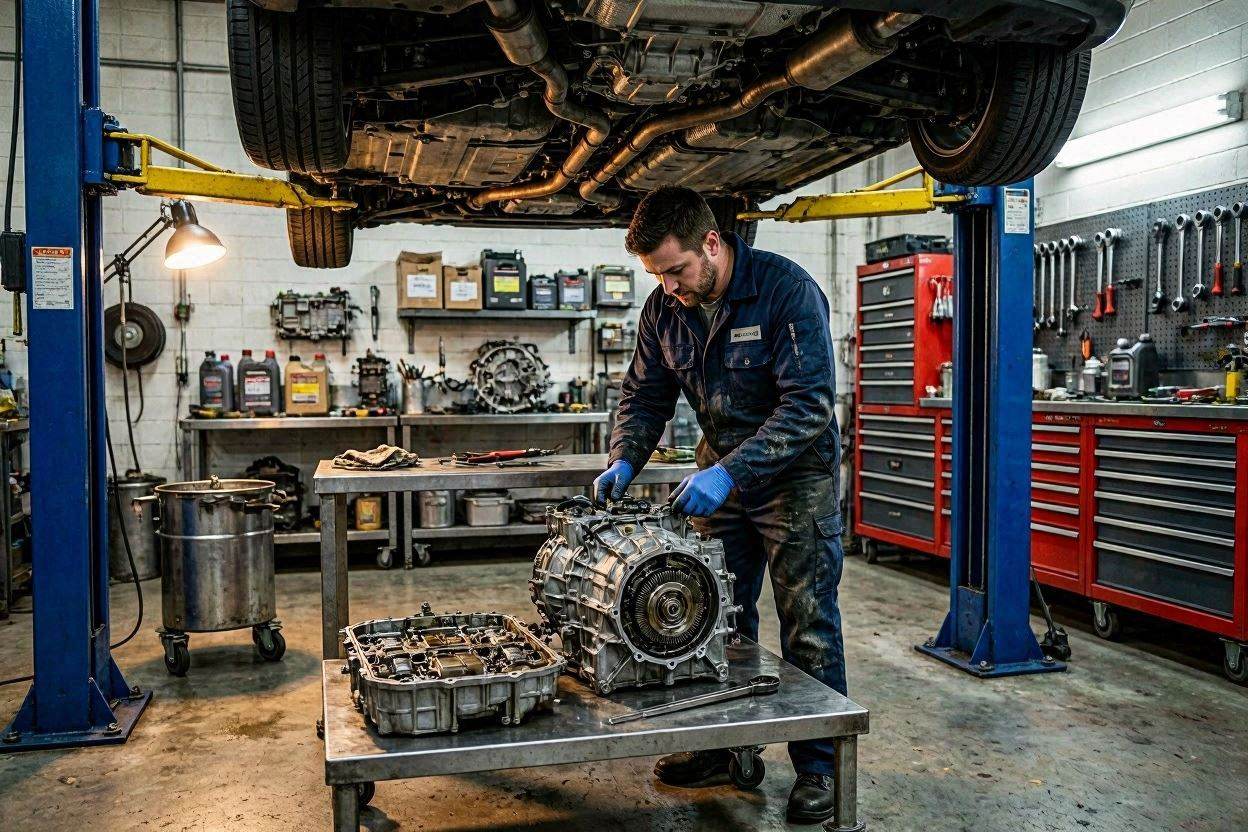
Shops perform pressure testing of hydraulic circuits. They check main line pressure at idle and stall. Scan tools read clutch slippage codes and solenoid response. Technicians drop the pan for internal inspection. Valve body testing checks bore wear and check ball condition.
Diagnostic Costs vs. Guesswork Risks
Average diagnostic fee ranges from
100
t
o
100to250. This cost saves money long-term. “Throwing parts” at whining wastes thousands. A misdiagnosed torque converter costs $1,500 incorrectly. Proper diagnosis prevents unnecessary replacements.
Factors Affecting Repair Costs
Vehicle make and model drive parts pricing. Domestic cars cost less to repair than imports. 4WD/AWD adds 2-4 hours labor. Dealer rates run
150
−
150−200 per hour. Independent specialists charge
100
−
100−150 per hour. General shops cost
80
−
80−120 per hour. Warranty may cover some repairs.
Beginner Mistakes That Make Whining Worse
Common Errors: – Ignoring early whining — Pump cavitation becomes metal-to-metal contact – Using incorrect fluid type — Modern transmissions require exact specifications – Overfilling transmission — Causes aeration and foam, mimicking low fluid symptoms – Adding “stop-leak” or additives — Can clog solenoids and valve bodies – Confusing wheel bearing noise with transmission noise — Wastes money on wrong repairs
Each mistake accelerates internal damage. Wrong fluid destroys clutch packs in 500 miles. Overfilling creates foam that burns pumps. Additives often cause more harm than good.
Expert Tips for Extending Transmission Life After Repair
Pro Maintenance Schedule: – Change fluid every 30,000-60,000 miles (severe service: 15,000-30,000) – Use ONLY manufacturer-specified fluid (ATF+4, Mercon LV, WS, etc.) – Install auxiliary cooler if towing or in hot climates – Address leaks immediately — low fluid kills pumps and bearings – Warm up engine 30-60 seconds before driving in cold weather
Regular maintenance prevents repeat failures. Fresh fluid keeps seals flexible. Clean fluid lubricates bearings properly. Proper cooling extends fluid life by 50%.
Transmission Whining: Repair vs. Replace Decision Matrix
Decision Framework | Factor | Repair (Rebuild/Component) | Replace (Reman/Used) | |——–|—————————-|———————-| | Vehicle value > $8,000 | ✓ Usually justified | Consider if >150k miles | | Mileage < 100,000 | ✓ Rebuild recommended | Usually unnecessary | | Multiple failure points | ✗ Risky | ✓ Safer long-term | | Warranty desired | Limited (1-2 years) | ✓ Better (3+ years typical) | | Downtime tolerance | Longer (1-2 weeks) | ✓ Shorter (2-5 days) | | Contamination present | ✗ Rebuild risky | ✓ Better starting point |
Frequently Asked Questions (Voice Search Optimized)
Why does my transmission whine when I accelerate but not when coasting?
This typically indicates load-dependent bearing wear or insufficient fluid pressure under demand. The pump works harder during acceleration, and worn bearings transmit more noise under torque load. Target Keyword: transmission noise when accelerating.
Can low transmission fluid cause a high-pitched whine?
Yes. Low fluid causes the transmission pump to cavitate, creating a distinct high-pitched whine that rises with engine RPM. This is often the earliest warning sign and requires immediate attention. Target Keyword: high pitched transmission noise.
Is a whining transmission dangerous to drive?
Initially, whining indicates wear but may not cause immediate failure. However, if accompanied by slipping, delayed engagement, or burning smells, continued driving can cause catastrophic damage requiring full replacement.
How do I tell if it’s my transmission or wheel bearings whining?
Transmission whining changes with engine RPM in Park/Neutral and with gear selection. Wheel bearing noise changes with vehicle speed regardless of gear or engine RPM, and often worsens in turns loading one side.
Will changing transmission fluid stop the whining?
If the whine is caused by low or degraded fluid, a proper fluid and filter change may resolve it. However, if mechanical wear (bearings, pump damage) has already occurred, fluid changes alone will not stop the noise.
How much does it cost to fix a whining transmission?
Costs range from $150 for a fluid service to $6,000 for a full replacement. The average repair for isolated pump or bearing issues falls between $800-$3,000 depending on vehicle and labor rates.
What does a bad torque converter sound like?
Understanding does a bad torque converter sound like?
A failing torque converter produces a rhythmic whine or “airplane” noise that intensifies at highway speeds (45-70 mph), often accompanied by shuddering during lock-up engagement and slight RPM fluctuations. Target Keyword: torque converter sounds.
Related Transmission and Drivetrain Guides
- Transmission Stuck in Gear
- Transmission Slipping in Overdrive
- Transmission Fluid Leak: How to Find & Fix All Common Leak Points
- Transmission Overheating: Causes, Symptoms & Prevention (2026 Guide)
- Transmission Shudder: Causes & How to Fix Vibration When Accelerating
- Transmission Solenoid Failure: Symptoms, Testing, Replacement Cost & F
- Automatic Transmission No Reverse Gear
- Low Transmission Fluid Symptoms: 7 Warning Signs to Watch For
When to Seek Professional Help Immediately
Don’t Delay If… – Whining is new and rapidly worsening within days – Accompanied by check engine light or transmission warning – Gear slipping or delayed engagement occurs – Burning smell or smoke from transmission area – Fluid leaks visible on driveway – Vehicle is under warranty — early documentation protects your rights
Summary & Action Checklist
Your Next Steps: ✅ Identify when the whining occurs (speed, gear, temperature) ✅ Check fluid level and condition immediately ✅ Perform basic isolation tests (stethoscope, RPM sweep) ✅ Document symptoms for your mechanic ✅ Get professional diagnosis before mechanical failure progresses ✅ Request inspection of torque converter sounds and bearing problems if whining is confirmed transmission-related
Top Transmission Whining Noise – Our Picks