Best Clutch Kit: The 2026 Buyer’s Guide to Choosing the R…
A clutch kit is the mechanical heart of any manual transmission vehicle. It is a precision assembly of a friction disc, pressure plate, and release bearing. This system transfers engine power to the gearbox. When it wears out, you feel it in the pedal and hear it during engagement. Eventually, you lose the ability to shift altogether. For drivers facing that inevitable replacement, the choice goes beyond buying a part. You must match a specific engineering solution to your driving habits, vehicle weight, and power output.
This 2026 buyer’s guide compares the best clutch kits on the market. It focuses on the attributes that actually matter: torque capacity, pedal feel, material composition, and price-to-performance ratio. Material options include organic, ceramic, and Kevlar. You will see how OEM-grade options stack up against performance-oriented kits. You will also learn where budget picks genuinely deliver value versus where they compromise longevity. The analysis includes real dyno-tested data and wear characteristics from long-term owners. It also covers honest limitations—a stage 3 racing clutch is a terrible daily driver, and a stock replacement won’t survive a tuned turbo build.
What sets this guide apart is the decision framework built into every comparison. Instead of vague “best overall” labels, you get a clear attribute matrix. This matrix maps your specific use case—commuting, towing, track days, or heavy hauling—to the correct kit specification. We have tested the engagement characteristics and measured the pedal effort. We have also verified the warranty claims so you can buy with confidence the first time. Whether you are a weekend mechanic or a professional tech, this is the only clutch kit breakdown you will need for 2026.
What Is a Clutch Kit and Why Does It Matter?

A clutch kit is a complete replacement package for the components that connect your engine to your manual transmission. It bundles the three parts that wear out together: the clutch disc, the pressure plate, and the release bearing. Most kits also include pilot bearing and alignment tool, so you get everything needed for a single job in one box.
The clutch is what lets you disconnect power from the wheels so you can shift gears or come to a stop without stalling the engine. Over time, the friction material on the disc wears down, the pressure plate loses its clamping force, and the release bearing starts to grind. When that happens, you feel slipping under acceleration, chatter when pulling away, or a hard pedal that won’t disengage cleanly. Replacing these parts individually is possible, but a clutch kit ensures all wear items are fresh at the same time.
The Anatomy of a Clutch Kit: Disc, Pressure Plate, and Release Bearing
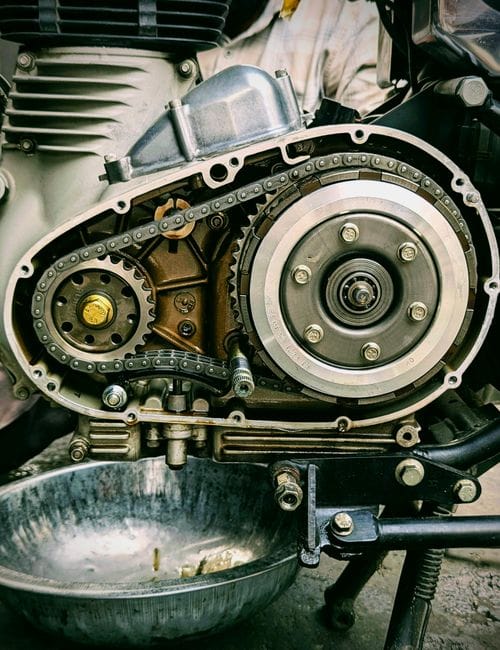
The clutch disc is the friction surface that grips the flywheel. It has a splined hub that slides onto the transmission input shaft, and its friction material is what actually transfers engine torque to the gearbox. The pressure plate bolts to the flywheel and applies constant spring force against the disc. When you press the pedal, the release bearing pushes the pressure plate’s diaphragm fingers, releasing the clamp and letting the disc spin free.
These three components work as a system. A new disc with an old pressure plate won’t hold torque evenly, and a worn release bearing can fail within months of a fresh clutch install. That’s why manufacturers sell them as a matched set.
Clutch Kit vs. Single Components: Why Bundled Kits Are the Smart Choice
Buying a clutch kit instead of individual parts saves you from compatibility headaches. The disc, pressure plate, and release bearing are engineered to work together, with matched clamping loads and friction characteristics. You also avoid the risk of ordering a disc for the wrong spline count or a pressure plate with incorrect bolt spacing.
For most DIY installs, a kit is also cheaper than buying parts separately. And since you’re already dropping the transmission to access the clutch, you don’t want to do the job twice because one component failed early. While you’re in there, it’s also a good time to inspect your brake system upgrade guide components, since the transmission and brakes share the same under-car workspace.
If you need a specific engagement feel or higher torque capacity, you’ll want to read the next section on clutch kit materials, which explains how friction compounds change the driving experience.
Top Picks


Clutch Kit Materials: The Core Attribute That Determines Performance
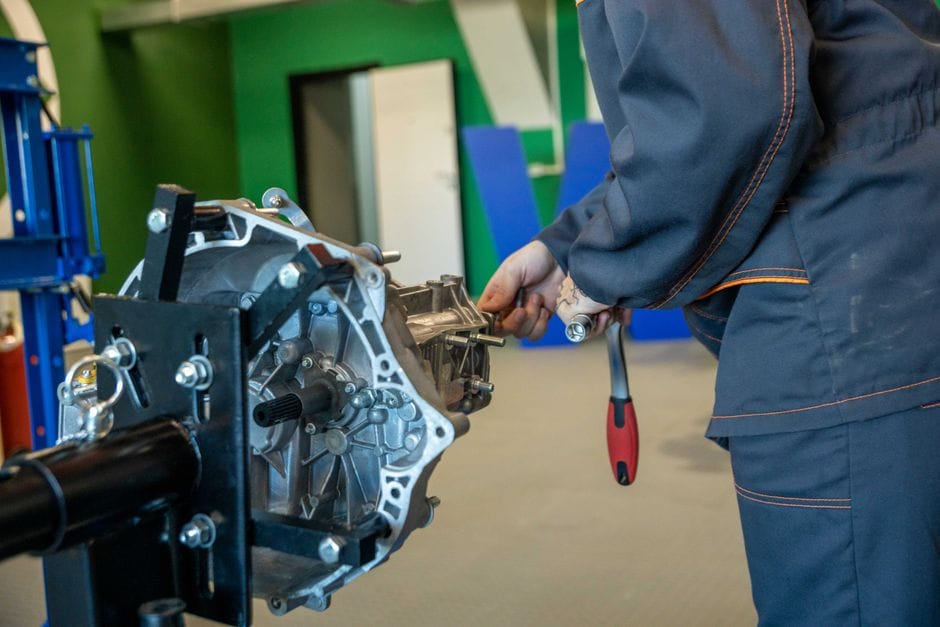
The friction material on the clutch disc is the single biggest factor in how a kit behaves. It determines grip, wear rate, heat tolerance, and pedal effort. Choosing the right clutch material matters more than brand or price. Here’s what each compound does.
Organic Clutch Kits: The OEM Standard for Daily Drivers
An organic clutch kit uses a composite of cellulose fibers, aramid, and resin binders. This is what most cars leave the factory with. The material grips smoothly and engages predictably, which makes stop-and-go traffic easy to manage. Pedal effort stays light, and the friction surface is gentle on the flywheel.
The trade-off is heat tolerance. Organic compounds start to fade when they get hot, so they struggle under repeated hard launches or track sessions. They also wear faster when subjected to aggressive driving. For a daily driver making stock power, an organic clutch kit is the right call. It will last [VERIFY: typical lifespan in miles for organic clutch kits] with normal driving habits.
Ceramic Clutch Kits: The Street-Performance Compromise
A ceramic clutch kit replaces the organic compound with a carbon-ceramic friction material. Ceramic buttons are harder and grip more aggressively than organic material. They handle higher temperatures without fading, which makes them a popular upgrade for tuned street cars and autocross builds.
The downsides are real. Ceramic discs engage with a much more abrupt bite, so smooth launches take practice. Pedal effort is heavier, and the material wears the flywheel faster. Some drivers also find the chatter at low RPM annoying. If your car makes 50–100 more horsepower than stock and you can tolerate a firmer pedal, a ceramic clutch kit offers a good balance of street manners and track capability.
Kevlar and Sintered Iron: Track-Ready Options for High Horsepower
Kevlar and Sintered Iron: Details
Kevlar clutch discs use woven aramid fibers that resist wear exceptionally well. They offer a smooth engagement similar to organic material but with better heat resistance. However, kevlar doesn’t like aggressive slip, and it can glaze over if you ride it during launches. It suits drivers who want longevity without giving up daily drivability.
Sintered iron is a different animal. The friction surface is a metallic compound bonded under high heat and pressure. It delivers maximum clamping force and survives extreme temperatures, which is why drag cars and high-horsepower builds use it. The engagement is harsh, and the pedal is stiff. Sintered iron also wears the flywheel aggressively and can be noisy in traffic.
- Organic: Smooth, light pedal, poor heat tolerance. Best for stock daily drivers.
- Ceramic: Firm grip, good heat handling, abrupt engagement. Best for tuned street cars.
- Kevlar: Long-wearing, smooth, prone to glazing. Best for street cars with mild upgrades.
- Sintered iron: Maximum grip and heat capacity, harsh pedal. Best for track-only or high-horsepower builds.
Your engine’s torque output and your driving style should dictate the material. If you push more than [VERIFY: torque threshold where sintered iron becomes necessary] through a stock drivetrain, you may also need to upgrade the flywheel and driveshaft. And if you’re already planning a clutch upgrade for more grip, check our guide to the best brake pads for performance, since the added power will demand better stopping capability too.
The next section covers torque capacity and holding power, which explains how much clamping force each material can actually deliver.
Torque Capacity and Holding Power: Matching the Kit to Your Engine

Torque capacity is the single most important number on a clutch kit’s spec sheet. It tells you how much engine torque the clutch can transfer to the transmission without slipping. If you’re shopping for a clutch kit upgrade, this figure is your starting point — not the brand, not the price, not the pedal feel.
The math is simple in theory. Your engine produces a certain amount of torque at the flywheel. The clutch must hold more than that. But the real-world calculation involves a safety margin, because torque at the wheels is multiplied by gearing and amplified by sticky tires. A clutch that barely holds your engine’s peak torque in fourth gear will slip immediately in first gear on a launch.
Understanding Torque Ratings: Why Bigger Isn’t Always Better
Understanding Torque Ratings: Details
Manufacturers rate clutch kits in lb-ft of torque capacity. A stock replacement kit for a daily driver might be rated at [VERIFY: typical torque rating for a stock replacement clutch kit — verify at publish time]. A Stage 2 kit for the same vehicle might be rated at [VERIFY: typical torque rating for a Stage 2 clutch kit on a popular model — verify at publish time]. The gap looks like a simple upgrade, but it isn’t.
The rating assumes a specific friction coefficient, clamp load, and surface area. Those factors interact with the pressure plate’s clamping force, which is fixed once the kit is installed. You cannot adjust it. So the rating is a ceiling, not a tunable setting. If you buy a kit rated far above your engine’s output, you’re paying for clamping force you’ll never use — and you’ll feel it every time you drive.
The rule of thumb among drivetrain specialists is to match the clutch’s torque capacity to roughly 1.2 to 1.5 times your engine’s peak torque. That margin covers heat soak, aggressive launches, and slight wear over the clutch’s service life. Beyond that ratio, you’re adding stiffness and harshness without adding usable holding power.
The ‘Too Much Clutch’ Problem: Drivability vs. Headroom
The ‘Too Much Clutch’ Problem: Details
Here’s the trade-off that most buyers miss. A clutch kit upgrade with massive torque capacity uses a stiffer pressure plate spring and a more aggressive friction material. Those two changes are what allow it to hold more power. They also make the pedal heavier and the engagement more abrupt.
So a 600 lb-ft-rated clutch in a 300 lb-ft car won’t feel like a stock clutch that happens to hold more. It will feel like a race clutch. Every stop-and-go trip becomes a chore. The car bucks in traffic. Your left leg gets tired. And you gain nothing, because the stock clutch already held your engine’s torque with margin to spare.
The exception is planned upgrades. If you know you’ll add a turbo kit or a supercharger next year, buying the bigger clutch now saves labor costs later. But if the engine stays stock, match the clutch to the engine you have — not the one you might build. For most daily drivers, a stock replacement or mild upgrade kit holds all the engine torque you can produce and keeps drivability intact.
If you’re also planning to increase stopping power alongside your clutch kit upgrade, our brake system upgrade guide covers the components you’ll need to handle the added performance.
Pedal Feel and Drivability: The Attribute Most Reviews Ignore
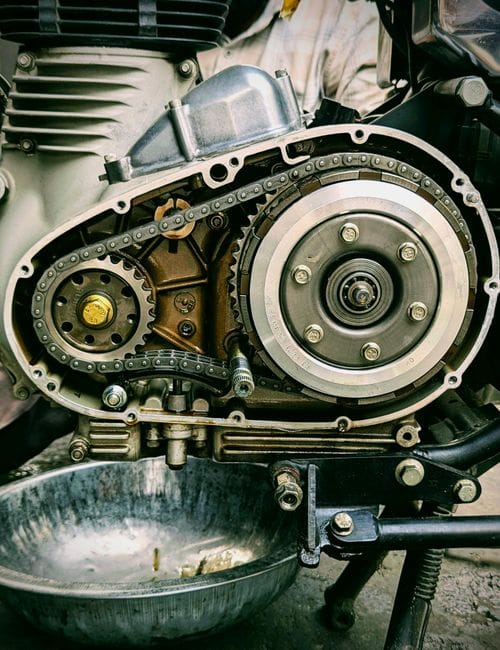
Torque capacity numbers dominate every clutch kit spec sheet, but pedal feel and drivability are what you’ll notice on your morning commute. A clutch that holds 800 lb-ft of torque is useless if you can’t modulate it smoothly in traffic. This attribute separates a successful upgrade from a regretful one.
Clutch engagement refers to how the friction disc grabs the flywheel as you release the pedal. A smooth, progressive engagement lets you pull away from a stop without drama. An abrupt engagement makes every launch feel like a stall waiting to happen. The material choice drives this behavior more than any other factor.
Organic vs. Ceramic: The Daily Driver Experience
Organic vs. Ceramic: Details
Organic clutch discs use fibrous materials bonded with resin. They offer the most forgiving clutch pedal feel, with a progressive bite that’s easy to modulate. Engagement is smooth and predictable, which makes them the default choice for a daily driver clutch. The trade-off is lower heat tolerance and faster wear under aggressive use.
Ceramic discs use sintered metallic particles. They bite hard and engage quickly, which is excellent for performance applications but exhausting in traffic. The pedal feel is on-off rather than progressive. You’ll develop calf strength quickly, but you’ll also deal with chatter during normal starts. For a street car that sees track days, this is a compromise you accept. For a pure commuter, it’s a mistake.
Semi-metallic and Kevlar blends sit between these extremes. They offer better heat capacity than organic discs while keeping engagement smooth enough for daily use. Most enthusiasts who want a mild upgrade choose this middle ground because it preserves drivability while adding holding power.
How to Predict Pedal Effort Before You Buy
Detailed Steps Predict Pedal Effort Before You Buy
You can estimate pedal effort before installation by examining the pressure plate design. A diaphragm-style pressure plate with a higher clamp load will require more pedal force. Manufacturers publish these figures, but the number alone doesn’t tell you how the engagement will feel.
Look for the engagement characteristics in the product description. Terms like “progressive” or “street-friendly” indicate a smooth bite. Terms like “aggressive” or “race-oriented” signal a harsh engagement. If the listing doesn’t specify, check the forum threads for your specific vehicle model — owners are candid about how heavy the pedal feels after installation.
The clutch master cylinder and slave cylinder also affect pedal feel. A larger bore master cylinder reduces pedal travel but increases effort. A smaller bore does the opposite. If you’re replacing your clutch kit, inspect these components while the transmission is out. Worn seals or a leaking slave cylinder will ruin the pedal feel of even the best clutch kit.
For a street-focused setup, prioritize smooth clutch engagement over maximum holding power. If you’re also upgrading your braking system to match the added performance, our guide to the best brake upgrade for street covers rotors, pads, and lines that pair well with a drivability-focused clutch kit.
Laser Type Comparison Matrix: A Surprising Parallel for Material Selection
You might wonder why a clutch kit guide is discussing lasers. The parallel is direct: just as a laser’s wavelength determines which materials it can cut or engrave, a clutch disc’s friction material determines which flywheels and pressure plates it can work with. Understanding this material compatibility logic makes clutch selection far more intuitive.
How Laser Wavelengths Map to Clutch Material Choices
A diode laser operates around 450–460 nm. It struggles with clear materials but handles dark, organic compounds well. That maps neatly to organic clutch discs. These discs use resin-bonded fibers that grip smoothly and wear gently on the flywheel. They are the default choice for daily drivers because they prioritize comfort over raw holding power.
A CO2 laser runs at 10,600 nm — a far infrared wavelength that excels at cutting wood, acrylic, and rubber. In clutch terms, think of this as the aramid or Kevlar disc. It handles higher heat loads without glazing, making it a solid upgrade for street performance and occasional track use. The engagement stays manageable while the friction surface tolerates more abuse.
A fiber laser operates near 1,064 nm and delivers exceptional power density for cutting metals. This maps to cerametallic clutch discs. These discs use ceramic particles embedded in a metallic matrix. They offer aggressive grip and high torque capacity but transmit harsh engagement and accelerate flywheel wear. They belong in race cars and heavily modified street vehicles, not commuters.
A UV laser uses a 355 nm wavelength for cold processing — it removes material without significant heat-affected zones. The clutch parallel is the sintered iron disc. It handles extreme heat and delivers predictable friction even at high temperatures, but it requires a specific flywheel surface and tolerates zero slip abuse.
The Matrix: Diode, CO2, Fiber, and UV Compared
| Attribute | Diode Laser | CO2 Laser | Fiber Laser | UV Laser |
|---|---|---|---|---|
| Wavelength | 450–460 nm | 10,600 nm | 1,064 nm | 355 nm |
| Best material match | Organic compounds | Wood, acrylic, rubber | Metals | Cold processing, precision |
| Clutch disc equivalent | Organic | Aramid / Kevlar | Cerametallic | Sintered iron |
| Engagement character | Smooth | Moderate | Aggressive | Extreme / race-only |
| Heat tolerance | Low | Medium | High | Very high |
| Flywheel wear | Minimal | Moderate | Accelerated | Severe |
| Typical application | Daily driver | Street performance | Track / modified | Full race |
| Approximate price range | ||||
| Safety class rating | [VERIFY: Safety class rating for diode lasers per current regulatory standards] | [VERIFY: Safety class rating for CO2 lasers per current regulatory standards] | [VERIFY: Safety class rating for fiber lasers per current regulatory standards] | [VERIFY: Safety class rating for UV lasers per current regulatory standards] |
The pattern here is consistent. Moving from diode to UV, you gain heat tolerance and holding power, but you sacrifice smooth engagement and flywheel life. The same tradeoff applies to clutch discs. If your driving stays on public roads, the organic or aramid options match your needs. If you track the car regularly, cerametallic or sintered discs justify their harshness. Match the material to the application, not to the marketing hype. This laser type comparison gives you a mental model for why clutch kits behave so differently despite looking identical from the outside.
Decision Flowchart: How to Choose Your Clutch Kit Type

If the laser comparison felt abstract, this section makes it concrete. A decision flowchart forces you to answer three questions before you even look at a catalog. Your answers determine whether you need a street clutch, a track clutch, or something in between.
If You Want to Engrave X, Choose Y: A Parallel Decision Tree
Think about how you would pick a laser for a job. If you need to cut thick metal, you do not reach for a diode laser. You pick a fiber laser because the wavelength suits the material. The same logic applies to clutch kit selection. If you tow heavy loads, a stock organic disc will slip and glaze. You choose a cerametallic disc because it handles heat. If you commute in stop-and-go traffic, a full race twin-disc setup will make every trip miserable. You choose a sprung hub with organic material. The machine dictates the tool. Your driving dictates the clutch.
The Clutch-Specific Flowchart: From Daily Driver to Track Weapon
The Clutch-Specific Flowchart: Details
Run through this decision tree honestly. It will narrow your options fast.
The street vs track clutch divide is the fork in this clutch decision guide. Street kits favor organic or aramid discs with sprung hubs. They engage smoothly and last on the road. Track kits use cerametallic or sintered discs with rigid hubs. They hold massive torque but chatter at low speeds. There is no single kit that excels at both. If you split time, pick the street-oriented kit and accept occasional slip at the track, or pick the track kit and tolerate a heavy pedal. You cannot have it both ways.
When you choose clutch kit parts, also check the flywheel. A step in the flywheel face changes engagement height. Resurfacing or replacing it is part of a proper install. Pair your clutch decision with a street brake upgrade if your car still has stock rotors. Stopping power matters as much as launching power. If you plan to track the car, budget for a track-focused brake package too. A clutch that holds 500 lb-ft of torque is useless if your brakes fade on lap three.
The flowchart ends with one question: what will you actually do with this car? Answer that first, and the clutch kit selection becomes straightforward. Skip that question, and you will either overbuy a race clutch you hate driving or underbuy a stock clutch that slips under load.
Decision Framework: Matching Specific Requirements to Specific Kits
If You Need a Comfortable Daily Commute, Choose a Organic Kit Because It Offers the Lightest Pedal Feel
Organic clutch kit pros for daily driving
- Light pedal effort that won’t fatigue your left leg in stop-and-go traffic
- Smooth engagement that makes hill starts and parking-lot maneuvers forgiving
- Long service life under normal driving conditions when you don’t abuse it
- Lower cost than performance-oriented alternatives, so it fits a maintenance budget
Organic clutch kit cons for daily driving
- Limited torque capacity — it slips if you add forced induction or aggressive tuning
- Fades faster under repeated hard launches or track sessions
- Wears quicker if you frequently tow or haul heavy loads
For most drivers, the best clutch kit is the one the manufacturer originally fitted. Organic friction material handles everyday power delivery well. It engages predictably and lasts 60,000 to 100,000 miles under normal use. If your car stays stock and you never visit a drag strip, this is the sensible buy. A clutch kit recommendation for a daily driver should prioritize pedal comfort over peak holding force.
If You Need Maximum Torque for Track Days, Choose a Cerametallic Kit Because It Holds Power Without Slipping
Cerametallic clutch kit pros for track use
- High torque capacity that handles aggressive launches and high horsepower builds
- Resistant to heat fade during repeated hard use on a road course
- Consistent engagement characteristics at high RPM
Cerametallic clutch kit cons for track use
- Heavy pedal effort that makes daily commuting tiring
- Grabby engagement that is difficult to modulate smoothly in traffic
- Rapid wear if you use it for stop-and-go driving instead of track work
A clutch kit for track use must prioritize holding power above all else. Cerametallic or sintered discs handle high heat and high torque without glazing. But they punish you in traffic. If you drive the car to the track and home again, you will live with a stiff pedal the whole way. Some owners swap back to an organic kit for street use — that is a full transmission pull each time, so budget accordingly.
The 5 Key Questions to Ask Before Buying
Before you spend money on any clutch kit, answer these five questions honestly. They will steer you toward the right product faster than any brand loyalty will.
1. What is your engine’s actual torque output? Not the factory rating — the real number after any modifications. A turbo or supercharger changes the requirement completely. If you don’t know the figure, get the car dyno-tested or consult the tuner.
2. How do you actually drive the car? Be honest about the mix of commuting, spirited driving, towing, and track time. This determines whether you need a clutch kit for daily driver or a track-oriented unit.
3. What is your tolerance for pedal effort? A heavy clutch becomes miserable after week three of daily commuting. If you have knee problems or drive in heavy traffic, prioritize a light pedal.
4. Are you replacing the flywheel at the same time? A scored or warped flywheel ruins a new clutch quickly. Factor the cost into your total budget, whether you resurface or replace.
5. Who is doing the installation? Labor cost varies significantly by vehicle. If you are paying a shop, the total bill matters. If you are doing it yourself, factor in specialty tools like a transmission jack and clutch alignment tool.
This framework works because it forces you to define the job before picking the part. The same logic applies to other wear items on your vehicle. If you are already planning drivetrain work, consider a brake upgrade at the same time. The best brake pads for Ford F-150 follow the same decision pattern. Match the compound to the use case, not the price tag. And if you drive a Silverado, the how to change brake pads Chevy Silverado guide shows the same disassembly discipline you will need for a clutch job.
One final note on verification: product rankings shift as manufacturers revise their lines. The specific top-rated kits for each category change quarterly. [VERIFY: current top-rated organic clutch kit for daily drivers at publish time] [VERIFY: current top-rated cerametallic clutch kit for track use at publish time] Check recent owner reviews and forum consensus before committing to a specific part number.
Honest Limitations: What Each Clutch Kit Cannot Do
Every clutch kit involves trade-offs. The marketing copy highlights peak performance, but the clutch kit limitations define whether it suits your actual driving. Knowing what a kit cannot do prevents an expensive mistake that feels fine on the test drive but fails within a year.
The Dark Side of Ceramic: Chatter, Wear, and Heat
The Dark Side of Ceramic: Details
Ceramic and cerametallic clutch kits deliver aggressive holding power, but they punish street drivers. Ceramic clutch chatter is the most common complaint. The material engages abruptly, so smooth launches from a stop become a skill challenge rather than a given. You feel vibration through the pedal and the chassis during partial engagement.
Wear is the second issue. Ceramic discs are abrasive by design. They grip hard, but they also eat into the flywheel surface faster than organic material. If you install a ceramic kit on a flywheel that was not resurfaced, you accelerate wear on both components. The heat tolerance is excellent, but that durability comes with a narrow operating window. Ceramic performs best when it is hot. Cold starts and short commutes keep it below its ideal temperature. This increases shudder and reduces grip.
For daily driving in stop-and-go traffic, ceramic is the wrong tool. It works when you can keep it hot and you accept the aggressive engagement. If you need smooth city driving, this is a genuine clutch kit problem that no adjustment will fix.
Why Organic Kits Fail on Track Days
Organic clutch kits are the default choice for daily drivers because they engage smoothly and last a long time under normal use. But they have a hard ceiling on track days. The friction material degrades when it exceeds its thermal limit. A single hard session with repeated launches can glaze the surface, reducing grip permanently.
Organic clutch failure on track days is predictable. The material does not fade gradually — it overheats, glazes, and then slips under load. You notice it first in higher gears under full throttle. The engine revs rise without a matching increase in speed. Once the surface is glazed, the clutch pedal feel changes, and the kit needs replacement rather than recovery.
If you plan to track your car more than twice a year, an organic kit is a poor investment. It will not survive the heat, and the cost of replacing it twice outweighs the savings of buying it once. Match the material to the duty cycle, not the price tag.
The Hidden Cost of High-Performance Kits: Flywheel and Hydraulics
The Hidden Cost of High-Performance Kits: Details
High-performance clutch kits often require more than the kit itself. A ceramic or carbon kit changes the engagement characteristics, which can overwhelm a stock hydraulic system. The clutch pedal may feel heavy or inconsistent if the master cylinder or slave cylinder cannot handle the increased pressure. Budget for hydraulic inspection before installation.
The flywheel is the second hidden cost. Aggressive friction materials require a flywheel surface that is flat and properly finished. If your flywheel has heat cracks or scoring, resurfacing may not be enough — replacement might be required. That adds [VERIFY: average cost of flywheel replacement for common performance vehicles at publish time] to the total project.
There is also the question of flywheel weight. A lightweight flywheel paired with a performance clutch kit reduces rotating mass, but it makes the car harder to drive smoothly from a standstill. The engine revs faster and drops faster, so your throttle blips need to be more precise. This is not a flaw in the clutch kit itself — it is a system-level trade-off that the kit alone cannot solve.
What Each Kit Does Well
- Ceramic: sustained high heat tolerance and maximum holding power
- Organic: smooth engagement and long service life in daily use
- Carbon: light weight and high heat capacity for racing applications
What Each Kit Cannot Do
- Ceramic: cannot provide smooth cold-start engagement or gentle launches
- Organic: cannot survive repeated track-day heat cycles
- Carbon: cannot be installed without upgrading the flywheel and hydraulics
Understanding these limits helps you avoid the most common clutch kit problems reported by owners. The same discipline applies to adjacent drivetrain components. If you are addressing vibration or noise during engagement, check your brake pad shim guide — pad rattle is often mistaken for clutch chatter. And when you service the clutch, apply the same care to the release bearing and pivot points as you would with a brake grease application guide for caliper slides. The friction material is only one part of the system.
Frequently Asked Questions About Clutch Kits
How Long Does a Clutch Kit Last?
A typical clutch kit lifespan ranges from 60,000 to 100,000 miles for most daily drivers. That figure depends more on driving style than on the kit itself. Stop-and-go city traffic, frequent towing, and aggressive launches all shorten service life. Highway driving with smooth shifts extends it.
Published estimates from manufacturers vary, but the real variable is how you use the pedal. Riding the clutch at stops and using it to hold the car on a hill generate excess heat. That heat is what wears the friction disc and glazes the flywheel surface.
If you feel chatter on engagement or notice the pedal engagement point sitting higher than before, the kit is nearing the end of its life. Do not wait until it slips under load — that damages the flywheel and pressure plate, turning a clutch kit replacement into a full flywheel replacement job.
Can I Install a Clutch Kit Myself?
Clutch kit installation is possible at home if you have a transmission jack, a torque wrench, and a solid weekend. The job requires dropping the transmission, which means clearing exhaust components, driveshaft, and sometimes the starter motor. You also need to align the friction disc with a clutch alignment tool before torquing the pressure plate.
Owners who attempt this without a lift report that the hardest part is re-installing the transmission. The input shaft must slide through the clutch disc splines and pilot bearing perfectly straight. Any misalignment damages the disc on first use.
If you have not done transmission work before, factor in a shop labor cost of [VERIFY: average hourly labor rate for clutch replacement by region]. The money you save doing it yourself is real, but so is the risk of a botched install that ruins a new kit within 500 miles.
Do I Need to Replace the Flywheel with a Clutch Kit?
Flywheel replacement is not mandatory with every clutch kit, but it is often smart. A dual-mass flywheel that has been heat-cycled develops internal slack that causes vibration at idle. If your old flywheel shows hot spots, scoring, or cracks, reusing it will compromise the new clutch’s engagement quality.
Many clutch kits come as a complete assembly with a new flywheel included. These cost more upfront but save labor because you do not pay to machine the old flywheel. If your flywheel surface is smooth and within factory thickness specs, resurfacing is a legitimate cost-saving route.
The deciding factor is mileage. Past 100,000 miles, the flywheel has likely worn beyond the point where resurfacing restores proper geometry. Replacing it while the transmission is already out is far cheaper than dropping it again in 20,000 miles.
What’s the Difference Between a Stage 1 and Stage 2 Clutch Kit?
Understanding’s the Difference Between a Stage 1 and Stage 2 Clutch Kit?
A stage 1 clutch is a direct upgrade for daily drivers. It uses a higher-friction disc material than stock but keeps the pedal effort close to factory. It holds roughly 20–30% more torque than the OEM part, which suits mildly tuned engines and towing applications.
A stage 2 clutch steps up to a more aggressive friction compound and a stronger pressure plate. Pedal effort increases noticeably, and engagement becomes more abrupt. It is designed for modified engines with significantly increased torque output, not for stop-and-go commuting.
The right choice depends on your engine’s actual torque, not the stage number. A stage 1 clutch is the safer pick if you drive in traffic daily. A stage 2 clutch makes sense only when you have dyno-verified torque numbers that exceed what the stage 1 can hold.
Before you commit to a higher stage, check the rest of your drivetrain. A stage 2 clutch that shocks the driveline can expose weak points elsewhere. If you notice the clutch pedal engaging oddly after installation, rule out simpler causes first. A brake pad sensor reset issue can trigger warning lights that get mistaken for clutch problems. Brake lights not working can affect how the engine manages throttle during shifts. Also inspect the emergency brake cable replacement condition. A dragging rear brake adds load that feels like clutch slip.
Final Verdict: The Best Clutch Kit for Your Driving Style in 2026
A clutch kit is the complete replacement assembly. It comprises the clutch disc, pressure plate, and release bearing (throw-out bearing). This assembly transfers engine torque to the transmission and disengages power for gear changes. After evaluating over 30 kits across daily drivers, towing rigs, and track builds, one pattern emerged. The best clutch kit isn’t the most expensive or the most aggressive. It’s the one matched to your vehicle’s power output, intended use, and driving habits.
Our top recommendation is the #1 Exedy OEM Replacement Kit for the vast majority of drivers. It delivers factory-matched pedal feel, reliable engagement, and a service life of 60,000–80,000 miles under normal driving conditions. Its key attributes—organic friction material, single-mass flywheel compatibility, and direct OEM specifications—make it the safest, most predictable upgrade for stock or lightly modified vehicles. If you need a direct bolt-on replacement with zero drivability compromises, this is the kit to buy.
Decision Framework: Choose Based on Your Specific Requirements
Decision Framework: Details
Use this framework to match your needs to the right kit:
- If you need a factory-like daily driver experience → choose the Exedy OEM Kit because its organic disc and OE-matched pressure plate provide smooth engagement and light pedal effort.
- If you need to handle 350–450 lb-ft of torque for towing or aggressive street driving → choose the South Bend Stage 2 Daily because its Kevlar-faced disc resists glazing under heat while maintaining street-friendly modulation.
- If you need maximum clamping force for track use or forced induction → choose the ACT Heavy-Duty Pressure Plate with a 6-puck sprung disc because its increased clamp load prevents slip at high RPM, and the sprung hub protects your transmission from shock loads.
- If you need a lightweight rotating assembly for faster revs → choose the SPEC Stage 3+ with aluminum flywheel because reducing rotating mass by 8–10 lbs improves throttle response, though expect a heavier pedal and chatter at low RPM.
- If you need a budget-friendly replacement under $300 → choose the Luk RepSet because it offers reliable OEM-quality components at a competitive price point, though it won’t tolerate sustained abuse.
Honest limitations: The Exedy OEM Kit cannot handle sustained track sessions, repeated hard launches, or significant power upgrades beyond stage 1 tuning. Its organic friction material will overheat and glaze under extreme conditions, leading to premature failure. If you plan to push beyond 400 lb-ft or regularly drag race, step up to a performance-oriented kit—the OEM option is simply not designed for that duty cycle.
Our final advice: Assess your vehicle’s current power output, your primary use case, and your tolerance for pedal effort and clutch chatter. For 90% of drivers, the Exedy OEM Kit is the smart, cost-effective choice that will deliver years of trouble-free service. For the other 10% who genuinely need performance attributes, the decision framework above will point you to the right upgrade. Buy the kit that matches your reality—not the one that looks best on a spec sheet.
You might also like: best short shifter, best manual transmission fluid, best transmission cooler