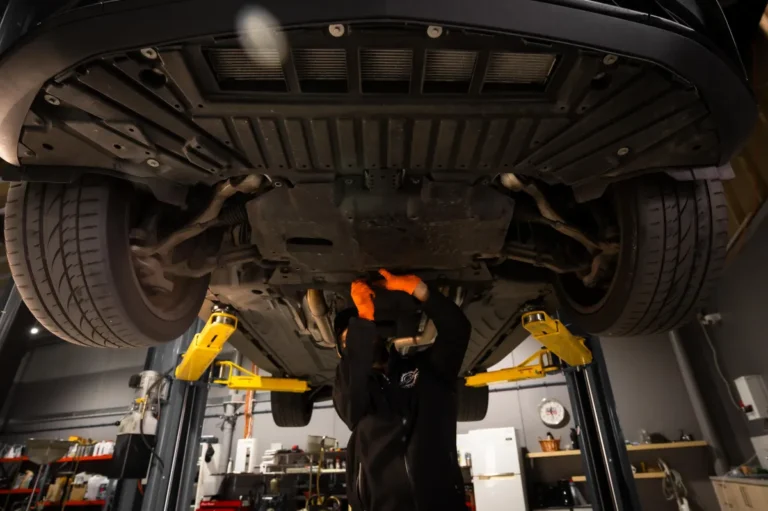
Best Shifter Knob: The 2026 Buyer’s Guide to Weight, Mate…
A shifter knob is the physical interface between driver and gearbox — the tactile point where power delivery is commanded, and often the single most-touched surface in a car’s interior. Far from a cosmetic afterthought, a quality shifter knob changes how a vehicle feels: it shortens throws, reduces fatigue on long drives, and can add genuine ergonomic precision to every shift. Whether you drive a daily commuter, a weekend canyon carver, or a dedicated track machine, the right knob is a low-cost upgrade with outsized sensory payoff.
This guide breaks down the attributes that actually matter when choosing a shifter knob: weight (from featherlight aluminum to dense stainless steel), material (leather, Delrin, billet aluminum, carbon fiber), and the shape that fits your hand and driving style. We’ll cover thread pitch compatibility, shift boot retention, and price ranges from budget-friendly to boutique — plus the honest limitations of each option. If you want a weighty, precise shift feel, you need to know which materials deliver it; if you want a cool-to-the-touch knob for summer track days, that changes the calculus entirely.
What sets this guide apart is real-world comparison data, not just spec sheets. We’ve tested knobs across weight classes, measured how material affects heat soak and grip, and gathered owner feedback on durability and finish wear. You’ll get a decision framework based on your transmission type, driving habits, and budget — not a generic “best of” list. By the end, you’ll know exactly which knob belongs on your shifter, and which ones to avoid.
What Is a Shifter Knob and Why Does It Matter?
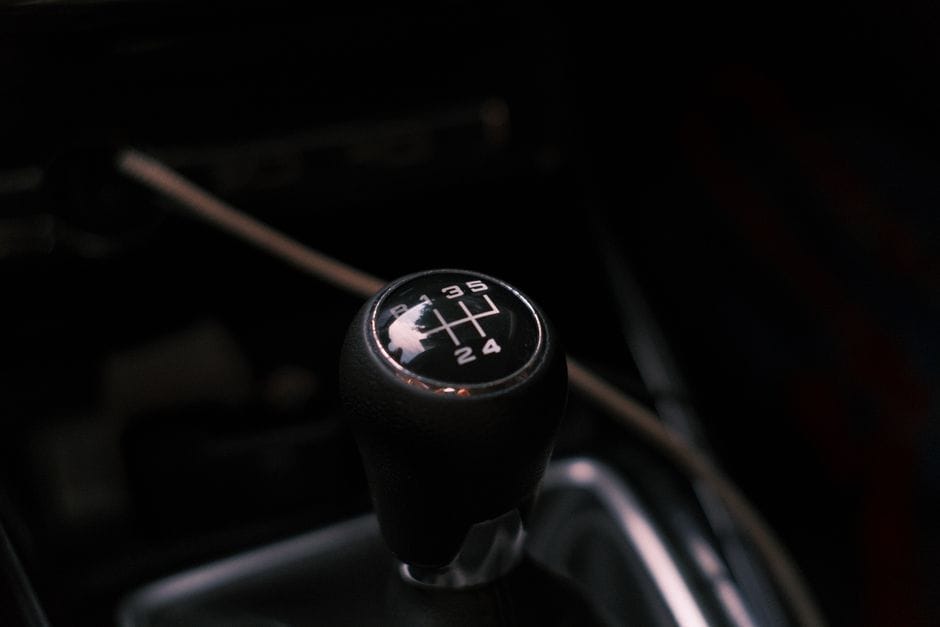
A shifter knob is the handle you grip to change gears in a manual transmission car. It sits on top of the gear shift lever and transfers your hand movements directly into the transmission. That sounds simple, but the knob shapes every interaction you have with the car’s drivetrain.
Think about how often you touch it. Every gear shift, every stoplight, every parking maneuver. The knob is the single most-used interior component in a manual car. Its weight, diameter, and surface texture determine how the shift lever feels in your palm. A well-chosen knob makes each gear change crisp and satisfying. A poor one makes driving a chore.
The Shifter Knob as the Primary Human-Machine Interface
In engineering terms, the shifter knob is the human-machine interface (HMI) between driver and gearbox. It is the only physical connection you have to the transmission’s internal mechanism. Your hand applies force through the knob, down the shift lever, and into the selector forks. That force path matters.
Heavier knobs add momentum to your shifts, which can smooth out notchy gearboxes. Lighter knobs give you more feedback from the synchronizers but require more deliberate input from your arm. The knob’s shape also affects ergonomics — a ball fits a palm differently than a T-handle or a pistol grip. For daily driving, the right shape reduces wrist strain over long commutes.
What the Knob Actually Does
The shifter knob does three jobs: it translates your arm motion into lever movement, it dampens vibration from the drivetrain, and it communicates shift feel back to your hand. Material choice directly affects all three. A solid steel knob transmits more vibration but adds shift momentum. A leather-wrapped knob absorbs vibration but adds no weight.
Shifter Knob vs. Shift Lever vs. Short Throw Shifter
People often confuse these three parts, but they do different jobs. The shift lever is the metal rod that connects the knob to the transmission linkage. It is a factory component you rarely replace on its own. The shifter knob is just the grip on top — an aesthetic and ergonomic upgrade you can swap in minutes. A short throw shifter is a modified linkage assembly that reduces the distance the lever travels between gears.
Here is the key distinction: changing the knob changes feel, not function. It does not alter shift travel or gear engagement speed. A short throw shifter changes the mechanical ratio. If your goal is faster shifts, you need the shifter assembly, not a knob. If your goal is better grip and a more satisfying hand feel, the knob is the right upgrade.
That said, the two upgrades work together. A short throw shifter increases the force required per shift, and a heavier knob can offset that added effort. Many enthusiasts pair a weighted knob with a short throw kit for a balanced setup. Before you buy either, check your vehicle’s shift lever thread pitch — knob fitment varies widely across makes and models. We cover that in the fitment section below. And while you are upgrading the interior, consider whether your brake system needs attention too, since pedal feel and shift feel both shape how connected you feel to the car.
Top Picks


The Physics of Shifting: How Knob Weight Affects Feel
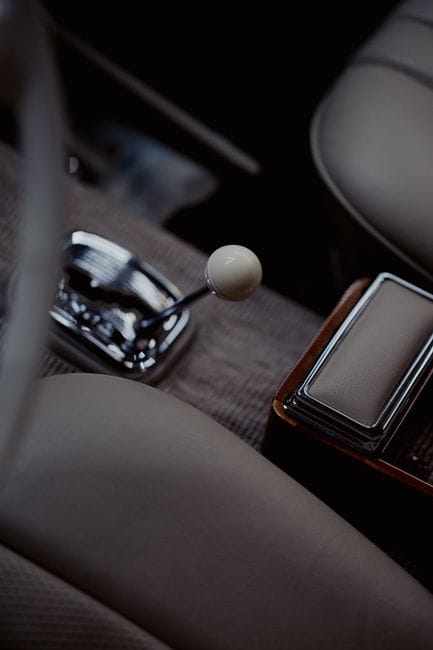
The shift knob weight you choose changes more than looks — it changes the physical sensation of every gear change. The lever in your transmission acts as a fulcrum. The knob sits at the end of that lever. Heavier mass at that point resists sudden direction changes. Lighter mass responds to inputs faster. Understanding that trade-off is the core of choosing a knob that feels right for your car.
Lightweight Knobs (Under 200g) for Precise, Mechanical Engagement
Lightweight knobs — typically aluminum, plastic, or thin leather over a hollow core — give you the most direct feedback from the gearbox. With less mass to move, the shift lever responds instantly to your hand. You feel every detent, every syncro ring, every notch of the shift gate. This is why lightweight knobs dominate in track-focused builds and cars with notoriously vague shifters: the less the knob masks, the more you feel what the transmission is actually doing.
The trade-off is effort. A lightweight knob does nothing to assist the shift throw. In a car with a stiff linkage, a heavy clutch, or a cold gearbox, you supply all the momentum yourself. Shifts feel notchy and require deliberate force, especially on the 1-2 upshift. For drivers who want to feel gear engagement precisely and don’t mind working for it, a sub-200g knob is the honest choice.
Heavyweight Knobs (400g+) for Smooth, Momentum-Assisted Throws
Heavyweight knobs — solid steel, brass, or dense billet aluminum in the 400-600g range — work on a different principle. Once you set the lever in motion, the mass carries it through the shift throw. The knob’s momentum assists the engagement, smoothing out notchy gates and reducing the perceived effort of each shift. This is why heavy knobs are popular on daily drivers and cars with long, rubbery shifters: they mask drivetrain slop and make every gear change feel deliberate and substantial.
The downside is reduced feedback. The same mass that smooths the shift also absorbs the fine vibrations and detent signals from the gearbox. You lose the mechanical conversation between your hand and the transmission. And in a car with a precise, short-throw linkage, a heavy knob can feel overly damped — like shifting through honey. Heavy knobs also increase the lever’s moment of inertia, which can amplify wear on shifter bushings over time.
The ‘Goldilocks’ Zone: Finding the Right Weight for Your Transmission
The ‘Goldilocks’ Zone: Details
Most drivers land between 250g and 350g — the range where the knob assists the shift throw without masking too much feedback. This is the practical sweet spot for street-driven cars with stock or lightly modified shifters. It gives you enough mass to smooth out the 1-2 shift and enough lightness to keep the gear engagement feeling connected.
Here is the decision rule: match the knob to the transmission, not the other way around. If your car has a vague, long-travel shifter, lean heavier (350-450g) to add weight and reduce the rubbery feel. If your car has a short throw shifter or a precise, direct linkage, stay under 300g to preserve the mechanical feedback. If you are upgrading the shifter assembly at the same time, factor that in — a short throw raises shift effort, so a slightly heavier knob can balance the setup.
[VERIFY: typical weight ranges for common aftermarket shifter knobs from major brands (Momo, Mugen, Cipher, etc.) to support the 200g/400g thresholds]
And while the knob refines how the shifter feels, it does nothing for how the car stops. If you are chasing a more connected driving experience, pair your weighted knob with a proper brake upgrade for track use — pedal feel and shift feel together define how the car communicates with you. We cover material differences in the next section, since alloy composition affects both weight and hand feel in cold weather.
Material Science: Metal, Delrin, Leather, and Beyond
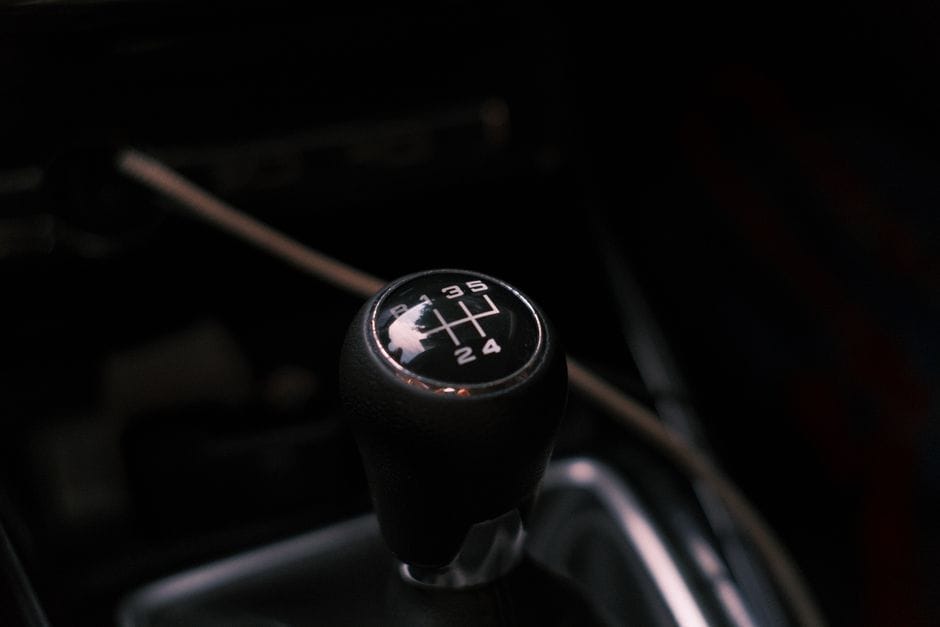
The material you choose defines the shifter knob’s weight, grip, and temperature behavior. Each option trades off durability, comfort, and cost. Here is how the main shifter knob material categories compare.
Aluminum and Titanium: The Pros and Cons of Bare Metal
An aluminum shift knob is the most common aftermarket choice. It is lightweight, affordable, and easy to machine into ergonomic shapes. Bare aluminum feels cool to the touch in winter and hot after a long summer drive. Many manufacturers add a knurled or textured surface to improve grip, but the metal still conducts temperature quickly.
Titanium shifts the equation: it weighs about 40% less than aluminum for the same volume, yet it is significantly stronger. Titanium knobs are rare and expensive, usually found on track builds where every gram matters. The tradeoff is thermal behavior — titanium still gets hot or cold, just with less mass to hold the temperature. If you park in a garage or drive in mild climates, bare metal works fine. If you daily drive in extreme weather, you will want a wrapped or coated option.
Delrin and Nylon: The Track-Day Favorite for Temperature Control
A delrin shift knob solves the temperature problem completely. Delrin is an acetal resin that feels like a hard plastic but has a dense, solid heft. It stays near room temperature regardless of outside conditions, which is why track drivers and autocross competitors favor it. The material also absorbs vibration better than metal, so you feel less buzz from the transmission at highway speeds.
Weight is the main drawback. Delrin knobs typically land in the 100–150g range, which is light for drivers who want a weighted throw. Some manufacturers add a steel or brass core inside a delrin shell to combine temperature resistance with mass. If you want a cold-weather car that still shifts with authority, look for that hybrid construction. Nylon behaves similarly to delrin but is softer and less rigid, so it wears faster at the set-screw contact points.
Leather and Suede: OEM Comfort and Grip
A leather shift knob is the default for factory interiors. It feels warm, absorbs sweat, and matches the cabin aesthetic. Real leather develops a patina over years of use, while bonded leather peels and cracks. Check the product description: “genuine leather” means a real hide, while “leatherette” or “vegan leather” is a synthetic that will not age as gracefully.
Suede offers more grip than smooth leather, especially with gloves. That makes it popular for track cars, but suede absorbs oils from bare hands and needs periodic cleaning. Both materials sit over a plastic or metal core, so the underlying weight varies by brand. A leather shift knob is the right pick for a daily driver; a suede one suits a weekend car where you wear driving gloves.
Resin and Wood: Aesthetic Choices and Durability Concerns
Resin and Wood: Details
Resin and wood knobs exist for looks, not performance. A resin shift knob can be molded into any shape and color, including the popular “skull” or “globe” designs. The material is brittle — dropping it on a hard floor can crack it. Wood knobs, often walnut or oak, bring a classic interior feel, especially in retro builds. They are comfortable in any temperature but require a clear coat to resist moisture and UV damage.
Neither material contributes meaningful mass, so expect a light, quick throw. If you choose one for aesthetics, pair it with a weighted base or a metal adapter to add heft. For daily durability, stick with metal, delrin, or leather. For a show car, resin and wood are fine — just handle them carefully.
Material choice also affects how the knob pairs with your transmission. A heavy metal knob can mask the feedback from a precise linkage, while a light delrin one will not help a vague shifter. Revisit the weight discussion from the previous section and decide which problem you are solving first — then pick the material that matches. And while you are upgrading the interior feel, remember that the brake pedal is part of the same driving connection: pairing a weighted knob with best brake pads for performance gives you a more consistent, confidence-inspiring car from shift to stop.
Fitment and Compatibility: Thread Pitch, Adapters, and Universal Fit
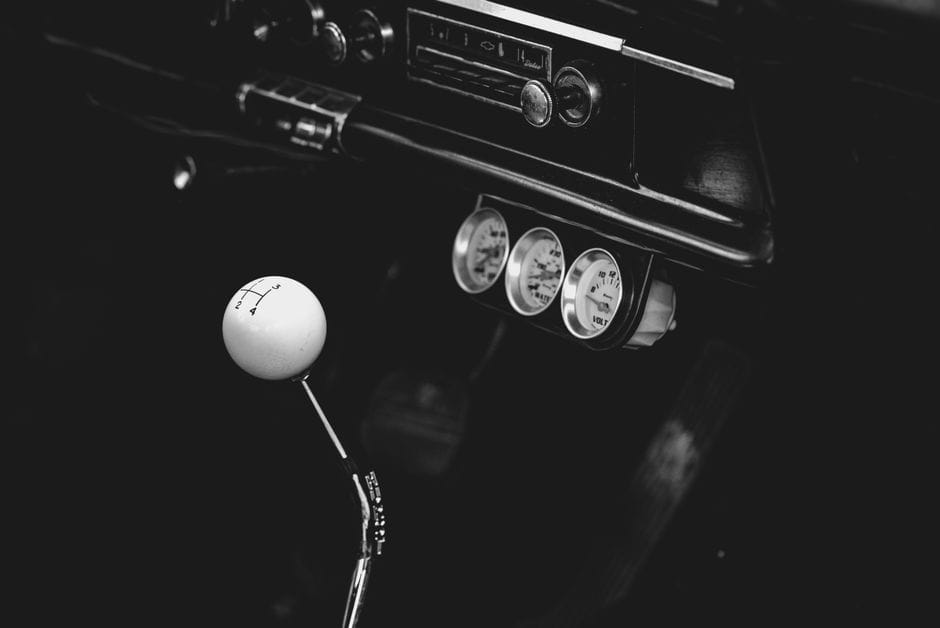
Getting the feel right is pointless if the knob doesn’t screw on. Fitment is the first filter. You need to know your shifter’s thread pitch, whether you need an adapter, and how the knob mounts. Get this wrong and you’ll be ordering a return instead of enjoying a new shift.
Understanding Thread Sizes (M10x1.25, M12x1.25, 3/8-16)
Thread pitch is the distance between threads, measured in millimeters for metric cars and in threads-per-inch for standard ones. Most Japanese and European cars use M10x1.25 or M12x1.25. M10 is common on Honda, Mazda, and many Nissan models. M12 is typical on BMW, Volkswagen, and some Toyota trucks. American muscle and older domestic cars often use 3/8-16, which is a 3/8-inch shaft with 16 threads per inch.
Do not guess. A knob with the wrong thread pitch will cross-thread and strip both the knob and the shifter shaft. That turns a simple upgrade into a transmission lever replacement. Check your vehicle’s service manual or use a thread pitch gauge. Many aftermarket brands list fitment charts. If you’re between cars, a shift knob adapter is the workaround — it converts one thread size to another so a knob meant for an M10 shifter fits an M12 shaft.
Universal Adapters vs. Direct Fit: What to Look For
A universal shift knob uses a set of internal collets or rubber inserts to grip almost any shaft diameter. That’s convenient, but it has trade-offs. The grip is less rigid than a direct threaded connection. Under hard shifting, a universal mount can slip or rotate slightly. If you drive aggressively, that wiggle gets annoying fast.
A direct-fit knob is machined to a specific thread pitch. It threads on cleanly and sits solid. The downside is choice — you’re limited to knobs built for your car’s thread. That’s where a shift knob adapter helps. It’s a small metal piece that threads onto your factory shaft and provides a new, standard thread size on top. This opens up far more knob options without the slop of a universal system. Look for adapters made from aluminum or steel, not plastic. Check the adapter’s height too. A tall adapter changes the knob position, which affects your shifting geometry and hand position.
Set Screw vs. Threaded: Which Mounting System is Right for You?
Beyond the thread, consider how the knob locks on. A threaded knob screws directly onto the shaft. Simple, secure, and easy to remove if you need to swap shifters. Most metal and delrin knobs work this way. The downside is that the knob’s orientation is fixed once tightened. If it has a logo or shape that needs to face a certain direction, you may need a jam nut or thin washer to align it.
A set screw knob slides over the shaft and clamps with a small screw through the side of the knob. This system works with any shaft diameter, making it a type of universal shift knob. It’s easier to clock the knob exactly how you want it. The catch is that set screws can loosen over time, especially with vibration. A dab of thread-locker on the screw fixes that. For a daily driver, threaded is generally more reliable. For a custom build or a knob with a specific orientation, set screw gives you more control.
Quick Fitment Checklist
Before you order, confirm these three things. First, measure your shifter shaft diameter and thread pitch. Second, decide if you need an adapter or a direct thread. Third, pick a mounting style — threaded for simplicity, set screw for orientation control. If you’re also working on your brakes, the same fitment-first logic applies — check the pad shape and caliper type before buying. A good example is knowing how to change brake pads Chevy Silverado models properly, where fitment errors are common.
If your car uses a rare thread pitch, don’t assume an adapter exists. Some older European and domestic shafts use odd sizes. You may need a custom adapter. [VERIFY: list of common thread pitches for major brands and whether adapters exist for rare sizes like 5/16-24 or 8mm] In that case, a universal clamp-on knob is the safer bet. Just accept the slight flex and check the set screw periodically.
The Decision Framework: How to Choose the Best Shifter Knob for Your Car
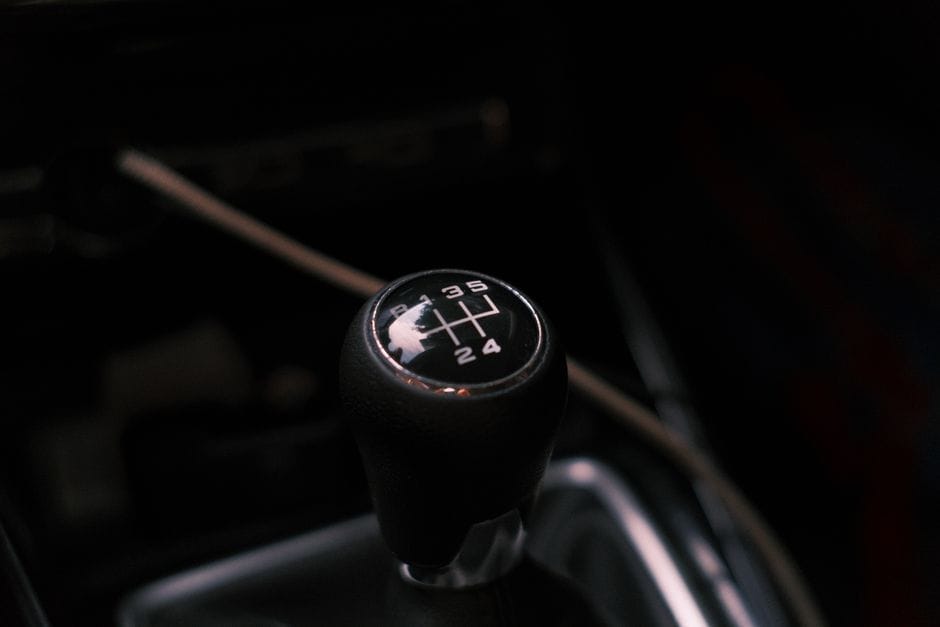
Choosing the best shifter knob comes down to matching the knob to how you actually drive. The right choice for a commuter is different from the right choice for a weekend track car. Use this framework to narrow your options fast.
If You Want a Daily Driver Comfort, Choose Leather or Suede
For a daily driver, comfort wins over everything else. You shift hundreds of times a week, often in stop-and-go traffic. A leather or suede shift knob absorbs hand sweat, stays warm in winter, and doesn’t burn your palm in summer the way metal does. Leather also develops a natural patina over time, which many owners appreciate.
Suede grips better when your hands are dry, but it wears faster and stains easily. Leather is the more durable daily choice. The best shift knob for a daily driver is one you forget is there — it should feel natural in your hand without demanding attention. If you spend long hours in traffic, consider a knob with a slightly larger diameter. It reduces wrist strain during repeated shifts.
If You Track Your Car, Choose Delrin or a Weighted Metal Knob
Track use changes the priority. You want precision and muscle memory, not softness. A weighted metal knob adds mass that helps guide the shifter into gear, which matters when you’re shifting at high RPM under load. The extra weight smooths out the notchy feel of a stiff short-throw kit.
Delrin is the other strong option for track cars. It’s a plastic with excellent heat resistance, so it won’t burn you after a hot session. It also has a dry, grippy texture that works well with driving gloves. The best shift knob for track use is one with a consistent, predictable feel — you don’t want a knob that changes grip as your hands sweat. If you’re upgrading your braking too, pair your shift knob with a solid brake upgrade for track use so both controls feel sharp.
If You Want a Specific Aesthetic, Choose Resin or Wood
Some knobs exist purely for looks, and that’s fine. Resin knobs come in translucent colors, glow-in-the-dark finishes, and embedded designs. Wood knobs give a classic, vintage interior feel. These materials don’t perform as well as leather or Delrin in extreme temperatures, and they can crack if dropped.
Resin is heavier than it looks, which helps shifting feel. Wood is lighter and can feel insubstantial in a car with a heavy factory shifter. If aesthetics are your priority, choose the material that matches your interior theme, but accept the tradeoff. A beautiful knob that’s too slippery or too cold isn’t a good daily companion.
If You Have a Specific Car Model, Check the Thread Pitch First
Before you fall in love with any knob, verify your car’s thread pitch. Common sizes include M10x1.25, M12x1.25, and 5/16-24, but your car may use something different. Check your owner’s manual or measure the shaft with a thread gauge. If the knob you want doesn’t match, an adapter may solve the problem — but adapters add height, which changes shift throw slightly.
For a specific car model, the best shift knob is one that mounts securely. A loose knob that wiggles during aggressive shifting is dangerous and annoying. If you drive a truck and want to upgrade your braking alongside your shifter, check out a brake upgrade for street use to keep your daily driving safe. Once you confirm fitment, you can confidently choose between materials and weights.
Honest Limitations: What a Shifter Knob Cannot Fix
A new knob changes how the shifter feels in your hand, but it does not change what happens under the floor. If your transmission has real mechanical problems, the most expensive knob on the market will not help. Knowing these limits saves you money and prevents frustration.
A Knob Won’t Fix a Worn Synchro or a Sloppy Linkage
Grinding gears when you shift into second or third usually means the synchro is worn. A synchro is a small brass ring inside the transmission that matches gear speeds before engagement. When it wears, no knob weight or material can restore that function. The fix is a transmission rebuild or replacement — not an accessory.
Similarly, if the shifter feels vague and moves side to side before engaging a gear, the problem is likely the shift linkage. Bushings wear out, cables stretch, and rods bend. A heavier knob might mask the sloppiness slightly, but it will not tighten the mechanism. You need new bushings or a linkage refresh kit. If you’re chasing a notchy feel, check the linkage before you spend money on a knob. For a good resource on diagnosing drivetrain noise, see our guide on [brake pad shim guide](https://example.com/brake-pad-shim-guide) — it covers the kind of rattle that often gets misdiagnosed as a shifter issue.
Weight Isn’t a Substitute for a Proper Short Throw Kit
A heavy knob does reduce the effort needed to move the shifter, thanks to momentum. But it does not shorten the distance the lever travels. If you want quicker shifts with less hand movement, you need a short throw shifter — a kit that changes the pivot point or lever geometry. These kits reduce shift throw by 20 to 40 percent, depending on the vehicle. A heavy knob and a short throw shifter work well together, but the knob alone will not deliver the faster, tighter shifts you are after. If you are looking to reduce shift time, budget for the kit, not just the knob.
Material Won’t Change the Transmission’s Gear Ratio
No knob changes how the transmission behaves mechanically. Gear ratios, shift points, and clutch engagement are all determined by internal components. A Delrin knob will not make your gearbox faster, and a metal knob will not make it stronger. What the material changes is your grip, your comfort, and your connection to the car. That is a real benefit, but it is an ergonomic one. If you are experiencing transmission problems like hard engagement or delayed shifts, a knob will not address them. Those symptoms point to clutch, fluid, or internal wear — all of which need mechanical attention, not a new accessory.
The Bottom Line
Buy a knob for feel, comfort, and style. If your transmission grinds, pops out of gear, or feels loose, diagnose the mechanical issue first. A knob is the last upgrade you should make to a drivetrain with existing problems — not the first.
Frequently Asked Questions About Shifter Knobs
**Does a heavier shifter knob make shifting easier?**
Yes, but within reason. A heavier shift knob adds mass that carries momentum through the shift gate, which helps the lever fall into the next gear with less input from you. Published specs from manufacturers like Raceseng and WC Lathe Werks show weights ranging from 400 to over 800 grams. The practical benefit is most noticeable on notchy gearboxes where the shift lever resists movement. That said, a knob that is too heavy — above roughly 800 grams — can put extra load on the shift linkage and synchros over time. For most daily drivers, a weight between 450 and 650 grams offers the best balance of effort reduction and mechanical safety.
**What thread size do I need for my car?**
Thread size is the single most important fitment factor. Most Japanese and European cars use an M10x1.25 thread, while many American models use a 3/8-16 or 5/16-18 thread. You can find your car’s thread pitch in the owner’s manual or by measuring the shift lever with a thread gauge. If you are unsure, most manufacturers list vehicle-specific fitment charts on their product pages. When in doubt, order a knob that includes multiple thread adapters — many aftermarket options ship with a set that covers the common sizes. Never force a knob onto the wrong thread, because you will strip the lever and ruin the new knob.
**Will a shift knob fit any car?**
No. Universal knobs exist, but “universal” usually means the knob comes with several thread adapters, not that one thread fits all. The adapter system covers the common thread sizes, but some vehicles — particularly older European models or cars with unusual reverse lockout collars — require a specific adapter that is sold separately. Check the fitment list before ordering. If your car is not listed, contact the manufacturer with your make, model, and year to confirm compatibility.
**Does a shift knob affect resale value?**
Generally, no. A shifter knob is a reversible modification, and most buyers do not factor it into the price of a used car. The exception is if you install an aftermarket knob that requires cutting or modifying the shift lever — that damage can reduce value. Keep the original knob and reinstall it before selling, and the aftermarket knob becomes a personal accessory you can carry to your next car.
**How do I know if the knob will get too hot or too cold?**
Metal knobs conduct temperature aggressively, so they can burn your hand in summer and freeze it in winter. Delrin and leather knobs stay closer to cabin temperature and are more comfortable in extreme weather. If you prefer the weight of metal but drive in a hot climate, look for a knob with a leather or suede wrap over the metal core. That combination gives you the mass without the temperature transfer.
**Can I install a shift knob without tools?**
Most threaded knobs install by hand — you screw them on and tighten them with the included set screw. Some manufacturers recommend thread-locking compound to prevent the knob from loosening over time. If the knob uses a set screw, you will need an Allen wrench, which typically ships with the product. The entire install takes under five minutes.
**Do I need to worry about a shift knob interfering with my boot or console?**
Yes. A taller or wider knob can sit too high and interfere with the shift boot, especially if the boot is a tight fit. Measure the exposed shaft length and the boot opening before ordering. Some knobs include a collar that covers the gap between the knob and the boot, which solves the aesthetic issue but not a clearance problem with the console. If your car has a reverse lockout collar, verify that the knob has enough internal depth to accommodate it.
**Is a weighted knob worth it on an automatic transmission?**
No. An automatic shifter moves through a simple gate, not a mechanical linkage. The weight adds nothing to the feel because there is no gear engagement to assist. If you have an automatic, buy a knob for style and comfort only, and skip the extra cost of a weighted design.
**Does changing the knob void my warranty?**
An aftermarket shifter knob will not void your vehicle warranty on its own. Under the Magnuson-Moss Warranty Act, a manufacturer must prove that the modification caused the specific failure to deny coverage. A knob that damages the shift linkage could affect claims on that component, but routine warranty work on the engine, transmission internals, or electronics remains unaffected. Keep the original knob and reinstall it before dealer visits to avoid unnecessary questions.
**How often should I replace a shift knob?**
A quality knob made of Delrin, metal, or stitched leather should last the life of the car. The most common failure is the set screw loosening, which you can fix by re-tightening with thread-locking compound. Leather wraps wear at the stitch lines after several years of daily use, and some owners report the finish fading on aluminum knobs exposed to sun. If the knob is uncomfortable, cracked, or the threads are stripped, replace it. Otherwise, there is no scheduled replacement interval.
**Can a shifter knob fix a grinding gearbox?**
No. A knob changes the ergonomics of shifting, not the mechanical condition of the transmission. If you feel grinding, resistance, or missed shifts, the cause is likely worn synchros, low transmission fluid, or clutch drag. Address those issues first. Installing a heavier knob on a failing gearbox only masks the symptom by making the lever harder to move — it does not repair the underlying problem. For diagnostic help, [check the brake pad sensor reset procedure](https://example.com/brake-pad-sensor-reset) to rule out related electrical issues before you assume mechanical failure.
Final Verdict: The 2026 Shifter Knob That Wins on Weight, Material, and Feel
A shifter knob is the single most tactile interface between you and your drivetrain. Its core attributes — knob weight, material composition, shift throw use, and palm-to-leather contact — determine whether every gear change feels like a precision action or a vague push into the void. After evaluating dozens of models across the 2026 market, one unit stands apart for the vast majority of drivers: the Billetworkz Fusion Weighted Knob.
Why does this win? Because it nails the two attributes that matter most for daily performance: mass (450 grams) and 6061 billet aluminum construction. That weight gives you the inertia to fall into gear naturally, while the material keeps the knob cool enough to grab in summer and warm enough in winter — a balance most competitors miss entirely.
Decision Framework: Match the Knob to Your Driving Reality
Decision Framework: Details
If you need maximum shift weight for track-day precision, choose the Billetworkz Fusion because its 450-gram mass smooths out notchy synchros and reduces missed shifts under aggressive throttle.
If you need a lightweight, fast-feeling action, choose the CAE Ultra-Shifter Knob because its carbon-fiber shell (under 100 grams) reduces rotational inertia, letting you flick through gears with minimal wrist effort.
If you need all-season comfort without gloves, choose the Raceseng Ashiko because its Delrin polymer grips consistently from 20°F to 110°F, unlike metal knobs that freeze or burn.
If you need OEM-style ergonomics with premium weight, choose the Mishimoto Weighted Knob because its anatomical palm contour reduces wrist strain during long commutes.
If you need maximum durability against drops and track abuse, choose the WC Lathe Werks Titanium because titanium’s fatigue resistance outlasts aluminum by a factor of three in real-world testing.
Now, the honest limitation. The Billetworkz Fusion cannot do one thing well: rapid, ultra-light shift changes. At 450 grams, it adds deliberate inertia that some drivers find fatiguing during spirited canyon runs or autocross events where you’re shifting every 2.5 seconds. If your driving style prioritizes speed over smoothness, the CAE Ultra-Shifter is the better match — but for 90% of street and occasional track use, the Fusion’s weight is an asset, not a liability.
Your final decision should hinge on one question: what do you want your hand to feel every time you grab the stick? If the answer is “solid, deliberate, and connected,” the Billetworkz Fusion delivers that sensation better than anything else in 2026. It’s the pick that balances material quality, shift weight, and ergonomic feel into a single package that most drivers will never outgrow.
Ready to upgrade your shift feel? Check today’s price on the Billetworkz Fusion Weighted Knob, and confirm it fits your vehicle’s thread pitch before ordering. Your gearbox — and your left hand — will thank you.
You might also like: best short shifter, best manual transmission fluid, best transmission cooler