Differential Lock vs Limited Slip: Which Diff Actually Fi…
A differential is the mechanical component in your drivetrain that allows your left and right wheels to rotate at different speeds when cornering. Without it, your tires would scrub, bind, and wear out prematurely on every turn. But the differential has a critical weakness: when one wheel loses traction, all the torque takes the path of least resistance, leaving you stuck with one wheel spinning uselessly. That’s where the two performance-oriented solutions come in — the differential lock and the limited slip differential (LSD).
Both of these devices exist to solve the same fundamental problem — delivering power to the wheel that actually has grip — but they go about it in completely different ways. A differential lock physically forces both wheels to spin at the same speed, offering maximum traction at the cost of drivability. A limited slip differential uses friction or fluid to transfer torque progressively, giving you improved grip without the harsh handling side effects. Understanding the difference between these two systems is essential for anyone choosing a vehicle for off-roading, towing, or performance driving.
In this comparison, we’ll break down the price, installation complexity, maintenance requirements, and on-road behavior of both systems. You’ll get a clear decision framework based on your actual driving terrain — not marketing hype. We’ll also cover the less obvious trade-offs, like tire wear patterns and fuel economy, that most buyers discover only after the purchase. By the end, you’ll know exactly which differential technology fits your specific use case.
What Is a Differential and Why Does It Matter?
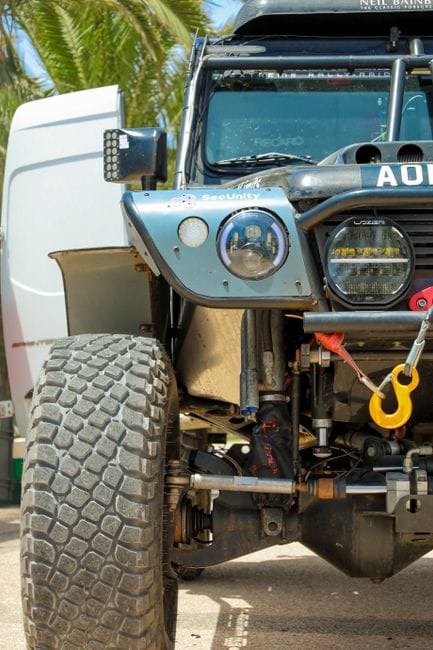
Before you can weigh a differential lock vs limited slip decision, you need to understand the part they both replace. The differential sits between your drive wheels. It lets them spin at different speeds when you turn a corner. Without it, your tires would fight each other, skip, and wear out fast.
The Core Function: Managing Wheel Speed Differences
When your car goes around a curve, the outside wheel travels a longer distance than the inside wheel. If both wheels were locked to the same axle shaft, they would have to turn at the same speed. That forces the inside tire to slip or hop. The differential solves this by splitting engine torque between the two wheels while allowing them to rotate independently.
This matters more than you might think. On dry pavement, a working differential is invisible — you never feel it. But on loose gravel, mud, or snow, the same mechanism becomes a liability. If one wheel loses traction, an open differential sends power to the path of least resistance. That means the wheel with zero grip spins freely while the wheel with traction sits still. You end up stuck.
Open Differential vs. Locking Differential vs. Limited Slip: The Basic Difference
Open Differential vs. Locking Differential vs. Limited Slip: Details
The three designs solve the same problem in different ways. An open differential always allows full speed difference between wheels. It is cheap, smooth, and fine for pavement. A locking differential mechanically forces both wheels to spin at the same speed when engaged — no slip allowed. A limited slip differential sits in between. It allows some speed difference but resists it, sending torque to the wheel with more grip.
Here is the short version:
– Open differential: best for road driving, worst for off-road traction
– Locking differential: maximum traction off-road, poor manners on pavement
– Limited slip differential: balanced compromise, predictable on both surfaces
Your driving environment determines which one you need. If you mostly drive on dry roads, the stock open unit is fine. If you regularly hit trails, mud, or snow, you will want something more capable. That choice also affects your brake system upgrade plans, since adding traction often means you will push the vehicle harder and need more stopping power to match.
The rest of this guide breaks down exactly how each type behaves, so you can match the hardware to your actual use case.
Top Picks

How a Limited Slip Differential (LSD) Works
A limited slip differential (LSD) manages the speed difference between your drive wheels while still sending torque to the wheel with more grip. It does not lock the axles together like a locker does. Instead, it uses internal friction to resist wheel spin, so the wheel with traction keeps pulling while the slipping wheel does not waste all the power.
The key attribute of any LSD is its torque bias ratio — how much more torque it can send to the high-grip wheel compared to the low-grip one. A 2:1 bias means the gripping wheel gets twice the torque of the slipping wheel. That ratio determines how aggressive the unit feels on pavement and how capable it is off-road. [VERIFY: specific torque bias ratios for clutch-type vs Torsen LSDs to include in comparison table]
Clutch-Type LSD: The Most Common Design
The clutch-type LSD is the design most factory performance cars use. Inside the carrier, a stack of friction discs and steel plates sits between the side gears and the differential case. When the wheels turn at different speeds, the plates rub against each other. That friction resists the speed difference and transfers torque across the axle.
The clutch pack can be preloaded with springs, or it can rely on ramps that tighten the pack under load. More preload means more lockup and more aggressive behavior. The trade-off is that clutch packs wear out over time. Replacement friction discs cost between $150 and $400 depending on the vehicle, and the labor to swap them is significant because you must pull the entire differential carrier. If you drive aggressively, expect to rebuild the clutch pack every 30,000 to 60,000 miles.
Gear-Driven LSD (Torsen): The Mechanical Alternative
The Torsen differential uses worm gears and spur gears instead of friction plates. The name comes from “torque sensing.” The gears bind against each other when torque is applied, which creates the resistance that transfers power to the gripping wheel. Because there are no friction plates to wear out, a Torsen never needs a clutch rebuild. It also reacts instantly, with no ramp-up time.
The downside is that a Torsen behaves like an open differential when one wheel has almost zero traction — for example, when one wheel is fully in the air. The gears need some resistance from the slipping wheel to generate the binding force. If that wheel has no load at all, the Torsen cannot send torque anywhere. This makes it excellent for gravel, rain, and autocross, but weaker than a clutch-type unit in extreme off-road situations where a wheel lifts completely.
Electronic LSD (eLSD): The Modern Software-Controlled Option
Electronic LSD (eLSD): Details
The electronic LSD, or eLSD, replaces mechanical friction with software and a hydraulic or electric actuator. The system uses wheel-speed sensors and the ABS pump to apply brake pressure to the spinning wheel. That braking force mimics the friction of a clutch pack, redirecting torque to the wheel with grip. Some eLSDs also use a clutch pack that the computer engages progressively based on driving conditions.
The advantage is adjustability. The computer can run the unit fully open for smooth highway cruising, then ramp up lockup in a corner or on loose surfaces. It can also integrate with stability control and traction control systems. The drawback is complexity. An eLSD adds sensors, actuators, and control modules that can fail, and diagnosing those failures requires a scan tool. For a street car, the eLSD is the most refined option. For a dedicated off-road rig, the added electronics are just more components that can break.
If you are upgrading your vehicle’s traction, also think about your braking system. More grip means higher cornering speeds, and the stock brakes may not handle the extra load. Pairing an LSD with a best brake upgrade for street setup gives you balanced performance increases instead of just adding power delivery.
How a Locking Differential Works
A locking differential does the opposite of an open diff. It forces both wheels on an axle to spin at the same speed, no matter how much grip each wheel has. The mechanism physically locks the two side gears together, so the axle acts as a solid shaft. When one wheel lifts off the ground or sits on ice, the other wheel still receives full driving force. That is why a locking differential is the go-to choice for rock crawling and heavy off-road work.
The core difference from an LSD comes down to intent. A limited slip differential manages slip with friction. A locking differential eliminates slip entirely by mechanical connection. You get maximum traction, but you also give up steering ease and tire life on pavement. The lock is either fully engaged or fully open. There is no in-between state.
Manual Lockers: Full Control When You Need It
A manual locker puts the driver in charge. You pull a lever, press a button, or turn a switch to engage the lock. Inside the differential housing, a mechanism slides a collar or dog teeth into place, physically connecting the side gears. The driver decides when to lock and when to unlock. On the trail, you engage the locker before you hit the obstacle. On pavement, you keep it open to protect the drivetrain.
Manual lockers are simple and reliable. There are fewer moving parts than an automatic unit, and the engagement is deliberate. You know exactly when the lock is active. The trade-off is that you must plan ahead. If you forget to engage the locker before a climb, you may find yourself stuck with the rear wheel spinning uselessly. You cannot engage most manual lockers while the vehicle is under load, so you often need to stop or roll to a near-stop first.
Automatic Lockers (Detroit Locker): Instant Engagement
An automatic locker engages on its own when it detects wheel speed difference. The most common design, made famous by the Detroit Locker brand, uses a set of internal gears and springs. When the vehicle is coasting or under steady throttle, the unit acts like an open differential. The moment one wheel starts to slip, the internal mechanism ratchets and locks both wheels together. No driver input is required.
The advantage is instant response. You do not have to remember to flip a switch. The locker reacts to the terrain automatically. The downside is behavior on pavement. Automatic lockers can make the vehicle feel twitchy in corners, with a clicking or ratcheting sound when turning. The rear end may want to push straight in a turn. [VERIFY: Engagement speed data for automatic lockers — milliseconds or wheel-rotation delta required for lockup, per manufacturer specs.] For a dedicated off-road vehicle that rarely sees highway miles, this behavior is acceptable. For a daily driver, it gets annoying fast.
Selectable Lockers: The Best of Both Worlds
Selectable Lockers: Details
A selectable locker combines the control of a manual unit with the option to run fully open. You get a switch in the cab that engages an air, electric, or cable-actuated mechanism. Air lockers, like the ARB Air Locker, use compressed air to push a locking collar into place. Electric lockers use a solenoid or motor. Both designs let you run a completely open differential on the street and switch to a fully locked axle on the trail.
This is the most versatile option, and it is also the most expensive. You pay for the actuator, the wiring or air lines, and the compressor if you choose an air system. Installation is more involved than a drop-in automatic locker. But the flexibility is worth it for many owners. You get the smooth highway manners of an open diff and the full traction of a locked axle. If you are building a vehicle that sees both daily commuting and weekend trails, a selectable locker is the practical answer.
The mechanical strength of any locker matters. Locking the axle puts enormous stress on the differential carrier, axle shafts, and U-joints. Upgrading to a locker often means upgrading those components too. If you are also pushing the vehicle harder, pair the locker upgrade with a brake system that can handle the added capability. A best brake upgrade for track use gives you stopping power to match the traction gains.
Differential Lock vs Limited Slip: The Head-to-Head Comparison
Now that you understand how each system operates, the real question is how they stack up against each other. The differential lock vs limited slip debate comes down to trade-offs. Neither design wins every category. Here is the honest breakdown of where each system excels and where it falls short.
| Attribute | Limited Slip Differential | Locking Differential |
|---|---|---|
| Off-road traction | Good on loose gravel, snow, and mild trails | Superior on rocks, mud, and extreme inclines |
| On-road handling | Predictable, progressive engagement | Open diff on street (selectable) or aggressive (auto) |
| Tire wear | Moderate; some scrub during tight turns | Minimal when unlocked; heavy when locked on pavement |
| Drivetrain stress | Low to moderate; clutches absorb shock | High; locks the axle and transfers full torque |
| Installation complexity | Moderate; carrier replacement or additive | High; carrier, actuator, wiring or air lines |
| Cost | Lower entry price | Higher; selectable units are the most expensive |
| Best use case | Daily driver, snow, light trails | Rock crawling, mud, serious off-road builds |
Traction in Off-Road Conditions
Off-road traction is where the two systems diverge most sharply. A limited slip differential transfers torque to the wheel with grip, but it only does so up to a preset threshold. On loose gravel or snow, that partial lock is often enough to keep you moving. On uneven rock ledges, one wheel can lift entirely off the ground. An LSD cannot send torque to a wheel with zero resistance. It simply spins the lifted tire.
A locking differential solves this by mechanically forcing both wheels to turn at the same speed. The wheel with traction gets the torque regardless of what the other wheel is doing. That is why lockers dominate rock crawling and deep mud. If you regularly face terrain where wheels leave the ground, the differential lock vs limited slip choice is not close. The locker wins. For moderate trails and overlanding, an LSD often provides sufficient off-road traction without the complexity.
On-Road Handling and Cornering
On-road handling is where the LSD shines. The progressive engagement of a clutch-type or helical unit lets you apply power mid-corner without the rear end stepping out unexpectedly. The car feels stable and planted. You can feel the system working as it shifts torque across the axle, but it never surprises you.
A selectable locker behaves just like an open differential on the street. That is its advantage. You get normal on-road handling when unlocked. But an automatic locker is different. It locks and unlocks on its own, and that can make the rear end feel twitchy in corners. The system unloads and re-engages, which some drivers describe as a clicking or ratcheting sensation. If on-road handling is a priority, an LSD or a selectable locker is the right call. A full-time auto locker is a compromise.
Tire Wear and Drivetrain Stress
Tire wear and drivetrain stress are the hidden costs of each system. A limited slip differential causes some tire scrub during tight turns. The clutches slip and grip, which wears the clutch packs over time and puts mild stress on the axle. You will replace the friction material eventually. That is normal maintenance.
A locking differential, when engaged on pavement, is brutal on tires. Both wheels turn at the same speed, so the inside tire drags through every corner. That scrubs rubber quickly and loads the axle shafts, U-joints, and carrier bearings hard. On the trail, that stress is acceptable. On the street with the locker engaged, it is destructive. Selectable lockers avoid this because you only lock them off-road. But the drivetrain stress when locked is still higher than any LSD. If you plan to push the vehicle harder, consider a brake conversion kit guide to ensure your stopping power matches the added off-road traction. The extra grip from a locker demands more from your brakes on descents.
Cost and Installation Complexity
Cost and installation complexity separate casual buyers from serious builders. A limited slip differential is generally cheaper and simpler to install. Many factory vehicles come with an LSD from the factory. Aftermarket clutch-type units often fit into the existing carrier. Helical units replace the carrier but do not require external plumbing or wiring. A competent DIY mechanic can handle the job with basic tools.
A locking differential costs more and takes more work. Selectable electric lockers require wiring to the dashboard. Air lockers need a compressor, air lines, and a tank. You are also looking at a full carrier replacement in most cases. Average cost ranges for LSD versus locker installation vary widely depending on the vehicle and the shop. [VERIFY: average cost ranges for LSD vs locker installation including parts and labor for a typical 4×4 truck]. The gap is real, and it is often the deciding factor for budget-conscious owners. If you only need mild off-road traction, the LSD delivers most of the benefit at a fraction of the cost.
Decision Framework: Which Differential Should You Choose?
The differential lock vs limited slip debate comes down to one question: where does your vehicle spend its time? Match the technology to your dominant driving conditions, and you get the right balance of traction, drivability, and cost. Get it wrong, and you are either fighting the wheel on pavement or digging yourself deeper in the mud.
If You Need Off-Road Capability, Choose a Locking Differential
Off-road capability is the locker’s home turf. When one wheel loses contact with the ground, a locking differential sends 100 percent of available torque to the wheel that still has grip. That is a hard mechanical fact, not a marketing claim. Rock crawlers, overlanders, and anyone who regularly crosses deep mud or loose sand will notice the difference immediately.
Locking Differential Pros
- Maximum traction in extreme conditions
- Predictable power delivery at low speeds
- Superior performance when one wheel is fully airborne
Locking Differential Cons
- Poor on-road behavior when engaged
- Can cause driveline binding on pavement
- Higher installation cost and complexity
If You Need All-Weather On-Road Performance, Choose an LSD
On-road performance favors the limited slip differential. An LSD transfers torque gradually between wheels, which keeps the rear end stable during cornering and acceleration. It also manages the transition from dry asphalt to rain-soaked pavement without any driver input. You get better launch traction in wet conditions and a more predictable slide if you push too hard in a corner. If your driving is 90 percent pavement and 10 percent gravel, an LSD is the smarter investment.
Limited Slip Differential Pros
- Automatic operation with no driver input
- Improved cornering stability
- Better all-weather traction on pavement
Limited Slip Differential Cons
- Limited benefit when one wheel is fully off the ground
- Clutch-type units wear out over time
- Less effective in deep mud or sand
If You Need a Daily Driver with Occasional Off-Road Use, Choose a Selectable Locker
A selectable locker splits the difference. It behaves like an open differential on the highway, which keeps your daily driver predictable and easy on tires. Flick a switch or pull a lever, and it locks up for the trail. This is the best option for owners who commute Monday through Friday and hit the trails on weekends. You get the off-road capability when you need it and the on-road performance the rest of the time. The trade-off is price: selectable lockers cost more than either an LSD or an automatic locker. But for a single vehicle that does double duty, the flexibility justifies the premium.
Quick Decision Matrix
If you spend most of your time on pavement with occasional gravel or snow, choose an LSD. If you wheel regularly in rock, mud, or sand, choose a locking differential. If you do both in equal measure, a selectable locker is the only option that serves both roles well.
Remember that a differential upgrade changes how your vehicle behaves under power. Before you commit, check whether your current axle supports the carrier you are considering. And if you are upgrading traction, review our brake pad shim guide to ensure your stopping power matches the added off-road traction. The extra grip from a locker demands more from your brakes on descents.
Limitations and What Each Differential Cannot Do
Both the limited slip differential and the locking differential have real weaknesses. Knowing these limits prevents expensive mistakes and unsafe driving. Neither system is a magic fix for traction problems.
LSD Limitations: Heat Fade and Clutch Wear
LSD Limitations: Details
A limited slip differential relies on friction to transfer torque between wheels. That friction generates heat. Under heavy load, like sustained off-road crawling or aggressive track driving, the clutch packs can overheat. This is called heat fade. When it happens, the LSD stops transferring torque and acts like an open differential. You lose traction exactly when you need it most.
Clutch wear is the second major LSD limitation. The clutch plates inside the unit wear down with every engagement. Most LSDs require rebuilds after a certain mileage, depending on how hard you drive them. The friction modifier additive in the gear oil also degrades over time. If you ignore it, the LSD can start chattering or grabbing unpredictably during turns. These LSD limitations mean the system is not a set-and-forget upgrade. It demands regular maintenance and eventual rebuild costs.
Another limit: an LSD cannot fully lock the wheels together. It only transfers a percentage of available torque, typically between 25 and 75 percent. If one wheel has zero grip, the LSD still sends some power to the slipping wheel. It never delivers 100 percent to the wheel with traction. For extreme terrain, that gap matters.
Locking Differential Limitations: On-Road Instability and Drivetrain Binding
Locking Differential Limitations: Details
A locking differential has a different set of problems. When engaged, it forces both wheels to spin at the same speed. That is great off-road but dangerous on pavement. The locked axle resists the speed difference between inside and outside wheels during turns. This causes on-road instability, especially at higher speeds. The vehicle can understeer or push wide in corners. On wet or icy pavement, a locked rear axle can cause the rear end to step out suddenly.
Drivetrain binding is the mechanical consequence. When the drivetrain cannot absorb the speed difference, energy builds up in the axle shafts, U-joints, and transfer case. In extreme cases, components snap. This is why you must never engage a locker on dry pavement. The binding also causes accelerated tire wear. The tires scrub against the road surface during every turn, wearing out the tread quickly.
Automatic lockers have an additional limitation. They engage and disengage based on throttle input, which makes them unpredictable on slippery roads. A sudden lock-up mid-corner can surprise the driver. Selectable lockers avoid this because the driver controls engagement, but they still have the on-road instability problem when active. If you forget to disengage the locker before returning to pavement, you risk serious drivetrain damage.
What Neither Can Fix: Electronic Traction Control Still Matters
What Neither Can Fix: Details
Here is the honest limitation: neither differential type solves every traction problem. Both systems only manage torque between the two wheels on a single axle. They do nothing for front-to-rear distribution in four-wheel-drive vehicles. That job belongs to a transfer case or center differential.
Electronic traction control still matters because it works across all four wheels. It detects wheel slip and applies braking to the spinning wheel, redirecting torque through the open differential. Modern systems can mimic a locker’s behavior using only the brakes. This is why many new vehicles ship with open differentials and rely on electronics instead.
The best setups combine both approaches. A locking differential handles the mechanical grip, while traction control manages wheel slip at each corner. If you remove or disable the electronic system, you lose that cross-axle capability. Before upgrading your differential, check whether your vehicle’s traction control can work with the new unit. Some aftermarket lockers require disabling the electronic system, which removes a layer of safety. And if you are doing the install yourself, review our brake grease application guide to keep the brake components functioning correctly alongside the new differential.
Installation and Maintenance Considerations
Both a limited slip differential and a locking differential change how your vehicle handles torque, but they also change what you do under the car. Installation difficulty and maintenance needs differ enough that your choice should factor in more than just off-road capability.
What’s Involved in Installing an LSD or Locker
LSD installation and locker installation are not weekend bolt-on jobs for most DIYers. Both require dropping the differential carrier from the axle housing, which means draining the differential fluid, disconnecting the driveshaft, and supporting the axle housing safely. You will also need a dial indicator to measure backlash and a torque wrench for the carrier bearing caps. A press is often required to swap the ring gear onto the new carrier.
A limited slip differential install is generally simpler because most LSDs are rebuildable units that fit into the factory carrier. You replace the internal clutch packs or gears without changing the ring-and-pinion setup. A locking differential install is more involved when you choose a full-case locker, since you replace the entire carrier and must reset the gear mesh. Selectable lockers also require wiring or air lines, which adds hours of labor. If you are not comfortable with shims and bearing preload, budget for a professional installation. Labor typically runs several hundred dollars, and getting the setup wrong can destroy the ring and pinion within a few hundred miles.
Fluid Requirements and Service Intervals
Differential fluid is the single most important maintenance item for both types. An open differential uses standard gear oil, but LSDs and lockers often require friction modifiers or specialized oils. Clutch-type LSDs need friction modifier to prevent chatter during tight turns. Some lockers require synthetic fluid rated for their specific clutch or gear design. Using the wrong differential fluid can cause shuddering, premature wear, or failure to engage.
Service intervals vary by manufacturer and usage. Street-driven vehicles typically need differential service every 30,000 to 60,000 miles, but severe use—towing, off-roading, or track days—cuts that interval roughly in half. [VERIFY: Recommended service intervals for different differential types — need OEM-specific figures for common LSD and locker models] If you do not have the service history for a used vehicle, change the differential fluid immediately. It is cheap insurance compared to a bearing failure.
Signs of Wear and When to Rebuild
Clutch-type LSDs wear out gradually. You may notice chatter when turning at low speed, or the unit may behave like an open differential because the clutches no longer grip. Lockers wear differently. An automatic locker may make clicking noises when disengaged, which is normal, but a selectable locker that fails to engage or disengage needs attention. Metal shavings in the differential fluid are a clear warning sign that a bearing or gear is failing.
A limited slip differential rebuild involves replacing clutch packs and seals, a job that costs less than replacing the unit. Locking differentials are often replaced rather than rebuilt, though some brands offer rebuild kits. Catch wear early: a failing differential can damage the ring and pinion, turning a rebuild into a full axle replacement. While you are under the vehicle, check the condition of related components. A worn emergency brake cable or a failing brake pad sensor can be addressed in the same service session, saving you from repeated trips to the shop.
Frequently Asked Questions
What is the main difference between a differential lock vs limited slip?
The core difference comes down to control. A limited slip differential (LSD) uses clutches, gears, or fluid to transfer torque to the wheel with more grip automatically. A locking differential physically locks the two axle shafts together, forcing them to spin at the same speed. The LSD is a compromise for on-road manners; the locker is a binary tool for maximum traction off-road.
Can I use a locking differential on dry pavement?
You can, but you should not. A locked diff on high-grip surfaces causes the inside wheel to bind during turns, which stresses the axle shafts and tires. Selectable lockers let you switch to an open or limited-slip mode for the street. Automatic lockers are designed to disengage when you apply throttle, but they still make driving on pavement less predictable than an LSD.
Is an LSD or locker better for snow and ice?
For mixed driving that includes highways and city streets, an LSD is usually the better choice. It provides continuous traction without the risk of sudden rear-end breakaway that a locked axle can cause on ice. For deep snow or off-camber trails where you need maximum pull, a selectable locker in the locked position wins. If you want one answer for a daily driver in winter, lean toward the LSD.
How much does it cost to install a limited slip differential or locker?
The parts range widely. A clutch-type LSD for a common axle runs a few hundred dollars, while a high-end selectable locker with air or electric actuation can cost over a thousand. Labor adds several hours of shop time because the installer must set up the ring and pinion backlash. [VERIFY: current average labor cost for differential setup and installation at a general repair shop]
Will a differential upgrade fix my traction problems?
Only if the problem is one-wheel spin. If your vehicle struggles because of worn tires, bad alignment, or a failing brake system, a new diff will not help. It also will not improve ground clearance or suspension articulation. A differential upgrade changes how power is distributed, not how much grip the tires can generate. Before you spend on a diff, confirm your tires and brakes are in good shape — a stuck brake caliper can mimic a traction issue.
Does a limited slip differential require special maintenance?
Yes. Clutch-type LSDs need friction modifier added to the gear oil, or they can chatter when turning. You should use the fluid grade the manufacturer specifies for limited slip use. If you notice chatter, the friction modifier has worn out. Also, check the axle seals and the condition of the clutches during fluid changes. A neglected LSD fails sooner than a standard open differential.
Can I install a locker in a front axle?
Yes, but it changes steering behavior. A locked front axle makes the vehicle want to understeer and can make steering heavy at low speed. Many off-roaders use a selectable locker in the front and leave it unlocked for daily driving. If you only have the budget for one differential, start with the rear. If you plan to run a front locker, pair it with a good steering stabilizer and check your tie rods for wear.
If you are comparing these options, remember that the differential lock vs limited slip decision is not about which is “better” — it is about where you drive. The LSD vs locker debate has a clear answer for rock crawling (locker) and a clear answer for canyon carving (LSD). For a vehicle that does both, a selectable locker gives you the widest range. This differential FAQ covers the common questions, but your specific axle model and driving style will determine the final choice.
Before you commit to a differential upgrade, make sure the rest of your drivetrain is sound. A diff cannot compensate for a failing braking system. If your brake lights not working, fix that first. And when you price out the job, factor in a quality best drum brake kit if your vehicle has rear drums — you are already paying for labor, so it is a smart time to refresh the stopping power.
Final Verdict: Differential Lock vs Limited Slip — Which Diff Actually Fits Your Driving?
At its core, the choice comes down to a fundamental attribute trade-off: traction maximization versus on-road drivability. A differential lock physically binds both wheels on an axle into a single solid unit, delivering 100% of available torque to whichever wheel has grip—but only when engaged at low speeds. A limited slip differential (LSD) uses clutch packs, gears, or viscous fluid to transfer torque progressively, offering a continuous balance between wheel-speed differentiation and traction transfer without driver intervention.
For most drivers, our top recommendation is the helical gear LSD (Torsen-type). Here’s why: it delivers the best compromise of all critical attributes—automatic operation, zero maintenance, no speed restriction, and predictable behavior in both wet pavement and light off-road conditions. It’s the only option that improves your vehicle’s capability in every scenario without requiring you to learn a new driving technique or remember to engage a switch.
Decision Framework: Match the Diff to Your Driving Reality
Decision Framework: Details
If you need maximum articulation in extreme rock crawling or mud bogs, choose a selectable locker because it provides a 100% mechanical lock that no LSD can match when wheels are fully airborne.
If you need predictable winter-road performance and occasional gravel-road capability, choose a helical gear LSD because its torque-sensing attributes adapt instantly without clutches that wear out.
If you need a budget-friendly upgrade for a daily driver that sees spirited cornering, choose a clutch-type LSD because it offers tunable lock-up percentage at a lower entry price than selectable lockers.
If you need zero driver input and absolute simplicity, choose an automatic locker (Detroit-style) because it engages purely on torque demand—but only if you can tolerate its aggressive on-road ratcheting behavior.
The honest limitation of our top pick—the helical gear LSD—is that it cannot provide a full lock when one wheel has zero traction (completely off the ground or on glare ice). In those rare situations, all torque flows to the wheel with no grip, and you’ll need momentum, tire chains, or a winch. If your driving regularly includes such conditions, the helical LSD alone will frustrate you—that’s when a selectable locker becomes the correct answer despite its higher cost and complexity.
Your move: Audit your actual driving—not your aspirational driving. If 90% of your miles are pavement, rain, and snow, buy a helical LSD and never think about it again. If you’re building a dedicated off-road rig where axles lift regularly, invest in a selectable locker and learn when to flip the switch. The wrong choice isn’t about brand or price—it’s about mismatching the diff’s inherent attributes to the terrain you actually cover.
You might also like: best short shifter, best manual transmission fluid, best transmission cooler