Limited Slip Differential Guide: How LSDs Work, Types Com…
The limited slip differential (LSD) is a mechanical device. It sits between the drive wheels and manages how engine torque is distributed. An open differential sends power to the path of least resistance. An LSD uses internal friction mechanisms to transfer torque to the wheel with more grip. This controlled torque transfer is what separates an LSD from open differentials and locking units. It defines the driving character of everything from sports coupes to off-road trucks.
This guide breaks down the core attributes you need to evaluate before buying or upgrading. These include the mechanical type (clutch-pack, helical/gear, or torque-biasing), the torque bias ratio, maintenance requirements, cost range, and how each design behaves in wet, dry, or loose-surface conditions. We compare the three dominant LSD architectures head-to-head. We explain why some are better for drifting while others suit daily commuting. We also include a decision framework based on your vehicle’s power output and intended use.
What makes this guide different is the data. We include a spec comparison table with real torque bias ratios and service intervals. We provide a cost breakdown for both parts and installation. We also cover honest limitations—including which LSD types will make your car worse in snow or cause premature tire wear. By the end, you will know exactly which LSD matches your driving needs and why, not just which one is most popular.
What Is a Limited Slip Differential? Definition and Core Function
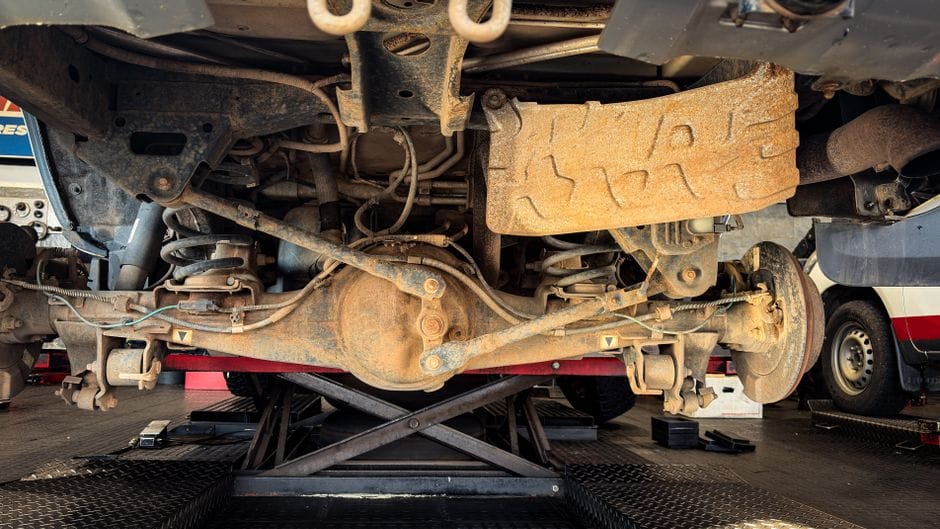
A limited slip differential (LSD) is a mechanical component in a vehicle’s drivetrain that manages the difference in rotational speed between the two wheels on the same axle. It sits between the drive shafts, allowing power to reach both wheels while limiting the speed difference between them. The core function is simple: keep traction by sending torque to the wheel that can actually use it. A limited slip differential is not a locker, and it is not an open differential. It sits between those two extremes, offering a controlled amount of slip for everyday driving and performance use.
How an LSD Differs from an Open Differential
An open differential is the standard unit found in most passenger cars. It allows the wheels to spin at different speeds freely, which is necessary when cornering because the outside wheel travels a longer path than the inside wheel. The problem shows up when one wheel loses traction—on ice, gravel, or a wet manhole cover—and the open differential sends all the torque to that spinning wheel, leaving the wheel with grip starved of power. An LSD solves this by using internal friction to resist the speed difference, forcing a portion of the torque to the wheel that still has traction. This is the fundamental difference: an open differential delivers torque to the path of least resistance, while an LSD actively redirects torque to the path of most resistance.
The Physics of Wheel Slip and Torque Transfer
Wheel slip occurs when the rotational speed of a wheel differs from the vehicle’s actual forward speed. When accelerating hard, the driven wheels want to spin faster than the road surface allows, especially if the coefficient of friction is low. The LSD’s internal mechanism—whether clutch plates, gears, or a viscous fluid—creates a resistance torque that opposes this speed difference. This resistance is what transfers torque from the slipping wheel to the gripping wheel. The key metric here is the torque bias ratio (TBR), which describes how much more torque can be sent to the high-traction wheel compared to the low-traction wheel. A TBR of 3:1 means the LSD can send three times more torque to the gripping wheel than the slipping one. This physics is what makes an LSD valuable: it converts wasted wheelspin into forward thrust, improving acceleration, cornering stability, and driver confidence in low-traction conditions.
For a complete drivetrain upgrade, pairing an LSD with a proper brake system upgrade guide ensures your vehicle can handle the increased traction and stopping demands.
Top Picks

Types of Limited Slip Differentials: Mechanical, Clutch, Gear, and Electronic
There are four main architectures of limited slip differentials, each with distinct operating principles, strengths, and weaknesses. The choice between them depends on your vehicle’s power output, intended use, and driving preferences. Below we break down each type in detail.
Clutch-Type LSD (Preload and Ramp Angles)
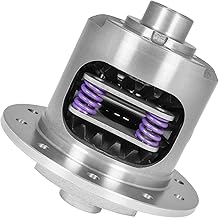
The clutch-type LSD is the most common performance aftermarket option. It uses a stack of friction plates and steel plates that are pressed together to resist wheel speed differences. The clamping force comes from two sources: preload (a set spring force that keeps the plates engaged even at zero torque) and ramp angles (machined ramps that convert input torque into additional clamping force). When you accelerate, the ramps force the plates together harder, increasing the locking effect. When you decelerate, the ramps can be configured to either lock or unlock, depending on whether it’s a 1-way, 1.5-way, or 2-way LSD. A 1-way LSD locks only under acceleration, a 2-way locks under both acceleration and deceleration, and a 1.5-way is a compromise. Clutch-type LSDs offer the most aggressive torque transfer and are tunable via different ramp angles and spring preloads. However, they require periodic rebuilds (typically every 30,000–60,000 miles), use special friction-modified fluid, and can produce chatter or clunking noises at low speeds, especially when turning.
Gear-Type LSD (Torsen and Helical)
Gear-type LSDs, most famously the Torsen (torque-sensing) and helical designs, use worm gears and spur gears to create torque biasing without any clutch plates. These units are purely mechanical and react to the torque difference between the wheels rather than the speed difference. When one wheel begins to slip, the gear geometry creates a friction force that resists the slip and transfers torque to the wheel with more grip. Gear-type LSDs are known for their smooth, progressive engagement, low maintenance (no rebuilds, just regular fluid changes), and excellent durability. They are ideal for daily drivers and track cars that see high mileage. However, they have a critical limitation: if one wheel completely loses traction (zero resistance), the gear mechanism cannot generate any torque transfer, and the LSD behaves like an open differential. This makes them unsuitable for off-road or extreme low-traction situations where one wheel is fully airborne or on ice.
Viscous LSD
The viscous LSD uses a sealed housing filled with silicone fluid and a series of perforated plates. When the wheels spin at different speeds, the fluid shears between the plates, creating a drag force that resists the speed difference. The more the speed difference, the greater the resistance. Viscous LSDs are simple, maintenance-free, and smooth in operation, making them popular in factory AWD systems and some rear-wheel-drive cars. However, they have a slow response time, can overheat under sustained heavy use, and their locking effect fades as the fluid degrades. They are generally considered the least performance-oriented option and are rarely used in serious motorsport applications.
Electronic LSD (eLSD)
An electronic LSD uses sensors and a control unit to actively manage torque distribution. It typically employs a multi-plate clutch pack that is engaged by an electric motor or hydraulic actuator, controlled by the vehicle’s ECU. The eLSD can react in milliseconds, adjusting locking force based on steering angle, throttle position, wheel speed, and yaw rate. This allows for sophisticated torque vectoring—actively sending more torque to the outside wheel during cornering to help rotate the car. Electronic LSDs are found in many modern performance cars (e.g., BMW M models, Ford Focus RS, and various Audi S/RS models). They offer the best of both worlds: smooth operation for daily driving and aggressive locking for performance. The downsides are higher cost, complexity, and potential electronic failures. They also require specialized diagnostic equipment for maintenance.
Comparison Table: Clutch vs. Gear vs. Viscous vs. Electronic
| Attribute | Clutch-Type | Gear-Type (Torsen) | Viscous | Electronic (eLSD) |
|---|---|---|---|---|
| Torque Bias Ratio | 2.5:1 to 5:1 (tunable) | 2.5:1 to 4:1 (fixed) | 1.5:1 to 2:1 | Variable (0 to full lock) |
| Activation Mechanism | Preload + ramp angles | Gear friction (torque-sensing) | Fluid shear | Electronic/hydraulic actuator |
| Maintenance | Rebuild every 30–60k miles; friction-modified fluid | Regular fluid changes only | Sealed unit; no maintenance | Fluid changes; electronic diagnostics |
| Noise/Drivability | Chatter/clunk at low speed; aggressive | Smooth, progressive, quiet | Very smooth, quiet | Silent; seamless integration |
| Cost (Parts + Install) | $800–$2,500 | $1,000–$2,800 | $400–$1,200 | $1,500–$4,000+ |
| Best For | Drifting, track, high-HP builds | Daily driver, track, street performance | OEM AWD, mild street use | Modern performance cars, torque vectoring |
| Worst For | Snow/ice (too aggressive), long commutes | Off-road, zero-traction situations | Sustained heavy track use | Budget builds, older vehicles |
How to Choose the Right LSD for Your Vehicle
Selecting the correct LSD requires matching the differential’s characteristics to your vehicle’s power output, weight, drivetrain layout, and primary use case. Below is a decision framework that walks through the key considerations.
Power Output and Torque Bias Ratio
The first factor is how much power your engine produces. Low-to-mid power vehicles (under 300 hp) generally benefit from a gear-type LSD with a TBR around 2.5:1 to 3:1. This provides predictable traction without overwhelming the tires. High-power vehicles (400+ hp) often need a clutch-type LSD with a higher TBR (3.5:1 to 5:1) to manage the torque and prevent wheelspin in lower gears. However, too high a TBR on a low-power car can cause understeer and premature tire wear. A good rule of thumb: match the TBR to your power-to-weight ratio, not just peak horsepower.
Intended Use: Street, Track, Drift, or Off-Road
– Street/Daily Commuting: Gear-type (Torsen/helical) or electronic LSD. These offer smooth engagement, low maintenance, and predictable behavior in wet or dry conditions. Avoid aggressive clutch-type units with high preload, as they can be annoying in stop-and-go traffic.
– Track/Autocross: Clutch-type (1.5-way or 2-way) or gear-type with a higher TBR. Clutch-type gives you the ability to tune ramp angles for corner entry and exit. Gear-type is more consistent over long sessions and requires less maintenance.
– Drifting: Clutch-type 2-way LSD is the standard choice. The aggressive locking under both acceleration and deceleration allows for controlled slides and easy transitions. A high preload helps initiate drifts.
– Off-Road/Rock Crawling: A locking differential (manual or electric locker) is generally preferred over an LSD. However, if you must use an LSD, a gear-type is better than clutch-type because it won’t overheat or wear out as quickly in low-speed, high-torque situations. Note that gear-type LSDs fail to transfer torque when one wheel is fully airborne, so a locker is the safer choice.
Drivetrain Layout: FWD, RWD, or AWD
– Front-Wheel Drive (FWD): A gear-type LSD is the most common upgrade. It reduces torque steer and improves cornering grip. Clutch-type LSDs in FWD cars can cause heavy steering feedback and are harder to manage.
– Rear-Wheel Drive (RWD): Both clutch-type and gear-type work well. Clutch-type is preferred for high-power or drift builds; gear-type is better for street and track use.
– All-Wheel Drive (AWD): Electronic LSDs are increasingly common in modern AWD systems. For older AWD vehicles, a gear-type center differential or clutch-type rear LSD is a solid upgrade. Be aware that adding an LSD to one axle without the other can cause handling imbalances.
Cost and Installation Complexity
Budget is a major factor. Clutch-type LSDs range from $800 to $2,500 for parts, plus $300–$800 for installation. Gear-type units cost $1,000–$2,800. Viscous units are cheapest ($400–$1,200) but offer the least performance. Electronic LSDs are the most expensive ($1,500–$4,000+) and require specialized wiring and programming. Installation complexity varies: some gear-type units are direct bolt-in replacements for the open differential carrier, while clutch-type units may require shimming and setup. Always factor in the cost of new bearings, seals, and fluid during installation.
Maintenance and Rebuild Intervals
Clutch-type LSDs require the most attention. The friction plates wear down over time, and the unit needs a rebuild every 30,000–60,000 miles depending on use. Track use can shorten this to 10,000–20,000 miles. Gear-type and viscous units are essentially maintenance-free beyond regular fluid changes. Electronic LSDs need fluid changes and occasional sensor calibration. If you plan to keep the car for many years, a gear-type or electronic LSD will save you money in the long run.
Noise and Drivability Considerations
Clutch-type LSDs are notorious for chattering or clunking when turning at low speeds, especially if the preload is high. This is normal but can be annoying. Gear-type and viscous units are silent. Electronic LSDs are also silent. If you daily-drive your car and value refinement, avoid high-preload clutch-type units. If you’re building a dedicated track or drift car, the noise is part of the character.
Decision Framework Summary
– Daily driver, <300 hp, street use: Gear-type (Torsen/helical) — smooth, reliable, low maintenance.
– Track car, 300–500 hp: Clutch-type 1.5-way or gear-type with high TBR.
– Drift car, any power: Clutch-type 2-way with high preload.
– Off-road, rock crawling: Locking differential (not an LSD).
– Modern performance car with electronic systems: Electronic LSD (eLSD) for torque vectoring.
– Budget build: Viscous LSD if available for your platform, or a used gear-type unit.
Once you’ve selected your LSD, ensure your braking system can handle the increased traction. See our brake system upgrade guide for complementary upgrades.
Installation, Setup, and Maintenance Best Practices
Proper installation and setup are critical to getting the most from your LSD. A poorly installed unit can cause driveline vibration, premature wear, or even catastrophic failure. Below are the essential steps and best practices.
Installation Steps Overview
1. Remove the differential carrier: This requires draining the axle fluid, removing the axle shafts, and unbolting the differential housing from the axle.
2. Set the backlash and preload: For clutch-type LSDs, you must set the correct preload by selecting the appropriate spring pack or shim stack. For gear-type units, the carrier is typically a direct swap, but you must verify the ring gear bolt pattern matches.
3. Check the ring gear bolt torque: Use a torque wrench and apply thread locker to the ring gear bolts. Torque to manufacturer spec.
4. Install new bearings and seals: Always replace the carrier bearings and axle seals during installation to prevent leaks and premature wear.
5. Fill with the correct fluid: Clutch-type LSDs require a friction-modified gear oil (often GL-5 with a limited-slip additive). Gear-type and viscous units use standard gear oil. Electronic LSDs may
require specific synthetic fluid specified by the manufacturer. Using the wrong fluid can cause chatter, accelerated wear, or complete failure of the LSD mechanism.
Break-In Procedure
After installation, a proper break-in period is essential. For clutch-type LSDs, this typically involves driving 500–1,000 miles under moderate load, avoiding aggressive launches, hard cornering, or sustained highway speeds. This allows the friction plates to seat evenly. During this period, you may notice some initial chatter—this is normal and should diminish as the plates bed in. After break-in, drain and replace the fluid to remove any wear particles from the initial seating process. Gear-type and viscous units generally do not require a special break-in, but it’s still wise to drive moderately for the first 200 miles to ensure everything is seated correctly.
Fluid Types and Change Intervals
– Clutch-Type: Use a high-quality GL-5 gear oil with a friction modifier additive (or a fluid specifically formulated for limited-slip differentials). Change every 15,000–30,000 miles for street use, or every 5,000–10,000 miles for track use. Some racing clutch-type LSDs require fluid changes after every track event.
– Gear-Type (Torsen/Helical): Standard GL-5 gear oil is sufficient. Change every 30,000–60,000 miles. No friction modifier is needed.
– Viscous: Sealed unit—no fluid changes required. The unit is replaced as a whole if it fails.
– Electronic (eLSD): Use the manufacturer-specified fluid (often a synthetic GL-5). Change every 30,000–50,000 miles or per the vehicle’s service schedule. Some eLSDs have a separate hydraulic fluid reservoir that also needs periodic service.
Common Setup Mistakes to Avoid
1. Incorrect preload: Too much preload on a clutch-type LSD causes understeer, excessive tire wear, and driveline binding. Too little preload results in the LSD behaving like an open differential.
2. Wrong ramp angles: Installing a 2-way LSD in a car that only needs a 1-way can make the rear end unstable under braking. Match the ramp configuration to your driving style and vehicle use.
3. Ignoring axle shaft play: Worn axle shafts or CV joints can cause vibration and premature LSD wear. Inspect and replace as needed before installation.
4. Skipping the break-in: Aggressive driving immediately after installation can glaze the clutch plates, ruining the LSD’s performance permanently.
5. Using the wrong fluid: As noted above, this is the most common cause of premature failure. Always double-check the fluid spec.
Diagnosing LSD Problems
– Chatter on turns: Usually indicates insufficient friction modifier in the fluid or worn clutch plates. Add friction modifier first; if the chatter persists, the plates may need replacement.
– No locking effect: The LSD may be worn out (clutch plates glazed) or the preload springs may have fatigued. For gear-type units, this could indicate internal gear damage.
– Whining or grinding noise: This suggests bearing failure or gear damage. Stop driving immediately and inspect.
– Fluid leaks: Check the axle seals and differential cover gasket. Leaks can lead to low fluid levels and catastrophic failure.
Rebuild vs. Replace
For clutch-type LSDs, rebuilding is often more cost-effective than replacing the entire unit. A typical rebuild kit includes new friction plates, steel plates, and springs, costing $200–$500. Labor adds another $300–$600. If the carrier housing is damaged or the gears are worn, replacement may be necessary. Gear-type and viscous units are generally not rebuildable—they are replaced as complete assemblies. Electronic LSDs can sometimes have their clutch packs replaced, but this is a specialized job best left to dealers or experienced shops.
Proper maintenance of your LSD goes hand-in-hand with overall vehicle safety. Pair your differential service with a brake system upgrade guide to ensure your stopping power matches your new traction capabilities.
LSD vs. Locking Differential vs. Torque Vectoring: Key Differences
Understanding where an LSD fits in the broader differential market is crucial for making the right choice. Below we compare LSDs against locking differentials and torque-vectoring systems.
Locking Differential (Manual/Electric Locker)
A locking differential physically locks the two wheels on an axle together, forcing them to spin at exactly the same speed. This provides maximum traction in low-speed, off-road situations where one wheel is completely off the ground or on slick surfaces. Lockers are either manually engaged (via a cable, air, or electric actuator) or automatically engaged (e.g., Detroit Locker). The key difference from an LSD is that a locker provides 100% lock-up with zero slip, while an LSD allows a controlled amount of slip. Lockers are unsuitable for on-road use because they cause binding in corners, tire scrub, and unpredictable handling. They are best reserved for dedicated off-road vehicles.
Torque Vectoring Differential
Torque vectoring goes beyond a traditional LSD by actively distributing torque not just between left and right wheels, but also by adding or subtracting torque to individual wheels to influence vehicle rotation. This is typically achieved with an electronic LSD (eLSD) combined with brake-based torque vectoring (applying the brake to the inside wheel to send more torque to the outside wheel) or with a dual-clutch rear differential that can send up to 100% of torque to a single wheel. Torque vectoring improves cornering speed and agility significantly, but it is complex, expensive, and requires sophisticated software. It is found in high-end performance cars like the Audi RS3, Ford Focus RS, and various BMW M models.
Comparison Summary
| Feature | Limited Slip Differential | Locking Differential | Torque Vectoring |
|---|---|---|---|
| Slip Allowance | Controlled slip | Zero slip (locked) | Controlled slip + active torque shift |
| On-Road Behavior | Good to excellent | Poor (binding, tire scrub) | Excellent (improves cornering) |
| Off-Road Capability | Moderate (gear-type fails with zero traction) | Excellent (full lock) | Moderate to good |
| Complexity | Low to medium | Low to medium | High |
| Cost | $400–$4,000 | $500–$2,500 | $2,000–$8,000+ |
| Maintenance | Varies by type | Low | High (electronic components) |
| Best Use Case | Street, track, drift | Off-road, rock crawling | High-performance street/track |
Which One Should You Choose?
If you drive primarily on paved roads and want improved acceleration and cornering, an LSD is the right choice. If you need maximum traction in off-road conditions where wheels lift off the ground, a locking differential is superior. If you own a modern performance car and want the ultimate in cornering agility, torque vectoring (via eLSD) is the premium option. For most enthusiasts, a gear-type LSD offers the best balance of performance, cost, and reliability for street and track use.
Whichever differential type you choose, upgrading your brakes is essential to handle the increased traction. Consult our brake system upgrade guide for compatible options.
Cost Breakdown: Parts, Installation, and Long-Term Ownership
Understanding the total cost of ownership is essential before committing to an LSD upgrade. Below is a detailed breakdown of parts, labor, and ongoing expenses.
Parts Cost by Type
– Clutch-Type LSD: $800–$2,500 for the unit. Rebuild kits (friction
plates, steel plates, springs) cost $200–$500. High-performance units from brands like OS Giken or Cusco can exceed $3,000.
– Gear-Type (Torsen/Helical): $1,000–$2,800 for the unit. These are generally not rebuildable, so no ongoing parts cost beyond fluid.
– Viscous LSD: $400–$1,200 for the unit. Sealed design means no rebuild parts are available.
– Electronic (eLSD): $1,500–$4,000+ for the unit. Replacement clutch packs (if serviceable) cost $300–$800.
Installation Labor Costs
Installation labor varies significantly by vehicle and shop. A typical differential swap takes 4–8 hours of labor. At $100–$150 per hour, expect to pay $400–$1,200 for installation. Some vehicles with complex rear suspensions or AWD systems may require more time. Also, you should budget for:
– New carrier bearings: $50–$150
– Axle seals: $20–$60
– Differential cover gasket: $10–$30
– Gear oil (2–3 quarts): $30–$80
– Friction modifier (if needed): $10–$20
Total installation cost with parts and labor typically ranges from $600 to $1,800, depending on the vehicle and LSD type.
Long-Term Ownership Costs
– Clutch-Type: Rebuild every 30,000–60,000 miles (street) or 10,000–20,000 miles (track). Rebuild cost: $500–$1,100 including labor. Fluid changes every 15,000–30,000 miles: $50–$100 each.
– Gear-Type: No rebuilds needed. Fluid changes every 30,000–60,000 miles: $50–$100 each. Total long-term cost is significantly lower than clutch-type.
– Viscous: No maintenance costs. The unit lasts the life of the vehicle in most cases.
– Electronic: Fluid changes every 30,000–50,000 miles: $50–$150. Potential electronic component failures can cost $500–$2,000 to diagnose and repair.
Cost Comparison Table (5-Year Ownership)
| Cost Category | Clutch-Type | Gear-Type | Viscous | Electronic |
|---|---|---|---|---|
| Initial Parts | $800–$2,500 | $1,000–$2,800 | $400–$1,200 | $1,500–$4,000 |
| Installation | $600–$1,800 | $600–$1,800 | $500–$1,500 | $800–$2,000 |
| Maintenance (5 yrs) | $500–$2,000 | $100–$300 | $0 | $200–$800 |
| Potential Rebuilds | $500–$1,100 | $0 | $0 | $300–$800 |
| Total 5-Year Cost | $2,400–$7,400 | $1,700–$4,900 | $900–$2,700 | $2,800–$7,600 |
Hidden Costs to Consider
– Tire wear: Aggressive LSDs (especially clutch-type with high preload) can cause accelerated tire wear, especially on the inside edges. Budget for more frequent tire replacements.
– Fuel economy: LSDs add internal friction, which can reduce fuel economy by 1–3%. Over 5 years, this could add $100–$300 in fuel costs.
– Insurance: Some insurers may increase premiums for aftermarket drivetrain modifications. Check with your provider.
– Resale value: A quality LSD can increase resale value for performance-oriented buyers, but a poorly installed or aggressive unit may deter potential buyers.
Is an LSD Worth the Cost?
For most enthusiasts, the performance and safety benefits of an LSD outweigh the costs. Improved acceleration, cornering stability, and driver confidence are tangible benefits. If you drive a high-performance car, track your vehicle, or live in an area with frequent rain or snow, an LSD is a worthwhile investment. For casual drivers who never push their car, the cost may not be justified. A gear-type LSD offers the best value for most users, balancing performance, reliability, and low long-term costs.
To maximize your investment, pair your LSD with a comprehensive brake system upgrade guide to ensure your vehicle can handle the increased performance safely.
LSD Performance in Different Conditions: Wet, Dry, Snow, and Off-Road
The behavior of an LSD varies dramatically depending on the driving surface. Understanding these differences is critical to choosing the right type and avoiding dangerous situations.
Dry Pavement
On dry asphalt, all LSD types provide improved acceleration and cornering grip compared to an open differential. Clutch-type LSDs offer the most aggressive torque transfer, allowing for maximum power delivery out of corners. Gear-type LSDs provide smooth, predictable engagement that is ideal for track use. Electronic LSDs can actively manage torque distribution for optimal cornering speed. Viscous LSDs are the least effective on dry pavement but still offer a modest improvement over open differentials. The main downside on dry pavement is the potential for understeer if the LSD is too aggressive, especially in high-speed corners.
Wet Pavement
In wet conditions, an LSD is a significant safety advantage. It prevents one wheel from spinning uselessly on slick surfaces, maintaining forward momentum and stability. Gear-type LSDs excel here because their progressive engagement is less likely to cause sudden breakaway. Clutch-type LSDs can be more challenging in the wet—if the preload is too high, the rear end can step out unexpectedly when the tires lose grip. Electronic LSDs are the safest in wet conditions because they can modulate torque delivery in real time based on wheel slip sensors. Viscous LSDs are also good in the wet due to their smooth, gradual engagement.
Snow and Ice
This is where LSDs can be problematic. Clutch-type LSDs with high preload are particularly dangerous in snow—they can cause the rear end to step out suddenly when the tires lose grip, leading to spins. Gear-type LSDs are better but still have limitations: if one wheel is on ice and the other on dry pavement, the gear-type LSD may not transfer enough torque to the gripping wheel. Electronic LSDs are the best choice for snow because they can detect wheel slip and modulate torque delivery to maintain stability. Viscous LSDs are also acceptable in snow due to their smooth engagement. However, for severe winter conditions, a locking differential or a vehicle with traction control is often safer than any LSD. Some drivers prefer to disable or replace their LSD in winter months if they live in areas with heavy snowfall.
Off-Road and Loose Surfaces
On gravel, dirt, and sand, LSDs provide improved traction compared to open differentials. Gear-type LSDs are generally preferred for off-road use because they are durable and provide consistent torque transfer. However, as noted earlier, gear-type LSDs fail completely when one wheel is fully airborne or has zero resistance. Clutch-type LSDs can overheat during sustained low-speed, high-torque off-road driving. Electronic LSDs are excellent for off-road because they can be programmed to lock up fully when needed. For serious off-road use, a locking differential is still the best option, but a gear-type or electronic LSD is a good compromise for light-to-moderate off-roading.
Condition-Based Recommendation Summary
| Condition | Best LSD Type | Worst LSD Type |
|---|---|---|
| Dry Pavement | Clutch-Type (aggressive) | Viscous |
| Wet Pavement | Electronic or Gear-Type | Clutch-Type (high preload) |
| Snow/Ice | Electronic | Clutch-Type (high preload) |
| Off-Road/Loose | Electronic or Gear-Type | Clutch-Type (overheating) |
Real-World Driving Scenarios
– Daily Commuting in Rain: A gear-type LSD provides confidence-inspiring traction without any drama. It’s the safest choice for mixed conditions.
– Weekend Track Days: A clutch-type 1.5-way LSD offers the adjustability needed for fast lap times, especially in high-power RWD cars.
– Winter Driving: If you must drive in snow, an electronic LSD with a “snow mode” is the safest option. Avoid aggressive clutch-type units entirely.
– Light Off-Road Trails: A gear-type LSD (Torsen) is a good choice for gravel and dirt roads. For rock crawling, a locker is mandatory.
– Drifting: A clutch-type 2-way LSD with high preload is the standard for controlled slides and transitions.
How to Adapt Your Driving Style
Detailed Steps Adapt Your Driving Style
Regardless of LSD type, you need to adapt your driving technique. With an LSD, you can apply throttle earlier when exiting corners, but you must be smooth to avoid upsetting the chassis. In wet or snowy conditions, reduce throttle input and avoid sudden lift-off, which can cause the rear end to rotate. Practice in a safe environment to learn how your LSD behaves at the limit. Remember that an LSD is not a substitute for good tires—traction is ultimately limited by tire grip.
When driving in low-traction conditions, having upgraded brakes is critical. Our brake system upgrade guide covers the best options for your vehicle.
Frequently Asked Questions (FAQ)
What is the difference between an LSD and a locking differential?
An LSD allows a controlled amount of slip between the wheels, transferring torque to the wheel with more traction. A locking differential physically locks both wheels together, forcing them to spin at the same speed. LSDs are suitable for on-road use; lockers are best for off-road where maximum traction is needed at low speeds.
Can I install an LSD myself?
If you have mechanical experience and the right tools, you can install an LSD yourself. However, it requires precision setup (backlash, preload, shimming) and specialized tools like a dial indicator and torque wrench. For most people, professional installation is recommended to avoid costly mistakes.
How long does an LSD last?
Gear-type and viscous LSDs can last the life of the vehicle with regular fluid changes. Clutch-type LSDs typically need a rebuild every 30,000–60,000 miles for street use, or 10,000–20,000 miles for track use. Electronic LSDs can last 100,000+ miles with proper maintenance.
Will an LSD improve my 0-60 time?
Yes, an LSD can improve acceleration by reducing wheelspin and transferring torque to the gripping wheel. The improvement is typically 0.1–0.3 seconds in 0-60 mph times, depending on the vehicle and conditions. The benefit is more pronounced in high-power cars and on less-than-perfect surfaces.
Does an LSD affect fuel economy?
Yes, slightly. The internal friction of an LSD can reduce fuel economy by 1–3%. Clutch-type LSDs have the most parasitic loss; gear-type and viscous units have minimal impact. Electronic LSDs can actually improve efficiency by reducing wheelspin.
Can I use an LSD with traction control?
Yes, most modern LSDs work fine with traction control systems. However, some aggressive clutch-type LSDs can confuse traction control systems that are not calibrated for them. Electronic LSDs are designed to work seamlessly with the vehicle’s stability control systems.
What fluid do I need for my LSD?
Clutch-type LSDs require GL-5 gear oil with a friction modifier additive. Gear-type and viscous units use standard GL-5 gear oil. Electronic LSDs require the manufacturer-specified fluid, which is often a synthetic blend. Always check your LSD manufacturer’s recommendations.
Is an LSD worth it for a daily driver?
If you live in an area with frequent rain or snow, or if you enjoy spirited driving, an LSD is a worthwhile upgrade. It improves safety and driving enjoyment. For a purely utilitarian commuter who never pushes the car, the cost may not be justified.
Can I drift with a gear-type LSD?
Yes, but it’s more challenging than with a clutch-type LSD. Gear-type LSDs provide smooth, progressive locking, which makes initiating and maintaining drifts more difficult. Many drifters prefer clutch-type 2-way LSDs for their aggressive locking behavior.
What is the best LSD brand?
Understanding is the best LSD brand?
Top brands include OS Giken, Cusco, ATS Carbonetics (clutch-type), Torsen, Quaife, Wavetrac (gear-type), and OEM electronic units from BMW, Audi, and Ford. The best brand depends on your vehicle, budget, and intended use.
For a complete performance setup, don’t forget to check our brake system upgrade guide to complement your LSD installation.
Conclusion: Final Recommendations
Choosing the right limited slip differential is a balance of performance goals, budget, and driving conditions. Here are the final recommendations based on the most common scenarios.
Best Overall for Most Drivers: Gear-Type (Torsen/Helical)
The gear-type LSD offers the best combination of performance, reliability, and low maintenance. It provides smooth, predictable torque transfer that improves acceleration and cornering without the harshness of a clutch-type unit. It’s ideal for daily drivers, track enthusiasts, and anyone who wants a set-and-forget upgrade. The only limitation is its failure in zero-traction situations, which is rarely an issue for on-road driving.
Best for High-Power and Track Use: Clutch-Type (1.5-Way or 2-Way)
If you have 400+ horsepower or plan to track your car seriously, a clutch-type LSD gives you the adjustability and aggressive locking needed for maximum performance. The ability to tune preload and ramp angles allows you to dial in the exact behavior you want. Be prepared for more frequent maintenance and some noise.
Best for Modern Performance Cars: Electronic (eLSD)
If your car already has electronic systems and you want the ultimate in torque management, an eLSD is the way to go. It offers real-time adjustment, torque vectoring, and seamless integration with stability control. The higher cost is justified for those who want the latest technology.
Best for Budget Builds: Viscous LSD
If you’re on a tight budget and want a simple, maintenance-free upgrade, a viscous LSD is a reasonable choice. It won’t offer the performance of other types, but it’s a significant improvement over an open differential and costs less than half of a gear-type unit.
Best for Off-Road: Locking Differential (Not an LSD)
For serious off-road use, a locking differential is the correct choice. LSDs, especially gear-type, fail when one wheel is fully airborne. If you must use an LSD off-road, choose a gear-type for durability, but understand its limitations.
Final Thoughts
A limited slip differential is one of the most impactful upgrades you can make to your vehicle’s performance and safety. It transforms how power is delivered to the road, improving acceleration, cornering, and driver confidence. By understanding the different types, their strengths and weaknesses, and how they behave in various conditions, you can make an informed decision that matches your driving needs. Whether you choose a gear-type for daily reliability, a clutch-type for track aggression, or an electronic unit for modern technology, the right LSD will make your car faster, safer, and more enjoyable to drive.
Before you finalize your LSD purchase, ensure your braking system is up to the task. Our comprehensive brake system upgrade guide will help you complete your vehicle’s performance transformation.
You might also like: best short shifter, best manual transmission fluid, best transmission cooler