Slipping Clutch? Top Causes, Diagnosis, Fixes & Costs Exp…
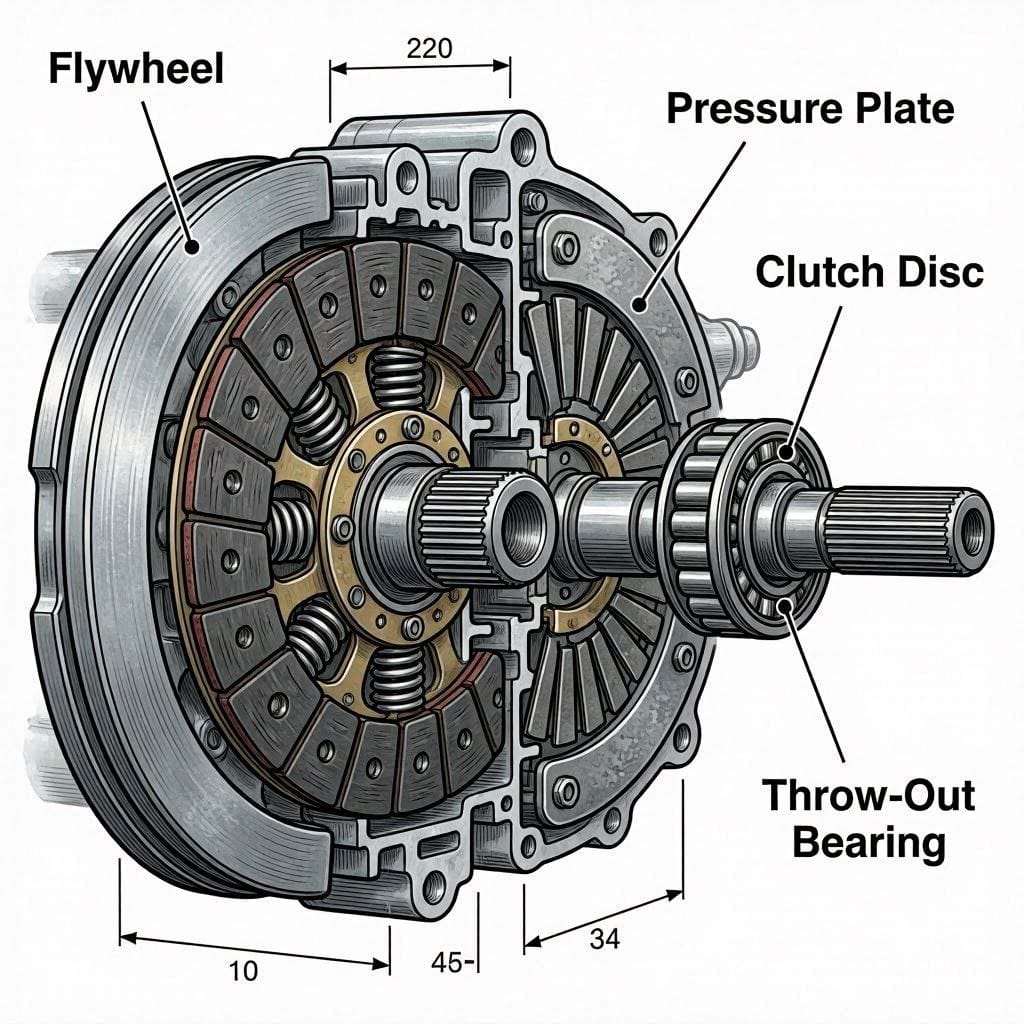
A slipping clutch occurs when the clutch disc fails to fully engage with the flywheel. Engine revs rise without proportional acceleration. You’ll notice delayed response, a burning smell, and high-RPM lag. Slipping worsens under load—especially in higher gears or when towing. Prompt diagnosis prevents costly transmission damage.
1.1 Early Warning Signs of Clutch Slip
- Delayed acceleration despite increased RPMs
- Burning smell (burning clutch material)
- Higher-than-normal idle after shifts
1.2 When Does Slipping Typically Occur?
- Under heavy acceleration
- In higher gears (4th, 5th, or 6th)
- When climbing hills or towing
What Causes a Clutch to Slip?
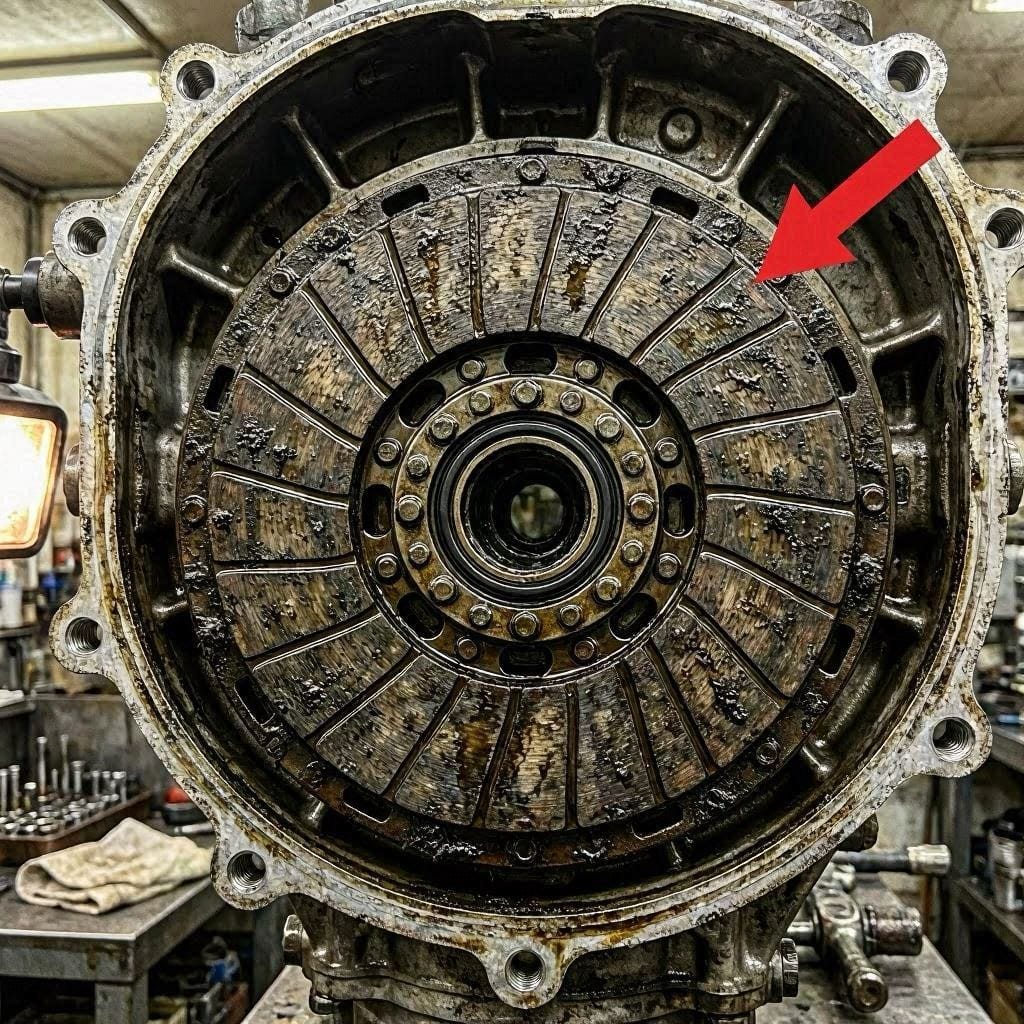
The most common causes include worn friction material, glazed plates, oil contamination, weak pressure plate springs, and hydraulic system faults. Even minor leaks from the rear main seal can contaminate the clutch. Always inspect for oil on the disc—this hidden issue leads to sudden slip under load. Early detection saves money.
2.1 Primary Causes of Clutch Slipping
- Worn friction material on clutch disc
- Glazed clutch plates (overheating)
- Oil or grease contamination on friction surfaces
- Weak or broken pressure plate springs
- Hydraulic system failure (low fluid, air in lines, master/slave cylinder issues)
2.2 Oil on Disc: A Hidden Culprit
- Common seals leaking: rear main seal, input shaft seal
- Symptoms: clutch feels “smooth” but slips under load
- Requires immediate repair to prevent full clutch failure
How to Diagnose a Slipping Clutch
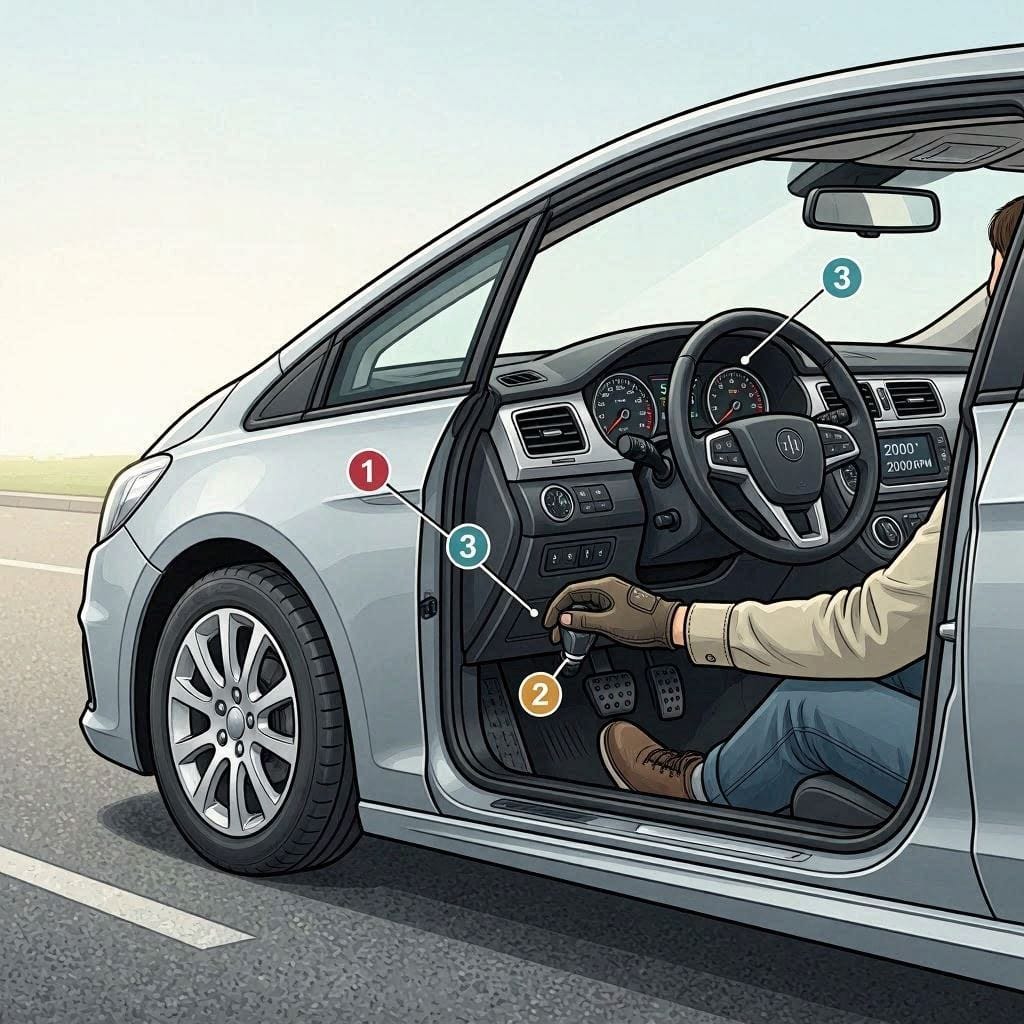
You can test clutch slip at home using a simple road test. Park on level ground and engage 5th gear at idle. Press the clutch and release slowly while holding the brake. If the engine stalls immediately, the clutch functions. If the car creeps or stalls slowly, it’s likely slipping. For accurate results, combine this with professional tools.
3.1 The Simple Road Test Method
- Park on level ground, engage 5th gear at idle.
- Press clutch, release slowly while holding brake.
- If engine stalls → clutch functioning.
- If car creeps or stalls slowly → likely slipping.
3.2 Professional Diagnostic Tools & Checks
- Visual inspection for leaks
- Flywheel runout measurement
- Hydraulic system pressure test
3.3 Comparison: DIY vs. Professional Diagnosis
| Factor | DIY Diagnosis | Professional Diagnosis |
|---|---|---|
| Cost | Free–$20 (tool rental) | $50–$100 (inspection fee) |
| Accuracy | Moderate | High |
| Time Required | 15–30 mins | 30–60 mins |
| Equipment Needed | None | Hydraulic flywheel resurfacing, pressure tools |
How to Fix a Slipping Clutch: Repair vs. Replace
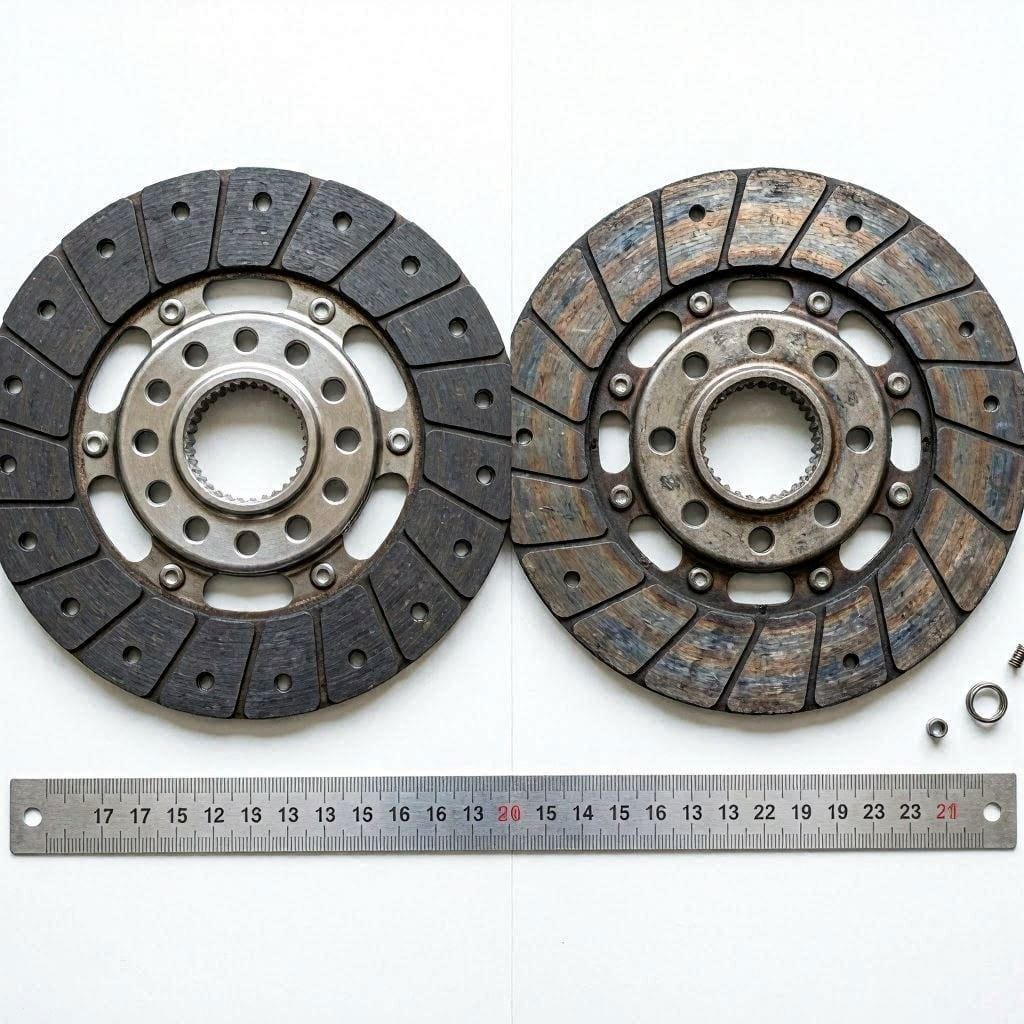
Minor glazing may allow temporary deglazing, but worn discs require replacement. Oil contamination demands full disassembly and seal repair. Cable-operated clutches with over 10mm free play can be adjusted. Hydraulic systems often need bleeding or cylinder replacement. Always replace throw-out and pilot bearings during service—skipping them risks repeat failure.
4.1 Can You Repair a Slipping Clutch?
- Minor glazing: possible temporary fix with professional deglazing
- Oil contamination: requires full disassembly and cleaning
- Worn disc: replacement only
4.2 When to Replace vs. Adjust
- Replace if: slipping in 3rd+ gears, burning smell, visible wear
- Adjustment viable only if: cable-operated clutch with >10mm free play
4.3 Cost Breakdown by Repair Type
| Repair Type | Average Cost (Labor + Parts) | Lifespan Estimate |
|---|---|---|
| Clutch Adjustment | $75–$150 | Temporary; lasts 1,000–3,000 miles |
| Clutch Replacement (Disc + Pressure Plate) | $800–$1,500 | 60,000–100,000 miles |
| Flywheel Resurfacing (with replacement) | $1,100–$1,800 | Adds 50% lifespan to new clutch |
Preventing Future Clutch Slip
Extend clutch life by avoiding “riding the clutch” at stops. Shift smoothly and time your releases. Never hold the car on a hill using only the clutch—use the handbrake instead. Inspect clutch fluid yearly if hydraulic. Check for leaks during oil changes. Flush clutch fluid every 2–3 years. These habits add 30–50% more life.
5.1 Driving Habits That Extend Life
- Avoid “riding the clutch” at lights
- Smooth, timely shifts
- Don’t hold car on hill with clutch
5.2 Maintenance Schedule
- Inspect clutch fluid annually (if hydraulic)
- Check for leaks every oil change
- Flush clutch fluid every 2–3 years
Frequently Asked Questions
Q: Can I drive a car with a slipping clutch?
A: No. While it may “limp,” continued use risks flywheel damage and costly repairs.
Q: Is a slipping clutch dangerous?
A: Yes. Slippage during passing or hill climbing can lead to loss of control.
Q: How much does it cost to fix oil on a clutch disc?
A: $800–$1,500. Includes disc, pressure plate, labor, and seal repair.
Q:Is it cheaper to adjust or replace a clutch?
A: Adjusting is cheaper short-term, but replacement is more cost-effective long-term.
Top Slipping Clutch? Top Causes, Diagnosis, Fixes & Costs Explained – Our Picks
Related Content & Internal Linking Opportunities
- Clutch Failure Signs: When Your Clutch Is Dying (Anchor: clutch failure signs)
- How to Adjust Your Clutch Properly (Anchor: adjustment procedures)
- When to Replace Your Clutch (Anchor: replacement decisions)
- Diagnosing Hydraulic Clutch Problems (Anchor: hydraulic issues)
- Bad Clutch Symptoms: 8 Signs Your Clutch Is Failing
- When to Replace Your Clutch: Mileage And Warning Signs
- Best Transmission Fluid 2026: Top ATF Brands Reviewed
- Complete Guide to Transmission Fluid Change: DIY Steps & Costs
This article was written by Fahim Hasan, ASE-Certified Master Technician with 15+ years experience at VehicleBar.com.
You might also like: Flywheel Resurfacing vs. Replacement: Which Should You Do?, Clutch Adjustment Guide: Cable & Self-Adjusting Clutches, Cable vs Hydraulic Clutch: Which System Is Better for Your Car?