Spark Plug Socket Size Chart: Common Sizes by Vehicle
Grab the wrong spark plug socket size and you’ll round off the hex before the plug even breaks loose. I’ve seen it happen in my own bay more times than I’d like to admit. This chart gives you the spark plug socket size for most common engines, explains why brand alone won’t tell you the size, and shows you how to confirm it yourself in under a minute.
This post contains Amazon affiliate links. As an Amazon Associate, VehicleBar earns from qualifying purchases at no extra cost to you.
What Is a Spark Plug Socket and How Is It Different?
A spark plug socket looks like a regular deep socket, but it isn’t one. It has a rubber insert or a magnet built into the wall to grip the plug’s ceramic body so it doesn’t drop into the cylinder head. A standard socket can round off the plug’s hex corners or, worse, crack the porcelain insulator on the way out.
Using the wrong tool here is an easy way to strip a hex corner or drop a plug where you can’t reach it. Getting the size right the first time saves you that headache entirely.
Spark Plug Socket Sizes Explained
Sockets for spark plugs come in a handful of standard sizes. Here’s what each one is typically used for.
| Socket Size (inches) | Metric Equivalent | Typically Used On |
|---|---|---|
| 9/16 inch | 14mm | Many Ford engines and late-model European and Asian imports with thin-wall plug wells |
| 5/8 inch | 16mm | The most common size overall, used across most modern four-cylinder and V6 engines |
| 11/16 inch | 18mm | Some older BMW engines and select small-engine applications |
| 3/4 inch | 19mm | Some older GM engines, motorcycles, and small engines |
| 13/16 inch | 21mm | Classic domestic V8s, including small block Chevy and older Mopar and Ford V8s |
| 7/8 inch | 22mm | Vintage and antique engines, some aviation and industrial equipment |
Spark Plug Socket Size by Make
These are the sizes I reach for most often by brand, but treat this as a starting point, not gospel. The next section explains why.
| Make | Commonly Used Size | Notes |
|---|---|---|
| Toyota / Lexus | 5/8 inch (16mm) | Standard across most four-cylinder and V6 engines |
| Honda / Acura | 5/8 inch (16mm) | Some older engines use 3/4 inch, so confirm on high-mileage models |
| Ford | 9/16 inch (14mm), sometimes 5/8 inch | Triton V8s are inconsistently labeled between sources, so measure or check your manual before buying a socket |
| Chevrolet / GMC | 5/8 inch (16mm) | Older small block V8s typically use 13/16 inch instead |
| Chrysler / RAM / Jeep | 5/8 inch (16mm) | Pentastar V6 and HEMI V8 engines; older 318 and 360 V8s use 13/16 inch |
| Nissan / Infiniti | 5/8 inch (16mm), sometimes 9/16 inch | Varies by model, so don’t assume by brand alone |
| Volkswagen / Audi | 5/8 inch (16mm) | Standard on most TSI and TFSI engines |
| BMW | 5/8 inch (16mm) or a specialized 12-point socket | Some turbo four-cylinder engines call for a bi-hex tool, confirm with your plug’s part number |
Why You Can’t Guess Socket Size by Brand Alone
Here’s a real example. A Nissan Altima and a Toyota Camry are both mainstream Japanese sedans, but they don’t share a spark plug socket size across every generation and engine. Same idea applies inside a single brand. Ford badges the Triton V8’s socket as 9/16 inch on most parts listings, but plenty of techs report a 5/8 inch socket is what actually grips the hex cleanly on certain years and head designs. Nobody’s lying here. The plug and the tooling around it changed enough across model years that a single blanket answer doesn’t hold up.
So don’t shop by brand reputation. Shop by your actual engine, and confirm before you buy.
How to Find Your Exact Socket Size
Three ways to nail this down, in order of reliability.
-
- Check your owner’s manual or the manufacturer’s service specs for your exact engine code, not just the model name
- Pull one old plug and measure the hex flat-to-flat with calipers, then match it to the sizes above
- Look up your OEM spark plug’s part number and cross-reference the hex size on the plug maker’s own spec sheet
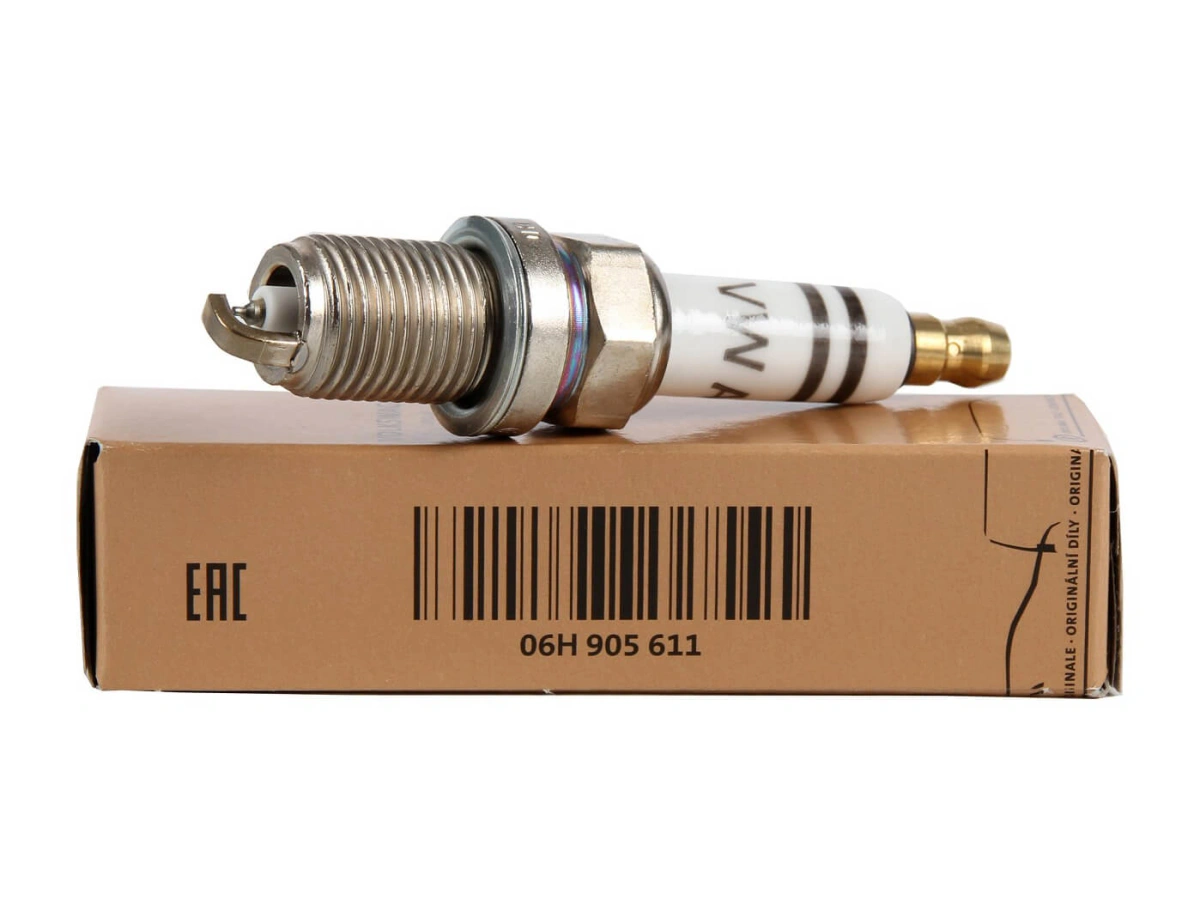
- Check the box your replacement spark plugs came in — most manufacturers print the hex size right on the packaging, so if you’ve already bought the correct plug for your engine, the socket size is often sitting right there in your hand
A socket set that covers 9/16, 5/8, and 13/16 inch handles the vast majority of vehicles on the road, so it’s a reasonable one-time buy even before you know your exact size.
Spark Plug Socket Sets Worth Owning

GEARWRENCH 5 Pc. Magnetic Swivel Set

GEARWRENCH 13/16″ Swivel Socket
Magnetic vs Rubber Insert Sockets: Which to Buy
Both styles hold the plug so it doesn’t drop into the cylinder head. Magnetic sockets grip with a magnet built into the socket wall, and they hold up well over years of use since there’s no rubber to wear out. Rubber insert sockets grip with a flexible sleeve instead, and they tend to cushion the plug a little better against chipping. I reach for magnetic sockets for most jobs. If you’re working on a plug with a fragile fine-wire iridium tip, a rubber insert is the gentler choice.
Point count matters too, separate from grip style. Most spark plug sockets are 6-point, and that covers the vast majority of vehicles. Some newer BMW and European turbo engines specifically call for a 12-point, or bi-hex, socket instead. If you’re working on one of the applications in the BMW row above, confirm 6-point vs 12-point before you buy, not just the size.
Torque Specs by Thread Size
Getting the socket size right only matters if you torque the plug correctly once it’s in. These are standard reference ranges by thread size and head material. Your service manual has the exact figure for your engine, and that number always wins over a general guideline.
| Thread Size | Aluminum Head | Cast Iron Head |
|---|---|---|
| M10 (10mm) | 7 to 10 ft-lbs | 9 to 12 ft-lbs |
| M12 (12mm) | 12 to 18 ft-lbs | 15 to 20 ft-lbs |
| M14 (14mm) | 15 to 20 ft-lbs | 25 to 30 ft-lbs |
| M18 (18mm) | 20 to 30 ft-lbs | 30 to 35 ft-lbs |
How to Replace Spark Plugs With the Right Socket
Once you’ve confirmed your size, here’s the safe sequence I follow every time.
Step 1: Let the Engine Cool
Work on a cold engine. Hot cylinder heads and exhaust components can burn you, and heat makes aluminum threads more prone to damage under torque.
Step 2: Remove the Ignition Coil or Wire
Disconnect the battery first. Then unbolt the coil pack or pull the plug wire straight up, not sideways, to avoid damaging the boot.
Step 3: Clear Debris From the Well
Blow out the spark plug well with compressed air before removing the plug. Dirt that falls into the cylinder during removal can score the bore.
Step 4: Break the Plug Loose Gently
Seat the socket fully over the hex before applying force. If a plug won’t budge, stop. Apply penetrating oil, wait 15 minutes, and try again rather than forcing it and stripping the threads.
Step 5: Install and Torque the New Plug
Thread the new plug in by hand first to avoid cross-threading. Finish with a torque wrench set to your engine’s spec, not a generalized number.
Common Mistakes When Choosing a Spark Plug Socket
Guessing the size from a socket set you already own is the biggest one. A 5/8 inch regular socket will sometimes almost fit a plug that actually needs a thin-wall version, and “almost fits” is exactly how hex corners get rounded off.
Skipping the rubber insert or magnet is another common mistake, especially on deep-well plugs where a dropped plug is genuinely hard to retrieve. Using anti-seize when your plug’s manufacturer says not to is a mistake too. Some plugs come with a factory coating designed to work without it, and adding your own can throw off your torque reading and lead to overtightening. If you’re not sure which category your plug falls into, our guide to choosing the right spark plugs covers coating types by brand.
Frequently Asked Questions
What size socket do I need for spark plugs?
Most modern engines use a 5/8 inch (16mm) or 9/16 inch (14mm) socket. Older domestic V8s often use 13/16 inch. Confirm your exact size with your owner’s manual or by measuring the old plug.
Is a spark plug socket the same as a regular socket?
No. A spark plug socket has a rubber insert or magnet inside to grip the plug and prevent it from dropping. A regular socket can crack the ceramic insulator or let the plug fall into the cylinder head.
What is the most common spark plug socket size?
5/8 inch (16mm) is the most common size across modern four-cylinder and V6 engines. 9/16 inch (14mm) is the second most common, especially on Ford and European imports.
What size socket does a Ford Triton engine use?
Most parts listings specify 9/16 inch, but some techs report a 5/8 inch socket grips better on certain years and head designs. Confirm by measuring your plug or testing fit before you’re mid-job.
Can I use a regular deep socket instead of a spark plug socket?
You can in a pinch, but it’s risky. Without a rubber insert or magnet, the plug can drop into the cylinder head or crack against the socket walls during removal.
How do I measure my spark plug’s hex size?
Remove one old plug and measure flat-to-flat across the hex with calipers. Match that measurement to the standard sizes: 14mm, 16mm, 18mm, 19mm, 21mm, or 22mm.