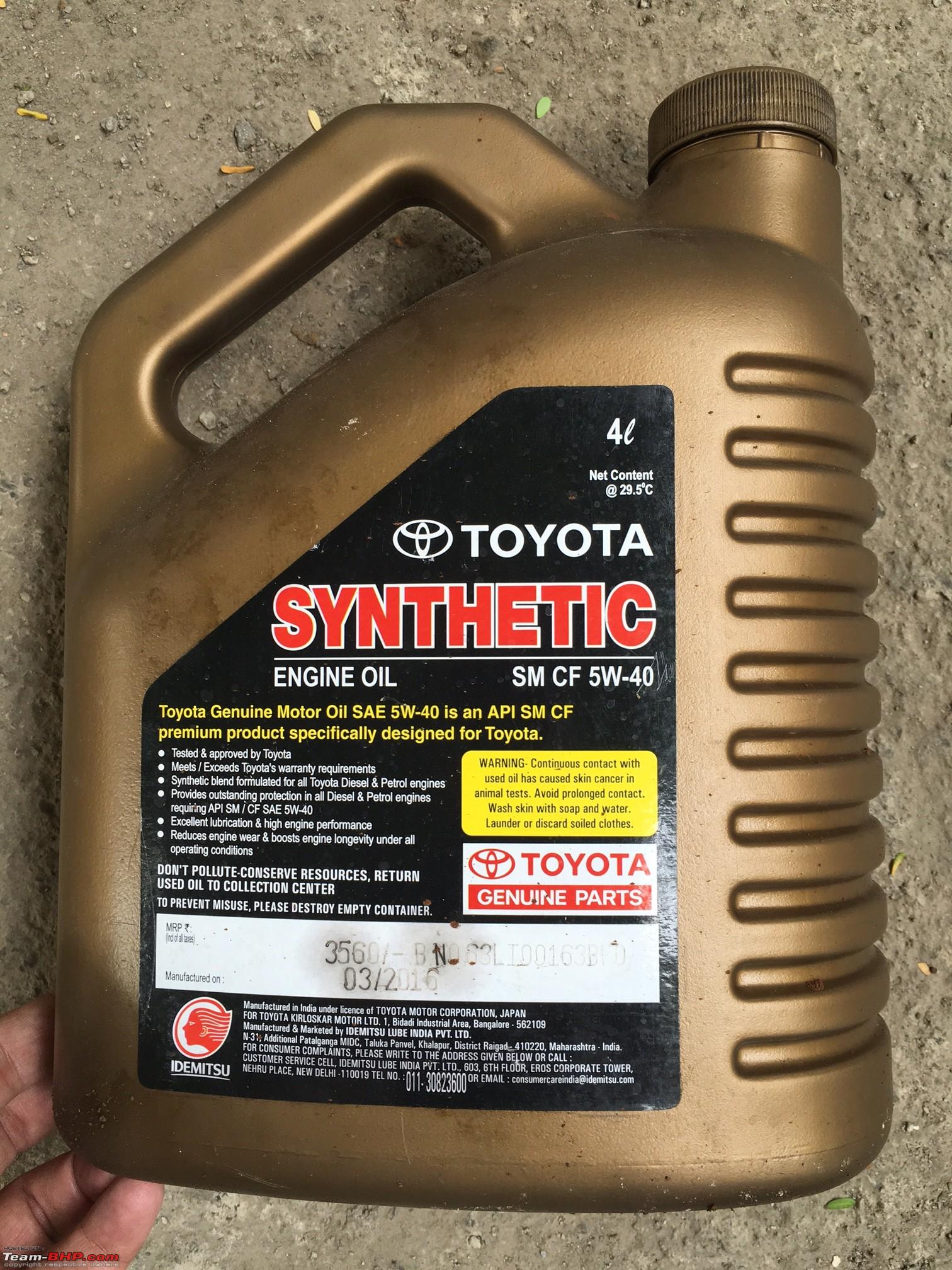
Full Synthetic vs Synthetic Blend Oil: Which Does Your En…
Standing in the oil aisle at your local auto parts store can feel surprisingly overwhelming. Rows of bottles promising superior protection,extended intervals, and peak performance—but what does it all actually mean for your car? If you’ve found yourself staring at the price difference between full synthetic and synthetic blend oils, wondering if the extra cost is justified, you’re not alone. This is one of the most common questions drivers face during routine maintenance.
The truth is, choosing between full synthetic and synthetic blend oil isn’t just about price—it’s about matching your oil to your driving habits, your vehicle’s needs, and your long-term maintenance goals. Some drivers swear by full synthetic and wouldn’t dream of using anything else. Others find that synthetic blends offer the perfect middle ground. Understanding what sets these two options apart can save you money, extend your engine’s life, and give you confidence that you’re making the right choice every time you change your oil.
Let’s cut through the marketing jargon and examine what really matters: how these oils are made, what they do for your engine, and which one makes the most sense for your specific situation.

Understanding the Basics: What Makes These Oils Different?
Best Synthetic & Blend Oils
As an Amazon Associate, VehicleBar earns from qualifying purchases at no extra cost to you.
Top Pick
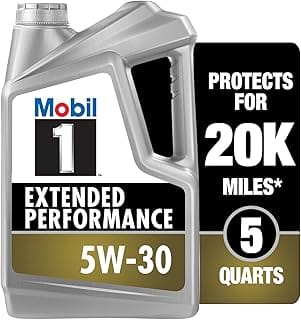
Best Value
At their core, all motor oils serve the same fundamental purpose: lubricating engine components, reducing friction, dissipating heat, and keeping everything running smoothly. But the way oils achieve these goals varies dramatically based on their composition.
Full synthetic oil is engineered from the ground up in a laboratory. Chemists start with a base oil that’s been heavily refined and processed to remove impurities, then add a precise cocktail of additives designed to enhance performance. Think of it as building an oil molecule by molecule to meet exact specifications. This process creates a uniform product where every molecule is optimized for stability, flow, and protection. Full synthetics typically contain fewer impurities than conventional oils, which means less sludge buildup and better performance in extreme conditions.
Synthetic blend oil—sometimes called semi-synthetic—takes a hybrid approach. It starts with a conventional mineral oil base (the kind that’s refined from crude petroleum) and mixes in a portion of synthetic oil along with additives. The exact ratio varies by manufacturer, but you’re generally looking at somewhere between 10-30% synthetic content. This combination aims to deliver some of the benefits of synthetic oil while keeping costs more manageable.
The key difference? Consistency and purity. Full synthetic oil offers predictable, uniform performance because every molecule is engineered to specification. Synthetic blends contain more variation since they’re working with both conventional and synthetic bases. That doesn’t make blends bad—it simply means they occupy a middle ground between conventional and full synthetic options.
Performance Under Pressure: How They Protect Your Engine
When your engine cranks to life on a freezing winter morning, your oil needs to flow immediately. When you’re sitting in rush hour traffic on a scorching summer day, that same oil needs to maintain its protective film despite intense heat. These extreme scenarios reveal where full synthetic and synthetic blend oils show their distinct personalities.
Full synthetic oils excel in temperature extremes. During cold starts—when most engine wear occurs—synthetic oil flows more readily because its molecular structure remains stable even when temperatures plummet. I’ve talked to mechanics in Minnesota who swear by full synthetic for this reason alone. One told me about a customer whose truck started reliably at -30°F while neighbors with conventional oil were calling for jump-starts. That improved flow means critical engine components get lubrication faster, reducing wear during those crucial first few seconds.
At the other end of the spectrum, full synthetics maintain their viscosity in extreme heat better than blends. High-performance engines, turbocharged vehicles, and cars subjected to heavy towing generate tremendous heat. Full synthetic oils resist thermal breakdown, meaning they continue protecting effectively even when temperatures in your engine soar past 300°F.
Synthetic blends improve upon conventional oil’s performance, especially in moderately cold weather and everyday driving stress. They flow better than straight conventional oil when temperatures drop and offer enhanced protection against sludge and deposits. For many drivers in temperate climates who don’t push their vehicles to extremes, synthetic blends deliver noticeable improvements over conventional oil without requiring full synthetic’s premium price.
The real-world difference shows up in engine longevity. Engines running on full synthetic often show less wear, fewer deposits, and cleaner components at high mileage. However, engines running on quality synthetic blends with proper change intervals also perform admirably. The gap between them narrows considerably when you follow recommended maintenance schedules.
Change Intervals and Long-Term Value
One of full synthetic oil’s most appealing promises is extended drain intervals. Many full synthetic oils are formulated to last 7,500 to 10,000 miles between changes, with some even pushing to 15,000 miles under ideal conditions. This extended protection stems from synthetics’ resistance to breakdown and their solid additive packages that remain effective longer.
Let’s run some numbers. Say full synthetic costs $60 for an oil change (including filter) and lasts 10,000 miles. That’s $0.006 per mile. A synthetic blend might cost $40 per change but needs changing every 5,000 miles—that’s $0.008 per mile. Over 100,000 miles, you’d spend $600 on full synthetic (10 changes) versus $800 on synthetic blend (20 changes). You’re saving $200 while also saving time with fewer trips to the shop.
However—and this is crucial—extended intervals only work if your driving conditions support them. Manufacturers define “severe” driving conditions as frequent short trips, stop-and-go traffic, towing, extreme temperatures, or dusty environments. If that describes your typical week, even full synthetic needs more frequent changes. Always consult your owner’s manual for guidance specific to your vehicle and conditions.
Synthetic blends typically recommend 5,000 to 7,500-mile intervals, which aligns with many manufacturers’ conventional oil schedules. You’re getting better protection than straight conventional oil, but you won’t see the dramatic extension in change intervals that full synthetic can offer.
The time-saving aspect shouldn’t be underestimated, either. Fewer oil changes mean fewer Saturday mornings at the quick-lube shop or less time scheduling service appointments. For busy people, that convenience alone can justify full synthetic’s higher upfront cost.
Matching Oil to Your Vehicle and Driving Style
Not every car needs—or benefits equally from—full synthetic oil. Modern turbocharged engines, high-performance vehicles, and luxury cars often specify full synthetic in their owner’s manuals. These engines run hotter, have tighter tolerances, and demand maximum protection. Using anything less could void your warranty or lead to premature wear.
Older vehicles with high mileage present an interesting case. Some mechanics worry that switching to full synthetic in an older engine might cause leaks, arguing that synthetic’s superior detergent properties could clean away deposits that were actually helping seal worn gaskets. However, this concern is largely outdated. Modern synthetic oils are safe for older engines, and synthetic blends offer a conservative middle path if you’re nervous about switching.
For trucks used for towing, full synthetic makes sense. The extra heat and stress from pulling a trailer or hauling heavy loads demands oil that won’t break down under pressure. One landscaper I spoke with switched his work trucks to full synthetic after experiencing premature engine wear. Despite the higher cost, he calculated that extending engine life by even 20,000 miles more than justified the investment.
Daily commuters in moderate climates driving newer economy cars represent synthetic blend’s sweet spot. These vehicles don’t face extreme conditions regularly, but owners want better protection than conventional oil offers. A Honda Civic running synthetic blend in suburban Texas or Ohio will likely see its engine last just as long as one running full synthetic—assuming proper maintenance in both cases.
Performance and sports car enthusiasts should lean heavily toward full synthetic. If you enjoy spirited driving, track days, or simply like to use your car’s full powerband occasionally, full synthetic’s thermal stability and superior protection under stress are worth every penny.
Debunking Common Myths and Misconceptions
The oil aisle breeds confusion, and plenty of myths persist despite evidence to the contrary. Let’s clear up a few.
“Once you switch to synthetic, you can’t go back.”This is completely false. You can switch between synthetic, blend, and conventional oils without harming your engine. They’re all compatible. The only reason to stick with synthetic once you start is if your vehicle requires it or you prefer its benefits.
“Synthetic oil causes leaks in older engines.”As mentioned earlier, this was a concern with early synthetic formulations decades ago, but modern synthetics are engineered to work with all seal materials. If switching to synthetic reveals a leak, the seal was already failing—the synthetic just cleaned away deposits that were temporarily masking the problem.
“All full synthetic oils are the same.”Quality varies significantly between brands. Some manufacturers invest heavily in additive packages and base oil quality; others cut corners. Certifications like API (American Petroleum Institute) and ILSAC (International Lubricants Standardization and Approval Committee) help ensure minimum standards, but premium brands often exceed these requirements.
“Synthetic blends are just watered-down synthetics.”Not quite. They’re formulated as distinct products with their own performance profiles. A quality synthetic blend from a reputable manufacturer can outperform a cheap full synthetic in certain conditions.
Making Your Decision: A Practical Framework
Choosing between full synthetic and synthetic blend comes down to weighing several factors specific to your situation.
Choose full synthetic if:
- Your owner’s manual specifies it
- You drive a turbocharged, high-performance, or luxury vehicle
- You regularly tow or haul heavy loads
- You live in an area with extreme temperature swings
- You want maximum protection and don’t mind the premium price
- You prefer extended oil change intervals to save time
Choose synthetic blend if:
- Your vehicle doesn’t require full synthetic
- You drive primarily in moderate conditions
- You want better protection than conventional oil without full synthetic’s cost
- Your driving is mostly routine commuting
- You’re comfortable with more frequent oil changes
- You want to split the difference between conventional and full synthetic performance
Don’t forget about your budget.If full synthetic strains your wallet to the point where you delay oil changes, that’s counterproductive. A synthetic blend changed on schedule protects better than full synthetic changed irregularly.
Frequently Asked Questions
Can I mix full synthetic and synthetic blend oils?
Yes, you can mix them without causing harm. They’re compatible because they’re both designed to meet industry standards. However, mixing dilutes the full synthetic’s properties and extends the blend’s characteristics. If you’re topping off between changes, mixing is fine, but for oil changes, stick with one type for consistency.
Will switching to full synthetic improve my gas mileage?
Possibly, but don’t expect dramatic changes. Full synthetic’s reduced friction can improve fuel economy by 1-2% in some vehicles, particularly older ones transitioning from conventional oil. Modern engines are already so efficient that you might not notice a measurable difference at the pump.
Do synthetic blends really offer better protection than conventional oil?
Yes, synthetic blends provide measurably better protection against engine wear, deposits, and breakdown compared to conventional oils. The synthetic component improves flow characteristics and thermal stability while additives enhance cleaning and protection. You’re getting a meaningful upgrade over conventional, just not to the full extent that 100% synthetic provides.
How do I know what my car actually needs?
Check your owner’s manual first—it’s the authoritative source. Look for the oil specification (often something like “5W-30”) and any mention of synthetic requirements. If your manual says “synthetic recommended” or “synthetic required,” that’s your answer. If it simply lists a viscosity rating without specifying oil type, you have flexibility to choose.
Is expensive synthetic oil always better than cheaper brands?
Not necessarily. Look for proper certifications (API donut symbol) and specifications that match your vehicle’s requirements. Some premium brands do use superior base stocks and additive packages, but many mid-tier brands meet or exceed industry standards at lower prices. Consumer Reports and independent testing can help identify good value brands.
Should I switch my high-mileage car to synthetic?
High-mileage vehicles can benefit from synthetic oil’s superior protection, especially if you plan to keep the car for many more years. Some manufacturers make specific high-mileage synthetic formulas with additives designed to condition seals and reduce oil consumption. If your engine is in good condition, switching is generally safe and beneficial. Just use a high-mileage formula if you’re concerned about seals.
Conclusion: The Right Oil for Your Journey
Choosing between full synthetic and synthetic blend oil doesn’t have to be complicated once you understand what you’re actually buying. Full synthetic offers maximum protection, extended intervals, and superior performance in extreme conditions—benefits that matter enormously for certain vehicles and driving situations. Synthetic blends provide a smart middle ground, delivering noticeable improvements over conventional oil without requiring full synthetic’s premium investment.
The best choice isn’t universal—it’s personal. A construction worker towing equipment in Arizona heat makes a different calculation than a retiree making short trips to the grocery store in North Carolina. What matters most is matching your oil to your needs, following your manufacturer’s recommendations, and maintaining consistent change intervals regardless of which product you choose.
Remember, the most expensive synthetic oil in the world can’t compensate for neglect, and the most basic synthetic blend changed regularly will serve you better than full synthetic changed sporadically. Whatever you choose, the fact that you’re thinking carefully about this decision suggests you care about maintaining your vehicle properly—and that mindset matters more than any single product choice.
Your engine doesn’t care about brand loyalty or marketing claims. It just wants clean, effective lubrication delivered consistently. Whether that comes in a bottle of full synthetic or synthetic blend is less important than the commitment to maintenance that both options represent.
Related Engine Oil Guides
- Oil Analysis Guide: How to Test Your Oil Like a Pro (2026 Update)
- Oil Pressure Warning Light: Causes and Solutions
- Clogged Fuel Filter Symptoms and Replacement
- 5W-30 vs 5W-20 Motor Oil: Which Should You Use?
- Best Synthetic Oil for High-Mileage Engines in 2026
- Can You Mix Synthetic and Conventional Oil? The Truth
- Diesel Engine Oil Guide: How to Choose the Right Viscosity, API Spec,
- Oil Filter Buying Guide: How to Choose the Right Filter for Your Engin