Best Oil for Turbocharged Engines
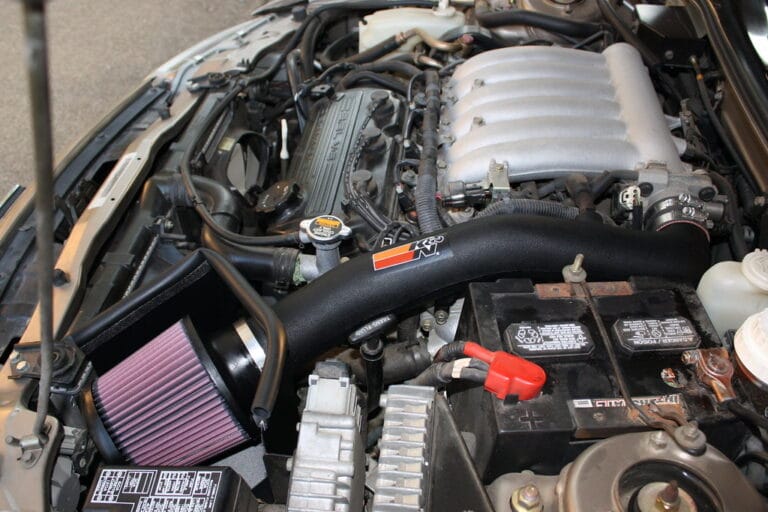
Turbocharged engines are some of the most exciting powerplants on the road today. They squeeze impressive horsepower and torque out of smaller engines, making modern cars faster, cleaner, and more efficient than ever before. But anyone who owns a turbo car—whether it’s a Hyundai Sonata 1.6T, a Ford EcoBoost, a BMW, or a Subaru WRX—knows one simple truth:
Turbo engines run hotter, harder, and dirtier than naturally aspirated engines.
And that means one thing matters above almost everything else in their long-term health:
Using the right engine oil.
Choosing the best oil for turbocharged engines isn’t just about picking a synthetic blend or following the recommendation on the bottle. It’s about understanding how turbochargers work, the unique stresses they place on your oil, and how the right formulation can prevent premature wear, oil coking, overheating, and turbo failure.
If you want your turbo engine to last (and avoid a repair bill that could run upwards of $800–$3,000), the oil you choose is one of the smartest and easiest decisions you’ll ever make.
This guide breaks down everything you need to know—clearly, practically, and based on real-world experience.
Why Turbocharged Engines Demand Better Oil
Turbochargers spin at incredible speeds—often over 150,000 RPM—and operate under extreme heat. The turbine and compressor rely on a constant flow of clean, stable oil to stay cool and lubricated.
Here’s what makes turbo engines uniquely harsh on oil:
1. Extreme temperatures
Turbo housings regularly reach 800°C (1470°F)or more.
Cheap or low-quality oil will burn, oxidize, and thicken at these temperatures, leading to sludge,oil coking, and eventually turbo bearing failure.
2. High shear forces
Turbo engines create intense mechanical pressure that can shear oil molecules apart.
When this happens, your 5W-30 can behave more like a 5W-20—too thin to protect under heat and load.
3. More contamination
Direct injection systems (common in turbo cars) can lead to:
-
increased carbon buildup
-
fuel dilution
-
faster oil degradation
This requires oil that resists breakdown even in dirty environments.
4. Rapid heat cycles
Turbo cars heat up and cool down faster than NA engines.
When the engine shuts off immediately after high load, oil can “cook” inside the turbo—a major cause of coking.
In short: turbo engines need oil that stays strong under heat, pressure, and contamination.
Not all synthetic oils are created equal. Here are the traits that truly matter for turbo longevity.
1. Full Synthetic Base Oils (Not Synthetic Blend)
A “synthetic blend” is often just conventional oil with a touch of synthetic added. Turbo engines demand the molecular stability of full synthetic, especially those based on:
-
Group III+hydrocracked oils
-
Group IV (PAO)synthetic oils
-
Group V (ester-based)oils
These resist heat, oxidation, and viscosity breakdown far better than conventional or blends.
Why it matters:
Full synthetic oils:
-
maintain viscosity at high temperature
-
prevent coking on turbo bearings
-
reduce internal friction
-
flow better on cold starts
If a turbo engine had a best friend, it would be full synthetic oil.
2. High Temperature Stability (HTHS and NOACK)
HTHS (High-Temperature High-Shear)
This measures how well oil holds up when squeezed under pressure at high temp.
Turbo enginesneeda strong HTHS number.
NOACK Volatility
This measures how quickly oil evaporates when exposed to high heat.
Lower volatility = less burn-off, fewer top-ups, and less sludge.
Look for:
-
NOACK volatility under 10%
-
HTHS above 3.5 for performance applications
3. Appropriate Viscosity for Your Engine
Turbo engines often use:
-
0W-20
-
5W-20
-
0W-30
-
5W-30
-
0W-40
-
5W-40
Thinner oils (0W-20 or 5W-20) are common in modern eco-focused turbo engines.
However, performance engines—especially European models—usually require 0W-40 or 5W-40 for added high-temp protection.
Never choose viscosity based on guesswork.
Follow manufacturer specs, and only adjust if:
-
you drive aggressively
-
you tow
-
you live in extreme heat
-
your engine has high mileage
4. API SP or ACEA A3/B4 (or Higher) Certifications
These certifications ensure the oil meets modern turbo-specific protection standards.
Look for:
-
API SP– designed to reduce LSPI (Low-Speed Pre-Ignition)
-
ILSAC GF-6– protects small turbo engines
-
ACEA A3/B4– high-performance turbo protection (Euro cars)
-
OEM approvalslike
-
VW 502/505
-
BMW LL-01
-
Mercedes 229.5
-
GM Dexos
-
Certification matters more than marketing claims.
5. Additive Packages for Turbo Cleanliness
Turbo engines benefit from strong detergent and anti-wear additives such as:
-
Molybdenum
-
Zinc (ZDDP)
-
Calcium detergents
-
Boron compounds
These help:
-
keep turbo oil channels clean
-
prevent sludge
-
protect bearings
-
maintain efficiency
You don’t have to be a chemist—just choose a reputable oil known for solid additive technology.
Below are top-tier oils widely trusted by enthusiasts, technicians, and performance drivers.
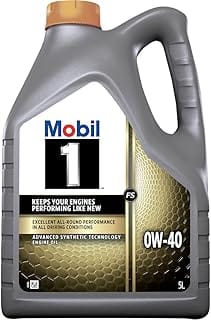
1.Mobil 1 FS 0W-40 (European Formula)
Best overall for performance turbo engines
Mobil 1’s European formula is famous for handling extreme heat. It carries multiple OEM approvals and protects well even in hard track use.
Perfect for BMW, Mercedes, Porsche, Audi, and high-load turbo engines.
Why drivers love it:
-
extremely high heat resistance
-
maintains viscosity under abuse
-
strong detergents for clean turbos
2.Shell Helix Ultra 5W-40
Best for keeping engines clean
Shell’s gas-to-liquid (GTL) tech makes this one of the cleanest-running oils on the market. It’s ideal for turbo engines prone to sludge or high carbon buildup.
3.Valvoline Advanced Full Synthetic 5W-30
Best for daily-driven turbo cars
Affordable, widely available, and excellent performance for EcoBoost, Hyundai/Kia 1.6T, Honda 1.5T, Toyota 2.0T, and more.
4.Amsoil Signature Series 5W-30 or 0W-40
Top choice for enthusiasts and tuned engines
Amsoil is known for ultra-high film strength and low volatility. Highly recommended for tuned turbo vehicles or drivers who push their engines hard.
5.Castrol Edge 0W-20 / 5W-30 (with Fluid Titanium)
Best for small modern turbo engines
This oil reduces friction under extreme pressure, making it ideal for small displacement turbo engines prone to LSPI.
1. Change your oil sooner than the manual says
Turbo engines degrade oil faster, especially with:
-
short trips
-
heavy traffic
-
aggressive driving
If the manual says 10,000 km (6,200 miles), aim for 5,000–7,000 km(3,000–4,000 miles).
2. Use high-quality oil filters
A turbo engine needs:
-
high-flow
-
high-efficiency
-
synthetic-compatible filters
Brands like Mann, Mahle, Mobil 1, WIX,Bosch are reliable.
3. Let the turbo cool down
After spirited driving, idle for 30–60 seconds before shutting off.
This prevents oil from baking inside the turbo.
4. Avoid cheap fuel
Poor-quality fuel increases deposits and can cause LSPI, especially in small turbo engines.
5. Watch for warning signs
If you notice:
-
increased oil consumption
-
burnt oil smell
-
whistling turbo noises
-
smoke from exhaust
Switch to a higher-quality oil immediately and inspect for buildup.
1. Can I use regular oil in a turbo engine?
Not recommended. Regular oil breaks down too fast under turbo heat, risking sludge and turbo failure.
2. Is thicker oil better for turbo engines?
Not always. Always follow manufacturer viscosity unless you have a high-mileage engine or severe heat conditions.
3. Does synthetic oil improve turbo performance?
Indirectly, yes. Better lubrication and heat control improve turbo response, longevity, and efficiency.
4. How often should I change oil in a turbo car?
Generally every 5,000–7,000 km for best protection, or sooner in harsh conditions.
5. What happens if I use low-quality oil in a turbo engine?
5. Understanding happens if I use low-quality oil in a turbo engine?
You may experience:
-
faster wear
-
turbo coking
-
sludge buildup
-
reduced performance
-
premature turbo failure
Turbocharged engines are thrilling, efficient, and capable—but they’re also demanding. The best oil for turbocharged engines is not a luxury; it’s a necessity. High-quality full synthetic oil keeps your turbo cool, clean, and protected, ensuring thousands of kilometres of smooth, powerful driving.
Whether you drive a family crossover with a tiny 1.5T or a European performance machine, choosing the right oil is one of the smartest steps you can take to extend the life of your engine.
Your turbo works hard. Give it the oil it deserves.
Top Best Oil For Turbocharged Engines – Our Picks