
Diesel Engine Oil vs. Gasoline Engine Oil
You’re standing in the auto parts store, staring at rows of motor oil bottles. The labels shout terms like “diesel formula,” “synthetic blend,” and “high-mileage.” You know your car runs on gasoline, but your friend’s truck uses diesel. Does it really matter which oil you pick?
The short answer:Absolutely.
Engine oil isn’t just oil—it’s a carefully engineered fluid designed to protect, clean, and optimize your engine’s performance. Using the wrong type—whether diesel oil in a gas engine or vice versa—can lead to increased wear, poor fuel efficiency, and even catastrophic engine failure.
But why? What makes diesel engine oil different from gasoline engine oil? And how do you know which one is right for your vehicle?
In this guide, we’ll break down the science, the real-world implications, and the practical tips you need to keep your engine running smoothly for years to come.
 Engine Oil vs Gasoline Engine Oil Differences” width=”300″ height=”200″ />
1. The Core Differences: What Sets Diesel and Gasoline Oils Apart
A. Viscosity and Flow: Thicker vs. Thinner
A. Viscosity and Flow: Details
One of the most noticeable differences between diesel and gasoline engine oils is viscosity—how thick or thin the oil is at different temperatures.
Ezoic – wp_under_second_paragraph – under_second_paragraph
End Ezoic – wp_under_second_paragraph – under_second_paragraph
- Diesel engine oil tends to be thicker(higher viscosity) because diesel engines operate under higher compression and generate more heat. Thicker oil provides a stronger protective film to prevent metal-to-metal contact.
- Gasoline engine oil is usually thinner(lower viscosity) to flow quickly during cold starts and reduce friction in high-revving gas engines.
Real-world impact:Using diesel oil in a gas engine can cause sluggish performance and poor fuel economy. Conversely, thin gas oil in a diesel engine may fail to protect critical components under heavy loads.
B. Additive Packages: The Secret Sauce
The real magic of engine oil lies in its additives—chemical compounds that enhance performance and protect the engine. Here’s how they differ:
| Additive | Diesel Engine Oil | Gasoline Engine Oil |
|---|---|---|
| Detergents | Higher levels to combat soot and carbon buildup | Moderate levels for general sludge control |
| Dispersants | Stronger to keep soot suspended | Focused on preventing varnish and deposits |
| Anti-wear agents | More solid (e.g., zinc dialkyldithiophosphate) | Balanced for high-RPM protection |
| Oxidation inhibitors | Critical due to higher heat and soot | Important but less aggressive |
Why it matters:Diesel engines produce far more soot and acid than gasoline engines. Without the right additives, this soot can clog oil passages and accelerate wear.
C. Base Oil Quality: Synthetic vs. Conventional
- Diesel oils often use higher-quality synthetic or semi-synthetic base oils to handle extreme pressures and temperatures.
- Gasoline oils can be conventional, synthetic, or blends, depending on the engine’s demands.
Pro tip:If you drive a modern turbocharged gas engine, consider a full synthetic oil—it offers diesel-like protection without the extra additives.
2. Can You Use Diesel Oil in a Gas Engine (or Vice Versa)?
A. Diesel Oil in a Gas Engine: The Risks
A. Diesel Oil in a Gas Engine: Details
. But is it safe?
✅Potential benefits:
- Better wear protection for high-mileage engines.
- Stronger detergents can clean sludge buildup.
❌Risks:
- Higher viscosity can reduce fuel efficiency.
- Excessive additives may harm catalytic converters in modern cars.
- Warranty issues—many manufacturers void warranties if the wrong oil is used.
Expert verdict:Only use diesel oil in a gas engine if the manufacturer approves it (e.g., some older Mercedes-Benz models).
B. Gas Oil in a Diesel Engine: A Recipe for Disaster
B. Gas Oil in a Diesel Engine: Details
This is far riskier. Diesel engines require oil formulated to handle:
- Higher compression ratios(up to 20:1 vs. 10:1 in gas engines).
- More soot and acid from combustion.
- Turbocharger stress(most diesels are turbocharged).
What happens if you use gas oil?
- Increased wear on pistons, rings, and bearings.
- Soot buildup leading to oil sludge and clogged filters.
- Premature turbocharger failure due to poor heat resistance.
Real-world example:A Ford Power Stroke diesel owner used 5W-30 gas oil instead of 15W-40 diesel oil. Within 20,000 miles, the engine developed excessive blow-by and required a rebuild.
3. How to Choose the Right Oil for Your Engine
A. Check Your Owner’s Manual (No Excuses!)
The single best source for oil recommendations is your vehicle’s manual. It specifies:
- Viscosity grade(e.g., 5W-30, 15W-40).
- API (American Petroleum Institute) service category(e.g., CK-4 for diesel, SP for gasoline).
- Special requirements(e.g., “CJ-4 for diesel particulate filters”).
B. Understand API and ACEA Ratings
| Rating | Diesel Engines | Gasoline Engines |
|---|---|---|
| API | CK-4, FA-4 (modern diesels) | SP, SN (modern gas engines) |
| ACEA | E6, E9 (European diesels) | A5, B5 (European gas engines) |
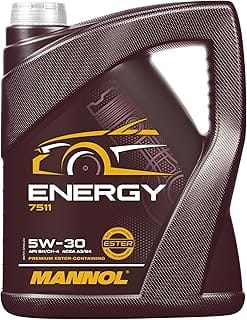
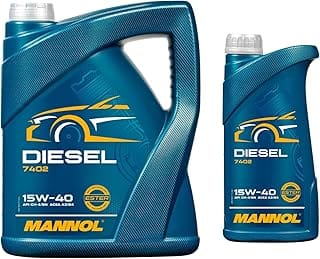
Top Diesel Engine Oil Vs. Gasoline Engine Oil – Our Picks
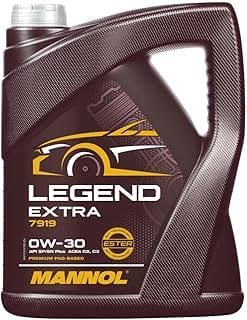
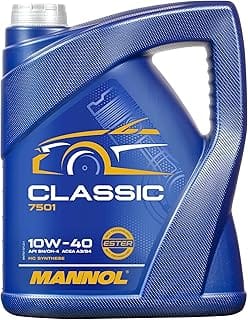
Pro tip:If your diesel has a DPF (Diesel Particulate Filter), use low-ash oil(e.g., CK-4 or FA-4) to prevent clogging.
C. Consider Your Driving Conditions
- Severe duty (towing, off-roading, extreme heat):Opt for heavy-duty diesel oil(e.g., Shell Rotella T6).
- City driving (frequent stops):Use low-viscosity gas oil(e.g., 0W-20) for better fuel economy.
- High-mileage engines:Look for oils with extra seal conditioners(e.g., Valvoline High Mileage).
4. Common Myths Debunked
Myth 1: “All Synthetic Oils Are the Same”
Truth:Synthetic diesel oils have different additive packages than synthetic gas oils. Always match the oil to the engine type.
Myth 2: “Thicker Oil Is Always Better”
Truth:Too-thick oil can starve your engine of lubrication at startup. Stick to the manufacturer’s recommended viscosity.
Myth 3: “Diesel Oil Lasts Longer Than Gas Oil”
Truth:Diesel oil can last longer due to stronger additives, but oil change intervals depend on the engine, not just the oil type.
5. Practical Tips for Long Engine Life
A. Oil Change Intervals: Don’t Push Your Luck
- Gas engines:Every 5,000–7,500 miles(synthetic) or3,000–5,000 miles(conventional).
- Diesel engines:Every 5,000–10,000 miles, but shorter intervals if you tow or idle frequently.
B. Watch for Warning Signs
- Gas engines:Dark, gritty oil = sludge buildup.
- Diesel engines:Milky oil = coolant leak; black oil = excessive soot.
C. Storage Matters
- Store oil in a cool, dry place—heat and moisture degrade additives.
- Avoid buying oil in bulk unless you use it quickly.
FAQs: Your Burning Questions Answered
1. Can I mix diesel and gasoline engine oil?
No. Mixing oils dilutes the additive packages, reducing protection. If you must top off, use the same type of oil already in the engine.
2. What happens if I use 15W-40 diesel oil in a gas engine?
It may cause poor cold starts and reduced fuel efficiency, but it’s not immediately harmful in older engines. Avoid in modern cars.
3. Is synthetic oil better for diesel engines?
Yes. Synthetic oil resists heat breakdown and soot contamination better than conventional oil, extending engine life.
4. Can I use marine diesel oil in my truck?
No. Marine diesel oil (e.g., 15W-40) lacks the emissions-compliant additives required for road vehicles.
5. Does diesel oil improve gas engine longevity?
Only if the engine is old and worn. For modern gas engines, stick to gas-specific oil to avoid damage.
6. What’s the best oil for a turbocharged gas engine?
6. Understanding’s the best oil for a turbocharged gas engine?
Use a full synthetic oil with a turbo-specific rating(e.g., Pennz oil Platinum or Mobil 1 Extended Performance).
Conclusion: The Right Oil = A Longer-Lasting Engine
Choosing between diesel and gasoline engine oil isn’t just about picking a bottle off the shelf—it’s about understanding your engine’s needs and protecting your investment.
- Diesel engines demand thicker, high-detergent oil to handle soot and heat.
- Gas engines need lighter, fast-flowing oil for efficiency and cold starts.
- Never mix or substitute unless the manufacturer approves it.
By following these guidelines, you’ll reduce wear, improve performance, and avoid costly repairs. And the next time you’re in the auto parts aisle, you’ll know exactly which oil to grab—no second-guessing required.
Final thought:Your engine works hard for you. Return the favor with the right oil.
Frequently Asked Questions
Which option is better for most drivers?
For typical daily driving, follow the specification your vehicle manufacturer lists in the owner’s manual. It is engineered for your engine’s tolerances and warranty requirements, and it removes the guesswork.
Does the difference actually matter?
It matters most in specific conditions: extreme temperatures, heavy loads, high mileage, or performance use. In average conditions with correct maintenance, the practical difference is smaller than forums suggest.
Can I switch between them?
Switching is generally safe when the product meets the spec your manual calls for, but check compatibility notes for your exact vehicle before mixing or changing types.
Is the more expensive choice worth it?
Pay for the correct specification and a reputable brand rather than the highest price tag. Beyond meeting spec, diminishing returns kick in quickly for normal driving.