Best Engine Oil for Extreme Cold Weather: 0W Winter Grade…
Imagine waking up on a bitter January morning, snow blanketing your driveway and your breath turning to mist in the air. You hop into your car, turn the key—and nothing. The engine groans reluctantly, struggling to turn over. Or worse, it starts but sputters as if it’s waking from a deep hibernation. That sluggish start isn’t just inconvenient—it’s a warning sign that your engine oil might not be up to the challenge of extreme cold.
Common Symptoms & Causes
Best Cold Weather Engine Oils
As an Amazon Associate, VehicleBar earns from qualifying purchases at no extra cost to you.
Top Pick
Euro Spec
In frigid climates, engine oil does far more than lubricate—it’s the lifeblood that keeps every moving part functioning when temperatures dip well below freezing. Thick, sludgy oil can delay lubrication by precious seconds during startup, increasing wear and even risking permanent engine damage. The right oil, however, flows smoothly even at -40°F, protecting your engine from its very first revolution. Choosing the best oil for cold weather isn’t just about brand loyalty or what your neighbor uses—it’s a calculated decision based on science, engineering, and real-world performance.
Whether you’re braving the icy roads of Alaska, enduring Canadian winters, or simply preparing for an unusually harsh freeze in the Midwest, understanding how oil behaves in cold conditions—and which formulations excel—can save you money, extend your engine’s life, and give you peace of mind when it matters most. Let’s dive into what makes certain oils ideal for winter and how to pick the right one for your vehicle.

Why Cold Weather Demands Special Engine Oil
When temperatures fall, so does the ability of most fluids to flow freely—including engine oil. Conventional motor oils contain waxes and heavier hydrocarbons that begin to solidify or thicken as the mercury drops. At -20°F, a standard 10W-30 oil can become so viscous it’s nearly gelatinous, unable to circulate quickly through the engine during startup. Since up to 70% of engine wear occurs in the first few moments after ignition—before oil pressure builds—this delay can cause metal-on-metal contact in critical components like camshafts, lifters, and bearings.
Modern synthetic oils solve this problem by being engineered from the molecular level up. Unlike conventional oil, which is refined from crude and retains impurities, full-synthetic oils are built with uniform molecules that resist thickening and maintain fluidity in extreme cold. Their pour point—the lowest temperature at which oil will still flow—can be as low as -60°F. That means even in the harshest blizzards, your engine gets immediate lubrication the moment you turn the key.
This isn’t just theoretical. In real-world testing by organizations like the American Petroleum Institute (API) and Original Equipment Manufacturers (OEMs), engines using the correct low-viscosity synthetic oils in cold climates show significantly less wear over time compared to those using conventional or incorrect viscosity grades. The takeaway? Cold weather doesn’t just “prefer” synthetic oil—it practically demands it.
Understanding Oil Viscosity: The “W” in 0W-20 Isn’t Just a Letter
Understanding Oil Viscosity: Details
If you’ve ever glanced at an oil bottle, you’ve likely seen codes like 5W-30 or 0W-20. That “W” stands for “Winter,” and the number before it is your best clue to cold-weather performance. The lower the number before the “W,” the better the oil flows at low temperatures.
For example:
- 10W-30might be fine in mild winters but begins to struggle below 0°F.
- 5W-30handles down to about -22°F.
- 0W-20or0W-30can flow reliably even at -40°F or lower.
The second number (e.g., the “20” in 0W-20) refers to high-temperature viscosity—how thick the oil remains when the engine is hot. Modern engines, especially turbocharged or direct-injection designs, often require lower high-temp viscosities for fuel efficiency and reduced friction. But in winter, it’s that first number that matters most.
Always consult your owner’s manual. Many newer vehicles—especially from brands like Toyota, Honda, and Ford—now specify 0W-20 as the factory fill, not just for mileage but for cold-start reliability. Using a heavier oil than recommended might seem “tougher,” but in reality, it can increase startup stress and reduce fuel economy without adding meaningful protection.
Full Synthetic vs. Conventional vs. Blends: What Really Works in the Cold?
Full Synthetic vs. Conventional vs. Blends: Details
Not all oils are created equal, especially when the thermometer plummets. Here’s how the main types stack up:
Conventional Oil: Inexpensive upfront, but its inconsistent molecular structure makes it prone to wax crystallization in cold weather. It simply can’t match synthetic performance below freezing. Best avoided in regions with sustained sub-zero temperatures.
Synthetic Blend: A cost-conscious middle ground, mixing conventional and synthetic base stocks. It offers modest cold-weather improvements over conventional oil but still falls short of full synthetics in extreme conditions. Suitable for mild winters or older engines on a budget—but not ideal for true cold-weather reliability.
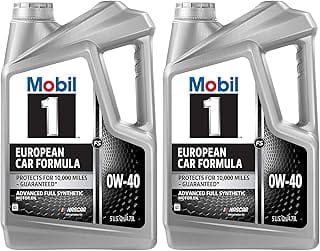
Full Synthetic: The gold standard for winter. Brands like Mobil 1, Pennz oil Platinum, and Shell Rotella use advanced formulations (often PAO or ester-based) that remain fluid at Arctic temperatures. They also resist oxidation, sludge buildup, and viscosity breakdown over time. Independent tests show full synthetics reach critical engine parts up to 50% faster than conventional oils during cold cranking.
Real-world proof? Consider a study by Consumer Reports that tracked identical vehicles in Minnesota—one using 5W-30 conventional, the other 0W-30 full synthetic. After three winters, the synthetic-powered engine showed 35% less sludge and smoother cold starts, even after sitting overnight at -25°F.
Top Recommended Oils for Extreme Cold Climates
Based on lab data, OEM approvals, and real-world user reports, here are consistently top-performing oils for extreme cold:
- Mobil 1 Advanced Full Synthetic 0W-20
Excellent cold-flow properties, API SP certified, and approved by GM, Ford, and Toyota for modern engines. Pour point: -51°F. - PennzoilPlatinumFull Synthetic 0W-20
Made from natural gas via Shell’s PurePlus technology, offering exceptional purity and low-temperature fluidity. Performs reliably down to -40°F. - Castrol EDGE 0W-30 (Full Synthetic)
Features Fluid TITANIUM technology for high-pressure protection and maintains viscosity stability in both extreme cold and heat. - Royal Purple High Performance Synthetic 0W-20
A premium option with additive packages that reduce friction and enhance cold-start lubrication beyond standard synthetics. - Valvoline Advanced Full Synthetic 0W-20
Budget-friendly without sacrificing cold-weather performance; meets ILSAC GF-6 standards for engine protection and fuel economy.
Remember: Always verify that your chosen oil meets the specifications listed in your owner’s manual (e.g., API SP, ILSAC GF-6, or OEM-specific codes like BMW LL-17 FE+ or GM dexos1 Gen 3). Using an oil that doesn’t meet these standards can void warranties or cause long-term issues.
Practical Winter Oil Tips: Beyond Just the Bottle
Choosing the right oil is crucial, but a few extra steps can maximize winter engine protection:
- Change oil before winter hits. Old oil accumulates moisture and contaminants that increase sludge risk in cold weather. Don’t wait until spring—swap it in late fall.
- Consider an engine block heater. In climates regularly below -20°F, a plug-in block heater keeps oil warm and fluid, ensuring instant lubrication. It’s a small investment that pays off in engine longevity.
- Avoid short trips in deep cold. If you only drive a mile to work and back, your engine never fully warms up, allowing moisture to mix with oil. Try to combine errands into longer drives once a week.
- Check oil level more frequently. Cold weather can increase oil consumption slightly, especially in older engines. Keep it topped off to maintain proper pressure.
- Don’t “warm up” your car for minutes. Modern engines warm faster under light load than at idle. Start driving gently after 30 seconds—this circulates oil more effectively than prolonged idling.
Frequently Asked Questions (FAQs)
Q: Can I use 5W-30 instead of 0W-20 in winter?
A: It depends on your climate and vehicle. In mild winters, 5W-30 may suffice, but for temperatures below -15°F, 0W-20 flows significantly better. Always follow your manufacturer’s recommendation—using a heavier oil than specified can increase wear during cold starts.
Q: Is synthetic oil really worth the extra cost in winter?
A: Absolutely. The superior cold-flow properties, sludge resistance, and extended drain intervals often offset the higher upfront price. Think of it as insurance for your engine.
Q: How often should I change oil in cold climates?
A: Stick to your manufacturer’s interval, but if you frequently take short trips in freezing temps, consider shortening it by 25%. Moisture doesn’t evaporate as easily, which can contaminate oil faster.
Q: Can the wrong oil damage my engine in winter?
A: Yes. Thick oil delays lubrication, causing dry starts that wear bearings, camshafts, and lifters. In extreme cases, it can lead to oil pump cavitation or even engine seizure.
Q: Do diesel engines need different oil in cold weather?
A: Yes. Many diesel oils (like Shell Rotella T6 5W-40) are formulated for soot handling and cold-flow, but always use one with the correct API CK-4 or FA-4 rating for your engine.
Q: What’s the lowest temperature my oil should handle?
A: Ideally, your oil’s pour point should be at least 20°F lower than your region’s record low. For most of the northern U.S. and Canada, 0W-rated synthetics are the safest bet.
Conclusion: Protect Your Engine Before the First Snowflake Falls
Conclusion: Details
Winter doesn’t announce its arrival with subtlety—it hits hard and fast. By the time you’re scraping ice off your windshield, it’s too late to rethink your oil choice. The best oil for cold weather isn’t about marketing hype or price tags; it’s about selecting a fluid engineered to flow when everything else freezes. Full synthetic, low-viscosity oils like 0W-20 or 0W-30 aren’t just upgrades—they’re essential tools for engine survival in extreme cold.
Take a few minutes this fall to check your manual, choose a trusted synthetic, and maybe even invest in a block heater if you live where the cold bites deep. Your engine will thank you with smooth starts, reduced wear, and years of reliable service. After all, in winter, the right oil doesn’t just keep your car running—it keeps you moving forward, no matter how low the temperature drops.