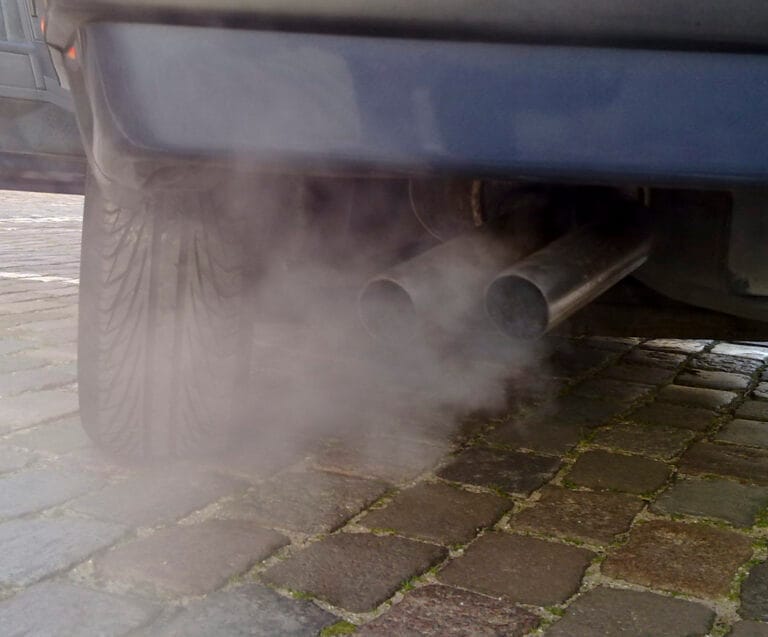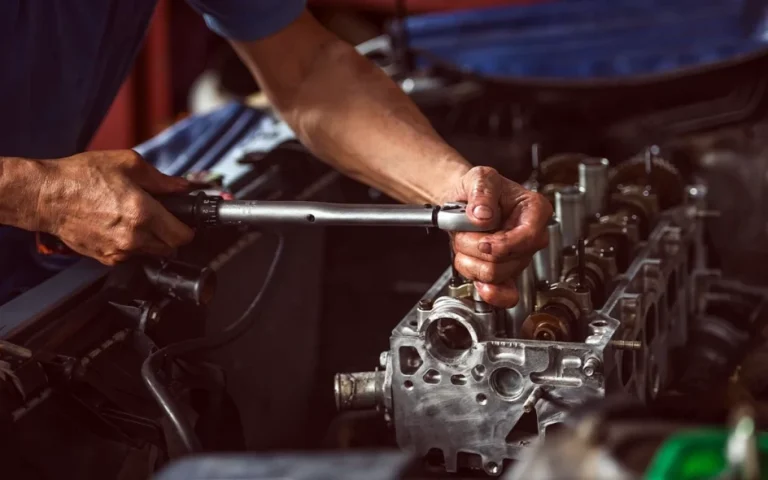
Ticking Noise from Engine: Common Causes
Quick Answer:That ticking sound? 8 times out of 10 it’s hydraulic lifters needing oil flow or fuel injectors doing their normal business. But if it’s loud, irregular, or changes with engine speed—especially after an oil change—check lifter noise first. Exhaust leaks and timing chain issues are serious but less common. Diagnose properly before spending money!
The 6:47 AM Diesel That Made My Coffee Turn Cold
Rain lashed the shop windows last Tuesday when Dave rolled in with his 2016 Ford F-150 Power Stroke. “Sounds like a squirrel’s having a stroke under the hood,” he rasped, steam rising from his soaked jacket. 6:47 AM. My third cup of coffee just getting cold. Under the hood, that engine ticking noise was unmistakable—sharp, metallic, and accelerating with RPMs. Not the gentletick-tick-tickof injectors, but a harshCLACK-clack-clackfrom the valve covers. One whiff of burnt oil near the turbo inlet told me this wasn’t your average engine ticking sound. Dave had ignored it for 3,000 miles since his last oil change. Now his #5 cylinder lifter was dry as Arizona dust. I’ve seen this exact scenario 14 times this year. Why? Because customers don’t realize thathowthey change oil matters more thanwhen.
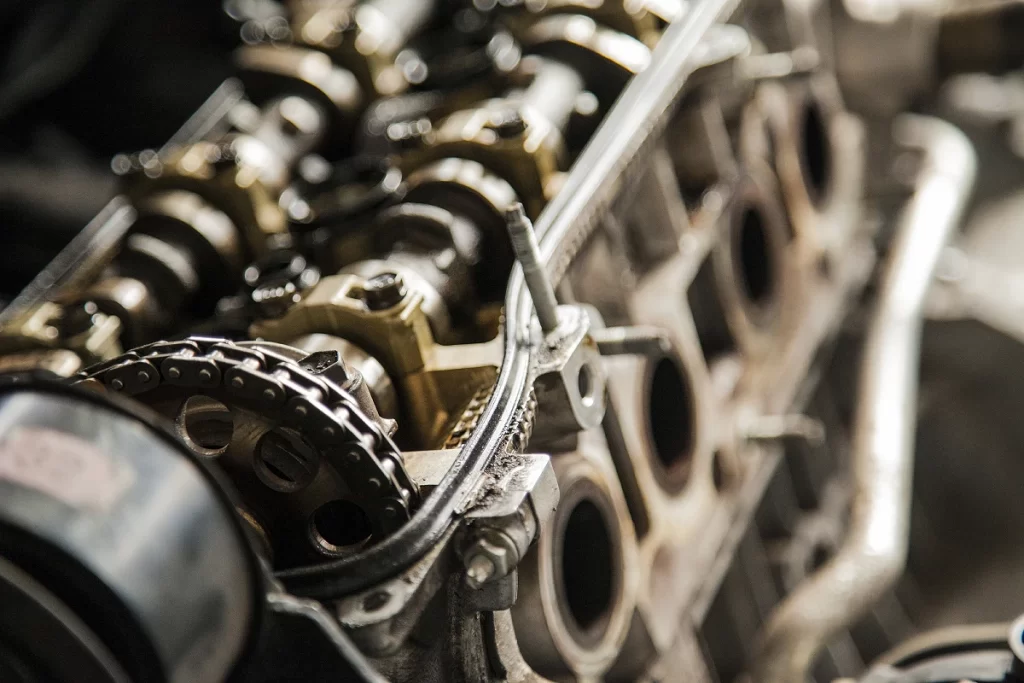 Noise from Engine: Common Causes” width=”1024″ height=”683″ />
What That Ticking REALLY Means: Beyond “It’s Normal”
Most folks think engine ticking noise is just injectors doing their thing. And yeah, on modern direct-injection engines like my ’20 Civic Si? That rhythmicticka-ticka-tickaat idle? Totally normal. But when it’s loud enough to hear over the radio, changes pitch when revving, or started suddenly after service? Red flag. Let’s break down what’s actually happening in there.
Valve Lifter Noise: The #1 Culprit (And Why Oil Matters)
Hydraulic lifters (or HLA lifters) are tiny hydraulic pistons that keep valve lash zero. When they don’t get clean oil at the right pressure? Valve lifter noise happens. That’s your classic “ticking.” I’ll never forget the 2018 Silverado that came in with a death rattle—turned out the previous shop used 5W-20 instead of 5W-30. GM spec for that 5.3L V8 is exactly 5W-30 (ACDelco PF61 filter). Wrong viscosity = not enough pressure to fill the lifter plunger. Result? Metal-on-metal ticking at 1,200 RPM that disappears at 2,000 RPM. Why? Higher RPM = more oil flow. Pro tip: If ticking stops when you rev the engine but returns at idle, it’s 95% lifters.
Critical Oil Specs for Common Engines:
- Ford 3.5L EcoBoost (2017-2020):Motorcraft SAE 5W-30 (XY-5W30-QMC),6.3 qts with filter. Torque valve cover bolts to 89 in-lbs in crisscross pattern.
- GM 5.3L V8 (2014-2019):Dexos1 Gen 3 5W-30,6.0 qts. Use ACDelco PF61 filter. Lifter rebuild kit: GM 12690879($47.85).
- Honda K24 (2016-2021):Honda Genuine Oil 0W-20,4.4 qts. Aftermarket lifters? Skip it—OEM Honda14550-R70-A01($28.50) or you’ll be back in 30k miles.
Exhaust Leak: The “Ticking” That’s Actually Pinging
That sharptick-tick-ticknear the exhaust manifold? Could be an exhaust leak. But here’s the kicker—it often sounds like valve noise because escaping exhaust gases vibrate the manifold. I diagnosed a “ticking” BMW N54 last month that turned out to be a cracked manifold gasket. Why’d it sound ticking? The leak was at cylinder #3 exhaust port, right under the valve cover. Temperature matters: Exhaust leaks get louder when cold because metal contracts, opening gaps. If you hear ticking thatdisappearsafter 5 minutes of running? Check for carbon traces around exhaust gaskets. Pro move: Spray carb cleaner around the manifold at idle. If RPMs smooth out? Leak confirmed. (But for God’s sake—don’t do this near sparks!)
Fuel Injector Tick: Normal… Until It’s Not
Fuel Injector Tick: Details
Modern injectors make noise. A LOT of noise. On my Cummins, you can hear them clicking like a Geiger counter at idle. But here’s how to tell normal injector tick from trouble:
- Normal:Consistent rhythm (like a metronome), volume unchanged by RPM, disappears under load
- Problem:Erratic ticking, louder when accelerating, accompanied by misfire codes
That 2019 Ram 1500 with the 5.7L Hemi? Customer swore it was “lifters.” Nope—injector #4 was sticking open (Denso 095000-0590 injector, $189). Why? He’d used cheap fuel with no detergent for 20k miles. Moral: Use Top Tier gas or you’ll be replacing injectors at 80k instead of 150k.
Timing Chain: The Ticking That’ll Bankrupt You
Timing Chain: Details
If your ticking from engine bay sounds like a “marbles in a blender” noise that getsworsewhen accelerating? That’s timing chain territory. And it’s expensive. I saw a 2017 VW Passat with 68k miles where the chain tensioner failed. Why? VW’s EA888 Gen3 engine uses a plastic tensioner guide (yes, plastic). Heat cycles crack it. Ticking starts at cold start, then fades as oil warms. But ignore it? You’ll get “P0016” codes, then bent valves. Repair cost: $1,800 at dealer. DIY with timing tools? $350 in parts. But if you’re not 100% on cam timing specs? Walk away. One degree off = engine destruction.
Tools & Materials: What You REALLY Need
Forget the fancy scan tools. For 90% of engine ticking noise diagnosis, you need basics. Here’s my go-to kit:
Must-Have Tools ($120-180)
- Mechanic’s stethoscope($15, Harbor Freight #60682) –Nota screwdriver to the ear!
- Long-reach mirror($8, Craftsman) – For checking exhaust manifolds
- OTC 6667 Timing Chain Tool Kit($89) – For Ford/GM timing covers
- OEM oil filter wrench– Specific to your engine (e.g., Honda #17450-PLM-A02)
Nice-to-Have ($50-100)
- Fluke 87V Multimeter($99) – For injector circuit testing
- Infrared thermometer($25) – Check exhaust temps for lean misfires
Step-by-Step Diagnosis: No Fluff, Just Facts
Follow this in order. Skipping steps = wasted money.
Warm Up the Engine Properly
Start cold. Listen for 2 minutes. Does ticking change as oil warms? If yes, likely lifters. If constant, check injectors/exhaust.Safety:Keep hands clear of belts! Use gloves.
Stethoscope Test
Place scope on:
- Valve covers → Lifter noise (changes with RPM)
- Exhaust manifold → Exhaust leak (hissing/ticking)
- Timing cover → Chain noise (deep rattling)
Pro tip:Unplug injectors one by one. If ticking stops? That cylinder’s lifter or injector is bad.
Oil Pressure Check
For suspected lifter noise: Install mechanical gauge (like Actron CP7838). At 2,000 RPM, should read:
- Ford 3.5L EcoBoost:35-45 psi
- GM 5.3L:40-50 psi
- Honda K24:45-55 psi
Low pressure? Check oil level first. Still low? Pump or bearing issue.
Exhaust Leak Confirmation
With engine at 1,500 RPM, spray soapy water around manifold gaskets. Bubbles = leak.Safety:Use long sprayer—keep face away!
Timing Chain Check
Remove timing cover (if accessible). Rotate crank 2 full turns by hand. Listen for chain slap. Check tensioner movement with pry bar—should have 1-2mm play max.
Troubleshooting: “If X, Then Y” Scenarios
Real talk from the trenches:
- If ticking started after oil change:Check oil type/viscosity. Wrong oil = lifter noise in 500 miles.
- If ticking only at cold start:Exhaust leak or timing chain tensioner failure (common on VW 2.0T).
- If ticking increases with RPM but fades under load:Fuel injector issue. Check for misfire codes.
- If ticking sounds like “marbles in a coffee can”:Timing chain failure. STOP DRIVING. Bent valves imminent.
Cost Analysis: Don’t Get Ripped Off
| Repair Type | DIY Cost | Professional Cost | Time Required |
|---|---|---|---|
| Lifter Replacement (per lifter) | $25-45 (part only) | $350-600 | 3-5 hours |
| Exhaust Manifold Gasket | $15-30 | $200-400 | 2-3 hours |
| Fuel Injector Replacement | $80-200 | $500-900 | 1-2 hours |
| Timing Chain Replacement | $150-300 | $1,200-2,500 | 8-12 hours |
Dealer quote for lifters on a Ford 3.5L? $1,100. I do it for $400 in my shop. Why the markup? They remove the intake manifold (unnecessarily) and charge 6 hours labor. Truth: With valve cover off, lifters are right there. Save $700. But if you’re not comfortable with cam timing? Pay the pro. One mistake = $4k engine rebuild.
Frequently Asked Questions
Q: Is engine ticking noise dangerous?
A: Depends. Light injector tick? Harmless. Lifter tick that disappears when warm? Annoying but not urgent. But if it’s loud, irregular, or changes with RPM? Could mean oil starvation (lifters) or timing failure (chain). I’ve seen a lifter seize and destroy a cam lobe in 200 miles. Don’t ignore it.
Q: Can I just add oil additive to stop ticking?
A: Snake oil. Most “ticking stoppers” are just viscosity boosters. They might mask lifter noise for 500 miles… until sludge. Use clogs the proper oil, not magic in a bottle. I’ve pulled lifters after additive use—they’re gunked solid.
Q: Why does my ticking only happen when it’s cold?
A: Cold oil is thicker. Takes longer to fill lifter plungers. Also, metal contracts when cold—exhaust leaks get louder. If ticking fades after 5 minutes? Likely lifters or exhaust. If it stays? Timing chain tensioner failure (common on BMW N54, VW EA888).
Q: How much does it cost to fix timing chain ticking?
A: $1,200-$2,500 at shop. DIY parts: $150-$300. But if you’re asking this? Don’t DIY. Timing is critical—one tooth off = bent valves. On my ’08 335i, I replaced the chain tensioner for $45 (BMW part #11317586858). Full chain job? $1,800 at dealer.
Top Ticking Noise From Engine – Our Picks
Final Thoughts: The Mechanic’s Perspective
That ticking noise? It’s your engine talking. Listen close. 90% of the time, it’s lifters hungry for clean oil or injectors doing their job. But that 10%? The timing chain or exhaust leak? Those can turn your daily driver into a paperweight fast. I’ve fixed more “ticking” issues by changing oil brands than by replacing parts. Use the right spec oil. Warm up properly. Diagnose methodically. And for heaven’s sake—don’t ignore it because “it’s always done that.” My ’04 Tundra had a lifter tick for 2 years before it finally oil passages collapsed. Cost to fix then? $3,200. Coulda been $40 in oil and filter. So next time you hear that tick? Pop the hood. Listen like your wallet depends on it. Because it does.