Low Oil Pressure: Diagnosis and Fixes
Understanding Oil Pressure: What’s Actually Happening Inside Your Engine
Before we dig into diagnosis, you need to understand what oil pressure actually means. I’ve had customers think it’s about how much oil is in the engine—it’s not. Oil pressure is the force pushing oil through tiny passages to lubricate bearings, camshafts, and cylinder walls. Think of it like blood pressure in your body. You can have a full tank of blood, but if your heart isn’t pumping it effectively, your organs fail.
Your engine’s oil pump creates pressure by forcing oil through increasingly narrow passages. The oil starts in the pan, gets sucked up through a pickup tube with a screen, then pressurized by the pump (either gear-type or gerotor-style), and forced through the oil filter. From there, it travels through galleries—basically drilled passages inside the engine block—to reach crankshaft bearings, camshaft bearings, and valve train components.
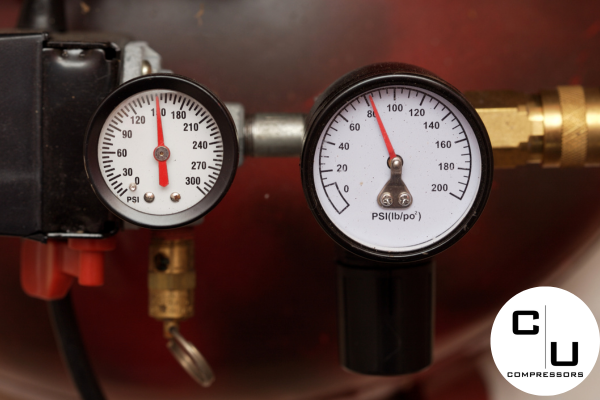
Normal pressure varies by engine design and temperature. A typical passenger car should show 25-30 PSI at hot idle (around 180-210°F oil temperature) and 50-65 PSI at 2,000-3,000 RPM. Some high-performance engines run 40-50 PSI at idle, while certain older V8s might show 15-20 PSI when fully warmed up and still be fine. Check your service manual for exact specs.
The Six Main Causes of Low Oil Pressure
In 15 years of turning wrenches, I’ve traced low oil pressure to these six culprits about 95% of the time. Understanding which one you’re dealing with determines whether you’re looking at a $15 fix or a $5,000 nightmare.
1. Low Oil Level (40% of Cases)
This is the obvious one, but you’d be shocked how many people ignore it. I had a woman drive her 2015 Honda Accord for 8,000 miles past her oil change because “it wasn’t making noise yet.” The dipstick showed two quarts low. She got lucky—we changed the oil, and the pressure came right back.
Oil level drops from burning (worn piston rings or valve seals), external leaks (gaskets, seals), or just not checking it between changes. Modern engines with variable valve timing and turbochargers can consume a quart every 1,000 miles and still be within “normal” specs according to manufacturers. If you’re dealing with [engine oil burning](engine-oil-burning), you need to check your level weekly.
How to check properly:Park on level ground, shut the engine off, wait five minutes for oil to drain back to the pan, then pull the dipstick, wipe it clean, reinsert it fully, and pull it again. The oil should be between the MIN and MAX marks. If it’s below MIN, add oil immediately.
2. Oil Pump Failure (25% of Cases)
Oil pump failure is the diagnosis everyone fears because it usually means dropping the oil pan or pulling the timing cover, depending on the engine. I’ve seen oil pumps fail as early as 60,000 miles (looking at you, Chrysler 3.6L Pentastar) and as late as 300,000 miles on Toyota 2JZ engines.
Pumps fail for several reasons. The internal gears wear down, creating excessive clearance that drops pressure. The pressure relief valve sticks open, bypassing oil back to the pan instead of to the engine. The pickup tube o-ring cracks, sucking air instead of oil. Or—this one’s nasty—the pickup screen clogs with sludge, starving the pump.
Symptoms of oil pump failure include low pressure across all RPM ranges, not just at idle. If your pressure gauge shows 10 PSI at idle and only climbs to 25 PSI at 3,000 RPM, your pump isn’t building pressure. A good pump should nearly double the pressure from idle to cruising speed.
3. Worn Engine Bearings (20% of Cases)
This is the one that keeps mechanics up at night because it means the engine is dying. Bearings are thin shells of soft metal (usually copper-lead or aluminum-tin alloy) that sit between the crankshaft journals and the connecting rods or main bearing caps. They’re designed with tight clearances—typically 0.0015″ to 0.0030″ on most engines.
As bearings wear, those clearances open up. Instead of maintaining pressure to force oil through the tight gap, the oil takes the path of least resistance and dumps through the worn bearing, spilling back into the pan. It’s like trying to water your garden with a hose full of holes.
You’ll know it’s bearings when you hear [engine knocking noise](engine-knocking-noise) along with low pressure. The knock is loudest on cold startup and gets quieter as oil warms up and thins out. Rod bearing knock is a sharp, rapid tapping that increases with RPM. Main bearing knock is a deeper, slower thud. Either one means you’re on borrowed time.
I once had a customer bring in a 2008 BMW 335i with 140,000 miles and 8 PSI at idle. Started it up, and it sounded like a diesel with marbles in the cylinders. Dropped the pan, pulled a bearing cap, and the bearing shell literally fell out in two pieces. The crank journal was scored 0.020″ deep. That’s a $12,000 engine replacement versus the $800 he should have spent on oil changes.
4. Faulty Oil Pressure Sensor (10% of Cases)
This is the best-case scenario because it means nothing’s actually wrong with your engine. The oil pressure sensor (also called a sending unit) is a variable resistor that changes electrical signal based on oil pressure. They fail constantly, especially on GM vehicles.
A failing sensor gives erratic readings. The gauge might drop to zero at idle, then jump to normal at 1,500 RPM. Or it might show zero while the engine sounds perfectly healthy. I’ve replaced hundreds of these, and they’re usually $25-$75 parts that take 10 minutes to swap.
Here’s how to verify: Pull the sensor out and install a mechanical oil pressure gauge—the kind with a physical tube and dial. These run $40 at AutoZone. If the mechanical gauge shows normal pressure while your dash gauge shows zero, replace the sensor and celebrate that you dodged a bullet.
5. Using Wrong Oil Viscosity (3% of Cases)
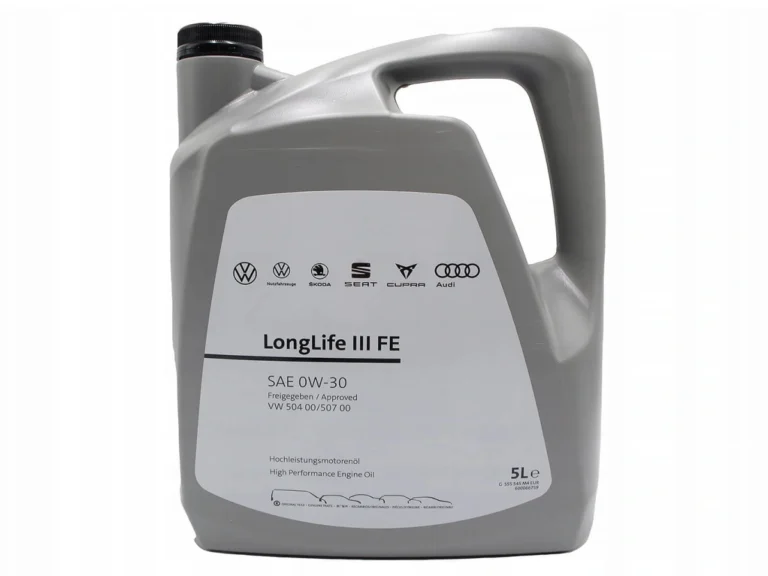
This one sneaks up on DIYers who think all oil is the same. It’s not. Your engine is designed for a specific viscosity, and using the wrong one—especially too thin—can drop pressure significantly.
Viscosity is the oil’s thickness. 5W-30 means it flows like a 5-weight oil when cold (the “W” is for winter) and has the thickness of 30-weight at operating temperature. If your engine calls for 5W-30 and you put in 0W-20 (thinner), the oil might flow through bearing clearances too quickly, dropping pressure by 5-10 PSI.
I see this a lot with people who buy cheap oil at Walmart without checking specs. They grab whatever’s on sale, dump it in, and wonder why the oil light flickers at stoplights. Modern turbocharged engines are especially sensitive—a VW 2.0T TSI that gets 0W-20 instead of the specified 5W-40 will have pressure issues within 1,000 miles.
The flip side: using too thick oil (like 20W-50 in an engine specced for 5W-30) won’t improve pressure. It’ll just make the pump work harder, reduce fuel economy, and potentially starve the engine of oil during cold starts when the thick oil won’t flow.
6. Oil Leaks Causing Pressure Loss (2% of Cases)
Massive oil leaks can drop pressure, though you’d usually notice the puddle in your driveway first. I’m talking about leaks that dump a quart in 500 miles. Common sources include the rear main seal, valve cover gaskets, oil pan gasket, or—on older vehicles—the oil pressure sending unit itself.
One memorable case: a 2005 Ford F-150 5.4L came in with 5 PSI at idle and oil everywhere under the hood. Turned out the oil filter adapter housing (a common failure point on these engines) had cracked, and it was spraying oil all over the engine bay. Lost three quarts in 20 minutes of driving. $300 for a new adapter housing and gaskets, problem solved.
How to Diagnose Low Oil Pressure: Step-by-Step
Don’t start throwing parts at the problem. Follow these steps in order, and you’ll find the cause without wasting money.
1Verify the Problem is Real
If you’re seeing low pressure on your dash gauge or the [oil pressure warning light](oil-pressure-warning-light) is on, don’t trust it yet. Dash gauges—especially analog ones—are notoriously inaccurate. Many are just dummy gauges that show “normal” unless the ECU detects a fault.
Install a mechanical oil pressure gauge in place of the electrical sensor. This is your ground truth. Most engines have the sensor on the side of the block or near the oil filter. Unscrew it (watch for oil spillage), thread in an adapter fitting, and attach your gauge.
Start the engine and check pressure at idle (should be 20-30 PSI hot) and at 2,500 RPM (should be 50-65 PSI). If the mechanical gauge reads normal, you’ve got a sensor or wiring issue. If it reads low, you’ve got a real problem.
Time required:20 minutes
2Check Oil Level and Condition
Pull the dipstick with the engine off. If it’s low, add oil to the full mark and recheck pressure. If that fixes it, congratulations—you found an easy one. But don’t stop there. Figure out why it was low. Check for leaks, look for blue smoke from the exhaust (burning oil), or check maintenance records.
Also check the oil’s condition. Fresh oil is amber-colored. If it’s black and thick, it’s overdue for a change. If it’s milky brown, you’ve got coolant contamination (head gasket or oil cooler failure). If it smells like gasoline, fuel is diluting it (injector leak or excessive idling on a direct-injection engine).
Time required:5 minutes
3Inspect for External Leaks
Get the car on ramps or jack stands and look underneath. Common leak points: oil pan gasket, rear main seal area, valve covers, oil filter housing, oil cooler lines. Use a UV dye kit if needed—add the dye to the oil, drive 50 miles, then use a UV light to spot leaks.
A slow leak won’t cause immediate pressure loss, but if you’re losing a quart every 500 miles and not topping off, you’ll eventually run low enough to drop pressure.
Time required:15-30 minutes
4Listen for Engine Noise
With the engine running at idle, listen closely. Rod bearing knock is a sharp ticking that speeds up with RPM. Main bearing knock is a deeper, rhythmic thud. Worn camshaft bearings make a tapping noise from the valve cover area. If you hear any of these, you’re looking at internal engine damage.
No noise is good news—it likely means you caught the problem early, or it’s just a sensor/pump issue rather than worn bearings.
Time required:5 minutes
5Check Oil Viscosity and Change Interval
Pull up your maintenance records. When was the last oil change? What oil was used? If it’s been 10,000+ miles and you’re running conventional oil, it’s broken down and thinned out. If someone used 0W-20 in an engine that calls for 5W-30, that’s your smoking gun.
Do a fresh oil change with the correct grade and quality oil. I recommend full synthetic for any engine over 75,000 miles. Use the viscosity specified in your owner’s manual—not what the quick-lube place wants to sell you.
Time required:45 minutes
6Test the Pressure Relief Valve
This is advanced diagnosis, but if you’ve eliminated everything else, the pressure relief valve in the oil pump might be stuck open. This valve prevents overpressurization by dumping excess oil back to the pan above a certain PSI (usually 60-80 PSI).
If it sticks open, oil bypasses the engine even at low RPM. You can sometimes test this by revving the engine to 3,000+ RPM and watching the mechanical gauge. If pressure doesn’t increase proportionally, the relief valve is suspect.
Some pumps have external relief valves you can remove and clean. Others are internal, meaning pump replacement. Check your service manual.
Time required:Variable (15 minutes to test, 4-6 hours to replace)
7Drop the Oil Pan and Inspect
If you’ve reached this point and still have low pressure with no obvious cause, it’s time to drop the pan. You’re looking for sludge buildup on the pickup screen, a cracked pickup tube, bearing material in the pan, or a worn oil pump.
Sludge is thick, black crud that forms when oil breaks down. If the pickup screen is clogged with it, the pump is starving for oil. Clean everything, replace the pan gasket, refill with fresh oil, and retest. I’ve saved several engines this way.
If you find metal shavings or chunks of bearing material, the engine is done. Time for a rebuild or replacement.
Time required:3-4 hours
Tools and Materials You’ll Need
Essential Tools:
- Mechanical oil pressure gauge kit– $35-$60 (OTC 5606 or equivalent)
- Socket set– 10mm to 19mm (oil pan bolts, filter housing)
- Torque wrench– ¼” drive for sensor, ½” drive for pan bolts
- Oil drain pan– 8-quart minimum capacity
- Jack and jack stands– 3-ton rated minimum
- Oil filter wrench– adjustable or specific to your filter size
- Shop rags and degreaser– for cleanup
Nice to Have:
- UV dye kit for oil leaks– $25 (Tracer Products TP-8657)
- Borescope camera– $30-$100 (inspect oil passages without full teardown)
- Oil pressure adapter fittings– $15 (for test gauge installation)
- Digital multimeter– $25 (test sensor resistance)
Materials:
- Engine oil– 5-6 quarts (check capacity); use manufacturer-specified grade
- Oil filter– OEM or quality aftermarket (Wix, Mobil 1, K&N)
- Oil pressure sensor– $25-$75 (if faulty)
- Thread sealant– Permatex 56521 for sensor threads
Fixing Low Oil Pressure: Solutions by Cause
Simple Fixes (Under $100)
Replace the Oil Pressure Sensor:If diagnosis shows the sensor is bad, this is a 10-minute job. Locate the sensor (usually near the oil filter or on the engine block), disconnect the electrical connector, unscrew with a deep socket (usually 24mm or 1-1/16″), apply thread sealant to the new sensor, and torque to spec (usually 12-18 ft-lbs—check your manual). Parts: $25-$75. Labor: $80-$150 at a shop.
Top Off Low Oil:If you’re just low, add the correct grade oil to bring level to full. But investigate why it’s low. Burning oil? Fix it properly before it becomes a pressure issue. Leaking? Repair the leak. Cost: $8-$30 for oil.
Change to Correct Viscosity:Drain the wrong oil, refill with the right grade. I’ve seen this fix pressure issues dozens of times. Cost: $40-$80 for synthetic oil change.
Moderate Fixes ($100-$500)
Replace Oil Pump:Pump replacement complexity varies wildly by engine. On a Chevy LS engine, the pump is inside the oil pan—drop the pan, unbolt the pickup tube, remove two bolts holding the pump, and bolt in the new one. Total time: 3-4 hours.
On a Ford 5.4L Triton or similar overhead-cam engine, the pump is driven by the timing chain behind the timing cover. You’re pulling the radiator, water pump, front accessories, timing cover, and chain. That’s 8-10 hours of labor.
Parts cost: $120-$300 for a quality pump (Melling, Sealed Power, or OEM). Shop labor: $400-$1,200 depending on design. DIY cost: $150-$350 in parts plus a weekend.
Clean Sludged Engine:If the pickup screen is clogged but the engine isn’t damaged, drop the pan, clean everything thoroughly, replace the gasket, and refill with high-quality synthetic oil. Run an engine flush product (BG EPR or Liqui Moly Engine Flush) before draining. Parts: $60-$120. Labor: 4-5 hours DIY.
Major Fixes ($2,000-$7,000)
Bearing Replacement:Worn bearings mean pulling the engine apart. Main bearings require removing the crankshaft. Rod bearings are easier but still involve pulling the oil pan and unbolting connecting rods.
Unless you’re an experienced engine builder, this isn’t a DIY job. Machine shop work is required to measure bearing clearances, check for crank journal wear, and possibly resize journals. Cost: $1,500-$3,500 for a professional bearing job with machine work.
Engine Replacement:If bearings are toast and the crank is scored, you’re looking at a full engine. Used engines run $1,500-$4,000 depending on mileage and availability. Rebuilt engines with warranty: $3,000-$6,000. Installation labor: $800-$1,500. Total: $3,000-$8,000.
I hate giving customers this news, but sometimes it’s the reality. A 2008 GM 5.3L with 200,000 miles and rod knock isn’t worth rebuilding. Find a low-mileage junkyard motor for $2,200, spend $1,000 to swap it, and you’re back on the road.
Cost Breakdown: DIY vs Professional
Oil Pressure Sensor Replacement:
- DIY Cost:$25-$75 (sensor) + $8 (thread sealant) = $33-$83 total
- Shop Cost:$120-$220 (parts + labor)
- Time Required:15 minutes DIY, 0.5-1.0 hours shop
- Savings:$87-$137
Oil Pump Replacement (Front-Mounted):
- DIY Cost:$180-$400 (pump, gaskets, oil, coolant if applicable)
- Shop Cost:$800-$1,800 (varies by engine design)
- Time Required:6-10 hours DIY, 4-8 hours shop
- Savings:$400-$1,400
Oil Pump Replacement (Pan-Mounted):
- DIY Cost:$150-$250 (pump, pan gasket, oil)
- Shop Cost:$500-$900
- Time Required:3-4 hours DIY, 2-3 hours shop
- Savings:$250-$650
Complete Oil Change (Wrong Viscosity Fix):
- DIY Cost:$45-$75 (synthetic oil + filter)
- Shop Cost:$70-$120
- Time Required:30 minutes DIY, 30 minutes shop
- Savings:$25-$45
Troubleshooting Common Problems
Problem: Pressure drops only at idle, normal at higher RPM
This usually indicates worn bearings creating excessive clearance. When RPM increases, the pump pushes more oil volume through, temporarily masking the clearance issue. If you’re seeing 10 PSI at idle but 45 PSI at 2,000 RPM, start planning for bearing work. It’ll only get worse.
Problem: Pressure is low across all RPM ranges
This points to oil pump failure or severely clogged pickup screen. The pump can’t generate enough volume regardless of speed. Check oil level first, then drop the pan to inspect the pickup and pump.
Problem: Pressure fluctuates randomly
Nine times out of ten, this is a failing sensor. The electrical connection corrodes, or the internal resistor breaks down. Replace the sensor, clean the connector with electrical contact cleaner, and apply dielectric grease.
Problem: Low pressure after oil change
You either used the wrong viscosity, installed a low-quality filter that’s restricting flow, or didn’t fill to the proper level. Verify the oil grade matches spec, check the dipstick, and consider the filter quality. I’ve seen cheap filters cause 5-10 PSI drops because their bypass valves open too easily.
Problem: Pressure drops when engine gets hot
Oil thins as it heats up, which is normal. But excessive pressure drop when hot (falling below 15 PSI at idle) indicates worn bearings. The clearances grow with heat, and thin oil flows through them too easily. This is often the first sign of impending bearing failure.
Preventing Future Oil Pressure Problems
I’ve seen engines with 300,000 miles that never had pressure issues, and I’ve seen engines fail at 80,000 miles. The difference? Maintenance discipline and driving habits.
Use Quality Oil and Change It Regularly:Full synthetic every 5,000-7,500 miles is my recommendation, regardless of what the manual says about 10,000-mile intervals. Modern direct-injection engines dilute oil with fuel during cold starts. Turbocharged engines cook oil at higher temps. Don’t cheap out—Mobil 1, Pennz oil Platinum, or Castrol Edge are proven performers.
Check Your Oil Level Weekly:Takes 60 seconds. Pull the dipstick every Sunday morning, and you’ll catch developing problems before they kill your engine. I check mine every time I fill up with gas—it’s become habit.
Use Quality Filters:OEM filters are engineered for your specific engine. Aftermarket alternatives: Wix 51515XE, Mobil 1 M1-110A, or K&N HP-1010 are all solid choices. Avoid the $3 filters at discount stores—they use cardboard end caps that deteriorate and cheap media that restricts flow.
Warm Up Properly:Modern engines don’t need five minutes of idling, but they do need gentle driving for the first mile or two. No full-throttle acceleration until the oil temp hits 180°F. Cold oil is thick—it doesn’t flow well through tight bearing clearances, causing wear every time you floor it from a cold start.
Address Leaks Immediately:That drip under your car isn’t “just a small leak.” You’re losing oil, and eventually you’ll be a quart low without realizing it. Fix valve cover gaskets when they seep, replace oil pan gaskets when they weep, and don’t ignore rear main seal leaks.
FAQ: Your Low Oil Pressure Questions Answered
Can I drive with low oil pressure?
Absolutely not. Driving even one mile with genuinely low oil pressure (below 15 PSI) can cause catastrophic bearing damage. I’ve seen engines grenade after five minutes of low-pressure operation. If your oil light comes on or your gauge drops into the danger zone, pull over immediately, shut off the engine, and diagnose the problem before driving further.
Exception: If it’s just a faulty sensor (confirmed with a mechanical gauge) and actual pressure is normal, you can drive while you source a replacement sensor. But verify this with real testing first, not assumptions.
How much does it cost to fix low oil pressure?
The range is massive: $30 for a sensor replacement to $7,000 for an engine rebuild. Most common fixes fall into three categories:
- Sensor replacement: $120-$220 at a shop, $30-$75 DIY
- Oil pump replacement: $500-$1,800 depending on engine design
- Engine bearing work: $2,000-$4,000 for professional repair
The key is catching it early. A $200 sensor job becomes a $5,000 engine replacement if you ignore the warning signs and keep driving.
Will thicker oil fix low oil pressure?
Maybe temporarily, but it’s masking the problem, not fixing it. If you’re running 5W-30 and switch to 10W-40 or 20W-50, you’ll see pressure increase because thicker oil doesn’t flow through worn bearing clearances as easily. But you’re not addressing the underlying wear.
I’ve used this as a temporary band-aid on high-mileage vehicles where the customer can’t afford a rebuild yet, but I’m clear about what we’re doing: buying time, not fixing the engine. And thicker oil causes other problems—harder cold starts, reduced fuel economy, potential oil starvation in tight passages designed for thinner oil.
If your engine calls for 5W-30, use 5W-30. If pressure is low, diagnose the actual cause rather than playing viscosity games.
How do I know if my oil pump is bad?
Install a mechanical pressure gauge and check pressure at idle and at 2,500 RPM. A healthy pump should show at least 20 PSI at idle (when hot) and 50-65 PSI at cruising speed. If you’re seeing 15 PSI at idle and only 30 PSI at 2,500 RPM, the pump isn’t generating adequate pressure.
Also check for debris in the oil. Metal shavings mean something’s coming apart (likely the pump gears). Listen for noise from the timing cover area on engines with chain-driven pumps—a failing pump sometimes whines or rattles.
What happens if I ignore low oil pressure?
Your engine will fail, usually catastrophically. Without adequate oil pressure, bearings run dry and weld themselves to the crankshaft or connecting rods. When that happens, you get either a seized engine (which stops running immediately) or a thrown rod (which punches a hole through your engine block).
I had a customer ignore a flickering oil light for two weeks. The engine seized at 60 mph on the highway—instant lockup, no warning. The sudden deceleration caused a three-car pileup. Total damages: $18,000, plus potential liability for the accident. All to save $200 on a sensor or pump repair.
Low oil pressure isn’t like a worn brake pad or a bad oxygen sensor where you have time to procrastinate. It’s a kill-your-engine-right-now emergency.
Can a dirty oil filter cause low pressure?
Technically yes, but modern filters have bypass valves that prevent this. When the filter media gets clogged, the bypass opens and sends unfiltered oil to the engine rather than starving it completely. You’ll get dirty oil circulating, but pressure stays relatively normal.
The exception: if you’re using an extremely cheap filter with a poorly designed bypass, or if the bypass valve sticks closed, you can get flow restriction that drops pressure 5-10 PSI. But this is rare. If your pressure is genuinely low, don’t blame the filter—look deeper.
That said, change your filter every oil change with a quality unit. I’ve cut open hundreds of used filters, and the amount of metal and carbon trapped in a filter after 5,000 miles is shocking. That’s debris that would otherwise be grinding away at your bearings.
Is 20 PSI at idle too low?
It depends on your engine and oil temperature. For most modern engines with the correct oil weight and fully warmed up (180-210°F), 20 PSI at idle is the minimum acceptable pressure. Some engines run 25-30 PSI at idle, others sit at 15-20 PSI and are within spec.
Check your service manual for exact specifications. On a Honda K-series engine, 20 PSI at idle is perfect. On a Chevy LS3, I’d want to see 25+ PSI. On an old Ford 302 V8, 15 PSI at hot idle was factory spec.
If you’re at 20 PSI and the manual says minimum is 18 PSI, you’re fine but getting close to the limit. Monitor it, and if it drops to 15 PSI, start investigating before it becomes an emergency.
Should I use high-mileage oil for oil pressure problems?
High-mileage oil (like Castrol GTX High Mileage or Valvoline MaxLife) contains seal conditioners and slightly higher viscosity to help older engines. The seal conditioners can reduce oil consumption by rejuvenating hardened gaskets and seals. The viscosity modifiers help maintain pressure in worn engines.
Will it fix low oil pressure? Not if your bearings are worn or your pump is failing. But if your engine has 150,000+ miles and you’re seeing slightly lower pressure than when it was new (say, 25 PSI instead of 30 PSI at idle), high-mileage oil might bring you back into the normal range.
I use high-mileage synthetic in my personal truck at 180,000 miles. It costs $5 more per oil change than regular synthetic, and my pressure gauge sits exactly where it did at 100,000 miles. Worth it for the peace of mind.
Top Low Oil Pressure – Our Picks


Real-World Examples from the Shop
The 2014 Jeep Grand Cherokee 3.6L:Customer complained of a ticking noise and low pressure at idle. Mechanical gauge showed 12 PSI hot idle, 38 PSI at cruise. Dropped the pan, found the pickup tube o-ring had completely disintegrated. The pump was sucking air instead of oil. New o-ring, fresh gasket, five quarts of Pennz oil Platinum, pressure came back to 28 PSI idle, 62 PSI cruise. Total cost: $180 in parts, 3.5 hours labor. Saved them from a $1,200 pump job.
The 2008 Toyota Camry 2.4L:Came in with the oil light on, customer had been driving it for a week thinking it was “just a sensor.” It was—sort of. The sensor had failed and was reading zero pressure. But when I checked the actual level, it was two quarts low from burning oil past worn valve seals. Replaced the sensor ($68), topped off the oil, explained she needed to check level weekly and budget for a valve seal job. Three months later she came back with rod knock. Didn’t check the oil, ran it low again, destroyed the bearings. $4,200 for a used engine swap.
The 2016 Ford F-150 3.5L EcoBoost:72,000 miles, customer reported fluctuating pressure readings. One day it’d show normal, next day zero at startup, then normal again after 10 seconds. Classic failing sensor on these trucks. New sensor ($54 at RockAuto), 12 minutes of work, problem solved. But I also found the oil was 3,000 miles overdue and black as tar. These turbocharged direct-injection engines are brutal on oil. Convinced him to move from 7,500-mile changes to 5,000-mile intervals with full synthetic. Haven’t seen him back with problems.
The 2006 Honda Civic 1.8L:220,000 miles, pressure dropped to 8 PSI at idle. Customer was devastated—this was her college car, immaculate maintenance records, never missed an oil change. Dropped the pan expecting the worst, found a completely clogged pickup screen. Previous owner (she bought it used at 140,000 miles) had clearly skipped changes. The sludge buildup was incredible—like black peanut butter coating everything.
Spent four hours cleaning the pan, pickup tube, and pump. Changed to Mobil 1 High Mileage 5W-30, ran BG EPR flush treatment, changed again after 500 miles. Pressure came back to 22 PSI idle, 55 PSI cruise. That was 30,000 miles ago, and she’s still driving it. Sometimes you get lucky.
Conclusion: Don’t Gamble with Oil Pressure
Low oil pressure is your engine’s final warning before catastrophic failure. Unlike a check engine light that might indicate an emissions sensor, or a tire pressure warning that gives you hundreds of miles to respond, oil pressure problems give you minutes—maybe hours if you’re lucky.
The good news: roughly 50% of low oil pressure cases are simple fixes—sensors, wrong oil viscosity, or just running low on oil. These cost under $200 to resolve. Another 25% are oil pump issues that run $500-$1,200 but save your engine. It’s that remaining 25%—the worn bearings and internal damage cases—that get expensive, and those usually result from ignoring early warning signs.
From a mechanic’s perspective, I’d rather do ten sensor replacements than one engine swap. If your pressure gauge drops, your oil light illuminates, or you hear unusual engine noise, stop driving immediately. Spend the $40 on a mechanical pressure gauge, spend an hour diagnosing, and address the problem before it addresses your bank account.
Your engine has exactly one job: convert controlled explosions into motion while not destroying itself. Oil pressure is the only thing standing between “reliable transportation” and “expensive paperweight.” Treat it with the urgency it deserves.