
Porsche Cayenne Oil Change: DIY Step-by-Step Guide
You didn’t buy a Porsche Cayenne to treat it like just another SUV. You bought it for precision handling, throaty engine notes, and that unmistakable blend of performance and practicality. But even the most meticulously engineered German luxury SUV still runs on fundamentals like clean, high-quality engine oil. And here’s the thing: skimping on something as basic as an oil change can quietly erode everything that makes your Cayenne special.
So whether you’re a new Cayenne owner reveling in your first luxury SUV or a seasoned driver with years of Porsche ownership under your belt, understanding the nuances of your vehicle’s oil change needs isn’t optional—it’s essential to preserving performance, reliability, and resale value.
1. How Often Should You Change Your Porsche Cayenne’s Oil?
Porsche officially recommends an oil change every 10,000 miles or once per year, whichever comes first. This might surprise drivers used to the old “every 3,000 miles” rule—but modern synthetic oils and advanced engine management systems have made longer intervals not just possible, but optimal.
However, “official” doesn’t always mean ideal for every driver. If you frequently make short trips (under 10 miles), live in extreme climates (Arizona heat or Minnesota winters), tow heavy loads, or enjoy spirited driving on mountain roads or tracks, you’re putting extra stress on your engine. In those cases, changing oil every 5,000–7,500 miles is a smarter play.
Real-world example: A 2021 Cayenne S owner in Colorado who regularly drives through the Rockies noticed increased engine noise at startup after 9,000 miles. An early oil change restored smooth operation—likely because the oil had thickened from cold starts and high-altitude strain.
2. The Right Oil Isn’t Optional—It’s Engine Insurance
Not all motor oils are created equal, and Porsche is famously specific about what it approves. For most modern Cayenne models (2018 and newer), Porsche requires Porsche-approved synthetic oil meeting specification C30 or C4—typically 0W-40 or 5W-40 viscosity, depending on engine and climate.
⚠️ Risks of Using Non-Approved Oil:
- Inadequate turbocharger protection (critical in turbocharged V6 and V8 Cayennes)
- Poor cold-start performance
- Premature wear on variable valve timing components
- Voiding your warranty if damage occurs
Genuine Porsche-approved oils (like those from Mobil 1, Castrol, or Liqui Moly) are formulated to handle the extreme pressures and temperatures generated by Porsche engines. They contain additives that resist thermal breakdown and maintain viscosity under load—something generic synthetics often can’t match.
3. DIY vs. Professional Service: Know Your Limits
Changing your own oil on a daily commuter might be a satisfying weekend ritual. But with a Cayenne, the stakes and complexity are higher.
🛠️ Why DIY Can Be Tricky:
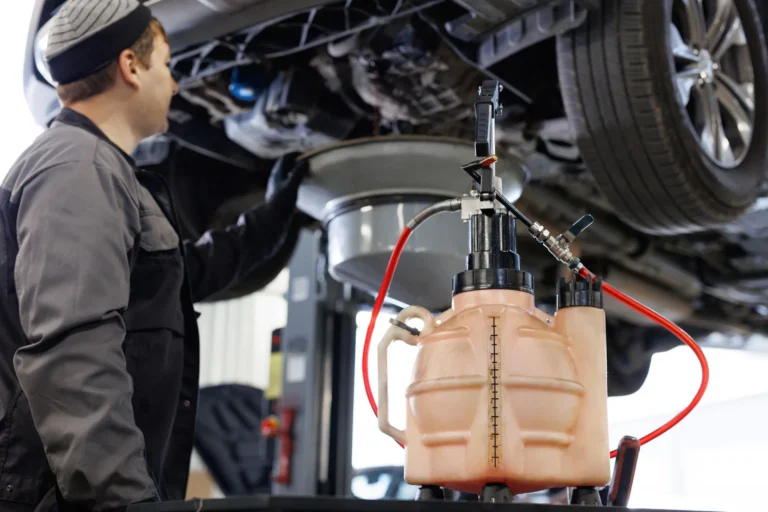
- Ground clearance: Even lowered Cayennes sit relatively high, requiring ramps or a lift—jacking up safely is non-negotiable.
- Oil capacity: Most Cayennes hold 8 to 9 liters (including filter). That’s nearly double a typical sedan. Spills are messier, and underfilling risks damage.
- Oil filter location: On many models (especially turbo V6s), the filter is tucked deep beneath the engine cover and requires removal of plastic shielding or even the front undertray.
- Resetting the service indicator: Simply changing the oil isn’t enough—you must reset the oil life monitor via the dashboard or OBD2 tool. Forgetting this means inaccurate future reminders.
That said, if you’re mechanically inclined, have proper tools, and follow a trusted guide (like Pelican Parts or FCP Euro tutorials), a DIY oil change is doable and can save $200–$400 versus a dealer.
But for most owners—especially those with newer, complex models like the Cayenne E-Hybrid—professional service is the smarter choice. Independent Porsche specialists often cost less than dealers but still use correct oil, torque specs, and reset procedures. Plus, they’ll inspect for leaks, worn components, or fluid issues while the car is up on the lift.
4. Hidden Costs and What a Full Oil Change Really Includes
At a Porsche dealer, a standard oil change can run $300–$550, depending on model year and location. Independent specialists might charge $200–$350. Sounds steep until you consider what’s actually included:
| Component | Details | Estimated Cost |
|---|---|---|
| Porsche-approved synthetic oil | 9+ liters required | $15–$25 per liter |
| OEM oil filter | Genuine or equivalent | $25–$50 |
| Drain plug gasket | Must be replaced (reuse risks leaks) | $5–$15 |
| Undercarriage inspection | Fluid leaks, suspension, exhaust check | Included |
| Service reset & multi-point inspection | Oil life monitor + system diagnostics | Included |
Real-world value: A 2019 Cayenne Turbo owner in Texas skipped a few oil changes to save money, then faced a $4,200 turbocharger failure at 62,000 miles. The root cause? Sludge buildup from degraded oil restricting oil flow to the turbo bearings. A $300 oil change could’ve prevented it.
5. Warning Signs Your Cayenne Needs an Oil Change Now
Don’t wait for the dashboard light. Watch for these subtle red flags:
- Dark, gritty oil on the dipstick: Fresh synthetic oil is amber and smooth. If it’s black, smells burnt, or feels gritty, it’s time.
- Increased engine noise: Especially at cold startup. A healthy Cayenne should be whisper-quiet.
- Oil level dropping between changes: While some consumption is normal (<1 qt per 1,000 miles), rapid drops suggest leaks or internal burning.
- Check Engine or Oil Service light: Never ignore these. The system tracks mileage and driving conditions—when it says “service due,” it means it.
6. Long-Term Ownership Tip: Keep Records
Whether you go DIY or professional, document every oil change date, mileage, oil brand/spec, and who performed it. This matters for:
- Resale value: Full service history proves care and boosts buyer confidence.
- Warranty claims: Porsche may deny coverage if maintenance records are missing.
- Diagnosing future issues: Patterns in oil consumption or filter debris can reveal developing problems.
Recommended Products for Your Cayenne Oil Change

Editor’s Choice
Mobil 1 Advanced Full Synthetic 0W-40
Porsche C30-approved synthetic oil engineered for extreme temperature protection and turbocharger longevity. Ideal for Cayenne V6 and V8 models.
Check Price on Amazon
Frequently Asked Questions (FAQs)
Q: Can I use 5W-30 instead of 0W-40 in my Cayenne?
A: Only if your owner’s manual explicitly allows it. Most Cayennes require 0W-40 or 5W-40 for proper high-temperature protection. Using a thinner oil like 5W-30 may not provide adequate film strength under high load, risking engine wear.
Q: How long can I safely go past the oil change interval?
A: Technically, the car won’t break down at 10,001 miles—but performance and protection degrade gradually. If you’re 1,000–2,000 miles over due to travel or scheduling, it’s usually fine. Beyond that, especially in harsh conditions, you’re gambling with engine health.
Q: Does the Cayenne E-Hybrid have different oil needs?
A: The combustion engine still requires the same high-spec synthetic oil, but service intervals may vary slightly due to regenerative braking reducing engine runtime. Always follow Porsche’s guidance for your specific model.
Q: Why does my Cayenne consume oil between changes?
A: Mild oil consumption (<1 quart per 1,000 miles) can be normal in high-performance engines due to piston ring design and operating temperatures. However, rapid consumption warrants inspection for leaks, PCV issues, or internal wear. Consult a Porsche specialist if concerned.
Top Porsche Cayenne Oil Change – Our Picks