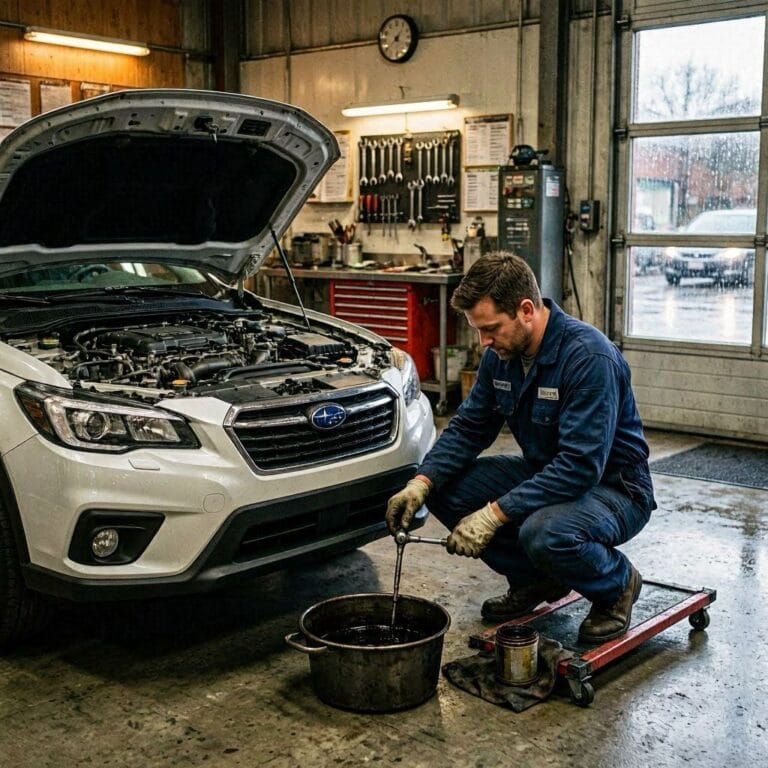

Chevrolet Malibu Oil Change: A Step-by-Step Guide for Smo…
Your Chevrolet Malibu oil change light just came on. Maybe it’s been on for a while. Either way, you’re here — and that’s the right call.
I’ve done hundreds of Malibu oil changes in my shop. The 1.5L turbo and 2.0L turbo both have quirks. Get them wrong and you’re dealing with leaks, foaming oil, or a stripped aluminum pan. Get them right and this engine will run 200,000 miles without a complaint.
This guide covers everything — correct oil spec, filter part number, drain plug torque, reset procedure, and every mistake I see DIYers make. Let’s get into it.

Chevrolet Malibu Oil Type, Viscosity, and Capacity by Engine
This is where most people get it wrong. The Malibu isn’t one-size-fits-all. Engine size changes the oil capacity and sometimes the viscosity requirement.
Chevrolet requires dexos1 Gen 2 Full Synthetic oil for all Malibu models from 2016 onward. This isn’t a suggestion. The turbocharged engines in these cars run tight tolerances and high heat. Conventional oil or synthetic blend breaks down too fast. Use full synthetic — period.
| Engine | Years | Oil Viscosity | Capacity (with filter) | Oil Filter |
|---|---|---|---|---|
| 2.5L 4-cyl (NA) | 2013–2015 | 5W-30 dexos1 | 5.0 qts | ACDelco PF64 |
| 1.5L Turbo 4-cyl | 2016–2026 | 5W-30 dexos1 Gen 2 | 4.2 qts | ACDelco PF64 |
| 2.0L Turbo 4-cyl | 2016–2019 | 5W-30 dexos1 Gen 2 | 5.0 qts | ACDelco PF64 |
| 1.8L Hybrid | 2016–2018 | 0W-20 dexos1 Gen 2 | 4.0 qts | ACDelco PF64 |
Buy a 5-quart jug regardless of engine. The 1.5T needs just over 4 quarts. Having extra lets you top off without a second store run.
Not sure which engine you have? Check the underhood sticker or look at the 8th digit of your VIN. On 2016 and newer Malibus, the 1.5T is the most common by a wide margin.
How Often to Change Oil on a Chevrolet Malibu
Chevy’s official interval is every 7,500 miles under normal driving conditions with full synthetic. The old 3,000-mile rule died with conventional oil — stop following it.
That said, “normal” doesn’t apply to everyone. Shorten your interval to 5,000 miles if you regularly do any of these:
- Short trips under 5 miles — the engine never fully warms up, which accelerates oil contamination
- Heavy stop-and-go city driving daily
- Operating in extreme heat above 95°F or cold below 20°F
- Rideshare or delivery driving — high idle time qualifies as severe use
The Oil Life Monitor tracks real driving conditions well. Don’t ignore it. But don’t let it hit 0% either — change at 10 to 15% remaining if you’re in a severe use pattern.
Related: Synthetic vs Conventional Oil — Which One Does Your Engine Actually Need?
Tools and Supplies You Need Before You Start
Missing one item halfway through the drain is a bad time. Lay everything out first.
| Item | Spec / Note |
|---|---|
| Full synthetic motor oil | dexos1 Gen 2, 5W-30 — 5-qt jug recommended |
| Oil filter | ACDelco PF64 (OEM fit) or Bosch 3330 |
| Drain plug socket | 15mm |
| Torque wrench | Drain plug torque: 18–20 ft-lbs |
| Cup-style oil filter wrench | For PF64 — easier access on the 1.5T |
| Drain pan | 6-quart minimum capacity |
| Crush washer | M14 x 1.5 — replace every single change |
| Jack and jack stands | 3-ton minimum — never use a floor jack alone |
| Funnel and shop rags | Keeps the fill area clean |
OEM Pick
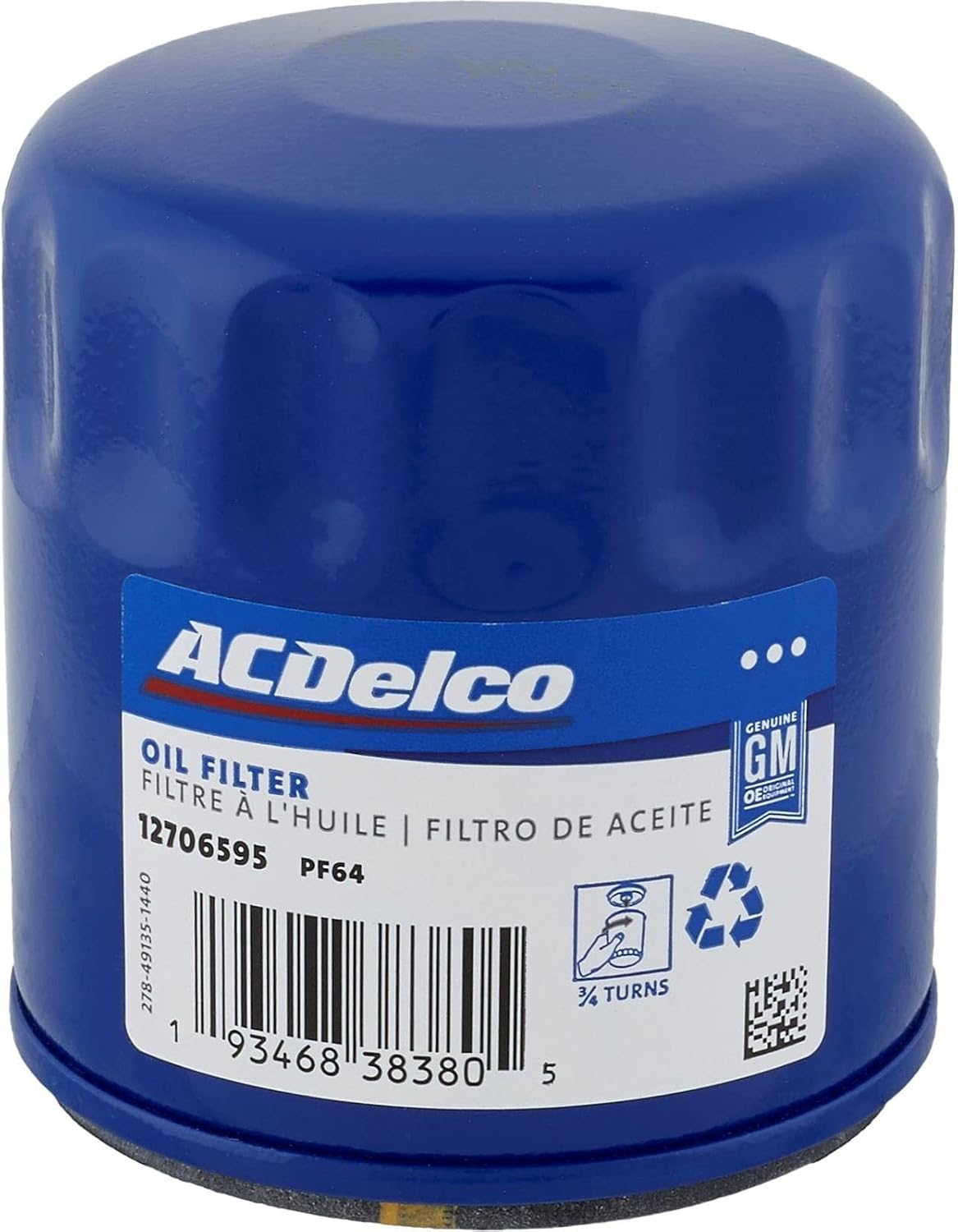
Oil Filter
ACDelco PF64 — OEM Fit for Chevy Malibu 1.5T / 2.0T
Factory-spec filter for 2016–2026 Malibu models. Full synthetic media rated for extended drain intervals. Also fits Equinox and Cruze with the same 1.5T engine.
Best Seller
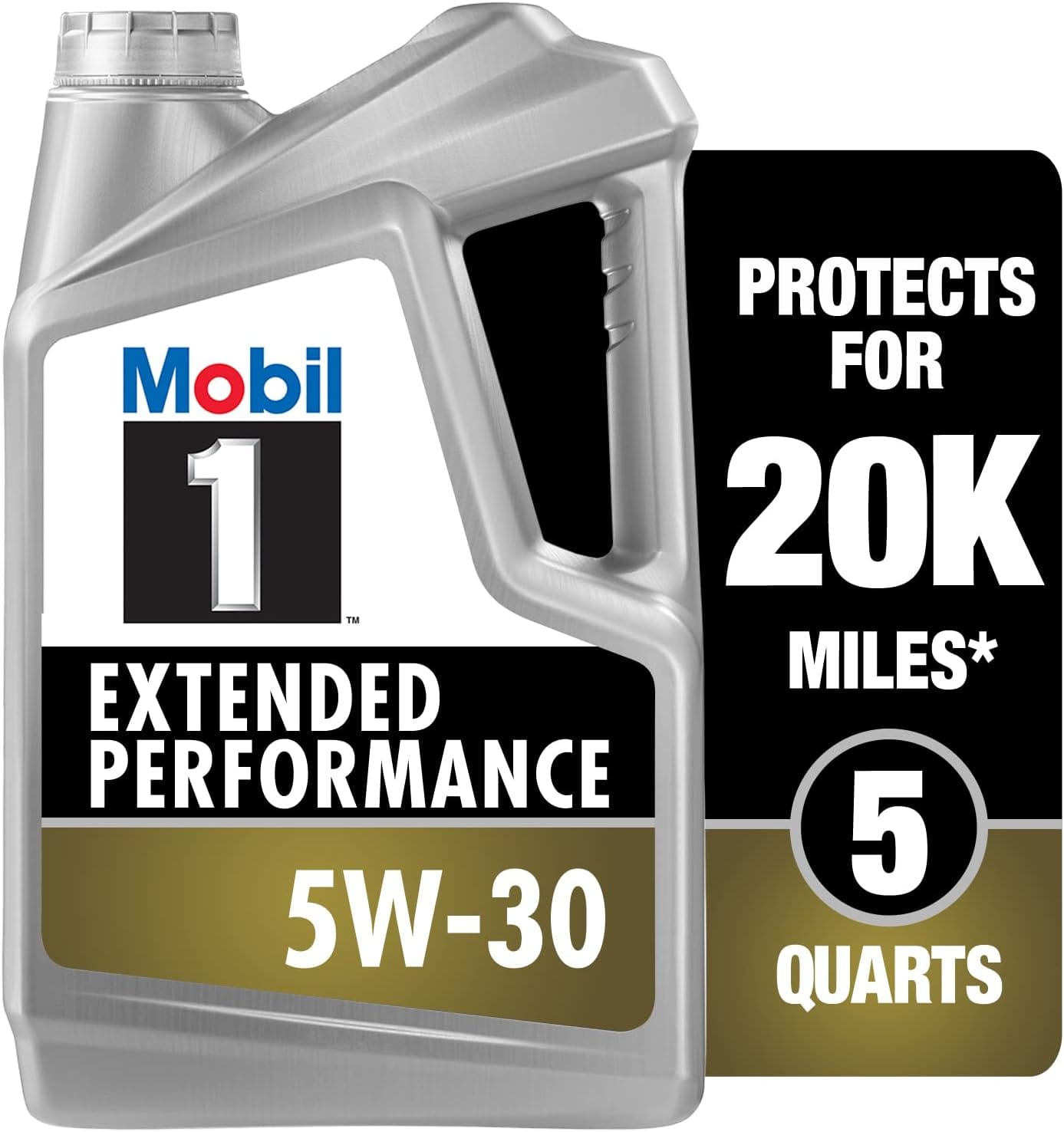
Motor Oil
Mobil 1 Extended Performance 5W-30 Full Synthetic — 5 qt
Meets dexos1 Gen 2 spec. Excellent protection for Malibu turbocharged engines at high heat and cold start. Top-rated synthetic oil for GM vehicles.
Check Price on Amazon
Must Have
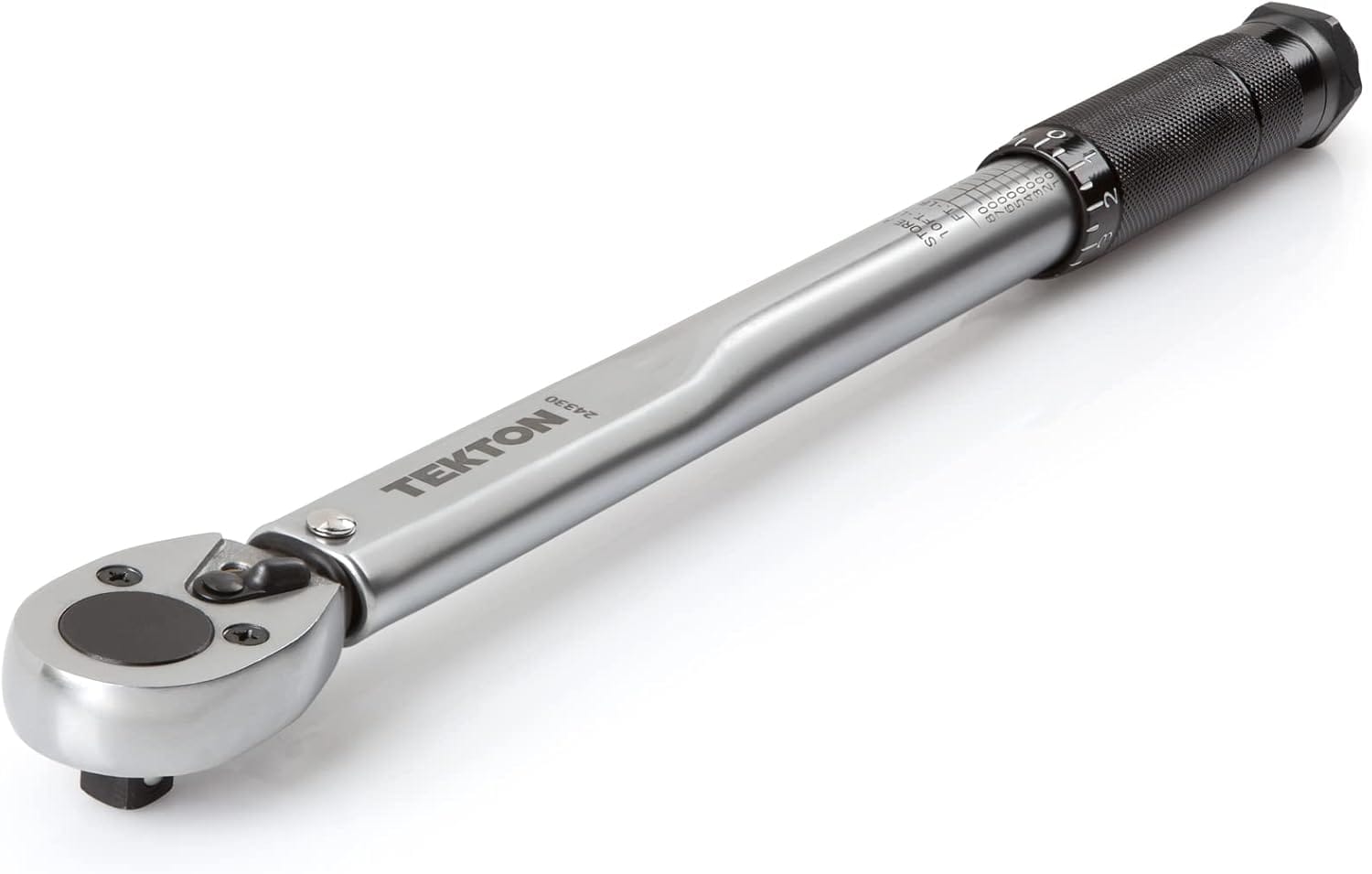
Tool
TEKTON 1/2-Inch Drive Click Torque Wrench
Accurate click-type wrench for the 18–20 ft-lb drain plug spec. Prevents stripped threads on the Malibu’s aluminum oil pan. Essential for any DIY oil change.
How to Change the Oil on a Chevrolet Malibu — Step by Step (2026)
The Malibu 1.5T filter sits on the front of the engine block — accessible from above on most models. That makes this job faster than most sedans. Plan for 30 to 45 minutes your first time.
Step 1: Warm the Engine
Run the engine for 2 to 3 minutes. Warm oil flows out faster and carries more contaminants with it. Cold oil is thick — it clings to the pan and takes forever to drain.
Turn the engine off. Wait 5 minutes before going underneath. Fresh turbo oil is hot enough to burn skin instantly.
Step 2: Raise and Secure the Vehicle
Step 2: Details
Jack up the front and set it on 3-ton rated jack stands. Place them under the pinch welds — the notches in the rocker panel are specifically for stands.
Never work under a car on a floor jack alone. It can slip. Jack stands don’t.
Step 3: Drain the Old Oil
Step 3: Details
Slide your 6-quart drain pan under the oil pan. The Malibu drain plug takes a 15mm socket. Turn counterclockwise to loosen, then remove by hand — keep your fingers close so you don’t drop it into the pan.
Let it drain 5 to 10 minutes. If the drain is seized, tap it lightly with a hammer handle to break the corrosion before applying torque. Forcing a stuck plug rounds the head fast.
Replace the crush washer every single time. A reused washer flattens out and leaks. New washer costs less than a dollar. No excuse to skip it.
Step 4: Replace the Oil Filter
Step 4: Details
On the 1.5L Malibu, the PF64 filter sits on the front of the engine block — reachable from above with a cup-style filter wrench. On the 2.0L, it’s lower and easier from underneath.
Spin off the old filter. Some oil will spill — keep the drain pan nearby. Wipe the seating surface clean on the block. Coat the new filter gasket with a thin film of fresh oil using your finger. Hand-tighten until the gasket seats, then give it a firm 3/4 turn. No wrench on install — you need to get it off next time.
Step 5: Reinstall Drain Plug and Refill with Fresh Oil
Step 5: Details
Thread the drain plug in by hand first. Once snug, torque to 18–20 ft-lbs with a calibrated torque wrench. That’s less than two full turns past hand-tight. The pan is aluminum — go by spec, not by feel.
Lower the car. Pop the hood. Remove the oil fill cap on the valve cover — it’s marked with an oil can icon. Insert your funnel and pour in 4 quarts slowly.
Wait 60 seconds. Pull the dipstick, wipe it clean, reinsert fully, pull again and read the level. The 1.5T takes 4.2 quarts total — top off in small increments. Don’t overshoot the MAX mark. Overfilling is a real problem on this engine.
Step 6: Start Engine and Check for Leaks
Step 6: Details
Start the car and let it idle for 30 seconds. Watch the oil pressure warning light — it should go out within 2 to 3 seconds. If it stays on, shut off immediately and find out why.
Check underneath around the drain plug and filter. Any drips mean something isn’t sealed. Fix it before you move the car anywhere.
Turn off the engine. Wait 2 minutes. Check the dipstick one final time and top off if needed.
Step 7: Reset the Oil Life Monitor
Step 7: Details
This step gets skipped more than any other. The Oil Life Monitor won’t reset itself — you have to tell it the oil was changed.
Turn the ignition to ON without starting the engine. Press the accelerator pedal fully to the floor three times within 5 seconds. Turn the ignition off. Start the car. The display should now show 100% oil life.
On newer Malibus with the color infotainment screen, you can also reset through Settings > Vehicle Information > Oil Life > Reset.
5 Mistakes That Cause Problems After a Malibu Oil Change
These show up in my shop regularly. Avoid all of them.
1. Skipping the crush washer. The washer deforms to seal the drain plug threads. Reuse it and you get a slow oil drip that shows up on your driveway a week later. A new washer costs under a dollar. Use one every change.
2. Over-tightening the drain plug. The Malibu oil pan is aluminum. Strip those threads and you’re looking at a $400 repair. Torque to 18–20 ft-lbs and stop. Always use a proper torque wrench — not an impact gun set to “blast.”
3. Using synthetic blend instead of full synthetic. The 1.5T turbo runs hot. Synthetic blend oxidizes faster under turbo heat and doesn’t meet the dexos1 spec. Using non-approved oil can void your powertrain warranty if Chevy finds it during a claim.
4. Overfilling past the MAX mark. More oil is not better. Overfilling causes the crankshaft to whip oil into foam. Foamy oil doesn’t lubricate — it destroys bearings. Check the dipstick twice. Add small increments at a time.
5. Not resetting the Oil Life Monitor. If you forget, the system keeps counting down from wherever it was before the change. You’ll either get a false early reminder or miss your real interval. It takes 10 seconds — always reset it.
Pro Tips That Save Time and Engine Life
Upgrade to a magnetic drain plug. The Malibu 1.5T generates fine metal particles as the engine ages. A magnetic drain plug captures those particles before they recirculate through the oil. Dorman makes a direct-fit M14 x 1.5 magnetic plug for the Malibu for under $12. It’s the cheapest engine protection upgrade you can make.
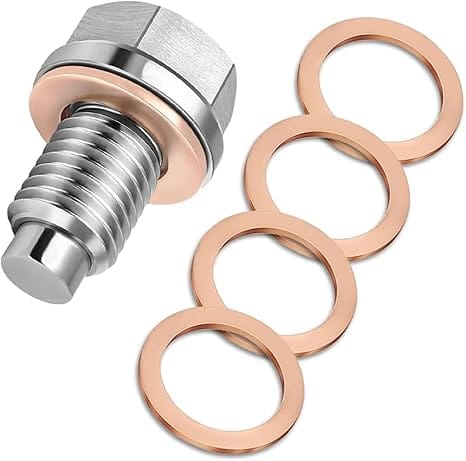
Dorman Magnetic Oil Drain Plug — M14 x 1.5 (Chevy Malibu Fit)
Direct fit for Malibu 1.5T and 2.0T engines. Captures wear metal debris before it recirculates through your oil passages. Includes a new crush washer.
Keep a maintenance log. Write down the date, odometer reading, oil brand, viscosity, and filter part number after every change. Keep it in the glove box. Documented service history adds real resale value and helps you catch intervals that are slipping.
Recycle your used oil. AutoZone, O’Reilly Auto Parts, and Advance Auto all accept used motor oil for free — up to 5 gallons at a time. Never pour it in the trash or down a drain. One quart of used motor oil can contaminate 250,000 gallons of groundwater.
Chevrolet Malibu Oil Change — Frequently Asked Questions
What oil does a Chevrolet Malibu take?
All 2016 and newer Malibu models require dexos1 Gen 2 Full Synthetic oil. The correct viscosity is 5W-30 for the 1.5L turbo and 2.0L turbo engines. The 1.8L hybrid uses 0W-20. Do not use conventional oil or synthetic blend — neither meets the dexos1 specification required for these turbocharged engines.
How many quarts of oil does a Chevy Malibu take?
The 2016–2026 Malibu 1.5L turbo takes 4.2 quarts with a filter change. The 2.0L turbo takes 5.0 quarts. Always add oil in increments and verify the level with the dipstick — overfilling past the MAX mark causes oil foaming and accelerated bearing wear.
How often should you change the oil on a Chevrolet Malibu?
Chevrolet recommends every 7,500 miles under normal driving conditions with full synthetic oil. For severe use — rideshare driving, stop-and-go commuting, extreme temperatures — shorten the interval to 5,000 miles. Follow the Oil Life Monitor and change at 10–15% remaining under heavy use conditions.
What is the drain plug torque spec for a Chevy Malibu?
The oil drain plug torque spec for the Chevrolet Malibu is 18 to 20 ft-lbs. The oil pan is aluminum — exceeding this spec strips the threads. Always use a calibrated torque wrench, replace the crush washer every change, and never use an impact gun on the drain plug.
How do you reset the oil life on a Chevrolet Malibu?
Turn the ignition to ON without starting the engine. Press the gas pedal to the floor three times within 5 seconds. Turn the ignition off, then start the car. The Oil Life Monitor should reset to 100%. On models with an infotainment screen, go to Settings > Vehicle Information > Oil Life > Reset.
Can I use synthetic blend oil in my Chevrolet Malibu?
No. Chevrolet requires full synthetic dexos1 Gen 2 for all turbocharged Malibu engines. Synthetic blend doesn’t meet this specification, degrades faster under turbo heat, and can void your powertrain warranty if Chevy identifies it during a claim. Full synthetic only.
What happens if you don’t change the oil in a Chevy Malibu?
Understanding happens if you don’t change the oil in a Chevy Malibu?
Old oil breaks down and loses its ability to lubricate engine components. Metal-on-metal wear accelerates, sludge builds up in oil passages, and fuel economy drops. The 1.5T turbocharger is especially sensitive — dirty or degraded oil damages the turbo bearings fast. Extended neglect leads to premature engine failure and repair bills well into the thousands.
Related: oil change Acura MDX
Related: oil change Honda Accord
Related: oil change Honda Civic
Related: oil change Ford F-150
Related: oil change Toyota Corolla
Related: oil change Nissan Altima
Related: oil change VW Jetta
Related: oil change Audi A4
Related: oil change BMW 3 Series
Related: oil change Mercedes C-Class
Related: oil change Mazda CX-5
Related: oil change Porsche Cayenne
Related: oil change Hyundai Sonata
Related: oil change Dodge Ram 1500
Related: oil change Mitsubishi Outlander