Worn Piston Rings Symptoms: Causes & Fixes
Worn Piston Rings Symptoms: The Complete Diagnostic Guide for DIY Mechanics
Worn piston rings are the sealing components between the piston and cylinder wall in an internal combustion engine. They serve three critical functions: sealing combustion pressure, controlling oil consumption, and transferring heat from the piston to the cylinder. When these rings wear beyond specification, the engine loses compression, burns oil, and suffers from reduced power output. This diagnostic guide focuses specifically on identifying the symptoms of worn piston rings early enough to avoid catastrophic engine failure.
This guide covers the full range of worn piston ring symptoms. These include obvious signs like blue exhaust smoke and subtle ones like increased crankcase pressure or reduced fuel economy. You will learn how to tell ring wear from valve seal failure. You will also learn how to run wet and dry compression tests, and when a leak-down test works better. The article covers cost considerations for ring replacement versus engine replacement. It also explains what happens if you ignore the symptoms. Unlike generic advice, this guide includes specific diagnostic thresholds and real-world oil consumption data. A decision tree helps you choose between repair options.
This guide focuses on actionable diagnosis, not theory. You get step-by-step procedures and comparison tables for interpreting test results. It also covers the honest limitations of each diagnostic method. By the end, you will know whether your engine has worn rings or a different problem. You will also learn which repair path makes financial sense. And you will know how to prevent premature ring wear. This is the diagnostic resource DIY mechanics need before spending money on unneeded parts.
What Are Worn Piston Rings? Defining the Core Problem
Worn piston rings symptoms are the observable side effects of a mechanical failure inside your engine. But before you can diagnose the problem, you need to understand what piston rings actually do and why their failure produces such specific warning signs.
Piston rings are metal bands seated in grooves around each piston. They serve two critical jobs: sealing the combustion chamber and regulating oil distribution. When these rings wear out, the engine loses compression and burns oil — two problems that show up in distinct ways you can detect without a mechanic.
The Role of Piston Rings in Engine Operation
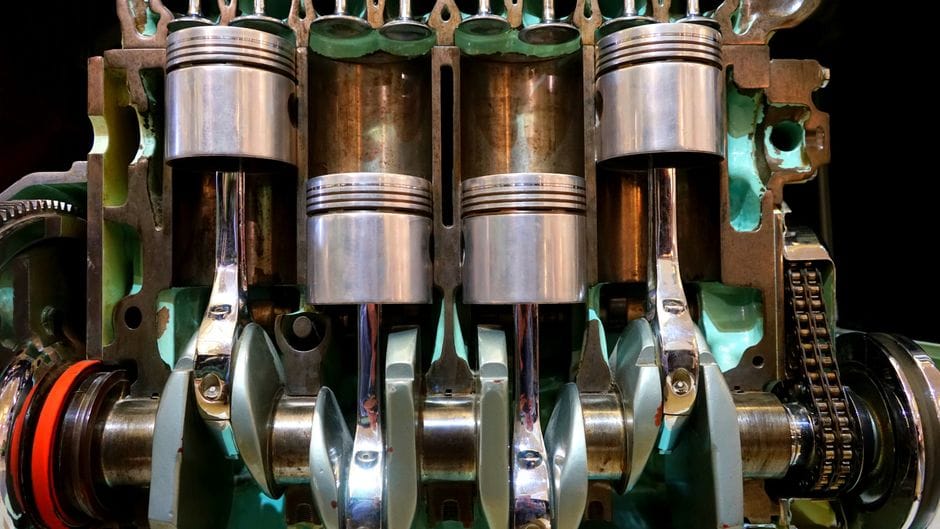
Each piston typically carries three rings. The top two are compression rings. They seal the gap between the piston and cylinder wall, preventing combustion gases from escaping into the crankcase. The bottom ring is the oil control ring, which scrapes excess oil off the cylinder wall and returns it to the oil pan, while leaving a thin film for lubrication.
When these rings wear, the seal degrades. Combustion pressure bleeds past the rings into the crankcase (blow-by), and oil slips past the rings into the combustion chamber where it burns. Both failures produce distinct symptoms that form the basis of your diagnosis.
How Worn Piston Rings Differ from Valve Seal Failure and Cylinder Scoring
Worn piston rings are often confused with valve stem seal failure because both cause oil consumption and blue smoke. The key difference is timing. Valve stem seals leak oil into the combustion chamber when the engine is off, so you see a puff of blue smoke on startup that clears quickly. Worn rings, by contrast, produce continuous blue smoke under load and especially on deceleration when intake manifold vacuum is highest, pulling oil past the rings.
Cylinder wall scoring is a related but distinct condition. Scoring occurs when the cylinder wall becomes scratched or gouged, often from debris or inadequate lubrication. While scoring can cause similar symptoms, it typically produces a knocking sound and requires a full engine rebuild rather than just ring replacement. A compression test can help distinguish between these conditions, as scoring usually causes a more dramatic pressure loss in one cylinder.
The 7 Most Common Worn Piston Rings Symptoms You Can Detect
Recognizing worn piston rings symptoms early can save you thousands of dollars in engine damage. The following seven symptoms are the most reliable indicators that your rings are failing. Some are visible from the driver’s seat, while others require simple tests you can perform with basic tools.
Blue Exhaust Smoke on Startup and Deceleration
Blue or gray smoke from the exhaust is the classic sign of oil burning. With worn rings, you’ll notice it most prominently on startup and during deceleration. On startup, oil that has seeped past the rings while the engine sat overnight burns off. On deceleration, high intake manifold vacuum pulls oil past the worn rings into the combustion chamber. If you see a persistent blue haze while accelerating, the ring wear is already severe.
Excessive Oil Consumption (The Dipstick Test)
Modern engines should consume less than one quart of oil every 1,000 miles. If you’re adding oil more frequently than that, worn rings are a prime suspect. To confirm, perform the dipstick test: check your oil level weekly and record consumption. If you’re burning more than one quart per 1,000 miles without visible leaks, the oil is going past the rings and being burned.
Loss of Engine Power and Acceleration
Worn rings allow combustion pressure to escape, reducing the force pushing the piston down. This translates directly to reduced power and sluggish acceleration. You may notice the engine feels flat, especially when climbing hills or carrying heavy loads. A compression test will quantify this loss — readings below 100 psi per cylinder or a variance of more than 10% between cylinders indicate ring wear.
Increased Crankcase Pressure (Blow-by)
When combustion gases escape past the rings into the crankcase, they create pressure that must be vented through the PCV system. You can test for blow-by by removing the oil filler cap while the engine is running. If you feel strong pulses of air or see smoke escaping, the rings are allowing excessive blow-by. In severe cases, you’ll see oil mist being pushed out of the filler neck.
Spark Plug Fouling with Oil Deposits
Oil that passes the rings into the combustion chamber coats the spark plugs with dark, wet, oily deposits. Pull a spark plug and inspect the electrode and insulator. If you see black, oily residue rather than light tan or gray deposits, oil is entering the combustion chamber. This symptom is particularly telling when it affects multiple cylinders, pointing to generalized ring wear rather than a single-cylinder issue.
Failed Compression Test (Wet vs. Dry Results)
A compression test is the definitive diagnostic tool. Perform a dry test first, then add a small amount of oil to each cylinder and repeat. If the wet test readings increase significantly (by 10-20 psi or more), the rings are worn — the oil temporarily seals the gap and restores compression. If readings don’t improve, the problem is likely valve-related rather than ring-related.
Poor Fuel Economy and Rough Idle
Worn rings reduce combustion efficiency, forcing the engine to work harder and burn more fuel. You may notice a 10-20% drop in fuel economy. Also, blow-by gases can contaminate the air-fuel mixture, causing a rough or unstable idle. If you’ve ruled out other causes like vacuum leaks or fuel system issues, worn rings are a likely culprit.
Diagnostic Tests: How to Confirm Worn Piston Rings Symptoms

Visual symptoms can point you in the right direction, but confirming worn piston rings requires systematic testing. This section covers the three most reliable diagnostic procedures, including how to perform them and how to interpret the results.
Compression Test: The First Step
Begin with a dry compression test. Warm the engine to operating temperature, remove all spark plugs, disable the fuel pump and ignition, and crank the engine through five compression strokes per cylinder. Record the highest reading for each cylinder. Healthy engines typically show 120-180 psi depending on compression ratio, with less than 10% variance between cylinders. Low readings on adjacent cylinders suggest a head gasket issue, while low readings on a single cylinder point to ring or valve problems.
Wet vs. Dry Compression Test: The Ring Wear Indicator
After the dry test, add about one tablespoon of clean engine oil through the spark plug hole. Pour it into the low-reading cylinder. Crank the engine through five more strokes and record the reading. If the wet reading jumps by 15 psi or more, the rings are worn. The oil temporarily seals the worn ring gaps and restores compression. If the wet reading stays the same or barely changes, the problem is likely valve-related. This could mean worn valve seats or bent valves, not ring wear. This simple test is the most cost-effective way to confirm ring wear without disassembling the engine.
Leak-Down Test: Pinpointing the Exact Leak Source
A leak-down test is more precise than a compression test. It pressurizes each cylinder with compressed air and measures how quickly pressure escapes. Bring the piston to top dead center on the compression stroke. Lock the crankshaft and apply 80-100 psi of air. Listen for where the air escapes. Hissing from the oil filler cap indicates rings. Hissing from the intake indicates intake valves. Hissing from the exhaust indicates exhaust valves. A cylinder with more than 20% leakage has significant wear. If air is clearly escaping past the rings, you have confirmed the diagnosis.
Vacuum Test: A Quick Screening Tool
A vacuum gauge connected to the intake manifold provides a quick screening. At idle, a healthy engine shows a steady 17-21 inches of mercury. If the needle fluctuates rapidly or reads low, it suggests compression issues. This test is not as definitive as a compression or leak-down test. However, a vacuum test can help you decide whether further testing is warranted. A steady but low reading, below 15 inches, often indicates worn rings. A fluctuating needle may point to valve or ignition issues.
Oil Consumption Rate Measurement
For a quantitative assessment, measure your oil consumption precisely. Fill the oil to the full mark, record the odometer reading, and drive 1,000 miles under normal conditions. Recheck the oil level and record how much you needed to add. If consumption exceeds one quart per 1,000 miles, and you’ve ruled out external leaks, worn rings are the most likely cause. This test is particularly useful for tracking the progression of ring wear over time.
Worn Piston Rings vs. Other Engine Problems: Differential Diagnosis

Many engine problems produce symptoms similar to worn piston rings. Accurate diagnosis requires distinguishing between these conditions, as the repair approach differs significantly. This section compares worn rings against the most commonly confused failures.
Worn Piston Rings vs. Valve Stem Seals
Valve stem seals are the condition most frequently confused with worn rings. Both cause oil consumption and blue smoke. The key difference is timing. Valve stem seals leak oil into the combustion chamber when the engine is off. This produces a puff of blue smoke on startup that clears within seconds. Worn rings produce continuous blue smoke under load and on deceleration. Valve seal failure typically affects only one or two cylinders. Ring wear affects all cylinders relatively evenly. A compression test shows normal readings with valve seal failure. Ring wear produces low readings.
Worn Piston Rings vs. PCV System Failure
A clogged or failed PCV valve can cause oil to be drawn into the intake manifold, producing blue smoke and oil consumption similar to ring wear. However, a PCV failure typically causes rough idle and a noticeable hissing sound from the valve cover. Remove the PCV valve and shake it — if it doesn’t rattle, it’s clogged. Replacing a PCV valve costs under $20 and takes five minutes, so always rule this out before condemning the rings.
Worn Piston Rings vs. Head Gasket Failure
A blown head gasket can cause coolant loss, white exhaust smoke, and overheating — symptoms that don’t typically appear with ring wear. However, a head gasket failure that allows oil into the combustion chamber can mimic ring wear. Check for coolant in the oil (milky appearance on the dipstick) and perform a coolant system pressure test. If the cooling system holds pressure and the oil is clean, a head gasket issue is unlikely.
Worn Piston Rings vs. Cylinder Wall Scoring
Cylinder wall scoring produces symptoms similar to ring wear. However, it is a more severe condition. Scoring typically causes a knocking or tapping sound, especially when the engine is cold. It also results in more dramatic compression loss in a single cylinder. If a compression test shows one cylinder significantly lower than the others, and the wet test doesn’t improve the reading, scoring is likely. Scoring requires a full engine rebuild or replacement. Ring wear may be addressed with a less invasive repair if caught early.
Worn Piston Rings vs. Piston Slap
Piston slap is a knocking sound caused by excessive piston-to-wall clearance, often from worn pistons or cylinder bores. While piston slap can coexist with ring wear, it produces a distinct metallic knocking that is most audible when the engine is cold and fades as it warms up. Ring wear alone typically doesn’t produce a knocking sound. If you hear knocking along with oil consumption, the engine likely needs a more comprehensive rebuild than just ring replacement.
Repair Options and Cost Considerations for Worn Piston Rings

Once you’ve confirmed worn piston rings, you face a significant financial decision. Repair costs vary dramatically based on the vehicle, the extent of damage, and whether you do the work yourself or hire a professional. This section breaks down your options and provides realistic cost estimates.
Ring Replacement: The Direct Repair
Replacing piston rings requires removing the engine. You must disassemble the rotating assembly and hone or re-bore the cylinders. This is a major job. It typically costs $1,500 to $3,000 for parts and labor on a four-cylinder engine. On a V6 or V8, expect $2,500 to $5,000. DIY mechanics with the right tools and experience can save on labor. However, they should budget $300 to $800 for parts, gaskets, and machining. The engine must be completely disassembled, so this is not a weekend project for beginners.
Engine Replacement: When It Makes More Sense
If the engine has high mileage (over 200,000 miles), or if cylinder walls are scored, replacing the engine may be more cost-effective than rebuilding. A used engine with lower mileage can cost $1,500 to $4,000 installed, while a remanufactured engine runs $3,000 to $7,000. Compare this to a full rebuild that might cost $3,000 to $6,000. If the rest of the vehicle is in good condition, a replacement engine can extend its life significantly. If the vehicle has other major issues, replacement may not be worth the investment.
Stop-Leak Additives: A Temporary Solution
Products like engine oil stop-leak additives can temporarily reduce oil consumption by swelling the rings and restoring some seal. These products cost $10 to $30 and can buy you a few thousand miles, but they are not a permanent fix. They can also clog oil passages and cause other problems if used repeatedly. Use them only as a stopgap while you save for a proper repair, or if the vehicle is near the end of its useful life and you just need a few more months.
Decision Tree: Repair vs. Replace vs. Drive It
Decision Tree: Details
Consider the following factors when deciding your path: vehicle age and condition, repair cost relative to vehicle value, and your tolerance for oil consumption. If the vehicle is worth less than $3,000 and the repair costs more than that, replacement or driving it as-is may be more sensible. If the vehicle is relatively new or has sentimental value, a proper repair is justified. If oil consumption is under one quart per 1,000 miles and you don’t mind adding oil, you can drive it indefinitely — just monitor the oil level religiously to avoid catastrophic engine failure.
Preventing Premature Piston Ring Wear

Prevention is far cheaper than repair. Piston rings typically last 150,000 to 250,000 miles with proper maintenance, but several common habits can shorten their lifespan dramatically. This section covers the most effective prevention strategies.
Regular Oil Changes with the Correct Viscosity
Oil is the lifeblood of your piston rings. Old, contaminated oil loses its lubricating properties and allows metal-on-metal contact that accelerates ring wear. Follow your manufacturer’s recommended oil change interval, and use the specified viscosity. Using oil that’s too thin can allow it to slip past the rings, while oil that’s too thick can cause inadequate lubrication on cold starts. If you drive in severe conditions — extreme temperatures, heavy towing
or frequent short trips — change the oil more frequently than the standard interval. Synthetic oils provide superior protection against ring wear, especially in high-performance or turbocharged engines.
Avoiding Engine Overheating
Overheating is one of the fastest ways to destroy piston rings. Excessive heat causes the rings to lose their temper (spring tension), and can also warp the cylinder walls. Watch your temperature gauge and address any cooling system issues immediately. A coolant flush every two years, regular radiator inspection, and prompt replacement of failed thermostats or water pumps will protect your rings from heat damage.
Proper Engine Warm-Up and Cool-Down
Cold starts are the harshest condition for piston rings. When the engine is cold, the oil is thick and hasn’t reached all surfaces, and the rings are contracted. Avoid revving the engine hard until it reaches operating temperature. For turbocharged engines, allow a brief idle period before shutting down to prevent oil coking on the rings and turbo bearings. These simple habits can add tens of thousands of miles to ring life.
Maintaining the PCV System
A clogged PCV system creates crankcase pressure that forces oil past the rings. Replace the PCV valve every 30,000 to 50,000 miles, and inspect the hoses for cracks or blockages. A properly functioning PCV system also removes harmful combustion byproducts from the crankcase, preventing sludge buildup that can stick rings in their grooves.
Using Quality Fuel and Additives
Poor-quality fuel can leave carbon deposits on the rings, causing them to stick and lose their seal. Use fuel from reputable stations and consider a periodic fuel system cleaner that includes a ring-cleaning agent. These products can help remove carbon buildup before it becomes a problem. Avoid using cheap aftermarket additives that may contain abrasive materials.
What Happens If You Ignore Worn Piston Rings Symptoms?

Ignoring worn piston rings symptoms doesn’t make the problem go away — it makes it worse. The progression from minor oil consumption to catastrophic engine failure can happen faster than you might expect. Understanding the consequences can help you make an informed decision about when to act.
Progressive Damage to the Catalytic Converter
Oil that burns in the combustion chamber produces ash and unburned hydrocarbons that pass through the exhaust system. Over time, these deposits clog the catalytic converter, reducing its efficiency and eventually causing it to fail. A replacement catalytic converter can cost $500 to $2,500, adding to the repair bill if you delay.
Increased Risk of Engine Seizure
As ring wear worsens, oil consumption increases. If you fail to check and top up the oil regularly, the oil level can drop dangerously low. Low oil levels lead to inadequate lubrication of the bearings, camshaft, and other critical components. The result can be a seized engine — a catastrophic failure that requires a complete replacement, often totaling $4,000 to $8,000 or more.
Damage to Cylinder Walls and Pistons
Worn rings allow combustion gases to blow past the piston, which can cause localized hot spots on the cylinder walls. This can lead to scoring, which requires a full engine rebuild rather than just ring replacement. Also, the piston itself can suffer damage from excessive heat and friction, further increasing repair costs.
Reduced Fuel Economy and Increased Emissions
Every mile you drive with worn rings costs you more in fuel. A 10-20% reduction in fuel economy means you’re spending more at the pump. Also, your vehicle will fail emissions tests in most states, preventing you from renewing your registration. The cumulative cost of extra fuel and failed inspections can add up quickly.
Potential for Hydrolock or Oil-Fouled Spark Plugs
In severe cases, enough oil can accumulate in the combustion chamber to cause hydrolock — where the piston cannot complete its stroke because the cylinder is filled with incompressible liquid. This can bend connecting rods and destroy the engine instantly. More commonly, oil-fouled spark plugs will cause misfires, which can damage the catalytic converter and reduce drivability.
Frequently Asked Questions About Worn Piston Rings Symptoms

This section addresses the most common questions DIY mechanics have about worn piston rings, providing clear, actionable answers based on real-world experience and manufacturer specifications.
How Many Miles Do Piston Rings Typically Last?
With proper maintenance, piston rings typically last between 150,000 and 250,000 miles. However, this varies significantly based on driving conditions, oil change frequency, and engine design. Turbocharged engines and engines subjected to heavy towing or frequent short trips may see ring wear earlier. Regular oil changes with quality oil are the single most important factor in maximizing ring life.
Can Worn Piston Rings Cause a Check Engine Light?
Yes, worn piston rings can trigger the check engine light, though not directly. The most common codes include P0300 (random misfire) from oil-fouled spark plugs, P0420 (catalytic converter efficiency below threshold) from oil contamination, and P0171/P0174 (system too lean) from vacuum leaks caused by excessive blow-by. If you see these codes along with oil consumption, ring wear should be on your diagnostic list.
Is It Safe to Drive with Worn Piston Rings?
You can drive with worn piston rings as long as you monitor oil levels and consumption carefully. If consumption is under one quart per 1,000 miles, you can continue driving while saving for a repair. However, if consumption exceeds that, or if you notice significant power loss or knocking sounds, continued driving risks catastrophic engine failure. Always carry a quart of oil and check the level at every fuel stop.
Can Worn Piston Rings Be Repaired Without Removing the Engine?
In rare cases, a procedure called “piston ring freeing” can be performed using a chemical treatment that dissolves carbon deposits and frees stuck rings. This is only effective if the rings are stuck rather than worn. If the rings have lost material or spring tension, the engine must be disassembled for replacement. There is no shortcut for actual ring wear.
How Much Oil Consumption Is Normal?
Most manufacturers consider up to one quart per 1,000 miles to be within normal range, though many modern engines consume far less — often less than one quart per 3,000 miles. If you’re consuming more than one quart per 1,000 miles, you have a problem that warrants investigation. Keep records of your oil consumption to track the rate of wear over time.
What’s the Difference Between Worn Rings and a Blown Head Gasket?
Understanding’s the Difference Between Worn Rings and a Blown Head Gasket?
A blown head gasket typically causes coolant loss, white exhaust smoke, overheating, and milky oil. Worn rings cause blue smoke, oil consumption, and compression loss without affecting the cooling system. A compression test can help distinguish between the two: a head gasket failure usually causes low compression on two adjacent cylinders, while ring wear typically affects all cylinders relatively evenly.
Conclusion: Your Action Plan for Worn Piston Rings Symptoms

Worn piston rings symptoms are not something to ignore, but they also don’t require panic. By following the diagnostic procedures in this guide, you can accurately determine whether your engine has ring wear or a different problem. The key is to act methodically and make an informed decision based on your vehicle’s condition and your budget.
Start by documenting your symptoms — blue smoke, oil consumption, power loss, or any combination. Perform a compression test and a wet test to confirm ring wear. If the diagnosis is positive, evaluate your repair options using the cost comparison and decision tree provided. Whether you choose to repair, replace, or drive with careful monitoring, the most important step is to stay on top of oil levels to prevent further damage.
Remember that early detection is your best ally. The sooner you confirm worn piston rings, the more options you have. A vehicle caught early may only need rings and a cylinder hone, while a vehicle driven until failure may need a complete engine replacement. Use this guide as your reference, and don’t hesitate to consult a professional mechanic for a second opinion if you’re unsure about any diagnostic step.
With the information in this comprehensive guide, you now have the knowledge to diagnose worn piston rings symptoms with confidence, understand your repair options, and make the best financial decision for your
vehicle. Whether you’re a seasoned DIY mechanic or a first-time car owner, the ability to identify worn piston rings early can save you thousands of dollars and keep your engine running reliably for years to come. Take action today — check your oil level, perform a compression test, and address any symptoms before they escalate into a full-blown engine failure.
You might also like: carbon buildup cleaning, oil change Toyota Camry, best oil for hybrid engines