
Timing Chain Stretch Symptoms: Replacement Guide
Timing Chain Stretch Symptoms: How to Diagnose a Failing Chain Before It Destroys Your Engine
A timing chain is the mechanical backbone of your engine’s valve train, a solid metal link that synchronizes the crankshaft and camshaft to ensure valves open and close at precisely the right moment. Unlike a rubber timing belt, this chain is designed to last the life of the vehicle — but that doesn’t mean it’s immortal. Over tens of thousands of miles, the chain’s links and pins wear, and the chain itself stretches. When that happens, your engine’s timing drifts out of sync, and the consequences range from rough idle and poor fuel economy to catastrophic valve-to-piston contact that totals the engine.
Timing chain stretch is not a single symptom but a cascade of clues that progressively worsen. Early warning signs — a rattling noise on cold start, a check engine light with camshaft correlation codes, or a slight loss of power — are easy to dismiss or misattribute to other components. The challenge is that by the time the chain fails outright, the damage is often already done. This article will walk you through every detectable symptom, from the subtle acoustic cues to the diagnostic trouble codes that confirm your suspicion, and explain exactly how to test the chain yourself before it destroys your engine.
What sets this guide apart is its focus on real-world diagnostic data rather than generic advice. You’ll find a symptom-to-cause comparison table, a step-by-step mechanical inspection procedure, and honest limitations of DIY tests — including which symptoms can mimic a stretched chain and lead you down the wrong repair path. By the end, you’ll know not just what to listen for, but how to measure chain stretch with a timing gauge, when to replace the chain proactively, and why ignoring the early signs is the most expensive mistake you can make.
What Is Timing Chain Stretch? Understanding the Entity
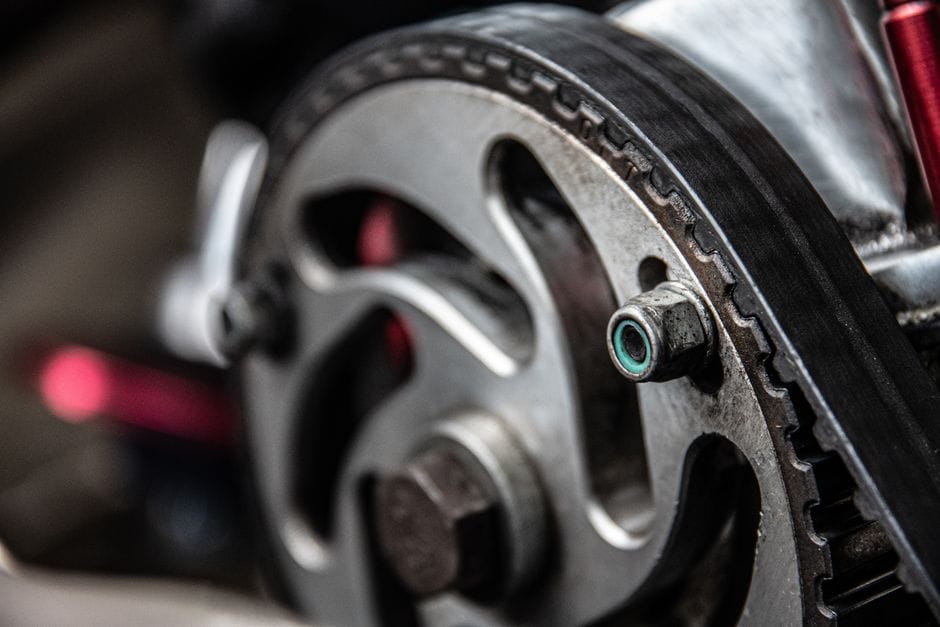
A timing chain stretch is a mechanical condition where the metal chain that synchronizes your engine’s internal components gradually elongates due to friction, heat, and normal wear. The chain itself doesn’t actually “stretch” like a rubber band — instead, the pins and links wear against each other, creating microscopic gaps that add up to measurable length over time. When this happens, the engine timing drifts from its factory calibration, and you start noticing timing chain stretch symptoms like rattling noises, rough idle, or a check engine light.
Timing Chain vs. Timing Belt: Key Differences

The most fundamental difference between a timing chain and a timing belt is material and lifespan. A timing belt is a rubber component with fiber reinforcement, typically rated for 60,000 to 100,000 miles before it must be replaced as preventive maintenance. A timing chain, by contrast, is made of hardened steel links and pins, designed to last the life of the engine under normal conditions. However, the chain’s longevity depends heavily on proper lubrication and maintenance. While a belt failure is often sudden and complete, a chain stretches gradually, giving you warning signs — if you know what to look for. Belts are also quieter when new, but chains are more durable and don’t require scheduled replacement intervals in most vehicles.
How a Timing Chain Works and Why It Stretches

The timing chain connects the crankshaft to the camshaft(s), ensuring that the valves open and close in perfect synchronization with piston movement. The chain wraps around sprockets on both shafts, with a tensioner applying constant pressure to keep the chain snug and a guide rail preventing excessive movement. Stretch occurs through a process called “wear elongation.” Each link has a pin that rotates inside a bushing; over time, friction and heat cause microscopic material loss at these contact points. The cumulative effect is a chain that is physically longer than when it was new. Oil starvation accelerates this dramatically — without adequate oil pressure, the chain runs metal-on-metal, and wear rates skyrocket. High mileage, infrequent oil changes, and poor oil quality are the primary contributors to premature stretch.
Normal Wear vs. Problematic Stretch

All timing chains experience some degree of wear over their lifespan. A small amount of elongation — typically less than 1-2% of total length — is considered normal and is compensated for by the automatic tensioner. The tensioner uses spring pressure and oil pressure to take up slack, so minor stretch goes unnoticed. Problematic stretch occurs when the chain elongates beyond the tensioner’s ability to compensate. This typically happens at around 2-3% elongation, at which point the chain begins to slap against guides, timing drifts, and diagnostic trouble codes appear. The threshold varies by engine design, but a general rule is: if the chain has stretched more than 3-4 degrees of camshaft timing, it’s time for replacement. Measuring this requires either a timing gauge or an OBD-II scanner with live data capability.
Top 7 Timing Chain Stretch Symptoms You Must Not Ignore

Recognizing the symptoms of a stretched timing chain early can save you thousands of dollars in engine repairs. Below are the seven most common indicators, ranked roughly in order of how early they appear. Not every engine will exhibit all seven, and some symptoms may overlap with other issues, but if you notice two or more of these simultaneously, a stretched chain should be high on your suspect list.
Symptom 1: Rattling Noise on Cold Start

The most classic and earliest symptom of a stretched timing chain is a metallic rattling or clattering noise that occurs on a cold start and lasts for 2-5 seconds. This happens because when the engine is off, oil drains from the tensioner, and the tensioner loses hydraulic pressure. A stretched chain has more slack than normal, and without oil pressure to take up that slack, the chain slaps against the timing cover or guides. Once oil pressure builds, the tensioner tightens and the noise typically fades. If the rattle persists longer than a few seconds or continues while driving, the stretch is severe and the tensioner may be failing as well.
Symptom 2: Check Engine Light with Camshaft Correlation Codes

When the timing chain stretches, the camshaft position sensor and crankshaft position sensor no longer agree on the exact timing relationship. The engine control unit (ECU) detects this discrepancy and illuminates the check engine light. The most common diagnostic trouble codes (DTCs) associated with chain stretch are P0016 (crankshaft/camshaft position correlation – bank 1 sensor A), P0017 (bank 1 sensor B), P0018 (bank 2 sensor A), and P0019 (bank 2 sensor B). These codes indicate that the camshaft is retarded or advanced relative to the crankshaft beyond the acceptable tolerance. While these codes can also be caused by a faulty VVT solenoid or a bad sensor, a stretched chain is a very common root cause, especially on high-mileage engines.
Symptom 3: Rough Idle and Engine Misfires

As the chain stretches further, the valve timing drifts enough to affect combustion. The engine may idle roughly, feel like it’s shaking, or even misfire. This occurs because the valves are no longer opening and closing at the precise moment relative to piston position. Late valve closing reduces cylinder pressure, while early closing reduces air intake — both lead to incomplete combustion. You may also notice a slight hesitation or stumble when accelerating from a stop
. If the stretch is severe, misfire codes (P0300-P0312) may appear alongside the correlation codes, and the engine may even stall at idle in extreme cases.
Symptom 4: Loss of Power and Poor Fuel Economy

A stretched timing chain robs the engine of efficiency. Because the valve events are no longer optimally timed, the engine has to work harder to produce the same amount of power. You’ll notice a sluggish throttle response, especially at low RPMs, and a general feeling that the car has lost its pep. Fuel economy will also suffer — often by 10-15% or more — because the combustion process is less complete and the ECU may be adding extra fuel to compensate for the misfires or rough running. If you track your fuel consumption and see a sudden, unexplained drop, chain stretch should be on your diagnostic list.
Symptom 5: Engine Vibration and Unusual Noises While Driving

Beyond the cold-start rattle, a severely stretched chain can cause continuous vibration and noise while the engine is running. The chain may slap against the timing cover or guides at certain RPM ranges, producing a rhythmic ticking or slapping sound that varies with engine speed. You might also feel a vibration through the steering wheel or floorboards, especially at idle or low speeds. This is caused by the chain’s erratic movement and the resulting timing fluctuations. In some cases, the chain can even jump a tooth on the sprocket, causing a sudden and dramatic loss of power accompanied by loud metallic noises.
Symptom 6: VVT System Malfunction

Modern engines use variable valve timing (VVT) systems that adjust camshaft position to optimize performance and efficiency. A stretched chain interferes with the VVT system’s ability to make these adjustments accurately. The VVT solenoids and phasers rely on precise chain tension to move the camshaft. When the chain is loose, the phaser may not respond correctly, leading to VVT-related trouble codes such as P0010-P0014 or P0020-P0024. You may also notice that the engine’s performance varies unpredictably, as the VVT system struggles to compensate for the slack. In some cases, the ECU will disable VVT altogether as a protective measure, further reducing power and efficiency.
Symptom 7: Engine Won’t Start or Catastrophic Failure
Symptom 7: Details

In the worst-case scenario, a severely stretched chain can jump off the sprockets entirely or break. When this happens, the camshaft stops rotating while the crankshaft continues, causing the pistons to collide with open valves. The result is immediate and catastrophic engine failure — bent valves, damaged pistons, and potentially a cracked cylinder head or block. The engine may refuse to start, or it may start with a loud clattering noise followed by a sudden shutdown. This is the point of no return; the engine will require a complete rebuild or replacement. This is why early diagnosis is so critical — the cost of replacing a timing chain is typically $1,000-$2,500, while an engine replacement can easily exceed $5,000-$8,000.
How to Diagnose Timing Chain Stretch: Step-by-Step Methods

Diagnosing a stretched timing chain requires a combination of listening, scanning, and mechanical inspection. Below are the most reliable methods, ranging from simple DIY checks to professional-grade measurements.
Method 1: Visual Inspection of the Chain and Tensioner

If you have mechanical experience, you can visually inspect the timing chain by removing the valve cover or timing cover. Look for signs of excessive slack — the chain should be taut with no visible sagging. Check the tensioner: if it’s fully extended and cannot take up any more slack, the chain has stretched beyond its limit. Also inspect the guides for excessive wear or scoring, which indicates the chain has been slapping against them. Measure the chain’s length if possible; compare it to the manufacturer’s specification. A chain that has stretched more than 2-3% of its original length is due for replacement.
Method 2: Using an OBD-II Scanner for Live Data

An OBD-II scanner with live data capability is one of the most effective diagnostic tools for chain stretch. Connect the scanner and monitor the “Camshaft Position” and “Crankshaft Position” values while the engine is running. Compare the actual camshaft timing to the commanded timing. If the actual timing is consistently retarded or advanced by more than 3-5 degrees from the commanded value, the chain is likely stretched. You can also perform a “correlation test” by watching the camshaft position sensor values during a cold start — a sudden jump or erratic reading indicates chain slack. Some advanced scanners can display the “camshaft deviation” or “timing correlation” values directly, making the diagnosis even easier.
Method 3: Measuring Chain Stretch with a Timing Gauge

For a precise measurement, a timing gauge (also called a degree wheel or dial indicator) can be used. This involves rotating the crankshaft to top dead center (TDC) and measuring the camshaft position relative to the crankshaft. Any deviation from the factory specification indicates chain stretch. This method requires removing the valve cover and using specialized tools, so it’s typically performed by professional mechanics. However, if you have the tools and a service manual, it’s a definitive test that leaves no room for guesswork.
Method 4: Listening for Audible Clues
Method 4: Details

While not a precise measurement, listening carefully can provide strong clues. Use a mechanic’s stethoscope to isolate the noise to the timing chain area. A stretched chain produces a distinct metallic rattle or slap that is most audible at the front of the engine, near the timing cover. The noise is often worse on cold starts and at low oil pressure. If the noise disappears when you rev the engine slightly, it’s likely chain-related. However, this method should be combined with other diagnostic techniques to confirm the diagnosis, as similar noises can come from a failing tensioner, worn guides, or even a loose accessory belt.
Consequences of Ignoring Timing Chain Stretch

Ignoring the early symptoms of timing chain stretch is one of the most expensive mistakes a vehicle owner can make. The progression from minor annoyance to catastrophic failure can happen quickly, especially once the chain has stretched beyond the tensioner’s compensation range.
Valve-Piston Interference: The Catastrophic Failure Mode

Most modern engines are “interference” designs, meaning the valves and pistons occupy the same space at different times during the cycle. When the timing chain stretches enough to cause the camshaft to fall out of sync, the valves can remain open when the piston reaches the top of its stroke.
The piston collides with the open valve, bending the valve stem and potentially shattering the valve head. The debris then gets drawn into the cylinder, scoring the cylinder walls and damaging the piston rings. In severe cases, the connecting rod can bend or the piston can crack. This is not a repairable condition — it requires a full engine rebuild or replacement, with costs ranging from $4,000 to $8,000 or more depending on the vehicle.
Secondary Damage to Guides, Tensioners, and Sprockets

Even if the chain doesn’t jump or break, the excessive slack causes accelerated wear on the surrounding components. The chain slaps against the plastic guides, wearing grooves into them until they crack or break. The tensioner piston is forced to extend further and further, eventually reaching its mechanical limit and failing. The sprockets themselves can develop worn teeth as the chain’s pitch no longer matches the sprocket’s tooth spacing. Replacing all of these components — chain, guides, tensioner, and sprockets — is the standard repair, and it’s significantly more expensive than a simple chain replacement. If you catch the stretch early, you may only need the chain and tensioner; if you wait, the entire timing system needs to be replaced.
Oil Contamination and Lubrication Failure

As the chain and guides wear, microscopic metal and plastic particles enter the engine oil. These contaminants circulate through the oil system, accelerating wear on bearings, camshafts, and other critical components. The oil filter may become clogged, reducing oil flow and pressure. In severe cases, the oil pickup tube can become partially blocked, leading to oil starvation and catastrophic bearing failure. This is a cascading failure — the chain stretch causes contamination, which causes more wear, which generates more contamination. Regular oil analysis can detect elevated metal levels, but by the time this is noticeable, significant damage has already occurred.
Prevention and Maintenance: How to Avoid Timing Chain Stretch

While timing chain stretch is inevitable over a very long lifespan, premature stretch is almost always preventable with proper maintenance. The following practices will maximize the life of your timing chain and help you catch problems early.
Regular Oil Changes with the Correct Oil Grade

The single most important factor in timing chain longevity is clean, high-quality oil at the correct viscosity. The chain and tensioner rely on hydraulic oil pressure to maintain proper tension. Old, degraded oil loses its lubricating properties and can allow metal-on-metal contact. Always use the manufacturer’s recommended oil grade and change it at the specified intervals — or more frequently if you drive in severe conditions (extreme temperatures, heavy towing, frequent short trips). Synthetic oil is generally recommended for its superior thermal stability and wear protection.
Use OEM or High-Quality Replacement Parts

When replacing a timing chain, always use original equipment manufacturer (OEM) parts or high-quality aftermarket components from reputable brands. Cheap, low-quality chains may have inferior metallurgy and heat treatment, leading to premature wear and stretch. The same applies to tensioners and guides — these components are engineered to specific tolerances, and using substandard parts can cause the new chain to fail prematurely. While OEM parts are more expensive, they are significantly cheaper than a second repair or an engine replacement.
Follow Manufacturer Replacement Intervals

While timing chains are designed to last the life of the engine, some manufacturers recommend inspection or replacement at specific mileage intervals — typically 100,000 to 150,000 miles. Check your owner’s manual for the recommended service schedule. Even if the manufacturer doesn’t specify a replacement interval, it’s wise to have the chain inspected during major services, especially if you’re experiencing any of the symptoms listed above. Proactive replacement is far cheaper than reactive repair.
Address Oil Leaks and Low Oil Pressure Immediately

Oil leaks that cause low oil levels or low oil pressure are direct threats to timing chain health. The tensioner requires consistent oil pressure to function correctly. If the oil pressure drops, the tensioner may not be able to take up slack, causing the chain to slap and wear rapidly. Check your oil level regularly and address any leaks promptly. If your oil pressure warning light comes on, stop driving immediately and diagnose the issue — continuing to drive with low oil pressure can destroy the timing chain and the entire engine in a matter of minutes.
Cost of Repair: What to Expect When Replacing a Timing Chain

The cost of replacing a stretched timing chain varies widely depending on the vehicle make and model, the engine configuration, and your geographic location. Understanding the cost breakdown will help you budget for the repair and make informed decisions.
Parts Cost Breakdown

The timing chain kit typically includes the chain itself, tensioner, guides, and sometimes the sprockets. A quality kit ranges from $150 to $500 for most vehicles. High-performance or luxury vehicles may have more expensive kits, ranging from $500 to $1,000 or more. Additional parts that may be needed include a new timing cover gasket, valve cover gasket, and possibly a new water pump if it’s driven by the timing chain. These ancillary parts add another $50 to $200 to the total parts cost.
Labor Cost Breakdown

Labor is the dominant cost in a timing chain replacement. The job requires significant disassembly — removing the valve cover, timing cover, and often the accessory belts and pulleys. On some engines, the engine may need to be partially lifted or the front of the vehicle disassembled to access the timing components. Labor time typically ranges from 6 to 12 hours, depending on the vehicle. At a shop rate of $100-$150 per hour, labor costs range from $600 to $1,800. On complex engines, such as those with rear-mounted timing chains or dual overhead camshafts, labor can exceed $2,500.
Total Repair Cost and Comparison to Engine Replacement

In total, a timing chain replacement typically costs between $1,000 and $2,500 for most vehicles. Luxury or performance vehicles can cost $3,000 to $5,000 or more. Compare this to the cost of an engine replacement, which ranges from $4,000 to $8,000 for a used engine plus labor, or $8,000 to $15,000 for a remanufactured engine. If the chain fails catastrophically and damages the cylinder head, the repair cost can easily exceed $6,000. The math is clear: replacing the chain at the first sign of stretch is the most cost-effective decision you can make.
Symptom-to-Cause Comparison Table

| Symptom | Likely Cause | Other Possible Causes | |
|---|---|---|---|
| Rattling noise on cold start | Stretched timing chain with slack | Failing tensioner, worn guides, low oil pressure | Listen with stethoscope; check tensioner extension; OBD-II live data |
| Check engine light with P0016-P0019 | Camshaft/crankshaft correlation out of range | Faulty camshaft sensor, VVT solenoid, wiring issues | OBD-II scan for correlation codes; compare live cam vs. crank timing |
| Rough idle or misfires | Valve timing drift affecting combustion | Spark plugs, ignition coils, vacuum leaks, fuel injectors | Check for misfire codes; monitor camshaft deviation; compression test |
| Loss of power and poor fuel economy | Inefficient combustion due to late/early valve events | Clogged air filter, fuel system issues, exhaust restriction | Compare fuel trims; measure cam timing vs. commanded; dyno test |
| Engine vibration while driving | Chain slapping against guides or cover | Engine mounts, accessory belt tensioner, driveshaft imbalance | Visual inspection of chain; listen at various RPMs; check mounts |
| VVT system malfunction codes | Chain slack preventing proper phaser operation | Faulty VVT solenoid, oil sludge, phaser failure | Monitor VVT position vs. commanded; inspect chain tension |
| Engine won’t start or sudden shutdown | Chain jumped or broke; valve-piston interference | Battery failure, starter motor, fuel pump failure | Check for compression loss; inspect chain visually; scan for catastrophic codes |
Common Misdiagnoses: What Else Can Mimic Timing Chain Stretch?

Several other issues can produce symptoms similar to a stretched timing chain. Understanding these can prevent you from replacing a chain that isn’t the root cause — or from ignoring a real chain problem while chasing a phantom issue.
Faulty Timing Chain Tensioner

A failing tensioner can cause the same cold-start rattle and timing codes as a stretched chain. The tensioner may lose its ability to hold pressure, allowing slack even with a healthy chain. The key difference is that a tensioner failure often occurs suddenly, while chain stretch develops gradually. A visual inspection can distinguish the two: if the tensioner is fully extended but the chain is still loose, the chain is stretched. If the tensioner is collapsed or leaking, it’s the culprit. In many cases, both components fail together and should be replaced as a set.
Worn Timing Chain Guides

Plastic guides can crack or wear down over time, allowing the chain to move excessively even if the chain itself is within spec. This produces rattling noises and can trigger correlation codes. A visual inspection of the guides is essential — if they show deep grooves, cracks, or missing pieces, they need replacement. Guides are almost always replaced along with the chain, but if the chain is still within tolerance, replacing only the guides may resolve the symptoms.
Variable Valve Timing (VVT) Phaser Issues

A stuck or failing VVT phaser can produce timing codes and rough running that mimic chain stretch. The phaser is responsible for adjusting camshaft timing on the fly; if it’s stuck in one position, the ECU will report a correlation error. The distinction is that a phaser issue typically produces codes specific to the VVT system (P0010-P0014, P0020-P0024) without the cold-start rattle. A mechanic can test the phaser by commanding it to move with a scan tool — if it doesn’t respond, the phaser is faulty, not the chain.
Camshaft or Crankshaft Position Sensor Failure

A failing sensor can generate correlation codes without any actual timing issue. The sensor may produce erratic readings due to internal failure, wiring damage, or a loose connector. The diagnostic approach is to check the sensor’s signal with an oscilloscope or compare live data from both sensors. If the sensor readings are inconsistent but the mechanical timing checks out, the sensor is the problem. Replacing a sensor is far cheaper than a chain replacement, so this misdiagnosis is worth avoiding.
When to Replace Your Timing Chain: Proactive vs. Reactive

Deciding when to replace a timing chain is a balance between cost and risk. The following guidelines will help you make an informed decision based on your vehicle’s condition and your risk tolerance.
Proactive Replacement: The Smart Financial Choice

If your vehicle has over 100,000 miles and you’re experiencing any early symptoms — even just a brief cold-start rattle — proactive replacement is strongly recommended. The cost of $1,000-$2,500 is a fraction of the $5,000-$8,000 engine replacement that could result from failure. Also, if you’re already having major engine work done (such as a water pump replacement or valve cover gasket), it’s often cost-effective to replace the timing chain at the same time, since the labor is already partially covered. Many mechanics recommend replacing the chain at 120,000-150,000 miles as preventive maintenance, regardless of symptoms.
Reactive Replacement: When You’ve Waited Too Long

If the chain has already jumped a tooth or broken, you’re in reactive mode. At this point, the engine has likely suffered internal damage. The first step is a compression test to determine if valves are bent. If compression is low on any cylinder, the cylinder head must be removed and rebuilt. In severe cases, the entire engine must be replaced. This is the most expensive scenario, and it’s entirely avoidable with early intervention. If you’re in this situation, get a thorough diagnostic from a reputable shop before deciding whether to repair or replace the vehicle.
Special Cases: Known Problem Engines
Special Cases: Details

Some engines are notorious for premature timing chain stretch due to design flaws. Examples include certain BMW N20 and N47 engines, Volkswagen/Audi 2.0T engines, and some Ford EcoBoost engines. If you own a vehicle with a known chain issue, check for manufacturer recalls or extended warranties. Many manufacturers have issued service bulletins or extended coverage for timing chain problems. Even if your vehicle isn’t covered, knowing that your engine is prone to this issue means you should be extra vigilant about symptoms and consider earlier replacement intervals.
Step-by-Step DIY Inspection Guide

If you’re mechanically inclined, you can perform a preliminary inspection of your timing chain at home. This guide covers the basic steps
for a visual and auditory inspection. Always consult your vehicle’s service manual for specific procedures, torque specifications, and safety precautions before attempting any work.
Tools You’ll Need

Before starting, gather the following tools: a socket set with extensions, a torque wrench, a mechanic’s stethoscope, a flashlight, a clean rag, and a digital camera or phone to document your findings. You may also need a new valve cover gasket if you plan to remove the valve cover. Ensure the engine is cold before beginning any work.
Step 1: Listen for Cold-Start Rattling

Start the engine cold, preferably after it has sat overnight. Listen carefully for a metallic rattling or clattering noise coming from the front of the engine, lasting 2-5 seconds. Use a mechanic’s stethoscope to pinpoint the source. Place the probe on the timing cover area and compare it to other parts of the engine. If the noise is isolated to the timing cover and disappears after oil pressure builds, this is a strong indicator of chain slack.
Step 2: Scan for Trouble Codes

Connect an OBD-II scanner and check for stored or pending codes. Look specifically for P0016-P0019 (camshaft/crankshaft correlation) or P0010-P0014, P0020-P0024 (VVT system). Record all codes and freeze-frame data. If correlation codes are present, note whether they appear on bank 1, bank 2, or both. Both banks affected suggests a common cause like chain stretch, while a single bank may point to a localized issue like a faulty phaser or sensor.
Step 3: Check Oil Level and Condition

Pull the dipstick and inspect the oil level and condition. Low oil level can cause tensioner failure and chain noise. Dark, gritty oil with a burnt smell indicates poor maintenance, which accelerates chain wear. If the oil is contaminated with metal particles (visible as glittery specks), the chain or guides are shedding material. This is a serious warning sign that warrants immediate attention.
Step 4: Visual Inspection of the Timing Chain

If you’re comfortable with more involved work, remove the valve cover to expose the timing chain. Look for the following: excessive slack in the chain (it should be taut), visible wear on the guides (grooves or cracks), a fully extended tensioner piston, and any metal debris in the valve cover area. Rotate the crankshaft manually using a breaker bar and watch the chain as it moves. A stretched chain will show visible sagging on the non-tensioned side. Take photos for reference and comparison.
Step 5: Measure Chain Slack (If Accessible)

On some engines, you can measure chain slack directly. With the tensioner removed or released, push the chain in the middle of its longest run and measure the deflection with a ruler or dial indicator. Compare this to the service manual specification. A deflection of more than 10-15mm (0.4-0.6 inches) typically indicates excessive stretch. If you don’t have the specification, a general rule is that the chain should not deflect more than half the length of a chain link.
Step 6: Document and Decide
Step 6: Details

After completing the inspection, document all findings with photos and notes. If you’ve confirmed chain stretch or significant wear, schedule a replacement immediately. If the chain appears healthy but you’re still experiencing symptoms, consider other causes like the tensioner, guides, or VVT system. In either case, consulting a professional mechanic for a second opinion is recommended, especially if you’re unsure about your findings.
Frequently Asked Questions

Here are answers to the most common questions about timing chain stretch, based on real-world experience and manufacturer documentation.
How Many Miles Before a Timing Chain Stretches?

There is no universal mileage threshold. Well-maintained chains can last 200,000 miles or more, while poorly maintained chains may stretch as early as 60,000-80,000 miles. The most significant factors are oil change frequency, oil quality, and driving conditions. Engines with known design flaws may stretch even earlier. If you’re approaching 100,000 miles and haven’t had the chain inspected, it’s wise to do so.
Can a Timing Chain Stretch Without Symptoms?

Yes, in the early stages. A chain can stretch up to 1-2% before the tensioner can no longer compensate, and this minor stretch may not produce noticeable symptoms. However, once the stretch exceeds the tensioner’s range, symptoms will appear. This is why regular inspection is important, especially on high-mileage vehicles. Some engines may also have a “silent” stretch that only shows up as a stored code without a check engine light.
Is It Safe to Drive with a Stretched Timing Chain?

It is not recommended. While you may be able to drive for a short distance, the risk of sudden catastrophic failure increases with every mile. If the chain jumps or breaks, the engine will suffer severe damage. If you must drive, keep speeds low, avoid heavy acceleration, and get to a repair shop as soon as possible. The cost of a tow is far less than the cost of an engine replacement.
Can a Timing Chain Be Repaired or Only Replaced?

A stretched timing chain cannot be repaired — it must be replaced. The chain has physically elongated, and no adjustment can restore its original length. The tensioner can only compensate for a limited amount of slack. When replacing the chain, it’s standard practice to also replace the tensioner, guides, and often the sprockets, as these components wear together. Reusing old parts with a new chain can lead to premature failure.
How Long Does a Timing Chain Replacement Take?

Most timing chain replacements take 6-12 hours of labor, depending on the vehicle. Some complex engines may take 15 hours or more. This translates to 1-2 days in the shop, assuming no unexpected complications are found during disassembly. If additional damage is discovered (such as worn guides or a failing tensioner), the job may take longer. Always ask your mechanic for a time estimate before approving the work.
Does a Timing Chain Replacement Affect Engine Performance?

Yes, positively. After replacing
A timing chain is the mechanical backbone of your engine’s valve train, a solid metal link that synchronizes the crankshaft and camshaft to ensure valves open and close at precisely the right moment. Unlike a rubber timing belt, this chain is designed to last the life of the vehicle — but that doesn’t mean it’s immortal. Over tens of thousands of miles, the chain’s links and pins wear, and the chain itself stretches. When that happens, your engine’s timing drifts out of sync, and the consequences range from rough idle and poor fuel economy to catastrophic valve-to-piston contact that totals the engine.
Timing chain stretch is not a single symptom but a cascade of clues that progressively worsen. Early warning signs — a rattling noise on cold start, a check engine light with camshaft correlation codes, or a slight loss of power — are easy to dismiss or misattribute to other components. The challenge is that by the time the chain fails outright, the damage is often already done. This article will walk you through every detectable symptom, from the subtle acoustic cues to the diagnostic trouble codes that confirm your suspicion, and explain exactly how to test the chain yourself before it destroys your engine.
What sets this guide apart is its focus on real-world diagnostic data rather than generic advice. You’ll find a symptom-to-cause comparison table, a step-by-step mechanical inspection procedure, and honest limitations of DIY tests — including which symptoms can mimic a stretched chain and lead you down the wrong repair path. By the end, you’ll know not just what to listen for, but how to measure chain stretch with a timing gauge, when to replace the chain proactively, and why ignoring the early signs is the most expensive mistake you can make.
What Is Timing Chain Stretch? Understanding the Entity
A timing chain stretch is a mechanical condition where the metal chain that synchronizes your engine’s internal components gradually elongates due to friction, heat, and normal wear. The chain itself doesn’t actually “stretch” like a rubber band — instead, the pins and links wear against each other, creating microscopic gaps that add up to measurable length over time. When this happens, the engine timing drifts from its factory calibration, and you start noticing timing chain stretch symptoms like rattling noises, rough idle, or a check engine light.
Timing Chain vs. Timing Belt: Key Differences
The most fundamental difference between a timing chain and a timing belt is material and lifespan. A timing belt is a rubber component with fiber reinforcement, typically rated for 60,000 to 100,000 miles before it must be replaced as preventive maintenance. A timing chain, by contrast, is made of hardened steel links and pins, designed to last the life of the engine under normal conditions. However, the chain’s longevity depends heavily on proper lubrication and maintenance. While a belt failure is often sudden and complete, a chain stretches gradually, giving you warning signs — if you know what to look for. Belts are also quieter when new, but chains are more durable and don’t require scheduled replacement intervals in most vehicles.
How a Timing Chain Works and Why It Stretches
The timing chain connects the crankshaft to the camshaft(s), ensuring that the valves open and close in perfect synchronization with piston movement. The chain wraps around sprockets on both shafts, with a tensioner applying constant pressure to keep the chain snug and a guide rail preventing excessive movement. Stretch occurs through a process called “wear elongation.” Each link has a pin that rotates inside a bushing; over time, friction and heat cause microscopic material loss at these contact points. The cumulative effect is a chain that is physically longer than when it was new. Oil starvation accelerates this dramatically — without adequate oil pressure, the chain runs metal-on-metal, and wear rates skyrocket. High mileage, infrequent oil changes, and poor oil quality are the primary contributors to premature stretch.
Normal Wear vs. Problematic Stretch
All timing chains experience some degree of wear over their lifespan. A small amount of elongation — typically less than 1-2% of total length — is considered normal and is compensated for by the automatic tensioner. The tensioner uses spring pressure and oil pressure to take up slack, so minor stretch goes unnoticed. Problematic stretch occurs when the chain elongates beyond the tensioner’s ability to compensate. This typically happens at around 2-3% elongation, at which point the chain begins to slap against guides, timing drifts, and diagnostic trouble codes appear. The threshold varies by engine design, but a general rule is: if the chain has stretched more than 3-4 degrees of camshaft timing, it’s time for replacement. Measuring this requires either a timing gauge or an OBD-II scanner with live data capability.
Top 7 Timing Chain Stretch Symptoms You Must Not Ignore
Recognizing the symptoms of a stretched timing chain early can save you thousands of dollars in engine repairs. Below are the seven most common indicators, ranked roughly in order of how early they appear. Not every engine will exhibit all seven, and some symptoms may overlap with other issues, but if you notice two or more of these simultaneously, a stretched chain should be high on your suspect list.
Symptom 1: Rattling Noise on Cold Start
The most classic and earliest symptom of a stretched timing chain is a metallic rattling or clattering noise that occurs on a cold start and lasts for 2-5 seconds. This happens because when the engine is off, oil drains from the tensioner, and the tensioner loses hydraulic pressure. A stretched chain has more slack than normal, and without oil pressure to take up that slack, the chain slaps against the timing cover or guides. Once oil pressure builds, the tensioner tightens and the noise typically fades. If the rattle persists longer than a few seconds or continues while driving, the stretch is severe and the tensioner may be failing as well.
Symptom 2: Check Engine Light with Camshaft Correlation Codes
When the timing chain stretches, the camshaft position sensor and crankshaft position sensor no longer agree on the exact timing relationship. The engine control unit (ECU) detects this discrepancy and illuminates the check engine light. The most common diagnostic trouble codes (DTCs) associated with chain stretch are P0016 (crankshaft/camshaft position correlation – bank 1 sensor A), P0017 (bank 1 sensor B), P0018 (bank 2 sensor A), and P0019 (bank 2 sensor B). These codes indicate that the camshaft is retarded or advanced relative to the crankshaft beyond the acceptable tolerance. While these codes can also be caused by a faulty VVT solenoid or a bad sensor, a stretched chain is a very common root cause, especially on high-mileage engines.
Symptom 3: Rough Idle and Engine Misfires
As the chain stretches further, the valve timing drifts enough to affect combustion. The engine may idle roughly, feel like it’s shaking, or even misfire. This occurs because the valves are no longer opening and closing at the precise moment relative to piston position. Late valve closing reduces cylinder pressure, while early closing reduces air intake — both lead to incomplete combustion. You may also notice a slight hesitation or stumble when accelerating from a stop
. If the stretch is severe, misfire codes (P0300-P0312) may appear alongside the correlation codes, and the engine may even stall at idle in extreme cases.
Symptom 4: Loss of Power and Poor Fuel Economy
A stretched timing chain robs the engine of efficiency. Because the valve events are no longer optimally timed, the engine has to work harder to produce the same amount of power. You’ll notice a sluggish throttle response, especially at low RPMs, and a general feeling that the car has lost its pep. Fuel economy will also suffer — often by 10-15% or more — because the combustion process is less complete and the ECU may be adding extra fuel to compensate for the misfires or rough running. If you track your fuel consumption and see a sudden, unexplained drop, chain stretch should be on your diagnostic list.
Symptom 5: Engine Vibration and Unusual Noises While Driving
Beyond the cold-start rattle, a severely stretched chain can cause continuous vibration and noise while the engine is running. The chain may slap against the timing cover or guides at certain RPM ranges, producing a rhythmic ticking or slapping sound that varies with engine speed. You might also feel a vibration through the steering wheel or floorboards, especially at idle or low speeds. This is caused by the chain’s erratic movement and the resulting timing fluctuations. In some cases, the chain can even jump a tooth on the sprocket, causing a sudden and dramatic loss of power accompanied by loud metallic noises.
Symptom 6: VVT System Malfunction
Modern engines use variable valve timing (VVT) systems that adjust camshaft position to optimize performance and efficiency. A stretched chain interferes with the VVT system’s ability to make these adjustments accurately. The VVT solenoids and phasers rely on precise chain tension to move the camshaft. When the chain is loose, the phaser may not respond correctly, leading to VVT-related trouble codes such as P0010-P0014 or P0020-P0024. You may also notice that the engine’s performance varies unpredictably, as the VVT system struggles to compensate for the slack. In some cases, the ECU will disable VVT altogether as a protective measure, further reducing power and efficiency.
Symptom 7: Engine Won’t Start or Catastrophic Failure
Symptom 7: Details
In the worst-case scenario, a severely stretched chain can jump off the sprockets entirely or break. When this happens, the camshaft stops rotating while the crankshaft continues, causing the pistons to collide with open valves. The result is immediate and catastrophic engine failure — bent valves, damaged pistons, and potentially a cracked cylinder head or block. The engine may refuse to start, or it may start with a loud clattering noise followed by a sudden shutdown. This is the point of no return; the engine will require a complete rebuild or replacement. This is why early diagnosis is so critical — the cost of replacing a timing chain is typically $1,000-$2,500, while an engine replacement can easily exceed $5,000-$8,000.
How to Diagnose Timing Chain Stretch: Step-by-Step Methods
Diagnosing a stretched timing chain requires a combination of listening, scanning, and mechanical inspection. Below are the most reliable methods, ranging from simple DIY checks to professional-grade measurements.
Method 1: Visual Inspection of the Chain and Tensioner
If you have mechanical experience, you can visually inspect the timing chain by removing the valve cover or timing cover. Look for signs of excessive slack — the chain should be taut with no visible sagging. Check the tensioner: if it’s fully extended and cannot take up any more slack, the chain has stretched beyond its limit. Also inspect the guides for excessive wear or scoring, which indicates the chain has been slapping against them. Measure the chain’s length if possible; compare it to the manufacturer’s specification. A chain that has stretched more than 2-3% of its original length is due for replacement.
Method 2: Using an OBD-II Scanner for Live Data
An OBD-II scanner with live data capability is one of the most effective diagnostic tools for chain stretch. Connect the scanner and monitor the “Camshaft Position” and “Crankshaft Position” values while the engine is running. Compare the actual camshaft timing to the commanded timing. If the actual timing is consistently retarded or advanced by more than 3-5 degrees from the commanded value, the chain is likely stretched. You can also perform a “correlation test” by watching the camshaft position sensor values during a cold start — a sudden jump or erratic reading indicates chain slack. Some advanced scanners can display the “camshaft deviation” or “timing correlation” values directly, making the diagnosis even easier.
Method 3: Measuring Chain Stretch with a Timing Gauge
For a precise measurement, a timing gauge (also called a degree wheel or dial indicator) can be used. This involves rotating the crankshaft to top dead center (TDC) and measuring the camshaft position relative to the crankshaft. Any deviation from the factory specification indicates chain stretch. This method requires removing the valve cover and using specialized tools, so it’s typically performed by professional mechanics. However, if you have the tools and a service manual, it’s a definitive test that leaves no room for guesswork.
Method 4: Listening for Audible Clues
Method 4: Details
While not a precise measurement, listening carefully can provide strong clues. Use a mechanic’s stethoscope to isolate the noise to the timing chain area. A stretched chain produces a distinct metallic rattle or slap that is most audible at the front of the engine, near the timing cover. The noise is often worse on cold starts and at low oil pressure. If the noise disappears when you rev the engine slightly, it’s likely chain-related. However, this method should be combined with other diagnostic techniques to confirm the diagnosis, as similar noises can come from a failing tensioner, worn guides, or even a loose accessory belt.
Consequences of Ignoring Timing Chain Stretch
Ignoring the early symptoms of timing chain stretch is one of the most expensive mistakes a vehicle owner can make. The progression from minor annoyance to catastrophic failure can happen quickly, especially once the chain has stretched beyond the tensioner’s compensation range.
Valve-Piston Interference: The Catastrophic Failure Mode
Valve-Piston Interference: Details
Most modern engines are “interference” designs, meaning the valves and pistons occupy the same space at different times during the cycle. When the timing chain stretches enough to cause the camshaft to fall out of sync, the valves can remain open when the piston reaches the top of its stroke.
A timing chain is the mechanical backbone of your engine’s valve train, a solid metal link that synchronizes the crankshaft and camshaft to ensure valves open and close at precisely the right moment. Unlike a rubber timing belt, this chain is designed to last the life of the vehicle — but that doesn’t mean it’s immortal. Over tens of thousands of miles, the chain’s links and pins wear, and the chain itself stretches. When that happens, your engine’s timing drifts out of sync, and the consequences range from rough idle and poor fuel economy to catastrophic valve-to-piston contact that totals the engine.
Timing chain stretch is not a single symptom but a cascade of clues that progressively worsen. Early warning signs — a rattling noise on cold start, a check engine light with camshaft correlation codes, or a slight loss of power — are easy to dismiss or misattribute to other components. The challenge is that by the time the chain fails outright, the damage is often already done. This article will walk you through every detectable symptom, from the subtle acoustic cues to the diagnostic trouble codes that confirm your suspicion, and explain exactly how to test the chain yourself before it destroys your engine.
What sets this guide apart is its focus on real-world diagnostic data rather than generic advice. You’ll find a symptom-to-cause comparison table, a step-by-step mechanical inspection procedure, and honest limitations of DIY tests — including which symptoms can mimic a stretched chain and lead you down the wrong repair path. By the end, you’ll know not just what to listen for, but how to measure chain stretch with a timing gauge, when to replace the chain proactively, and why ignoring the early signs is the most expensive mistake you can make.
What Is Timing Chain Stretch? Understanding the Entity
A timing chain stretch is a mechanical condition where the metal chain that synchronizes your engine’s internal components gradually elongates due to friction, heat, and normal wear. The chain itself doesn’t actually “stretch” like a rubber band — instead, the pins and links wear against each other, creating microscopic gaps that add up to measurable length over time. When this happens, the engine timing drifts from its factory calibration, and you start noticing timing chain stretch symptoms like rattling noises, rough idle, or a check engine light.
Timing Chain vs. Timing Belt: Key Differences
The most fundamental difference between a timing chain and a timing belt is material and lifespan. A timing belt is a rubber component with fiber reinforcement, typically rated for 60,000 to 100,000 miles before it must be replaced as preventive maintenance. A timing chain, by contrast, is made of hardened steel links and pins, designed to last the life of the engine under normal conditions. However, the chain’s longevity depends heavily on proper lubrication and maintenance. While a belt failure is often sudden and complete, a chain stretches gradually, giving you warning signs — if you know what to look for. Belts are also quieter when new, but chains are more durable and don’t require scheduled replacement intervals in most vehicles.
How a Timing Chain Works and Why It Stretches
The timing chain connects the crankshaft to the camshaft(s), ensuring that the valves open and close in perfect synchronization with piston movement. The chain wraps around sprockets on both shafts, with a tensioner applying constant pressure to keep the chain snug and a guide rail preventing excessive movement. Stretch occurs through a process called “wear elongation.” Each link has a pin that rotates inside a bushing; over time, friction and heat cause microscopic material loss at these contact points. The cumulative effect is a chain that is physically longer than when it was new. Oil starvation accelerates this dramatically — without adequate oil pressure, the chain runs metal-on-metal, and wear rates skyrocket. High mileage, infrequent oil changes, and poor oil quality are the primary contributors to premature stretch.
Normal Wear vs. Problematic Stretch
All timing chains experience some degree of wear over their lifespan. A small amount of elongation — typically less than 1-2% of total length — is considered normal and is compensated for by the automatic tensioner. The tensioner uses spring pressure and oil pressure to take up slack, so minor stretch goes unnoticed. Problematic stretch occurs when the chain elongates beyond the tensioner’s ability to compensate. This typically happens at around 2-3% elongation, at which point the chain begins to slap against guides, timing drifts, and diagnostic trouble codes appear. The threshold varies by engine design, but a general rule is: if the chain has stretched more than 3-4 degrees of camshaft timing, it’s time for replacement. Measuring this requires either a timing gauge or an OBD-II scanner with live data capability.
Top 7 Timing Chain Stretch Symptoms You Must Not Ignore
Recognizing the symptoms of a stretched timing chain early can save you thousands of dollars in engine repairs. Below are the seven most common indicators, ranked roughly in order of how early they appear. Not every engine will exhibit all seven, and some symptoms may overlap with other issues, but if you notice two or more of these simultaneously, a stretched chain should be high on your suspect list.
Symptom 1: Rattling Noise on Cold Start
The most classic and earliest symptom of a stretched timing chain is a metallic rattling or clattering noise that occurs on a cold start and lasts for 2-5 seconds. This happens because when the engine is off, oil drains from the tensioner, and the tensioner loses hydraulic pressure. A stretched chain has more slack than normal, and without oil pressure to take up that slack, the chain slaps against the timing cover or guides. Once oil pressure builds, the tensioner tightens and the noise typically fades. If the rattle persists longer than a few seconds or continues while driving, the stretch is severe and the tensioner may be failing as well.
Symptom 2: Check Engine Light with Camshaft Correlation Codes
When the timing chain stretches, the camshaft position sensor and crankshaft position sensor no longer agree on the exact timing relationship. The engine control unit (ECU) detects this discrepancy and illuminates the check engine light. The most common diagnostic trouble codes (DTCs) associated with chain stretch are P0016 (crankshaft/camshaft position correlation – bank 1 sensor A), P0017 (bank 1 sensor B), P0018 (bank 2 sensor A), and P0019 (bank 2 sensor B). These codes indicate that the camshaft is retarded or advanced relative to the crankshaft beyond the acceptable tolerance. While these codes can also be caused by a faulty VVT solenoid or a bad sensor, a stretched chain is a very common root cause, especially on high-mileage engines.
Symptom 3: Rough Idle and Engine Misfires
Symptom 3: Details
As the chain stretches further, the valve timing drifts enough to affect combustion. The engine may idle roughly, feel like it’s shaking, or even misfire. This occurs because the valves are no longer opening and closing at the precise moment relative to piston position. Late valve closing reduces cylinder pressure, while early closing reduces air intake — both lead to incomplete combustion. You may also notice a slight hesitation or stumble when accelerating from a stop
A timing chain is the mechanical backbone of your engine’s valve train, a solid metal link that synchronizes the crankshaft and camshaft to ensure valves open and close at precisely the right moment. Unlike a rubber timing belt, this chain is designed to last the life of the vehicle — but that doesn’t mean it’s immortal. Over tens of thousands of miles, the chain’s links and pins wear, and the chain itself stretches. When that happens, your engine’s timing drifts out of sync, and the consequences range from rough idle and poor fuel economy to catastrophic valve-to-piston contact that totals the engine.
Timing chain stretch is not a single symptom but a cascade of clues that progressively worsen. Early warning signs — a rattling noise on cold start, a check engine light with camshaft correlation codes, or a slight loss of power — are easy to dismiss or misattribute to other components. The challenge is that by the time the chain fails outright, the damage is often already done. This article will walk you through every detectable symptom, from the subtle acoustic cues to the diagnostic trouble codes that confirm your suspicion, and explain exactly how to test the chain yourself before it destroys your engine.
What sets this guide apart is its focus on real-world diagnostic data rather than generic advice. You’ll find a symptom-to-cause comparison table, a step-by-step mechanical inspection procedure, and honest limitations of DIY tests — including which symptoms can mimic a stretched chain and lead you down the wrong repair path. By the end, you’ll know not just what to listen for, but how to measure chain stretch with a timing gauge, when to replace the chain proactively, and why ignoring the early signs is the most expensive mistake you can make.
What Is Timing Chain Stretch? Understanding the Entity
A timing chain stretch is a mechanical condition where the metal chain that synchronizes your engine’s internal components gradually elongates due to friction, heat, and normal wear. The chain itself doesn’t actually “stretch” like a rubber band — instead, the pins and links wear against each other, creating microscopic gaps that add up to measurable length over time. When this happens, the engine timing drifts from its factory calibration, and you start noticing timing chain stretch symptoms like rattling noises, rough idle, or a check engine light.
Timing Chain vs. Timing Belt: Key Differences
The most fundamental difference between a timing chain and a timing belt is material and lifespan. A timing belt is a rubber component with fiber reinforcement, typically rated for 60,000 to 100,000 miles before it must be replaced as preventive maintenance. A timing chain, by contrast, is made of hardened steel links and pins, designed to last the life of the engine under normal conditions. However, the chain’s longevity depends heavily on proper lubrication and maintenance. While a belt failure is often sudden and complete, a chain stretches gradually, giving you warning signs — if you know what to look for. Belts are also quieter when new, but chains are more durable and don’t require scheduled replacement intervals in most vehicles.
How a Timing Chain Works and Why It Stretches
The timing chain connects the crankshaft to the camshaft(s), ensuring that the valves open and close in perfect synchronization with piston movement. The chain wraps around sprockets on both shafts, with a tensioner applying constant pressure to keep the chain snug and a guide rail preventing excessive movement. Stretch occurs through a process called “wear elongation.” Each link has a pin that rotates inside a bushing; over time, friction and heat cause microscopic material loss at these contact points. The cumulative effect is a chain that is physically longer than when it was new. Oil starvation accelerates this dramatically — without adequate oil pressure, the chain runs metal-on-metal, and wear rates skyrocket. High mileage, infrequent oil changes, and poor oil quality are the primary contributors to premature stretch.
Normal Wear vs. Problematic Stretch
All timing chains experience some degree of wear over their lifespan. A small amount of elongation — typically less than 1-2% of total length — is considered normal and is compensated for by the automatic tensioner. The tensioner uses spring pressure and oil pressure to take up slack, so minor stretch goes unnoticed. Problematic stretch occurs when the chain elongates beyond the tensioner’s ability to compensate. This typically happens at around 2-3% elongation, at which point the chain begins to slap against guides, timing drifts, and diagnostic trouble codes appear. The threshold varies by engine design, but a general rule is: if the chain has stretched more than 3-4 degrees of camshaft timing, it’s time for replacement. Measuring this requires either a timing gauge or an OBD-II scanner with live data capability.
Top 7 Timing Chain Stretch Symptoms You Must Not Ignore
Recognizing the symptoms of a stretched timing chain early can save you thousands of dollars in engine repairs. Below are the seven most common indicators, ranked roughly in order of how early they appear. Not every engine will exhibit all seven, and some symptoms may overlap with other issues, but if you notice two or more of these simultaneously, a stretched chain should be high on your suspect list.
Symptom 1: Rattling Noise on Cold Start
The most classic and earliest symptom of a stretched timing chain is a metallic rattling or clattering noise that occurs on a cold start and lasts for 2-5 seconds. This happens because when the engine is off, oil drains from the tensioner, and the tensioner loses hydraulic pressure. A stretched chain has more slack than normal, and without oil pressure to take up that slack, the chain slaps against the timing cover or guides. Once oil pressure builds, the tensioner tightens and the noise typically fades. If the rattle persists longer than a few seconds or continues while driving, the stretch is severe and the tensioner may be failing as well.
Symptom 2: Check Engine Light with Camshaft Correlation Codes
When the timing chain stretches, the camshaft position sensor and crankshaft position sensor no longer agree on the exact timing relationship. The engine control unit (ECU) detects this discrepancy and illuminates the check engine light. The most common diagnostic trouble codes (DTCs) associated with chain stretch are P0016 (crankshaft/camshaft position correlation – bank 1 sensor A), P0017 (bank 1 sensor B), P0018 (bank 2 sensor A), and P0019 (bank 2 sensor B). These codes indicate that the camshaft is retarded or advanced relative to the crankshaft beyond the acceptable tolerance. While these codes can also be caused by a faulty VVT solenoid or a bad sensor, a stretched chain is a very common root cause, especially on high-mileage engines.
Symptom 3: Rough Idle and Engine Misfires
Symptom 3: Details
As the chain stretches further, the valve timing drifts enough to affect combustion. The engine may idle roughly, feel like it’s shaking, or even misfire. This occurs because the valves are no longer opening and closing at the precise moment relative to piston position. Late valve closing reduces cylinder pressure, while early closing reduces air intake — both lead to incomplete combustion. You may also notice a slight hesitation or stumble when accelerating from a stop
A timing chain is the mechanical backbone of your engine’s valve train, a solid metal link that synchronizes the crankshaft and camshaft to ensure valves open and close at precisely the right moment. Unlike a rubber timing belt, this chain is designed to last the life of the vehicle — but that doesn’t mean it’s immortal. Over tens of thousands of miles, the chain’s links and pins wear, and the chain itself stretches. When that happens, your engine’s timing drifts out of sync, and the consequences range from rough idle and poor fuel economy to catastrophic valve-to-piston contact that totals the engine.
Timing chain stretch is not a single symptom but a cascade of clues that progressively worsen. Early warning signs — a rattling noise on cold start, a check engine light with camshaft correlation codes, or a slight loss of power — are easy to dismiss or misattribute to other components. The challenge is that by the time the chain fails outright, the damage is often already done. This article will walk you through every detectable symptom, from the subtle acoustic cues to the diagnostic trouble codes that confirm your suspicion, and explain exactly how to test the chain yourself before it destroys your engine.
What sets this guide apart is its focus on real-world diagnostic data rather than generic advice. You’ll find a symptom-to-cause comparison table, a step-by-step mechanical inspection procedure, and honest limitations of DIY tests — including which symptoms can mimic a stretched chain and lead you down the wrong repair path. By the end, you’ll know not just what to listen for, but how to measure chain stretch with a timing gauge, when to replace the chain proactively, and why ignoring the early signs is the most expensive mistake you can make.
What Is Timing Chain Stretch? Understanding the Entity
A timing chain stretch is a mechanical condition where the metal chain that synchronizes your engine’s internal components gradually elongates due to friction, heat, and normal wear. The chain itself doesn’t actually “stretch” like a rubber band — instead, the pins and links wear against each other, creating microscopic gaps that add up to measurable length over time. When this happens, the engine timing drifts from its factory calibration, and you start noticing timing chain stretch symptoms like rattling noises, rough idle, or a check engine light.
Timing Chain vs. Timing Belt: Key Differences
The most fundamental difference between a timing chain and a timing belt is material and lifespan. A timing belt is a rubber component with fiber reinforcement, typically rated for 60,000 to 100,000 miles before it must be replaced as preventive maintenance. A timing chain, by contrast, is made of hardened steel links and pins, designed to last the life of the engine under normal conditions. However, the chain’s longevity depends heavily on proper lubrication and maintenance. While a belt failure is often sudden and complete, a chain stretches gradually, giving you warning signs — if you know what to look for. Belts are also quieter when new, but chains are more durable and don’t require scheduled replacement intervals in most vehicles.
How a Timing Chain Works and Why It Stretches
The timing chain connects the crankshaft to the camshaft(s), ensuring that the valves open and close in perfect synchronization with piston movement. The chain wraps around sprockets on both shafts, with a tensioner applying constant pressure to keep the chain snug and a guide rail preventing excessive movement. Stretch occurs through a process called “wear elongation.” Each link has a pin that rotates inside a bushing; over time, friction and heat cause microscopic material loss at these contact points. The cumulative effect is a chain that is physically longer than when it was new. Oil starvation accelerates this dramatically — without adequate oil pressure, the chain runs metal-on-metal, and wear rates skyrocket. High mileage, infrequent oil changes, and poor oil quality are the primary contributors to premature stretch.
Normal Wear vs. Problematic Stretch
All timing chains experience some degree of wear over their lifespan. A small amount of elongation — typically less than 1-2% of total length — is considered normal and is compensated for by the automatic tensioner. The tensioner uses spring pressure and oil pressure to take up slack, so minor stretch goes unnoticed. Problematic stretch occurs when the chain elongates beyond the tensioner’s ability to compensate. This typically happens at around 2-3% elongation, at which point the chain begins to slap against guides, timing drifts, and diagnostic trouble codes appear. The threshold varies by engine design, but a general rule is: if the chain has stretched more than 3-4 degrees of camshaft timing, it’s time for replacement. Measuring this requires either a timing gauge or an OBD-II scanner with live data capability.
Top 7 Timing Chain Stretch Symptoms You Must Not Ignore
Recognizing the symptoms of a stretched timing chain early can save you thousands of dollars in engine repairs. Below are the seven most common indicators, ranked roughly in order of how early they appear. Not every engine will exhibit all seven, and some symptoms may overlap with other issues, but if you notice two or more of these simultaneously, a stretched chain should be high on your suspect list.
Symptom 1: Rattling Noise on Cold Start
The most classic and earliest symptom of a stretched timing chain is a metallic rattling or clattering noise that occurs on a cold start and lasts for 2-5 seconds. This happens because when the engine is off, oil drains from the tensioner, and the tensioner loses hydraulic pressure. A stretched chain has more slack than normal, and without oil pressure to take up that slack, the chain slaps against the timing cover or guides. Once oil pressure builds, the tensioner tightens and the noise typically fades. If the rattle persists longer than a few seconds or continues while driving, the stretch is severe and the tensioner may be failing as well.
Symptom 2: Check Engine Light with Camshaft Correlation Codes
When the timing chain stretches, the camshaft position sensor and crankshaft position sensor no longer agree on the exact timing relationship. The engine control unit (ECU) detects this discrepancy and illuminates the check engine light. The most common diagnostic trouble codes (DTCs) associated with chain stretch are P0016 (crankshaft/camshaft position correlation – bank 1 sensor A), P0017 (bank 1 sensor B), P0018 (bank 2 sensor A), and P0019 (bank 2 sensor B). These codes indicate that the camshaft is retarded or advanced relative to the crankshaft beyond the acceptable tolerance. While these codes can also be caused by a faulty VVT solenoid or a bad sensor, a stretched chain is a very common root cause, especially on high-mileage engines.
Symptom 3: Rough Idle and Engine Misfires
Symptom 3: Details
As the chain stretches further, the valve timing drifts enough to affect combustion. The engine may idle roughly, feel like it’s shaking, or even misfire. This occurs because the valves are no longer opening and closing at the precise moment relative to piston position. Late valve closing reduces cylinder pressure, while early closing reduces air intake — both lead to incomplete combustion. You may also notice a slight hesitation or stumble when accelerating from a stop
A timing chain is the mechanical backbone of your engine’s valve train, a solid metal link that synchronizes the crankshaft and camshaft to ensure valves open and close at precisely the right moment. Unlike a rubber timing belt, this chain is designed to last the life of the vehicle — but that doesn’t mean it’s immortal. Over tens of thousands of miles, the chain’s links and pins wear, and the chain itself stretches. When that happens, your engine’s timing drifts out of sync, and the consequences range from rough idle and poor fuel economy to catastrophic valve-to-piston contact that totals the engine.
Timing chain stretch is not a single symptom but a cascade of clues that progressively worsen. Early warning signs — a rattling noise on cold start, a check engine light with camshaft correlation codes, or a slight loss of power — are easy to dismiss or misattribute to other components. The challenge is that by the time the chain fails outright, the damage is often already done. This article will walk you through every detectable symptom, from the subtle acoustic cues to the diagnostic trouble codes that confirm your suspicion, and explain exactly how to test the chain yourself before it destroys your engine.
What sets this guide apart is its focus on real-world diagnostic data rather than generic advice. You’ll find a symptom-to-cause comparison table, a step-by-step mechanical inspection procedure, and honest limitations of DIY tests — including which symptoms can mimic a stretched chain and lead you down the wrong repair path. By the end, you’ll know not just what to listen for, but how to measure chain stretch with a timing gauge, when to replace the chain proactively, and why ignoring the early signs is the most expensive mistake you can make.
What Is Timing Chain Stretch? Understanding the Entity
A timing chain stretch is a mechanical condition where the metal chain that synchronizes your engine’s internal components gradually elongates due to friction, heat, and normal wear. The chain itself doesn’t actually “stretch” like a rubber band — instead, the pins and links wear against each other, creating microscopic gaps that add up to measurable length over time. When this happens, the engine timing drifts from its factory calibration, and you start noticing timing chain stretch symptoms like rattling noises, rough idle, or a check engine light.
Timing Chain vs. Timing Belt: Key Differences
The most fundamental difference between a timing chain and a timing belt is material and lifespan. A timing belt is a rubber component with fiber reinforcement, typically rated for 60,000 to 100,000 miles before it must be replaced as preventive maintenance. A timing chain, by contrast, is made of hardened steel links and pins, designed to last the life of the engine under normal conditions. However, the chain’s longevity depends heavily on proper lubrication and maintenance. While a belt failure is often sudden and complete, a chain stretches gradually, giving you warning signs — if you know what to look for. Belts are also quieter when new, but chains are more durable and don’t require scheduled replacement intervals in most vehicles.
How a Timing Chain Works and Why It Stretches
The timing chain connects the crankshaft to the camshaft(s), ensuring that the valves open and close in perfect synchronization with piston movement. The chain wraps around sprockets on both shafts, with a tensioner applying constant pressure to keep the chain snug and a guide rail preventing excessive movement. Stretch occurs through a process called “wear elongation.” Each link has a pin that rotates inside a bushing; over time, friction and heat cause microscopic material loss at these contact points. The cumulative effect is a chain that is physically longer than when it was new. Oil starvation accelerates this dramatically — without adequate oil pressure, the chain runs metal-on-metal, and wear rates skyrocket. High mileage, infrequent oil changes, and poor oil quality are the primary contributors to premature stretch.
Normal Wear vs. Problematic Stretch
All timing chains experience some degree of wear over their lifespan. A small amount of elongation — typically less than 1-2% of total length — is considered normal and is compensated for by the automatic tensioner. The tensioner uses spring pressure and oil pressure to take up slack, so minor stretch goes unnoticed. Problematic stretch occurs when the chain elongates beyond the tensioner’s ability to compensate. This typically happens at around 2-3% elongation, at which point the chain begins to slap against guides, timing drifts, and diagnostic trouble codes appear. The threshold varies by engine design, but a general rule is: if the chain has stretched more than 3-4 degrees of camshaft timing, it’s time for replacement. Measuring this requires either a timing gauge or an OBD-II scanner with live data capability.
Top 7 Timing Chain Stretch Symptoms You Must Not Ignore
Recognizing the symptoms of a stretched timing chain early can save you thousands of dollars in engine repairs. Below are the seven most common indicators, ranked roughly in order of how early they appear. Not every engine will exhibit all seven, and some symptoms may overlap with other issues, but if you notice two or more of these simultaneously, a stretched chain should be high on your suspect list.
Symptom 1: Rattling Noise on Cold Start
The most classic and earliest symptom of a stretched timing chain is a metallic rattling or clattering noise that occurs on a cold start and lasts for 2-5 seconds. This happens because when the engine is off, oil drains from the tensioner, and the tensioner loses hydraulic pressure. A stretched chain has more slack than normal, and without oil pressure to take up that slack, the chain slaps against the timing cover or guides. Once oil pressure builds, the tensioner tightens and the noise typically fades. If the rattle persists longer than a few seconds or continues while driving, the stretch is severe and the tensioner may be failing as well.
Symptom 2: Check Engine Light with Camshaft Correlation Codes
When the timing chain stretches, the camshaft position sensor and crankshaft position sensor no longer agree on the exact timing relationship. The engine control unit (ECU) detects this discrepancy and illuminates the check engine light. The most common diagnostic trouble codes (DTCs) associated with chain stretch are P0016 (crankshaft/camshaft position correlation – bank 1 sensor A), P0017 (bank 1 sensor B), P0018 (bank 2 sensor A), and P0019 (bank 2 sensor B). These codes indicate that the camshaft is retarded or advanced relative to the crankshaft beyond the acceptable tolerance. While these codes can also be caused by a faulty VVT solenoid or a bad sensor, a stretched chain is a very common root cause, especially on high-mileage engines.
Symptom 3: Rough Idle and Engine Misfires
Symptom 3: Details
As the chain stretches further, the valve timing drifts enough to affect combustion. The engine may idle roughly, feel like it’s shaking, or even misfire. This occurs because the valves are no longer opening and closing at the precise moment relative to piston position. Late valve closing reduces cylinder pressure, while early closing reduces air intake — both lead to incomplete combustion. You may also notice a slight hesitation or stumble when accelerating from a stop
You might also like: carbon buildup cleaning, oil change Toyota Camry, best oil for hybrid engines