short shifter guide
Short Shifter Guide: What It Is, How It Works, and Whether You Actually Need One
A short shifter is an aftermarket mechanical component that reduces the physical distance your gear lever travels between shifts, effectively shortening the throw of your transmission’s shift linkage. It is a direct, bolt-on modification designed for manual transmission vehicles, and its primary function is to improve shift speed and precision by changing the lever’s pivot ratio. While it does not alter the gear ratios inside your transmission, it fundamentally changes the ergonomics and feel of every gear change you make.
This guide breaks down everything you need to know about short shifters, from how they actually work and the different types available, to material quality, installation difficulty, and real-world performance trade-offs. We will cover the key attributes that matter—shift throw reduction percentage, pivot ball materials, cable vs. rod linkage compatibility, and price ranges from budget to premium—so you can decide if this modification is worth your time and money. You will also learn about potential downsides like increased shift effort and notchy feel, which many installers fail to mention.
Unlike generic product roundups, this article gives you honest, data-driven analysis: a comparison of shift throw reduction across popular brands, a clear breakdown of what a short shifter cannot fix (like grinding gears or worn synchros), and a decision framework based on your driving style—whether you are a daily commuter, a weekend track enthusiast, or someone who simply wants a more engaging connection to your car. By the end, you will know exactly whether a short shifter belongs on your build list.
What Is a Short Shifter and How Does It Differ from a Stock Shifter?
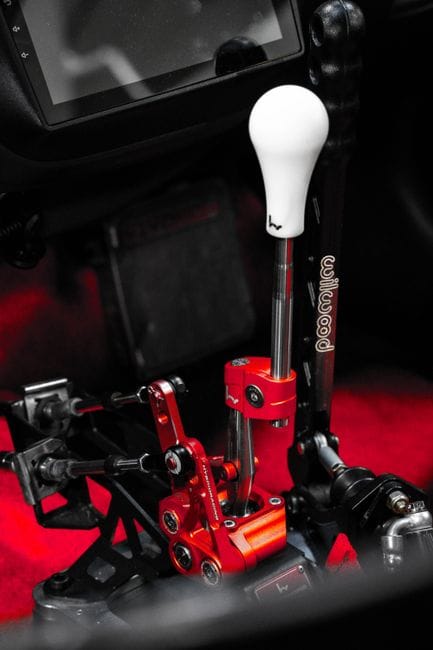
A short shifter is an aftermarket replacement for your car’s gear lever assembly that reduces the distance your hand travels between gear positions. That distance is called the **shift throw**. A stock shifter in most production cars prioritizes comfort and manufacturing cost over speed, which is why the throw feels long and rubbery. A short shifter changes the geometry of the **shift linkage** to physically shorten that travel.
The goal isn’t just faster shifts. A quality short shifter also tightens the feel of the gate, removes slop, and gives you a more direct mechanical connection to the transmission. For enthusiasts, that changes the character of the car entirely. For daily drivers, it can make a notchy gearbox feel worse. Understanding what you’re buying starts with knowing the anatomy of the assembly you’re replacing.
The Anatomy of a Shifter Assembly
A typical manual transmission shifter assembly consists of the gear lever (the stick you grab), a pivot ball or bushing that acts as the fulcrum, a lower rod or cable that connects to the transmission, and a shift gate that defines the shift pattern. The distance between the pivot point and the top of the lever determines how far your hand must move to complete a shift. The distance between the pivot point and the bottom of the lever determines how much force is transmitted to the transmission.
In a stock shifter, the pivot point is positioned to give a comfortable, moderate throw length. The lever is often tall, and the bushings are rubber to absorb vibration and noise. This design is fine for commuting, but it sacrifices precision and speed. A short shifter relocates or reshapes the pivot geometry—either by raising the pivot point, shortening the lever, or both—to reduce the arc your hand travels.
Short Shifter vs. Short Throw Shifter Plate: What’s the Difference?
These two terms are often used interchangeably, but they refer to different products. A **short shifter** is a complete replacement assembly that includes the lever, pivot mechanism, and sometimes the lower linkage arm. A **short throw shifter plate** (also called a shift reducer plate) is an add-on component that bolts onto your existing OEM shifter to change its pivot ratio without replacing the entire assembly.
The plate is cheaper and easier to install, but it typically offers less throw reduction and may not address slop or bushing wear. A full short shifter kit is more expensive but provides a more comprehensive improvement in feel and precision. If your car uses a cable-actuated shifter, a plate is often the only option; if it uses a rod-actuated shifter, you can usually choose between a full replacement or a plate.
Top Picks
How a Short Shifter Works: The Mechanics Behind the Reduced Throw
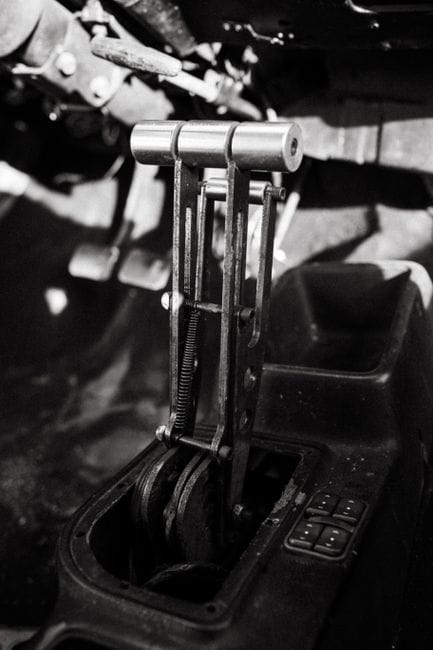
The physics of a short shifter is simple use. The gear lever is a lever arm, and the pivot point is the fulcrum. By moving the fulcrum closer to the top of the lever, the distance your hand travels decreases, but the force required to move the lever increases. That’s why short shifters feel more notchy and require more effort—you’re trading mechanical advantage for reduced travel.
Lever Ratios and Pivot Points Explained
The ratio between the upper lever length (above the pivot) and the lower lever length (below the pivot) determines both throw and effort. A stock shifter might have a 2:1 ratio, meaning the top is twice as long as the bottom. A short shifter might change that to 1.5:1 or even 1.2:1. The lower the ratio, the shorter the throw, but the heavier the shift feel.
Most quality short shifters reduce throw by 20% to 40%. A 30% reduction is the sweet spot for most drivers—noticeable improvement without making the shift feel overly heavy or notchy. Some aggressive track-oriented shifters go up to 50% reduction, but these are often unpleasant for daily driving. The material of the pivot ball also matters: billet aluminum with a nylon or brass bushing provides smooth, consistent action, while cheap plastic pivots wear quickly and introduce slop.
Cable vs. Rod-Actuated Shifters: Which Mechanism Does Your Car Use?
Cable vs. Rod-Actuated Shifters: Details
Your car’s transmission uses one of two linkage types: a rigid metal rod or flexible cables. Rod-actuated shifters are common in rear-wheel-drive cars and trucks. They offer a direct, mechanical connection, which makes them ideal for short shifter upgrades. The short shifter replaces the entire linkage arm, and the improvement in feel is immediate and dramatic.
Cable-actuated shifters are common in front-wheel-drive cars and many modern vehicles. They use two cables to transmit the shift motion from the lever to the transmission. Short shifters for cable-actuated cars typically replace only the lever assembly and the cable attachment points. The improvement is less dramatic than with rod-actuated systems, but still noticeable. Some cable systems also benefit from a short throw shifter plate, which modifies the OEM lever without replacing the cables.
Types of Short Shifters: Materials, Designs, and Price Ranges

Short shifters are available in a wide range of materials, designs, and price points. The material affects durability, feel, and weight. Billet aluminum is the most common premium material—it’s lightweight, strong, and resists corrosion. Steel is heavier but even stronger, often used in racing applications. Some budget shifters use cast aluminum or even plastic, which can flex under load and introduce unwanted play.
Billet Aluminum vs. Steel vs. OEM Plastic
Billet aluminum shifters are machined from a solid block of aluminum, which ensures precise tolerances and consistent geometry. They are the gold standard for aftermarket shifters. Steel shifters are heavier and transmit more vibration, but they are nearly indestructible. OEM plastic shifters are what come in most stock cars—they are cheap, flexible, and prone to wear over time.
The pivot mechanism is just as important as the lever material. High-quality shifters use a spherical bearing or a bronze/brass bushing at the pivot point. These provide smooth, consistent motion and eliminate the rubbery feel of stock bushings. Some shifters also include adjustable pivot positions, allowing you to fine-tune the throw length and shift effort to your preference.
Budget vs. Premium Short Shifters: What Do You Get for the Price?
Budget vs. Premium Short Shifters: Details
Budget short shifters typically cost between $50 and $150. They are usually made from cast aluminum or steel, use basic bushings, and offer a fixed throw reduction. They can be a significant improvement over stock, but they may introduce additional noise, vibration, or harshness (NVH) into the cabin. Some budget shifters also have poor fitment, requiring modification to install correctly.
Premium short shifters cost between $200 and $500 or more. They are machined from billet aluminum, use high-quality bearings or bushings, and often include adjustable throw settings. They are designed
to minimize NVH while maximizing precision. Many premium kits also include upgraded shift linkage bushings, which replace the soft rubber OEM bushings with solid or polyurethane units. This eliminates slop and improves the tactile feedback you feel through the lever. While the upfront cost is higher, premium shifters typically last the life of the vehicle and provide a more consistent, satisfying shift experience.
Installation Complexity: What to Expect When Fitting a Short Shifter

Installation difficulty varies significantly depending on your vehicle and the type of shifter you choose. For a rod-actuated shifter in a rear-wheel-drive car, the job is often straightforward and can be completed in a driveway with basic hand tools. For a cable-actuated shifter in a front-wheel-drive car, the job may require removing the center console, airbox, or even the intake manifold to access the shift cables.
DIY vs. Professional Installation
If you are comfortable working on your own car, a short shifter installation is a manageable weekend project for most enthusiasts. The process typically involves removing the shift knob and boot, unbolting the old shifter assembly, and installing the new unit. Torque specs and alignment are critical—overtightening can crack the housing, and misalignment can cause gears to grind.
However, some vehicles have notoriously difficult shifter access. In these cases, professional installation is recommended. A shop will typically charge between $150 and $400 for labor, depending on the vehicle. If you are not confident in your mechanical skills, paying for professional installation is worth the peace of mind, as a botched install can lead to transmission damage.
Real-World Performance: Shift Feel, Notchiness, and Driving Impressions

The most common complaint about short shifters is increased notchiness. Because you are reducing mechanical advantage, you must apply more force to move the lever. This can make the shift feel more “mechanical” or “notchy,” especially in transmissions that already have a firm shift action. Some drivers love this—it feels more connected and sporty. Others find it tiring in stop-and-go traffic.
How to Reduce Notchiness and Improve Shift Quality
Detailed Steps Reduce Notchiness and Improve Shift Quality
There are several ways to mitigate notchiness. First, choose a short shifter with a moderate throw reduction (20-30%) rather than an aggressive 40-50% reduction. Second, upgrade your shift linkage bushings to polyurethane or solid units—this removes the rubbery flex that causes vague, notchy shifts. Third, use a high-quality transmission fluid that meets your manufacturer’s specifications; some aftermarket fluids improve shift feel significantly.
Finally, consider pairing your short shifter with a weighted shift knob. A heavier knob adds inertia, which helps the lever “fall” into gear and smooths out the shift action. This is a popular and inexpensive upgrade that complements a short shifter perfectly.
Compatibility and Vehicle-Specific Considerations

Short shifters are vehicle-specific. You cannot buy a universal short shifter and expect it to fit your car. Each vehicle has a unique shift linkage geometry, mounting points, and cable routing. Before purchasing, verify that the shifter is designed for your exact make, model, and year. Many manufacturers list compatibility charts on their websites.
Popular Platforms and Known Issues
Some platforms have a wealth of short shifter options. The Honda Civic, Mazda MX-5 Miata, Subaru WRX, and Ford Mustang all have extensive aftermarket support. These cars are known for having good shifters that respond well to short shifter upgrades. On the other hand, some vehicles have known issues—for example, certain BMW models have a complex linkage that requires a specific shifter design, and some trucks have shifters that are difficult to access.
If you are unsure about compatibility, consult online forums or contact the manufacturer directly. A poorly fitting shifter can cause grinding, missed shifts, or even damage to your transmission. It is always better to spend a little extra time researching than to risk a costly repair.
What a Short Shifter Cannot Fix: Limitations and Misconceptions

It is important to understand what a short shifter does not do. It does not change your gear ratios, so it will not make your car faster in a straight line. It does not fix grinding gears, worn synchros, or a failing clutch. If your transmission has mechanical issues, a short shifter will not solve them—it may even make them more noticeable.
Common Misconceptions Debunked
One common misconception is that a short shifter improves fuel economy or acceleration. In reality, the only performance benefit is reduced shift time, which matters only in competitive driving. Another misconception is that a short shifter is a “cheap” upgrade. While some budget options exist, a quality short shifter is a precision component that costs real money.
Finally, some drivers believe that a short shifter will make their car feel like a race car. While it does improve the connection to the transmission, it cannot replicate the feel of a sequential shifter or a dog-leg gearbox. If you want that level of engagement, you need a different type of shifter entirely.
Should You Buy a Short Shifter? A Decision Framework

Deciding whether a short shifter is right for you depends on your driving style, your tolerance for increased effort, and your budget. If you are a weekend track enthusiast who values every millisecond of shift time, a short shifter is a worthwhile investment. If you are a daily commuter who spends hours in traffic, the increased notchiness and effort may become annoying.
Daily Driver vs. Track Car vs. Weekend Toy
For a daily driver, a moderate short shifter (20-25% throw reduction) with upgraded bushings is a good balance. It improves feel without making the car unpleasant to drive. For a track car, an aggressive short shifter (30-40% reduction) is appropriate, especially when paired with a weighted knob and high-quality transmission fluid. For a weekend toy, the choice is purely personal—some owners prefer the raw, mechanical feel of an aggressive shifter, while others prefer a more refined setup.
Final Verdict: Is It Worth the Money?
Final Verdict: Details
If you enjoy driving a manual transmission and want a more direct, engaging connection to your car, a short shifter is one of the best modifications you can make. It is relatively inexpensive compared to other performance upgrades, and it transforms the driving experience every time you shift. However, if you are looking for a performance gain that shows up on a dyno or a stopwatch, you will be disappointed.
The bottom line: a short shifter is about feel, not speed. If you value the tactile experience of shifting, it is absolutely worth the money. If you just want to get from point A to point B, save your cash for something else.
Frequently Asked Questions About Short Shifters

Will a short shifter void my warranty?
In most cases, yes. An aftermarket short shifter is a modification that can void your vehicle’s warranty, especially if it is related to the transmission or drivetrain. Check your warranty terms before installing one.
Can I install a short shifter on an automatic transmission?
No. Short shifters are designed exclusively for manual transmissions. Automatic transmissions use a different shift mechanism entirely.
How long does installation take?
For a typical DIY installation, expect to spend 2 to 4 hours. Some vehicles may take longer, especially if you need to remove the intake or center console.
Do I need to replace my shift knob?
Most short shifters use a standard thread pattern, so your existing shift knob will fit. However, many owners choose to upgrade to a weighted knob for better shift feel.
What is the difference between a short shifter and a sequential shifter?
A short shifter reduces the throw of a standard H-pattern shifter. A sequential shifter is a completely different mechanism that only allows upshifts and downshifts in order, like a motorcycle gearbox. They are not interchangeable.
You might also like: best short shifter, best manual transmission fluid, best transmission cooler