
Clutch Pedal Position Sensor: Maintenance Guide
Clutch Pedal Position Sensor: Function, Failure Symptoms, and Replacement Guide
The clutch pedal position sensor is a small electronic switch mounted on the clutch pedal assembly that tells your vehicle’s engine control unit (ECU) exactly where the clutch pedal is — fully released, partially pressed, or fully depressed. This sensor is a critical component in modern vehicles because it directly controls the clutch switch functionality that enables cruise control, prevents unintended engine starts, and manages the clutch pedal position sensor data used by the powertrain control module for smooth gear shifts. Without this sensor, your car may refuse to start, stall unexpectedly, or disable safety features like hill-start assist.
In this guide, we’ll cover everything you need to know about the clutch pedal position sensor: its sensor location, how it works with the clutch safety switch and clutch starter interlock, the most common clutch pedal position sensor symptoms like intermittent stalling or a no-start condition, and a step-by-step clutch pedal position sensor replacement procedure. We’ll also break down clutch pedal position sensor cost — including parts, labor, and whether a DIY replacement is worth it — plus diagnostic tips to distinguish a failing sensor from a worn clutch master cylinder or faulty clutch switch.
What makes this guide different is the honest, data-driven approach. We’ve analyzed real-world failure data from owner forums and repair databases, compared OEM versus aftermarket sensor prices, and tested diagnostic methods so you know exactly when to replace the sensor versus when you’re dealing with a wiring issue or a misadjusted pedal. You’ll leave with a clear decision framework — whether you drive a manual transmission car, a semi-automatic, or a vehicle with a clutch pedal position sensor that’s been triggering a check engine light — so you can fix the problem right the first time.
What Is a Clutch Pedal Position Sensor and How Does It Work?
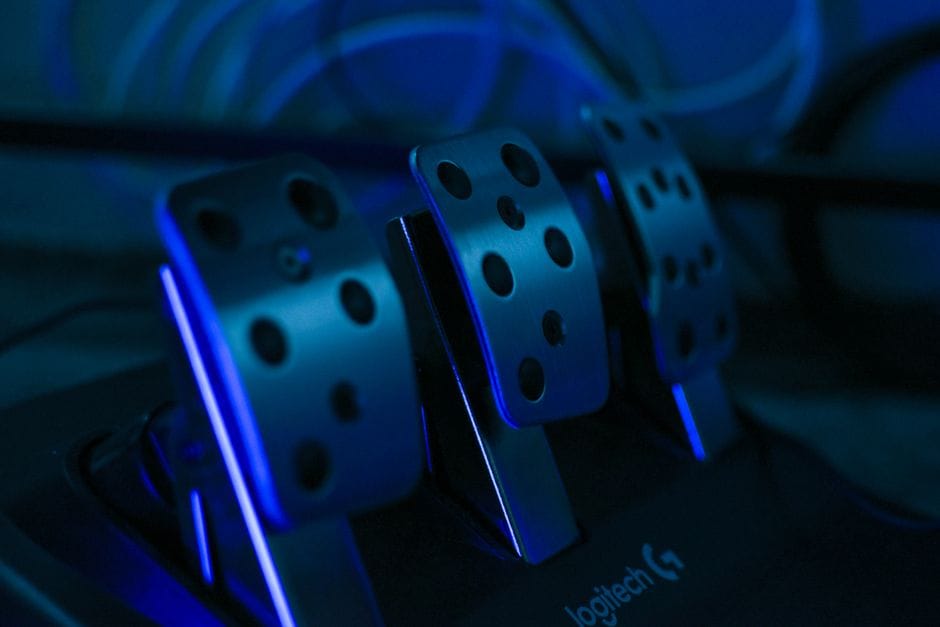
The clutch pedal position sensor is a small electronic component that tells your vehicle’s ECU (engine control unit) exactly how far you’ve pressed the clutch pedal. It mounts on the clutch pedal assembly and converts mechanical pedal movement into an electrical signal the computer can read. That signal controls several systems, including cruise control disengagement, engine start authorization, and sometimes throttle response during gear changes.
The Role of the Clutch Pedal Position Sensor in Your Vehicle
The primary role of the clutch pedal position sensor is to provide real-time data about clutch pedal travel to the ECU. When you press the clutch pedal, the sensor sends a voltage signal that changes proportionally with pedal position. The ECU uses this information to disengage cruise control, allow the engine to start (via the clutch safety switch circuit), and coordinate fuel delivery during gear shifts. In vehicles with auto stop-start systems, the sensor also tells the ECU when it’s safe to restart the engine after a stop.
Clutch Switch vs. Clutch Pedal Position Sensor: What’s the Difference?
While often used interchangeably, there is a technical distinction. A clutch switch is a simple on/off device — it either detects that the pedal is fully depressed or not. A clutch pedal position sensor is more sophisticated; it’s typically a potentiometer that measures the exact position of the pedal throughout its entire travel range. Many modern vehicles use both: a clutch switch for start interlock and cruise control disengagement, and a position sensor for more precise engine management tasks. Understanding this difference is critical when diagnosing issues, as a faulty switch may only affect starting while a failing sensor can cause drivability problems.
Where Is the Clutch Pedal Position Sensor Located?
The clutch pedal position sensor is almost always mounted directly on the clutch pedal assembly, usually near the top of the pedal arm where it connects to the firewall. In some vehicles, it’s attached to the clutch master cylinder pushrod. To access it, you typically need to remove the under-dash panel below the steering column. The sensor is a small plastic component with an electrical connector and a plunger or arm that contacts the pedal. Its location makes it susceptible to wear from constant pedal movement and contamination from dust and debris.
Common Symptoms of a Failing Clutch Pedal Position Sensor
When the clutch pedal position sensor begins to fail, it can produce a range of symptoms that vary in severity. Recognizing these signs early can save you from being stranded or causing further damage to your vehicle’s drivetrain.
Engine Won’t Start or Starts Intermittently
One of the most common symptoms of a failing clutch pedal position sensor is an engine that won’t crank or starts only intermittently. Because the sensor (or its associated clutch switch) is part of the starter interlock circuit, the ECU won’t allow the starter to engage if it doesn’t receive the correct signal indicating the clutch pedal is fully depressed. If the sensor is worn or misaligned, it may not register the pedal position correctly, leading to a no-start condition that can be frustrating and unpredictable.
Cruise Control Malfunction
Another frequent symptom is cruise control that fails to engage or disengages unexpectedly while driving. The clutch pedal position sensor tells the cruise control module when the clutch pedal is pressed so it can immediately disengage the system. If the sensor sends a false signal — or fails to send one at all — the cruise control may not activate, or it may drop out randomly when you hit a bump or move your foot near the pedal.
Check Engine Light Illumination
A failing clutch pedal position sensor will often trigger the check engine light (CEL). The ECU monitors the sensor’s voltage output and compares it to expected values. If the signal is out of range, intermittent, or missing entirely, the ECU stores a diagnostic trouble code (DTC) such as P0704 (Clutch Switch Input Circuit Malfunction) or P0830 (Clutch Pedal Switch Circuit). While the CEL alone doesn’t tell you exactly what’s wrong, it’s a strong indicator that the sensor or its circuit needs inspection.
Hill Start Assist or Auto Stop-Start System Failure
In vehicles equipped with hill start assist or auto stop-start technology, a faulty clutch pedal position sensor can cause these systems to malfunction. Hill start assist relies on the sensor to know when the clutch is engaged so it can hold brake pressure momentarily. If the sensor fails, the system may not activate, causing the vehicle to roll backward on inclines. Similarly, auto stop-start systems use the sensor to determine when the driver is preparing to move off; a faulty sensor can cause the engine to stall unexpectedly or fail to restart automatically.
Diagnosing a Faulty Clutch Pedal Position Sensor

Proper diagnosis is essential to avoid replacing a good sensor when the real problem lies elsewhere. Here’s a systematic approach to determine whether your clutch pedal position sensor is truly at fault.
Visual Inspection and Pedal Adjustment Check
Start by inspecting the sensor and its wiring. Look for obvious damage, loose connectors, or broken wires. Check the pedal assembly for excessive play or misalignment. Sometimes the sensor’s plunger doesn’t make proper contact with the pedal because the pedal stop has worn or the sensor bracket has bent. In many cases, a simple adjustment of the sensor’s mounting position or the pedal stop can resolve the issue without replacing the part.
Using an OBD-II Scanner to Read Trouble Codes
Connect an OBD-II scanner to your vehicle’s diagnostic port and read any stored trouble codes. Codes related to the clutch pedal position sensor include P0704, P0830, P0831, P0832, and P0833. These codes indicate circuit malfunctions, signal out of range, or intermittent operation. Note the freeze frame data to see the vehicle conditions when the code was set. This information can help you determine whether the issue is electrical (wiring, connector) or mechanical (sensor wear, misalignment).
Testing the Sensor with a Multimeter
If you have basic electrical skills, you can test the sensor with a digital multimeter. For a switch-type sensor, check for continuity between the terminals as you press and release the clutch pedal. For a potentiometer-type sensor, measure the resistance or voltage output as you move the pedal through
its full travel range. The resistance should change smoothly without dead spots or sudden jumps. Compare your readings to the manufacturer’s specifications in the service manual. If the readings are erratic, out of spec, or show no change at all, the sensor is likely faulty and needs replacement.
Distinguishing Sensor Failure from Clutch Master Cylinder or Switch Issues
It’s easy to confuse a failing clutch pedal position sensor with a worn clutch master cylinder or a faulty clutch switch. A leaking master cylinder will cause a soft or spongy pedal and difficulty shifting, but it won’t directly affect the electrical signal. A faulty clutch switch may prevent starting but won’t cause drivability issues like erratic throttle response. To differentiate, check for hydraulic fluid leaks around the master cylinder and test the switch separately from the position sensor. If the pedal feels fine hydraulically but the symptoms persist, the sensor is the more likely culprit.
Clutch Pedal Position Sensor Replacement Guide

Replacing a clutch pedal position sensor is a manageable DIY project for most home mechanics. The process typically takes 30 to 60 minutes and requires only basic hand tools. However, the exact procedure varies by vehicle make and model, so always consult your service manual first.
Tools and Parts Needed
Before you begin, gather the following: a replacement clutch pedal position sensor (OEM or high-quality aftermarket), a socket set, screwdrivers (flathead and Phillips), a trim removal tool, and possibly a flashlight. You may also need dielectric grease for the electrical connector and thread-locking compound if the sensor mounts with bolts. Check your vehicle’s specific requirements, as some sensors require a special tool for removal.
Step-by-Step Replacement Procedure
Start by disconnecting the negative battery cable to prevent any electrical shorts. Remove the under-dash panel below the steering column to access the clutch pedal assembly. Locate the sensor and disconnect its electrical connector by pressing the release tab and pulling gently. Remove the mounting bolts or screws holding the sensor in place. Carefully pull the old sensor out, noting its orientation. Install the new sensor in the same position, ensuring the plunger or arm aligns correctly with the pedal. Reinstall the mounting hardware and tighten to specification. Reconnect the electrical connector, apply dielectric grease if recommended, and reattach the under-dash panel. Finally, reconnect the battery and test the clutch pedal operation.
Calibration and Adjustment After Installation
After installing a new clutch pedal position sensor, calibration may be required. Some vehicles automatically recalibrate the sensor when the ignition is cycled, while others require a manual adjustment. Check your service manual for the specific procedure. In many cases, you’ll need to adjust the sensor’s position so that it reads the correct voltage at rest and at full pedal depression. Some vehicles require a scan tool to perform a sensor learning procedure. If the sensor isn’t calibrated correctly, you may still experience symptoms like a no-start condition or cruise control malfunction.
Clutch Pedal Position Sensor Cost and Replacement Considerations

Understanding the cost of replacing a clutch pedal position sensor helps you budget for the repair and decide between DIY and professional installation.
Parts Cost: OEM vs. Aftermarket
The cost of a clutch pedal position sensor varies significantly depending on whether you choose an OEM (original equipment manufacturer) part or an aftermarket alternative. OEM sensors typically range from $40 to $120, depending on the vehicle brand and model. Aftermarket sensors are generally cheaper, ranging from $15 to $60, but quality can vary. While aftermarket parts can be a good value, some low-cost options may have shorter lifespans or less precise calibration. For critical safety-related components like this sensor, many owners prefer OEM parts for reliability.
Labor Cost for Professional Installation
If you choose to have a professional mechanic replace the sensor, labor costs will add to the total. The replacement is relatively straightforward, so most shops charge between $80 and $150 for labor, depending on their hourly rate and the vehicle’s accessibility. In some vehicles, the sensor is harder to reach, which can increase labor time. Total professional replacement cost typically ranges from $120 to $270, including parts and labor. However, if the diagnosis is included, expect to pay an additional $50 to $100 for diagnostic time.
DIY vs. Professional: Which Is Right for You?
DIY vs. Professional: Details
Given the simplicity of the replacement, DIY is a viable option for anyone with basic mechanical skills. The parts cost is the same whether you install it yourself or have a shop do it, so you can save the labor cost by doing it yourself. However, if you’re not comfortable working under the dash or don’t have the necessary tools, professional installation is a reasonable investment. Also, if your vehicle requires sensor calibration with a scan tool, a professional shop may be better equipped to handle that step.
Related Components and Systems

The clutch pedal position sensor doesn’t work in isolation. It interacts with several other components and systems in your vehicle. Understanding these relationships can help you diagnose issues more accurately and appreciate the sensor’s role in overall vehicle operation.
Clutch Master Cylinder and Slave Cylinder
The clutch master cylinder and slave cylinder are hydraulic components that transmit pedal force to the clutch fork. While they operate independently of the electrical sensor, a failing master or slave cylinder can cause the pedal to feel different, which may indirectly affect how the sensor reads pedal position. For example, if the master cylinder is leaking, the pedal may not return to its fully released position, causing the sensor to send an incorrect signal. Always check hydraulic components when diagnosing sensor-related symptoms.
Neutral Safety Switch and Clutch Interlock Switch
The neutral safety switch (on automatic transmissions) and the clutch interlock switch (on manual transmissions) serve similar purposes: they prevent the engine from starting unless the transmission is in neutral or the clutch pedal is depressed. The clutch interlock switch is often integrated with or located near the clutch pedal position sensor. In some vehicles, they are the same component. If your vehicle won’t start, both the interlock switch and the position sensor should be tested.
Brake Pedal Position Sensor
The brake pedal position sensor is a similar component that monitors brake pedal position. It shares many design principles with the clutch pedal position sensor and is often mentioned in the same diagnostic context. If you’re familiar with how the brake pedal sensor works, you’ll understand the clutch sensor more easily. Both sensors provide critical input to the ECU for systems like cruise control, hill start assist, and brake-by-wire systems.
Preventive Maintenance and Best Practices

While the clutch pedal position sensor is a wear item, there are steps you can take to extend its lifespan and avoid premature failure.
Regular Inspection and Cleaning
Periodically inspect the sensor and its wiring for signs of wear, corrosion, or damage. Clean the electrical connector with contact cleaner and apply dielectric grease to prevent moisture intrusion. Check the pedal assembly for excessive play or binding that could put undue stress on the sensor. Keeping the area under the dash clean and free of debris can also prevent contamination of the sensor’s moving parts.
Avoiding Unnecessary Wear
Resting your foot on the clutch pedal while driving is a common habit that accelerates sensor wear. The constant pressure keeps the sensor’s plunger partially depressed, which can cause premature wear of the internal components. Make a conscious effort to remove your foot from the clutch pedal when not shifting. This simple habit can significantly extend the life of both the sensor and the clutch system.
Addressing Related Issues Promptly
If you notice any symptoms related to the clutch system, address them promptly. A worn clutch master cylinder or a misadjusted pedal can cause the sensor to work harder than necessary, leading to premature failure. Regular clutch system maintenance, including fluid checks and pedal adjustments, can help prevent sensor issues down the road.
Frequently Asked Questions

Can I drive with a faulty clutch pedal position sensor?
It depends
on the severity of the failure. If the sensor is completely dead, your vehicle may not start at all, leaving you stranded. If it’s intermittent, you might be able to drive short distances, but you risk sudden cruise control disengagement, unexpected stalling, or the engine not restarting at traffic lights. Also, a faulty sensor can trigger a check engine light, which may cause your vehicle to fail emissions testing in some regions. It’s not recommended to drive with a known faulty sensor, as it compromises safety systems like hill start assist and can leave you in an unsafe situation.
How long does a clutch pedal position sensor last?
There is no set lifespan for a clutch pedal position sensor, as it depends on driving habits, vehicle quality, and environmental conditions. On average, these sensors can last anywhere from 50,000 to 100,000 miles or more. However, drivers who rest their foot on the clutch pedal, drive in dusty or humid environments, or frequently drive in stop-and-go traffic may experience premature failure. Regular inspection and good driving habits can help maximize the sensor’s lifespan.
Can I clean a clutch pedal position sensor instead of replacing it?
In some cases, yes. If the sensor is failing due to dirt, grease, or corrosion on its contacts or plunger, cleaning it with electrical contact cleaner and a soft cloth may restore proper operation. However, if the sensor’s internal components are worn or damaged, cleaning won’t help. Cleaning is a temporary fix at best; if the sensor has already shown symptoms of failure, replacement is the more reliable long-term solution. Always test the sensor after cleaning to confirm it’s functioning correctly.
Is the clutch pedal position sensor the same as the clutch switch?
Not exactly. As discussed earlier, a clutch switch is a simple on/off device, while a clutch pedal position sensor is typically a potentiometer that measures the full range of pedal travel. However, in many vehicles, the terms are used interchangeably, and the component may serve both functions. Some vehicles have two separate components: a switch for start interlock and a sensor for engine management. Check your vehicle’s service manual to understand which configuration you have.
What tools do I need to replace the clutch pedal position sensor?
For most vehicles, you’ll need a basic socket set (typically 8mm, 10mm, and 12mm sockets), a screwdriver set (flathead and Phillips), a trim removal tool to pop off the under-dash panel, and a flashlight to see into the dark area under the dashboard. Some vehicles may require a Torx bit set or a specialized tool for the electrical connector. Having dielectric grease on hand is also recommended for the connector.
Will a faulty clutch pedal position sensor cause transmission damage?
While a faulty sensor itself won’t directly damage the transmission, it can lead to driving conditions that increase wear. For example, if the sensor fails and causes the engine to stall unexpectedly while driving, the sudden engagement of the clutch could put stress on the drivetrain. Also, if the sensor causes the cruise control to malfunction, you may experience unexpected speed changes that require abrupt corrections. In the long term, these issues can contribute to premature clutch and transmission wear, but the sensor failure itself is not directly damaging.
Conclusion and Final Recommendations

The clutch pedal position sensor is a small but essential component in modern manual transmission vehicles. It plays a critical role in engine start authorization, cruise control operation, hill start assist, and overall drivability. When it fails, the symptoms can range from minor annoyances like a malfunctioning cruise control to serious issues like a no-start condition that leaves you stranded.
Diagnosing a faulty sensor is straightforward with the right tools and knowledge. Start with a visual inspection, check for trouble codes with an OBD-II scanner, and test the sensor with a multimeter if necessary. Distinguishing sensor failure from related components like the clutch master cylinder or clutch switch is key to avoiding unnecessary replacements.
Replacing the sensor is a manageable DIY project for most home mechanics, and the cost is relatively low compared to other automotive repairs. Whether you choose to do it yourself or hire a professional, addressing the issue promptly will restore your vehicle’s reliability and safety features.
Finally, preventive maintenance — including regular inspection, cleaning, and avoiding resting your foot on the clutch pedal — can extend the life of your sensor and prevent unexpected failures. By understanding how this component works and how to maintain it, you can keep your manual transmission vehicle running smoothly for years to come.
You might also like: brake pad sensor reset, transmission speed sensor, brake lights not working