Coolant System Problems: Diagnosis and Repair
Quick Answer:Coolant system problems often manifest as overheating, leaks, or contamination. A pressure test and visual inspection can diagnose most issues. Repair costs range from $50 for a DIY thermostat replacementto $800+ for a professional radiator replacement.
Common Coolant System Problems
Common Coolant System Problems (And How to Spot Them)
1. Low Coolant
Low coolant is the #1 cause of overheating. But here’s what most people miss:if your coolant is low, you have a leak. Coolant doesn’t just “disappear”—it escapes through a failed component or evaporates from a bad pressure cap. Check your owner’s manual for the correct coolant type (e.g., Honda Type 2, Dex-Cool, or HOAT). Mixing types can cause gel formation that clogs your system.
2. Coolant Leaks
Leaks can occur at:
- Hoses:Upper/lower radiator hoses, heater hoses (check for cracks or soft spots)
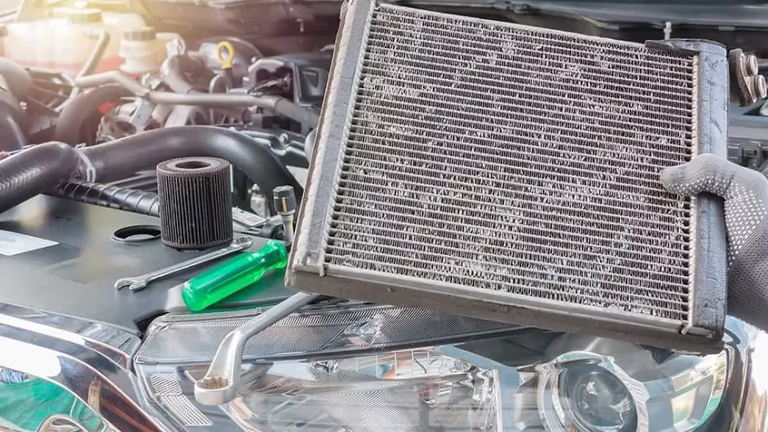
- Radiator:Plastic end tanks crack with age; aluminum cores corrode
- Water Pump:Look for coolant weeping from the weep hole (sign of bearing failure)
- Thermostat Housing:Common failure point on Ford 3.5L EcoBoost engines
- Freeze Plugs:Rust through on older vehicles (especially in the Rust Belt)
Use acoolant leak detectionkit with UV dye for hard-to-find leaks. A pressure test (15 psi for most systems) will reveal hidden issues.
3. Coolant Contamination
Contaminated coolant looks like:
- Milky:Oil mixing with coolant (blown head gasket or cracked block)
- Rusty:Corrosion from old fluid or mixed coolant types
- Sludgy:Stop-leak additives or degraded coolant
Diagnosis Section
Diagnosing Coolant System Problems Like a Pro
Step 1: Visual Inspection
Step 1: Details
Check for coolant puddles under the car (bright green, orange, or pink).
Inspect hoses for cracks, bulges, or soft spots (squeeze them—they should feel firm).
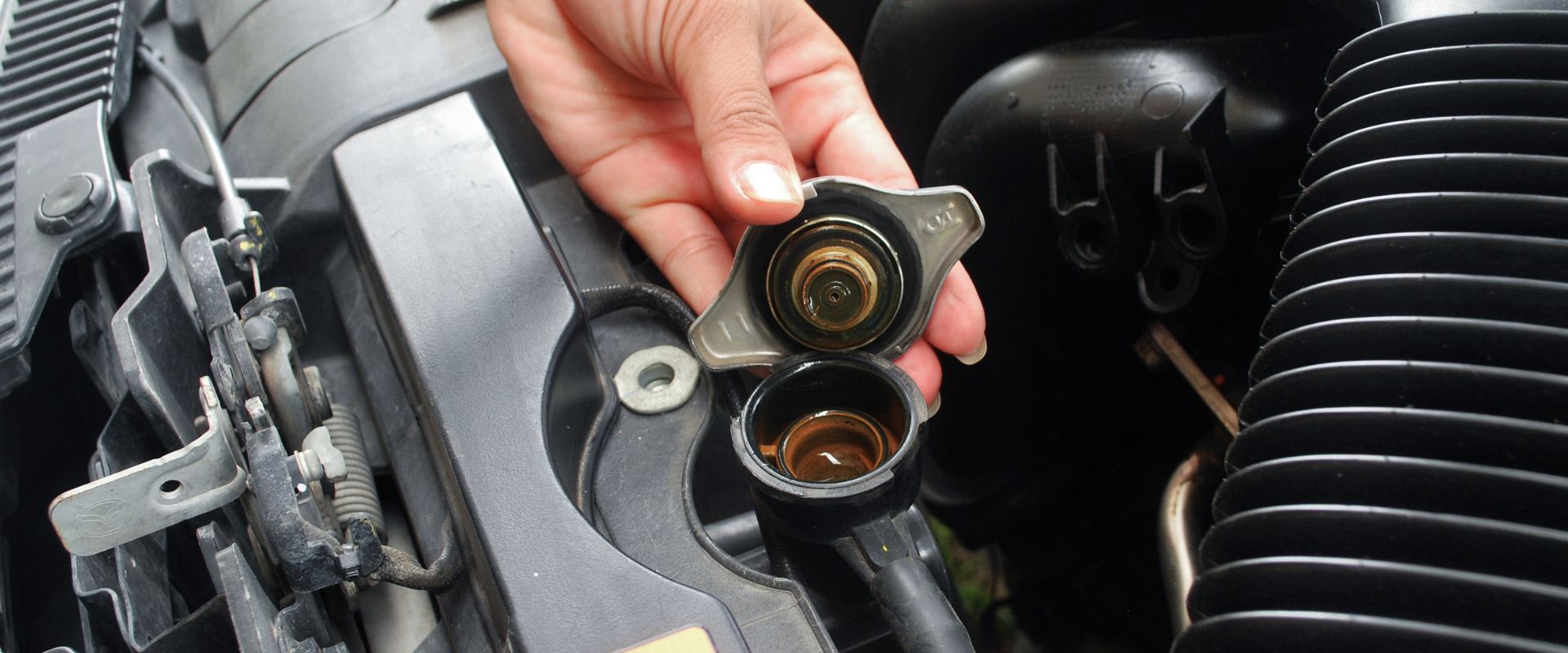
Look for white crusty deposits around the radiator cap or filler neck (sign of repeated overheating).
Step 2: Pressure Test
You’ll need acooling system pressure tester($30 on Amazon). Most systems hold 15-20 psi. Attach the tester to the radiator neck, pump it up, and watch for:
- Dropping pressure (indicates a leak)
- Bubbles in the coolant (combustion gases from a blown head gasket)
- Hisses from the overflow tank (failing cap)
Step 3: Thermostat Check
Step 3: Details
A stuck-closed thermostat causes rapid overheating. To test:
- Start the engine cold.
- Feel the upper radiator hose—it should stay cool until the engine reaches ~195°F (90°C), then warm up quickly as the thermostat opens.
- If the hose stays cold or gets hot immediately, replace the thermostat.
Recommended thermostats:
- Honda/Acura:OEM (Part #19035-RAA-A01) – $25
- Ford 3.5L EcoBoost:Motorcraft RT-1293 – $18
- GM 3.6L:ACDelco 15-80267 – $22
Repair Guides
Repair Guides: Fix It Yourself
Replacing a Radiator Hose
Time:30-60 minutes |Difficulty:Easy
Tools Needed:
- Pliers (for clamp removal)
- Screwdriver (for spring clamps)
- Drain pan
- New hose (e.g., Gates 22409 for 2010-2015 Toyota Camry)
- Coolant (2 gallons of Toyota Red for Camry)
Drain coolant into a pan by opening the radiator drain plug (turn counterclockwise).
Loosen hose clamps with pliers or a screwdriver. Twist the hose to break the seal.
Install the new hose, secure clamps, and refill with a 50/50 coolant/water mix.
Burp the system by squeezing upper radiator hose with the engine running (cap off) until bubbles stop.
Cost Breakdown:
- DIY:$40 (hose) + $20 (coolant) = $60
- Shop:$150-250 (labor + parts)
Flushing Contaminated Coolant
Time:2 hours |Difficulty:Moderate
Tools Needed:
- Garden hose
- Flush kit (Prestone AF2100 – $15)
- Distilled water (5 gallons)
- New coolant (check manual for type/capacity)
Drain old coolant completely.
Fill with water and flush kit, run engine for 10 minutes.
Drain, repeat with clean water until it runs clear.
Refill with 50/50 coolant mix.
Cost Analysis
Cost Analysis: DIY vs. Professional Repair
| Repair | DIY Cost | Shop Cost | Difficulty |
|---|---|---|---|
| Thermostat Replacement | $25-50 | $150-250 | Easy |
| Radiator Hose | $40-80 | $150-250 | Easy |
| Water Pump | $100-200 | $400-700 | Moderate |
| Radiator Replacement | $200-400 | $500-800 | Moderate |
| Head Gasket | Not Recommended | $1,500-3,000 | Hard |
FAQ Section
FAQ: Your Coolant System Questions Answered
How often should I flush my coolant?
Every 5 years or 100,000 miles for most vehicles.Exception:Honda/Acura use long-life coolant (10 years/120k miles). Check your owner’s manual—over-flushing can damage seals.
Can I mix coolant types?
No.Mixing Dex-Cool (orange) with HOAT (yellow) or traditional green coolant creates a gel that clogs passages. Stick to what’s specified for your vehicle.
Why does my car overheat at idle but not while driving?
This usually indicates afailing water pumpor radiator fan issue. At speed, airflow cools the radiator, but at idle, the fan (or pump) must do the work. Check fan operation and water pump for leaks.
How much does it cost to fix a coolant leak?
It depends on the source:
- Hose:$60-150
- Radiator:$500-800
- Water Pump:$400-700
- Head Gasket:$1,500-3,000
DIY can cut costs by 50-70%, but some jobs (like head gaskets) require professional tools.
Final Thoughts: A Mechanic’s Perspective
Coolant system problems are the silent killers of engines. I’ve seen more vehicles totaled from ignored $50 thermostats than from major accidents. The good news? Most issues are preventable with basic maintenance:
- Check coolant level monthly.
- Inspect hoses every oil change.
- Flush the system on schedule.
- Address leaks immediately.
If you’re tackling a repair yourself, take your time and follow the steps. And remember: if you see oil in your coolant or vice versa,stop driving and call a professional. That’s not a DIY job—it’s an engine’s death sentence.
Got a coolant problem you’re not sure about? Drop a comment below—I answer every question. And if this guide saved you a trip to the shop, consider supporting VehicleBar by sharing it with a fellow gearhead.
Related: How to Bleed a Clutch: Complete Hydraulic System Bleeding Guide
Related: Clutch Hydraulic System Problems: Complete Diagnosis Guide