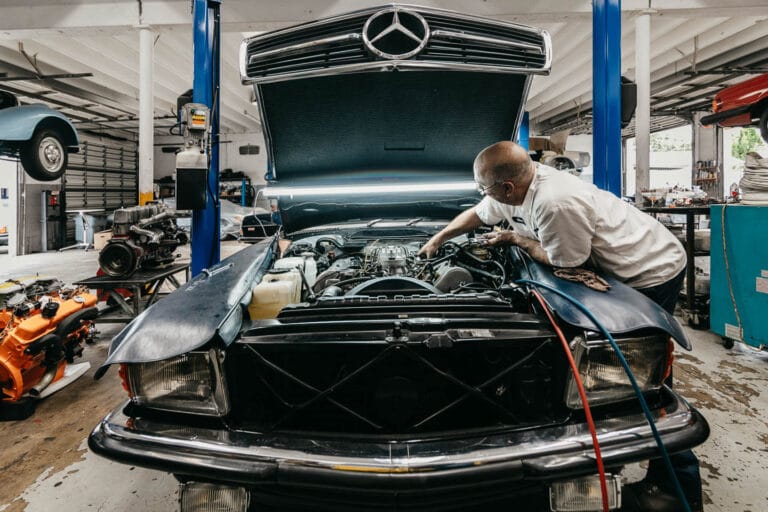
How to Fix an Overheating Engine: Step-by-Step Guide
To fix an overheating engine, start by checking coolant level and condition, inspect the thermostat and radiator fans, flush contaminated coolant, repair leaks, and properly bleed the coolant system. Most overheating problems are caused by airflow loss, coolant flow restriction, or trapped air—not engine failure.
What an Overheating Engine Really Looks Like in the Real World
One of the worst heat waves I remember hit in late August, right when shop traffic was already backed up. Around 3:30 p.m., a 2014 Honda Accord rolled in with steam puffing from under the hood like a pressure cooker. The customer had the AC blasting, kids in the back seat, and a temperature gauge pegged at hot while sitting in bumper-to-bumper traffic.
I shut the engine down immediately. The coolant reservoir was empty, the radiator fan was silent, and the coolant that remained looked like rusty pond water. The owner was convinced the engine was “done.” I’ve heard that fear thousands of times over the last 15+ years as an ASE-certified master technician.
That Accord didn’t need an engine. It needed a cooling system service that had been ignored for nearly a decade: a clogged radiator, a thermostat stuck half-closed, and air trapped in the system after a previous repair. Total fix? About $220 in parts and fluids.
Overheating engines scare people because the damage can be expensive—but the cause is usually simple if you know where to look. In this guide, I’ll walk you through exactly how to fix an overheating engine using the same process I use in the shop, with no guessing and no shortcuts.
Before grabbing tools, it helps to understand how overheating starts. If you want the big-picture breakdown, review
[repair overheating engine, fix engine temperature, overheating solutions](engine-overheating-causes, coolant-system-problems, thermostat-failure) so the steps below make sense.
Never open the cooling system on a hot engine.Coolant temperatures can exceed 230°F, and system pressure can cause boiling coolant to erupt violently. Severe burns happen fast. Let the engine cool completely before touching hoses, caps, or drain plugs.
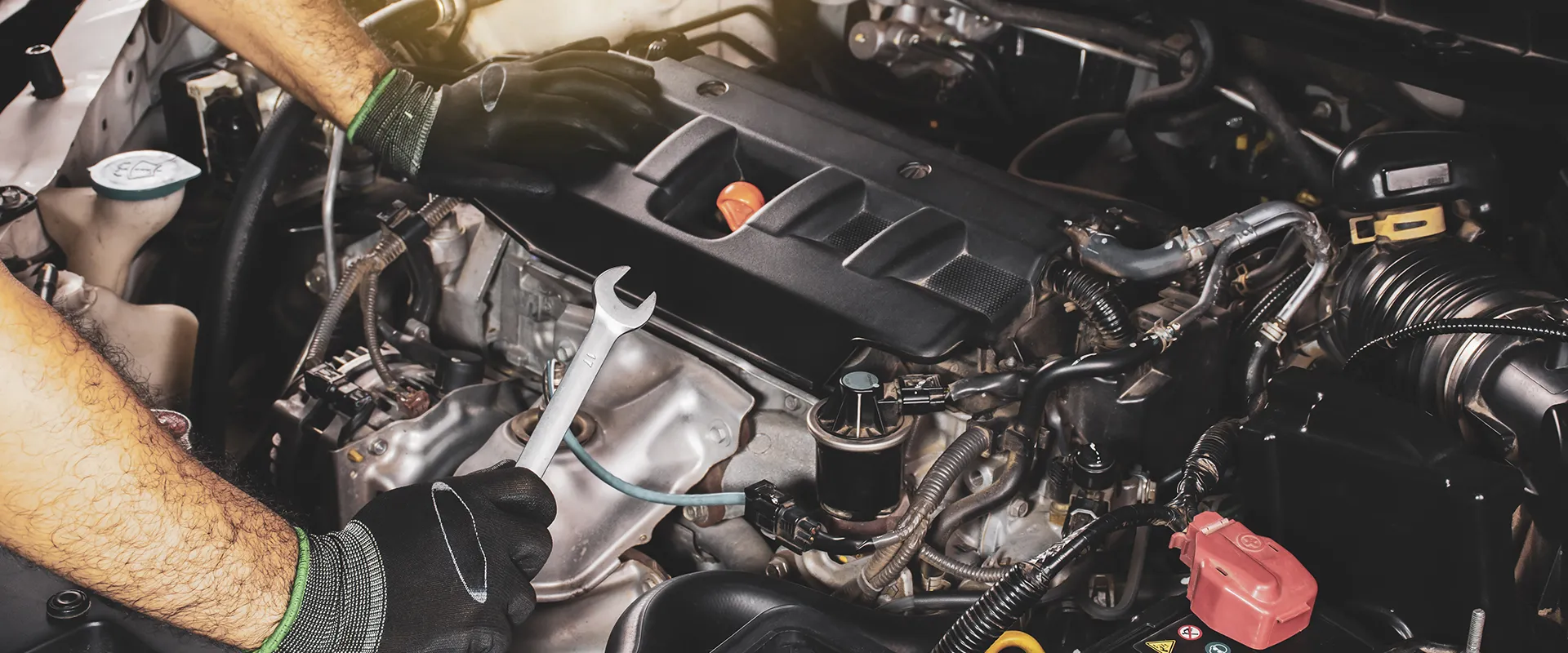
Tools & Materials You’ll Need (What I Actually Use)
- Socket set:8mm, 10mm, 12mm, 14mm (must have)
- Torque wrench:10–80 ft-lbs range (must have)
- Drain pan:2–4 gallon minimum
- Spill-free coolant funnel kit(strongly recommended)
- Infrared thermometer(nice to have)
- Hose clamp pliers
- Flathead and Phillips screwdrivers
- Nitrile gloves & safety glasses
Estimated cost:$80–$150 if you don’t already own these. Every tool listed is available from AutoZone, O’Reilly, or Amazon.
Step 1: Diagnose Why the Engine Is Overheating
Overheating isn’t a diagnosis—it’s a symptom. Replacing random parts without understanding the failure path is how people waste money. I always start diagnostics the same way, regardless of vehicle age or mileage.
Common Overheating Symptoms I See Daily
- Temperature gauge climbs rapidly after startup
- Gauge stays normal until idle, then spikes
- Heater blows cold while engine is hot
- Coolant smell or steam after shutdown
- Radiator fan never turns on
If overheating occurs only at idle → check radiator fan, fan relay, and temperature sensor.
If overheating happens at highway speeds → suspect thermostat, radiator restriction, or coolant flow issue.
If coolant disappears with no visible leaks → pressure test for internal leaks.
This logic saves hours. I’ve seen people replace water pumps that weren’t bad simply because they skipped basic airflow checks.
Step 2: Check Coolant Level, Condition, and Pressure
Low or contaminated coolant is responsible for more overheating engines than any failed part. I don’t care if the overflow bottle looks “kind of full”—I want to see the radiator full to the neck.
With the engine cold, remove the radiator cap. The coolant should be right at the top.
Inspect color and clarity. Clean coolant transfers heat efficiently. Brown or sludgy coolant traps heat.
Inspect hoses for collapse, cracking, or soft spots—especially the lower radiator hose.
If coolant is discolored or mixed incorrectly, a coolant flush isn’t optional—it’s mandatory.
Step 3: Perform a Proper Coolant Flush (Not the Lazy Version)
A real coolant flush restores heat transfer efficiency. Quick “drain and fill” jobs leave contaminated coolant trapped in the block. I flush until the water runs clear—every time.
Used coolant is toxic. Store it securely and dispose of it at a recycling center.
Open radiator drain or remove lower hose and fully drain the system.
Refill with distilled water only. Never use tap water.
Run engine until thermostat opens, heater on high, then drain again.
Repeat until drained water is clear, then refill with manufacturer-approved coolant.
Distilled water prevents mineral scale. I’ve cut radiator replacements in half just by flushing systems correctly.
Step 4: Thermostat Replacement (Small Part, Big Consequences)
Thermostats fail far more often than people think. Most modern units begin opening between 180–195°F. When they stick, overheating is inevitable.
I’ve seen engines hit redline temperature within 8 minutes of startup due to a stuck thermostat.
Drain coolant below thermostat housing level.
Remove housing bolts (usually 10mm). Typical torque on reinstall is 7–10 ft-lbs—verify for your engine.
Install new thermostat and gasket. Never reuse old seals.
OEM thermostats last longer and regulate temperature more accurately. Cheap aftermarket units are a gamble.
Step 5: Radiator Repair, Fans, and Airflow Checks
Radiator issues fall into two categories: airflow problems and coolant flow problems. Both cause overheating, but the fixes are different.
Airflow Checks
- Inspect fins for dirt, bugs, or bent sections
- Verify cooling fans activate around 215–225°F
- Check fan relays and fuses
Coolant Flow Checks
- Cold spots across radiator indicate internal clogging
- Rust flakes mean corrosion is active
Chemical stop-leak products clog heater cores and radiators. I don’t use them, and I don’t recommend them—ever.
Step 6: Bleeding the Coolant System the Right Way
Air pockets kill cooling efficiency. I’ve seen brand-new radiators overheat simply because the system wasn’t bled.
Install spill-free funnel and fill system completely.
Run engine with heater on high until thermostat opens.
Watch for bubbles, top off, then seal once bubbling stops.
Troubleshooting Persistent Overheating
• Check for combustion gases in coolant
• Pressure test cooling system
• Inspect water pump impeller
If overheating persists after all cooling system components check out, stop. Continuing to drive risks catastrophic damage.
Cost Analysis: DIY vs Professional Repair
- Coolant flush: $30–$60 DIY | $120–$180 shop
- Thermostat replacement: $40–$90 DIY | $250–$450 shop
- Radiator replacement: $180–$400 DIY | $700–$1,400 shop
DIY repairs typically save50–70%compared to professional service.
Frequently Asked Questions
Can an overheating engine fix itself?No. Overheating always has a cause, and it always gets worse if ignored.
How long can I drive before damage occurs?Sometimes minutes. Aluminum engines warp fast once overheated.
Is white smoke always a blown head gasket?No. Coolant burning externally or steam from overflow can look similar.
Does AC make overheating worse?Yes. AC increases engine load and heat output.
Should I replace hoses preventively?If hoses are over 8–10 years old, yes. Rubber degrades internally.
Top How To Fix An Overheating Engine – Our Picks
Final Thoughts From a Mechanic Who’s Seen It All
Knowing how to fix an overheating engine is about discipline, not luck. Cooling systems fail in predictable ways, and when you follow the steps, the fix is usually straightforward.
Most repairs fall into the moderate difficulty range and cost between $50 and $300 for DIYers. The real savings come from early intervention—before overheating turns into engine damage.
From one technician to another: respect the cooling system, don’t rush the bleed process, and never ignore the temperature gauge. Engines give warnings. It’s our job to listen.