Radiator Issues: Signs Your Radiator Is Failing
It was a scorching July afternoon in Phoenix a couple years back—must’ve been 115 degrees out. This lady pulls into the shop in her 2012 Honda Accord, hood smoking like a barbecue pit. She’s panicked, kids in the back seat crying because the AC quit blowing cold. I pop the hood and right away see coolant dripping from the bottom of the radiator. Turned out the plastic end tank had cracked from age and heat cycles. I’ve seen that exact failure dozens of times on those Hondas around 100,000-150,000 miles. We got her cooled down, topped off the coolant, and had her back on the road with a new radiator the same day. Stories like that are why I always tell folks: ignore radiator problems and you’re asking for a blown head gasket or worse.
I’ve been turning wrenches for over 20 years now, ASE master certified, and radiators are one of the most common things I replace. A failing radiator doesn’t just make your car run hot—it can trash the whole engine if you keep driving on it. In this guide, I’ll walk you through the real-world signs I’ve seen in the shop, how to diagnose them yourself, and what it takes to fix radiator problems properly.
Common Signs Your Radiator Is Going Bad
Most radiator problems boil down to two things: leaks or reduced cooling efficiency from clogs. Here’s what I’ve seen most often.
Engine Overheating
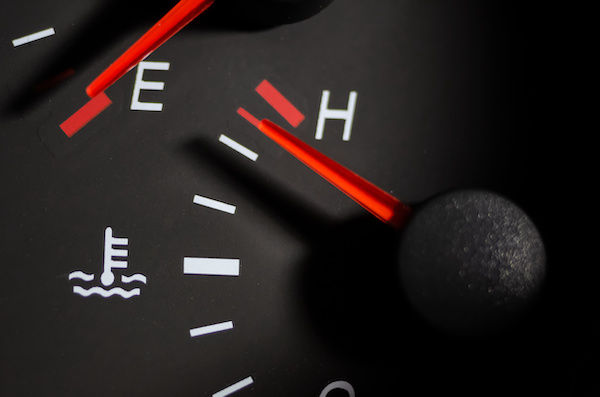
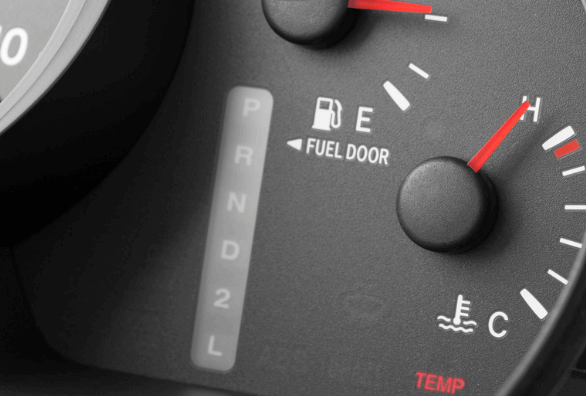
The big one. If your temperature gauge climbs into the red or you get a warning light, pull over immediately. Continuing to drive can warp heads or blow gaskets—I’ve cleaned up plenty of those messes.
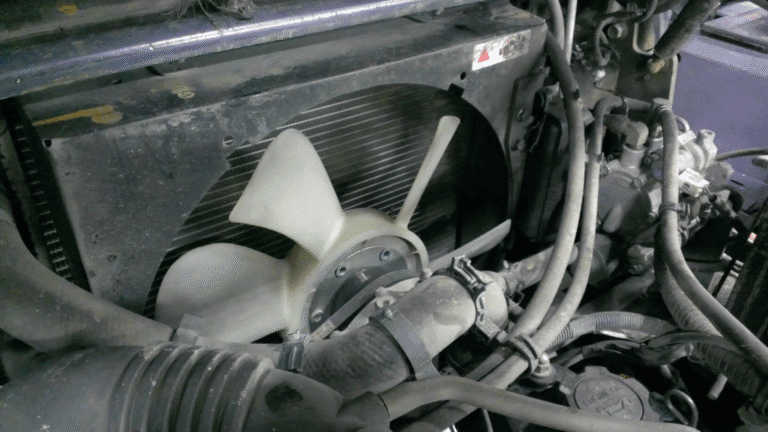
Overheating from a bad radiator usually happens under load, like highway speeds or towing. If it only overheats in stop-and-go traffic, suspect the fan first.
Coolant Leaks
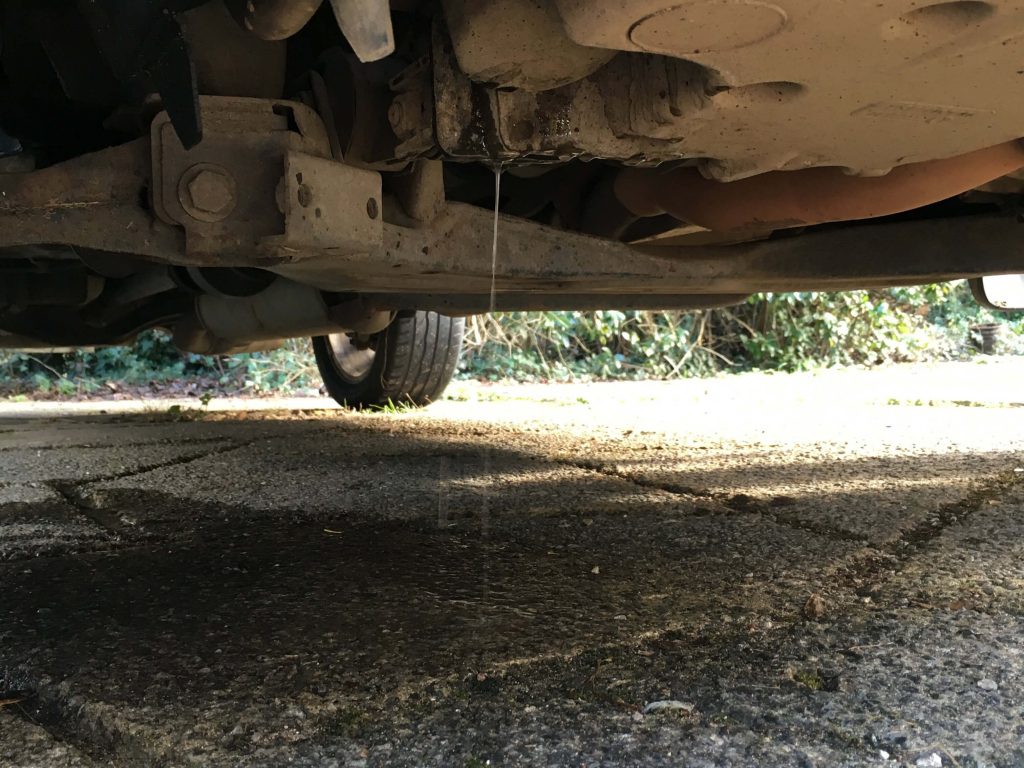
Bright green, orange, or pink puddles under the front of the car? That’s coolant. Common leak spots: plastic end tanks cracking on older radiators, corroded seams, or pinholes from road debris.
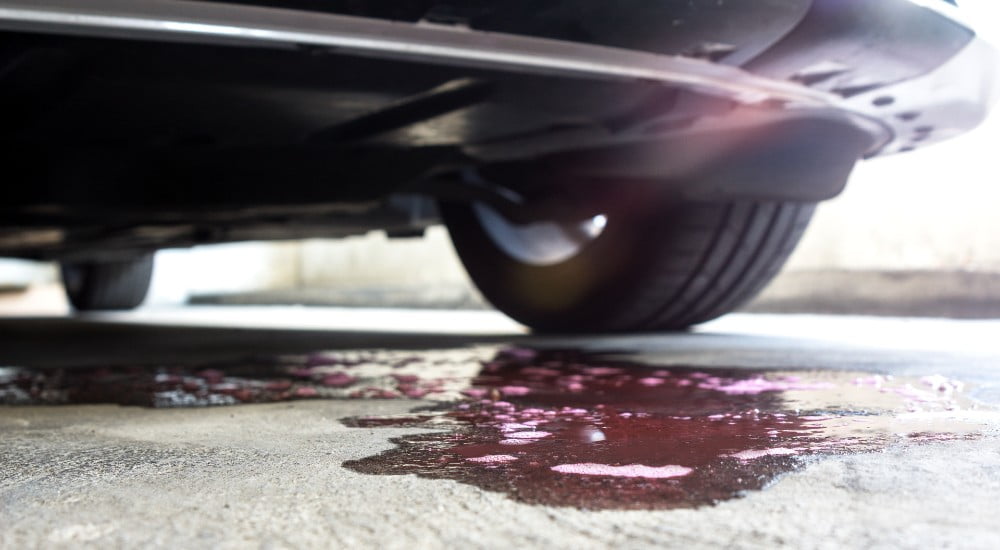
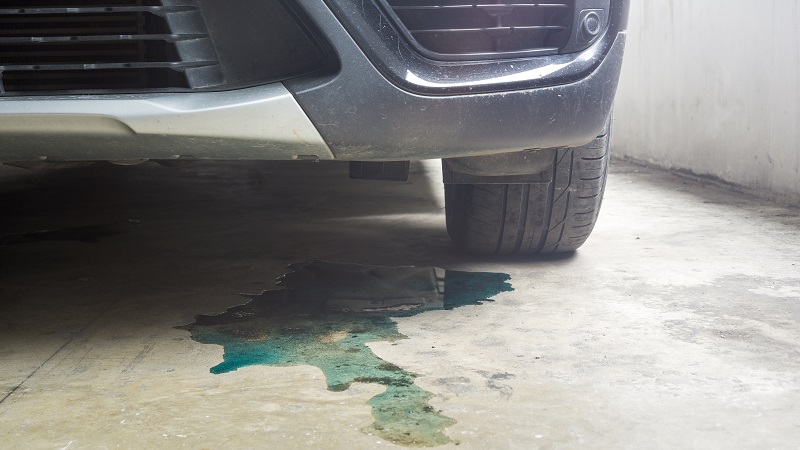
Pro tip: A sweet smell inside or outside the car often means a small heater core leak, but external leaks smell the same.
Clogged Radiator Fins or Internal Blockage
Bugs, dirt, and road grime pack into the fins, blocking airflow. I’ve seen radiators so clogged they looked like they had fur.
Internal clogs from old coolant or mixing types create sludge that restricts flow.
Discolored or Low Coolant
Coolant should be bright and clean. If it’s rusty brown or oily, you’ve got internal corrosion or a head gasket issue.
Poor Cabin Heat
If your heater blows lukewarm air, air pockets or low coolant from a leak could be the culprit.
Tools & Materials List
Must-Have Tools:
- Socket set (10mm-19mm common)
- Pliers (regular and hose clamp)
- Screwdrivers (Phillips and flathead)
- Drain pan (at least 5-gallon)
- Funnel
- Cooling system pressure tester (~$50-100 at AutoZone, loaner available)
Nice to Have:
- Lisle spill-free funnel (~$30)
- Shop vac for cleanup
- Gloves and safety glasses
Materials:
- New radiator (see recommendations below)
- Distilled water (several gallons)
- Concentrated coolant (check manual for type)
- New hoses and clamps if old ones are cracked

Troubleshooting Radiator Problems
Before replacing, confirm it’s the radiator.
- Visual Inspection:Look for leaks, bent fins, or debris on the front.
- Pressure Test:Rent a tester kit. Pump to the cap rating (usually 13-18 psi—check your cap). Hold 15 minutes. Drop means leak.
- Check Flow:Feel upper and lower hoses after warmup. Big temperature difference means internal clog.
- If overheating but no leak:Could be thermostat, water pump, or fans. See related guides on [failing radiator signs, radiator failure symptoms, bad radiator diagnosis](engine-overheating-causes, coolant-system-problems, water-pump-failure).
Radiator Replacement Step-by-Step
Moderate difficulty DIY—3-6 hours depending on vehicle. Easier on trucks, tougher on transverse engines.
Drain coolant. Petcock at bottom or remove lower hose. Catch in pan.
Remove hoses, fan shroud, transmission lines (if auto—plug them).
Unbolt radiator mounts. Lift out carefully.
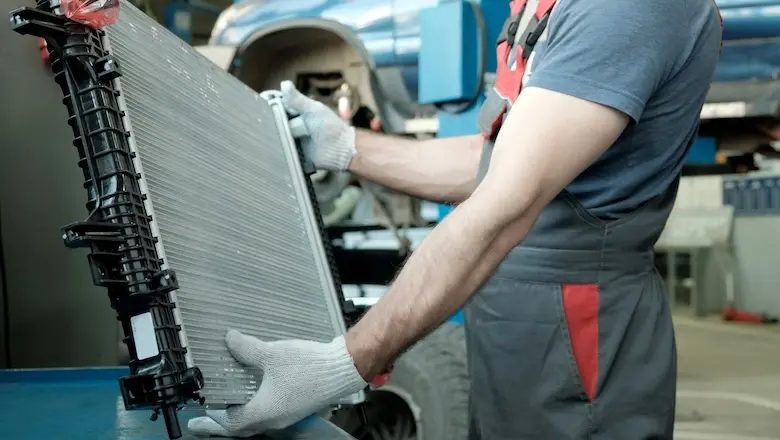
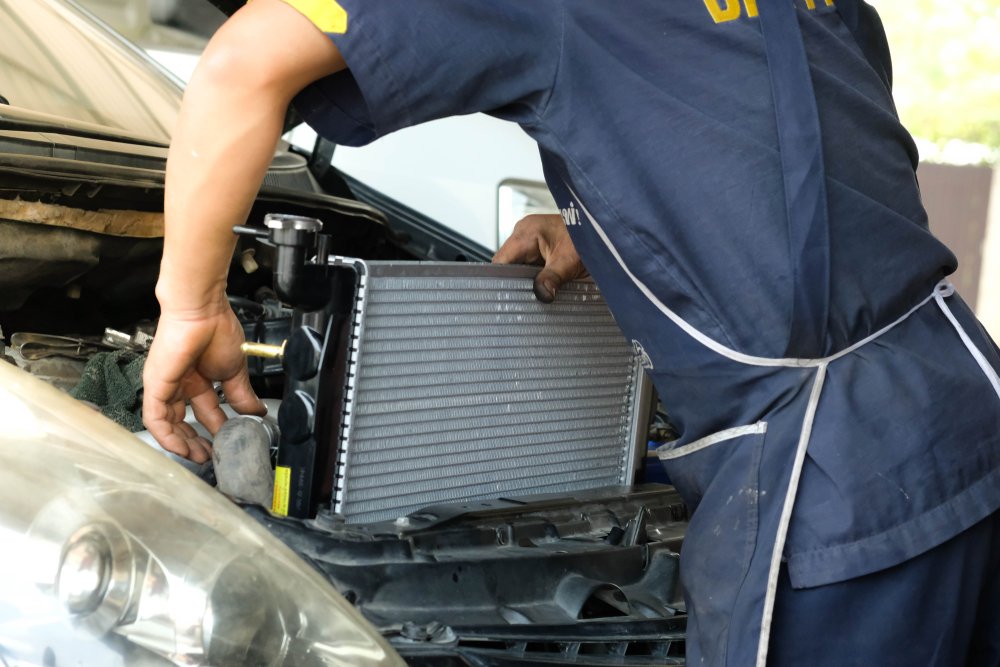
Install new radiator. Reverse removal.
Fill with 50/50 mix. Bleed air—run with cap off, heater on high until thermostat opens.
Pressure test for leaks.
OEM vs Aftermarket Radiators
| Type | Pros | Cons | Recommendations |
|---|---|---|---|
| OEM | Perfect fit, long life | Expensive | Dealer or RockAuto |
| Quality Aftermarket | Cheaper, often better cooling | Fit varies | Denso, Spectra Premium, CSF |
| Budget Aftermarket | Cheap | Short life, poor cooling | Avoid no-name |
I’ve installed both. For daily drivers, good aftermarket like Spectra saves money without issues. For hot climates or towing, spend on OEM or all-aluminum upgrade.
Cost Analysis
DIY Costs:
- Radiator: $100-400
- Coolant: $30-50
- Tools (if needed): $100
- Total: $150-550
Shop Costs:
- Parts + Labor: $800-1800 (varies by vehicle)
Money-saving tip: Flush system yourself every 5 years. Prevents clogs and extends radiator life.
FAQ
How much does radiator replacement cost?
DIY $150-550. Shop $800-1800 average. Luxury/high-end vehicles higher.
Can I drive with a leaking radiator?
Short distances only if small leak and you monitor temp. Risk major damage—tow if possible.
Is a radiator flush necessary?
Yes, every 5 years/100k miles. Removes debris that causes clogs.
What’s better: repair or replace radiator?
Most leaks mean replace. Small external fixes possible short-term, but internal clogs/leaks require new unit.
How long do radiators last?
8-15 years typical. Plastic tanks fail first in hot areas.
Will a bad radiator cause AC problems?
Yes—condenser in front gets less air if radiator clogged.
Can I use water instead of coolant?
Temporary only. No corrosion protection or proper boiling point.
Top Radiator Issues – Our Picks


Final Thoughts
Catching radiator problems early saves thousands in engine repairs. Moderate DIY if handy—saves big money. Otherwise, shop it. From experience: address overheating immediately. No radiator lasts forever, but maintenance makes them last longer.
Drive safe out there.
Related: Clutch Pedal Problems: Soft, Hard, Sticking or Goes to Floor
Related: Synchronizer Problems: Why Your Manual Trans Grinds Into Gear