Engine Misfire Symptoms: What to Look For
If you’ve ever felt your car shudder, lose power unexpectedly, or idle like it’s about to stall, you may be dealing with a classic—and potentially serious—automotive issue: an engine misfire. As an ASE-certified master technician with over 15 years of hands-on experience diagnosing everything from weekend project cars to daily commuters, I’ve seen misfires cause everything from minor annoyances to catastrophic engine damage. That’s why understanding engine misfire symptoms early can save you not just money, but also prevent a roadside breakdown or internal engine failure.
In this comprehensive guide, we’ll break down exactly what a misfire is, the most common symptoms to watch for, the root causes behind them, and how to take smart, proactive steps before the problem worsens. Whether you’re a weekend DIYer, a seasoned gearhead, or just a car owner trying to make sense of odd drivability issues, this article will arm you with the knowledge you need to act fast and intelligently.
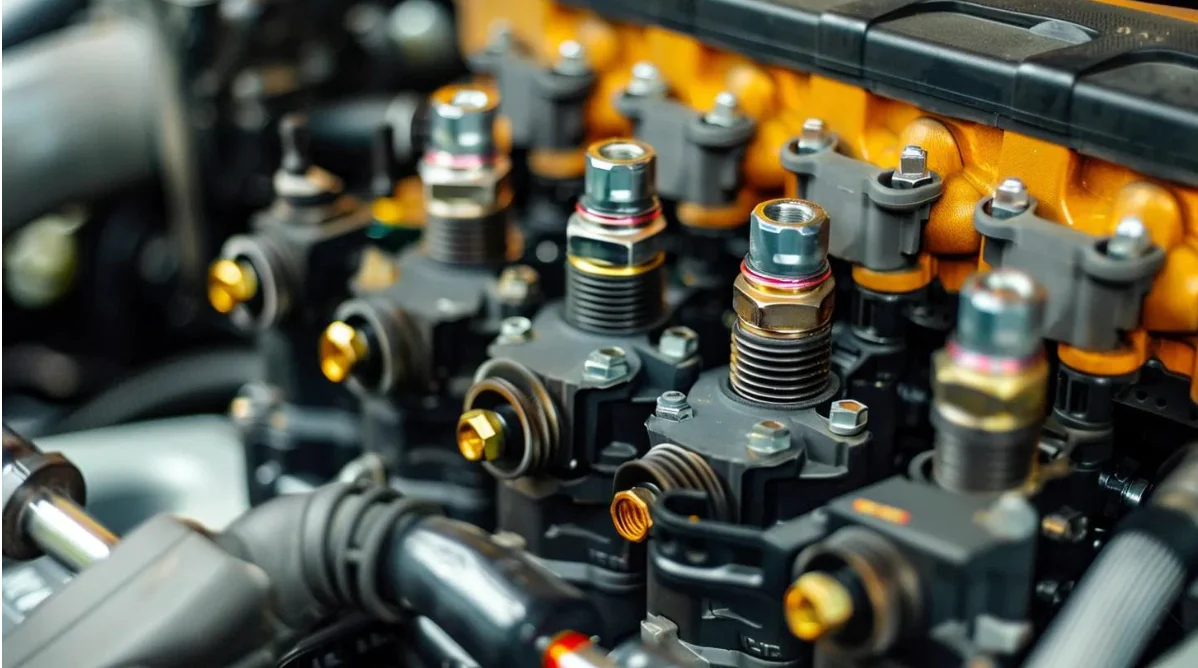
What Is an Engine Misfire?
Before we dive into symptoms, let’s clarify what a misfire actually is. At its core, an engine misfire occurs when one or more cylinders fail to combust the air-fuel mixture properly during the engine cycle. This failure can be partial (a “weak” misfire) or complete (a “dead” cylinder), but either way, it disrupts the smooth, synchronized operation your engine relies on.
Modern engines—from a 4-cylinder economy sedan to a twin-turbo V8 performance SUV—are precision machines. Each cylinder is timed to fire in a specific sequence, delivering power pulses that rotate the crankshaft evenly. When one cylinder doesn’t contribute its share of power, the entire system becomes unbalanced. This imbalance is what you feel, hear, and sometimes even smell.
Importantly, today’s vehicles are equipped with sophisticated On-Board Diagnostics (OBD-II) systems that can detect misfires in real time using the crankshaft position sensor. If a misfire is detected consistently, your check engine light will illuminate—sometimes flashing, which is a critical warning we’ll discuss shortly.
But long before the computer intervenes, your senses can pick up on subtle (and not-so-subtle) clues. Let’s explore them.
1. Rough Running Engine: The Most Obvious Clue
VehicleBar Affiliate Product Box
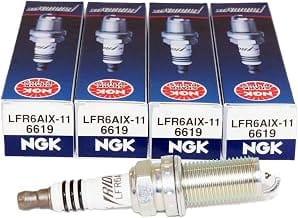
Most Misfires Are a $40 Fix
As an Amazon Associate, VehicleBar earns from qualifying purchases at no extra cost to you.
Fix First
If Needed
End VehicleBar Affiliate Product Box
One of the hallmark engine misfire symptoms is a rough running engine. This can manifest as vibrations, shaking, or an uneven rhythm in the engine’s operation—especially noticeable at idle or under light throttle.
Imagine your engine as a choir: when all cylinders sing in harmony, the result is smooth power delivery. But if one “singer” drops out, the whole performance sounds off. That’s a misfire.
- At idle:The engine may shake violently, causing the steering wheel or entire cabin to tremble.
- Under load:Acceleration might feel jerky or inconsistent, as if the car is “skipping” forward.
- Cold vs. hot:Some misfires only appear when the engine is cold (often due to vacuum leaks or faulty fuel injectors) and disappear once warmed up. Others worsen with heat (common with ignition coil failure).
If your vehicle suddenly starts running rough after previously smooth operation, it’s a red flag you shouldn’t ignore.
Pro Tip:Don’t confuse normal engine vibration (common in performance or high-compression engines) with a true misfire. A misfire isnew,intermittent, orworsening—not consistent since you bought the car.
2. Power Loss: When Your Car Feels “Sluggish”
Another critical indicator of misfiring is power loss. You might notice your car struggling to accelerate, especially on hills or when merging onto highways. The engine revs but doesn’t respond with expected thrust—it’s like pressing the gas pedal through molasses.
This happens because a misfiring cylinder isn’t contributing torque. In a 4-cylinder engine, a single dead cylinder means you’re operating at 75% capacity. In a V6, that’s 83%. The engine control unit (ECU) may also enter “limp mode” to protect the catalytic converter from unburned fuel, further reducing power output.
Real-world example:I recently worked on a 2018 Ford F-150 that lost power while towing. The driver reported it “felt like the engine was cutting out.” A scan revealed a P0304 code (cylinder #4 misfire). The culprit? A cracked ignition coil boot allowing arcing. Replacing the coil restored full power—no engine damage, thanks to early detection.
3. Hesitation During Acceleration
Closely related to power loss is hesitation—that unsettling delay or stumble when you press the accelerator. Instead of immediate response, the engine bogs down, then suddenly catches up.
Hesitation often points to an intermittent misfire, frequently tied to:
- Weak spark (worn spark plugs or failing ignition coils)
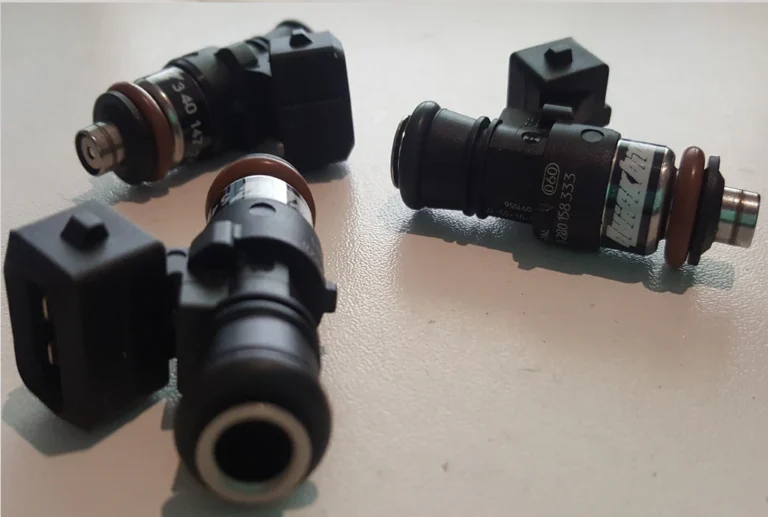
- Inconsistent fuel delivery (clogged injector, failing fuel pump)
- Vacuum leaks causing lean conditions
While hesitation can also stem from transmission issues or throttle body problems, when paired with other engine misfire symptoms, it’s a strong clue the combustion process is faltering.
4. The Check Engine Light: Your Car’s Early Warning System
For many drivers, the first sign of a misfire is the check engine light(CEL). But not all CEL illuminations are equal—how it behaves matters immensely.
- Steady CEL:Indicates a detected misfire, but not severe enough to cause immediate damage.
- Flashing CEL:This is an emergency. A flashing check engine light means the ECU has detected a severe, ongoing misfire that could overheat and destroy your catalytic converter—a $1,000+ repair.
If your CEL flashes,stop driving immediately. Continuing to operate the vehicle risks:
- Melting the catalytic converter’s internal substrate
- Contaminating oxygen sensors
- Causing piston or valve damage from unburned fuel washing down cylinder walls
Even a steady CEL warrants prompt attention. Use an OBD2 scanner to pull codes. Common misfire-related codes include:
- P0300:Random/multiple cylinder misfire
- P0301–P0308:Misfire detected on cylinder #1 through #8 (respectively)
For deeper insight into interpreting these codes, see our guide on P0300-code-diagnosis.
5. Rough or Unstable Idle
A healthy engine should idle smoothly—typically between 600–900 RPM (varies by make/model). If your RPM needle dances erratically or the engine sounds like it’s about to stall, you may have a rough idle caused by misfiring.
Common causes include:
- Vacuum leaks (cracked hoses, leaking intake manifold gaskets)
- Faulty idle air control (IAC) valve
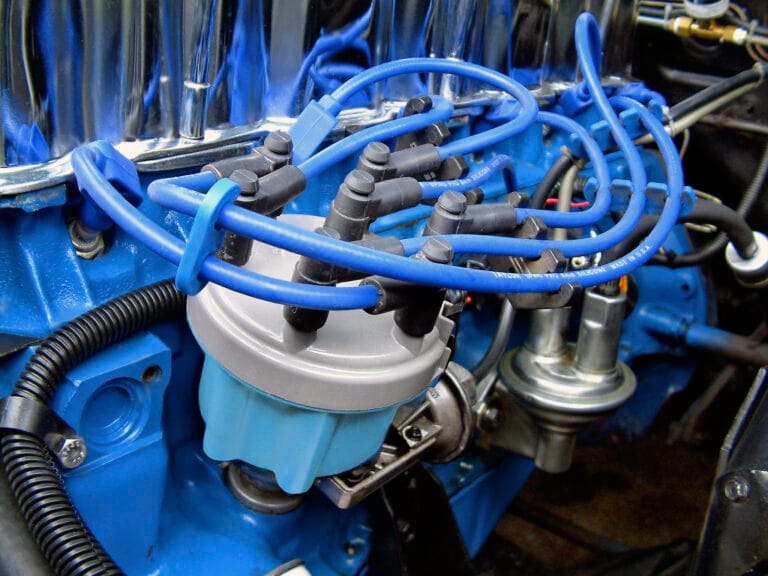
- Worn spark plugs or plug wires
- Clogged fuel injectors
Note that a rough idle isn’t always due to misfire—it could be a mechanical issue like low compression—but it’s often the first audible clue. If your car idles like a “dying lawnmower,” investigate further.
For more on this specific condition, explore our article on engine-rough-idle.
6. Increased Fuel Consumption
An inefficient engine burns more fuel. When a cylinder misfires, unburned gasoline either exits through the exhaust or washes past the piston rings into the oil. Either way, your fuel economy takes a hit.
If you’ve noticed a sudden 10–20% drop in MPG without changes in driving habits, a misfire could be the culprit. While poor fuel economy has many causes (tire pressure, oxygen sensor failure, etc.),when combined with rough running or hesitation, misfire becomes likely.
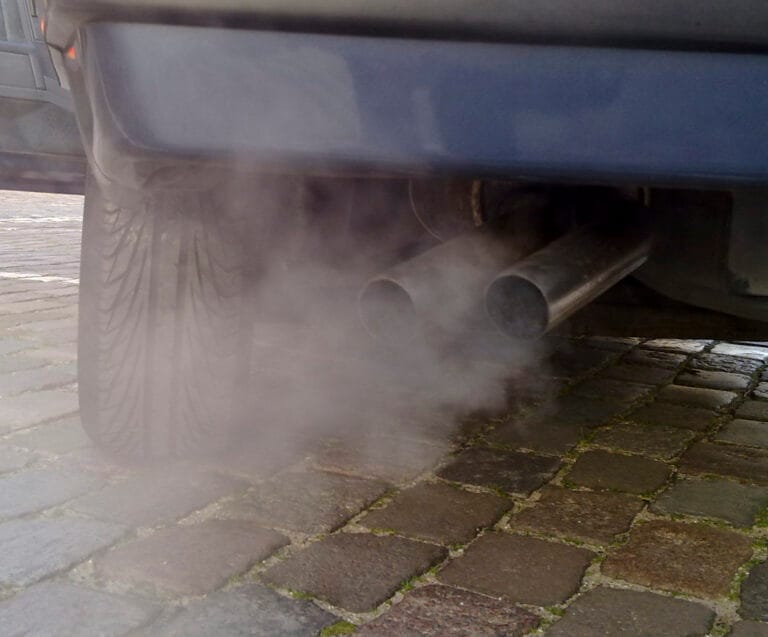
7. Exhaust Smell or Visible Smoke
A misfire can cause unusual exhaust characteristics:
- Raw fuel smell:Indicates unburned gasoline exiting the tailpipe.
- Black smoke:Suggests rich mixture (less common with misfires; more typical of fuel pressure issues).
- No smoke but strong odor:Common with lean misfires (too much air, not enough fuel), where combustion is incomplete.
Warning:If you detect a strong gasoline odor inside or near your vehicle, stop driving. Fuel vapors are highly flammable and may indicate a dangerous leak.
8. Engine Stalling
In extreme cases, persistent misfires—especially at idle—can cause the engine to stall completely. This is particularly common in older vehicles or those with significant ignition system wear. If your car dies at stoplights or when coming to a stop, misfire should be high on your diagnostic list.
Why Misfires Happen: The Three Pillars of Combustion
Every internal combustion engine relies on three elements for proper operation:
- Compression(mechanical integrity)
- Fuel(proper delivery and mixture)
- Ignition(correct spark timing and strength)
A failure in any one of these areas can cause a misfire. Let’s break down the common culprits:
Ignition System Failures (Most Common)
- Worn spark plugs:Electrode erosion increases gap, weakening spark.
- Failing ignition coils:Heat and vibration degrade windings over time.
- Damaged plug wires (older vehicles):Cracks allow spark to arc to ground.
- Faulty crank/cam position sensors:Disrupt ignition timing.
Fuel System Problems
- Clogged or leaking fuel injectors
- Low fuel pressure(weak fuel pump, clogged filter)
- Faulty mass airflow (MAF) or manifold absolute pressure (MAP) sensors, leading to incorrect air-fuel ratios
Mechanical Issues (Less Common but Serious)
- Burnt valves or worn piston rings→ low compression
- Blown head gasket→ loss of cylinder sealing
- Timing belt/chain misalignment→ valves and pistons out of sync
Air/Vacuum Leaks
Unmetered air entering the intake (post-MAF sensor) creates a lean condition, which can cause misfires—especially at idle. Common leak points:
- Intake manifold gaskets
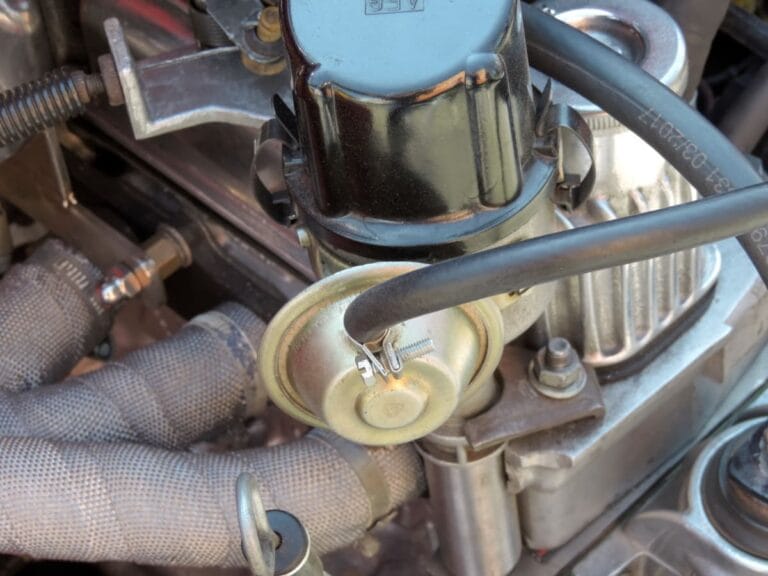
- Vacuum lines
- PCV valve housing
- Brake booster lines
Diagnosing the Problem: Don’t Guess—Test!
Many DIYers jump straight to replacing spark plugs or coils, hoping to “fix it by shotgun approach.” While this sometimes works, it’s expensive, inefficient, and may miss the real issue.
Instead, follow a systematic diagnostic process:
Step 1: Scan for Codes
Use an OBD2 scanner to retrieve trouble codes. Even if the CEL isn’t on, pending codes may exist. A P0302 code? Focus on cylinder #2.
Step 2: Perform a Visual Inspection
- Check spark plug wires/coil boots for cracks or arcing marks.
- Look for vacuum leaks (listen for hissing, spray carb cleaner—idle will smooth if a leak is present).
- Inspect fuel injectors for leaks or carbon buildup.
Step 3: Swap Components to Isolate
If you suspect an ignition coil, swap it with a known-good cylinder’s coil. If the misfire code moves (e.g., from P0302 to P0304), the coil is faulty.
Step 4: Test Compression and Leak-Down
If ignition and fuel systems check out, perform a compression test. Low compression on one cylinder points to mechanical failure (valves, rings, head gasket).
Step 5: Analyze Fuel Trims
Step 5: Details
Use a scan tool to monitor short-term and long-term fuel trims. High positive trims (+10% or more) suggest a lean condition—possibly a vacuum leak or weak fuel delivery.
For a full walkthrough of this process, see our comprehensive guide on how to diagnose-engine-misfire.
Can You Drive with a Misfire?
Short answer:Not safely, and not for long.
A minor, intermittent misfire might let you limp home, but a steady or flashing CEL means stop immediately. Why?
- Catalytic converter damage:Unburned fuel ignites inside the cat, causing temperatures to soar beyond 1,800°F—melting the ceramic monolith.
- Oil contamination:Raw fuel dilutes engine oil, reducing lubricity and accelerating wear.
- Increased emissions:Your car fails emissions tests and pollutes unnecessarily.
Don’t risk a $2,000 repair bill because you ignored a $200 ignition coil.
Prevention: Keep Misfires at Bay
The best cure is prevention. Follow these maintenance tips:
- Replace spark plugsat manufacturer intervals (typically 30k–100k miles, depending on type).
- Inspect ignition coilsduring tune-ups, especially on high-mileage vehicles.
- Clean fuel injectorsevery 50k–75k miles if you frequently use low-quality fuel.
- Address vacuum leaks promptly—don’t ignore hissing sounds or rough idle.
- Use quality fuel with proper detergent additives (Top Tier gasoline).
Final Thoughts: Trust Your Senses, But Verify with Data
As a technician, I’ve learned that the best diagnostic tool isn’t always the scan tool—it’s the driver’s observation. You know your car’s normal behavior better than anyone. If something feels “off,” it probably is.
Engine misfire symptoms like rough running, power loss, hesitation, and a flashing check engine light are your vehicle’s way of saying, “Something’s wrong—pay attention!” Ignoring them risks expensive repairs. Addressing them early—armed with knowledge and a methodical approach—can save your engine, your wallet, and your sanity.
For more in-depth coverage of detection techniques and real-world case studies, explore our resources on [signs of engine misfire, misfire warning signs, how to identify misfire](diagnose-engine-misfire, P0300-code-diagnosis).
Your engine is counting on you. Listen to it.